
Offseason Question Marks for Top College Football Playoff Contenders
Spring football has finally wrapped up across the nation, and as college football players dig into their final exams and prepare for “voluntary” offseason workouts, the time has come to sit back and reflect, at least for a moment.
This week’s dominant college football story has been Everett Golson’s eventual destination following his transfer from Notre Dame, which has spiced up a slow period. Now is the time when players think about what lies ahead and coaches analyze what they have on their rosters.
It’s an excellent opportunity to look at the offseason questions that face the top College Football Playoff contenders. So we’re going to do just that.
Here’s an examination of the biggest question marks facing the top 12 teams in our most recent preseason top 25.
12. Clemson
1 of 12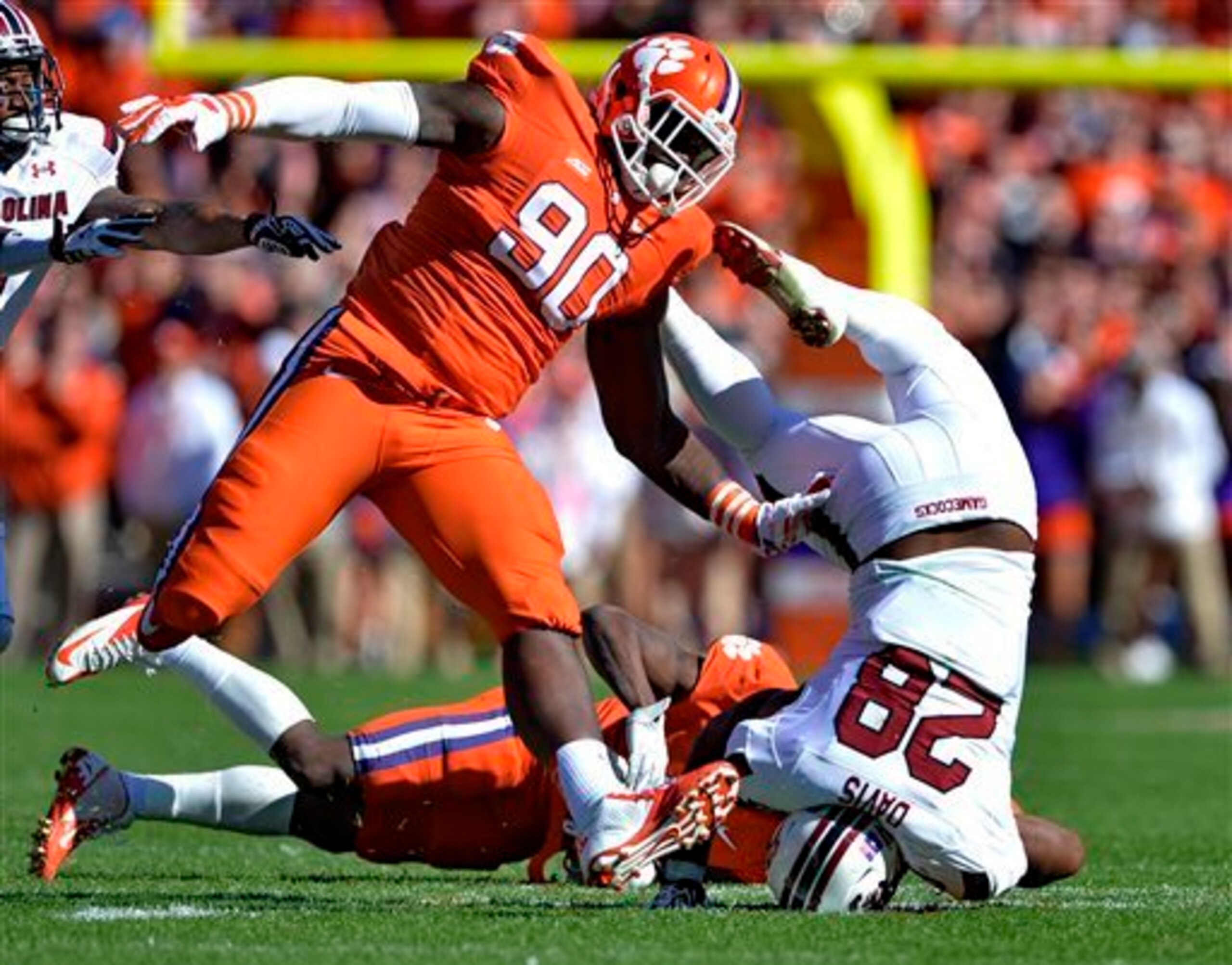
Clemson faced changes on offense this offseason thanks to Chad Morris’ departure to become SMU’s head coach and Tony Elliott and Jeff Scott's elevation to co-offensive coordinators, but the biggest issues surround the Tigers’ defense.
A year ago, Clemson led the nation in total defense, allowing 260.8 yards per game, and finished third in scoring defense, yielding 16.7 points per game. But only three starters return from that defense, and only two members of the D-line two-deep (defensive end Shaq Lawson and defensive tackle D.J. Reader) return. So here’s the question: How does Clemson replicate that production on the defensive line?
It might be impossible for one person to duplicate the production from NFL first-round pick Vic Beasley, who left Clemson as the program’s all-time sack leader. But Lawson, a freshman All-American, has great pass-rush skills. He has 7.5 sacks and 21 tackles for loss in two seasons as Beasley’s backup.
Freshmen Albert Huggins and Christian Wilkins will be expected to contribute early, and the Tigers must lean on talented but inexperienced depth to avoid a drop-off.
11. Ole Miss
2 of 12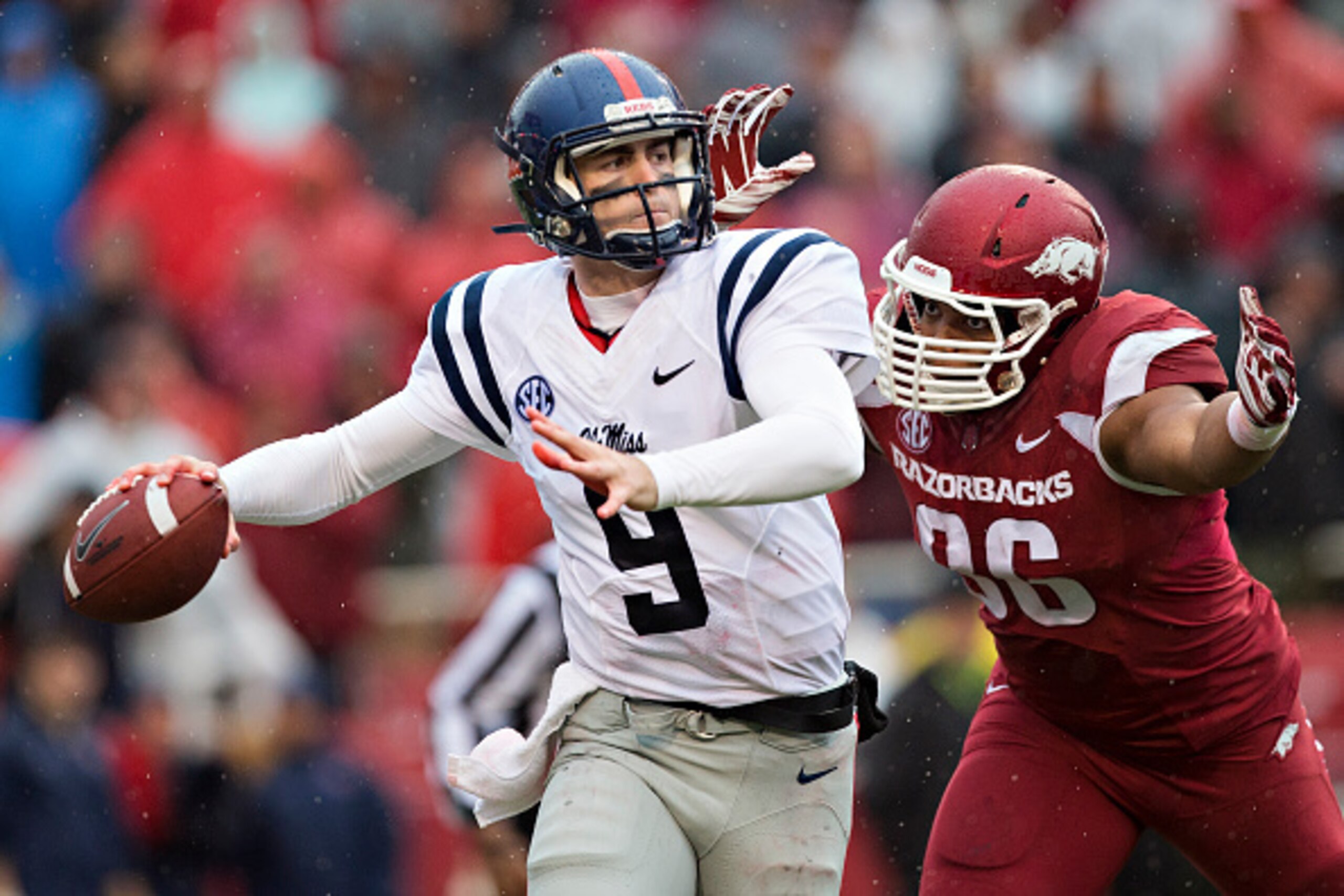
Ole Miss had an excellent 2014 season, going 9-4 with huge wins over rivals Alabama and Mississippi State. And with wide receiver Laquon Treadwell (who missed the second half of the season with a broken ankle) and star tackle Laremy Tunsil (who left the Peach Bowl loss to TCU with a broken leg) returning healthy this fall, expectations are high in Oxford with 17 starters coming back.
But one major question remains: Who will replace Bo Wallace at quarterback?
Wallace was highly inconsistent, throwing 22 touchdowns against 14 interceptions, several at inopportune times (including a game-killing pick against LSU).
Spring practice brought a little clarity, but not much. Sophomore Ryan Buchanan left the sessions holding a slight lead over Chad Kelly, who arrived at Ole Miss via a disastrous stint at Clemson and a year at East Mississippi Community College. But Ole Miss coach Hugh Freeze made it clear that Buchanan didn’t have a lock on the job by any means, although Hugh Kellenberger of the Jackson Clarion-Ledger said he should be the guy.
He’ll lead Kelly and sophomore DeVante Kincade into the summer, but nothing is decided. Kelly is a better running threat than Buchanan, albeit more volatile, and could be a better fit for Freeze’s offense. Even though coaches can’t observe summer workouts, you can bet they’ll keep their ears to the ground regarding this battle.
10. UCLA
3 of 12
Following back-to-back 10-win seasons, coach Jim Mora Jr. is building something special at UCLA.
The Bruins return 18 starters but must replace dual-threat quarterback Brett Hundley, a key offensive piece over the last two years.
Mora has a solid replacement waiting in the wings, but it remains to be seen how he’ll adjust. True freshman Josh Rosen, rated as the nation’s top pro-style quarterback by 247Sports, was impressive throughout spring practice. Rosen stands 6’4” and 265 pounds with a strong arm and excellent pocket presence.
While Mora says he won’t name a starter until fall, Chris Foster of the Los Angeles Times said that Rosen is the leader and was the best quarterback in UCLA’s spring game, leading Asiantii Woulard and Jerry Neuheisel. Now we’ll see how well he handles the pressure of leading a College Football Playoff contender.
.jpg?w=2560 "AP Poll Top Five Week 9")
.jpg?w=2560)
9. Auburn
4 of 12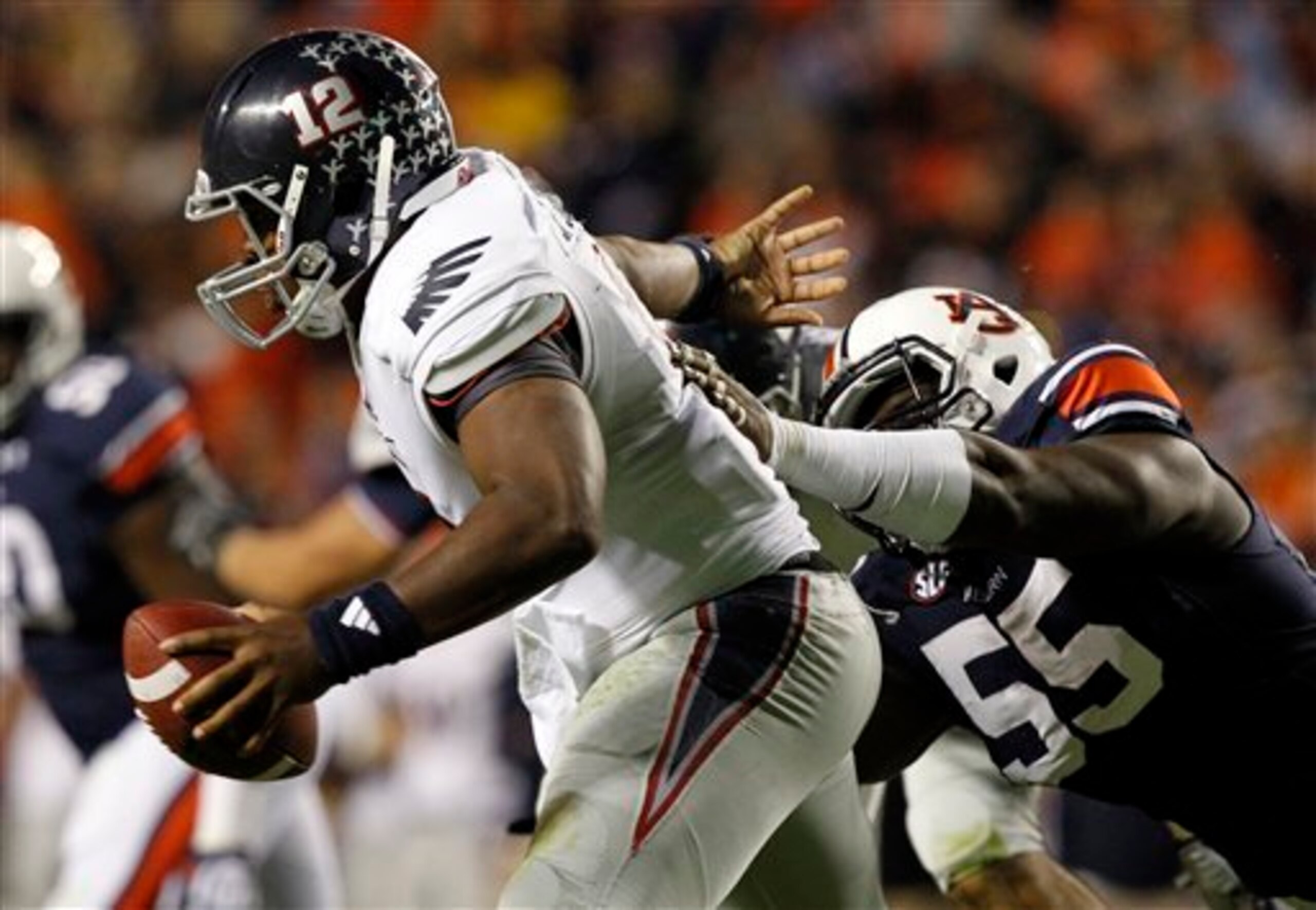
Following a down 8-5 season, Auburn coach Gus Malzahn made a major move to fix the Tigers’ lackluster defense, firing defensive coordinator Ellis Johnson and replacing him with former Florida coach Will Muschamp. Something had to change from a defense which allowed 26.7 points per game in 2014, No. 63 nationally.
Auburn’s pass rush was a huge issue. The Tigers ranked No. 95 nationally in sacks per game. It is particularly telling that the team leaders in sacks (linebacker Kris Frost and defensive end DaVonte Lambert) had only 3.5 sacks apiece.
That anemic rush should be improved this fall. Sophomore defensive end Carl Lawson was a freshman All-American in 2013 before redshirting last fall with a torn ACL, and Muschamp scored a major recruiting victory by edging out Florida for defensive end Byron Cowart, the nation’s top overall recruit according to 247Sports. Returnees Montravius Adams and Gimel President should also thrive with improved talent around them.
Malzahn thinks things will be different with Lawson back in the fold this fall, as he told Sports Illustrated's Zac Ellis.
“He’s one of the better pass-rushers in college football. If you can put pressure on a quarterback rushing four, it makes all the difference in the world. Without him, it was a challenge at times.”
For Auburn to emerge as a true contender, the pass rush must improve, if only to shore up and take some pressure off what could be an inexperienced secondary behind it.
8. Oregon
5 of 12
For Oregon, the question entering 2015 is obvious. The Ducks return 13 starters from a team that finished as the national runner-up, but how will Mark Helfrich replace Heisman Trophy-winning quarterback Marcus Mariota?
Mariota keyed Oregon’s great 2014, throwing for 4,454 yards with 42 touchdowns against four interceptions and adding 770 yards and 15 touchdowns on the ground.
Junior Jeff Lockie was the only returning quarterback to throw a pass in 2014, completing 21 of 28 passes for 207 yards and a touchdown, and this spring he separated himself from a group that included redshirt freshman Morgan Mahalak, Georgia Tech transfer Ty Griffin, Taylor Alie and Travis Jonsen.
Lockie was the most confident quarterback in spring but hasn’t locked down the job yet. Soon, senior Vernon Adams, a graduate transfer from FCS Eastern Washington, will arrive on campus. Adams is a mobile, athletic threat who has acquitted himself well against top-level competition.
Lockie and Adams’ fight for the starting role could go right down to the season opener against—you guessed it—Eastern Washington.
7. Notre Dame
6 of 12
As spring practice wrapped up in South Bend, one question permeated Notre Dame’s program: Who would be the starting quarterback?
Last fall, Malik Zaire emerged as a strong contender for the job after a string of turnovers led to starter Everett Golson’s benching. Both quarterbacks played in a Music City Bowl win over LSU, but Zaire got the start.
And after what appeared to be a largely even spring, Golson announced that he would transfer, leaving the job to Zaire. Now, the narrative shifts. Is Zaire ready for the spotlight of being the Fighting Irish’s starting quarterback?
He is a dual-threat passer, capable of moving the ball through the air and on the ground. This summer will be crucial for him to build chemistry with his new receivers so that when fall comes, Zaire is ready to take the reins of an experienced, improving offense.
6. Southern California
7 of 12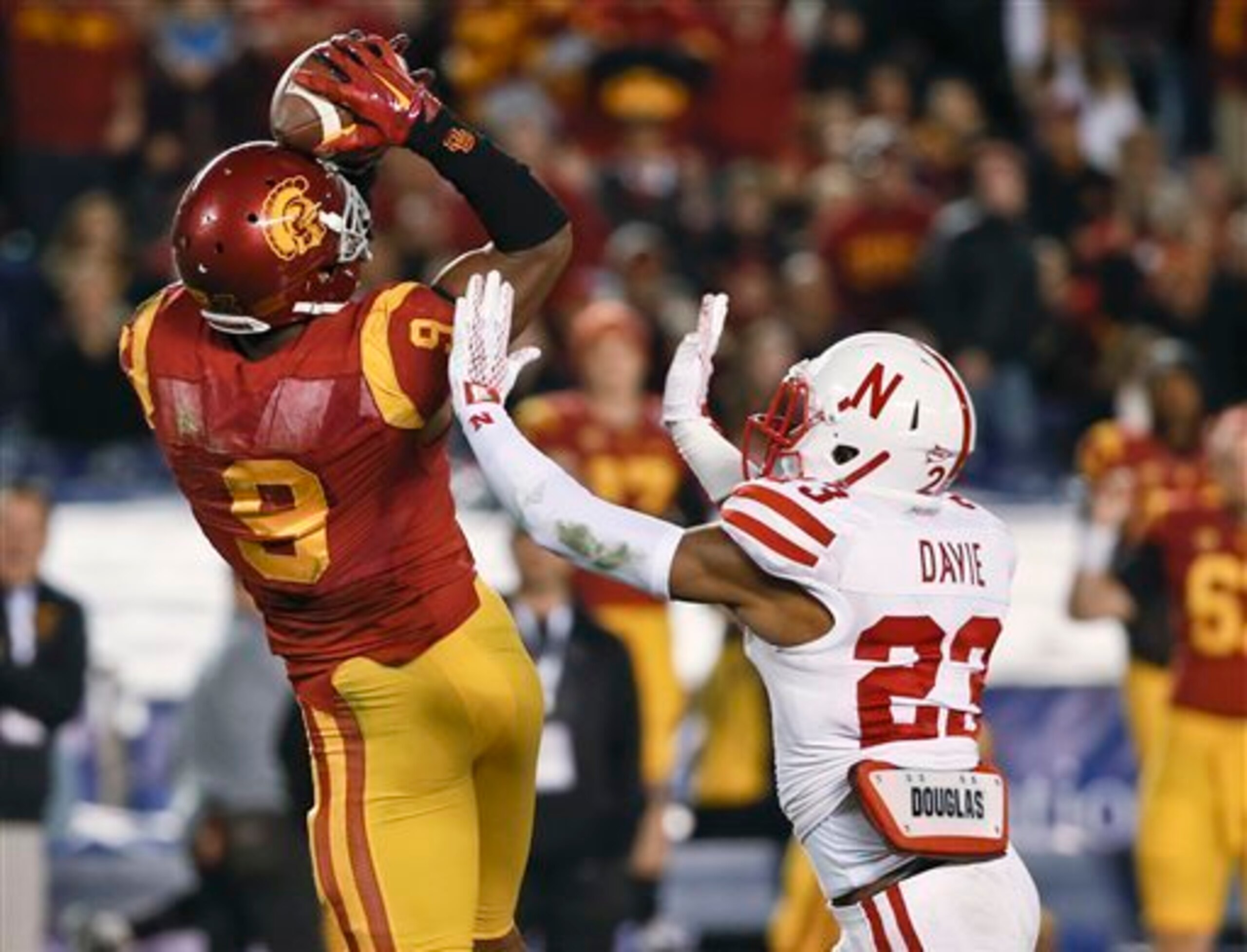
This fall has the potential to be special for Southern California. Following a 9-4 record in Steve Sarkisian’s debut as head coach, the Trojans return 15 starters and will be prime College Football Playoff contenders.
One of the biggest questions centers on how USC will replace Nelson Agholor as its top receiver. Agholor was one of the best wideouts in college football in 2014, catching 104 passes for 1,313 yards with 12 touchdowns and also returning two punts for scores. He was third nationally in punt return touchdowns, seventh in receiving touchdowns and 12th in receiving yards per game.
Senior Cody Kessler needs a top target, and sophomore JuJu Smith is the clear candidate to step forward as that guy. Last fall, he had 54 receptions for 724 yards with five touchdowns, averaging 13.4 yards per catch. He is a legit candidate for the Biletnikoff Award, which is given to college football’s top receiver.
Multi-talented sophomore Adoree’ Jackson, who contributed as a receiver, cornerback and kick returner last fall, also has the potential to be a breakout star. Chances are that the Trojans will be just fine.
5. Alabama
8 of 12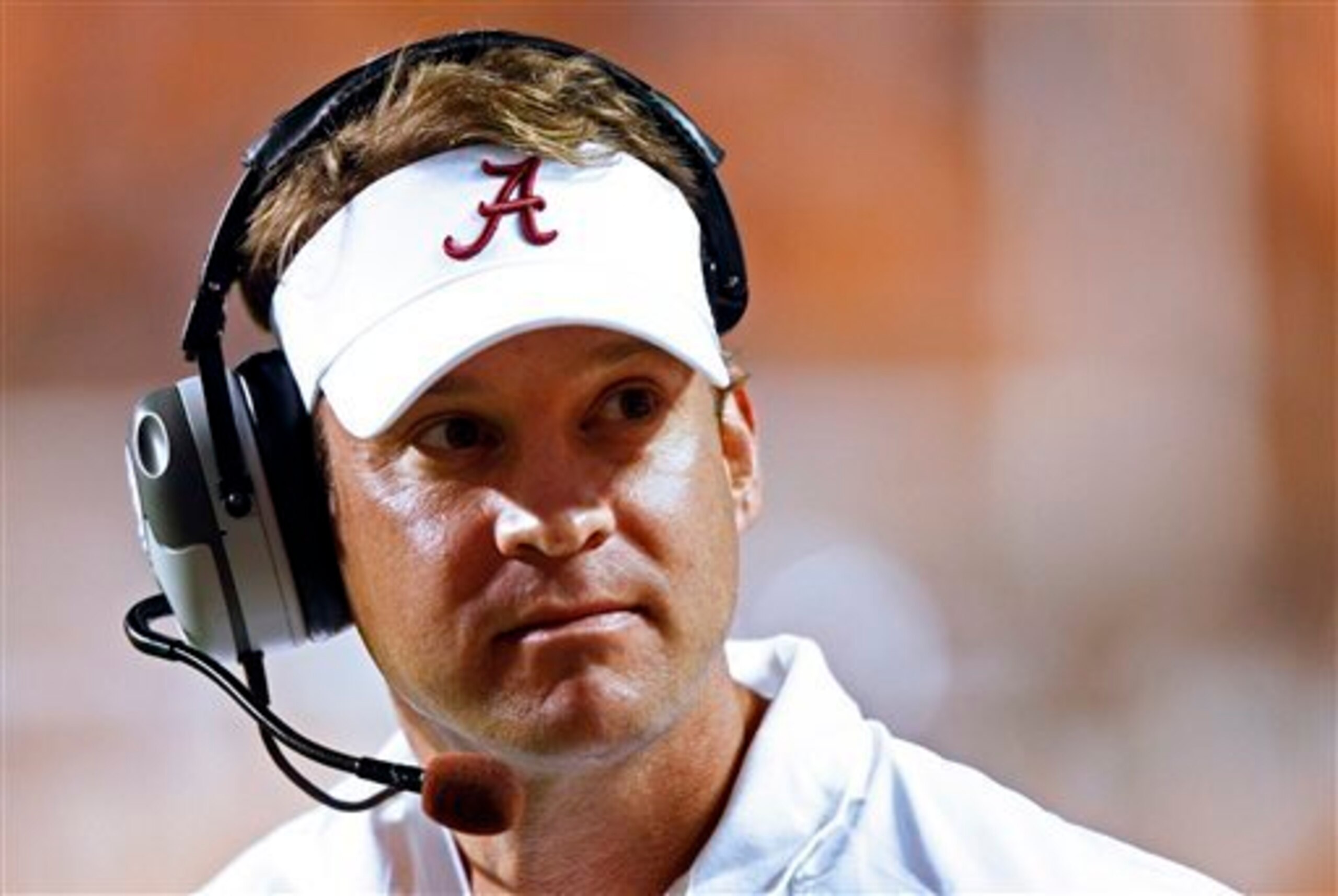
Alabama excelled last fall, winning an SEC championship and making the College Football Playoff. But 2015 will be a year of transition, as much as you can have such a thing in Tuscaloosa.
The Crimson Tide return just nine starters, and only two on offense. Nick Saban and his staff have recruited well, and they don’t rebuild; they reload.
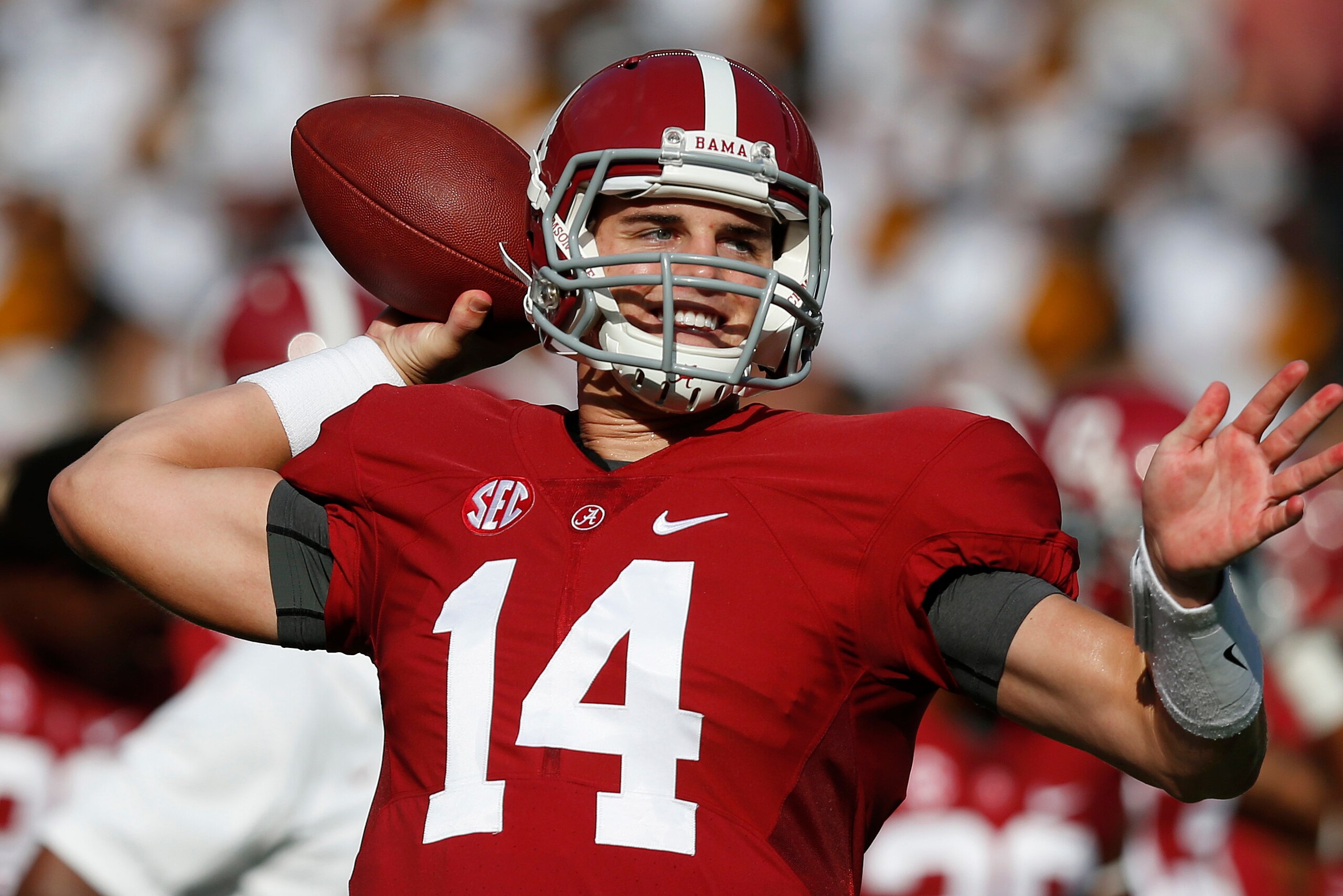
One of the most important positions is quarterback, where Blake Sims excelled as a one-and-done starter in Lane Kiffin’s offense, throwing for 3,487 yards and 28 touchdowns. He held off Florida State transfer Jake Coker, who battled a talented group of younger quarterbacks this spring.
At Alabama’s A-Day game, Coker turned in a mixed bag of a performance. He completed 14 of 28 passes for 183 yards with a touchdown but also threw a costly pick-six to defensive back Maurice Smith. Alabama’s five quarterbacks combined to throw six interceptions.
Saban didn’t name a starter following spring practice but acknowledged that Coker "did a good job" at A-Day, via AL.com's Matt Zenitz. However, Coker hasn’t cemented his spot in a group of youngsters that includes freshmen David Cornwell and Blake Barnett.
Coker would be wise to operate with a real sense of urgency this summer. If he has a leash, it isn’t a very long one.
4. TCU
9 of 12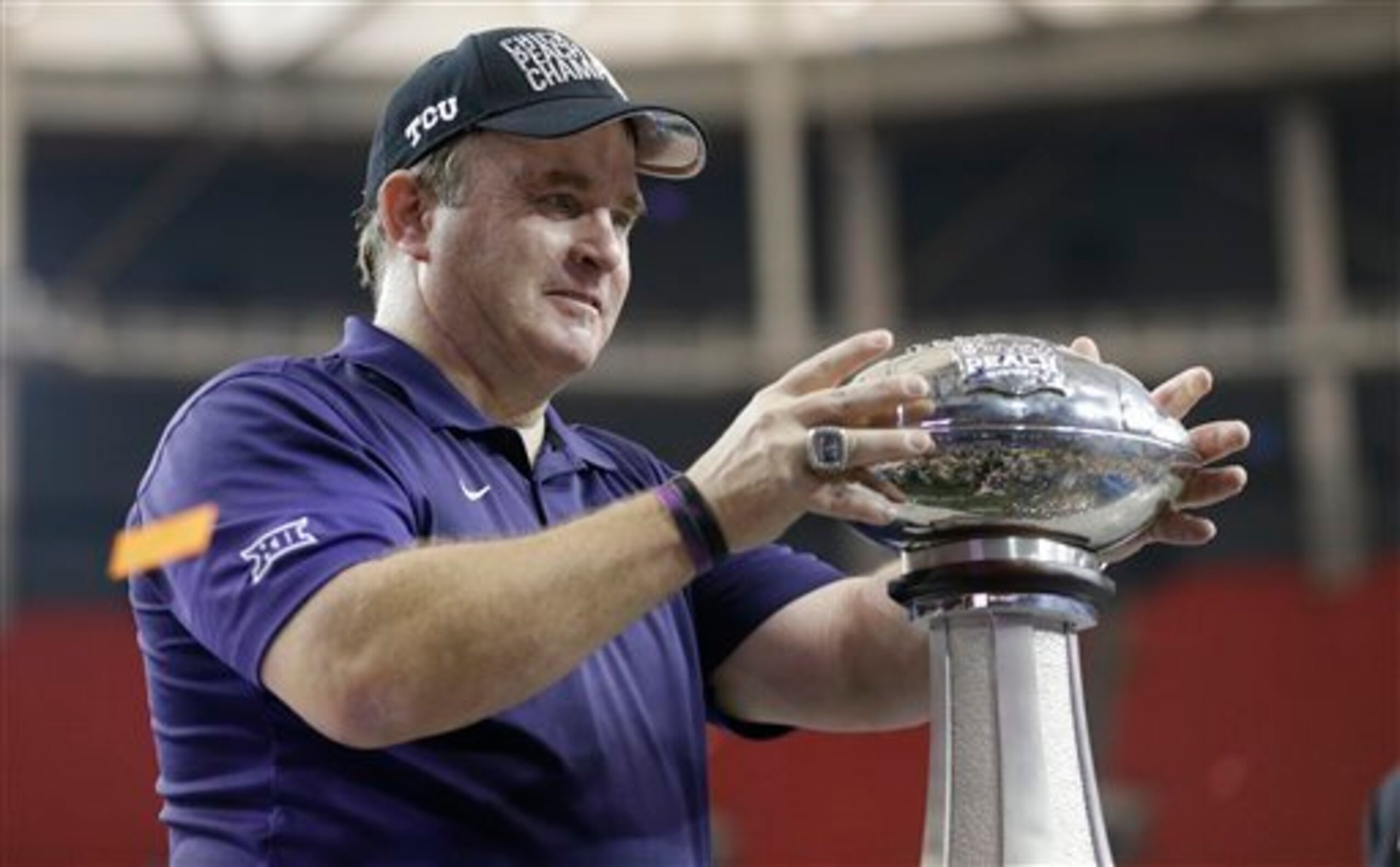
TCU was perhaps the nation’s biggest surprise story in 2014, turning a 4-8 record in 2013 into a 12-1 mark and finishing just out of the College Football Playoff.
With 16 starters returning, led by senior quarterback and Heisman Trophy candidate Trevone Boykin, the Horned Frogs will be formidable again. In fact, they’ll be one of the nation’s best teams.
But Gary Patterson has question marks in his linebacker corps. Linebackers Paul Dawson and Marcus Mallet were the heart of a defense that allowed 19 points per game last fall, No. 8 nationally, and both are gone. Last fall, they combined to make 236 tackles, 31.5 tackles for loss and 7.5 sacks.
As TCU wrapped up spring, their successors remained uncertain. Junior Sammy Douglas and converted safety Mike Freeze are listed as the starters, but they’ll be pushed by true freshman Alec Dunham, redshirt freshman Ty Summers and sophomore Paul Whitmill.
For TCU to reach the lofty expectations set out for 2015, some answers must emerge, and quickly, in the middle of the defense.
3. Michigan State
10 of 12
Following a two-year run that featured a 24-3 record, a Big Ten title and wins in the Cotton and Rose Bowls, there’s reason to believe that Michigan State’s run as a national power will continue in 2015 despite Pat Narduzzi’s departure to become Pitt’s new head coach.
The Spartans return 12 starters, led by senior quarterback Connor Cook, who’ll be one of the nation’s best signal-callers this fall.
However, coach Mark Dantonio must replace several key holes on the offensive side of the ball. Top tailback Jeremy Langford, who rushed for 1,522 yards and 22 touchdowns, is gone. So are top receivers Tony Lippett (65 receptions, 1,198 yards, 11 touchdowns) and Keith Mumphery (26 receptions, 495 yards, three touchdowns).
Delton Williams, the leading returning rusher with 316 yards and five touchdowns, is suspended following an arrest on weapons charges, and MLive.com's Mike Griffith says his future is uncertain. Sophomore Gerald Holmes and redshirt freshman Madre London competed in spring, and true freshman J.J. Scott could join the mix this summer.
At receiver, Macgarrett Kings Jr (29 receptions, 404 yards, one touchdown in 2014) and senior Aaron Burbridge (29 receptions, 358 yards, one touchdown) are emerging as top targets, and don’t count out senior and former Tennessee transfer DeAnthony Arnett.
2. Baylor
11 of 12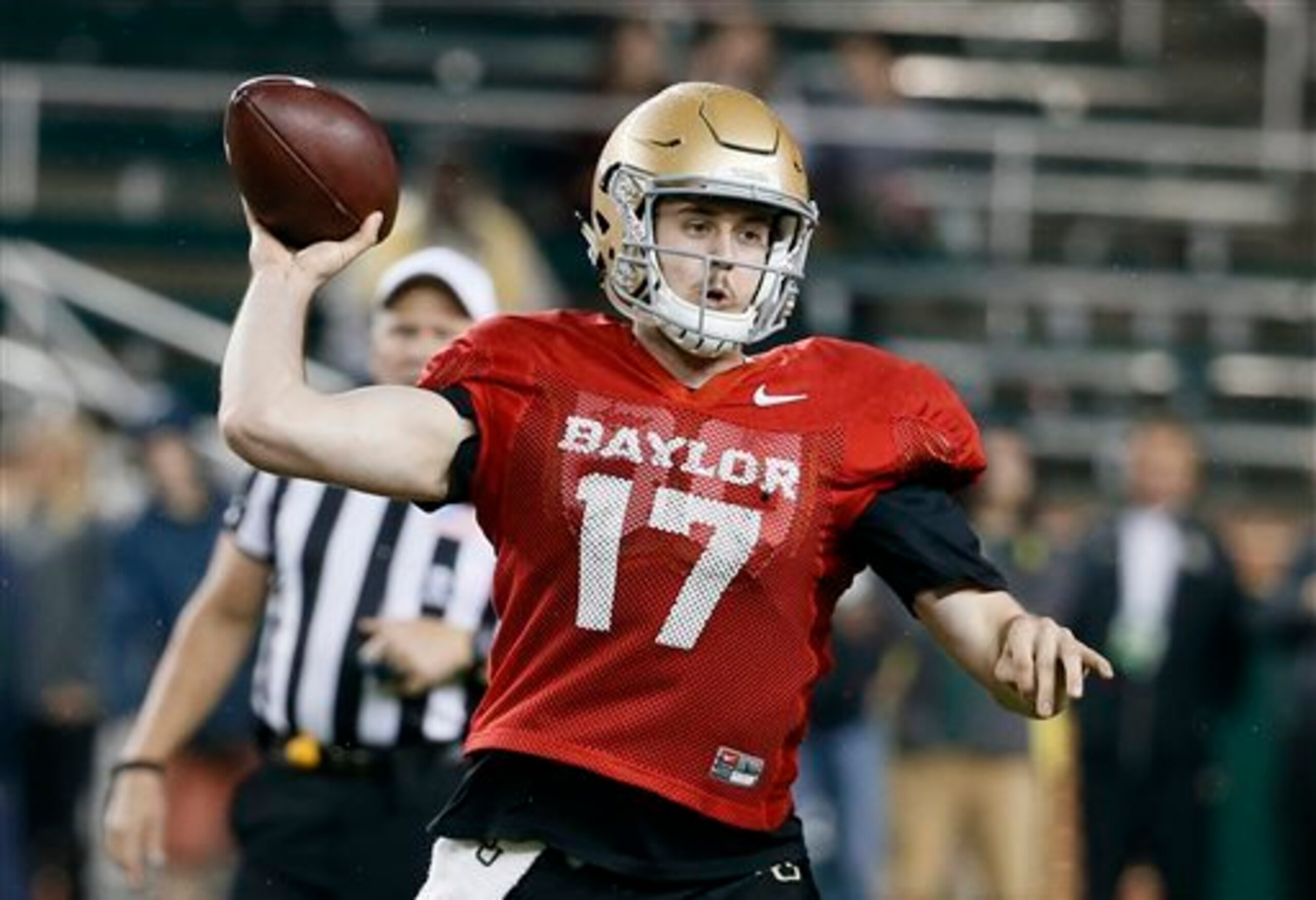
During Art Briles’ tenure, Baylor has developed one of college football’s most consistent, high-powered offenses. Last fall, the Bears averaged 48.2 points per game, leading the nation in scoring offense.
Baylor will return 17 starters, but one of the only real questions surrounds the quarterback position, where Bryce Petty graduated after throwing for 3,855 yards with 29 touchdowns against seven interceptions.
Junior Seth Russell is the clear choice as his successor. Last fall, Russell threw for 804 yards with eight touchdowns and an interception, leading a blowout of Buffalo with Petty sidelined by a back injury.
He has a solid arm and will benefit from an offensive line that returns all five starters and a pair of 1,000-yard receivers in Corey Coleman and KD Cannon, as well as returning 1,200-yard rusher Shock Linwood.
But if Russell gets off to a slow start, 4-star freshman Jarrett Stidham is waiting in the wings to take the reins. Russell must build strong chemistry with his offensive line and talented receivers this summer.
1. Ohio State
12 of 12
Last fall, Ohio State emerged a little ahead of schedule. The Buckeyes shook off two major quarterback injuries and an early loss to Virginia Tech to run the table from mid-September to mid-January and win the program’s first national title since 2002.
With 14 starters returning from a talented roster, nobody would be surprised if Urban Meyer’s bunch made another run at another College Football Playoff national title.
The biggest question mark? Um, you may have heard: quarterback. Last August, Braxton Miller’s shoulder surgery threw the offense into turmoil. But redshirt freshman J.T. Barrett replaced the two-time Big Ten Offensive Player of the Year with ease, throwing for 2,834 yards with 34 touchdowns against 10 interceptions and adding 938 yards and 11 touchdowns on the ground.
Barrett’s season ended when he broke his ankle in the regular-season finale against Michigan, but sophomore Cardale Jones stepped in, leading the final push to a national title. Jones threw for 860 yards with seven touchdowns against two interceptions, completing 60.9 percent of his passes. He also rushed for 296 yards and a touchdown.
Jones displayed his big arm and solid rushing ability in spring but was the only healthy Buckeye quarterback. Barrett and Miller join the fray this summer, and together they’ll participate in one of the most intriguing quarterback battles in recent memory.



.jpg?w=2560 "Raiders Could Start Mendoza")


.jpg?w=2560 "Rodgers Iced Out on Plane 💎")
.jpg?w=2560 "Packers Safety Slams Refs 🤬")


