

Identifying Denver Broncos' Biggest Strengths, Weaknesses After Draft
The Denver Broncos have constructed their roster to make another run at the playoffs—and maybe the Super Bowl—in 2015.
During the draft, the Broncos added quality talent on both sides of the ball. General manager John Elway does not draft solely based on need. Instead, he usually targets the best players available in each round regardless of position.
The Broncos strengthened their team through the draft and free agency this offseason. However, there are still positions where question marks remain.
In this article we identify the strengths and weaknesses on the Broncos roster after the 2015 NFL draft.
Strength: Pass Rush
1 of 8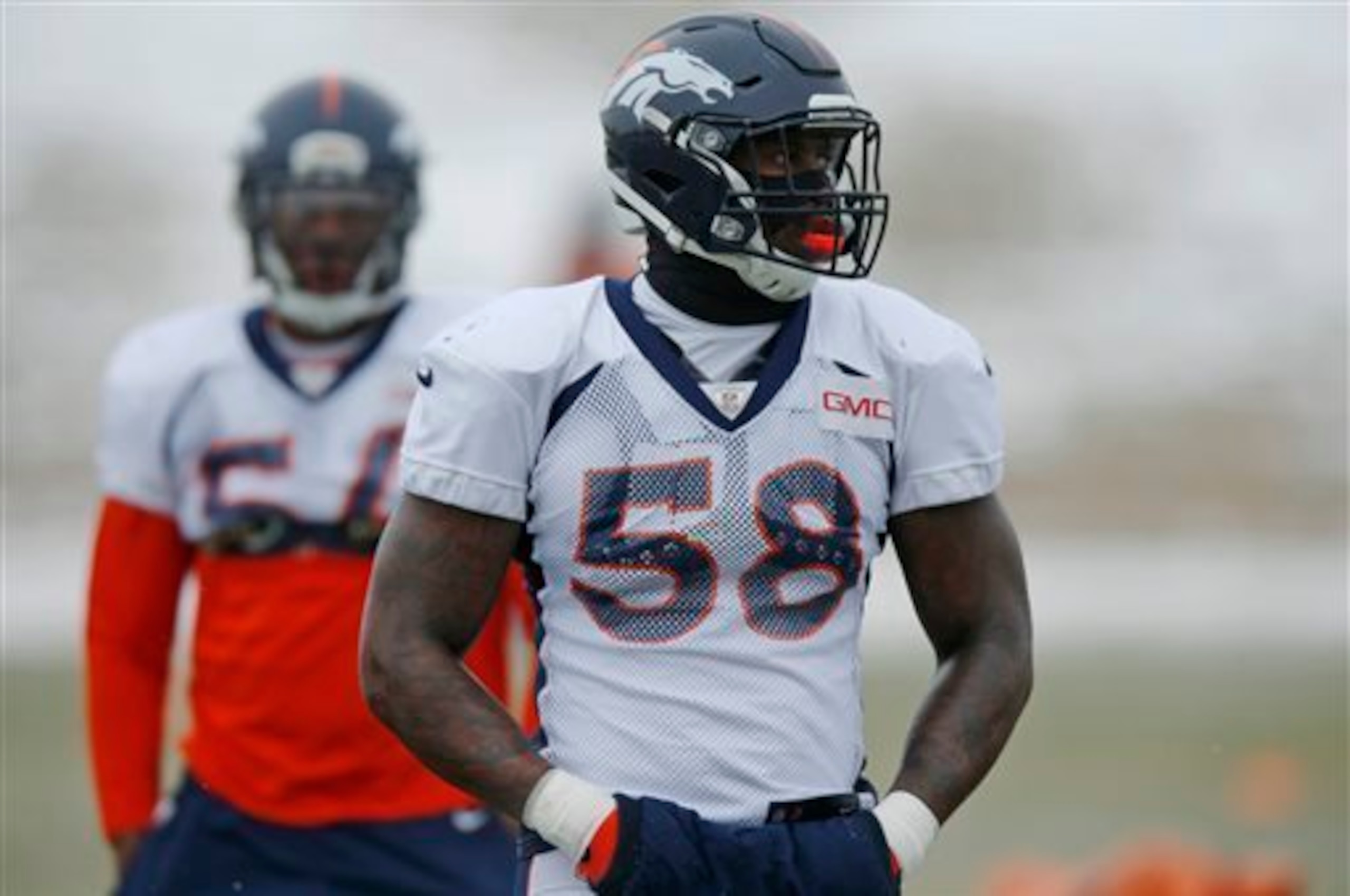
The Broncos really strengthened their pass rush after moving up to acquire Shane Ray in the first round. Ray is an alpha male who plays with a chip on his shoulder, and he should give the defense a distinct turbo boost.
Von Miller is one of the best pass-rushers in the game today. In the new 3-4 defense run by coordinator Wade Phillips, the Broncos are going to be much more aggressive when attacking the quarterback. It wouldn’t be a surprise to see Miller flourish in this new scheme.
DeMarcus Ware is likely to be a Hall of Famer when his playing days are done. He racked up 10.5 sacks last season in his first year with the Broncos. Ware did wear down as the season went on, as only two of his sacks came over the final eight games of the regular season. Having a player like Ray should help Ware stay fresh in games and as the year goes on.
The outside linebacker position is stocked full with talent. Even defensive ends like Malik Jackson, Vance Walker, Antonio Smith and Derek Wolfe can create some pressure from the edge.
Weakness: Safety Depth
2 of 8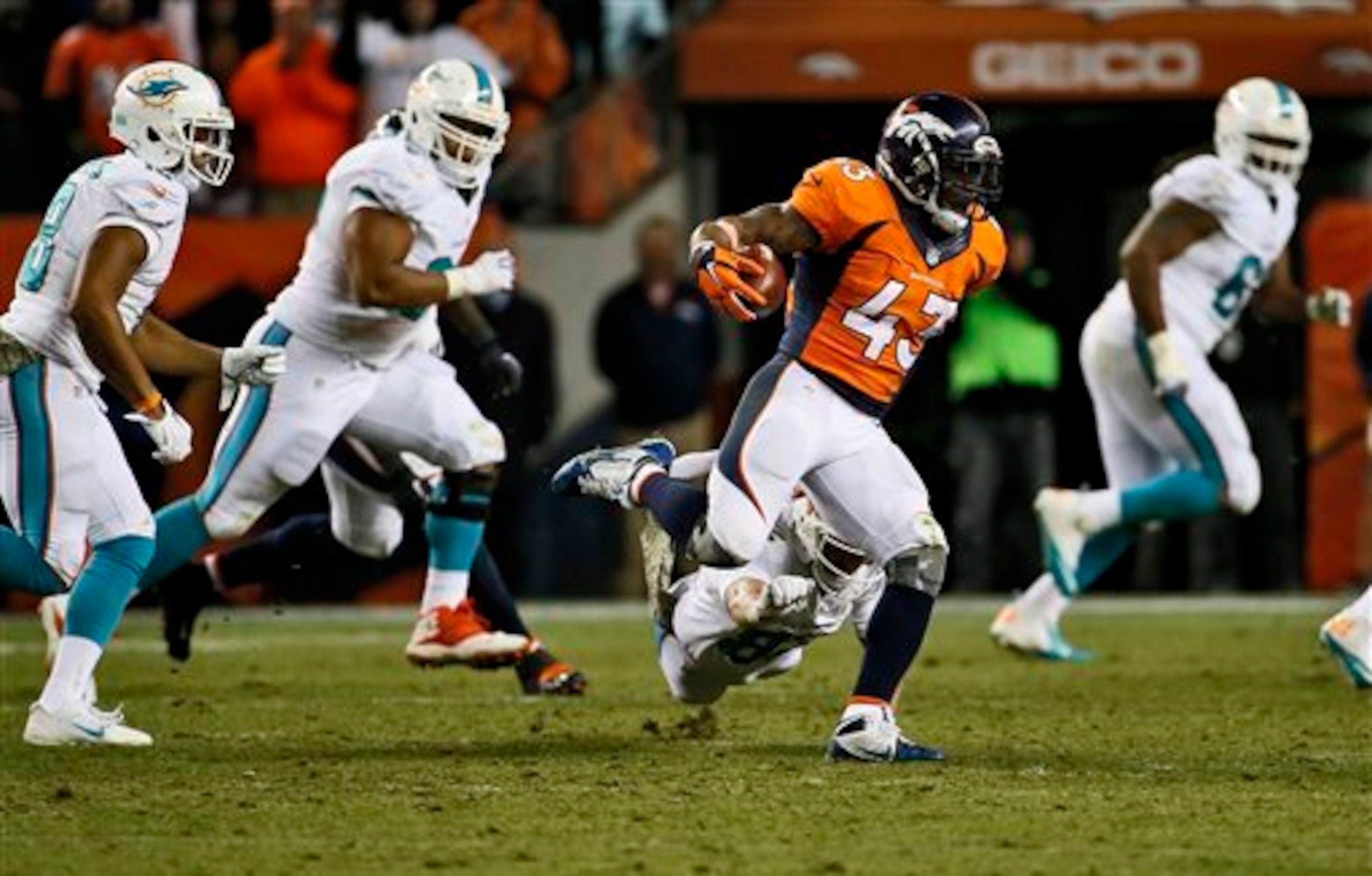
Even though they added free safety Darian Stewart in free agency, many were expecting the Broncos to add more safety depth via the 2015 NFL draft. Stewart is an emerging talent who played in 14 games for the Baltimore Ravens last season. If healthy, he should be OK in the starting lineup opposite strong safety T.J. Ward.
Last offseason, the Broncos were big spenders in free agency, and Ward was their first big-name prospect added from the open market. His impact was felt immediately on the defense, and Ward should be used even more effectively this year under Wade Phillips.
Behind those two, David Bruton stands out as a special teams ace and a veteran who can line up at either safety position. Bruton has plenty of starting experience, and he’s still one of the fastest players on the team.
Omar Bolden and Ross Madison round out the safety position for the Broncos. Neither should be in line for that much playing time this season unless injuries hit.
The depth at safety just isn’t there.
The Broncos are so thin at the position that they’ve discussed moving cornerback Bradley Roby to safety in certain defensive packages. Roby was a fantastic find as a first-round pick in 2014. The young corner has the ability to be a shutdown player on the outside, so moving him to safety is not the best use of his natural talent.
We could even see 2013 third-round pick Kayvon Webster moved to safety. He’s not as talented as Roby, and Webster is suited to play safety because of his size and hard-hitting mentality.
The Broncos added a couple of cornerbacks via the 2015 NFL draft, and there’s a chance we could see more shuffling of the secondary before the start of the regular season.
Strength: Running Backs
3 of 8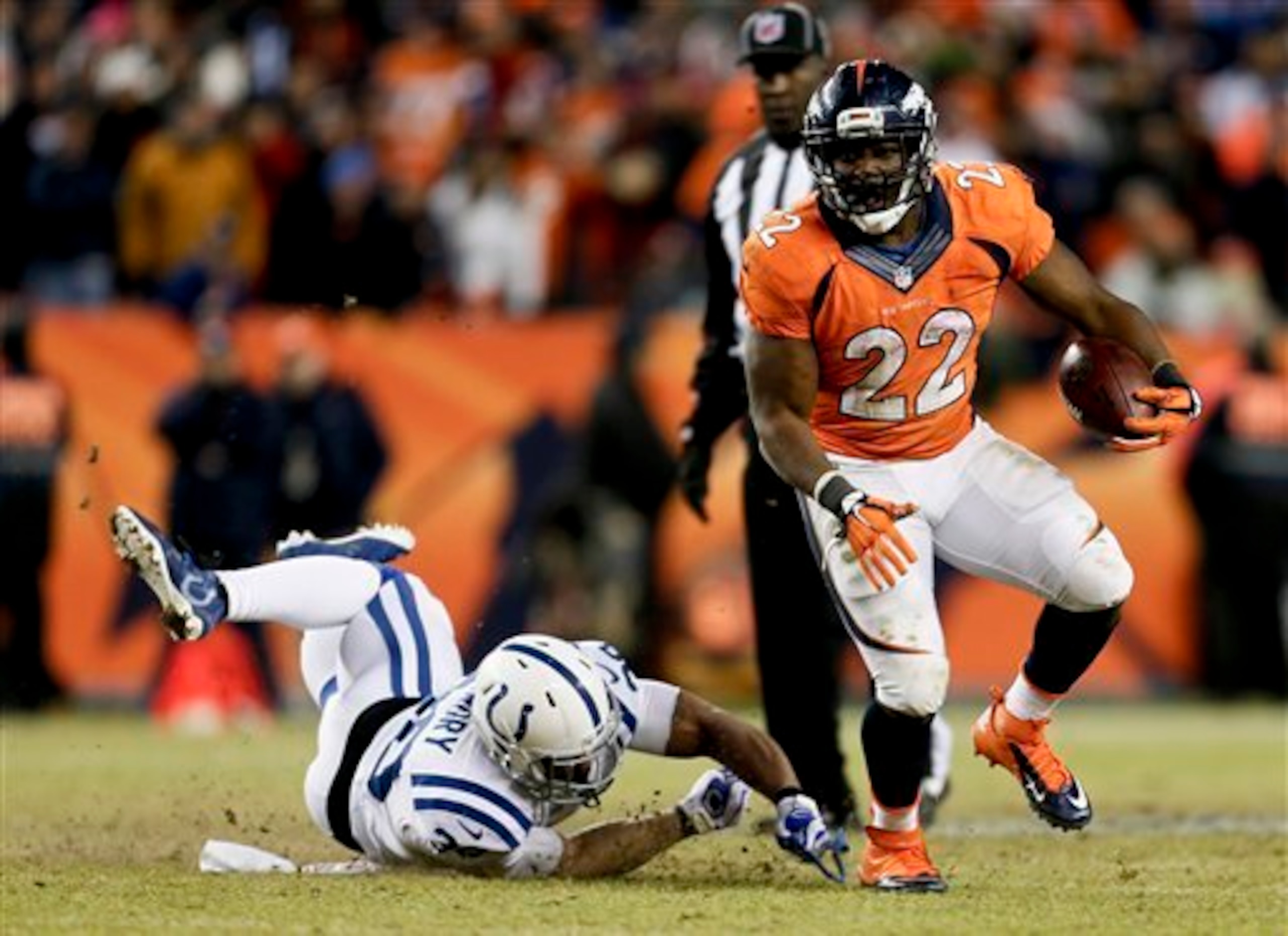
Already a strong position before the draft, the Broncos running back corps has quality talent within. They didn’t add any other players to the draft—mainly because they didn’t need to. Denver has running back talent falling out of its pockets.
Starter C.J. Anderson was a gem of a find as an undrafted free agent in 2013. Anderson was thrust into the starting lineup last year due to injury, and he flourished as the starter over the final half of the season. Anderson led the NFL in rushing over the last six games of 2014, and this season he could end up rushing for over 1,200 yards in the Gary Kubiak offense.
Behind Anderson, Montee Ball is looking to have a bounce-back season in 2015. Ball, a second-round pick in 2013, began last season as the starter, but an appendectomy in training camp and a groin injury in the regular season marred his year. He’ll likely look better in the zone-blocking system the team will implement in 2015.
Ronnie Hillman looked good for a brief time last year as the team’s starter. His speed makes him a fine change-of-pace option for the Broncos behind Anderson and Ball.
Juwan Thompson is a bruising back who loves to punish opponents. He’s a strong runner inside the tackles, and he’s a reliable receiver out of the backfield. Thompson can also be asked to play fullback if need be.
Jeremy Stewart made the active roster last year, and he’ll be competing for a spot on the depth chart with Kapri Bibbs. As a rookie, Bibbs stayed with the Broncos on the practice squad. He’s a naturally instinctive runner with a nose for the end zone, and Bibbs should make a big push to make the 53-man roster.

.jpg?w=2560 "Steelers Saints Football")
.jpg?w=2560 "Rams Raiders Football")
Weakness: Backup Tight End
4 of 8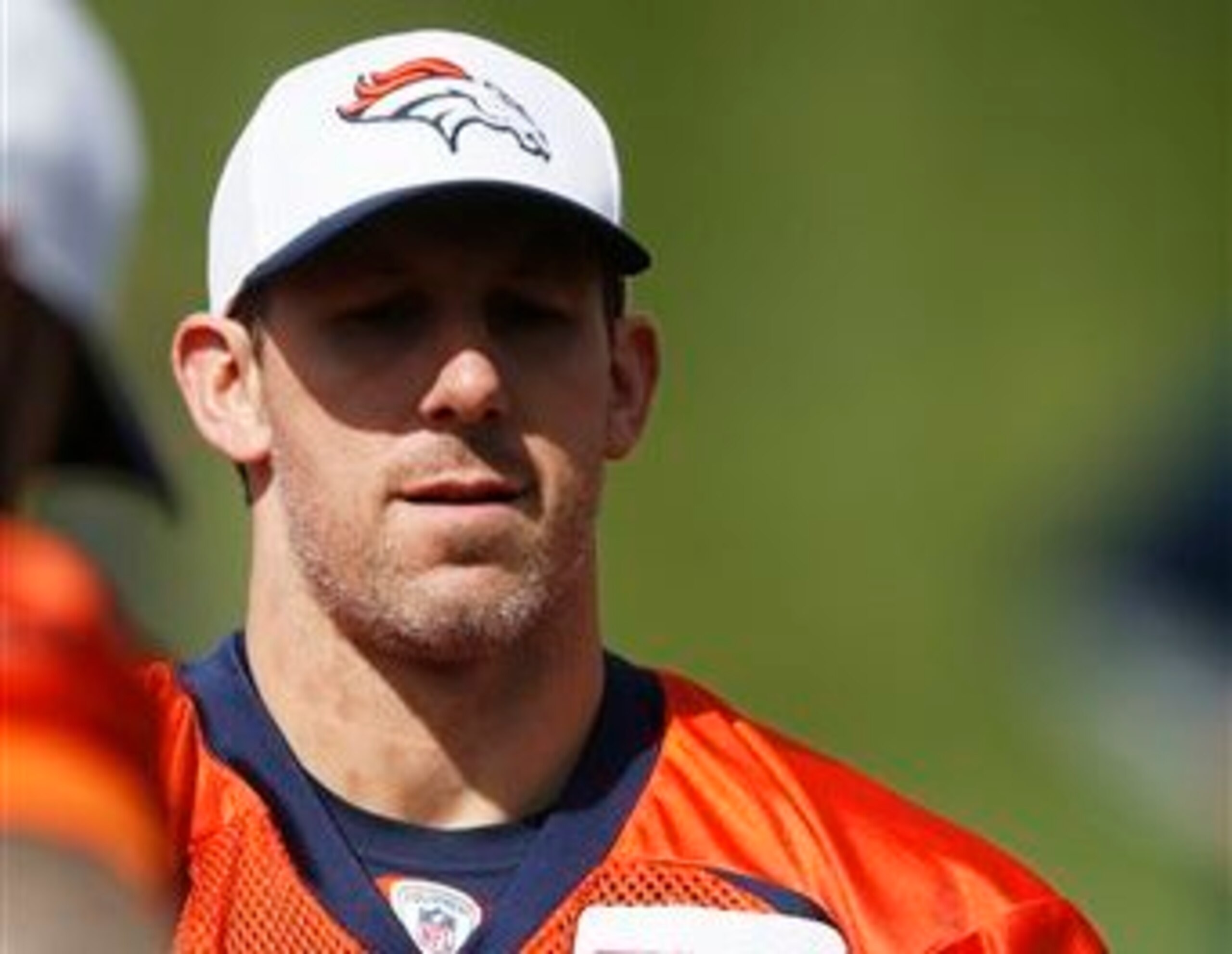
The Broncos are going to feature the tight end position under new head coach Gary Kubiak. Oftentimes, Kubiak will have two tight ends on the field at the same time. Because of this offense, the Broncos need to have quality talent at the position.
They have two strong options as their starters for 2015. Owen Daniels was added in free agency to lead the team at tight end. Daniels has rarely played a snap without Kubiak as his coach or offensive coordinator. He knows the offense like the back of his hand, and Daniels will be able to help guide the other tight ends just learning the system.
Virgil Green was a seventh-round pick in 2011. He has worked diligently to become the best blocking tight end on the team, and he is a seriously underrated receiver. It won’t be a surprise to see Green post career-best numbers in 2015.
Behind those two quality players, the Broncos have issues.
In the third round of the 2015 NFL draft, the Broncos selected Ohio State tight end Jeff Heuerman. He didn’t post big numbers in college as injuries and quarterback problems held the Buckeyes passing game back. However, Heuerman is not an elite athlete who can get open with ease. Instead, he’s more of a blocker and reliable receiver on underneath routes. Basically, Heuerman can be a blocker at the pro level but he’s not a move tight end or dangerous weapon for the passing game.
Dominique Jones made the active roster for one game last year. He’s a big-bodied tight end who is mainly used as a blocker. Jones does not provide the Broncos offense with a weapon as a receiver.
James Casey was added in free agency this offseason, but he’s mostly a jack of all trades, master of none. He can play tight end, H-back and even fullback for the Broncos. Casey is big and athletic, but he’s never quite put it all together to produce at the pro level.
Joe Don Duncan may be listed at tight end, but he’s likely to play fullback for the Broncos if he sees the field. The former Dixie State star is incredibly athletic, but injuries are a concern because of his playing style and history.
Strength: Cornerback
5 of 8
The Broncos are so strong at cornerback the talent is overflowing at the position. In fact, it’s easy to make the argument that Denver has the best starting duo of cornerbacks in the league.
Chris Harris Jr. was an undrafted free agent in 2011. In only a few years, Harris has developed into one of the best corners in the game today. He can play nickel corner and lock down slot receivers, but Harris can also star on the outside and frustrate some of the big-name receivers in the NFL.
Aqib Talib was added via free agency last year. A college teammate with Harris at Kansas, Talib fit in with Denver from day one. Talib’s size allows him to lock up the big receivers on the outside, and it also makes him an intimidating presence in the defensive backfield.
Behind Talib and Harris, the Broncos found a potential superstar in Bradley Roby. The 2014 first-round pick was tested early and often as a rookie—and Roby stood strong against such challenges. Roby has the speed to stay with any receiver on deep routes, but he also has the ability to play close to the line of scrimmage and jam receivers at the start of the route. The Broncos may want to use him at free safety this year—but only because they are thin at safety and want to get the best players on the field at the same time.
Kayvon Webster, a third-round pick in 2013, is huge and menacing in the defensive backfield. He does a better job when the play stays in front of him, and he arrives at the ball-carrier with natural violence. Webster may be a safety for the Broncos this year, again because of the lack of depth at the position.
Behind those four, the Broncos have players like Curtis Marsh, Tony Carter and Josh Bush. In the 2015 NFL draft, the Broncos added Lorenzo Doss, Taurean Nixon and Josh Furman. They are stacked at the position, and the battles for roster spots will be heated in training camp.
Weakness: Defensive Tackle
6 of 8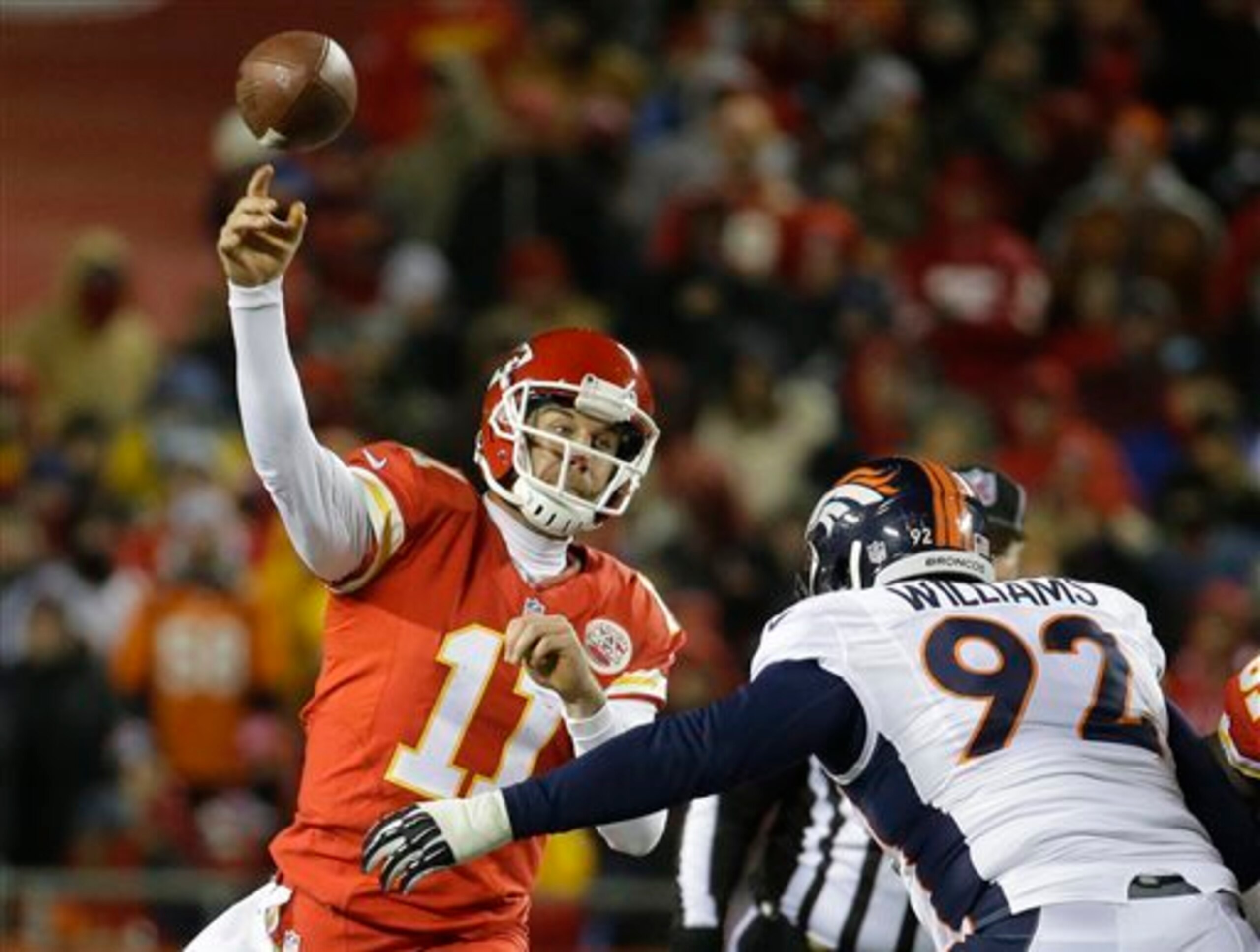
The new 3-4 defense will be tested in the middle where the Broncos lack a playmaker at defensive tackle. In this scheme, the nose tackle is essentially the fulcrum of the defense and the entire unit revolves around that one player. At this time, the Broncos only have four nose tackles on their roster.
Sylvester Williams, a first-round pick in 2013, can be penciled in as the starter at nose tackle. As a rookie, Williams played about half of the season and showed flashes playing next to Terrance Knighton. Last season, Williams struggled to make an impact and was often pushed back and out of the play. This year can be considered a make-or-break season for Williams, and the Broncos would greatly be helped if he starts playing up to his potential.
Marvin Austin was an under-the-radar free-agent addition in 2014. The former second-round pick (2011) had struggled with injuries and consistencies during his pro career, and that’s why he’s bounced to four different teams. With the Broncos, Austin seemed to find a home. It’s easy to make the argument that Austin a more natural fit at nose tackle than Williams, and there’s a chance he could overtake Williams in camp.
In the 2015 NFL draft, the Broncos added Darius Kilgo to help clog up the middle. The sixth-round pick is huge, measuring in at 320 pounds and he can command double teams regularly. Kilgo is known to wear down in games, and at best he’s a two-down run-stuffer and rotational player.
The fourth defensive tackle on the Broncos roster, Chuka Ndulue, was added as an undrafted free agent after the draft this year. He can play tackle or end, but he’s a little light to be playing nose tackle (281 pounds) at the pro level.
In addition to the players listed, there’s a good chance we could see rotational defensive tackles slide over from the defensive end position. Guys like Antonio Smith and Malik Jackson could spend some time lined up inside.
Regardless of the mix used at nose tackle, the Broncos could have done more to address this position.
Strength: Wide Receiver
7 of 8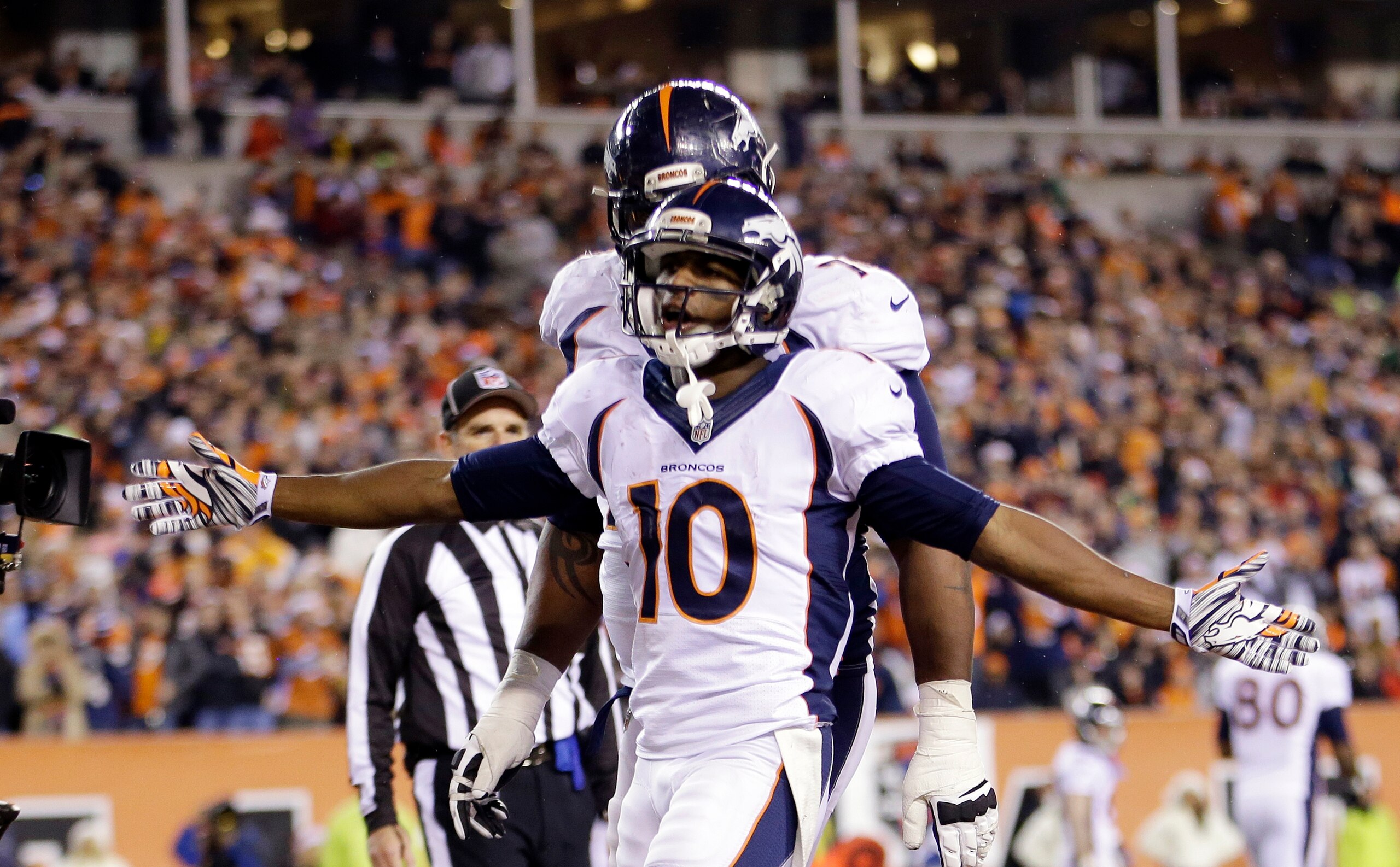
Even though we may not see three-wide receiver sets that often, the Broncos have strong talent at the position. They have one superstar, one star and one rising star at wide receiver.
Demaryius Thomas is easily a top-five receiver in the pro game today. His size, strength and speed combination are rare to find. Thomas came out of Georgia Tech as a somewhat raw product due to the nature of the offense (they only averaged eight passing attempts per game while Thomas was there). He’s worked hard to develop his game, and now Thomas can be used in the red zone, on short-yardage passes and on long bombs targeted downfield.
Emmanuel Sanders put up career-best numbers last year in his first season with the Broncos. A timing-based receiver, Sanders flourished catching passes from Peyton Manning. Sanders proved his toughness when running routes over the middle, and he has the speed to take the top off the defense. His statistical production may not match what he put up last year, but Sanders will still be an integral part of the team’s offense.
Cody Latimer has the potential to be a top target in the NFL. A second-round pick in 2014, Latimer didn’t do much as a rookie. This season, Latimer should be much more involved with the offense. Latimer has the size, speed and “my ball” mentality to thrive on deep targets. He also can be used effectively in the red zone because of his strength and wingspan. The offense isn’t geared to be pass-happy under head coach Gary Kubiak, but Latimer should be able to flash his considerable skill set from time to time in his second season.
Weakness: Developmental Quarterback
8 of 8
The Broncos needed to do a better job of finding a developmental quarterback than seventh-round pick Trevor Siemian. They like him, and that’s why they sought him out near the end of the draft. However, Siemian may struggle to even make the practice squad this year.
Zac Dysert, a seventh-round pick in 2013, has a much more desirable skill set as a developmental quarterback.
Siemian struggles to throw with proper velocity on passes over 10 yards past the line of scrimmage. Dysert has a rocket arm and can make any throw required in the NFL.
On the run, Dysert will keep his eyes downfield while keeping the play alive with his feet. Siemian is not a statue in the pocket, but he struggles to throw on the run.
Brock Osweiler is clearly the primary backup to Peyton Manning, and neither Dysert nor Siemian is going to challenge that in 2015. Denver has yet to extend Osweiler, and he’s heading into the final year of his contract. The team needs to find a better developmental quarterback in case they lose Osweiler in free agency next year.
All quotes and injury/practice observations obtained firsthand. Record/statistical information provided via the Broncos' media department unless otherwise noted.
Contract and salary-cap information provided by Spotrac. Transaction history provided by Pro Sports Transactions. Draft grades provided by NFLDraftScout.com.
.jpg?w=2560 "Chiefs Giants Football")
.jpg?w=2560 "Titans Ravens Football")
.jpg?w=2560 "🚨 Week 8 AP Top 25 Poll")

.jpg?w=2560 "Packers Safety Slams Refs 🤬")

