
5 Elite NFL Draft Prospects Who Might Fall to San Francisco 49ers at No. 15
The San Francisco 49ers have more needs than draft picks.
The Niners have one draft pick in every round plus two compensatory picks. They can’t afford to part with any of them, meaning they can’t afford to trade up, especially in Round 1. Trading up in Round 1 is expensive—it usually costs two or three draft picks. The Niners need all nine of theirs.
The Niners have to hope an elite player drops to them at pick No. 15. But elite players typically don’t drop to pick No. 15. Most of the time, elite players get drafted within the top 10 picks. Of the past 15 players who were taken 15th, only four made All Pro teams—Jason Pierre Paul (2011), Derrick Johnson (2011), Albert Haynesworth (2007 and 2008) and Deltha O’Neal (2005).
The 49ers might get lucky this year. A few elite prospects probably will drop out of the top 10 picks. Here are five elite prospects who realistically could fall to the Niners at pick No. 15.
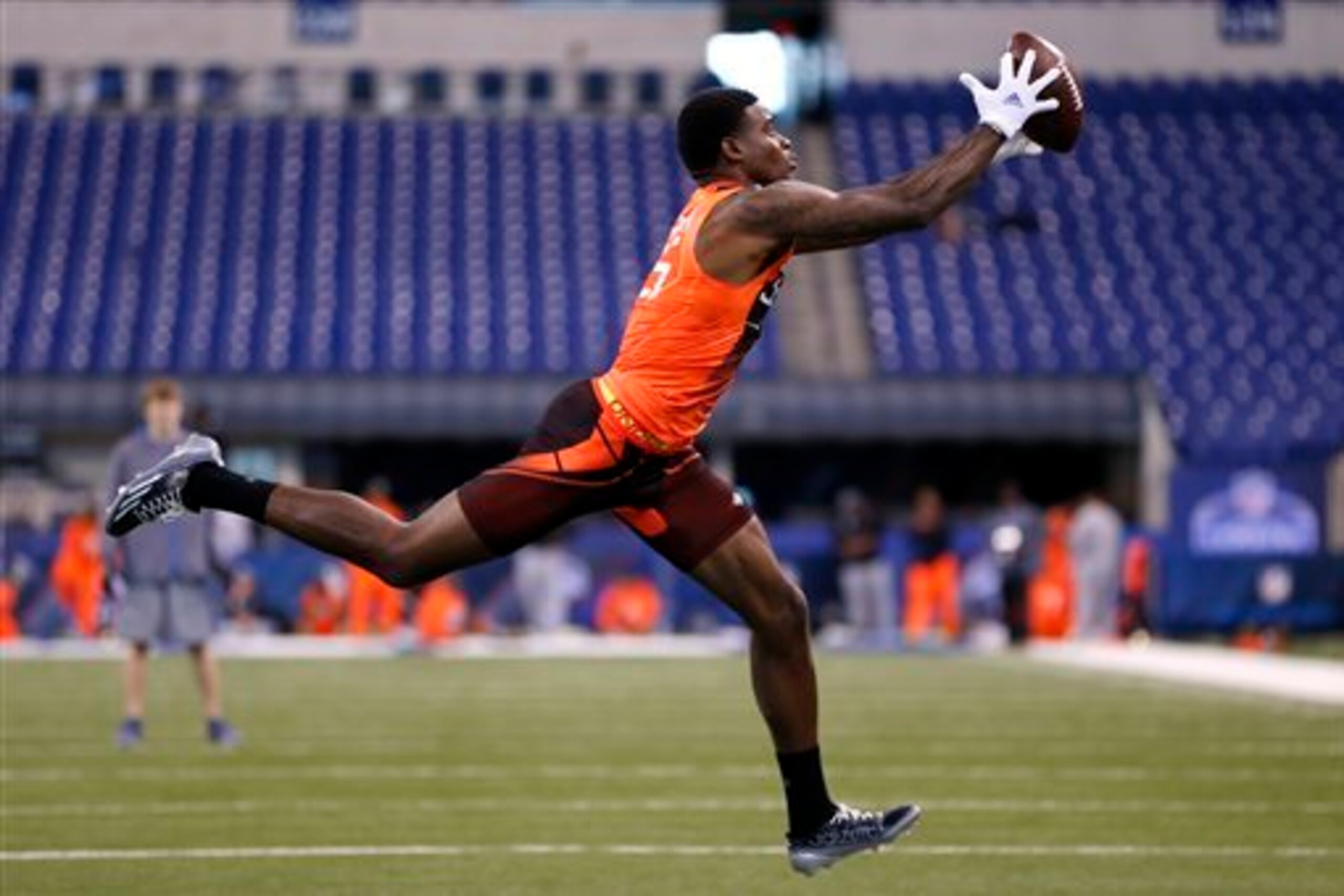
DeVante Parker, Wide Receiver, University of Louisville
1 of 5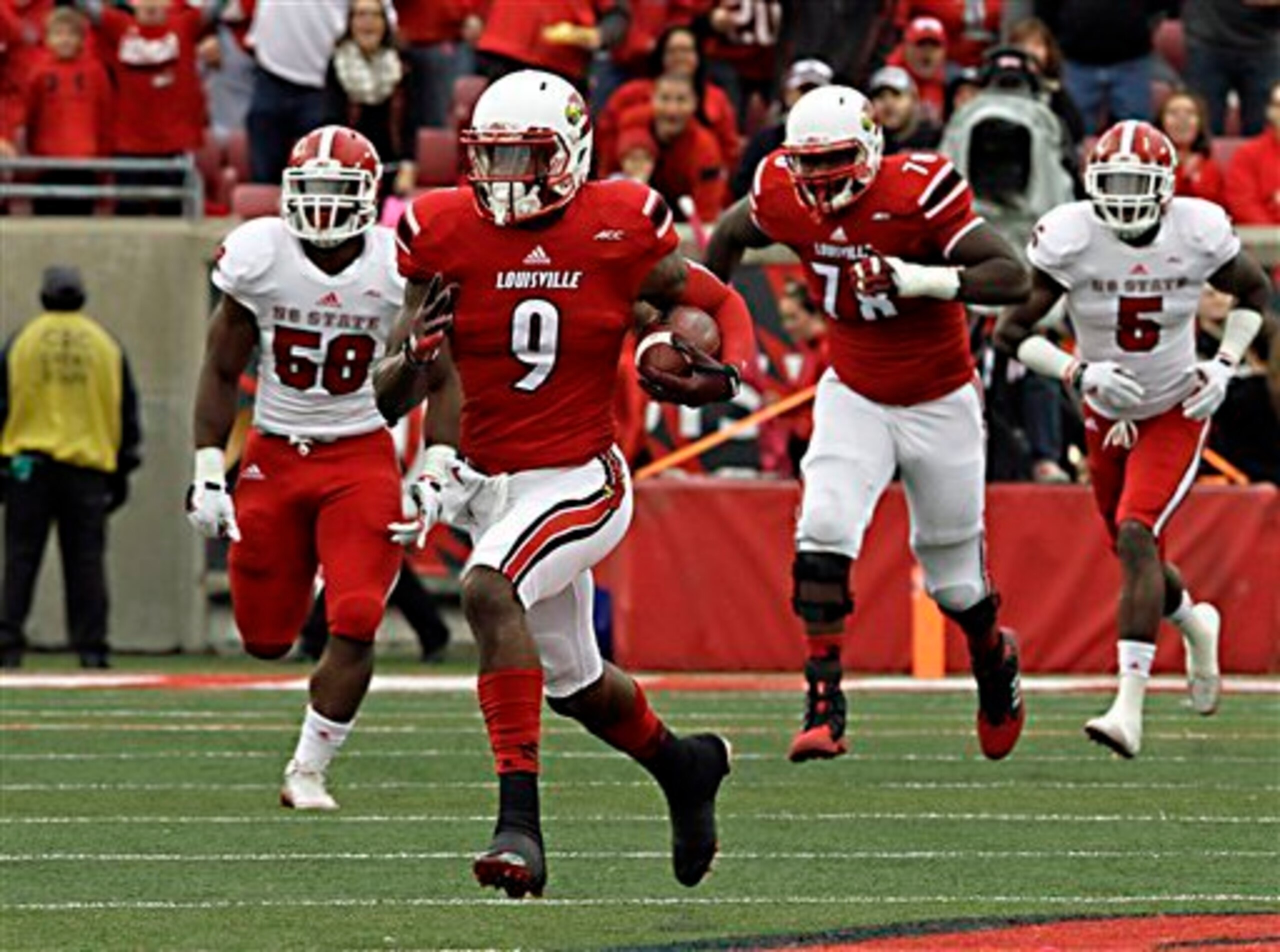
The 49ers probably shouldn’t draft a wide receiver in the first round. They signed Torrey Smith, and they still have Anquan Boldin. Those are the two starters. Drafting a receiver in Round 1 would be excessive.
Unless that receiver is DeVante Parker. He might be too good to pass up. He would not merely be the 49ers’ third receiver—he would be the heir apparent to Boldin as the Niners’ No. 1 receiver. Boldin turns 35 on October 3 and has just one season remaining on his contract. He might not be on the team next season.
Most draft experts consider Parker the third-best receiver in the draft behind Amari Cooper and Kevin White. Parker is slower than those two, plus he broke his foot last year and missed six games. His foot is the reason he might fall to pick No. 15.
Comparison: Jordy Nelson; Neither Nelson nor Parker is a true deep threat, but they catch deep passes because they’re masters of the back-shoulder fade—an intentionally underthrown deep pass.
Parker: 6’3”, 209 pounds, 4.45 40-yard dash, 125-inch broad jump, 36.5-inch vertical jump, 9 1/4-inch hands, 33 1/4-inch arms
Nelson: 6’3”, 217 pounds, 4.51 40-yard dash, 123-inch broad jump, 31-inch vertical jump, 10-inch hands, 32 1/2-inch arms (2008 combine numbers, according to NFLDraftScout.com and CBSSports.com)
Alvin “Bud” Dupree, Outside Linebacker, University of Kentucky
2 of 5
Three of the four CBSSports.com mock drafts have Alvin "Bud" Dupree getting drafted after pick No. 15. He should be available if the 49ers want him. Why wouldn’t they want him?
Dupree is one of the most explosive athletes in the draft and a great run defender. The only knock against him is his wingspan. He has shorter arms than most players at his position. He’s at a disadvantage. Offensive linemen get their hands on him before he gets his hands on them. But offensive linemen don’t always get their hands on him because he's so fast.
Comparison: Khalil Mack; Mack also has short arms for an outside linebacker. He was a solid pass-rusher as a rookie—he had four sacks—and he was the best run-stopping outside linebacker in the NFL, per Pro Football Focus.
The Oakland Raiders drafted Mack with the fifth pick last season. Is Mack really better than Dupree?
Dupree: 6’4”, 269 pounds, 4.56 40-yard dash, 138-inch broad jump, 42-inch vertical jump, 32 5/8-inch arms
Mack: 6’3”, 251 pounds, 4.65 40-yard dash, 128-inch broad jump, 40-inch vertical jump, 33 1/4-inch arms (2014 combine numbers)
Randy Gregory, Outside Linebacker, University of Nebraska
3 of 5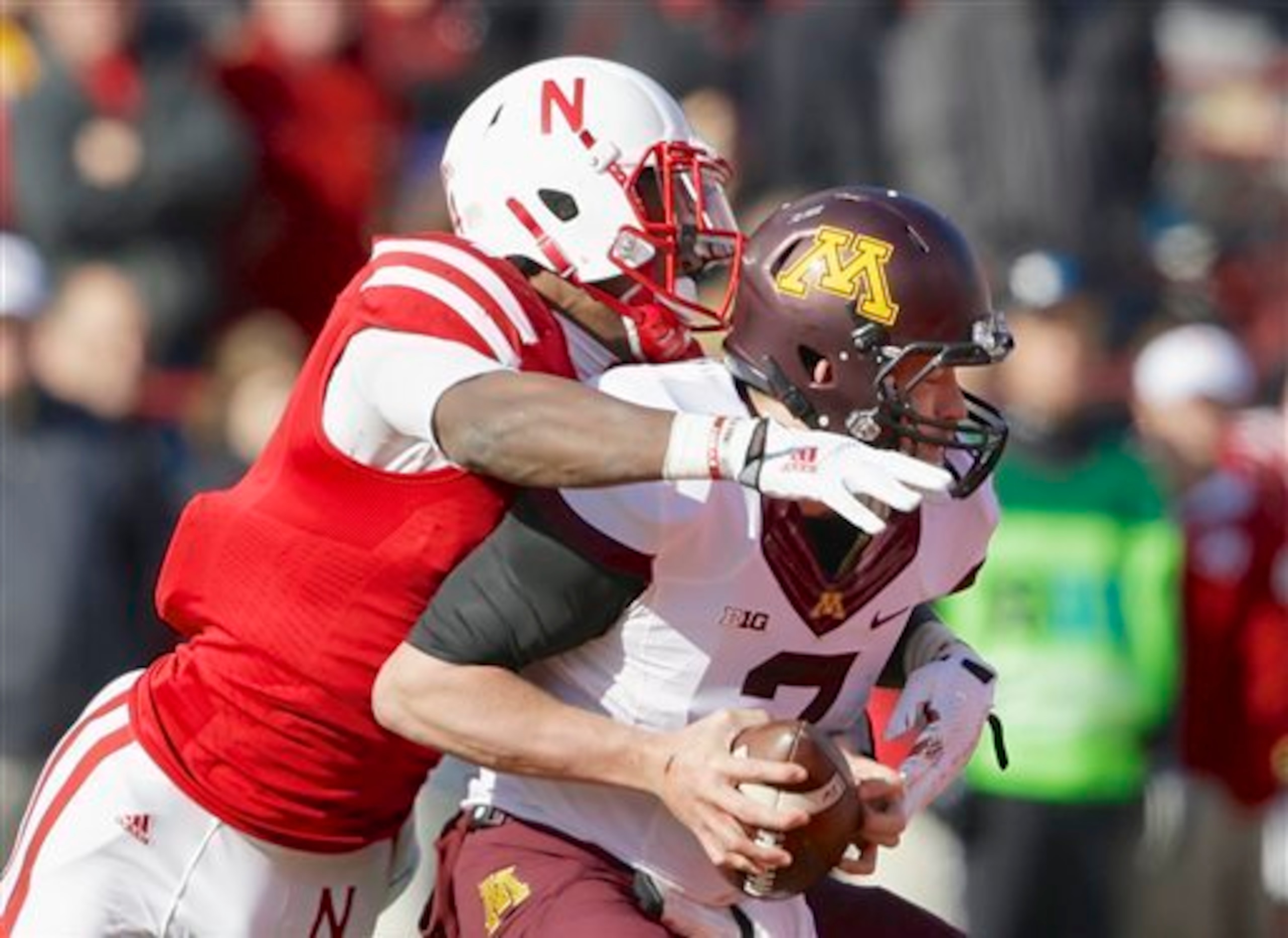
Randy Gregory has long arms, and he’s explosive. He is one of the best pass-rushers in the draft. The 49ers need another pass-rusher—their four-man pass rush last season was ineffective. Aldon Smith may or may not still be a good player, plus he may be gone after next season—he will be a free agent in 2016. Gregory could replace him.
Experts expected teams to take Gregory within the first 10 picks of the first round before he failed a drug test at the combine. Now, there’s a chance he will fall to the second half of the first round.
Would the 49ers pass on Gregory because he failed a drug test? Not necessarily. The Niners recently signed Jerome Simpson. In 2011, police seized a 2.5-pound package of marijuana that was sent to Simpson's house. And in 2010, the 49ers drafted NaVorro Bowman, who failed a drug test at Penn State in 2009.
Comparison: Aldon Smith; Smith is about 30 pounds heavier than Gregory—that’s the biggest difference between them. Until Gregory bulks up, he can be a third-down pass-rushing specialist like Smith was during his rookie season.
Gregory: 6’5”, 235 pounds, 4.64 40-yard dash, 1.60 10-yard split (per NFLDraftScout.com), 125-inch broad jump, 36.5-inch vertical jump, 34-inch arms, 24 bench-press reps of 225 pounds, 6.79 three-cone drill, 4.16 20-yard shuttle, per NFLDraftScout.com.
Smith: 6’4”, 263 pounds, 4.78 40-yard dash, 1.68 10-yard split (per NFLDraftScout.com), 118-inch broad jump, 34-inch vertical jump, 35 3/8-inch arms, 20 bench-press reps of 225 pounds, 7.19 three-cone drill (2011 combine numbers)
.jpg?w=2560 "Chiefs Giants Football")
.jpg?w=2560 "Titans Colts Football")
.jpg?w=2560 "Eagles Jaguars Football")
Vic Beasley, Linebacker, Clemson University
4 of 5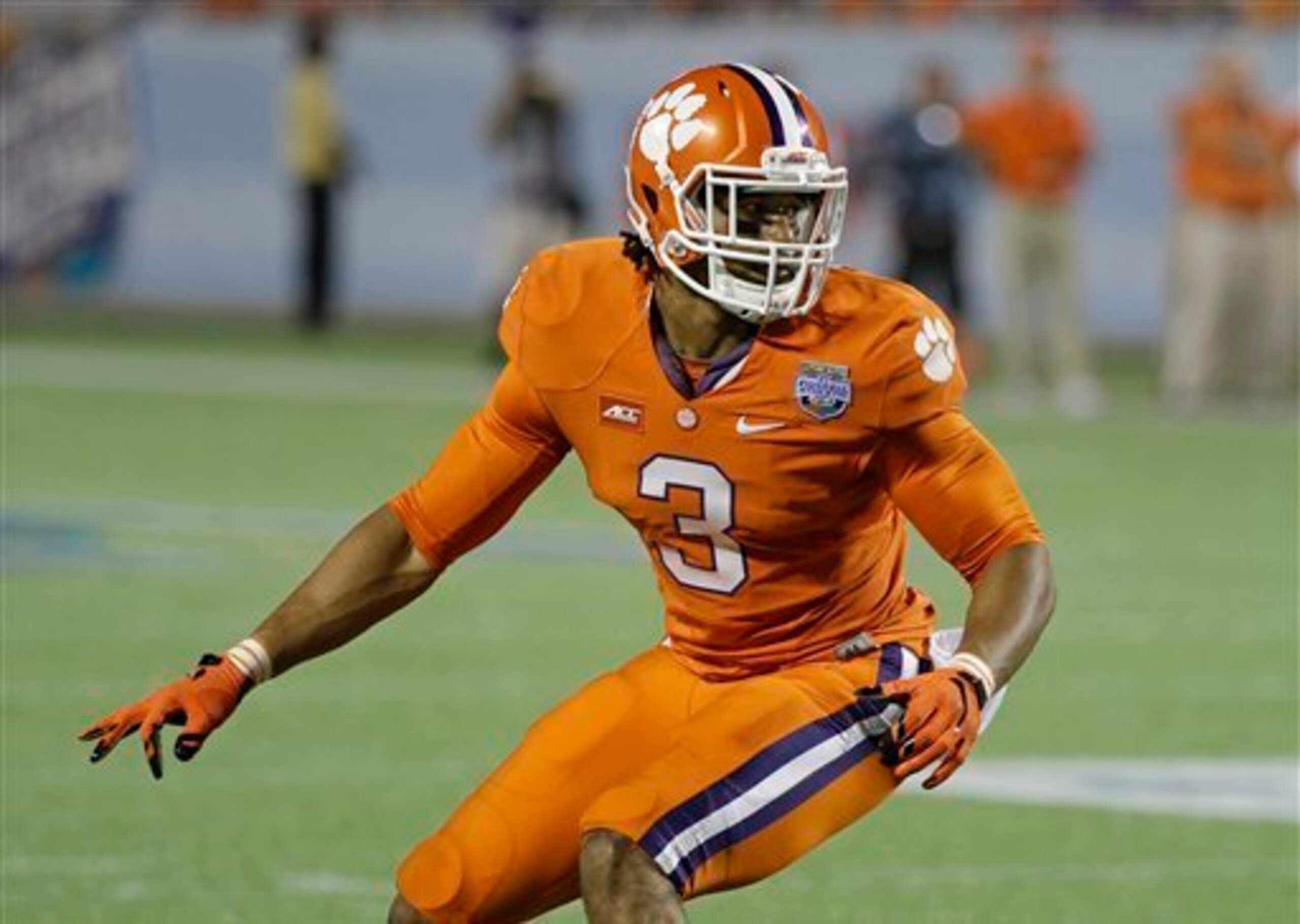
NFL.com draft analyst Daniel Jeremiah recently ranked Vic Beasley the 16th-best player in the draft.
Beasley has shorter arms than Dupree—maybe that’s why Jeremiah didn’t rank Beasley in the top 15. Beasley might not become a dominant pass-rusher for the same reasons Dupree might not become a dominant pass-rusher, but Beasley will be an elite player. He is the most versatile linebacker in the draft.
Beasley can play every linebacker position. He can play the position Patrick Willis used to play (left inside linebacker), or he can play the position Ahmad Brooks used to play (left outside linebacker). Very few players are athletic enough to play both inside linebacker and outside linebacker in a 3-4 defense. Even Patrick Willis couldn’t play both. He wasn’t a good edge-rusher. He couldn’t play outside linebacker.
Comparison: Clay Matthews; Beasley and Matthews are playmakers who make plays no matter which position they play. Matthews is an outside linebacker, but last season he played inside linebacker some of the time, and he played it well.
Beasley: 6’3”, 246 pounds, 4.53 40-yard dash, 1.59 10-yard split (per NFLDraftScout.com), 130-inch broad jump, 41-inch vertical jump, 32 1/2-inch arms, 35 bench-press reps of 225 pounds, 6.91 3-cone drill, 4.15 20-yard shuttle.
Matthews: 6’3”, 240 pounds, 4.58 40-yard dash (pro day, per NFLDraftScout.com), 1.58 10-yard split (per NFLDraftScout.com), 121-inch broad jump, 35.5-inch vertical leap, 32 1/4-inch arms (per CBSSports.com), 23 bench-press reps of 225 pounds, 6.90 3-cone drill, 4.18 20-yard shuttle (2009 pro day and combine numbers)
Trae Waynes, Cornerback, Michigan State University
5 of 5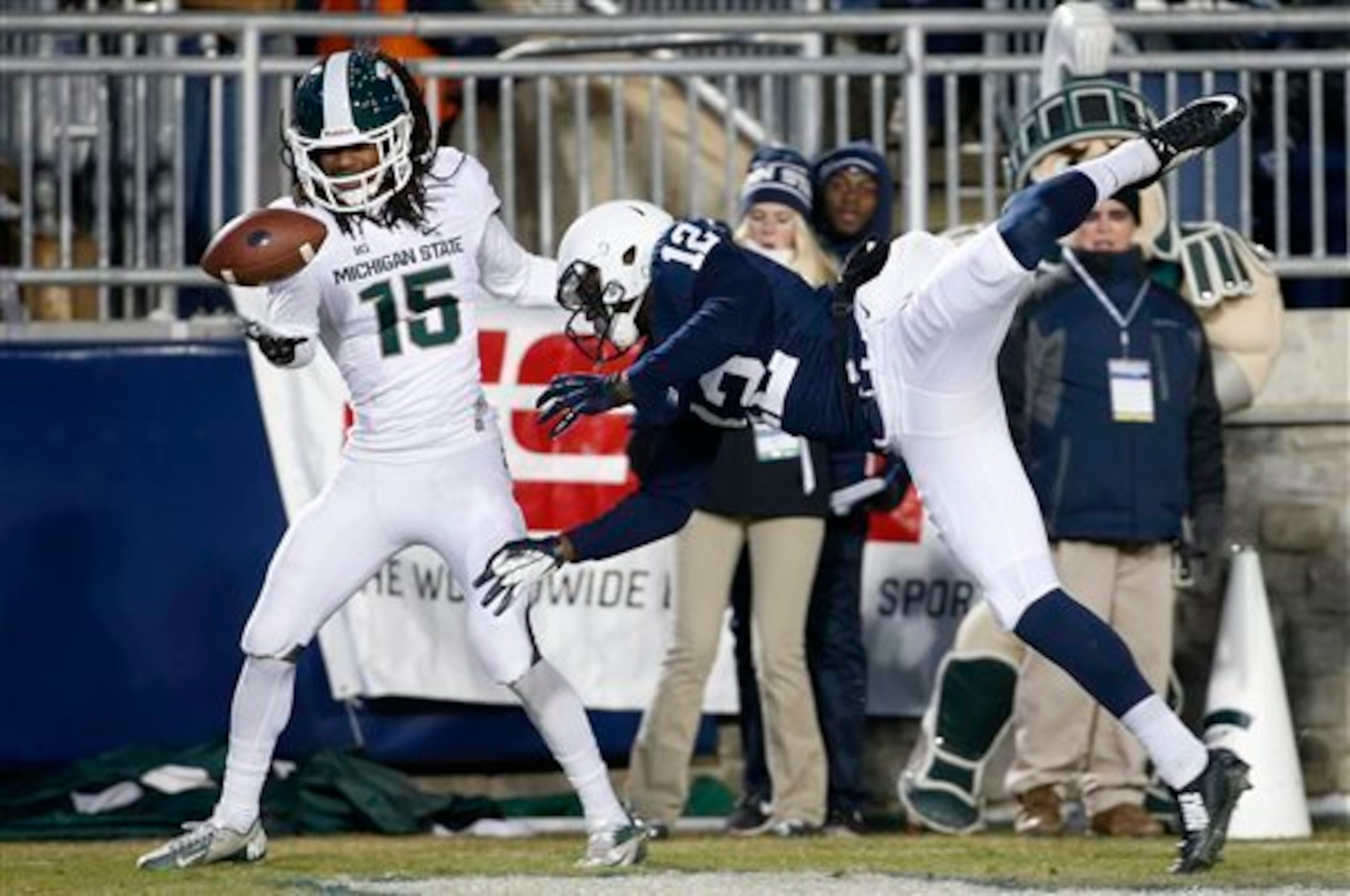
Trae Waynes is the fastest and the strongest cornerback in the draft.
He has the strength and the reach to jam receivers at the line of scrimmage, and he has the speed to run with them down the field. He has the traits to be an elite outside receiver on a defense that features press coverage.
Some teams might not like Waynes because he isn’t quick. Randy Gregory is quicker than Waynes, and Gregory is a 235-pound linebacker. A cornerback has to be quick to line up in the middle of the field and cover slot receivers. Waynes can’t cover the slot—he strictly is an outside corner.
If Waynes were quicker, he probably wouldn’t fall to pick No. 15.
Comparison: Darius Slay; Slay strictly is an outside cornerback, too. But he was one of the best outside corners in the league last season. The Detroit Lions took him in the second round of the 2013 draft. He was a steal.
Waynes: 6’0”, 186 pounds, 4.31 40-yard dash, 122-inch broad jump, 38-inch vertical jump, 31-inch arms, 7.06 three-cone drill, 4.19 20-yard shuttle (at his pro day, per NFL.com), 19 bench-press reps of 225 pounds
Slay: 6’0”, 192 pounds, 4.36 40-yard dash, 124-inch broad jump, 35.5-inch vertical jump, 32 1/4-inch arms, 6.90 three-cone drill, 4.21 20-yard shuttle, 14 bench-press reps of 225 pounds (2013 combine numbers)
.jpg?w=2560 "Colts Football")
.jpg?w=2560)