
Ranking the 2015 Impact of the Washington Redskins' Free-Agent Signings so Far
Using free agency to fortify an annually dismal defense represented a smart approach from the Washington Redskins. New general manager Scot McCloughan added five new faces to a unit that ranked 30th in points allowed and 24th against the pass in 2014.
Among the newbies are three linemen who will bolster the physicality and pass-rush potential of a front that was routinely pushed around last season. Hopefully the increased disruption up front will aid a secondary that's only been partly retooled and still looks certain to determine the fate of this defense and the team as a whole.
When considering the individual impact of each new arrival, there are three important factors to consider. The first is immediate impact. What does each signing bring to his position? Then there's the collective impact. How will each recruit impact those around him?
Finally, there's overall impact. Specifically, this focuses on how each addition will change the outlook of the team from a personality standpoint.
Read on to find out how each of Washington's new signings meet these criteria.
5. Ricky Jean Francois, DT
1 of 5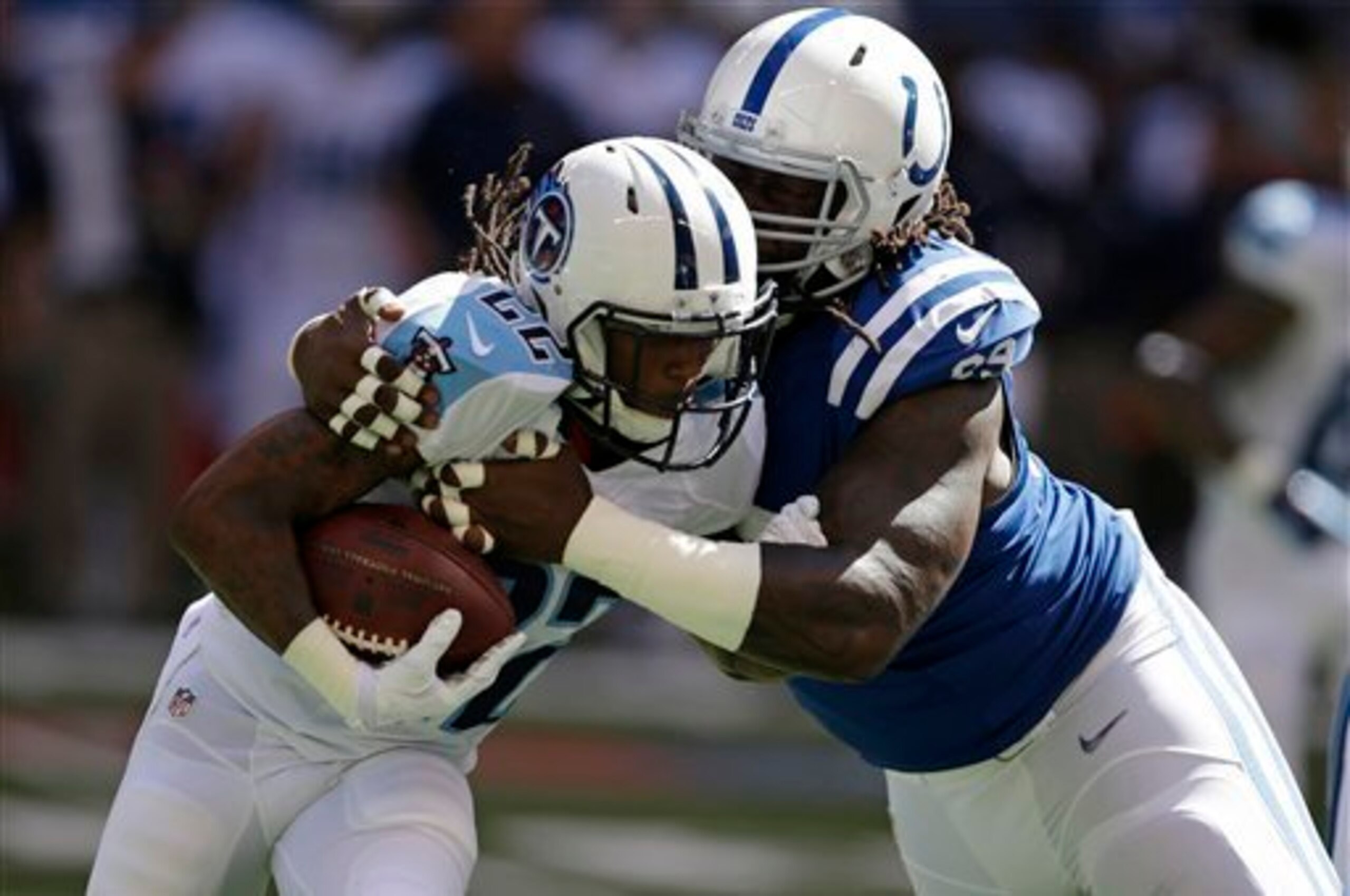
Ricky Jean Francois props up this list for two reasons. First, it's tough to determine his overall impact when the signings that followed him seemed to relegate the former Indianapolis Colts starter to a rotational role.
Second, it's as difficult to positively grade Francois' immediate impact because of his lack of elite talent in any one area. Naturally, this adversely affects his collective impact.
A former McCloughan draft pick for the San Francisco 49ers in 2009, Francois fits the new direction of Washington's defense. He's a gap-splitting defensive tackle who is at his best when he's allowed to attack upfield rather than control blockers.
As an interior pass-rusher, Francois should provide cover at both edges of the defensive line. The 28-year-old could even slide inside in nickel situations.
While the potential as a pass-rusher is there, Francois has hardly established a reputation for being tough on quarterbacks. He's tallied just 8.5 sacks since entering the league, with the three he notched in 2014 representing a career high.
Francois also won't be a dominant force when it comes to stopping the run. He can be rocked back by drive blocking and doesn't always stand up to double teams.
The latter issue is worrisome since it undermines Francois' ability to make an impact on base downs. It also means he won't draw many blockers to help keep linebackers clean, a crucial requirement in any 3-4 scheme.
What Washington got in Francois is a versatile lineman who will work best when shaded into gaps either at end or nose tackle. Wherever he lines up though, Francois must be allowed to attack rather than occupy.
He's strictly a rotational player who fits the one-gap principles new coordinator Joe Barry will incorporate in this defense.
4. Jeron Johnson, S
2 of 5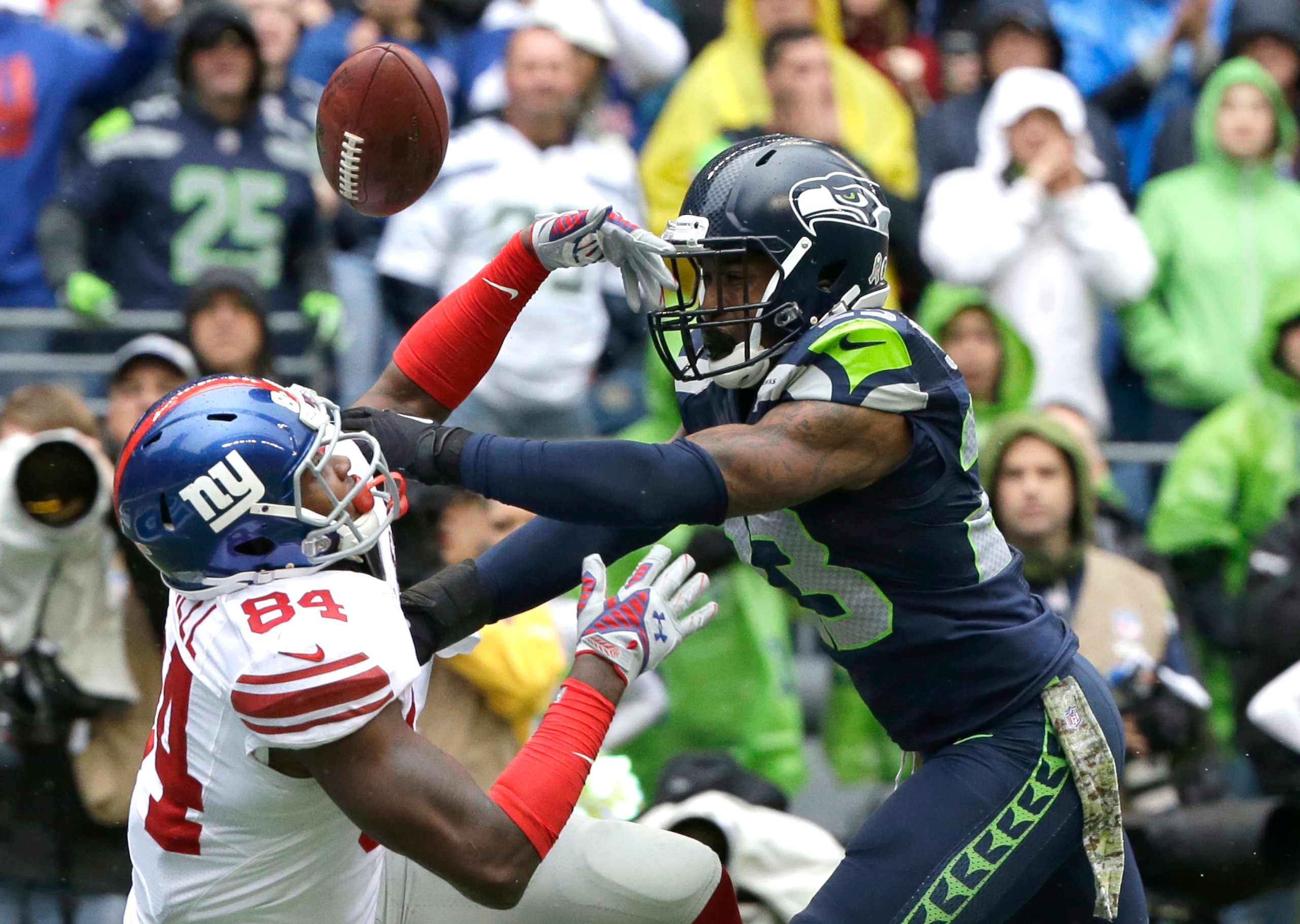
Jeron Johnson has made one start in four years, yet he's being asked to fix a position that's been a major weakness of Washington's for at least the last six seasons. That's a tall order for the ex-Seattle Seahawks special teams ace.
With such a limited body of work, it isn't easy to gauge Johnson's immediate impact. Starting with the obvious, he gives this team another body at a wafer-thin position.
But his presence isn't the only thing McCloughan guaranteed when he gave Johnson a two-year deal.
Versatility is also a major plus, as the player himself recently revealed during an interview with Redskins Nation host Larry Michael, per CSN Washington reporter Tarik El-Bashir: “I’m an all around player. I can play free safety, strong safety. But hitting is part of my game. I’m a physical player. I plan on delivering the blow.”
That level of flexibility naturally gives the Redskins a lot of options as they continue looking for answers at both strong and free safety. Johnson's 5'10", 212-pound frame and self assessment that he's "a physical player," makes the former position seem like his best fit.
But it's his declaration about "delivering the blow" that really speaks to Johnson's overall impact. He's adding a physical nastiness to a secondary that's acted like a doormat for opposing pass-catchers in recent seasons.
Johnson comes from a Seahawks team that's made aggressive dominance in the defensive backfield a core principle. A healthy amount of that characteristic would be welcome in Washington.
Johnson could also bring it to both the secondary and special teams, enhancing his collective impact.
Only two things leave the 26-year-old so low on this list. The first is his lack of experience as a starting safety in the NFL. The second is somewhat out of his control and perhaps not entirely fair.
Johnson is the only direct move this team has made to bolster a patchwork position. Even if he exceeds expectations, Johnson isn't going to fix this secondary by himself.
3. Stephen Paea, DT
3 of 5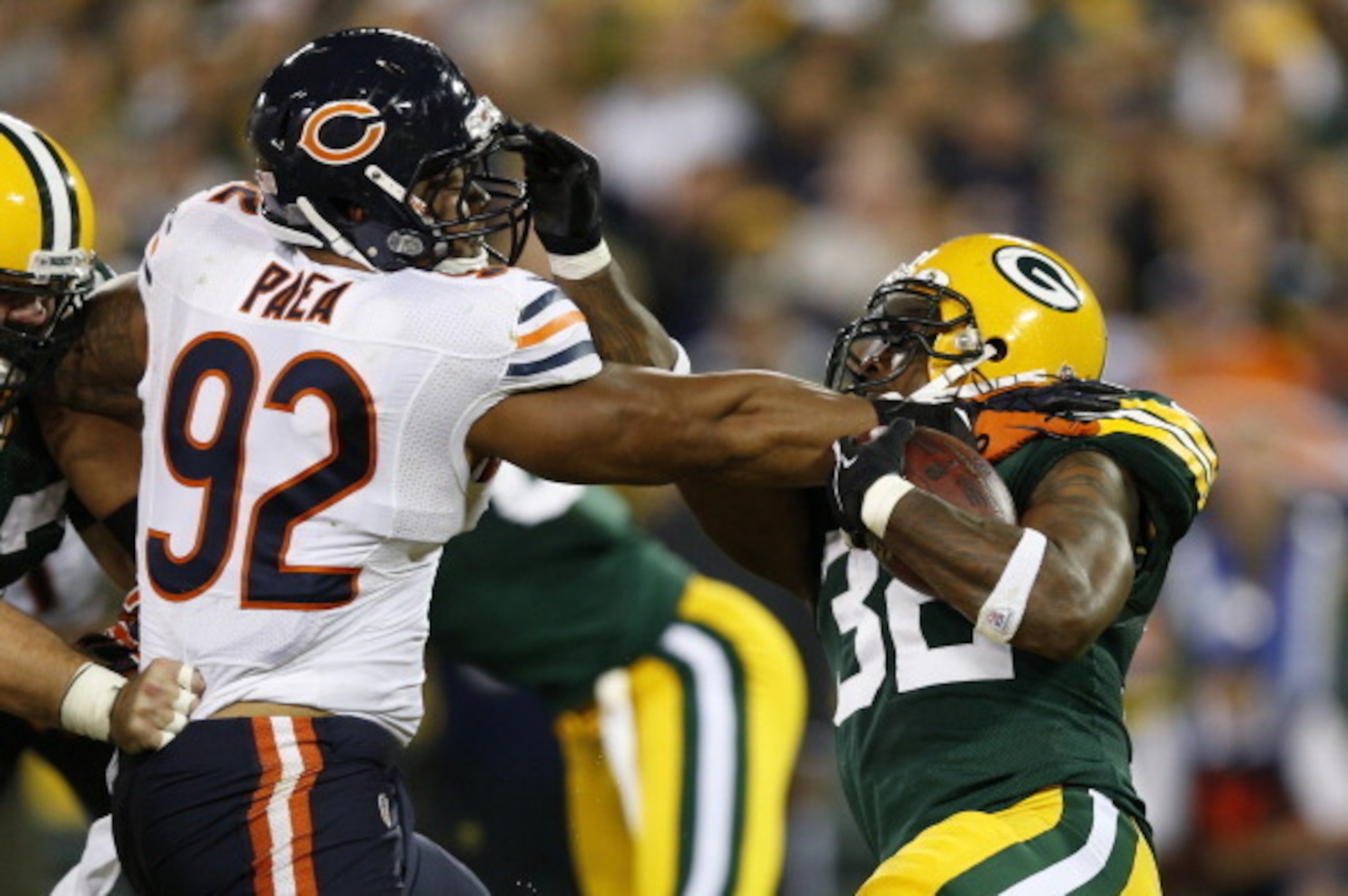
There are two ways to view the signing of Stephen Paea.
The first is to raise an eyebrow at Washington's ambitions to transition another 4-3 player to the 3-4.
The second is to welcome Paea as a natural fit in a new scheme that will mix 3-4 and 4-3 fronts and principles. Specifically, Paea fits this system thanks to his ability to create inside pressure.
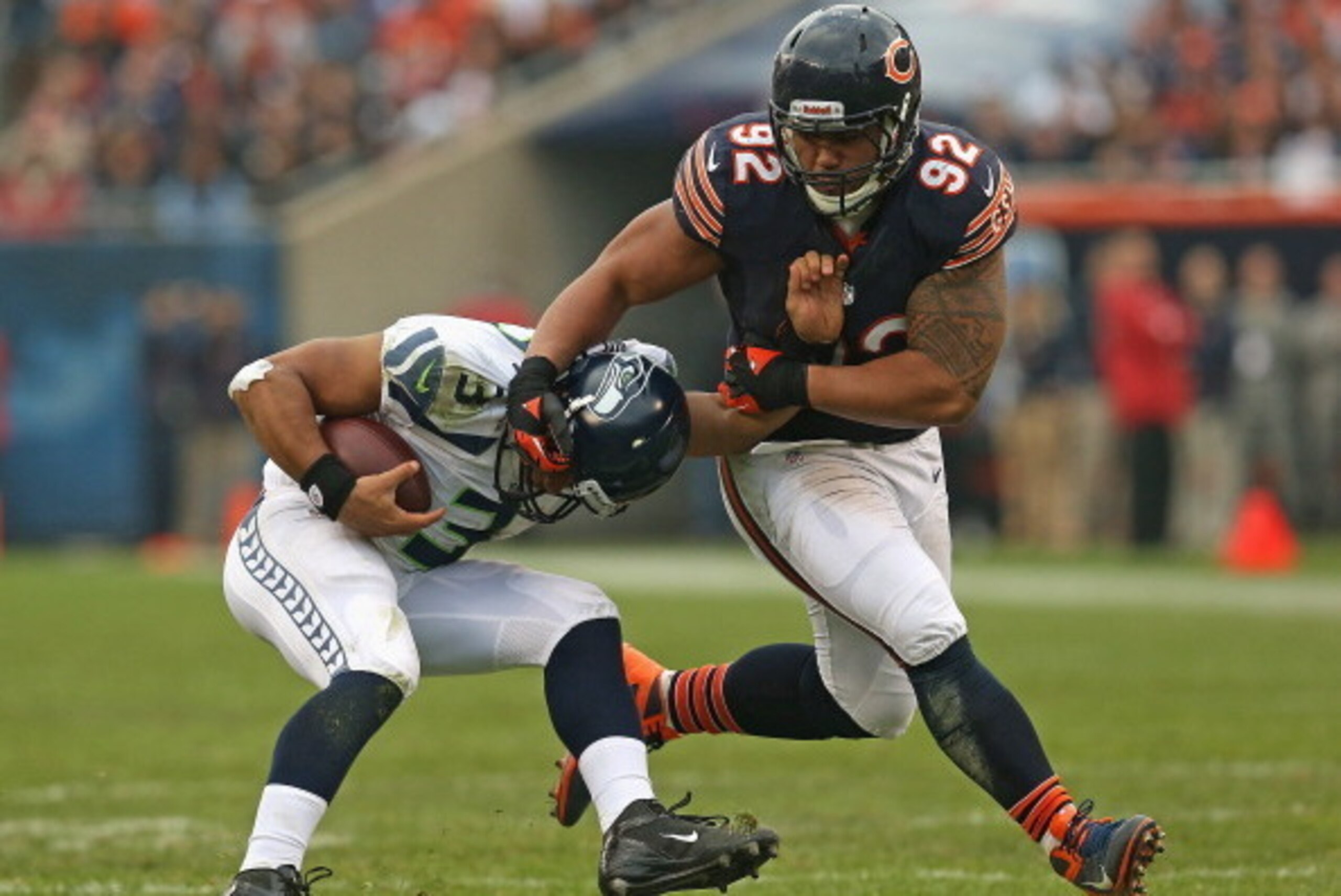
The six sacks he recorded during his final season with the Chicago Bears speak to his immediate value in Washington. Paea has already said he's encouraged by how his new team plans to use him, which will start with playing end on the base front, per ESPN's John Keim.
Paea will likely shade into the guard-tackle B-gap as a three-technique pass-rusher. That's what made him a success in Chicago in 2014.
If he can consistently split gaps and pressure the pocket from one side, while fellow three-technique pass-rusher Jason Hatcher does the same at the other end, the Redskins will certainly improve on the 36 sacks they managed last season.
Of course, with two members of a three-man line likely focusing more on getting upfield, it's easy to worry about the strength of the run defense. Despite awesome natural strength, Paea isn't very stout against the run.
That could be a problem in an NFC East featuring powerful offensive lines and talented, punishing running backs.
What Paea will ensure is that Washington can rush four to create pressure on most downs. Francois has already indicated that's a priority for Barry, according to CSN Washington's Tarik El-Bashir.
A strong front-four rush and seven-man coverage bracket is the ideal defensive formula for creating big plays rather than surrendering them. That's Paea's overall value to this team.
To deliver it, he must prove he can be solid against the run so teams are forced to air it out against the stronger pass rush. Paea must also show he can make big plays in the passing game more consistently than he did in 2014, when four of his sacks came in the first six weeks, and the other two came in Week 12.
.jpg?w=2560 "Chiefs Giants Football")
.jpg?w=2560 "Titans Colts Football")
.jpg?w=2560 "Steelers Buccaneers Football")
2. Chris Culliver, CB
4 of 5
Chris Culliver's four-year, $32 million contract may cause a gasp or two, but there's no doubt he can play a key role in changing the look and personality of a porous secondary.
But first that contract. Pro Football Talk reporter Mike Florio broke down some of the details, including the $16 million guaranteed at signing:
"The money comes in the form of a $5 million signing bonus, a fully-guaranteed 2015 base salary of $3 million, and a fully-guaranteed base salary of $8 million.
Culliver also is due to receive a base salary of $8 million in 2017 and a base salary of $8 million in 2018.
"
Florio cited these details in the context of Culliver's many off-field troubles, including a hit-and-run incident, homophobic comments on the eve of Super Bowl XLVII and threatening a teenager with brass knuckles.
Florio did note a provision in the deal that requires Culliver to pay back a "chunk of the signing bonus" if he's suspended for even a single game.
On the field, Culliver is fresh off his best season in the NFL. He snatched a quartet of interceptions in 2014 and showed a knack for big plays. His former coach Jim Harbaugh emphasized the attributes Culliver can bring to a team, per ESPN's John Keim:
"He competes like a maniac. And he's doing it in a physical way. That's important to our football team—to be physical. And to do that from the corner position is really good. You're playing with 11 tacklers out there when your corners are physical like safeties are. That's the way he plays the game.
"
Those qualities make Culliver's overall impact potentially significant. Washington simply has to get more physical in coverage.
The size and speed of today's receivers demands rough, press-style coverage on the edge. McCloughan saw that work during his time with the Seahawks. By signing Culliver, he's taken a big step in recreating the formula in Washington.
Culliver and his 6'0", 199-pound frame will join 5'11", 197-pounder Bashaud Breeland to give the Redskins two scrappers on the outside. Just as important, Culliver's presence could free David Amerson up for a move to safety. It might even do the same for DeAngelo Hall.
At the very least, one of that pair can challenge the disappointing Tracy Porter for the key slot corner role.
If Culliver replicates his 2014 form, he'll help transform this secondary into an ultra-aggressive group that receivers will fear. But his history of trouble off the field makes the bumper deal he received a major risk.
1. Terrance Knighton, NT
5 of 5
Signing Terrance Knighton was the best move Washington made this offseason. The mammoth road grader's impact will be immense at every level.
To begin with, Knighton will immediately become the focal point of the run defense. As the proverbial "immovable object," he'll tie up multiple blockers and obliterate holes.
That niche skill will be invaluable to a defense now loaded with pass-rushers at the edges. But in the collective sense, even the edge warriors should find their statistics increasing with Knighton around.
His presence over center will naturally bounce plenty of runs outside. Those coming off the edge to threaten the quarterback should have no problem helping unfortunate runners taste some turf.
But it's the inside linebackers who will want to send McCloughan a thank you note for landing one of the league's stoutest nose guards for just $4 million.
Expect opposing offensive linemen to rarely even dirty the uniforms of Keenan Robinson and Perry Riley Jr. Both should enjoy career years if Knighton dominates up front.
Like most of the players on this list, Knighton's overall impact is to ensure a more physical, hard-hitting defense for 2015. There's a more of a black-and-blue feel to the unit, and it starts up front where Knighton will absorb space.
That's the main impact of this year's free-agency class. McCloughan has created real excitement about the defense for the first time in years.
But more to the point, he's changed the personality of the unit. This is now a smashmouth defense with the potential to set the right tone in a lot of games.
That doesn't necessarily mean Washington's defense will be among the league's best. After all, another edge-rusher, safety and inside linebacker are still needed.
But having a physical swagger is a must for any defense. If the talent ever clicks on offense, mere competence on the other side of the ball might be enough to turn this team into a winner ahead of schedule.
All statistics and player information via NFL.com.
.jpg?w=2560 "Eagles Jaguars Football")
.jpg?w=2560 "Steelers Saints Football")
.jpg?w=2560 "🚨 Week 8 AP Top 25 Poll")