

Premier League Clubs Need to Stop Whining and Get Back to Basics
What caused the demise of English clubs in Europe this season?
I asked Manuel Pellegrini after Manchester City became the last Premier League club to bid farewell to the Champions League, and while admitting they were soundly beaten by a much superior Barcelona side, he was also swift to bemoan a punishing winter schedule, tiring pitches and financial fair play regulations, which he claims have inhibited the strengthening of his squad.
The problem is that not all the facts back him up.
TOP NEWS
Live Highlights and Viral Moments 🍿

Final Men's Ballon d'Or Rankings 📊

Carrick Replacement Options 📝
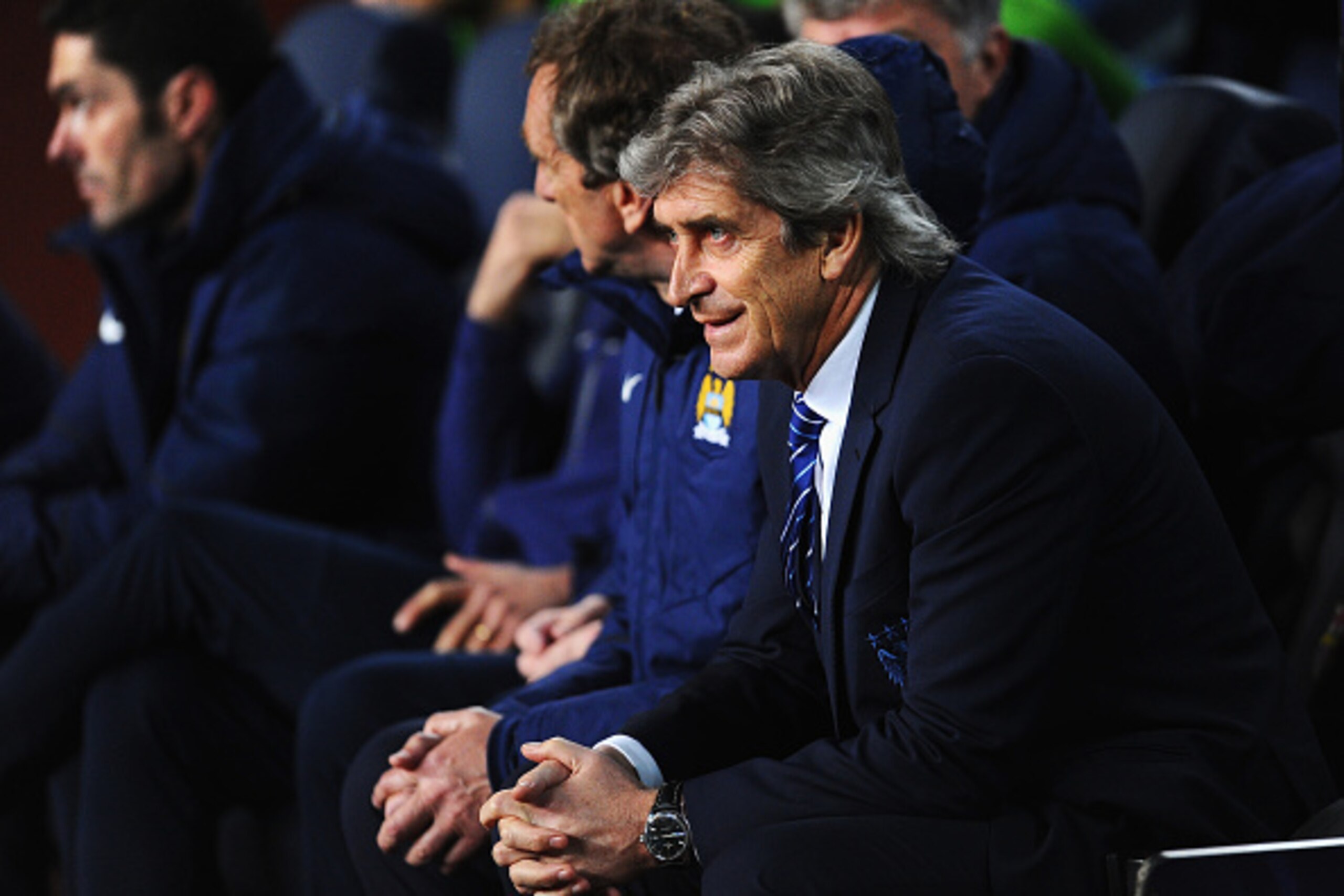
The Manchester City boss told me that a punishing schedule in December and January was inevitably going to take its toll. His side, he claimed, played nine games in both December and January. If true, that would certainly be a punishing programme.
Unfortunately, it isn’t; he is mistaken. In December 2014, City played seven games, six in the Premier League and against Roma in the Champions League. In January, they played six times, four in the PL and twice in the FA Cup.
Meanwhile, Barcelona, despite having a short break over Christmas—more on that later—still managed to fit in six games in December (three in La Liga, two in the Copa del Rey and one in the Champions League) before closing down on December 20 after having thumped five past Cordoba.
January saw them play eight games (four in La Liga and four in Copa del Rey)—two more than Manchester City.
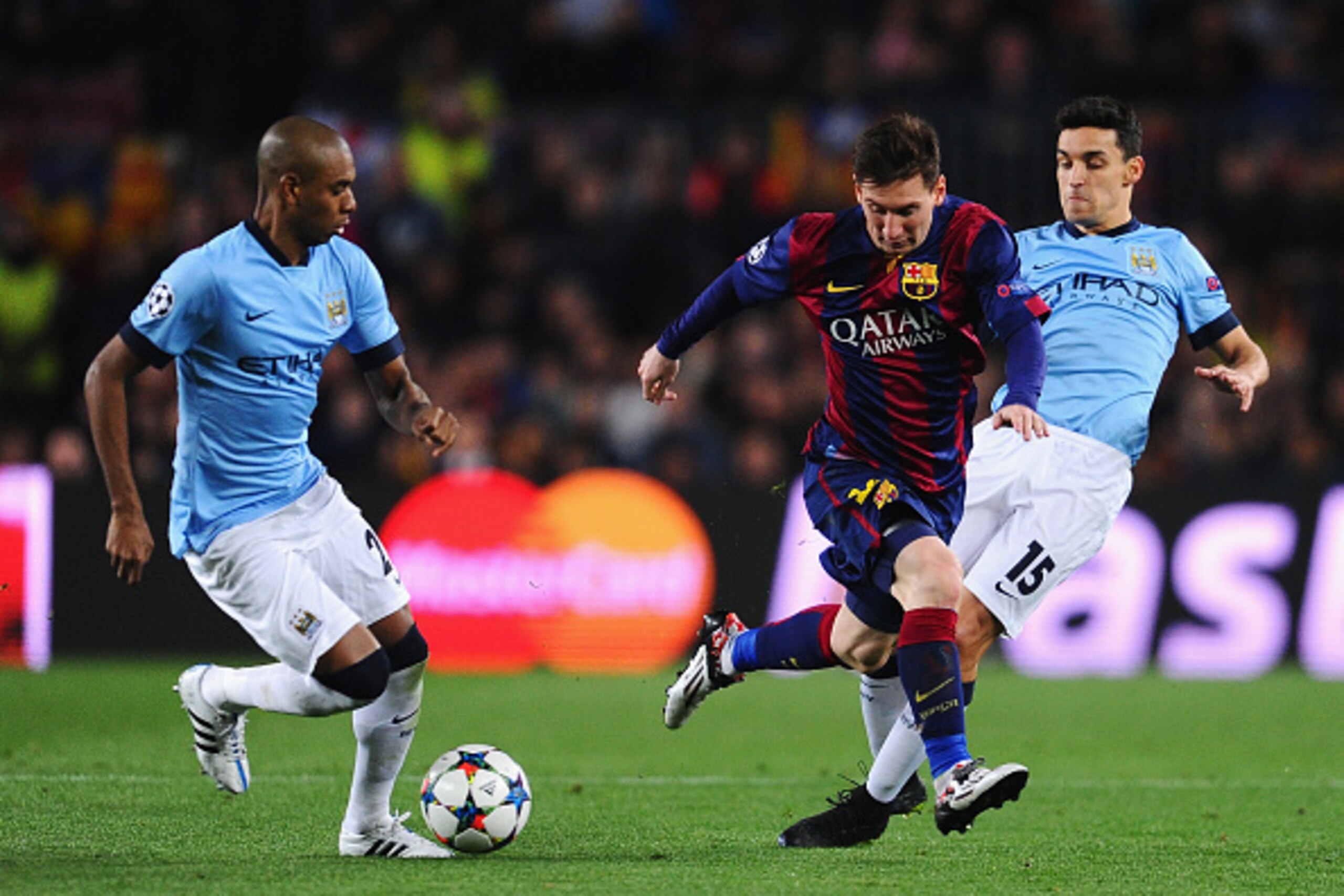
So maybe the difference is that players in the Spanish league return from the Christmas break revitalised, reinvigorated, with a spring in their step and a sparkle in their eye.
Once again, however, the facts don’t quite bear that out. The Barcelona players, Messi apart, returned to training on December 30, which means their break was effectively just over a week. Messi, incidentally, returned on January 2.
There is also another school of thought that while Premier League players do not get a Christmas break, the third round of the FA Cup is very often used by clubs as a chance to give their stars a rest and rotate their line-ups.
In truth, I don’t think the lack of a break, the hardness of the pitches or any manner of other excuses are why English clubs are falling short on the European stage.
I have always maintained that the top clubs in England are all suffering from what I like to call a "full belly," by which I mean a tendency to try to buy your way out of trouble rather than concentrate on tactics, technique or the details and minutiae that can make the difference.
Indeed, when you’ve got loadsamoney, why would you bother looking for a fiver you might have dropped down the sofa when you can just go to the cashpoint?
Don’t just take my word for it. Gary Neville has said precisely the same thing. Teams are not spending enough time and effort on preparing themselves correctly, preferring instead to go shopping for talent. The less affluent clubs can’t do this, so they have to concentrate more on preparation, detail and the collective team effort.
“It’s incredible," Neville told Sky Sports. "We’re going to have to have a good long look at ourselves.
"And I have to say we’re getting embarrassed year in, year out at the moment."
The moneyed sides look more to the individual efforts of their stars to dig them out of a hole.
Nor are foreign coaches immune to it. While at Villarreal, Pellegrini turned a small-town side into an awesome team, and he did it with an offensive ethic based on the work of the collective. When Juan Roman Riquelme declined to join the party, as great a player as he undoubtedly was, he was ejected.
Many of Pellegrini’s ideas while he was at Villarreal were in fact copied by Pep Guardiola when he took charge at Barcelona, and the Bayern Munich manager has frequently declared himself an admirer of the Chilean coach.

And while you can still see some signs of it in Pellegrini’s line-up, such as a defensive line high up on the edge of the penalty spot rather than closer to the six-yard box, when you hear him bemoaning that FFP rules have prevented him from strengthening his squad, you feel that he too has, to a large extent, fallen into the same trap.
Little by little, the plans and tactics many foreign coaches bring to clubs fall by the wayside as they give way to chequebook coaching.
But that isn’t all. Many of the players are drawn into a world where physicality, strength and stamina, rather than guile and technique, are the order of the day. That is what most fans want, so who is there to blame if you want to play the blame game?
Arsenal and Manchester City are a case in point. In the case of Chelsea, it’s more about a side with a European way of playing so ingrained in them that they find themselves unable to switch to a new system when faced with having to find the most effective way to play against 10 men.
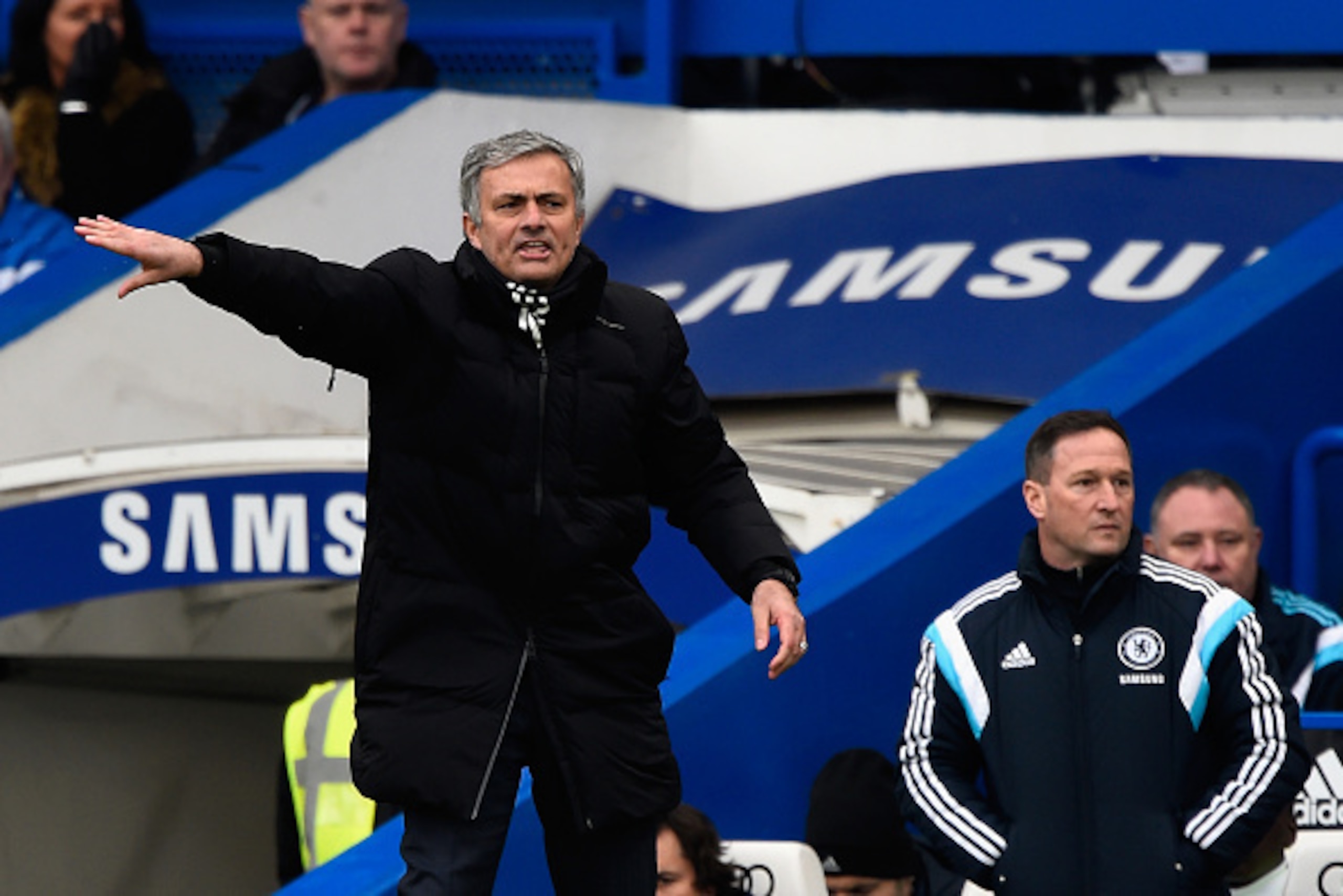
The fact is that Jose Mourinho is, by nature, defensive. When required to look to the offensive, he finds himself looking toward individual brilliance rather than the collective team effort.
Rotation, or rather the lack of it, is something that clubs in England need to address more closely, and Chelsea in particular need to look at using their full squad more efficiently.
Finally, clubs need to get away from the excuse-ridden culture that permeates English football, in that it’s always someone else’s fault, be it the referee, the pitch, the fact that it’s a Mickey Mouse tournament or anything else given as a reason to excuse failing to come up to the mark.
Then, and only then, we might see English football return to the top table in Europe.
.jpg?w=2560 "Chiefs Giants Football")
.jpg?w=2560 "🚨 Week 8 AP Top 25 Poll")

.jpg?w=2560 "Baker Gets Glove From Rays 🧤")
.jpg?w=2560 "Steelers Roll Saints in Paris")


.jpg?w=2560 "NFL investigating Eagles")
.jpg?w=2560 "5 Teams Eyeing Jonathan Taylor")
.jpg?w=2560 "Updates from EVERY Game")