
The 10 Greatest Freshman Seasons in College Football History
Twenty-fourteen was a strong year for FBS freshmen, chief among them Ohio State quarterback J.T. Barrett, Georgia running back Nick Chubb, Tennessee defensive end Derek Barnett and Virginia safety Quin Blanding.
But none of those players were truly transcendent.
Especially after 2012 and 2013—years that produced the first two freshman Heisman Trophy winners—the standard for recording an immortal freshman season has shifted. There are two fewer spots on this list, which means two more great freshman fell out of the top 10. (In this case, apologies to Marshall Faulk and Andy Katzenmoyer.)
The biggest factors for creating this list were individual metrics (stats, awards, etc.), but now more than ever, that's not always enough. Team success plays an increasingly vital role, as the best freshmen post huge numbers and elevate their teammates.
Sound off below and let us know what you think.
WR Michael Crabtree, Texas Tech (2007)
1 of 10
Crabtree won the receiving triple crown as a freshman, leading the nation in catches (134), yards (1,962) and touchdowns (22).
As a result, he won the Fred Biletnikoff Award as the best receiver in college football, becoming both the first freshman and the first Big 12 player to claim that hardware.
The craziest part? Crabtree played quarterback in high school and spent his redshirt freshman season learning receiver for the first time. But former TTU head coach Mike Leach believed in him.
"My coach told me if I work hard and do my job, I would be here,'' Crabtree told Chris Fowler of ESPN after accepting the Biletnikoff. "I just did what he said, and I'm here."
Texas Tech finished 9-4 in 2007 and 11-2 in 2008, Crabtree's only other season in Lubbock. It has never in program history—which dates back to 1932—won more games over a two-year period.
RB Ron Dayne, Wisconsin (1996)
2 of 10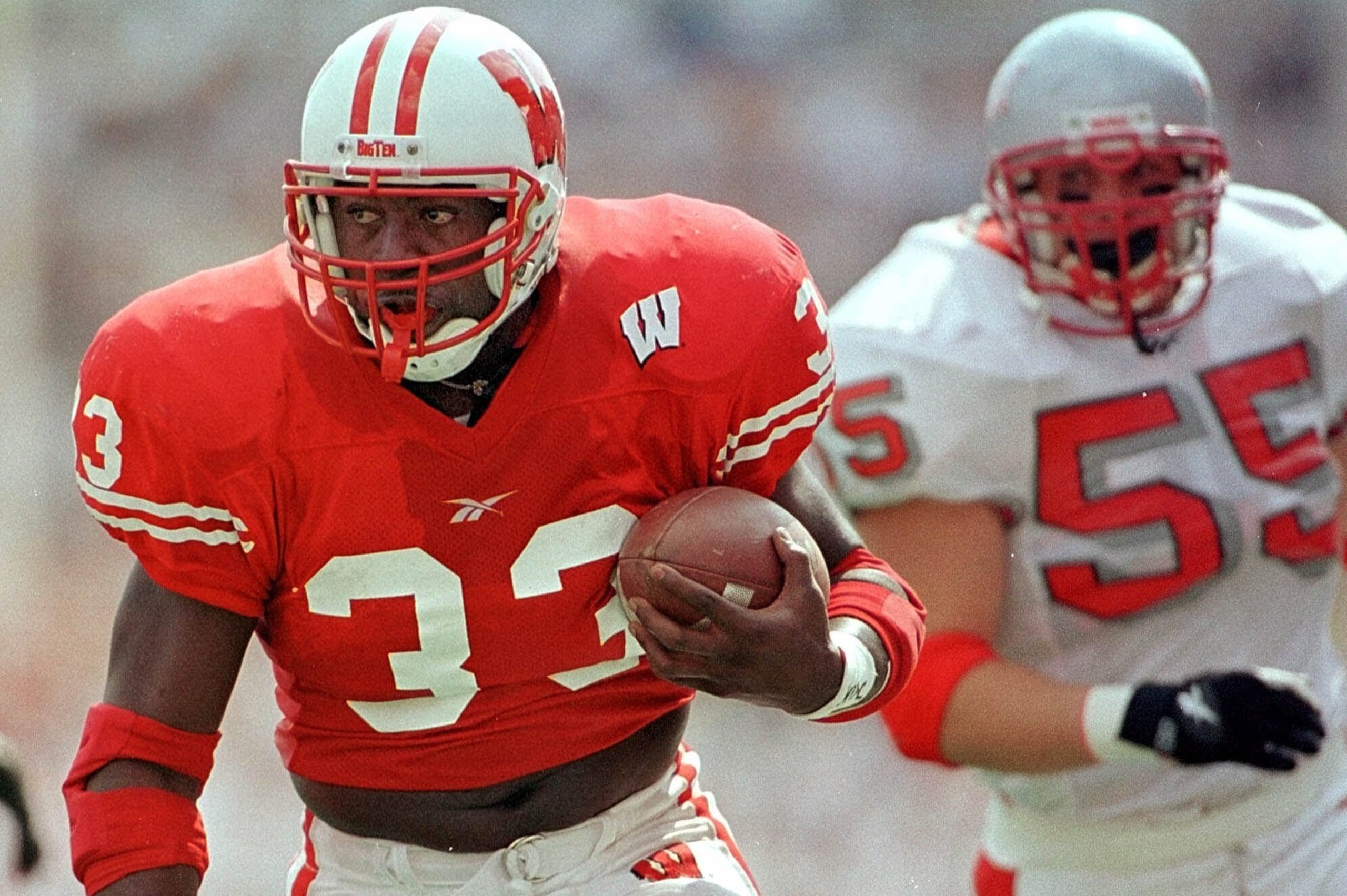
Ron Dayne posted career-highs in rushing yards (2,109), touchdowns (21) and yards per attempt (6.5) as a freshman in 1996, which speaks volumes for a man who won the Heisman Trophy three years later and graduated as the all-time leading rusher in FBS history.
He finished second in the country in all three metrics but didn't win the Doak Walker Award or earn Heisman consideration, in large part because Wisconsin finished 8-5.
The Badgers turned the corner when Dayne was an upperclassman, winning back-to-back Rose Bowls in 1999 and 2000, which is when Dayne started collecting national hardware.
DE Hugh Green, Pittsburgh (1977)
3 of 10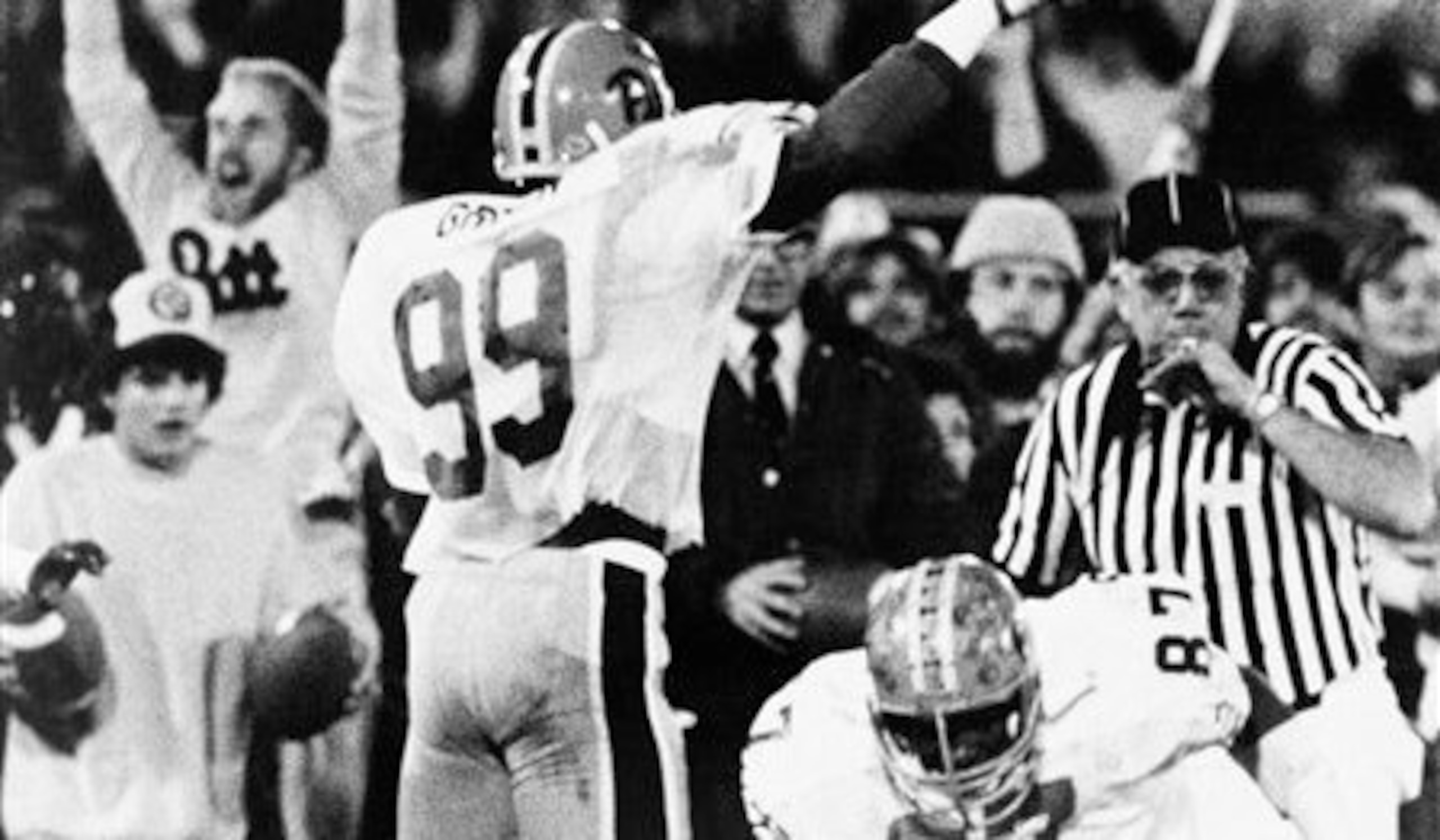
Hugh Green started his career in style, logging 11 tackles, two sacks and a blocked extra point in the first game of his freshman season, a 19-9 loss to eventual national champion Notre Dame.
He technically didn't "start" against the Irish, entering on the second snap because head coach Jackie Sherrill refused to start a freshman in his first career game, but Green made himself invaluable the rest of the season, finishing with 92 tackles, 12 sacks, 15 tackles for loss, five forced fumbles, one interception and 21 quarterback hurries, per Mike Huguenin of NFL.com.
"He might be the best defensive player in college history," Hugenin wrote of Green, "and his career got off to a rousing start in '77."


OG Steve Hutchinson, Michigan (1997)
4 of 10
Steve Hutchinson opened a Hall of Fame career with a Hall of Fame freshman season. He took a redshirt in 1996, using the time to transition from defense to offense, and started all 12 games at left guard for a Michigan team that won the national title.
Hutchinson made the All-Big Ten team his first season and eventually become a four-year starter, All-American, first-round NFL draft pick and seven-time All-Pro guard at the next level.
The journey, though, began in '97.
QB Johnny Manziel, Texas A&M (2012)
5 of 10
Johnny Manziel became the first freshman to win the Heisman after leading Texas A&M to a 10-3 record in its debut SEC season.
More than just a 10-3 record, he led the Aggies to a road win over eventual national champion Alabama, handing the Crimson Tide their only loss of the season. He finished that game with 253 passing yards, 92 rushing yards, two touchdowns and one enduring highlight.
For the season, Manziel led the country with 393.5 yards of total offense per game. His 5,116 total yards (3,706 passing, 1,410 rushing) are the most by a freshman in FBS history, and his presence helped fund the renovation of Texas A&M's football facilities.
"Because of a young man by the name of Johnny Manziel, we were able to raise all the money [for the renovation] in two months," said Texas A&M system regent Jim Schwertner, per Sam Khan Jr. of ESPN.com.
"My vision is someday, I hope, the Aggie Nation will come together and decide that we can revise the name of Kyle Field to Kyle Field, the House That Johnny Built."
RB Adrian Peterson, Oklahoma (2004)
6 of 10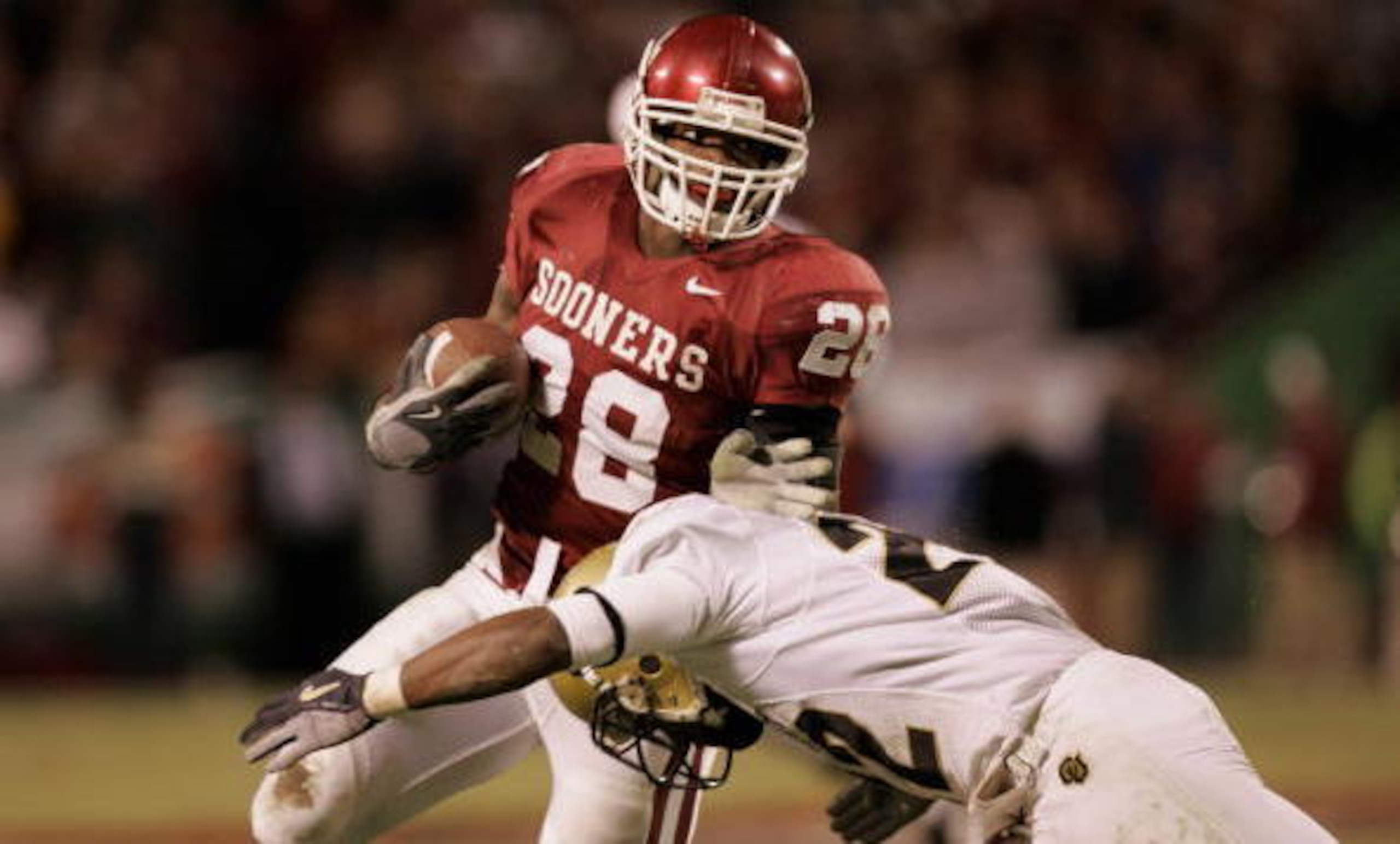
Adrian Peterson was the No. 1 overall player in the 2004 recruiting class, per the 247Sports composite rankings.
It didn't take him long to prove why.
"All Day" rushed for 1,925 yards and 15 touchdowns on an FBS-best 335 carries as a true freshman, proving he could carry a college offense the same way he carried one in high school. He finished No. 2 in the Heisman voting behind USC quarterback Matt Leinart, placing higher than any freshman before him and doing so despite splitting votes with his quarterback, 2003 Heisman winner Jason White.
Oklahoma finished the regular season 12-0 before losing to Leinart's USC Trojans in the BCS National Championship Game.
CB George Shaw, Oregon (1951)
7 of 10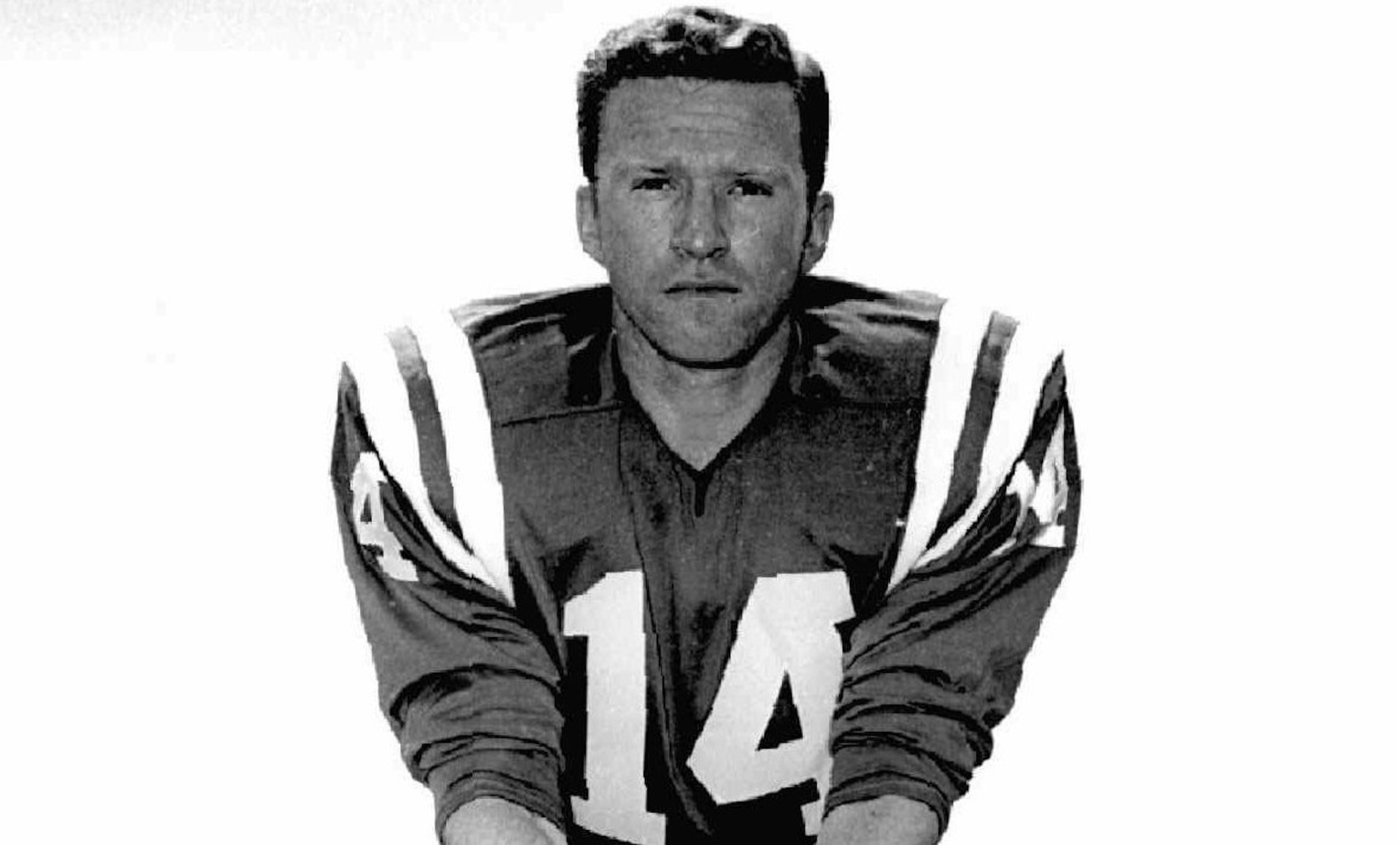
Before the Baltimore Colts made him the No. 1 overall pick in the 1955 NFL draft, George Shaw, then still a cornerback and not a quarterback, enjoyed one of the best freshman seasons in college history.
Shaw intercepted 13 passes for Oregon in 1951, setting what at the time was an FBS record and what still stands as the most by a freshman. What's more, he intercepted those 13 passes in 10 games, which gives him a ratio advantage over, say, 2014 Jim Thorpe Award winner Gerod Holliman of Louisville (14 interceptions in 13 games).
Only former Washington cornerback Al Worley, who intercepted 14 passes in 10 games in 1968, had a better per-game season than Shaw.
QB Michael Vick, Virginia Tech (1999)
8 of 10
Before there was "Johnny Football" or "Famous Jameis," there was Michael Vick: a man with no need for a nickname.
Vick led the Hokies to the BCS National Championship Game in 1999, becoming the first freshman in FBS history to take his team that far. They lost to Florida State in the Sugar Bowl, but by guiding Virginia Tech to an 11-0 regular season record and an FBS-best 40.2 points per game, Vick earned a trip to the Heisman ceremony, where he finished No. 3 behind Dayne and Georgia Tech's Joe Hamilton.
Before him, only one freshman had finished No. 3 or better in the Heisman voting. Which brings us to…
RB Herschel Walker, Georgia (1980)
9 of 10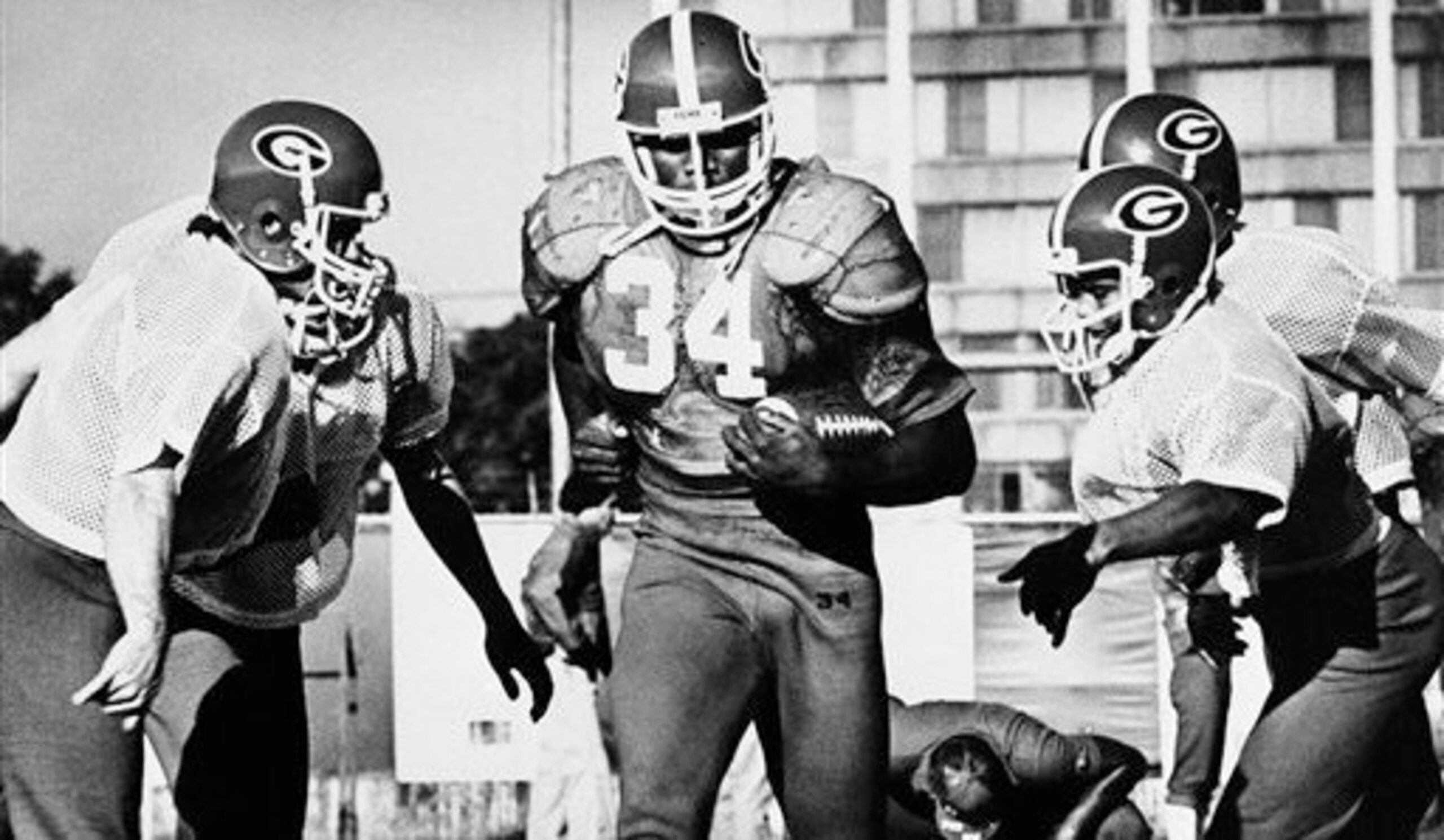
Herschel Walker rushed for 1,616 yards and 15 touchdowns as a true freshman, leading Georgia to a 12-0 record and a national title.
He finished No. 3 in the Heisman voting behind South Carolina's George Rodgers and Pittsburgh's Hugh Green, but many thought he should have won the trophy. He was deferred once again as a sophomore, when he finished No. 2 behind USC's Marcus Allen, but he finally won in 1982.
Regardless, anyone who watched the 1980 season identifies Walker, a 6'2", 225-pound bowling ball, as the best player they saw. According to Ken Bradley of Sporting News, a small majority of players, coaches and media members in a survey called Walker a better athlete than former Auburn running back Bo Jackson.
"We are talking about unstoppability and durability," said former Florida receiver Carlos Alvarez, per Bradley. "An offense of one."
QB Jameis Winston, Florida State (2013)
10 of 10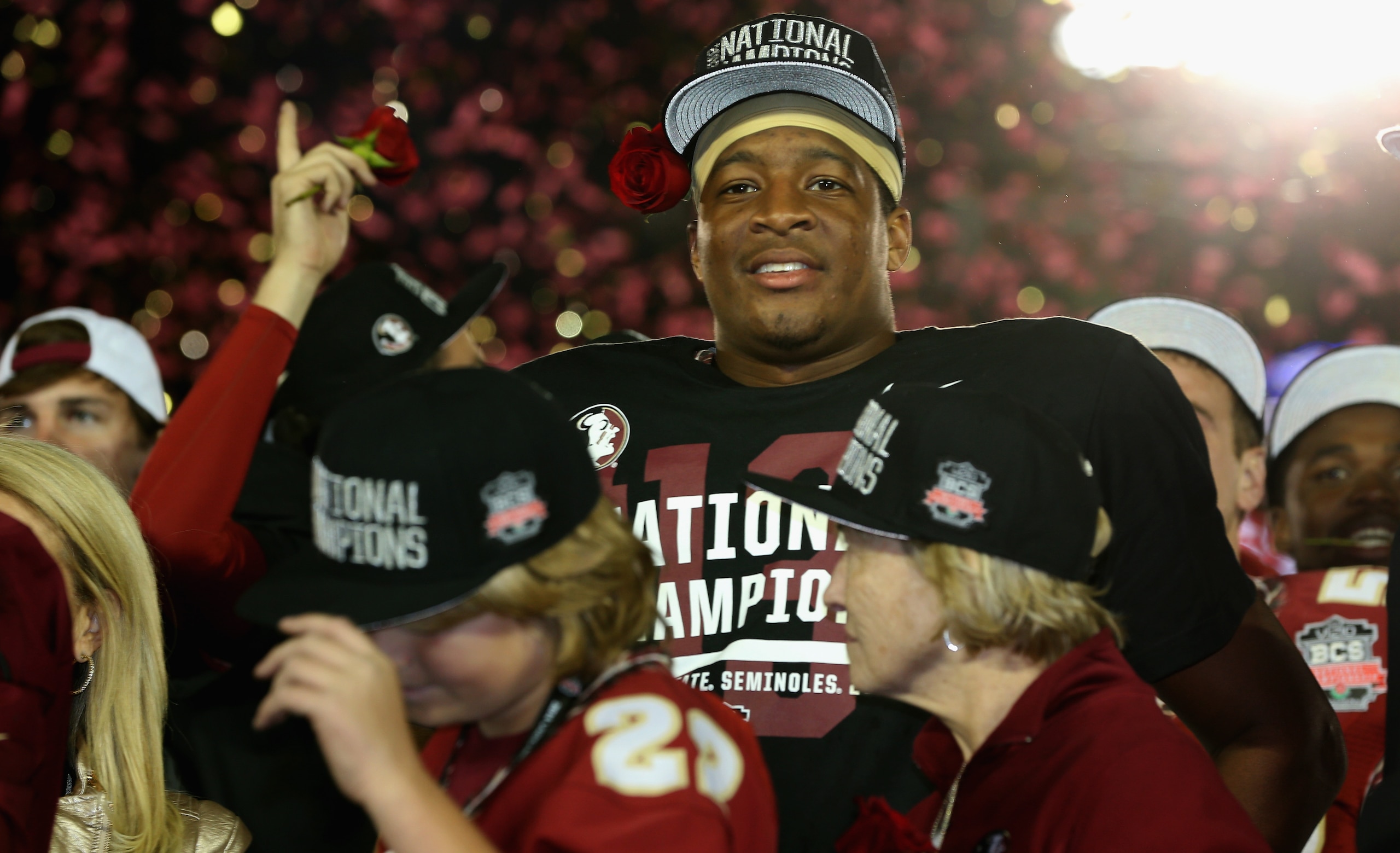
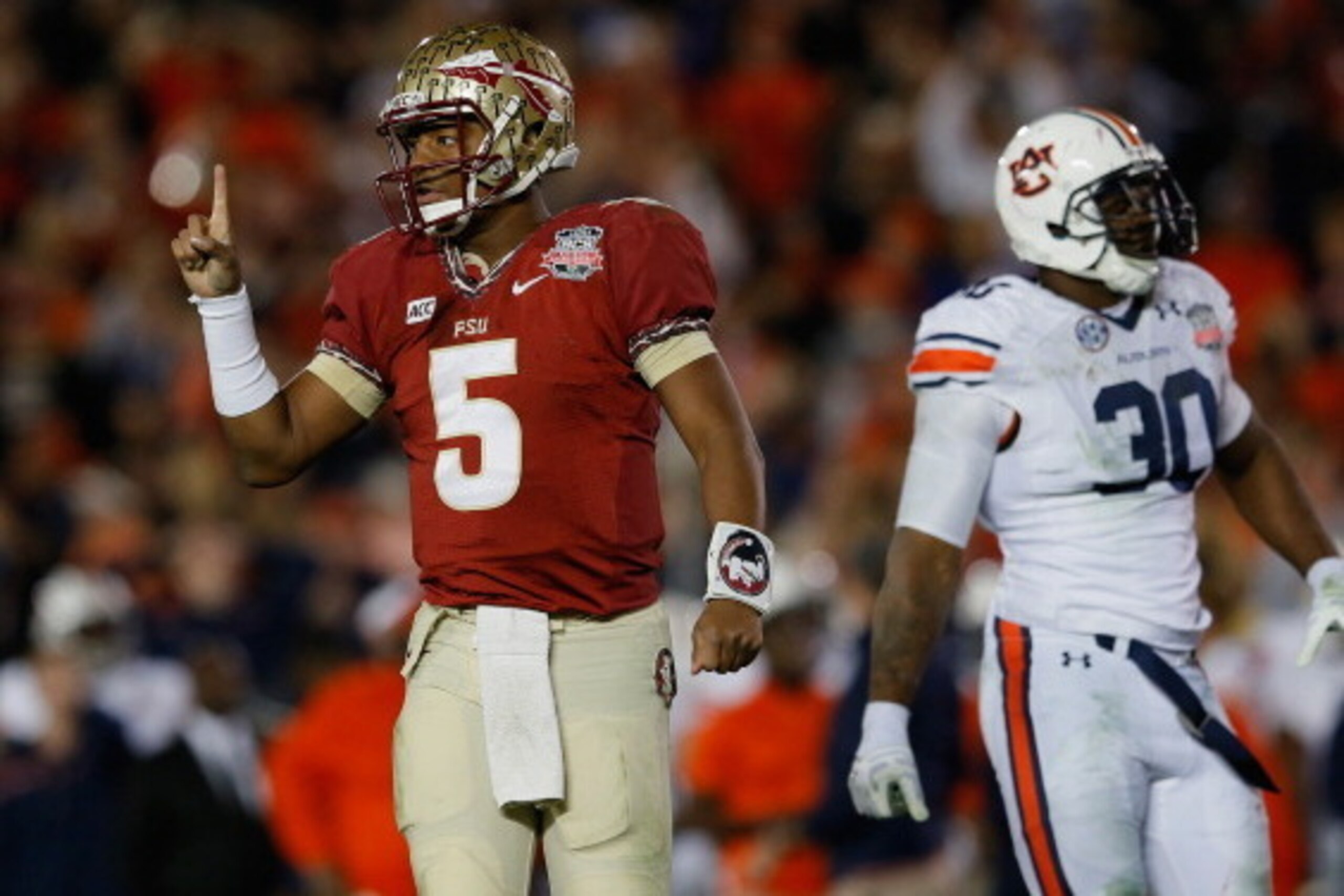
One year after Manziel won the first freshman Heisman, Jameis Winston won the second.
Only Winston's year was probably better.
Why? It has nothing to do with stats (although Winston's, we should add, were incredible). Rather, Jameis led Florida State to a 14-0 record, culminating that run with a 34-31 win over Auburn in the BCS National Championship Game, and punctuating that win with a seven-play, 80-yard touchdown drive with less than a minute remaining.
Statistically, Winston finished with 4,057 passing yards, 219 rushing yards, 44 total touchdowns and 10 interceptions. His passer efficiency (184.85) led the country by more than 10 points.
_0.png?w=2560)




.jpg?w=2560 "Love's Body Already 'Tired'")


.jpg?w=2560 "Tyreek Deal May Come Soon")
.jpg?w=2560 "Mahomes' Wife Trolls Kubiak 💀")