

Alabama Football: Signee Lester Cotton Holds Legacy of Central High in His Hands
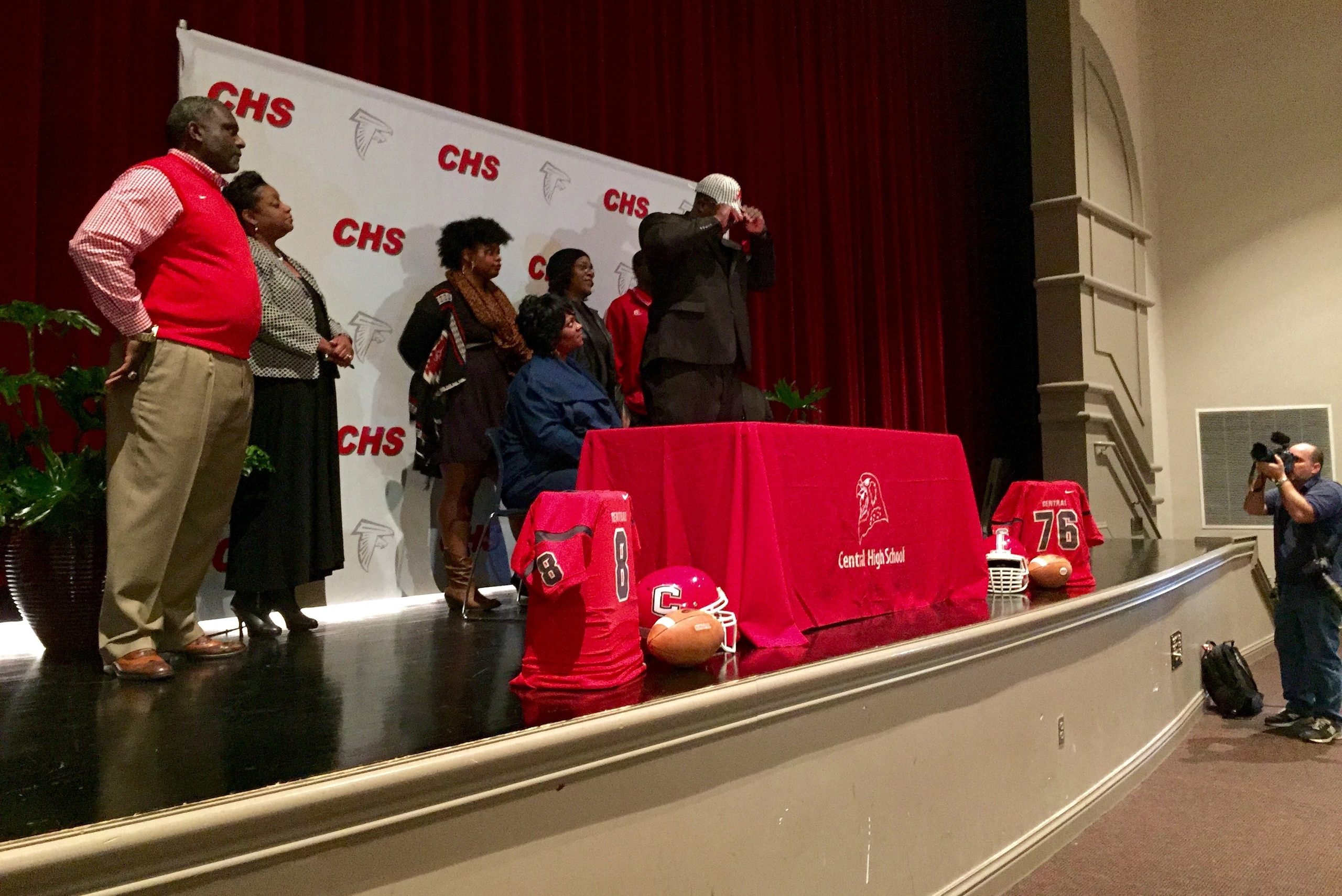
TUSCALOOSA, Ala.— After Lester Cotton signed his national letter of intent on signing day in the auditorium at Central High School, there was no need for him to send it as a fax.
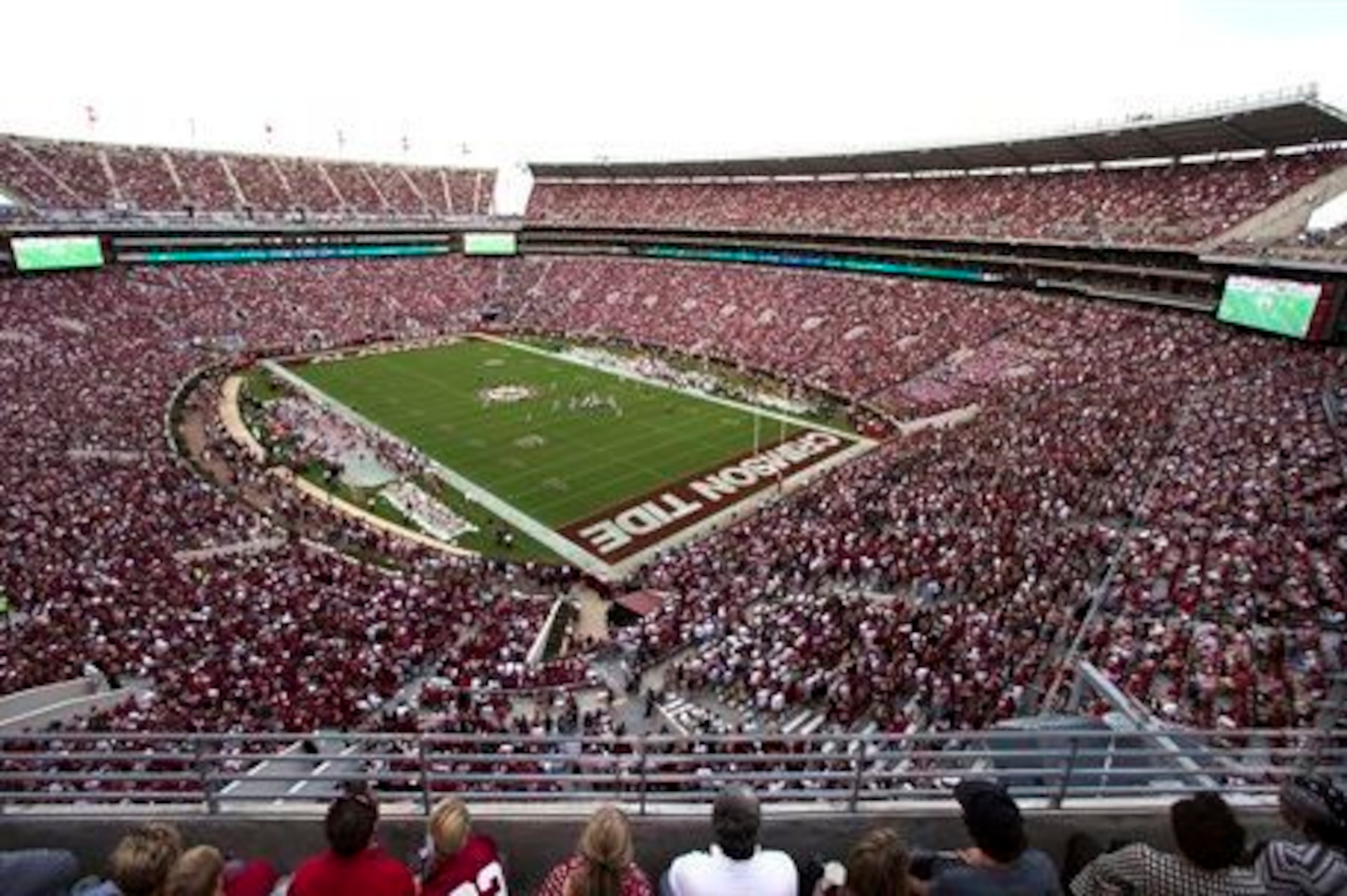
Cotton could have walked out the front door of Central High School, turned right onto 10th avenue, crossed 15th street and the railroad tracks, gone three more short blocks and personally handed his letter to Nick Saban at Bryant-Denny Stadium in less than a mile.
TOP NEWS

Week 5 AP Top 25 Poll 🔢

Updated CFP Bracket Projections 🔮

Top Overreactions after Week 5 of CFB Season 😧
As the Crimson Tide’s recruiting has become more and more national, Cotton’s signing is notable in that he plays right down the road from UA’s campus. If the sun sets just right, Central is literally in the shadows of Bryant-Denny Stadium.
He’s also one of the top prospects in Alabama’s 2015 haul. Cotton is the highest-rated offensive lineman in Alabama’s class and the No. 4 guard in the country, per 247Sports.
But Cotton’s Alabama legacy has a chance to be so much more even than that.
Cotton represents hope for a community stifled by political injustice. He can be a role model for so many kids who grew up watching Cotton maul helpless defensive linemen on Friday nights and then Alabama do the same to SEC teams on Saturdays.
It’s a lot of weight to put on the shoulders of an 18-year-old, even those of a 6’4”, 325-pound manchild.
Central High School has a dark history in a state known more for its blemishes in social justice than its progress.
Central was once a model school for integration in Tuscaloosa. In 1979, under a federal desegregation order, Central was formed by the merger of two local schools.
But 20 years later, the order was lifted. The result was two new Tuscaloosa County high schools, Northridge and Bryant, instead of building a mega-school that everyone in the county would attend. That left Central with a 100 percent African-American population, despite opposition from citizens, students and teachers.
It wasn’t a stretch at all to call this modern-day segregation.
According to high-schools.com, in 2012-13 school year, just three of the school’s 720 students were white, the rest being African-American. 82 percent of those students were eligible for free lunch with another five qualifying for a reduced price.
This gerrymandering was re-explored last spring, 60 years after the Brown vs. Board of Education decision that resulted in the original integration, most notably in Pro Publica and The Atlantic.
Cotton can help write a positive chapter in Central’s history.
“It's a sense of responsibility to himself,” Central football coach Dennis Conner said shortly after Cotton’s signing ceremony. “Then after that, he takes the responsibility of carrying the legacy of all the young men who have graduated from Central.”
He’s already helping to elevate Central’s story to the national stage.

ESPN spent this past football season with Cotton, Conner and Central to produce a mini-documentary of sorts about the school, its history and its present conditions. ESPN’s Tommy Tomlinson wrote a companion piece that focuses on Cotton and his role in all of this.
“It was real fun,” Cotton said on signing day of working with ESPN. “I got a chance to put my community out and let them see how it really is.”
In his senior year, Central went to the playoffs for just the second time since 2008, getting bounced in the first round.
“It was hard because I had to tone down a little bit. I had to watch some of the things I said because during the whole game you're mic'd up,” Conner said. “I was still able to coach the way I coach. My whole thing in coaching is to get the young men to understand how important it is to be a scholar in the classroom, but also do your very best on the field.”
Cotton projects as either a guard or tackle. He played tackle at Central but was listed by most recruiting services as a guard in college.
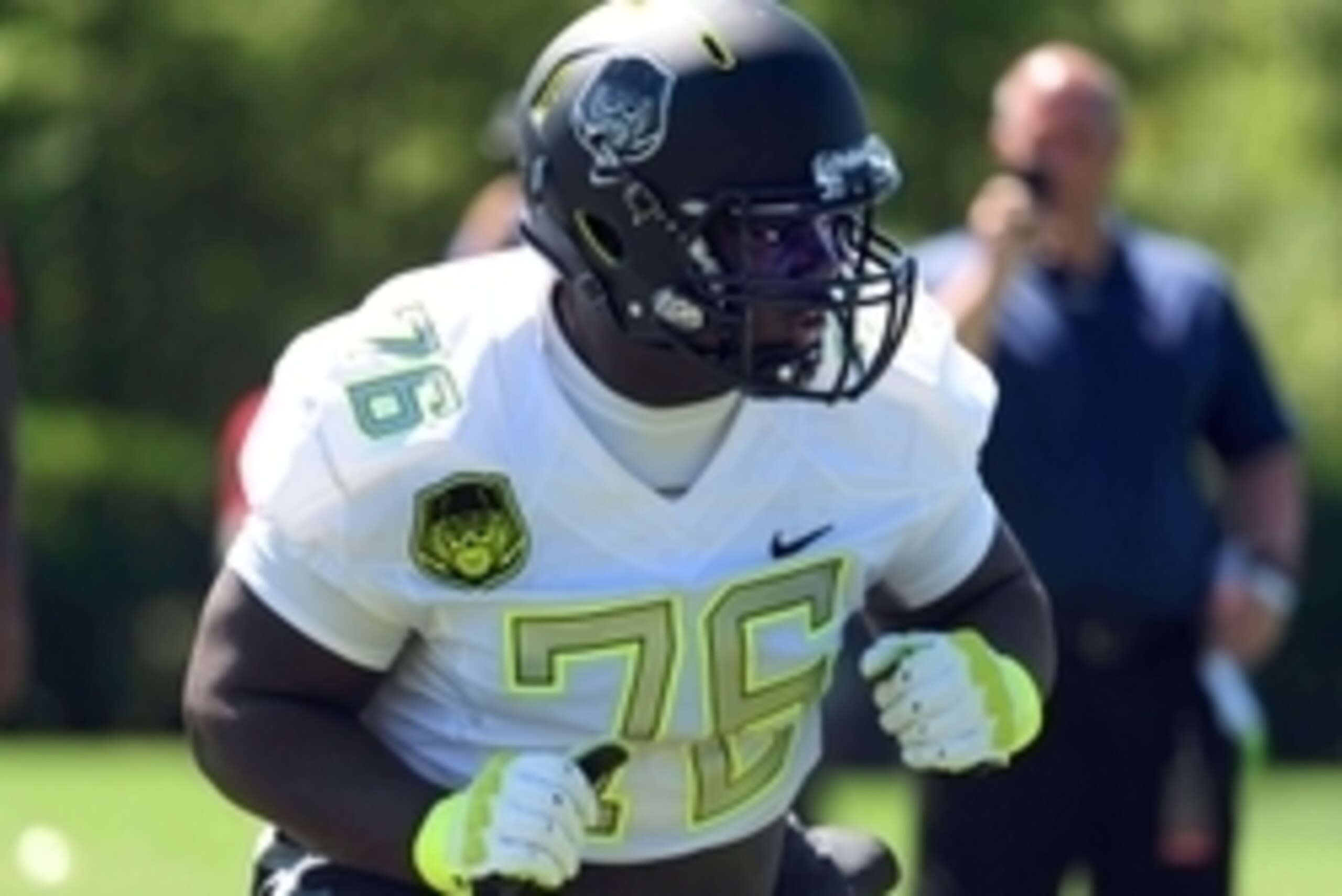
It’s unclear when Cotton will see the field at Alabama. Offensive linemen almost always redshirt their first season as they learn the intricacies of one of the more complex positions to play in college.
Still, Alabama will have three openings for starters on the offensive line, two at guard and one at tackle.
“Right now,” Cotton said. “I'm just going in and I'm going to compete.”
But Cotton doesn’t need to play right away to be impactful to his high school. All Cotton needs to do is put in hard work right down the street from the Alabama practice fields, and show what can be achieved when you don’t let barriers put in front of you by others get in your way.
“They're looking up to me a lot,” Cotton said. “They want me to go in and really be something.”
Marc Torrence is the Alabama lead writer for Bleacher Report. All quotes and reporting were obtained firsthand unless otherwise noted.
Follow on Twitter @marctorrence.
_0.png?w=2560)


.jpg?w=2560 "Grading WWE Raw 🔠")

.jpg?w=2560 "Viral Rams Coach Vid 🖕")

.jpg?w=2560 "Injury-stricken Seahawks signing veteran RB")
.jpg?w=2560 "Bijan's INSANE 1st Half 🤩")

.jpg?w=2560 "2 NFL Officials Suspended")
