
How the New Jersey Devils Have Fared Against Good, Average and Bad Teams
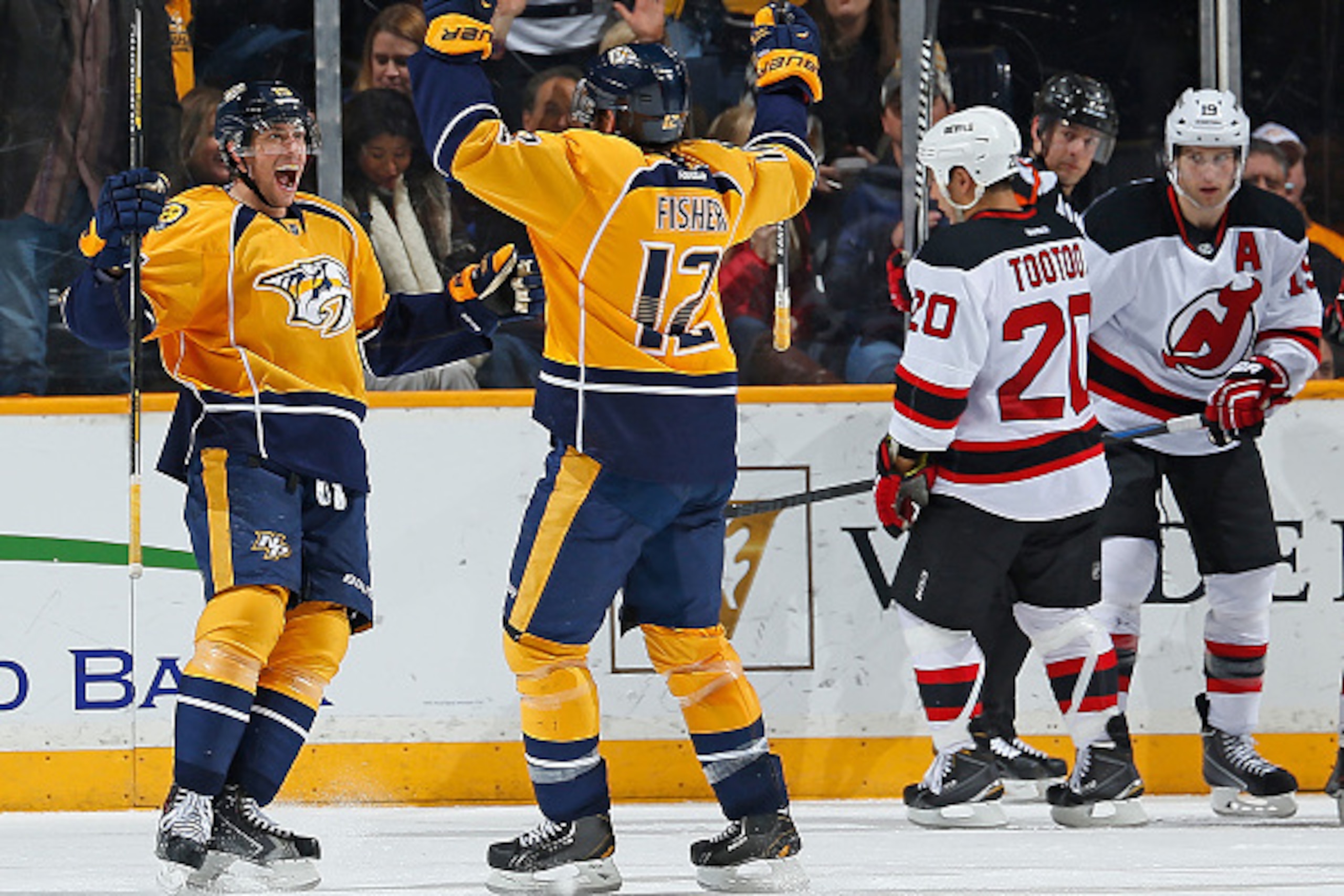
The New Jersey Devils, at least in terms of results, seemed to be on their way to turning things around after the All-Star break. The team went 4-0-1 in its first five games after the break, its best five-game stretch of the season.
But, in their four games since then, the Devils have lost four times. With 51 points, they sit 25th in the NHL, 13th in the Eastern Conference and seventh in the Metropolitan Division.
What is the difference between New Jersey's five-game points streak and their current four-game losing streak? The most apparent difference is the quality of the teams the Devils played against.
During the team's run of good results, the Devils played struggling Toronto twice, as well as mediocre Ottawa. During the losing streak, the team played Montreal and Nashville, the best teams in the Eastern and Western Conferences, respectively.
Has this been the story of the season? Are the Devils a team that has only had success against poor teams, or have other factors been at play? The following will be a statistical look at New Jersey's performances against good, average and bad teams, which will hopefully answer these questions.
Defining Teams
1 of 5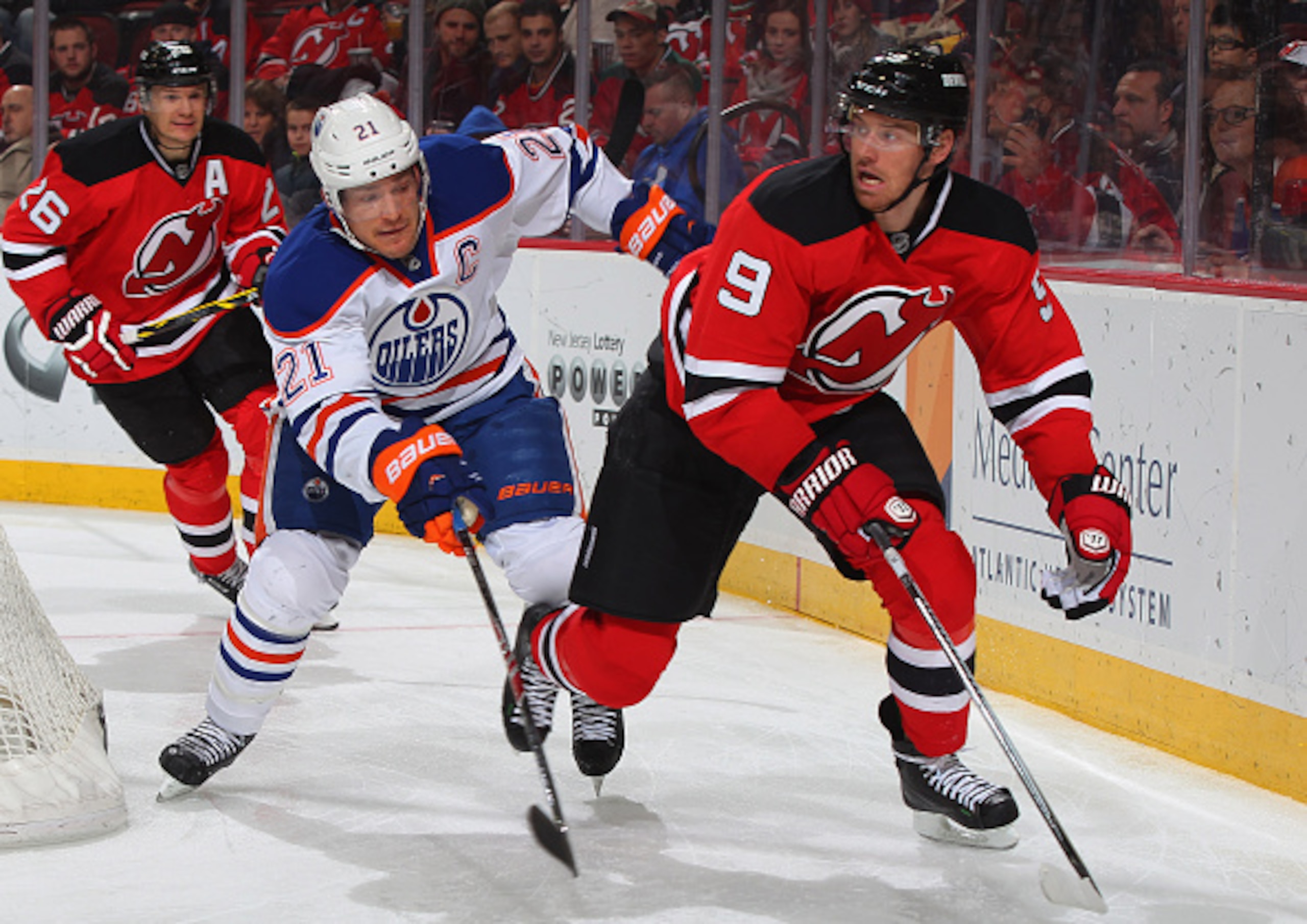
To assess New Jersey's play against teams of different calibers, there must be a division between good, average and bad teams. The easiest way to make this distinction is to divide the standings into three parts. (Standings as of the morning of February 16)
The bad teams are those that are 30th to 21st in the NHL standings. These teams are the Buffalo Sabres, Edmonton Oilers, Carolina Hurricanes, Arizona Coyotes, Toronto Maple Leafs, Columbus Blue Jackets, Ottawa Senators, Colorado Avalanche and Philadelphia Flyers.
The average teams are those that are 20th to 11th in the NHL standings. These teams are the Dallas Stars, Florida Panthers, Los Angeles Kings, Boston Bruins, Minnesota Wild, Calgary Flames, Vancouver Canucks, San Jose Sharks, Winnipeg Jets and Washington Capitals.
The good teams are those that are 10th to first in the NHL standings. These teams are the New York Rangers, Detroit Red Wings, Pittsburgh Penguins, Chicago Blackhawks, New York Islanders, Tampa Bay Lightning, Montreal Canadiens, Anaheim Ducks, St. Louis Blues and Nashville Predators.
While this is not a perfect system of division, it will allow us to get a rough sense of how the Devils have fared against different types of teams.
Against Bad Teams
2 of 5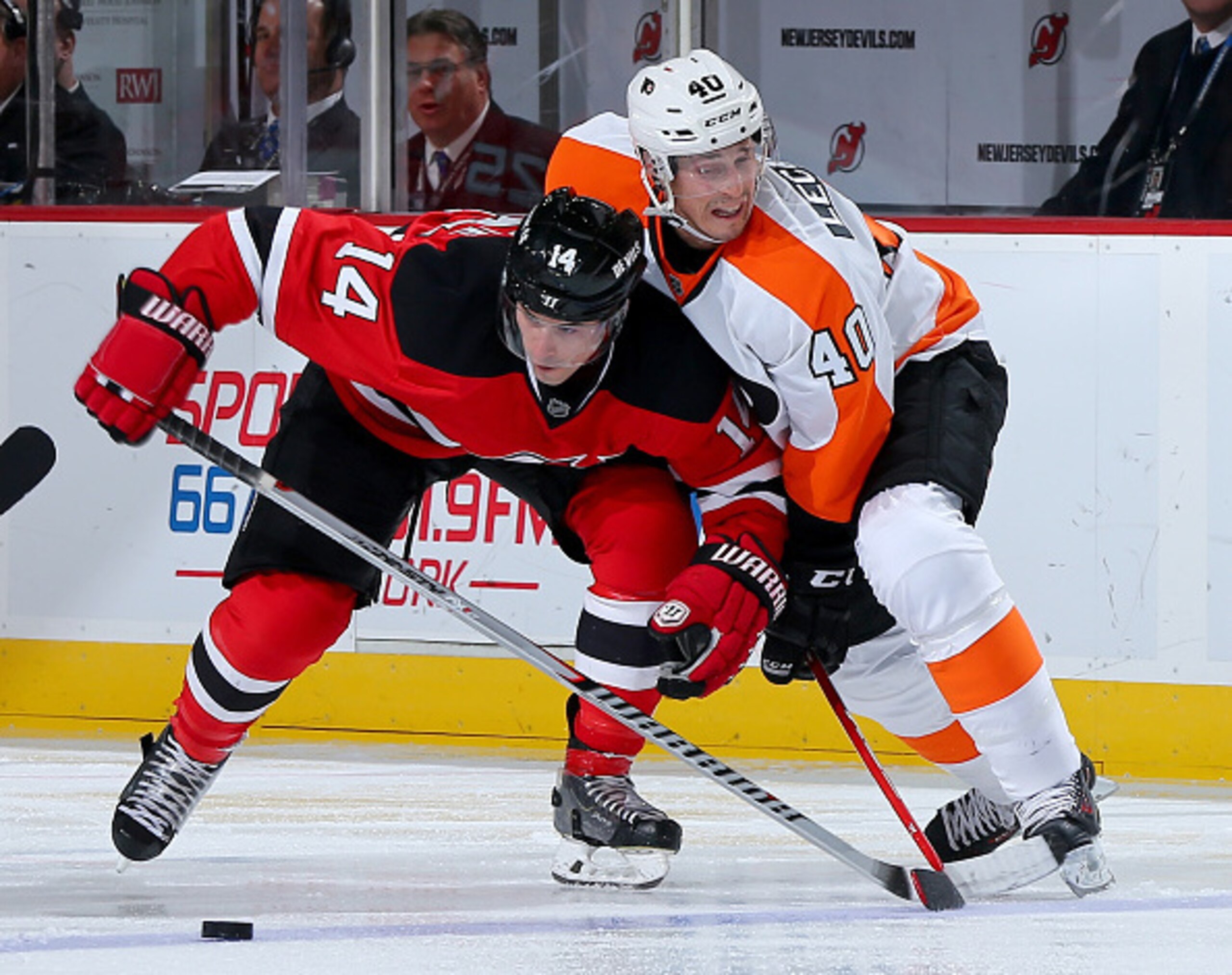
| Time Period | W | L | OTL | GF | GA |
| October | 2 | 0 | 0 | 9 | 6 |
| November | 2 | 1 | 0 | 7 | 5 |
| December | 2 | 2 | 1 | 9 | 11 |
| January | 3 | 0 | 0 | 10 | 4 |
| February | 2 | 1 | 0 | 7 | 4 |
| Before Coaching Change | 6 | 3 | 1 | 25 | 22 |
| After Coaching Change | 5 | 1 | 0 | 17 | 8 |
| Overall | 11 | 4 | 1 | 42 | 30 |
The Devils' record against bad teams looks, more or less, like it ought to. The team has gotten 23 out of a possible 32 points from teams in the bottom-third of the standings this season. So, New Jersey has generally gotten the job done against lesser opponents.
Even the team's losses to bad teams generally have not been of the awful variety. Only one regulation loss and one shootout loss have come against one of the clear-cut bottom four teams (Arizona, Carolina, Edmonton and Buffalo). The other losses have come at the hands of Colorado, Philadelphia and Ottawa, teams that are all relatively small steps below the average teams.
The Devils' ability to get points against the NHL's lesser teams appears to have improved under the new coaching staff; granted, it is a small sample size. Still, after the poor performances against bad teams at the end of the Peter DeBoer regime in December, it is encouraging.
Of course, none of this suggests that New Jersey is a good team. All we can conclude from this is that the Devils are better than the likes of Buffalo and Edmonton.
Against Average Teams
3 of 5
| Time Period | W | L | OTL | GF | GA |
| October | 2 | 2 | 1 | 12 | 14 |
| November | 2 | 3 | 1 | 11 | 14 |
| December | 0 | 3 | 0 | 4 | 12 |
| January | 3 | 1 | 0 | 13 | 9 |
| February | 0 | 0 | 0 | 0 | 0 |
| Before Coaching Change | 4 | 8 | 2 | 27 | 40 |
| After Coaching Change | 3 | 1 | 0 | 13 | 9 |
| Overall | 7 | 9 | 2 | 40 | 49 |
This is where the Devils start to come unraveled.
The team managed to float around .500 for the first two months of the season against average teams, but it all fell apart in December. Injuries admittedly played a role, but giving up 12 goals over three games against Washington twice and Dallas in the weeks before Christmas was an unacceptable series of results.
This, combined with the team's mediocre play against bad teams chronicled in the previous slide, ultimately cost DeBoer his job. He was fired on December 26.
During January's trip to California, it appeared that the Devils had turned a corner in regards to average teams when they won in Los Angeles and San Jose. The team's 3-1 record since the change also seems to indicate that there has been an improvement, but a closer investigation tempers that enthusiasm.
The Devils' one loss to an average team under the new coaching staff came on a humbling night in Boston, in which the Devils were outshot, 43-14.
Even the victories are a mixed bag. New Jersey's 5-3 victory in Los Angeles saw the Devils outshoot the Kings, 26-20, but they likely would not have won if not for a mediocre performance from backup goaltender Martin Jones. The 5-2 victory in San Jose was likely one of the Devils' most complete games of the season, but it still required Cory Schneider to make 34 saves.
The Devils' most recent win against an average team came on January 31, when New Jersey beat Florida, 3-1, at home. The Devils had just four shots over the last two periods of the game.
So, New Jersey's results against average teams under the new coaching staff have been better, but the performances have still been inconsistent at best.
Overall, the Devils' 7-9-2 record and minus-nine goal differential against average teams indicate that the team is not on the same level as those competing for playoff positions. This will become painfully clear when looking at New Jersey's results against good teams.


Against Good Teams
4 of 5
| Time Period | W | L | OTL | GF | GA |
| October | 1 | 1 | 1 | 8 | 13 |
| November | 0 | 4 | 1 | 10 | 17 |
| December | 2 | 3 | 2 | 11 | 14 |
| January | 0 | 2 | 2 | 6 | 14 |
| February | 0 | 3 | 0 | 4 | 12 |
| Before Coaching Change | 2 | 7 | 4 | 25 | 40 |
| After Coaching Change | 1 | 6 | 2 | 14 | 30 |
| Overall | 3 | 13 | 6 | 39 | 70 |
Yikes.
There is a lot to unpack here, so let us start with the obvious: The Devils have 12 points from a possible 44 against the top 10 NHL teams. In those 22 games, the team has a minus-31 goal differential.
Next, somewhat interestingly, New Jersey has six overtime or shootout losses to the league's best teams, which is a curious phenomenon. My initial thought was that perhaps the Devils had nearly taken advantage of backup goalies several times, but their opposition only started a backup in two of those six games.
The cause is more straightforward than that, though. New Jersey has had a third-period lead in each of these six games. In three of those six, it had a two goal lead at one point in the game.
So, the trend seems to come from the Devils scoring early goals, perhaps through luck or a good team taking them too lightly, and then being unable to hold on to that lead against potent attacks.
Interestingly, December, which in past slides has been the month in which DeBoer seemed to lose control, was the team's best month against good teams. It was perhaps that inconsistency that cost DeBoer his job.
But, in every other month the results are dismal.
It is interesting to note that, unlike in the other categories, there is a decent sample size upon which to judge the new coaches. Under the new coaching staff, the Devils average 0.44 points per game against good teams. Under DeBoer, they averaged .062 points per game.
It would seem, then, that the issue has been with the players, not the coaches.
What Can We Learn?
5 of 5
Here are some final thoughts about what this way of looking at the season's results can tell us.
First, this year's Devils are not a good hockey team.
Schneider's rough start to the season, an incomprehensible run of injuries and illness and a coaching transition have all helped put the Devils slightly lower in the standings than is probably fair to them, but the team's consistent mediocre results against average teams and downright abysmal results against good teams clearly shows that nothing could have saved this season.
Second, the coaching change may have been necessary to help the team move forward, but it has changed little for New Jersey. Since the change, the team's record against bad teams has stayed solid, the performances against average teams have been largely poor (even if the results have improved somewhat) and the Devils have remained awful against good teams.
Lastly, though there have clearly been struggles, there are two bits of good news: First, New Jersey has proven that it is a step above the truly poor teams in the NHL. This is not the most encouraging positive, but it is something.
Also, the Devils' results against average and bad teams in recent weeks, despite being outshot to a nearly ludicrous level, clearly show that Schneider is capable of carrying New Jersey. If Schneider continues to play at this level, there will be very few games the Devils will not have a chance in.
Given the New Jersey Devils' otherwise grim prognosis, that good news is something Devils fans must hold onto.



.jpg?w=2560 "Grading WWE Raw 🔠")

.jpg?w=2560 "Bijan's INSANE 1st Half 🤩")
.jpg?w=2560 "Viral Rams Coach Vid 🖕")
.jpg?w=2560 "Injury-stricken Seahawks signing veteran RB")


.jpg?w=2560 "2 NFL Officials Suspended")
