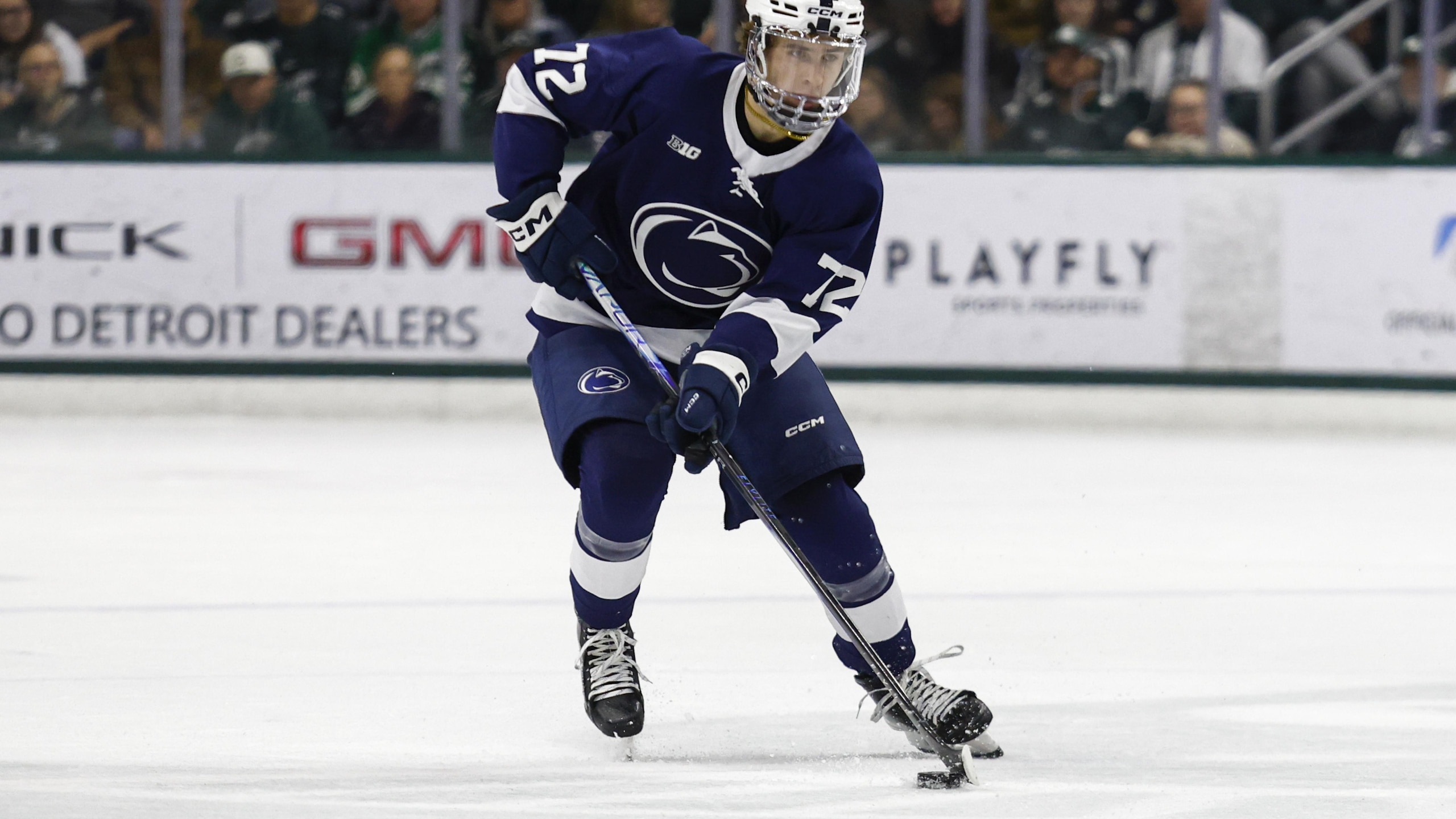

2026 NHL Scouting Report on Gavin McKenna After Being Drafted by Maple Leafs
Questions asked—those valid and otherwise—about whether Gavin McKenna deserved the No. 1 spot in the 2026 NHL draft were largely answered by his second half of the NCAA season.
When his season is considered as a whole, McKenna is clearly the top available player. At the end of the day, he's the only guy in this year's draft with the potential to come in and directly affect the fortunes of whatever franchise is lucky enough to select him.
With the Toronto Maple Leafs winning the 2026 Draft Lottery, that's a tall order. With his pure skill set and his history of embarrassing older and more experienced opponents, McKenna is up to the challenge.
Player: Gavin McKenna
Position: Left wing
Team: Penn State Nittany Lions (NCAA)
Height: 6'0"
Weight: 165 lbs
Points: 51 points (15 goals, 36 assists) in 35 games
McKenna played two full WHL seasons, as well as 16 games before he was eligible to join the WHL full-time (and had 18 points in those 16 games), before crossing the border and the continent to join Penn State University's Nittany Lions men's hockey team. The WHL is a major-junior hockey league that plays 68 games per season. The NCAA is a college hockey league that plays 40 games per season.
NCAA games are more spaced out, while major-junior schedules more closely resemble a professional league (understandable, as NCAA players are student-athletes and take classes during the week).
With the move, McKenna found himself playing against not just older players in the NCAA but bigger, more experienced players. He had to adjust not only to a new environment and new teammates but to a completely new style of play and approach to the season.
At the end of the regular season, McKenna finished with 51 points in 35 games, including 15 goals and 36 assists. That was good for 2nd in the league, up from 14th place at the time of our original scouting report in November. McKenna also registered 14 points in 7 games for Canada at this year's World Junior Championships.
McKenna's Strengths
1 of 4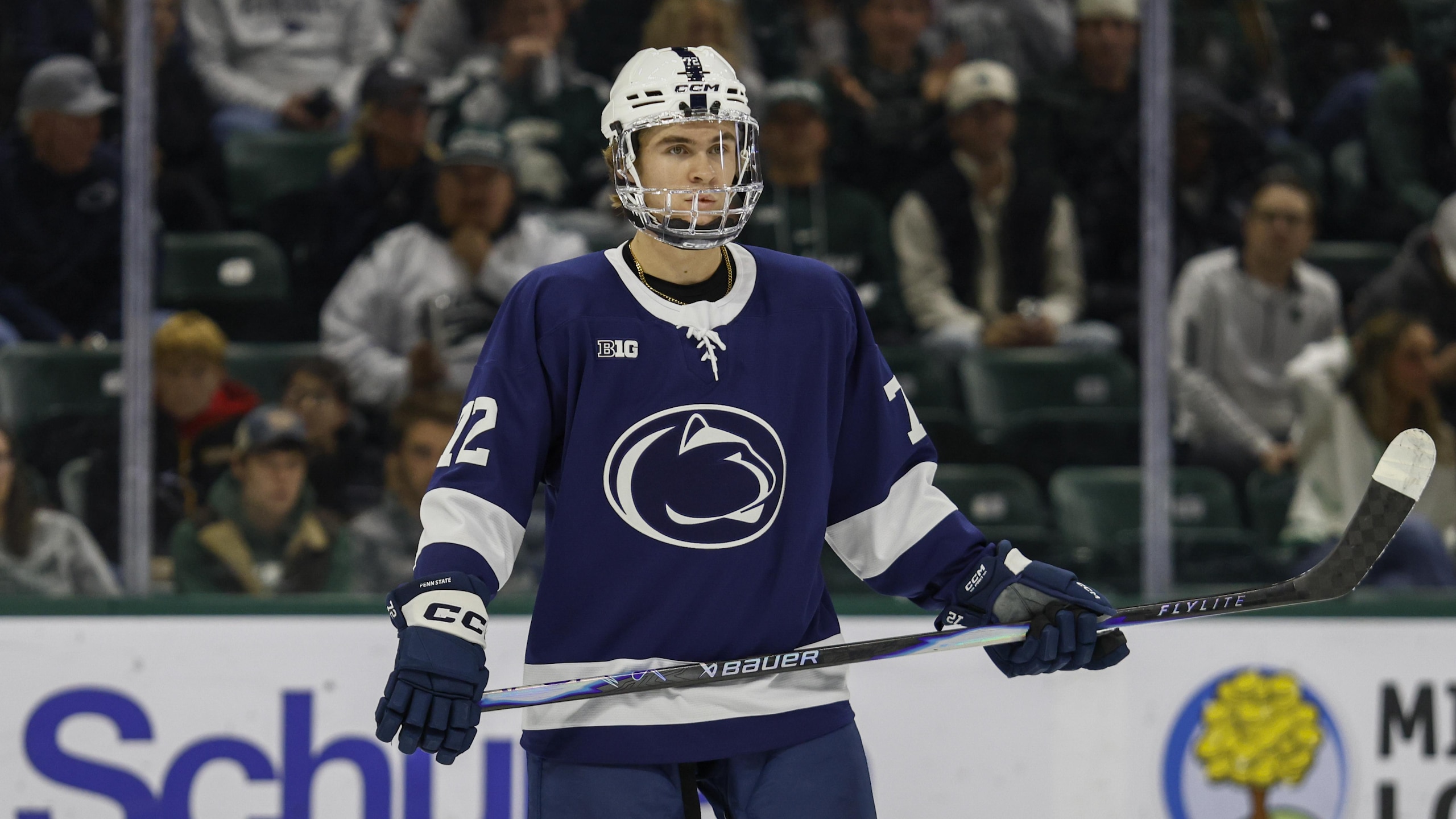
Gavin McKenna's biggest strength is, without question, his passing ability. He is a special playmaker, even when filtering for the best playmakers in the NCAA. Mitch Brown at EPRinkside hand-tracked data in the first half of the season, showing that McKenna was setting up scoring chances "at an historic rate". That only continued across the rest of the season.
Per Brown:
"He's shot or set up a higher percentage of his team's 5-on-5 offence than any other NCAA draft-year player by a gap that would be larger had it been compared to their results at the same stage of the season versus the end."
Calling McKenna a play-driver is a massive understatement. He's so dangerous with the puck, particularly along the wall, and the way that he can control the flow of the game from the moment that he steps onto the ice is pure magic.
He's precise and deceptive, constantly keeping opponents guessing with his stick positioning and puckhandling; they don't know what play he's going to choose until he's already made it. He's already able to connect on passing options that NHLers make. He doesn't flinch under pressure, thanks to his ability to practically freeze time and project his opponents' next moves so that he can avoid them.
His skating isn't too shabby either; elite explosiveness and fluidity, along with terrific edgework, just underpin his offensive skill. He's able to stymie opponents, getting a pass off before they realize he's not skating in the direction they expect. He's slippery, while usually being two steps ahead of the person tasked with defending him.
McKenna isn't only a passer. He spent the season throwing everything he could on net, ending the year with 152 shots—the highest on Penn State's team—and an innumerable amount of chances outside of that. Adding muscle and taking the time to both improve and put more power into his shot will make him a true dual-threat scorer down the line. He played big minutes, averaging 22:32 per game at the end of the season; again, this was the highest on Penn State's team.
The first half of the season saw McKenna struck with terrible luck in terms of his on-ice shooting percentage. Persistence (and likely a boost from a strong showing at the World Juniors) saw him have much better luck in the second half, with things really going his way offensively.
In the final 19 games of Penn State's season, McKenna recorded 33 points. That was a 1.7-point-per-game pace that brought his season average to 1.46 points per game (once again, the highest on the team). While not the 2.3 points-per-game pace he was recording in the WHL the previous year, this was far more in line with what people expected to see from him.
McKenna's Weaknesses
2 of 4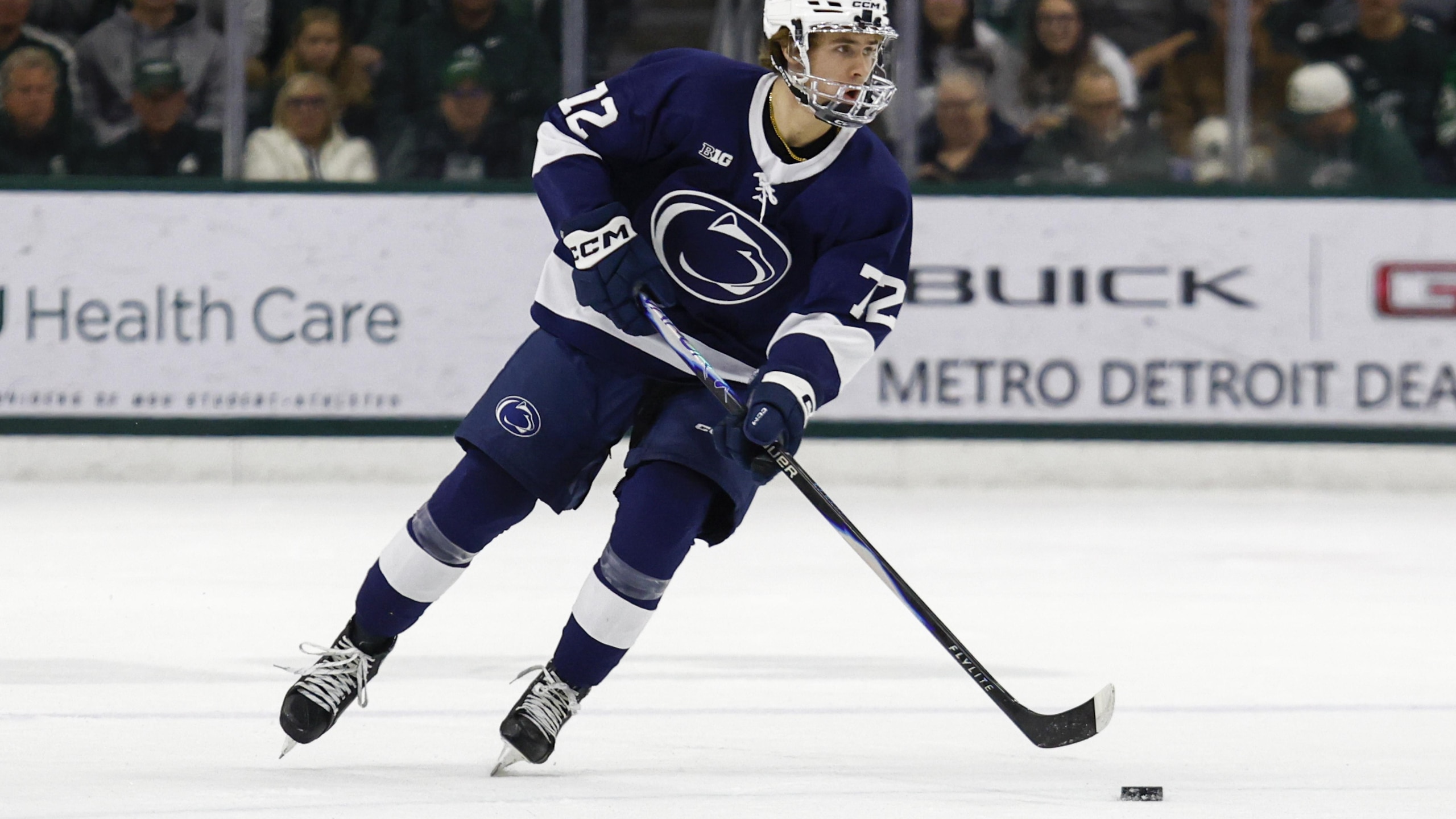
In our initial scouting report, valid critiques were leveled against McKenna's engagement level and his play without the puck.
His first several weeks of college hockey were not what viewers expected based on his play in the WHL. Everyone expected to see him blow the roof off the place and make posters of his opponents nightly. But the NCAA, with its bigger, more experienced players, exposed issues inherent in McKenna's game that had been masked by his gaudy offensive totals. This was a good thing because it gave him the opportunity to address those issues and effectively required him to do so.
Time and space were much harder for McKenna to find on NCAA ice than they were in the WHL, so he had the puck less than he was used to. And instead of going after it to get it back, he was often caught coasting around, waiting for an opportunity to receive a pass and start back into the offensive zone rather than actively participating in the forecheck.
For a player who was already at a disadvantage in board battles, for example, due to his lighter frame, McKenna showcasing little to no pace when playing defense turned some scouts off—and understandably. When a player has the vision and hockey sense that McKenna does, he should be constantly using that vision to find opportunities to outwork opponents.
Fortunately, the second half of the season saw McKenna change course on that issue—not entirely, but in promising enough stretches to show that the ability and willingness to address that weakness at least existed. There were moments when we saw elite hockey sense used to steal pucks back or intercept opponents' opportunities. Those moments can turn into habits over time.
Too often, we see major-junior players run roughshod over their leagues, scoring at obscene levels and garnering all kinds of praise — and then they make the jump to the NHL. The holes in their game that everyone glossed over before, or didn't even notice, are suddenly in the spotlight. This is probably what would have happened to McKenna if he'd stayed in the WHL.
By coming to the NCAA, he gained a pretty significant opportunity: time to build strength in the weight room to add muscles, so he's less anxious about contact away from the puck, and time to work with the coaching staff on ways to deepen his urgency overall and stop disengaging with play when the puck isn't on his stick.
In an ideal world, he would develop those with another season in the NCAA, but in the real world, he is probably going to develop them in the pressure cooker that is Toronto. Either way, it will likely happen and won't significantly affect his path to becoming a legitimate top-line forward in the NHL.
And frankly, no matter who he is drafted by — Patrick Kane was never the most physical force or most involved backchecker on the Chicago Blackhawks, either, and they still won the Stanley Cup three times in his tenure there. McKenna needs more time to truly develop into the NHL player he has the potential to be, but he'll probably be just fine.
Pro Comparison
3 of 4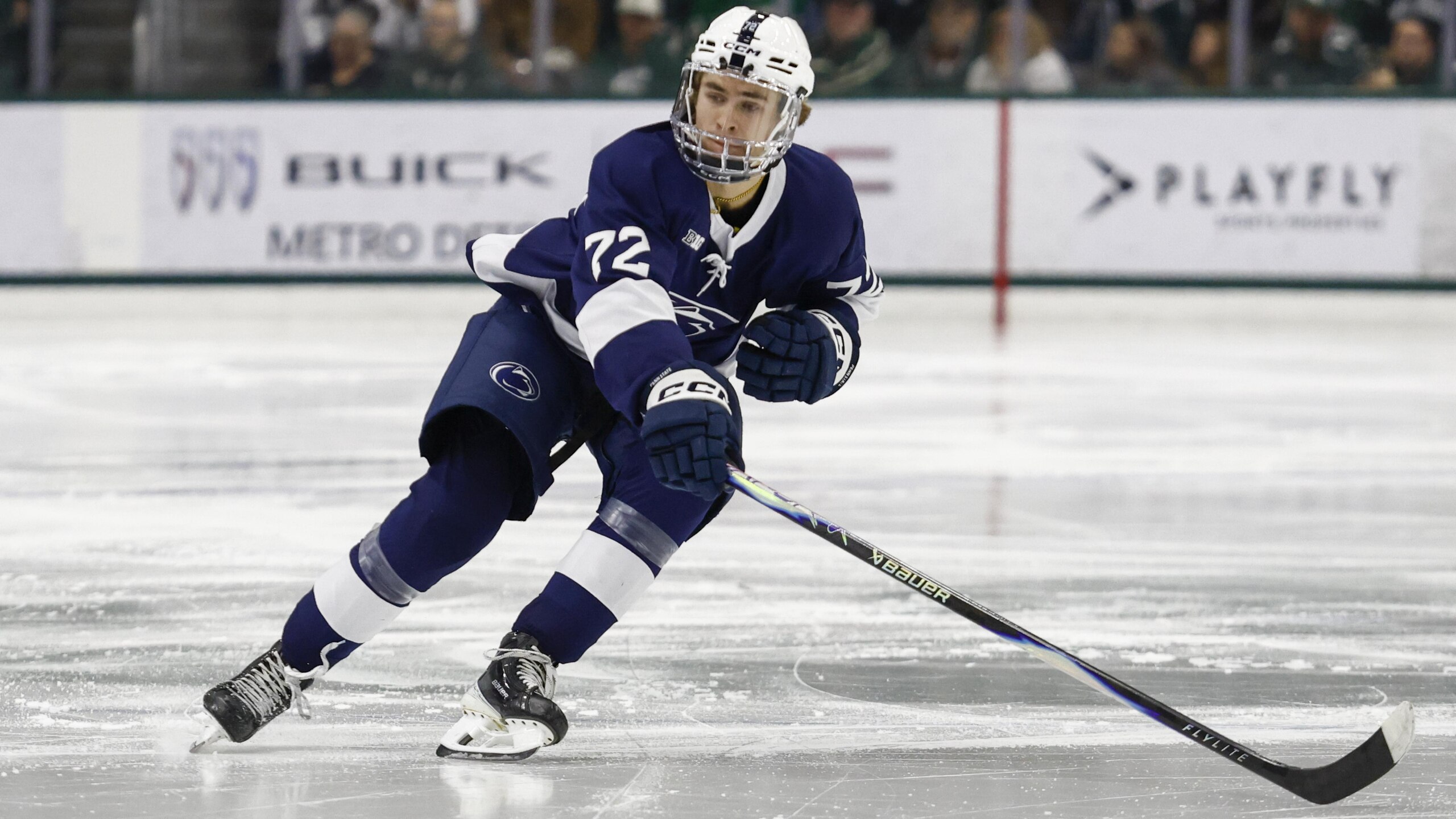
You may have seen people compare Gavin McKenna to Sidney Crosby or Connor McDavid because of their comparably absurdly high-scoring rates at a young age, but that's a lazy and reductive comparison.
You may hear Patrick Kane mentioned, just because of the whole wunderkind high-scoring winger thing, but their playing styles are very different. Connor Bedard isn't quite right, as he plays center to McKenna's wing, but I don't hate it.
Mitch Marner was our comparable in our original scouting report, and that comparison still rings true.
McKenna is a really special, skilled passer and puck handler, in a way reminiscent of Marner's ability to slow the game down for himself and spot seams his opponents haven't realized yet exist.
That aspect of McKenna's game cannot be highlighted enough, especially when it comes to deception—feints, fakes, the way he can put the puck through his feet when he needs to.

Draft Outlook
4 of 4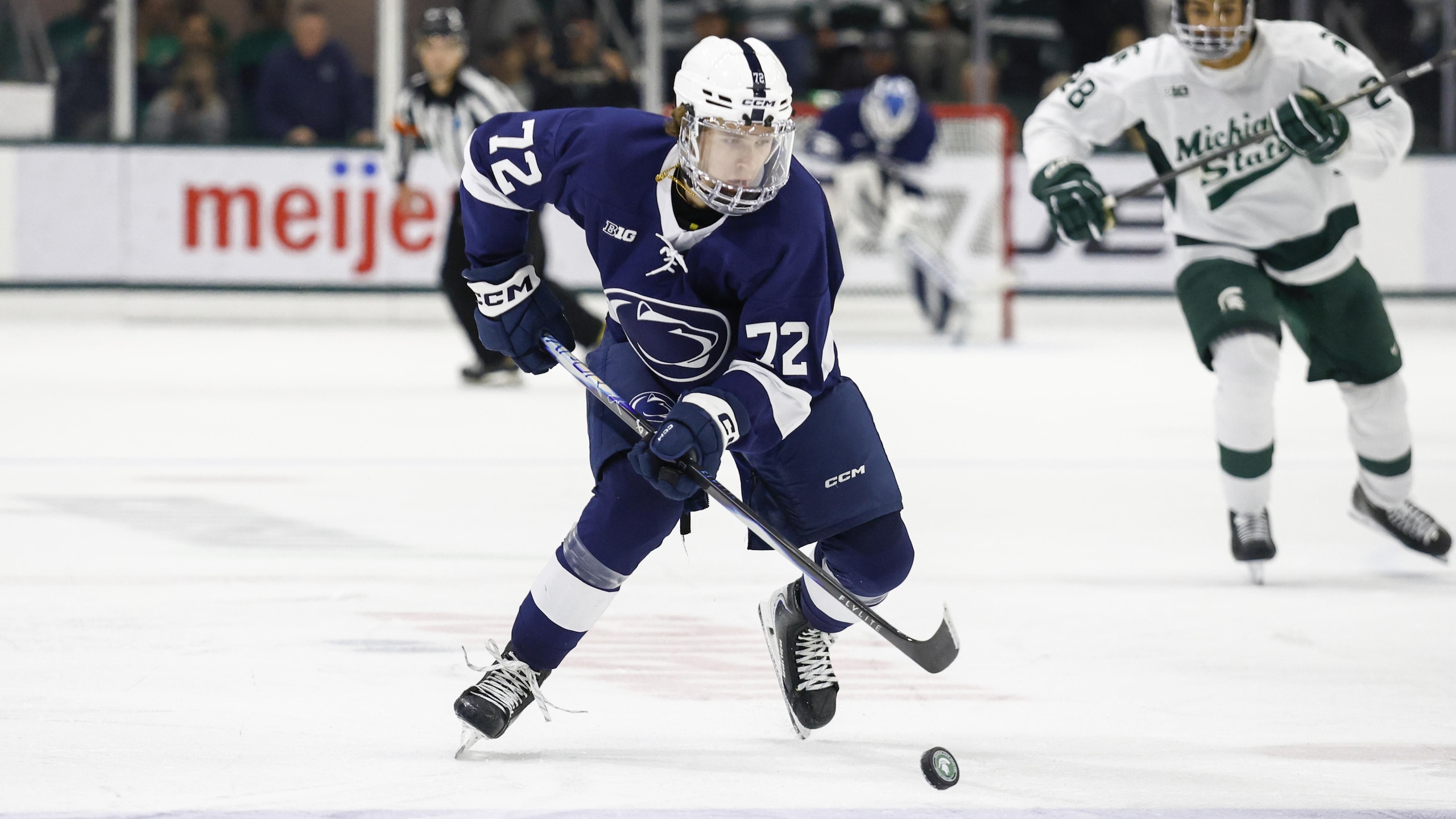
Gavin McKenna is going first overall, barring any strange time slip into another dimension. His upside is that of a franchise-altering player, and any team that would pass that up has bigger problems than who they select first overall. His weaknesses are all things he has begun working on, and he is likely to continue developing them.
Because we now know that the Toronto Maple Leafs have the first overall pick, we can at least somewhat safely assume that is where McKenna is going to land. When he gets there, he's going to be thrown into a market that is home to its team's biggest fans and harshest critics all at once—and those are typically the same people. They're going to have questions. They're going to voice them loudly.
McKenna has, at the end of the day, proven he's capable of answering them. He's going to be an elite top-six NHL scorer for years down the road.


.jpg?w=2560 "Grading WWE Raw 🔠")

.jpg?w=2560 "Viral Rams Coach Vid 🖕")


