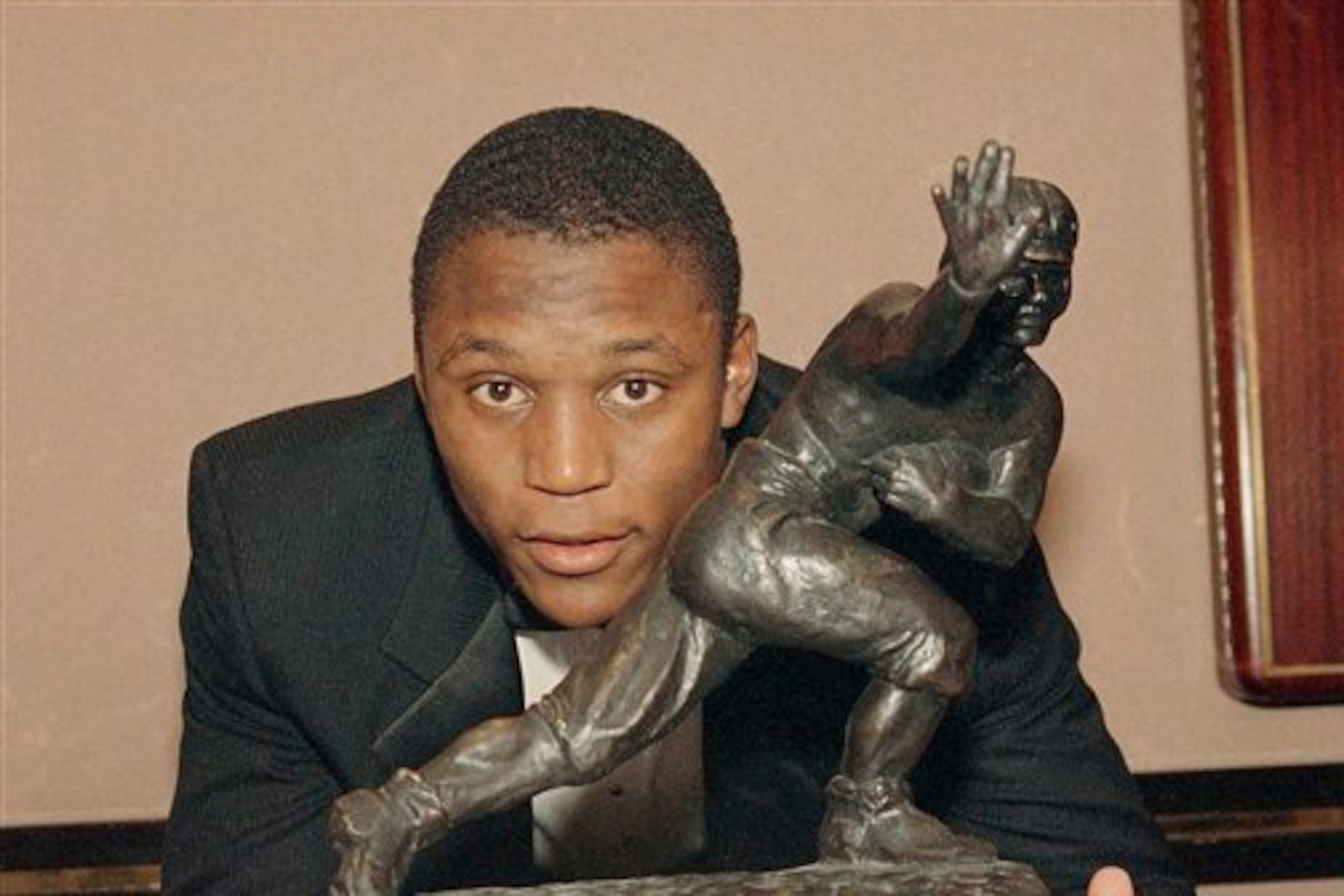

25 Best Heisman Trophy Winners of All Time
We have yet to reach February, but speculation has already begun about the 2015 Heisman Trophy. College football’s most prestigious award attracts attention year-round, and this year is no different. A big performance in a bowl game alone can make a player a preseason candidate, and Heisman lists emerged immediately after Ohio State wrapped up the 2014 season with a College Football Playoff title-game win over Oregon.
TCU quarterback Trevone Boykin is among the key front-runners for the 2015 award, per SI.com's Zac Ellis, but whoever wins the stiff-arm trophy will join a list that includes many of college football’s top luminaries from its storied history.
We thought it was a perfect time to take a look at the top 25 Heisman winners of all time. Candidate rankings are based on their statistics, impact on the game and the ease with which they won their Heisman Trophy vote. You might disagree on the choices, but like the yearly Heisman vote itself (which began in 1935), these decisions are designed for debate.
Stats for this article were obtained from Sports-Reference.com/cfb.
Honorable Mention
1 of 26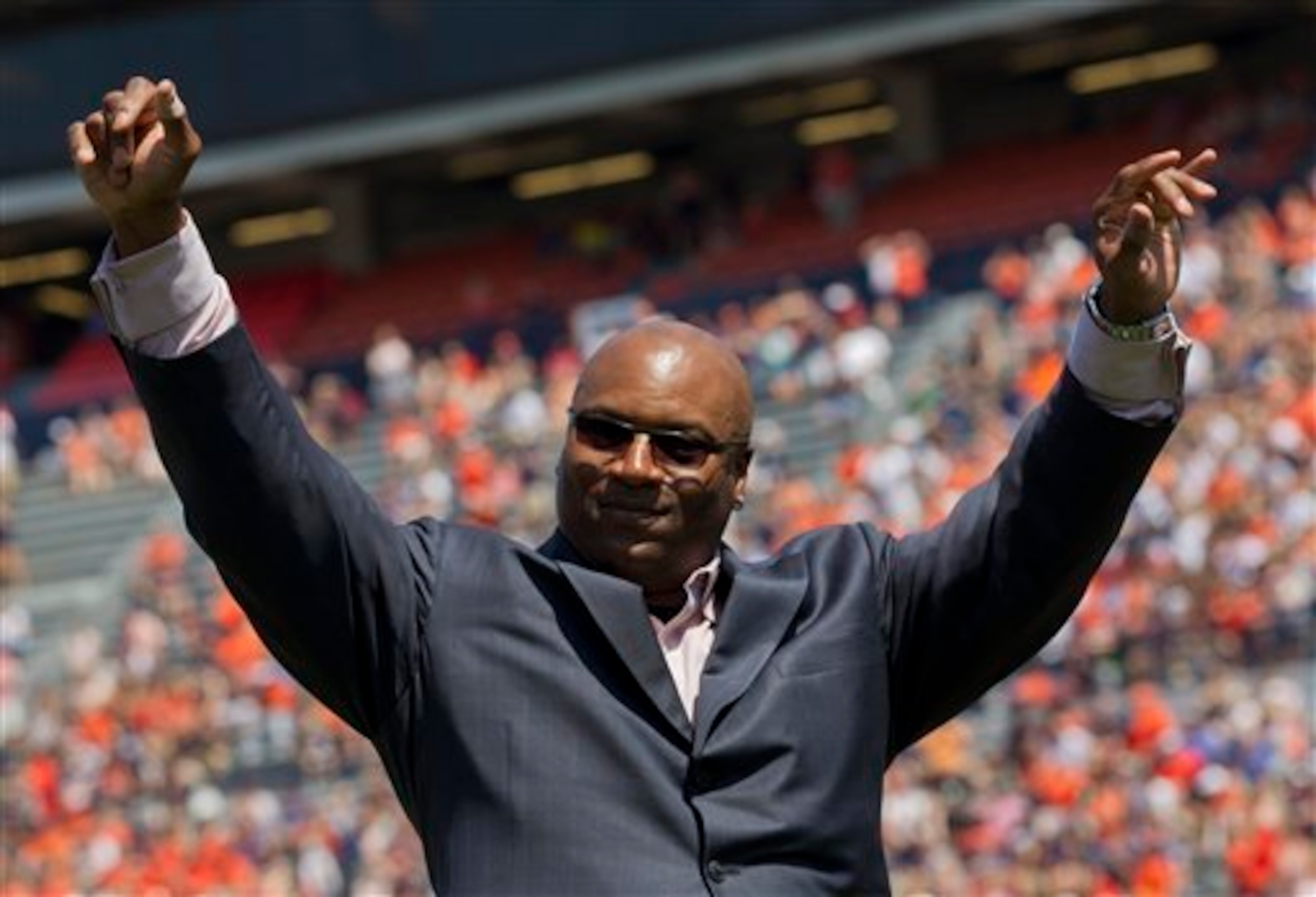
These players just missed the cut for the top 25 Heisman winners of all time, for one reason or another. But they all stood out in their own way.
Bo Jackson, Auburn RB
Bo is regarded as one of the top all-around athletes of the modern era, and he won what was then the closest race in Heisman Trophy history over Iowa’s Chuck Long to claim the trophy. He keyed Auburn, rushing for 1,786 yards (No. 2 all-time to that point in SEC history) with 17 touchdowns. However, he was knocked out of the Florida and Tennessee games with injury, which hurt his case in our rankings.
Nile Kinnick, Iowa HB
1939 was a different time for college football, but Iowa’s Nile Kinnick still stood out. The Hawkeyes finished 6-1-1 that year, and Kinnick was involved in 16 of Iowa’s 19 touchdowns on the season. He threw for 11 touchdowns, scored five more and ran for 374 yards. He won the Heisman and a number of other awards, including the Associated Press Male Athlete of the Year.
Vinny Testaverde, Miami (FL) QB
Everyone remembers the 1987 Fiesta Bowl, when Testaverde threw five interceptions and Penn State upset Miami in stunning fashion, but the Hurricanes would never have gotten that far without Testaverde. He threw for 2,557 yards with 26 touchdowns against nine interceptions and was clearly college football’s top player that year.
Danny Wuerffel, Florida QB
1996 was an incredible season for Florida, and there was nobody more important to the Gators’ success than quarterback Danny Wuerffel. Wuerffel threw for 3,625 yards with 39 touchdowns and 13 interceptions as Florida won a national championship for head coach Steve Spurrier.
25. 2006: Troy Smith, Ohio State QB
2 of 26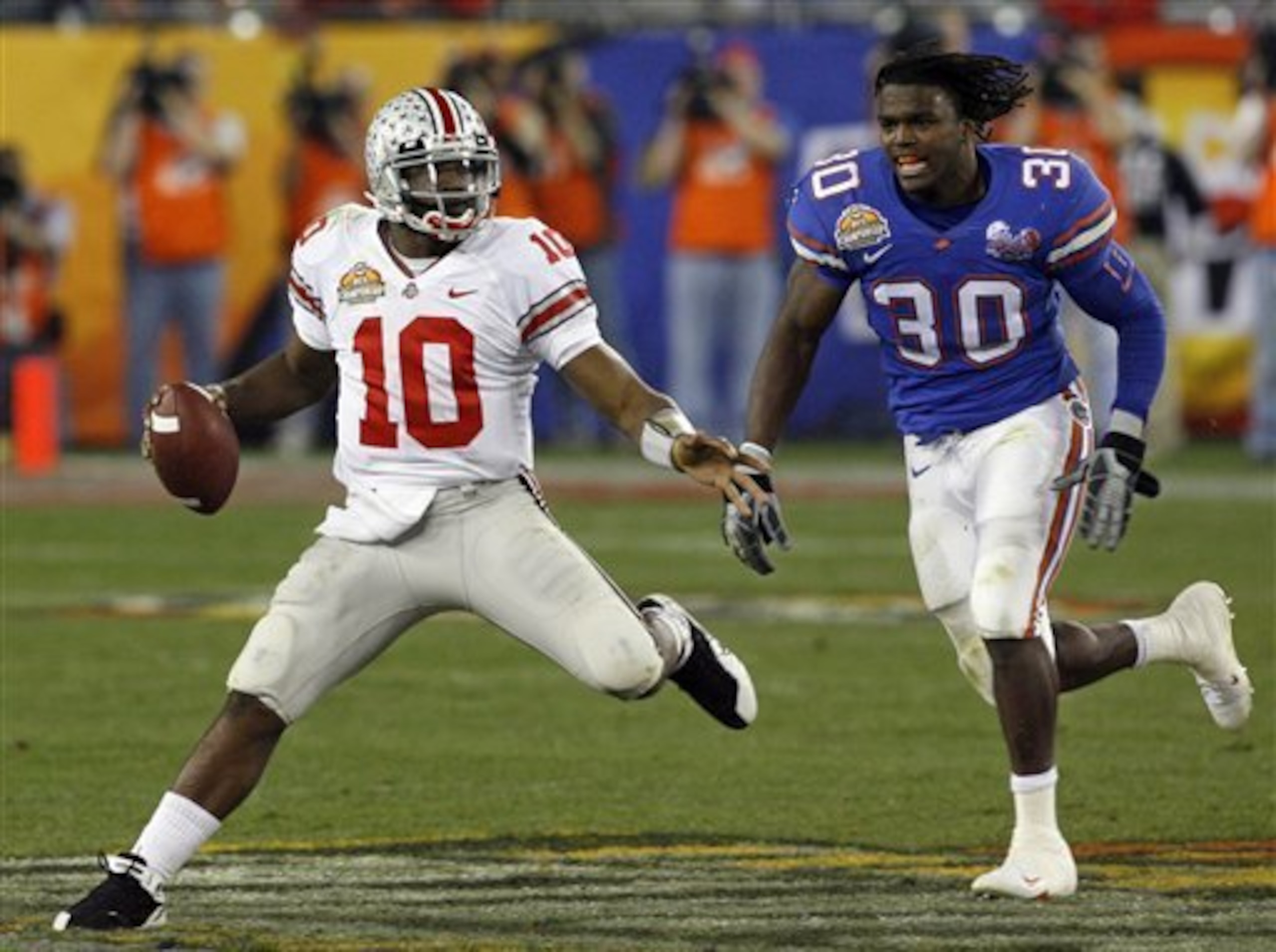
Your last memory of quarterback Troy Smith in an Ohio State uniform might be his dismal effort against Florida in the 2007 BCS National Championship Game, but it’s important to remember that the Heisman Trophy is awarded in December, following the end of the regular season.
Smith had a tremendous 2006, leading the Buckeyes to an unbeaten regular-season mark. The OSU senior was a great dual-threat leader, with his mobility helping him move in the pocket and complete passes more easily.
He threw for 2,542 yards with 30 touchdowns and six interceptions and was the Buckeyes’ clear leader. He garnered 91 percent of first-place votes, a standard which has yet to be broken.
24. 1993: Charlie Ward, Florida State QB
3 of 26
Charlie Ward holds a special spot in both Florida State and Heisman Trophy history.
In 1993, Ward, FSU’s senior quarterback, led the Seminoles to the first national championship in program history, holding off Nebraska in the Orange Bowl, 18-16. A few weeks earlier, he enjoyed one of the most dominant wins in Heisman history, with his 1,622-point margin of victory—second only to O.J. Simpson’s 1968 win.
Ward was a tremendous two-sport, dual-threat athlete. In 1993, he threw for 3,032 yards with 27 touchdowns and four interceptions and added 339 rushing yards with four scores.
He was also a standout basketball player at FSU, and he made it clear to NFL teams that unless he was a first-round pick, he’d play in the NBA. That’s exactly what happened. Ward went undrafted in the NFL and played 11 seasons in pro basketball's highest league, mostly with the New York Knicks.
He’s the only Heisman winner to ever play in the NBA.


23. 1959: Billy Cannon, LSU RB
4 of 26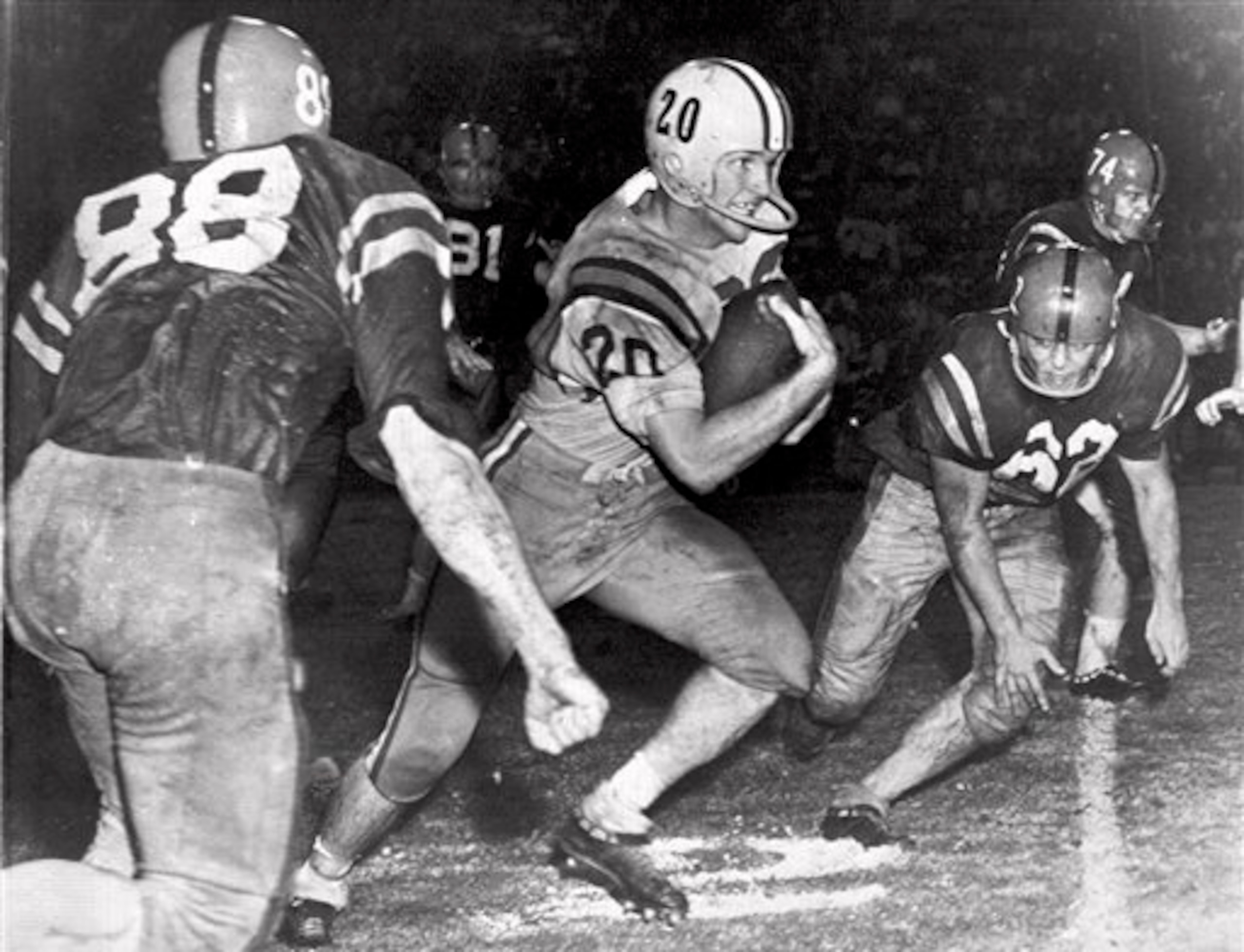
LSU has a storied football history, but few players hold a more exalted place than tailback Billy Cannon. Cannon was known for his speed and power, and he put both to great use for the Tigers in the late 1950s.
He led LSU to a national title in 1958, and a year later, he was responsible for one of the most famous plays in program history. On Halloween night 1959, the No. 1 Tigers trailed Ole Miss 3-0 when the Rebels punted to Cannon. He took the punt at his own 11, cut through Ole Miss defenders and ran the punt back 89 yards for a touchdown, going the last 60 yards untouched.
It was the kind of play that, had it happened in modern times, would’ve been on every highlight show nationwide for a week. It demonstrated why Cannon was worthy as one of the greatest Heisman winners ever.
22. 1955: Howard Cassady, Ohio State RB
5 of 26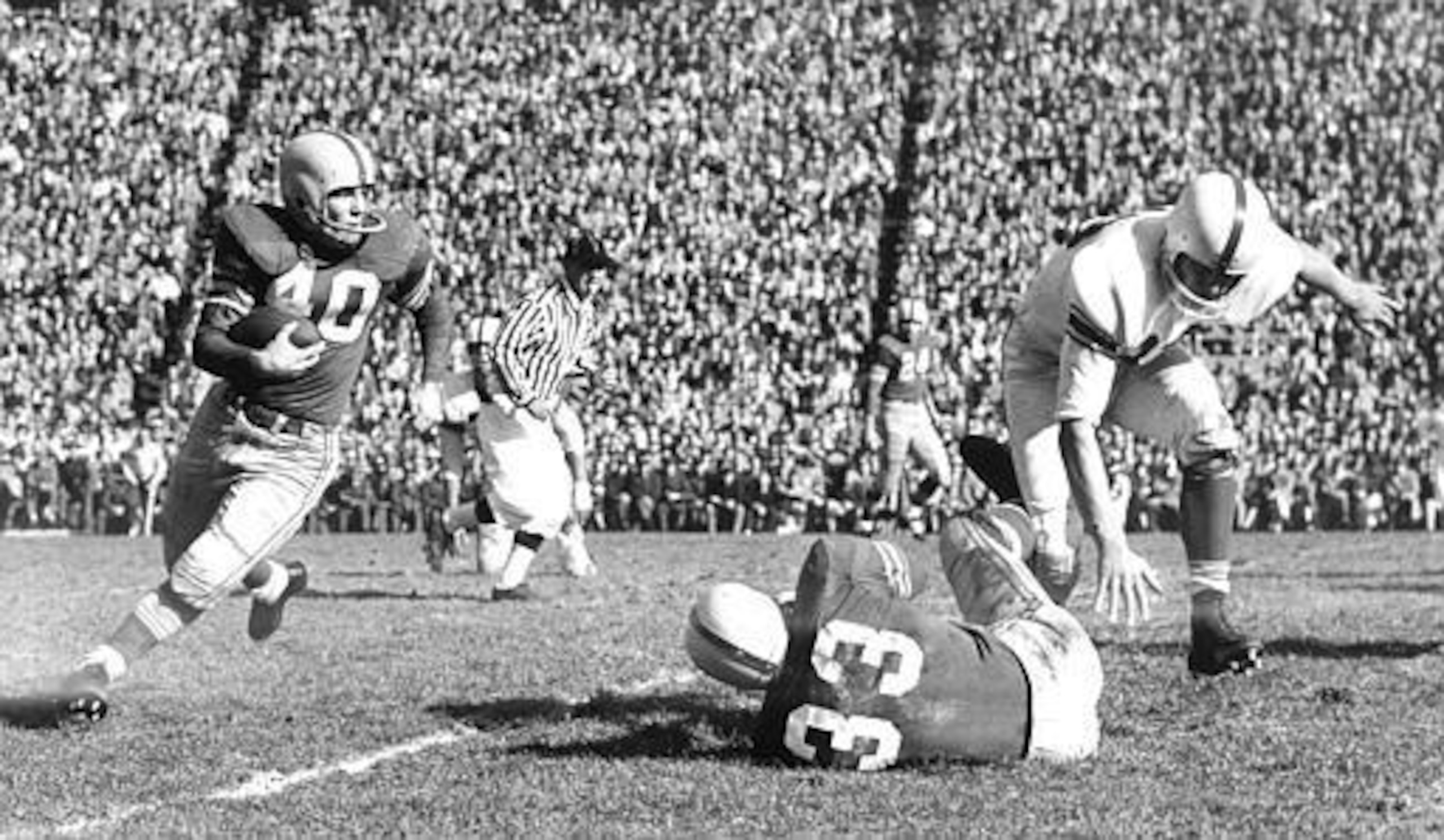
Ohio State has a tremendous lineage at tailback, but few Buckeye backs stand taller than Howard “Hopalong” Cassady. Cassady was a dangerous two-way player for the Buckeyes, scoring 37 touchdowns in a 36-game career and never having a pass completed on him as a defensive back.
He had great speed and explosion through the hole. In 1955, he rushed for 964 yards and 15 touchdowns, which were considered big numbers at the time. Cassady might not be remembered very well by today’s generation, but he is certainly not forgotten.
21. 1997: Charles Woodson, Michigan CB
6 of 26
Tennessee fans won’t be very happy with this selection. Quarterback Peyton Manning has won many awards in his football career, but he’ll never have a Heisman Trophy, and Charles Woodson is to blame. The Michigan all-purpose player and cornerback took one of the most controversial victories in Heisman history, outpointing Manning by 272 to win the 1997 Heisman.
Woodson led Michigan to an unbeaten season and a share of the national championship as the first and only primary defensive player ever to win a Heisman.
But his value came from his versatility and clutch nature. Against No. 2 Ohio State, Woodson returned a punt for a score, made a 37-yard reception as a wide receiver that set up Michigan’s only offensive touchdown and made a key interception in the end zone.
He is the last player who was not a quarterback or running back to win the Heisman Trophy.
20. 1963: Roger Staubach, Navy QB
7 of 26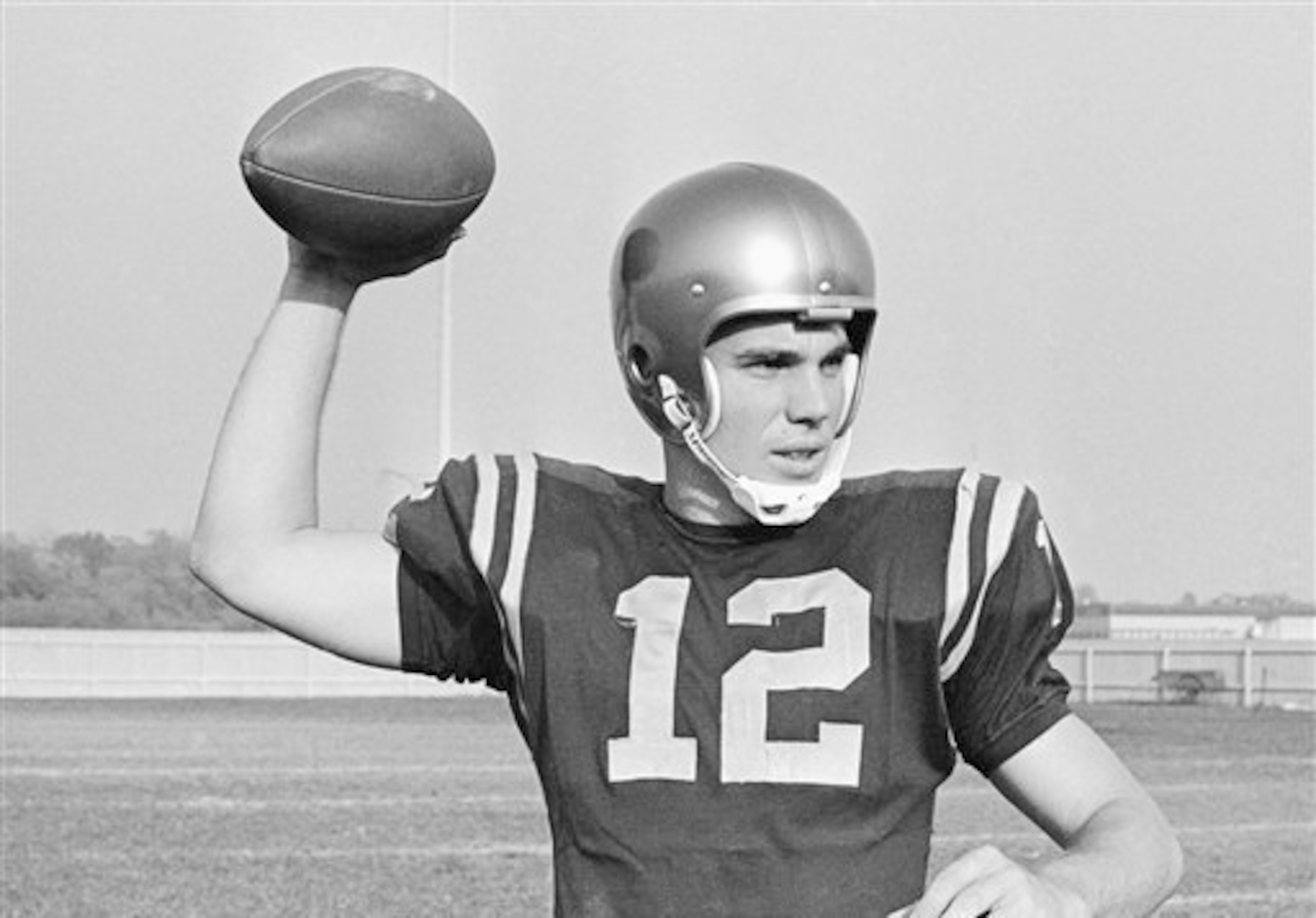
These days, it would be a most unlikely upset for a service academy player to win a Heisman Trophy. No player has done so since Roger Staubach took the trophy home for Navy in 1963. That’s how special the Midshipmen's quarterback was.
Staubach led Navy to a No. 2 final ranking, winning the Heisman, the Maxwell Award and the Walter Camp Trophy as college football’s top player. He completed 58.3 percent of his passes with 1,131 yards and four touchdowns. Those stats don’t sound all that impressive, but Staubach’s mobility and overall savvy made him a truly special player.
19. 1984: Doug Flutie, Boston College QB
8 of 26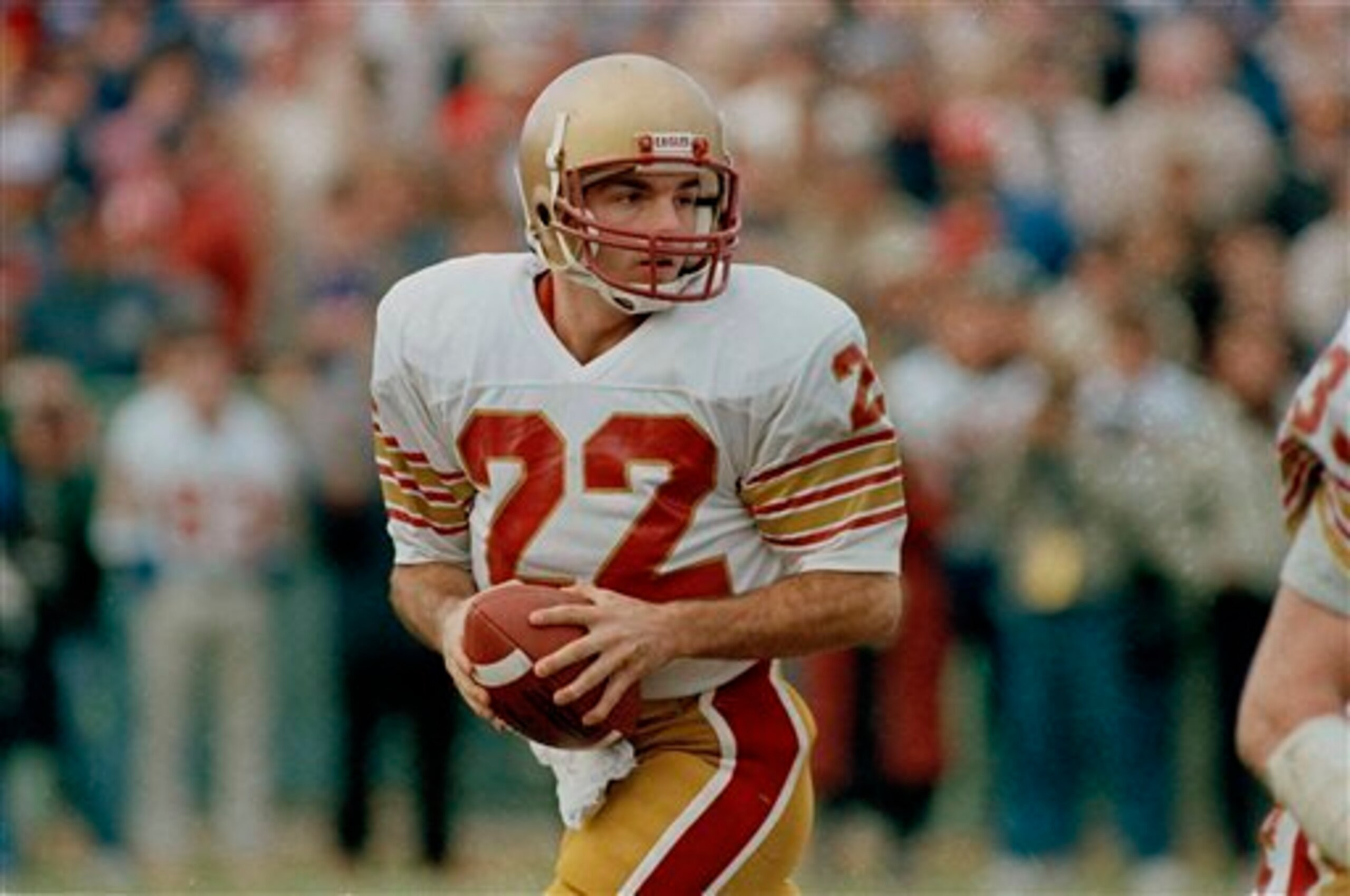
Quarterback Doug Flutie was small in stature but big when it mattered. He was responsible for one of the most famous plays in college football history: the “Hail Flutie.”
On Nov. 23, 1984, Flutie and Boston College played one of college football’s greatest games against Miami (Florida). BC had the ball at the Miami 48 with just six seconds left, trailing 45-41. Flutie uncorked a Hail Mary that was caught in the end zone by wide receiver Gerard Phelan, giving the Eagles a stunning victory.
The “Hail Flutie” essentially sealed Flutie’s Heisman Trophy win. He left BC as the NCAA’s all-time passing leader, standing tall in college football’s record books and collective memory.
18. 1999: Ron Dayne, Wisconsin RB
9 of 26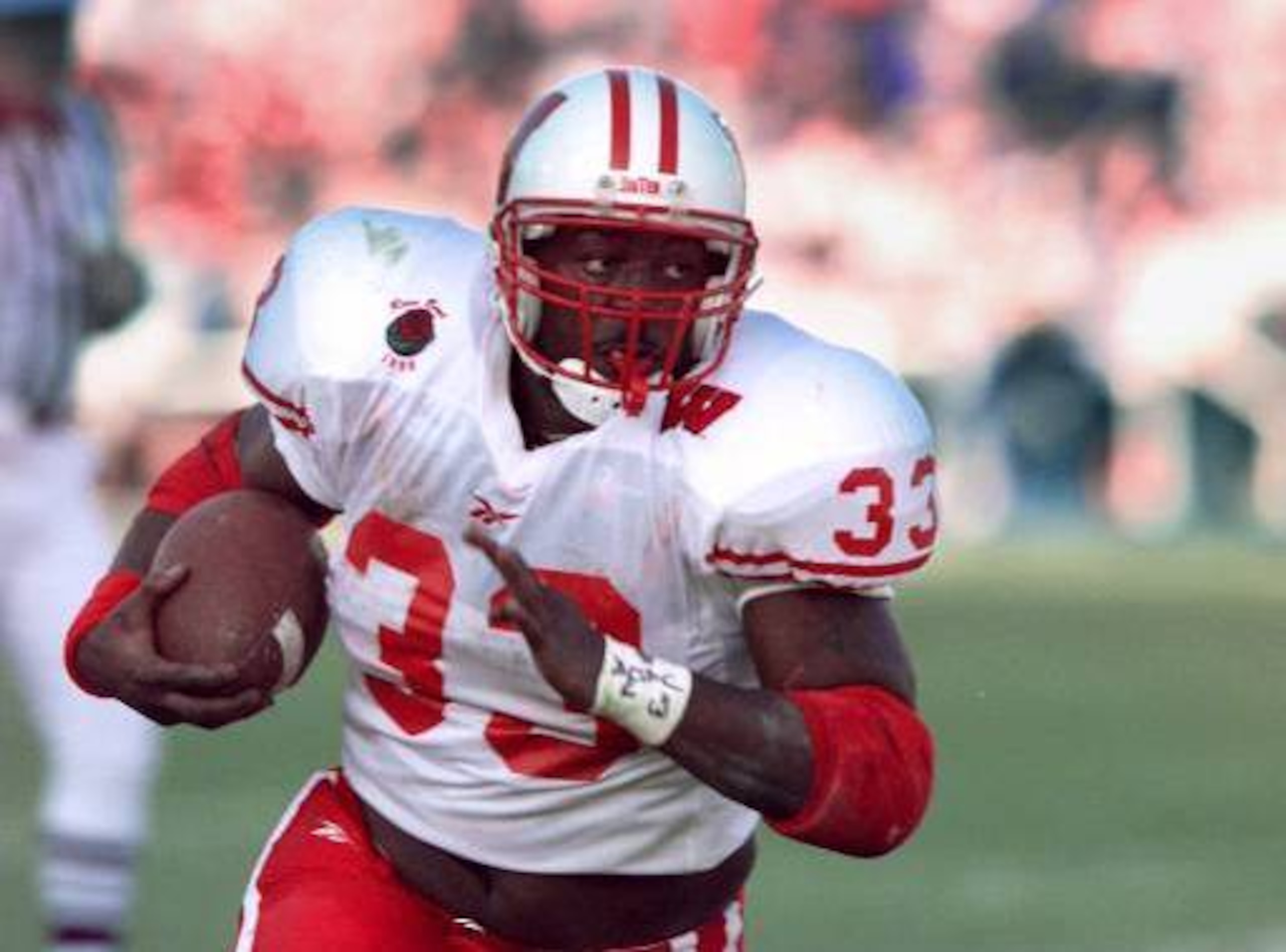
Ron Dayne never ran around defenders or exhibited any highlight-reel spins. He just carried the ball, over and over, with tremendous power and durability, which earned him the NCAA’s FBS career rushing record and the 1999 Heisman Trophy.
That season, the Wisconsin tailback rushed for 1,834 yards in the regular season and added another 200 in the Rose Bowl for a total of 2,034 yards and 20 touchdowns. He still holds the NCAA career rushing record, even after rules have been relaxed to allow yardage amassed in bowl games, a luxury Dayne didn’t have.
17. 2012: Johnny Manziel, Texas A&M QB
10 of 26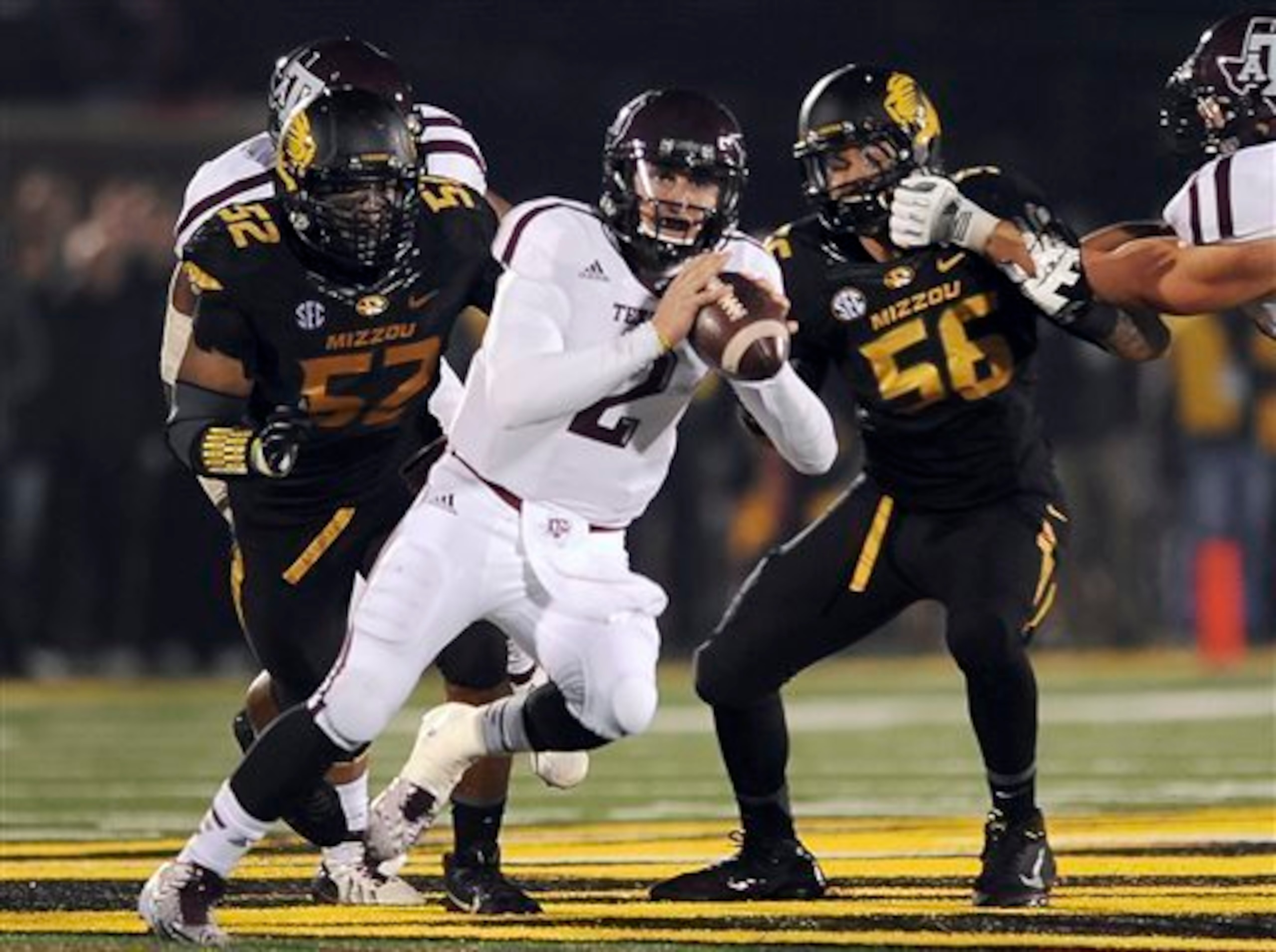
Johnny Manziel has become one of the biggest lightning rods in football, but there’s good reason for that. As a redshirt freshman in 2012, the Texas A&M quarterback put together one of the most impressive debut seasons in college football history. He threw for 3,706 yards with 26 touchdowns against nine interceptions, adding 1,410 rushing yards and 21 touchdowns.
He led the Aggies to a memorable 29-24 win at No. 1 Alabama and became the first freshman (and only fifth player ever) to pass for 3,000 yards and rush for 1,000 yards in a season. His electric play galvanized the Aggies program, and he became the first freshman to win the Heisman Trophy.
16. 2014: Marcus Mariota, Oregon QB
11 of 26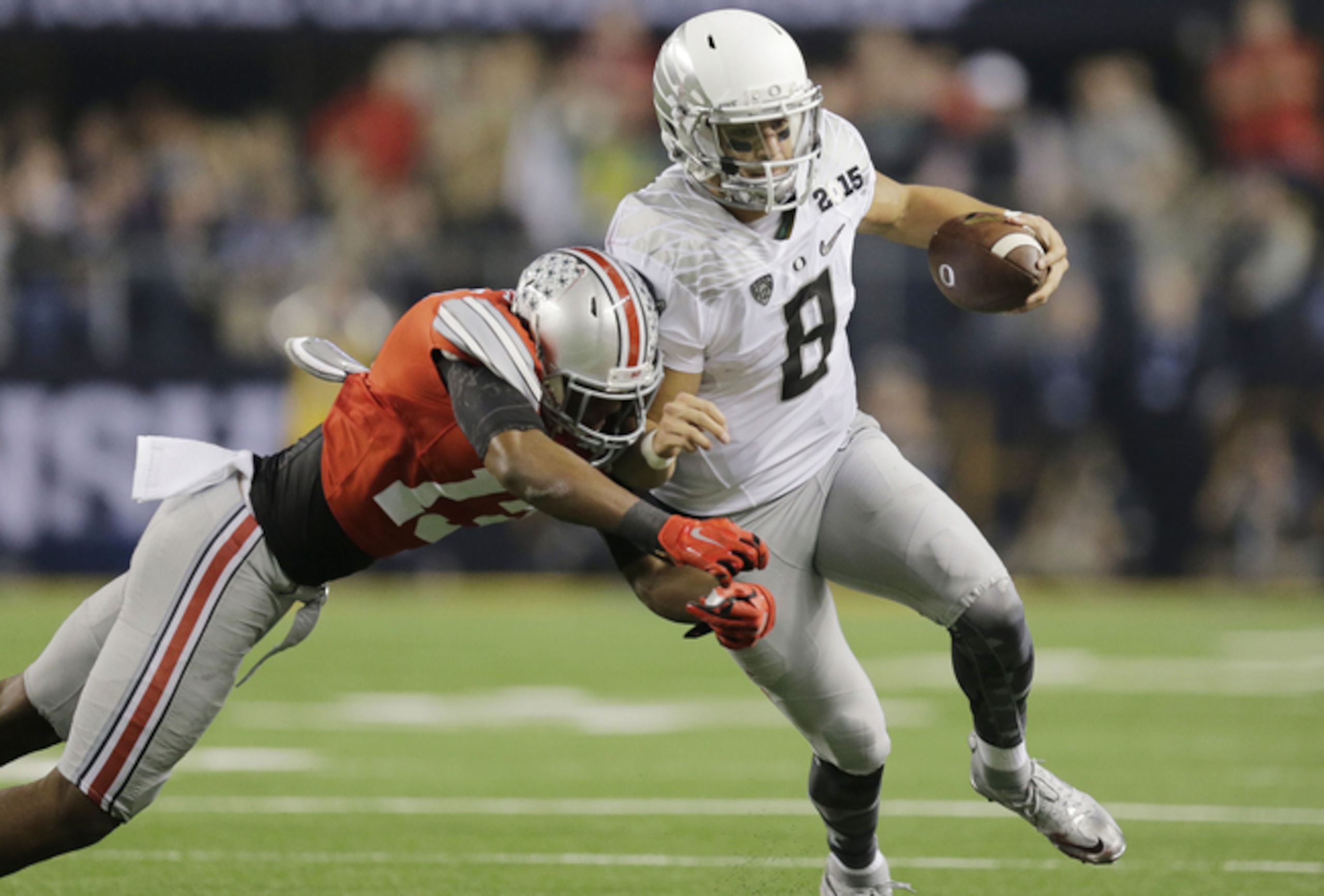
Marcus Mariota’s college career ended on an ugly note with a loss to Ohio State in the College Football Playoff title game, but it’s hard to ignore the season that Oregon’s junior quarterback had in 2014.
He had 4,454 passing yards with 42 touchdowns against four interceptions, adding 770 yards with 15 scores on the ground. His legs allowed him to make big plays through the air, because defenses had to account for Mariota in multiple ways.
He wasn’t challenged for the Heisman, winning 88.4 percent of the first-place votes. It was a well-deserved honor, without question.
15. 1977: Earl Campbell, Texas RB
12 of 26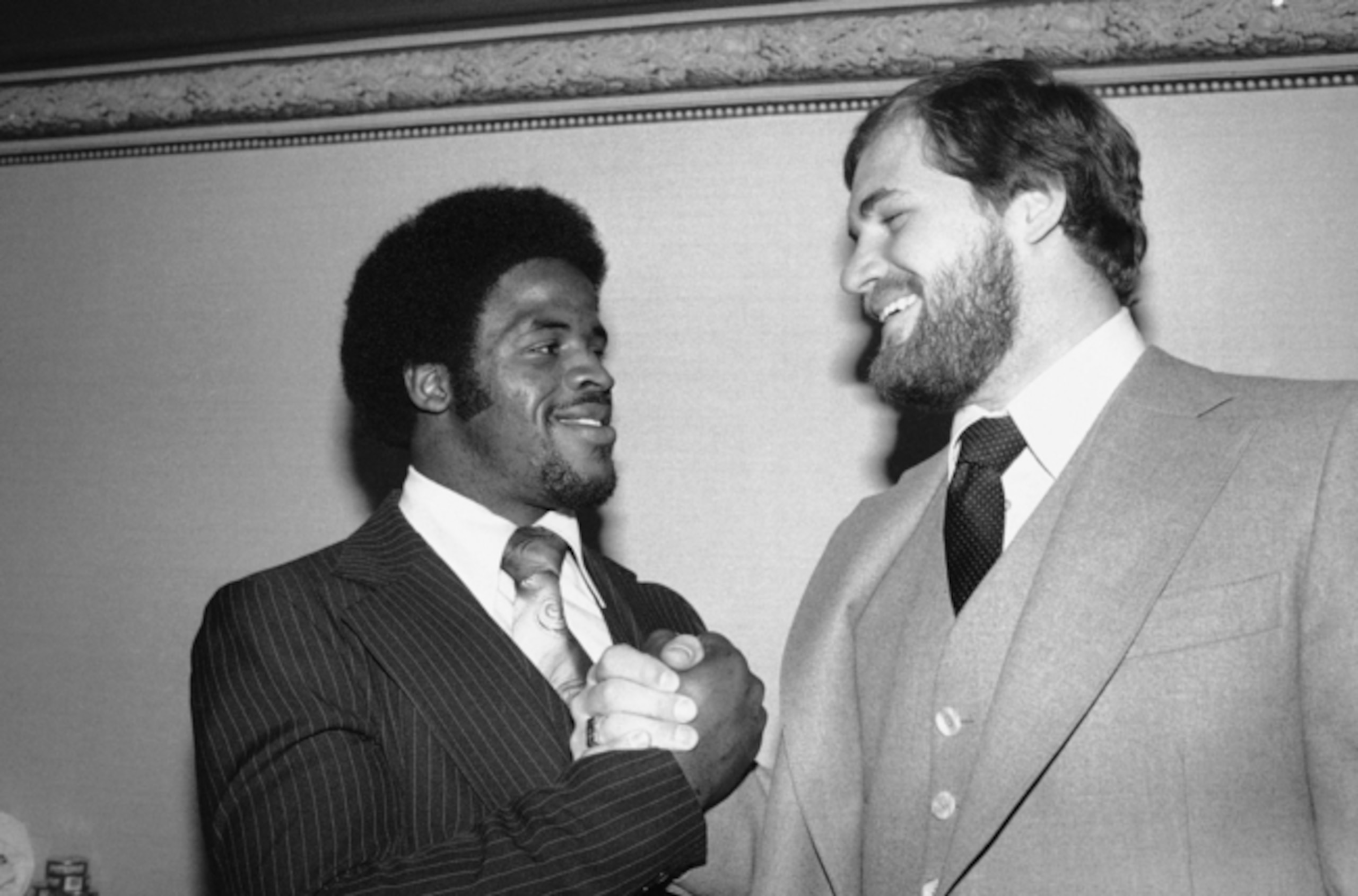
If you’re looking for a prototype for today’s power tailback, you should look no further than Earl Campbell. Campbell stood just 5’11”, but his 245-pound frame combined power and speed to make him one of the most feared backs in football.
In 1977, Campbell rushed for 1,744 yards for Texas, leading the nation in rushing. He had excellent speed but was nearly impossible to bring down with a mere arm tackle, capable of taking extreme punishment from opposing defenders. He finished his Texas career with 4,443 rushing yards and is one of the Longhorns’ all-time greats.
14. 2013: Jameis Winston, Florida State QB
13 of 26
Jameis Winston’s name has become synonymous with controversy, but there’s no arguing with the effort he put together in his first season in 2013. The Florida State freshman quarterback was nearly unstoppable in leading the Seminoles to the BCS National Championship and becoming the youngest player ever to win the Heisman Trophy (19 years, 342 days).
He threw for 4,057 yards with 40 touchdowns against 10 interceptions, and while he was surrounded by top talent, Winston was a steely player with a flair for the dramatic. On an unbeaten team, he put together a season few will ever forget.
13. 1978: Billy Sims, Oklahoma RB
14 of 26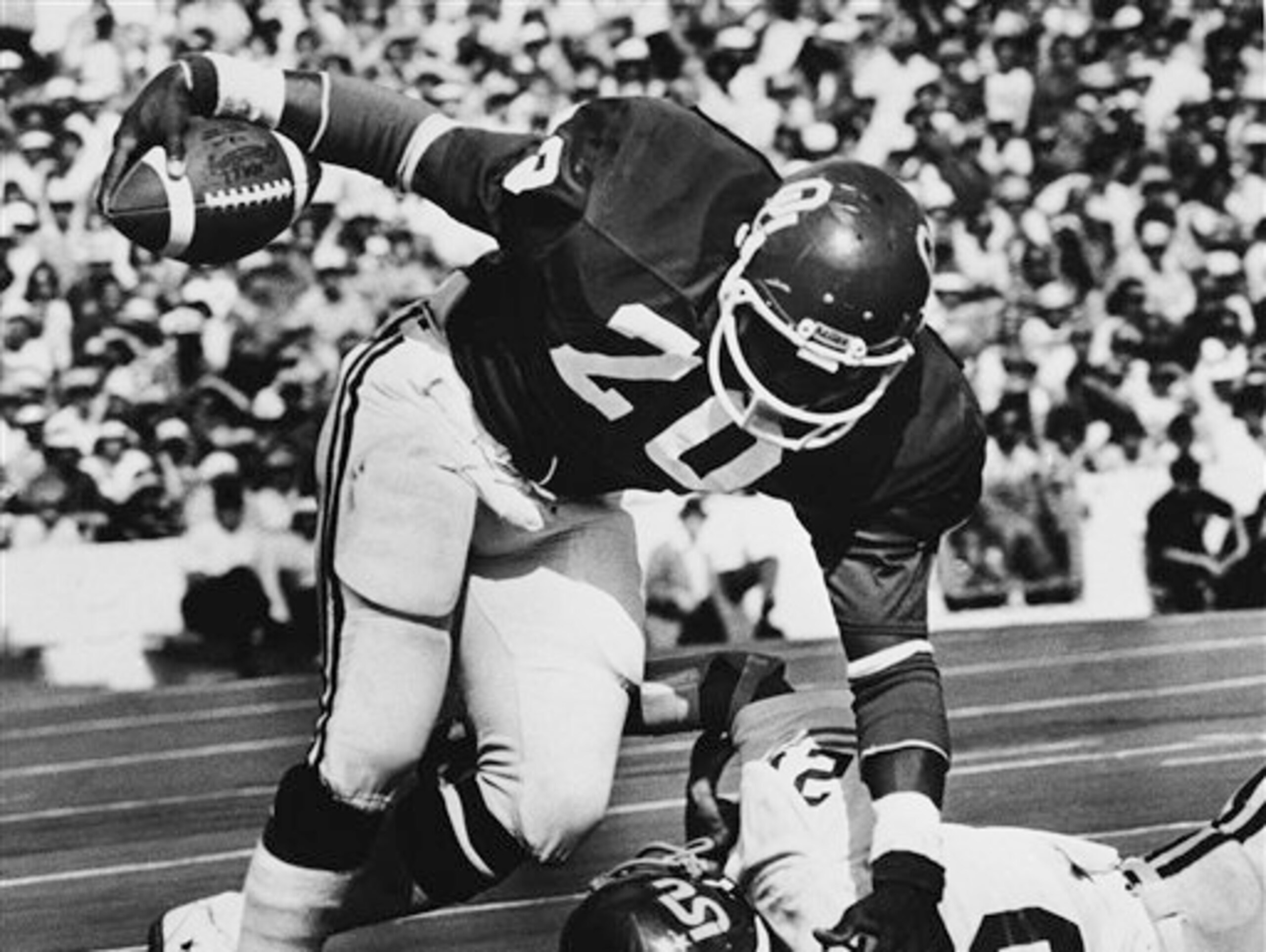
Billy Sims spent much of his football career fighting injuries, but when the Oklahoma tailback was healthy, he was special. Sims showed that in 1978. Following a few seasons spent in and out of the lineup, Sims enjoyed a full campaign, and he was more than good enough to claim the Heisman Trophy.
Sims rushed for 1,762 yards with 20 touchdowns, averaging 7.6 yards per carry. The following year, he finished as the Heisman runner-up to Charles White, but he still became just the sixth junior to win the award.
He had excellent speed and power, and Sooners fans hold a special place for him in their hearts.
12. 1991: Desmond Howard, Michigan WR
15 of 26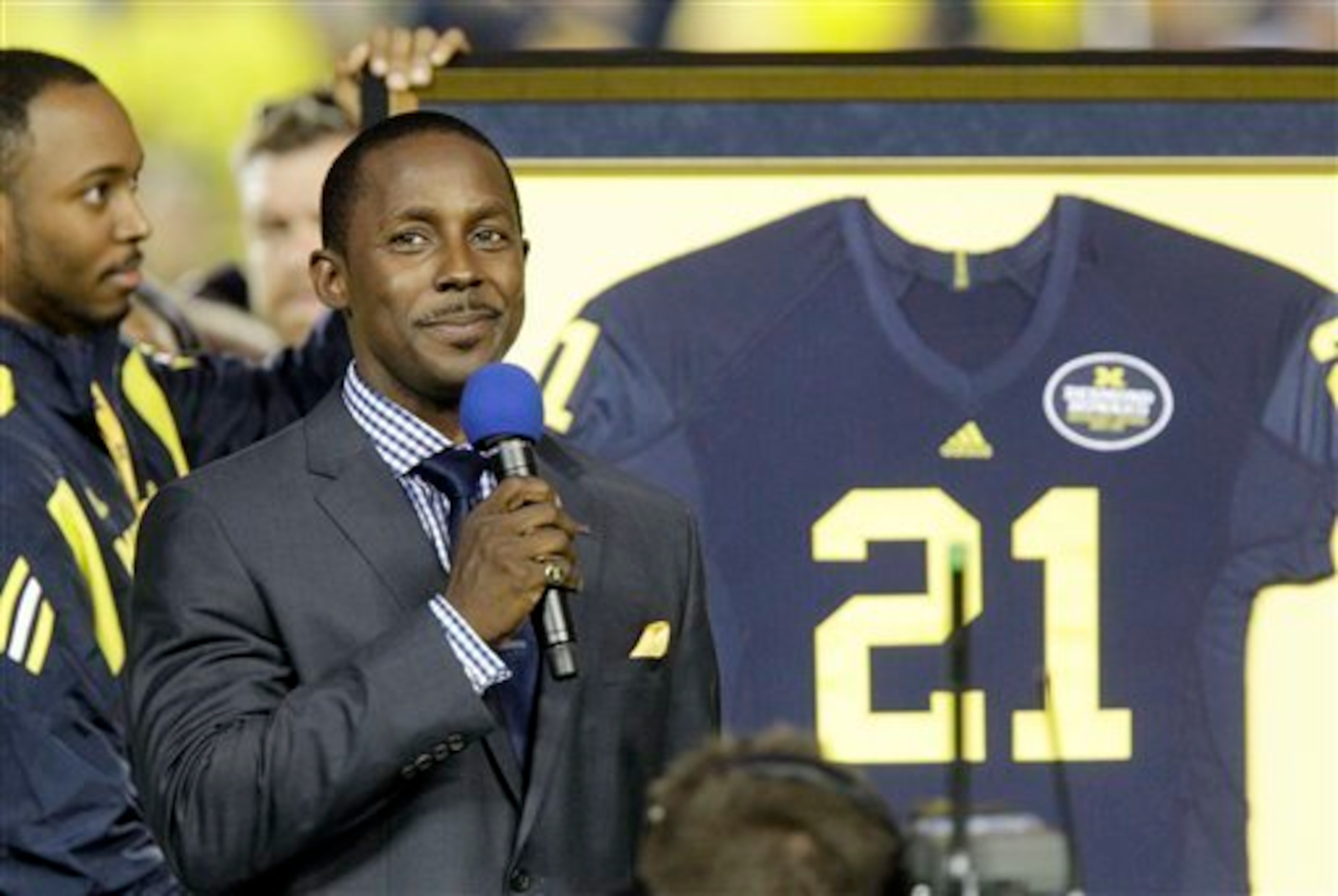
Woodson would’ve been wise to give Desmond Howard a piece of his Heisman Trophy—or at least a finder’s fee. The cornerback rode dual-threat skills to the award, but his Michigan predecessor set the template.
Howard made important plays all over the field for the Wolverines, excelling as a wide receiver and a punt returner. In 1991, he led the Big Ten with 138 points and coasted to the Heisman, capturing 86.7 percent of the first-place votes and setting what was then a record for the largest margin of victory in Heisman history.
His talents didn’t translate quite as well to the pro level, but that didn’t matter. He was a Michigan and a Heisman icon.
11. 1974/75: Archie Griffin, Ohio State RB
16 of 26
Many have tried to duplicate the feat Archie Griffin pulled off in 1974 and 1975. They’ve all failed. The Ohio State tailback is the only player to win two Heisman Trophies.
Griffin was a durable player who put up exceptional stats for his era and served as the Buckeyes' core.
In 1974, Griffin rushed for 1,695 yards with 12 touchdowns, averaging 6.6 yards per carry. He won the Heisman and followed that up by rushing for 1,450 yards and four touchdowns, winning the 1975 award.
Forty years later, no player has managed to match Griffin’s back-to-back Heismans, which speaks to the impressiveness of his accomplishment.
10. 2007: Tim Tebow, Florida QB
17 of 26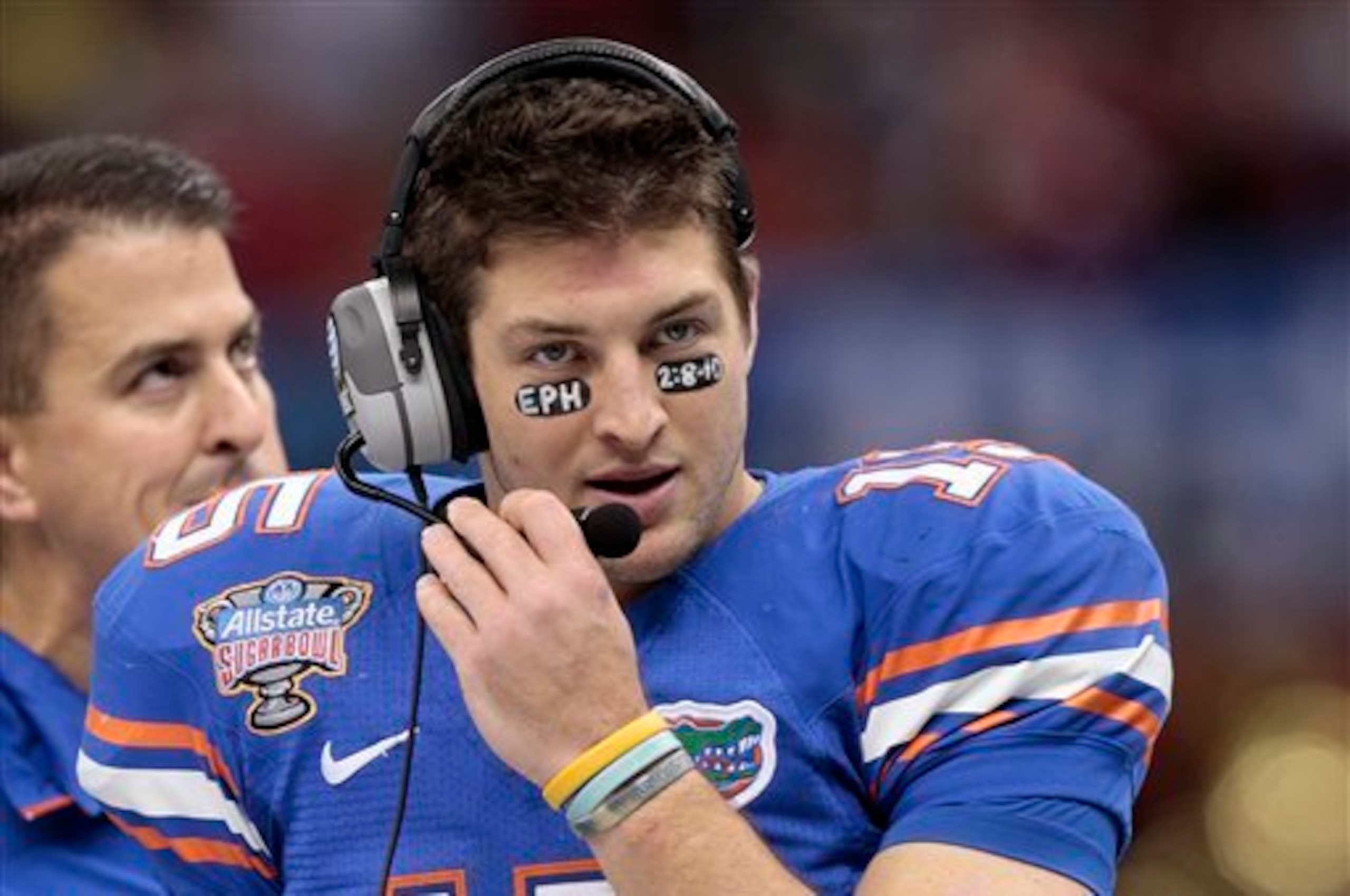
Love him or hate him, there’s no denying Tim Tebow’s impact on the game of football. After serving in a changeup role behind Chris Leak in Florida’s 2006 national title season, Tebow became the Gators' starter in 2007 and put together an impressive all-around campaign.
He threw for 3,286 yards and accounted for 55 total touchdowns—32 passing and 23 rushing. He set an NCAA single-season record for rushing touchdowns by a quarterback.
He edged Arkansas running back Darren McFadden to win the Heisman, becoming the first sophomore ever to win the stiff-arm trophy. While he didn't match those stats the following two seasons, Florida won another national title in 2008.
9. 1990: Ty Detmer, BYU QB
18 of 26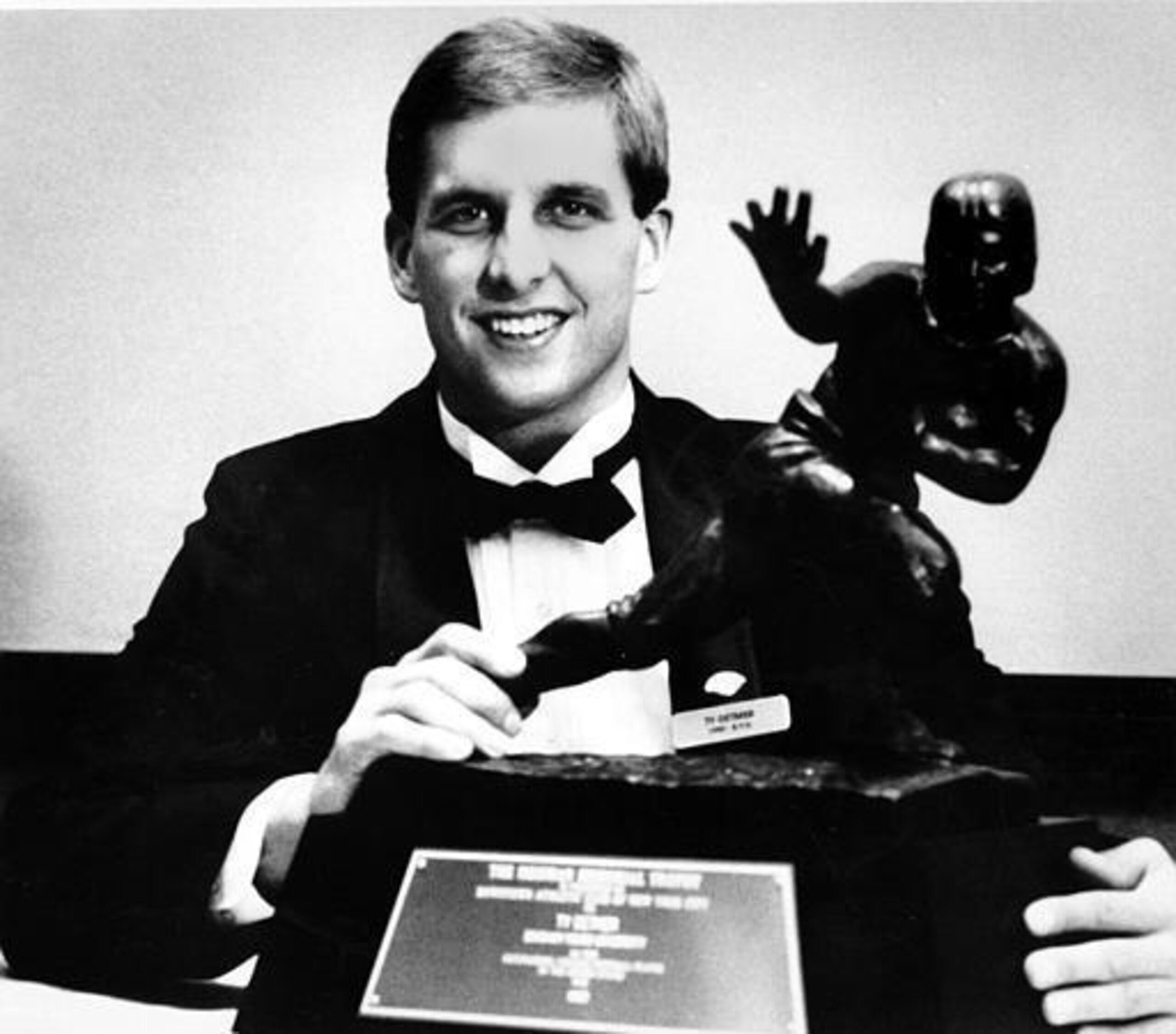
Ty Detmer was one of the most prolific quarterbacks in NCAA FBS history, and the BYU signal-caller's 1990 season stands out. During the Cougars’ 12-game regular season, Detmer set 42 NCAA records, passing for 5,188 yards and 41 touchdowns.
Detmer threw, threw and threw some more in BYU’s wide-open passing offense, and he won the Heisman Trophy, the Davey O’Brien Award (given to the nation’s top quarterback) and the Maxwell Award, given to college football’s top overall player.
He is a member of the College Football Hall of Fame, and Detmer’s amazing 1990 season is a huge reason why.
8. 1998: Ricky Williams, Texas RB
19 of 26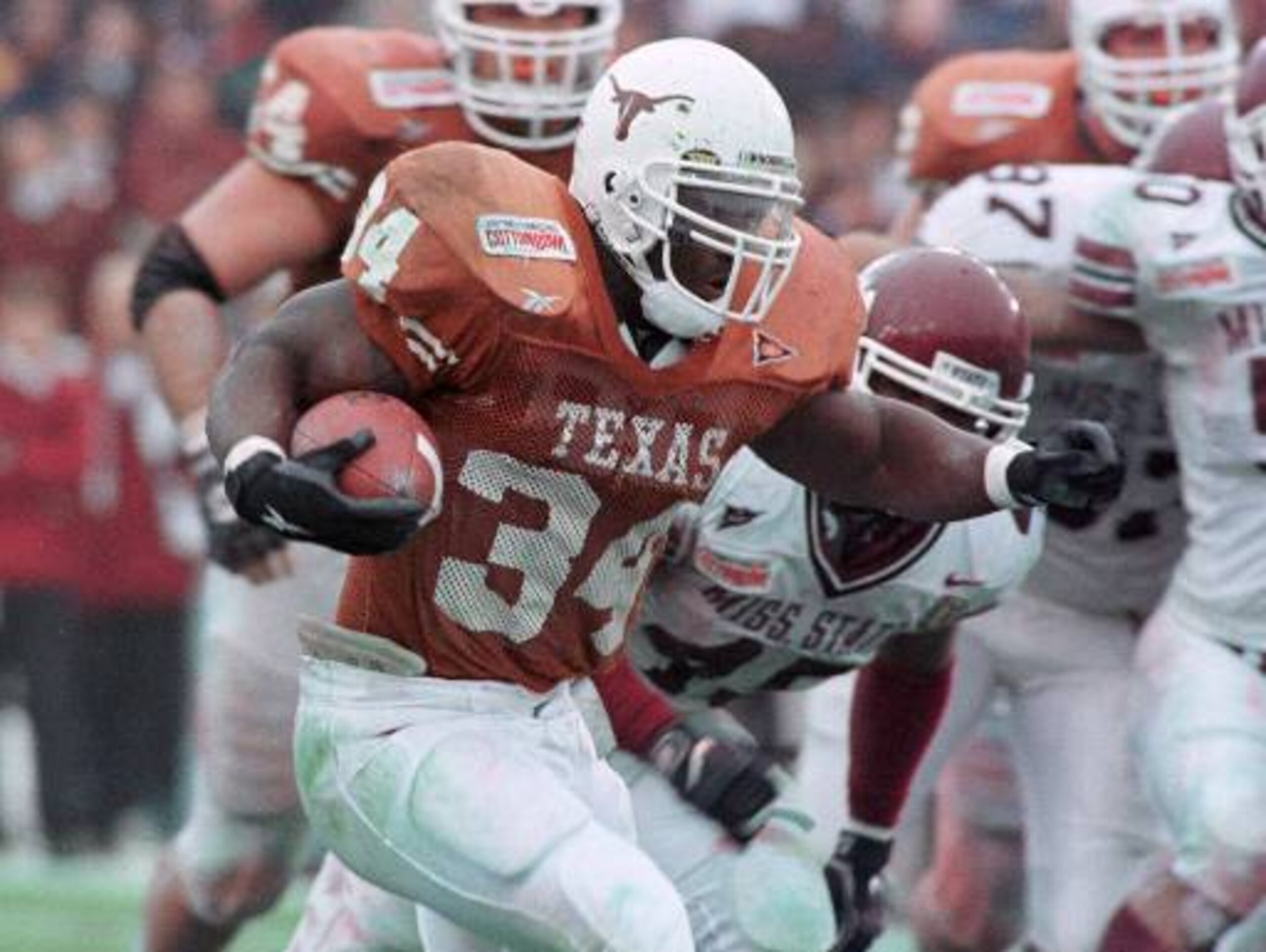
In the NFL, Ricky Williams was known as much for his inconsistent off-field behavior as his exploits on it, but that wasn’t the case at Texas. In 1998, Williams put together one of the greatest seasons ever by a college tailback, rushing for 2,124 yards and 27 touchdowns.
Late in the year, he became the NCAA’s all-time career rushing leader, a mark which lasted one season until Dayne surpassed it. He also finished as the NCAA’s career rushing touchdown and scoring leader.
Texas fans remember him as one of the Longhorns’ all-time greats.
7. 2010: Cam Newton, Auburn QB
20 of 26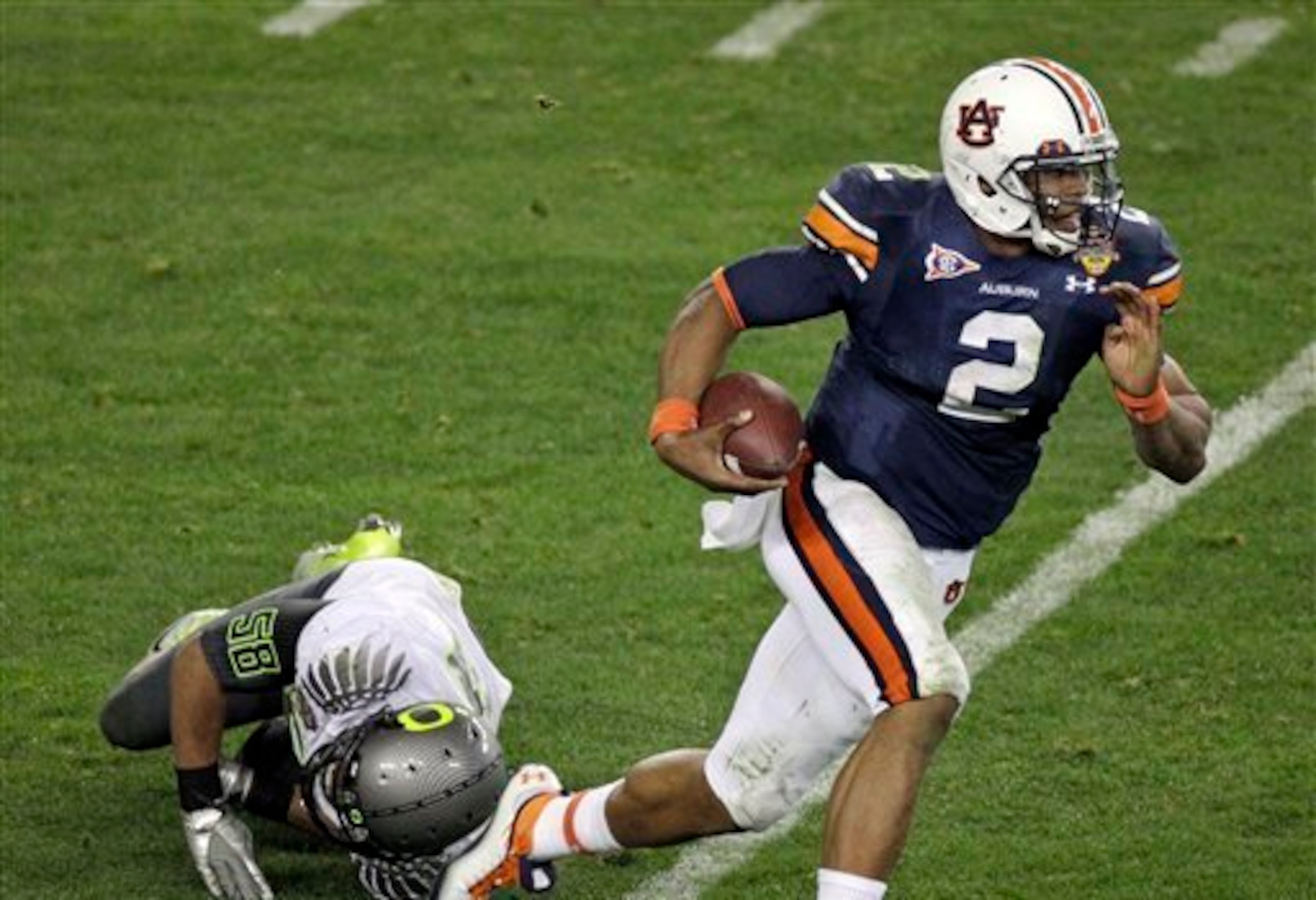
Cam Newton played only one season at Auburn, but Tigers fans will never forget him. After washing out at Florida, Newton spent a season at Blinn Junior College (Texas) and transferred to Auburn, turning a mediocre team into a national championship program.
With a huge arm and solid mobility, Newton threw for 2,854 yards with 30 touchdowns against seven interceptions, adding 1,473 yards and 20 scores on the ground.
He did it all with a cloud of controversy hanging over his recruitment, although he never missed a game after being cleared of any knowledge of wrongdoing. Auburn fans would’ve loved another season from Newton, but they’re thrilled with the one they had.
6. 1983: Mike Rozier, Nebraska RB
21 of 26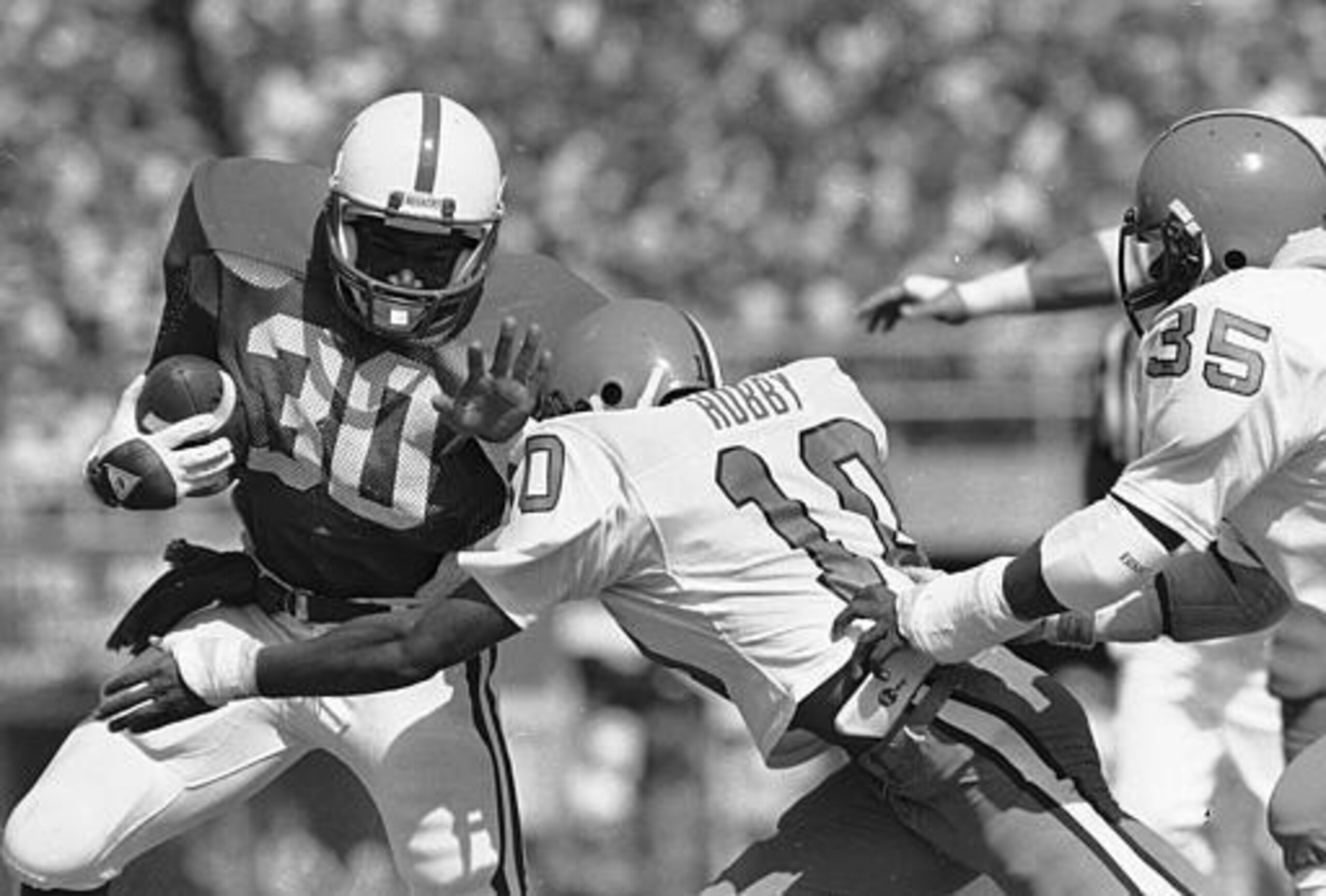
The 1983 Nebraska team was one of the best never to win a national title, dropping a famous 31-30 Orange Bowl heartbreaker to Miami after coach Tom Osborne chose to go for two late rather than kick an extra point for a sure tie.
That deprived tailback Mike Rozier of a national title, too.
That doesn’t take away from Rozier’s amazing season, however. Rozier finished with 2,148 rushing yards and 29 touchdowns. He clinched the award by passing 200 yards on the ground in each of the Cornhuskers’ last four games.
It was a truly special season, with or without a championship ring.
5. 1968: O.J. Simpson, Southern California RB
22 of 26
Before becoming one of the most infamous figures in recent American history, it’s easy to forget that O.J. Simpson was a heck of a tailback. As a Southern California junior, Simpson led the nation in rushing in 1967, and he was even better in 1968.
Simpson rushed for 1,709 yards and 22 touchdowns to win Heisman Trophy, the Maxwell Award and the Walter Camp Award, all given to the nation’s top player.
The Heisman race was no contest: Simpson won by 1,750 points, which is still the largest margin of victory in Heisman history.
4. 1981: Marcus Allen, Southern California RB
23 of 26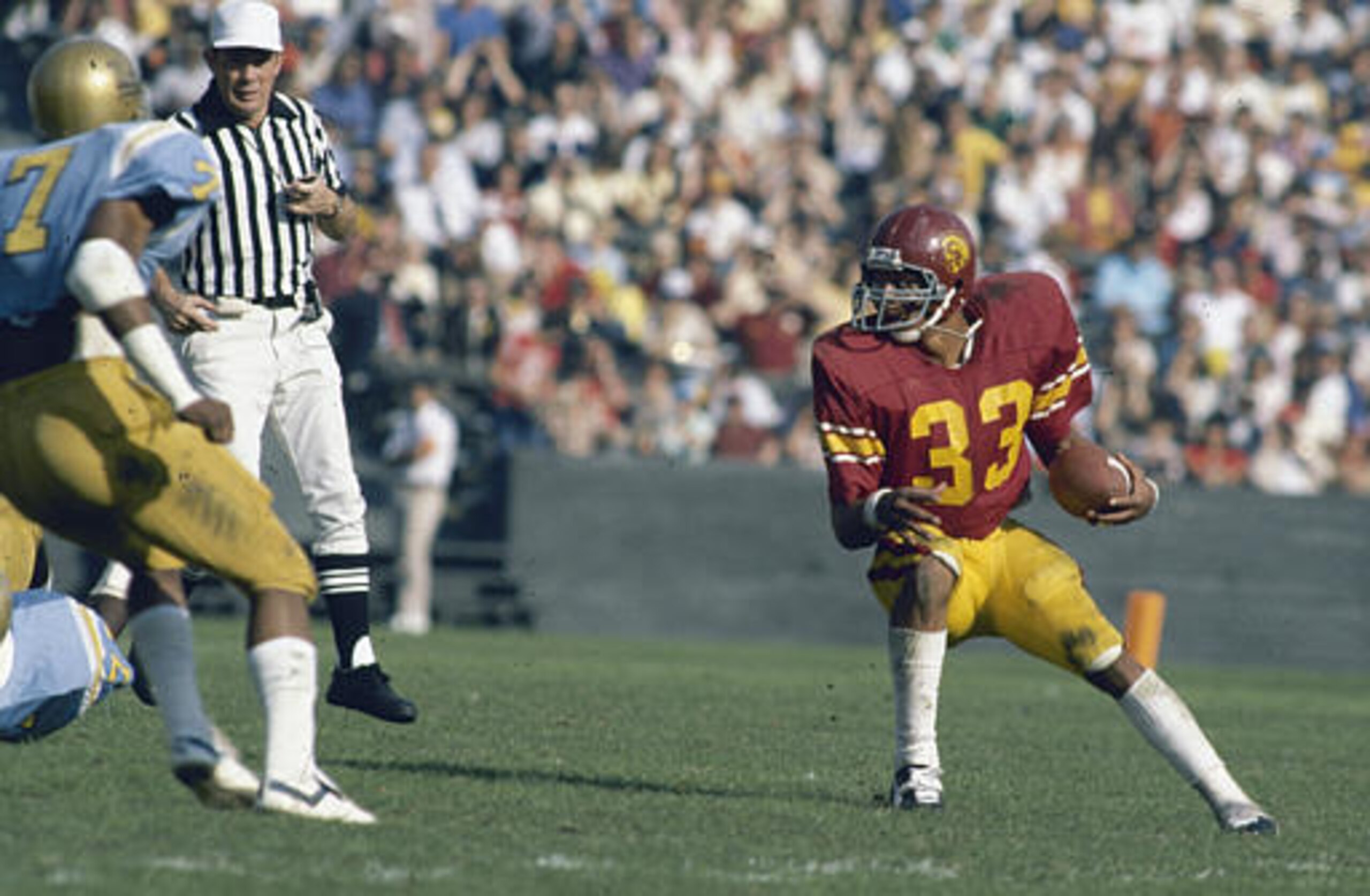
The 2,000-yard mark is special for any tailback. It’s a sign that you’ve had a truly spectacular season on the ground.
In 1981, Marcus Allen set that standard for college tailbacks. The Southern California workhorse rushed for 2,427 yards, becoming the first NCAA tailback to surpass 2,000 yards in a single season. He accounted for 2,683 yards in total offense and led the NCAA in scoring.
Allen carried the ball an eye-popping 433 times and scored 22 TDs. Most impressive, his postseason stats didn’t count against his mark, making it a truly spectacular feat. Allen earned his place as one of the best Heisman Trophy winners ever.
3. 1982: Herschel Walker, Georgia RB
24 of 26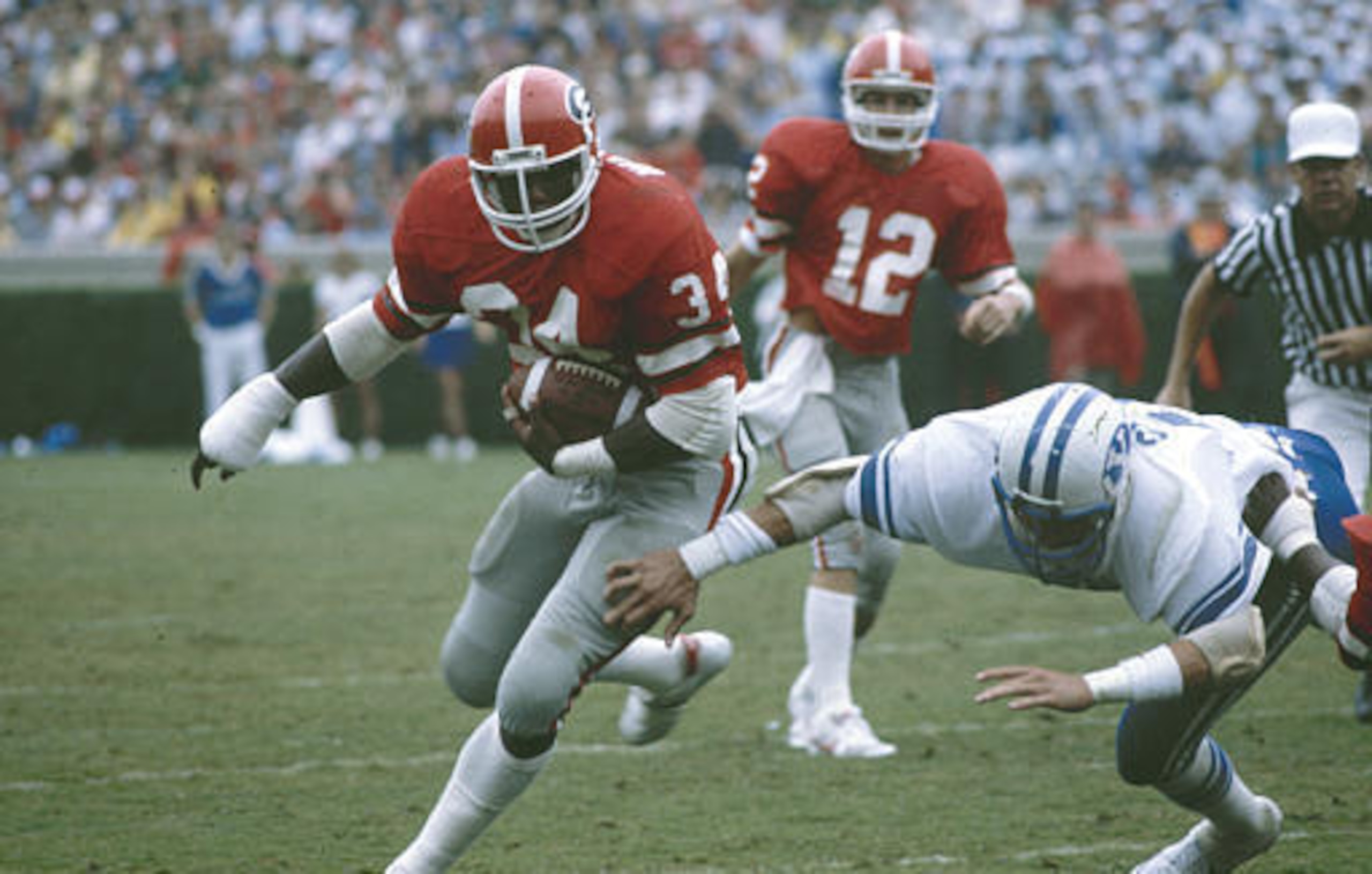
In 1981, Herschel Walker finished as the Heisman runner-up to Allen, despite rushing for 1,891 yards and 18 touchdowns.
A year later, with Allen gone, the Georgia tailback was the clear favorite, and there was never much doubt he’d capitalize. Walker rushed for 1,752 touchdowns and 16 scores, keeping Georgia in the national title conversation the entire season and winning the Heisman Trophy. He put up those impressive numbers despite beginning the season while playing through a broken thumb.
Just imagine what he could have done if healthy.
2. 1976: Tony Dorsett, Pitt RB
25 of 26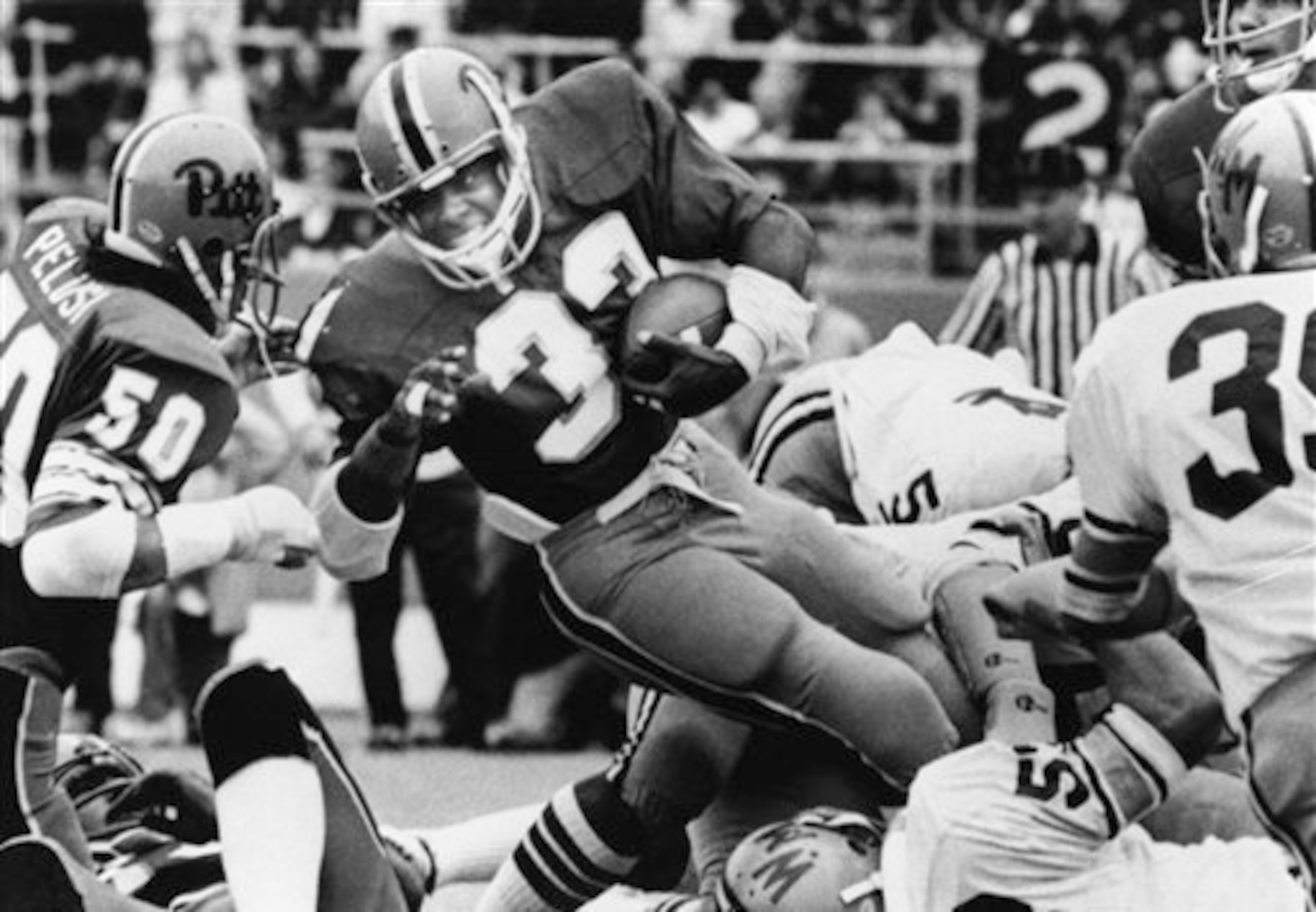
Tony Dorsett began his college career as a thin but quick tailback at Pittsburgh. He ended it as one of college football’s all-time greatest backs, finishing with a then-NCAA career record of 6,082 rushing yards.
In 1976, he capped his career with an incredible senior season, rushing for 2,150 yards (including postseason) while averaging over 179 yards per game. The Panthers won a national championship, and the speedy, elusive Dorsett won the Heisman Trophy.
It was a season that’ll go down as one of college football’s best-ever individual efforts.
1. 1988: Barry Sanders, Oklahoma State RB
26 of 26
With his elusive, quick, pinball nature, Barry Sanders was a one-of-a-kind tailback. So it’s appropriate that he clinched the 1988 Heisman Trophy with the best individual season in college football history. Sanders did a little bit of everything for Oklahoma State. He rushed for 2,628 yards with 37 touchdowns.
However, that wasn’t all. Sanders carried 344 times, but he also served as OSU’s kick returner. He had 3,249 total yards, 39 total touchdowns and went over 300 rushing yards four times.
In what would be his final collegiate game, he went for 222 yards and five touchdowns in the 1988 Holiday Bowl (numbers that aren’t officially counted by the NCAA in his career statistics). It was an unforgettable season for a truly unforgettable player.
The Heisman has evolved into a quarterback award, with 13 of the last 14 winners being signal-callers. But as Sanders told SI.com's Martin Rickman, there's still room for running backs in the college game's highest honor:
"It’s certainly a quarterback-driven game, and those are the guys who are most likely to be the leading candidates. But even my year the leading candidates were quarterbacks, and I just happened to have one of those type of years. The same thing can happen. Mark Ingram won the Heisman Trophy not too long ago as a running back, so it can happen, but it’s more likely to be a quarterback.
"
.png?w=2560)

.jpg?w=2560 "Chiefs, Steelers Eye WR Trades")