

The Miami Hurricanes are in the midst of a critical offseason, one during which the program must overcome the constant negativity that surrounds it.
Following an underwhelming 6-7 campaign, the pressure to win has reached levels unseen since the probation-shadowed days of the late 1990s.
Al Golden and Co. have a few goals to attain during the seven-month stretch before the 2015 regular season begins, and it starts with replenishing the roster.
The list contains four tasks that will probably last for the entire offseason, ending with one item that, well, doesn't.
Finish the 2015 Recruiting Cycle Strong
1 of 5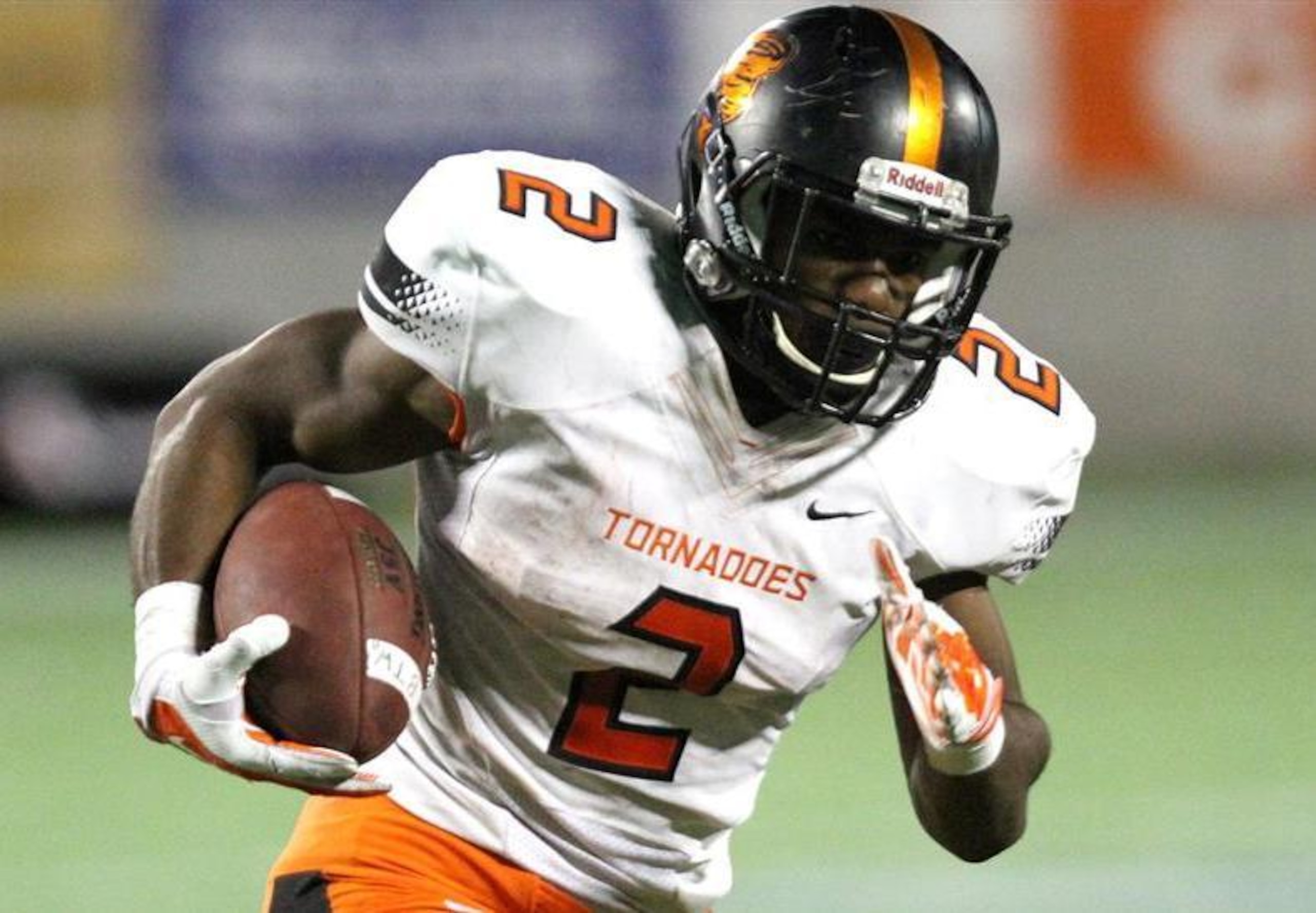
Jaquan Johnson and Scott Patchan have enrolled early, and Miami is set to sign important 2015 prospects, including Mark Walton, Bar Milo and Tyree St. Louis.
But of course, the coaching staff isn't finished on the recruiting trail and certainly knows it needs to finish this cycle strong. While the class itself won't be elite, it's another solid top-25 haul.
However, the final weeks leading up to national signing day (Feb. 4) will contain a couple battles. For example, the 'Canes are looking to lock up Antonio Callaway and Marcus Lewis, keep Jordan Scarlett, Lawrence Cager and Terrell Chatman and flip Mohamed Barry.
Throw in a couple more prospects of both the committed and uncommitted variety, and Miami has plenty of work left to accomplish.
Avoid Major Injuries
2 of 5
Miami will open its spring practice session sometime in early March, which essentially marks the beginning of the 2015 campaign outside of the weight room.
Though staying healthy is a relatively basic goal for every team around the nation, that doesn't make it irrelevant. Last year, quarterback Ryan Williams, offensive lineman Hunter Knighton, wide receiver Rashawn Scott and safety Rayshawn Jenkins each sustained a season-altering injury during the offseason.
Yes, quarterback Brad Kaaya's emergence lessened the impact of Williams' absence, but watching a player lose his starting position is never encouraging, regardless of who the backup might be.
Injuries happen—and are often random—but avoiding extended absences will aid a team that needs to make serious collective improvements.
Settle the Offensive Line
3 of 5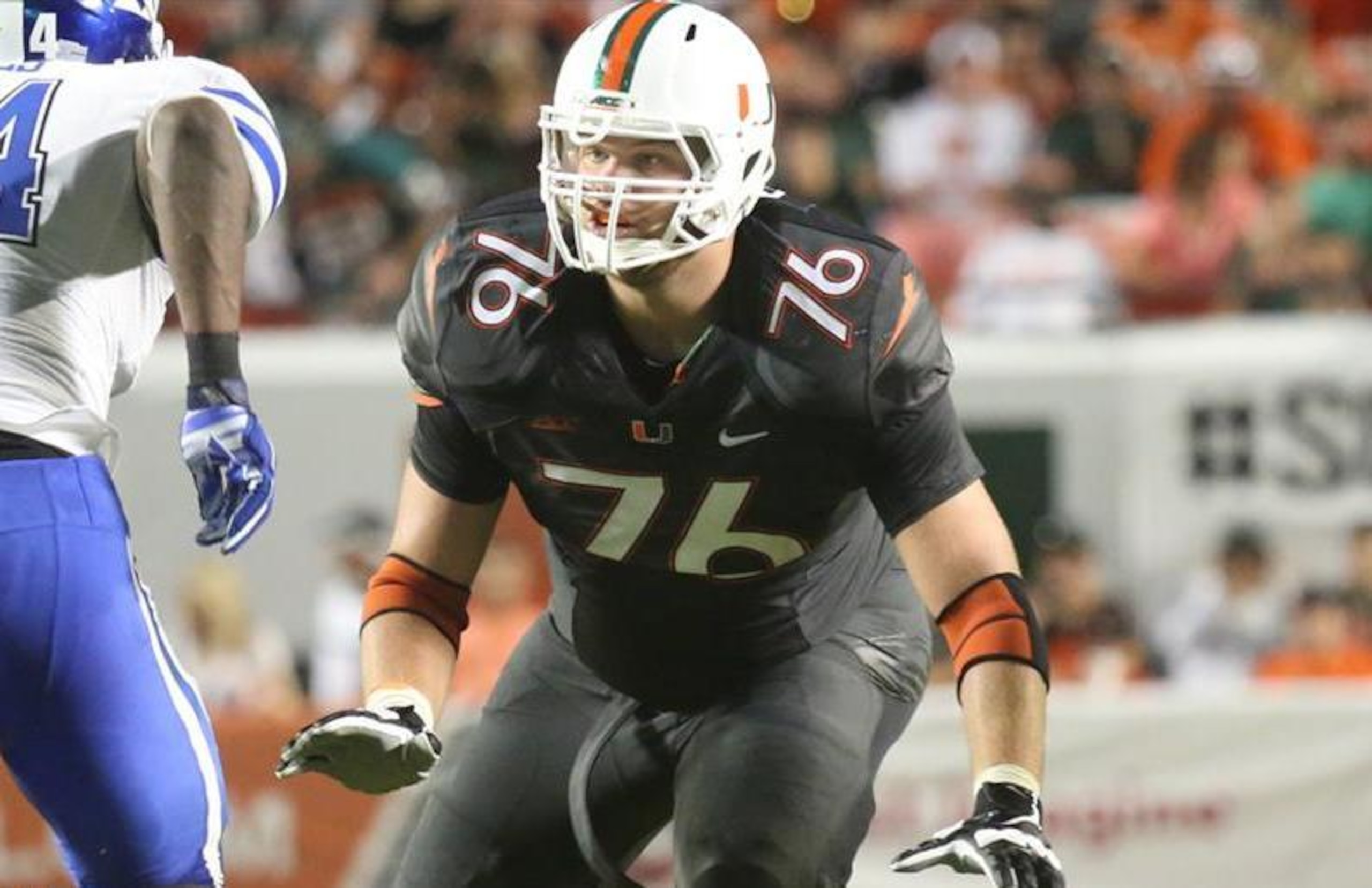
Ereck Flowers was a stout left tackle for two-plus seasons, Jon Feliciano provided versatility along the offensive line and Shane McDermott started 36 games at center. Now they're gone.
Although the Hurricanes boast a star quarterback in Kaaya, he cannot carry the team without being protected. Right guard Danny Isidora is the only full-time starter who returns, though Miami isn't exactly starting from square one.
Taylor Gadbois, Trevor Darling, and Nick Linder combined to make 14 starts last season, while Kc McDermott and Alex Gall were notable members of the rotation. Granted, Gadbois, McDermott and Gall each missed significant time due to injury.
Miami is preparing to sign at least six linemen who will join a handful more of returning players, so the vacated starting spots have plenty of competition.
But competition results from the lack of continuity, and the O-line position battles are perhaps some of the most meaningful on the team. After all, Kaaya's talent can only shine if his blockers do.

.png?w=2560)
Improve Special Teams
4 of 5
A team typically cannot earn a victory when its opponent wins two of the three phases—offense, defense and special teams.
Only twice did Miami truly dominate both sides of the football this past season, so special teams was a consistent factor in deciding a given contest's outcome. Unfortunately for the 'Canes, they lost the third facet more often that not.
Blocked kicks, subpar kick coverage and porous blocking on returns all contributed to the team's difficulties. Most surprisingly, though, the program had little history of struggling in each area before 2014.
The kicking specialists—Justin Vogel and Michael Badgley—were superb overall, but they make up only one-third of the special teams equation. Miami needs to make its coverage and return units above average once again.
Restore a Championship Mentality
5 of 5
When a highly touted recruit enters Alabama coach Nick Saban's office, the prospect isn't necessarily told he's the greatest thing since sliced bread. Saban instead lays out his plan to win a national championship, telling the athlete how he fits within the plan.
So, what does Miami do? It seems like Golden has been content to play for the Coastal Division championship, which wasn't an illogical goal during the now-irrelevant NCAA cloud. It gave the Hurricanes—who haven't won the title outright during their 10 seasons in the ACC—an attainable goal.
But similar to shooting on the range, "Aim big, miss big; aim small, miss small."
Though the division crown is an admirable feat, it's a large target because it seems easily reachable. However, continually failing in that sizable window contributes to a massive ordeal.
For the last few offseasons, players and coaches have talked a big game about how they've improved, and until 2014, Miami's record showed it.
If the Hurricanes played every week like they did against Florida State, they'd undoubtedly be a double-digit win squad and Coastal power. The program must take that crucial step, growing from a rivalry-driven team to a title-winning culture.
Christy Cabrera Chirinos of the South Florida Sun Sentinel notes Kaaya said offensive coordinator James Coley recently asked the team who wanted to win national and ACC championships, and everyone did.
While moving toward this goal is undoubtedly challenging with coaches who've only shared a division title once (2012), it's not impossible. All it takes is one bounce-back season with a mindset change. But that's easier said than done.
Note: Stats courtesy of CFBstats.com. Recruiting information via 247Sports.
Follow Bleacher Report college football writer David Kenyon on Twitter: @Kenyon19_BR.



.jpg?w=2560 "Chiefs, Steelers Eye WR Trades")

.jpg?w=2560 "WWE Raw Live Grades 🔠")
.jpg?w=2560 "Multiple NFL Trades Predicted")

