
As the calendar flips to 2015, a new year won't bring new hope for every NBA team.
Lack of transformative talent, bloated contracts, messy front-office situations and missing draft picks will hamstring a handful of clubs going forward, limiting flexibility and capping growth potential. In some cases, we saw these bleak scenarios coming.
In others, the absence of hope is a surprise—one made all the more disappointing by the positive expectations accumulated during the most recent offseason. We're looking at you, Charlotte Hornets.
The broader NBA's not a gloomy place, and some of last season's most down-and-out franchises are showing serious signs of hope. The Milwaukee Bucks have already surpassed last year's win total, the Philadelphia 76ers have a top-10 defense, and the Minnesota Timberwolves are loaded with promising youth.
Try to keep those happy stories in mind as we slog through the sadder ones.
For these teams, the future isn't so cheery.
Honorable Mention: Sacramento Kings
1 of 6
It's pretty much impossible to be wholly pessimistic about a team that has DeMarcus Cousins, a guy doing the best Shaquille O'Neal impression we've seen since the Diesel ran out of gas in 2011. But the recent firing of head coach Mike Malone raises organizational red flags—ones that weren't especially hard to see coming.
Owner Vivek Ranadive is an innovative businessman. He accumulated his wealth in the tech sector by harnessing creativity and making bold moves. When he mentioned four-on-five basketball to Grantland's Zach Lowe before the season, it felt like a wild idea, but not necessarily a surprising one considering the source.
Sactown Royalty's Greg Wissinger offered a measured take on Ranadive's approach: "Vivek can toss out ideas. He's the owner. It's his prerogative. Personally, I'll start to worry if he begins meddling to the point of overruling the brain trust."
Intimate involvement in the draft process and the hasty firing of Malone indicate that Ranadive may be encroaching on the basketball decision-makers' territory, which, again, he can do because he writes the checks.
The problem is, for all of Ranadive's proven success in business, his track record in the NBA is short. That's not bothersome if he's delegating the tough decisions to smart subordinates. But if he's meddling, it creates an air of instability that could compromise the Kings' future.
There are far worse things than an owner who cares about producing a winning product, but it's dangerous when unrealistic expectations, inexperience and a little too much enthusiasm are the tent poles of organizational governance.
As Patrick Redford wrote for ESPN.com, "It is still early in his tenure, but right now, (Ranadive) looks more like an ideologue than a visionary."
This could all work out just fine, and it's fun to have an owner willing to think differently. But the Kings feel shaky at the top, and that's never a good sign for the future.
Brooklyn Nets
2 of 6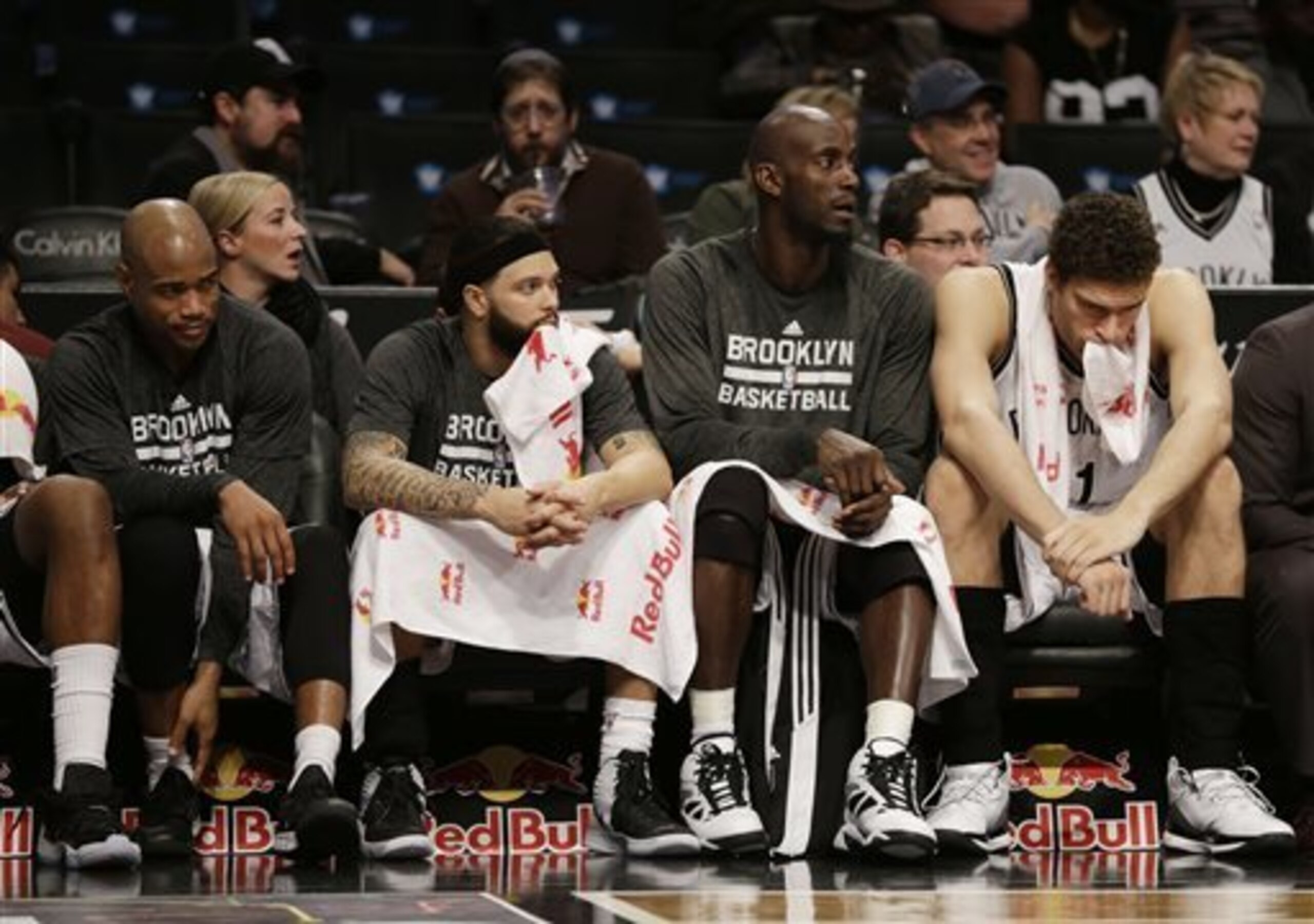
Despite floating their willingness to deal in early December, the Brooklyn Nets haven't been able to find takers for Brook Lopez, Deron Williams or Joe Johnson.
No shock there; all three are paid more than their production warrants, and both Williams and Lopez have dealt with injuries for the bulk of the past two seasons.
Brooklyn's bleak future isn't just about its overpriced stars in decline. It's also about owing a bevy of future first-round picks to the Boston Celtics (and its 2015 selection to the Atlanta Hawks).
It's also about general manager Billy King still making personnel decisions. He's responsible for the hefty deals bestowed upon Lopez, Williams and Johnson, and he's also the one who pulled the trigger on the exchange that cost all those picks.
It's also about how owner Mikhail Prokhorov is generally half a world away, and he may not even be interested in owning the team anymore, according to a report from Ohm Youngmisuk and Darren Rovell of ESPN.com.
No young talent, bloated contracts that prevent roster reordering until the summer of 2016 and questionable leadership have the Nets in a sad state—now, and for the foreseeable future.
New York Knicks
3 of 6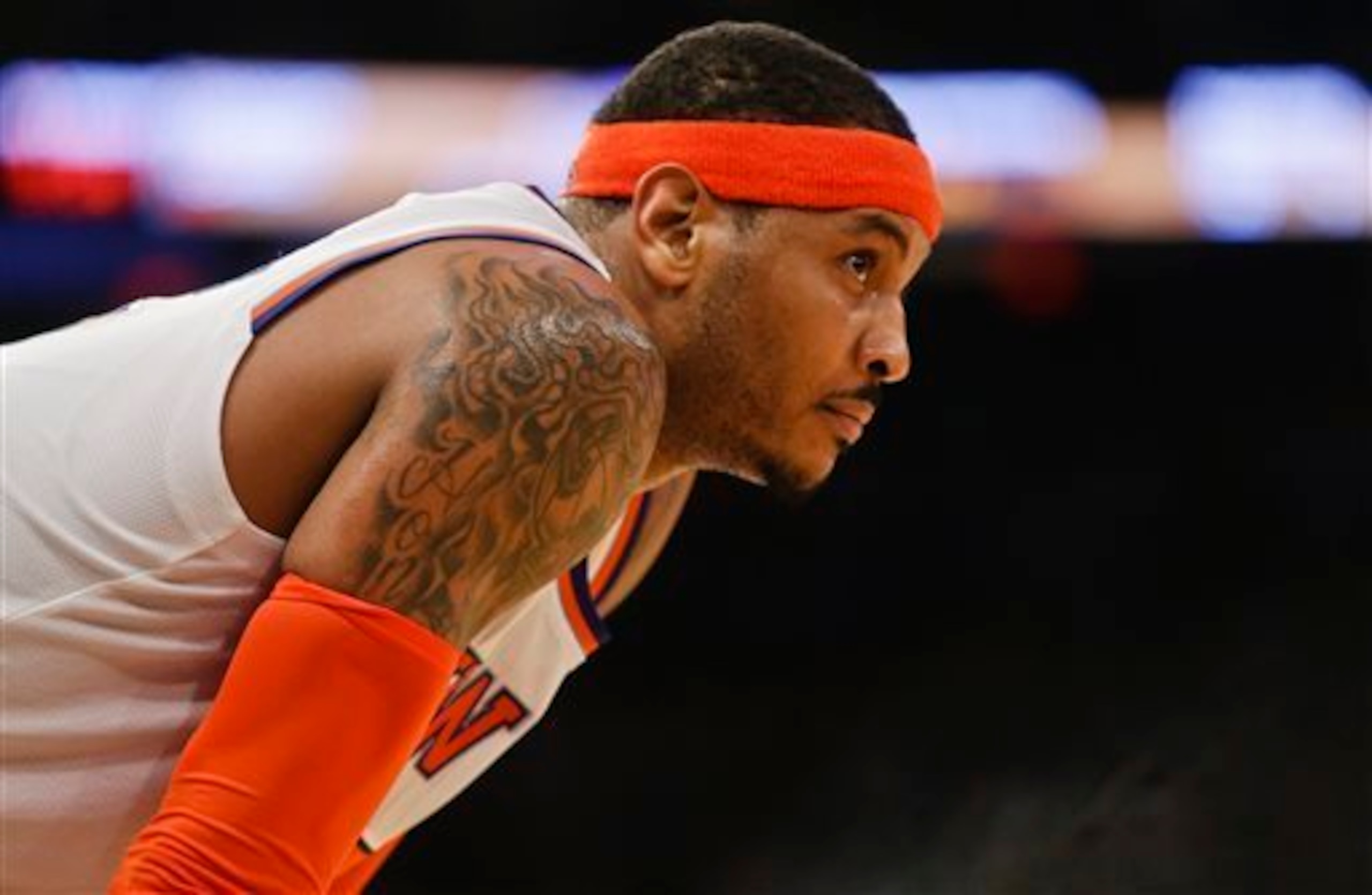
Good news: The New York Knicks don't have it as bad as the Nets.
That's small consolation, though, and the Knicks' current struggles to stay ahead of the bottom-dwelling Philadelphia 76ers in the East probably make it hard to accept any positive spin on their plight.
New York will see its books cleared this summer, enabling it to build a new roster under Phil Jackson's leadership. Unfortunately, the team is locked into Carmelo Anthony for five years, which is starting to look like a bad bargain with age (he's nearly 31) and health (lingering knee soreness) creeping into the picture.
Anthony has yet to prove himself as an ideal teammate or superstar attractor. If he's also declining physically, it might be difficult for the Knicks to put all of their forthcoming cap space (thanks, Amar'e Stoudemire and Andrea Bargnani!) to good use.
There's a chance the allure of playing in New York and the appeal of Jackson's 11 rings will still play well in the free-agent market. But it's a stretch to say the Knicks are a desirable destination based on their talent and current levels of success.
.jpg?w=2560 "NBA Gambling Charges")

Charlotte Hornets
4 of 6
The Charlotte Hornets have all their picks, almost no cash committed to 2016-17 salaries and a fresh new name to make everyone forget their old Bobcat ways.
The problem: Last year's playoff push is starting to look like more of an anomaly than a sign the very same guys who built those Bobcats have learned from past mistakes.
No team's performance this season has fallen shorter of expectations than the Hornets', and there's little reason to be optimistic about a turnaround. Lance Stephenson was a mistake, Kemba Walker is a middling talent paid like a top-end starter, and Al Jefferson can skip town by opting out of his deal this summer.
That's the team's core, by the way, and not one of them is safe to bet on as a cornerstone going forward.
The concept of "once a Bobcat, always a Bobcat" feels overly dramatic and probably not fair. But here the Hornets are, occupying territory in the standings that looks suspiciously familiar. And they've been led here by owner Michael Jordan and GM Rich Cho, who's been in charge since 2011, when the team went 7-59.
The books are clean enough to fix all of this with a big-name signing. Unfortunately, Charlotte has never been a destination for top-quality players. Jefferson and Stephenson were both short-term signings on deals below the maximum. The truly big get has always eluded the Hornets.
If you were around for the Larry Johnson-Alonzo Mourning Hornets, you know good basketball in Charlotte can be a whole lot of fun. We should all hope the Hornets figure this out, but based on this front office's track record, we probably shouldn't expect it.
Detroit Pistons
5 of 6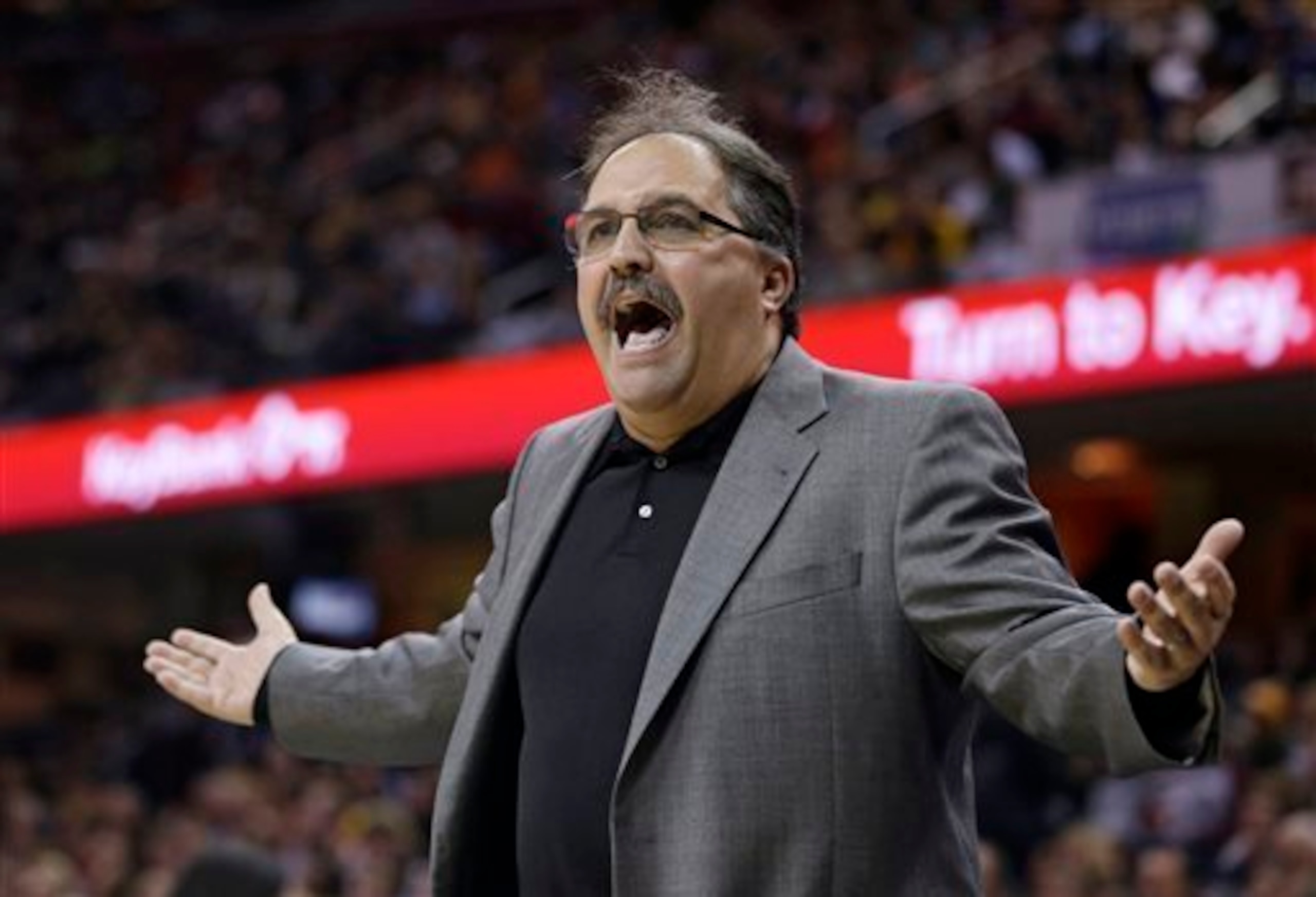
The Detroit Pistons have Andre Drummond to anchor the lane for years to come, which is a pretty good start. Even if they lose Greg Monroe to free agency this summer, an outcome perhaps made somewhat less likely by the unceremonious dumping of Josh Smith, the Pistons have one critical piece in place.
They also have head coach Stan Van Gundy, who showed his strategic chops in successful runs with the Miami Heat and Orlando Magic. Whether SVG the president is a help or a hindrance to SVG the coach remains to be seen, and that uncertainty should be a source of real concern.
It manifested itself in Van Gundy's explanation of why he didn't trade Smith sooner, per Vincent Goodwill Jr. of The Detroit News: "The reason nothing was done in the summer…you've got to know your team and players before you start shipping people around. At that point, I didn't know. And I didn't anticipate this."
Perhaps if there had been a division between coach and executive, this whole situation could have been avoided.
Per Michael Lee of The Washington Post: "Van Gundy, who took over as team president and coach last May, has proven to be a novice as an executive and is lacking that impulsive decisiveness required to clean up an increasing mound of clutter. If he can’t figure out how to handle both duties, Smith’s contract might outlast him."
That may be a bit extreme, and Detroit has played much better without Smith, which proves SVG made the right decision, albeit far later than he probably should have.
Still, Detroit is going nowhere this season, has its hopes pinned to the development of one still-raw project and has no other promising youth to speak of.
The Pistons need to get their upcoming lottery pick right.
Badly.
Los Angeles Lakers
6 of 6
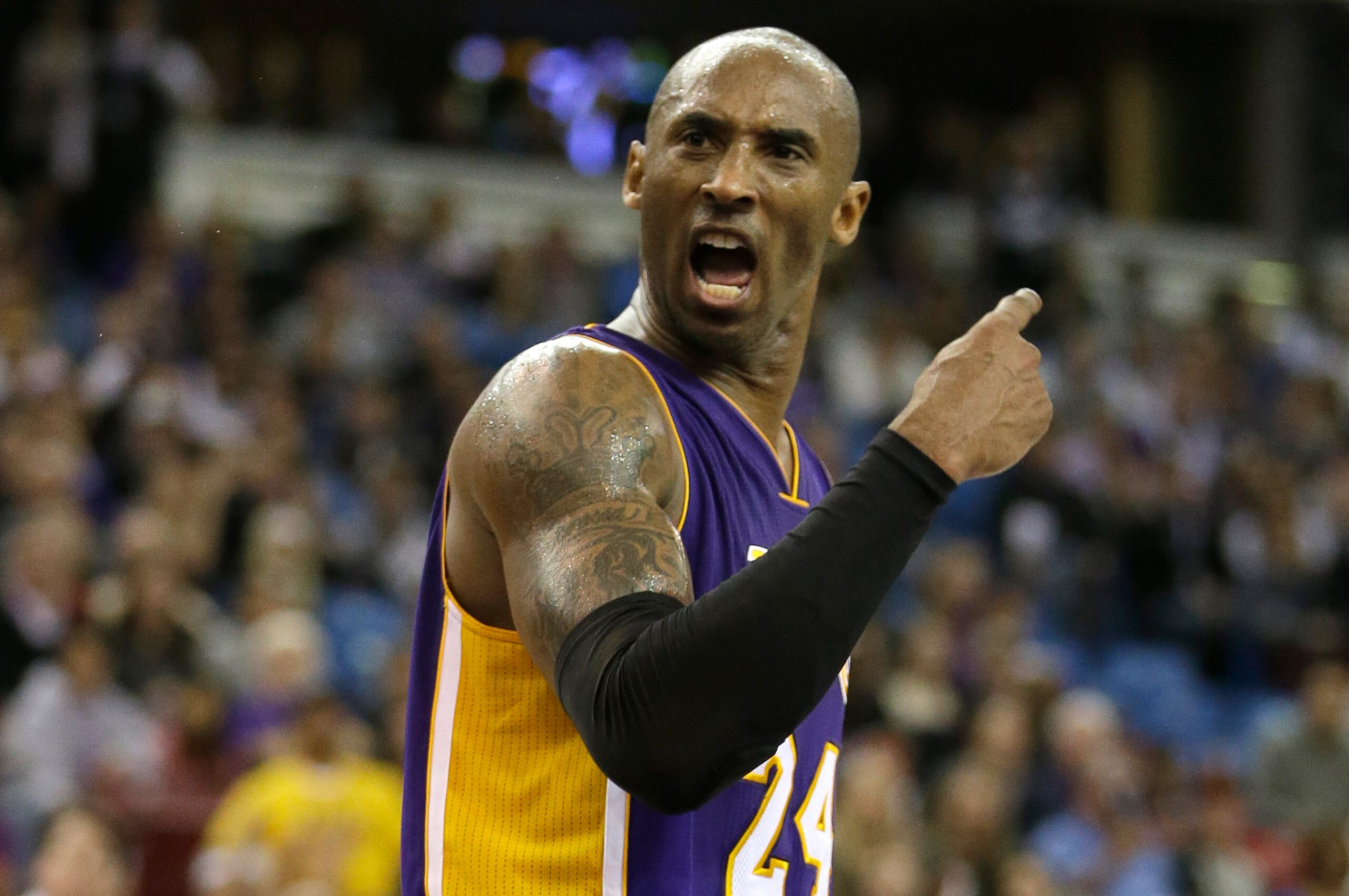
The common assumption is that the Los Angeles Lakers will build a fresh dynasty after one more year of Kobe Bryant-controlled limbo. The free-agent market of 2016 is robust, and L.A. has always been attractive to stars.
It’s unwise to expect such a quick fix, though.
Yes, Los Angeles is still a nice place to be a star. And sure, maybe free agents will be lured in by the attractiveness of joining a team with such a long legacy of success.
But assuming the Lakers will draw in huge names simply because they always have ignores the fact that the one constant throughout the organization’s success, Jerry Buss, is no longer calling the shots.
If you're of the opinion that Buss was among the all-time great executives in the history of sports, then assuming his passing won't affect the Lakers' future is an insult to his history of success. He mattered, and there's no compelling evidence that his children, Jim and Jeanie Buss, who are running the team now, will be as influential as he was.
The Lakers are locked in to a rough 2014-15, and they'll go through more of the same next year. If you're an optimist, that means they've got nearly two seasons to put a plan in place for the next era of the franchise.
If you're a realist, you're not confident that plan will be any good.


.jpg?w=2560 "Jonathan Taylor Landing Spots")

.jpg?w=2560 "Aikman Blasts Cowboys WR 🫣")