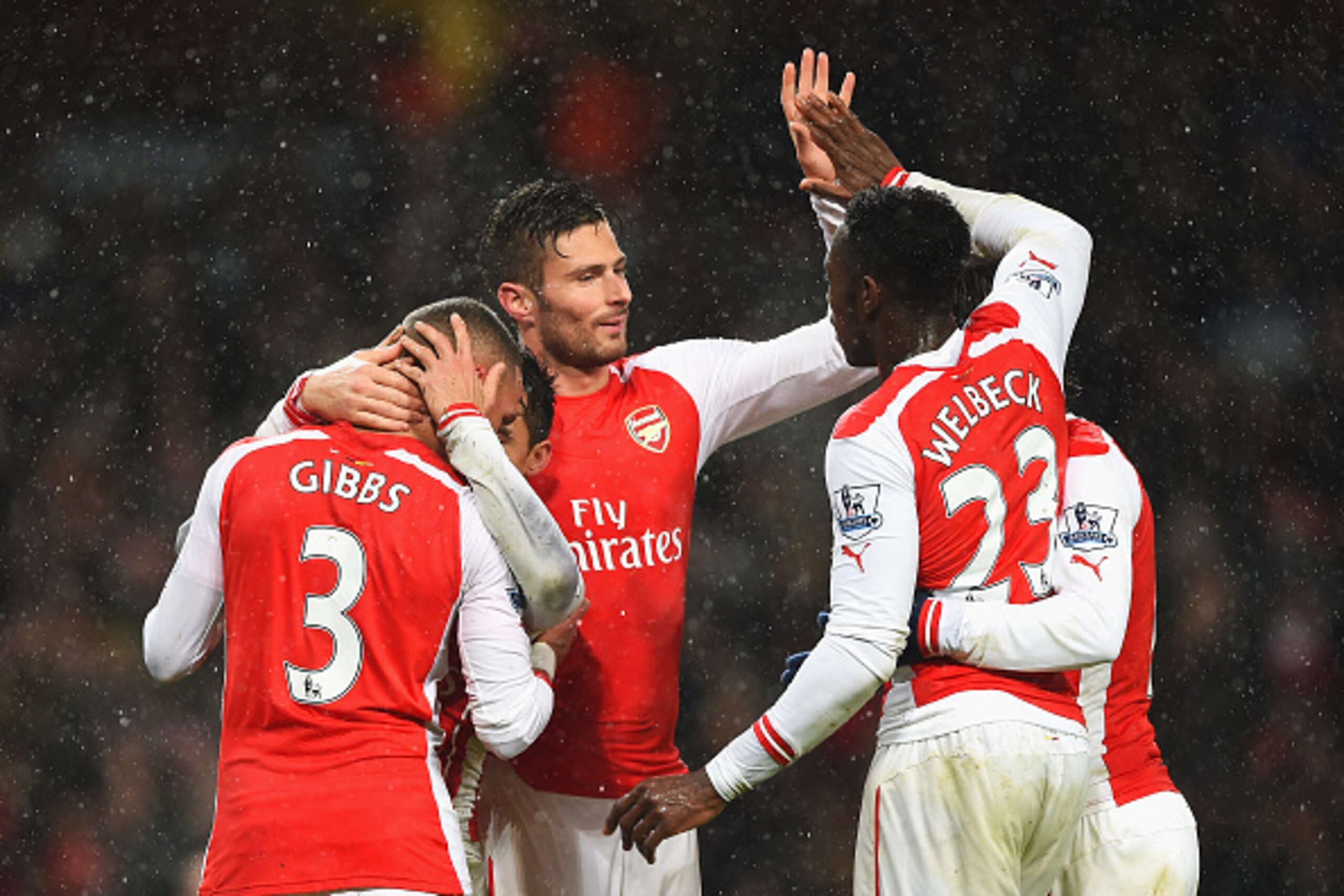

3 Reasons Arsenal Are Better in Europe Than the League
Arsenal have endured a roller-coaster season so far. In the league, they've underwhelmed to say the least. They find themselves sixth, and already 15 points adrift of Chelsea in first. At this point last season, they were second on goal difference and nine points better off. Despite the additions of Alexis Sanchez and Danny Welbeck, it appears they have taken a step backward.
In the league, that is. For one of the most perplexing features of Arsenal’s season thus far has been their considerably better form in the Champions League. Aside from their opening defeat away to Dortmund and the last half an hour against Anderlecht at home, the Gunners were efficient, ruthless and exhibited some vintage Arsene Wenger passing football.
Frustratingly for the fans, Arsenal have been unable to translate this to their domestic games. This list sets out to explore the three main causes for this, in terms of both on and off-field factors.
Premier League Getting Wise to Wenger's Ways
1 of 3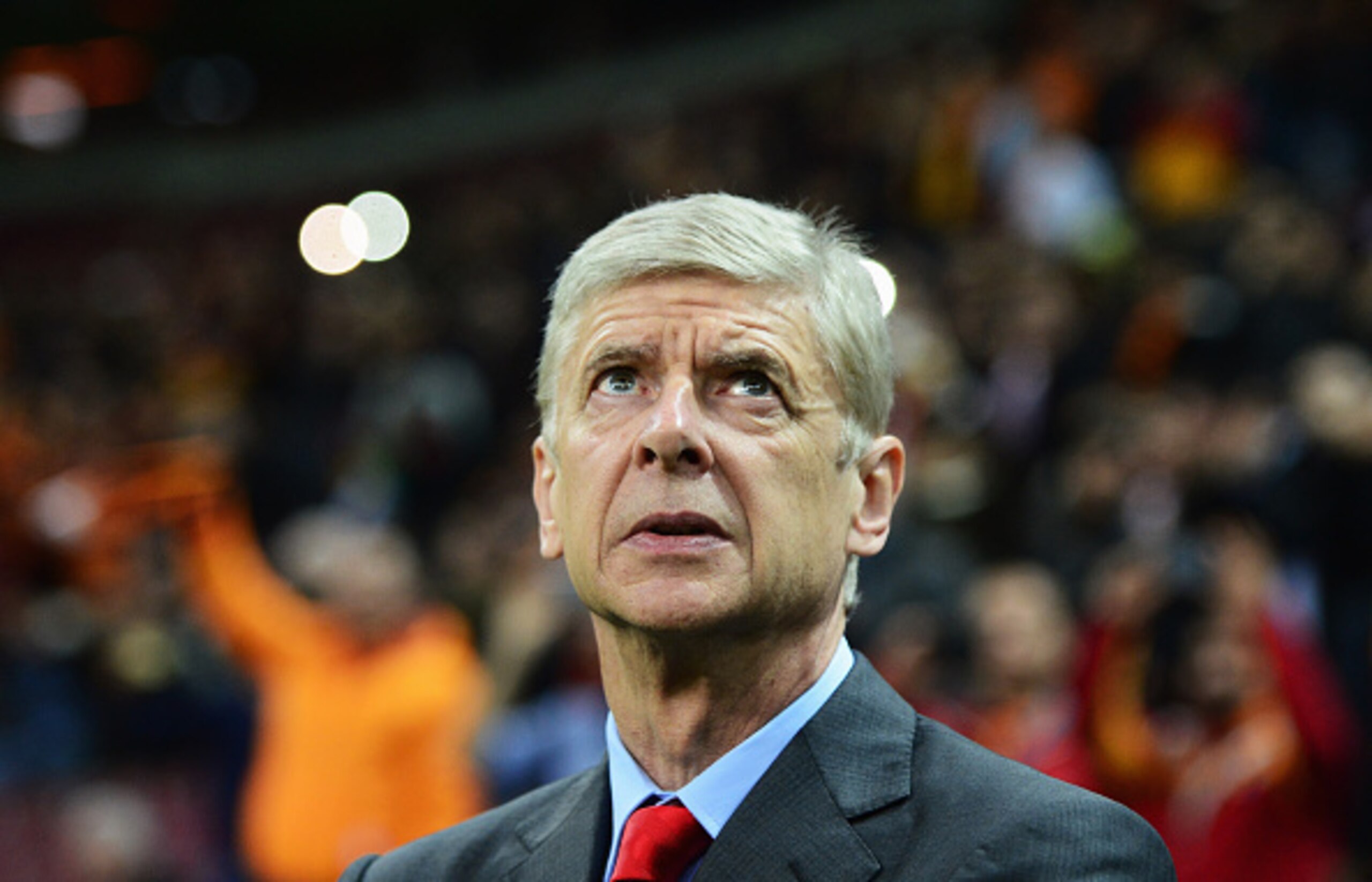
Wenger's record as Arsenal manager shows a textbook example of diminishing returns. His first nine years at the club were wildly successful, as he won seven major honours. However, in the last nine years, he has won just one.
This decline is attributable to various factors, but one of the major causes is simply familiarity. Wenger is tactically flexible—the club have utilised three different formations this season alone—but his overriding philosophies are now so entrenched in English footballing knowledge that they've even been subject to sitcom parody.
While they still offer moments of breathtaking effectiveness, there's no denying that teams in the Premier League have benefited from years of familiarity with Wenger's short-passing game and patient build-up.
Even with the likes of Yaya Sanogo and Olivier Giroud capable of playing the part of target man up front, teams can rest easy when setting up against the Gunners, safe in the knowledge that the aerial route is unlikely to be exploited. European opposition have simply had fewer games to become accustomed to the intricacies of Wenger's systems.
Pace Suited to Champions League
2 of 3
The Premier League is a famously tough league for continental European players to acclimatise to, due to its blistering pace and uncompromising physicality. A look back at the most successful sides in the Premier League reveals a ubiquity of pacey players, and in recent years, lightning counter-attacks have been a predominant feature of title-winning teams.
While Arsenal are blessed with quick players—notably Theo Walcott, whose lengthy absence has lowered the side’s average speed considerably—they rarely make use of them as effectively as they could.
Once again, this comes back to Wenger's philosophy, which favours a measured build-up and the methodical recycling of possession rather than a more gung-ho approach. The sight of Arsenal toiling to break down weaker sides who simply put all of their players behind the ball has become all too familiar in the Premier League.
In Europe, given the nature of cup competitions, their opposition tend to be less reticent when it comes to attacking and lack the drilling and discipline to stand their ground for 90 minutes.
The Differences in Pressure
3 of 3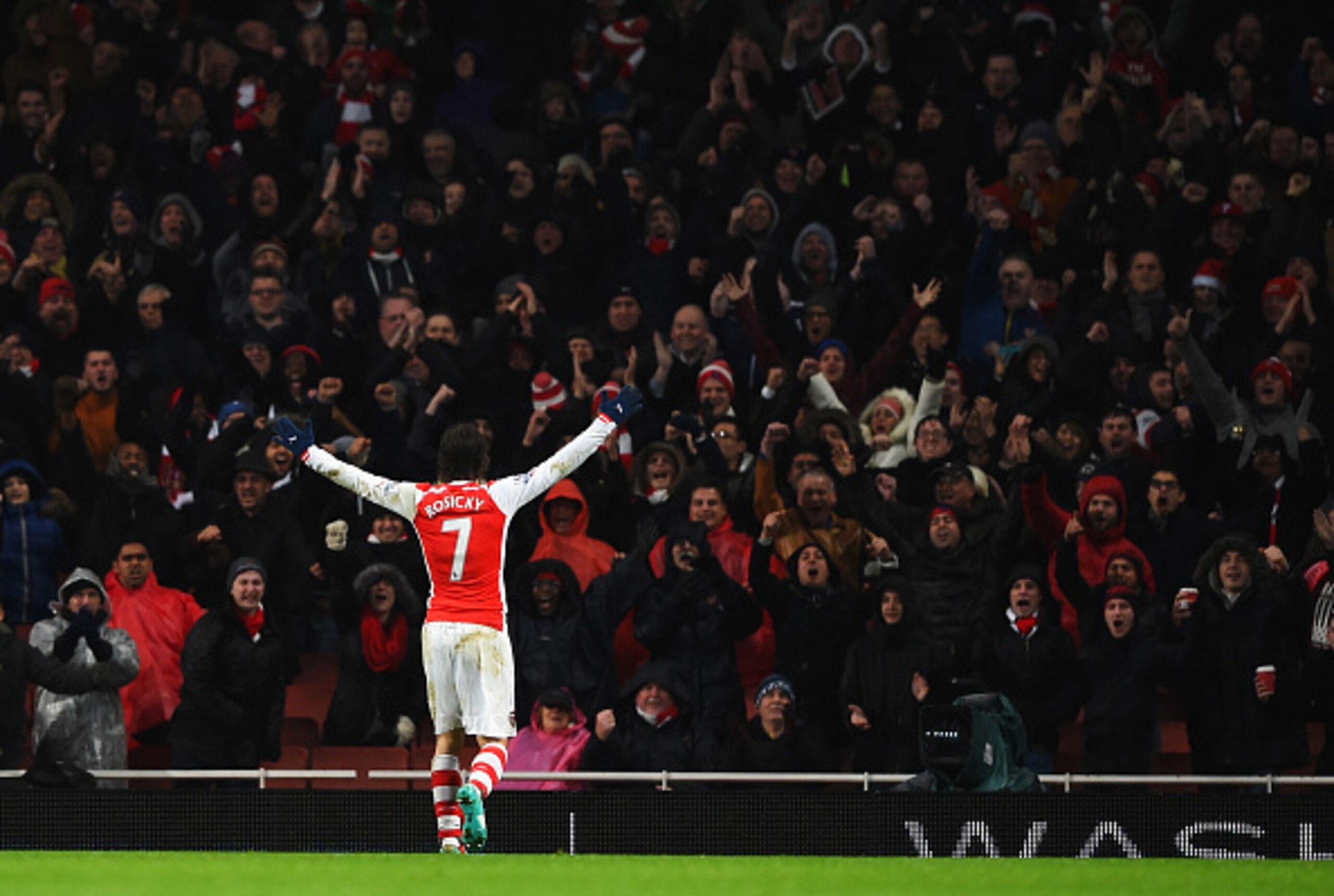
Finally, the biggest off-field factor contributing to the disparity between Arsenal’s form in England and abroad is undoubtedly the pressure the team faces.
As has already been mentioned, prior to their success in the FA Cup last year, the Emirates faithful had endured nine long, trophy-less years. The dearth of success in the league was somewhat understandable, given the financial clout of the two Manchester clubs and Chelsea, but their knack of remaining in contention until the last before falling away was galling, and served to raise expectations rather than cool them.
An unfortunate side-effect of the club’s admirable policy of looking to their youth teams rather than to expensive transfers is the relative inexperience it has fostered in the squad. Prior to the FA Cup win, many vital players like Jack Wilshere had never won a major honour, and the pressure was undoubtedly felt more as a result.
A slightly peculiar footnote of the club’s repeated success in qualifying for the Champions League is that they were essentially celebrating getting into a competition they had no expectations of winning. The status of underdogs in Europe, particularly in the knockout stages, has undoubtedly bestowed an added freedom on the team, even if it has yielded similarly disappointing results overall.



.jpg?w=2560 "NBA Gambling Charges")


.jpg?w=2560 "Aikman Blasts Cowboys WR 🫣")

.jpg?w=2560 "Jonathan Taylor Landing Spots")