

Deron Williams Trade Would Be Another Mistake for Directionless Sacramento Kings
When word broke late last Sunday that the Sacramento Kings had dismissed head coach Mike Malone—despite the team’s surprising 9-5 start, despite DeMarcus Cousins having been sidelined with a bout of viral meningitis—there was at least this one benefit of the doubt:
Maybe Vivek Ranadive and the rest of the Kings front office knew something we didn’t.
A week later, the team’s reported interest in trading for Brooklyn Nets’ point guard Deron Williams has instead brought us back to a far more familiar stance: This team—still, and after all these woebegone years—just has no idea what it’s doing.
TOP NEWS

Pic of LeBron's Helicopter Commute 🚁

Duren Calls Out 'False' Rumors

NBA Power Rankings Entering Preseason 🔢
As ESPN’s Mike Mazzeo and Ohm Youngmisuk have noted, the two sides remain far apart on what a potential Williams deal might look like. Still, the fact that Sacramento is even considering bringing the oft-injured, 30-year-old war-horse into its already fractured fray—and at $60 million-plus over the next three years—should sound alarms aplenty amongst the King’s loyal but beleaguered fanbase.

Four years ago, Williams would’ve been a marked upgrade over just about every other point guard in the league. But unless Ranadive has a secret cellular repair machine hidden in some Sun Microsystems storage unit, even the argument that Williams is somehow better than current point guard Darren Collison right now—“in a vacuum,” one might say—is far from ironclad:
| Player | Points | Assists | PER | 2014-15 Salary |
| Deron Williams | 15.6 | 6.8 | 17.0 | $19.8 million |
| Darren Collison | 15.6 | 6.1 | 18.0 | $4.8 million |
One of the common refrains sounded by Sacramento’s ownership over the past year-and-a-half involves a steadfast desire to recalibrate the Kings along more helter-skelter, improvisational lines.
“We’d like it to be more up-tempo,” Ranadive confided in an interview with TrueHoop’s Jared Dubin last March. “We have a lot of young guys on the team. I want to basically play a new brand of position-less basketball. I want to have these super-athletic, young guys that can run and feel out the game.”
What Ranadive is seeking, in his own words, is a “jazz director,” someone who can set the tone and tempo for, rather than dictate not for note, the team’s musical movements.
That’s a fine philosophy to have, of course. The problem comes when one tries to square what the team wants to be—riveting, risky, revolutionary—with the pieces at its disposal.
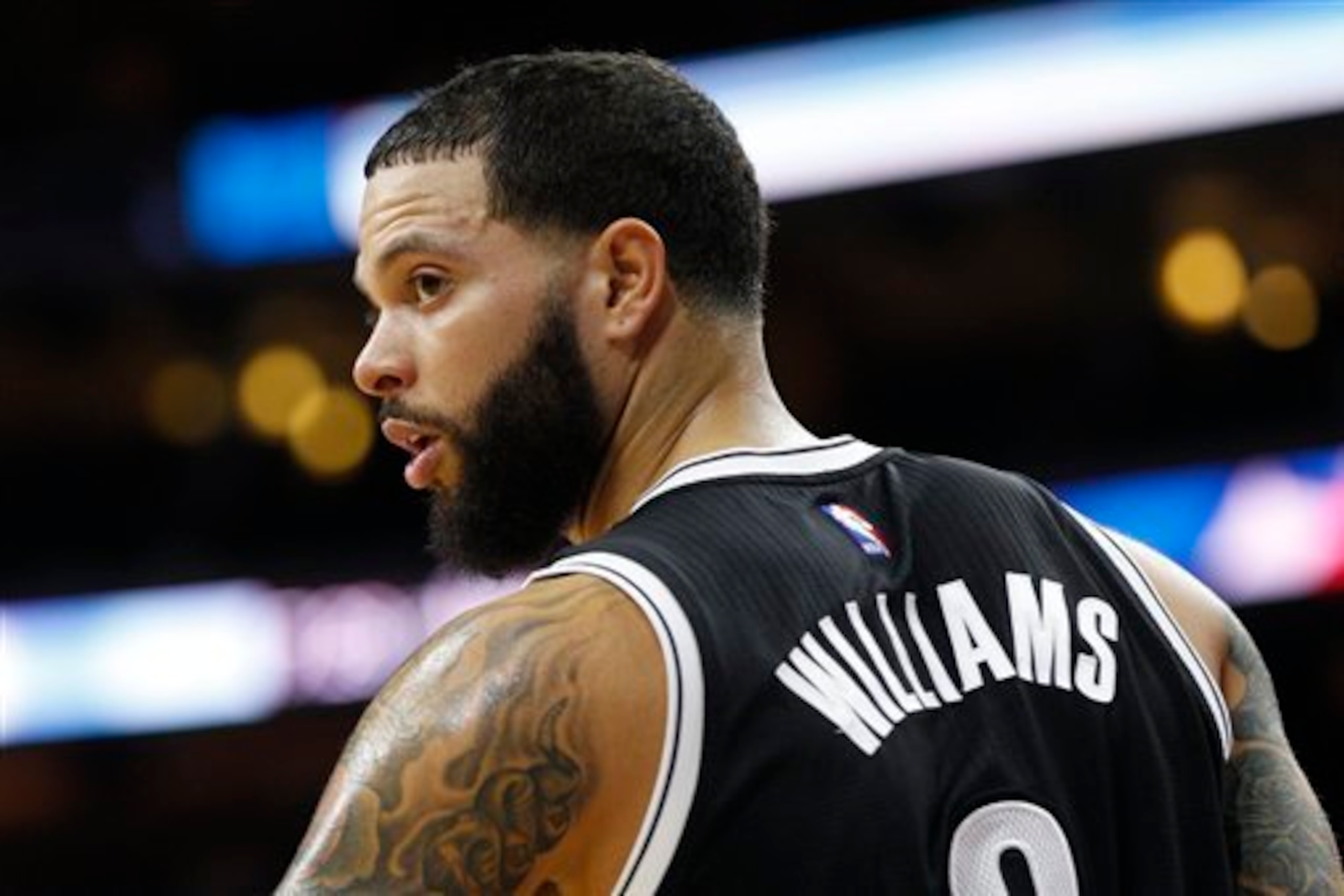
Take the Kings’ current target. In the nine years since he first entered the league, no Williams-led team has finished higher than ninth in overall pace (the 2008-09 Utah Jazz). That’s not to say Williams isn’t capable of ratcheting up the tempo. But at his age and with the type of talent he’d be teaming with in Sacramento, neither is it the most promising of prospects.
If, as some have suggested, the Kings’ decision to dismiss Malone after an 11-13 start was rooted primarily in philosophical differences, why then hand the reins to assistant Tyrone Corbin—a man who never so much as finished in the top half in overall pace during his three moribund seasons at the helm of the post-Jerry Sloan Utah Jazz?
Speculation abounds as to who might ultimately replace Corbin, with Chris Mullin—a top adviser to Ranadive who has lobbied for an overhaul of the Kings offense—being mentioned as the franchise’s eventual figurehead, despite Mullin’s denials (per ESPN’s Chris Broussard).
Whoever Ranadive and his team ultimately tap, turning the Kings into a respectable, sustainably competitive team must be done with the team’s now-and-future cornerstone, All-Star center Cousins, squarely in mind.
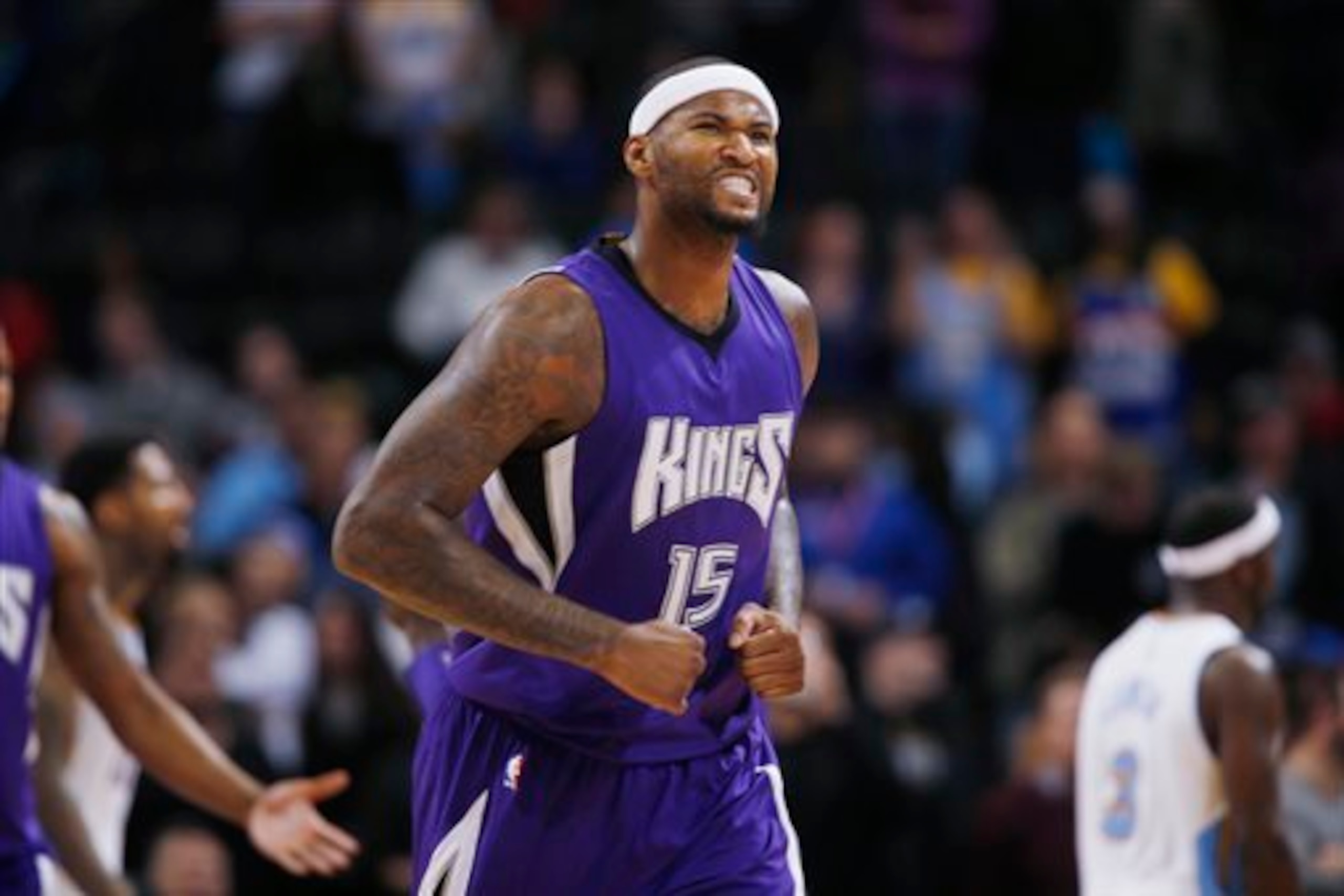
Indeed, Cousins’ emergence as the league’s best low-post big man necessarily limits what the Kings are able to do from an offensive perspective. For all his undeniable gifts, Cousins isn't Anthony Davis in the open court, casually loping in for a dunk from half court off two dribbles like some mythic space gazelle.
Not that that’s a bad thing; Sacramento can and should make Cousins the focal point, functionally as well as philosophically. He's that good.
And yet here Ranadive stands, oscillating between talk of placing a heavier emphasis on analytics—an entirely sensible position—with hair-brained ideas like playing “four on five” defense as if he’s coaching a fourth-grade parks and recreations team.
Beyond-the-box thinking is one thing. But when superficially revolutionary ideas become coupled with basketball transactions that make little practical sense, such philosophical ambition risks coming off as so much hardwood histrionics.
From a recent piece by Patrick Redford, written for ESPN TrueHoop’s True Cities series:
"The idea that Ranadive will force the Kings to play 4-on-5 with a cherry-picker is a paper tiger, an easy target that’s been blown out of proportion, but it’s a signifier of how he sees the league. Rather than focus on acquiring the best players he can and hiring a coach to spin them into a functioning unit, he is concerned with acting as chief visionary, and that’s the central tension of the Sacramento Kings. In a vacuum, looking toward the future and refusing to settle are beneficial organizational strategies. But centralizing capital-I Ideas at the expense of the actual basketball team can be detrimental. Instead of asking 'How can I put DeMarcus Cousins in the most efficient structure I can?' Ranadive is asking 'How can I change the fabric of basketball?'
"
Taking on a $60 million past-prime Williams is not changing the fabric of basketball. Suggesting your coach send a player to cherry-pick on defense—an act of such glaring gall that the NBA would have no choice but to institute an immediate emergency rule change anyway—will not change the fabric of basketball. Firing a coach who managed to plant your team in the playoff hunt despite losing a top-10 talent: not changing the fabric of basketball.
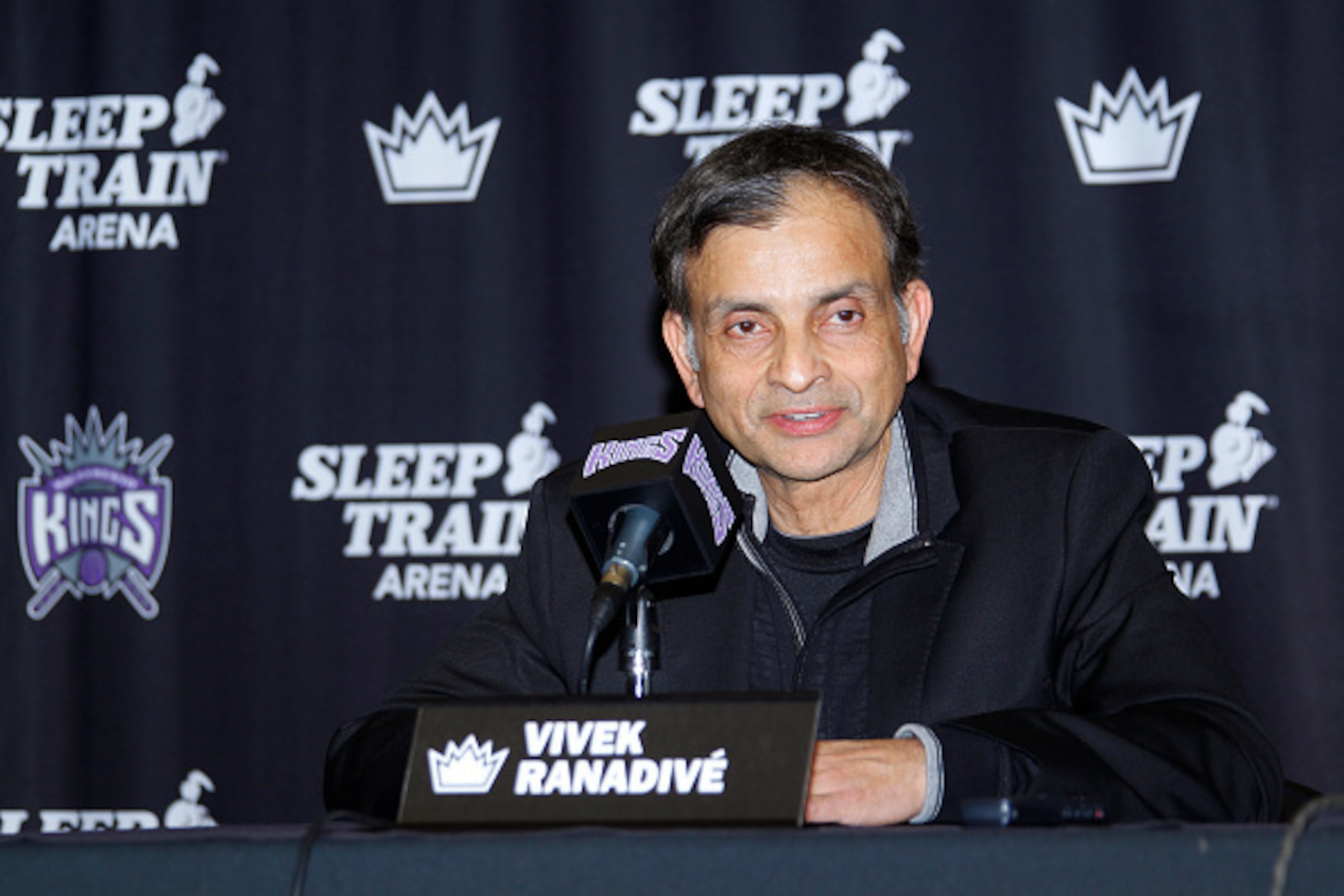
Changing the fabric of a long-wayward organization? Rendering a roster in furious flux into a harbinger of hope and stability? Reenergizing one of the league’s greatest, most gregarious fanbases, to turn Sleep Train Arena into a blaring cowbell hell for visiting foes? These are attainable goals.
Attainable, that is, so long as the promising whispers whistled from one corner of the mouth aren’t drowned out by the opposite's belligerent bellows.
Trading for Deron Williams might well deliver Ranadive from the public relations disaster unfurled before him—at least temporarily.
Sooner or later, though, the move is bound to become exactly what it seems on the surface: the desperate dealings of a front office for which sound and fury seem to signify everything.
.jpg?w=2560 "OBJ Calls Out Giants After Release")



.jpg?w=2560 "Saquon Out for Game")