

It says a lot about the NBA's Eastern Conference when the best compliment we can pay it is painfully backhanded.
Nice work, East; the Grand Canyon between you and the West didn't get noticeably grander this season.
If the league can avoid the temptation of mass organizational reform and exercise a little patience instead, there's a good chance the chasm could actually narrow...eventually.
TOP NEWS
.jpg?w=2560 "NBA Gambling Charges")
Malik Beasley Negotiating Plea Deal (AP)

Yaxel: Luka Not MJ 🗣️
Knicks, Spurs On Wrong Side of History
Faint praise, sure, but better than what we were saying about the East-West divide at this time last year, when B/R's Howard Beck wrote this about the lack of conference parity:
"Your thesaurus is inadequate. Your guide to idioms, insufficient. No single word or phrase can properly capture the sudden, inexplicable hideousness of the NBA's Eastern Conference, so please do not bother trying. You will run out of cliches before you run out of bad teams. Yes, things are that dire.
"
The East ultimately put just one sub-.500 team into the playoffs last year, which was far less embarrassing than what would have happened if the season had ended when Beck wrote his treatment on the East on Dec. 3, 2013. Then, there were just two teams in the conference—the Indiana Pacers and Miami Heat—with winning records.
The West, of course, was the vastly superior conference throughout the 2013-14 campaign—just like it's been this year. Through most of last season, the No. 9 team in the West had a good enough record to secure a top-four seed in the East. And when the year ended, the 48-34 Phoenix Suns watched the playoffs from home...while only the Heat and Pacers had more wins in the inferior conference.
If the playoffs started right now, the Oklahoma City Thunder, Phoenix Suns and Sacramento Kings would be in the lottery. All of them have higher winning percentages than the No. 8 Brooklyn Nets in the East.

Putting wins and losses aside, catch-all metrics indicate the gap is relatively unchanged.
Seven of the NBA's top 10 net ratings reside in the West right now, per NBA.com, which is exactly how the full-season numbers from 2013-14 worked out.
Not surprisingly, every one of the West's current top eight has a winning record against the East this year. There are just four Eastern Conference teams with winning records against the West.
Quantitative information on the disparity shows the East is probably as impotent as it was a year ago. But the perception that the West's quality—especially in terms of truly elite teams—is so much greater is more pervasive than ever. Think about it: When's the last time you read anything about the West's potential playoff race, top contenders or postseason matchups without seeing a reference to how difficult the road through the conference will be?
We attach the "brutal" descriptor to the West so often that it might as well become part of the official name: The Brutal Western Conference.
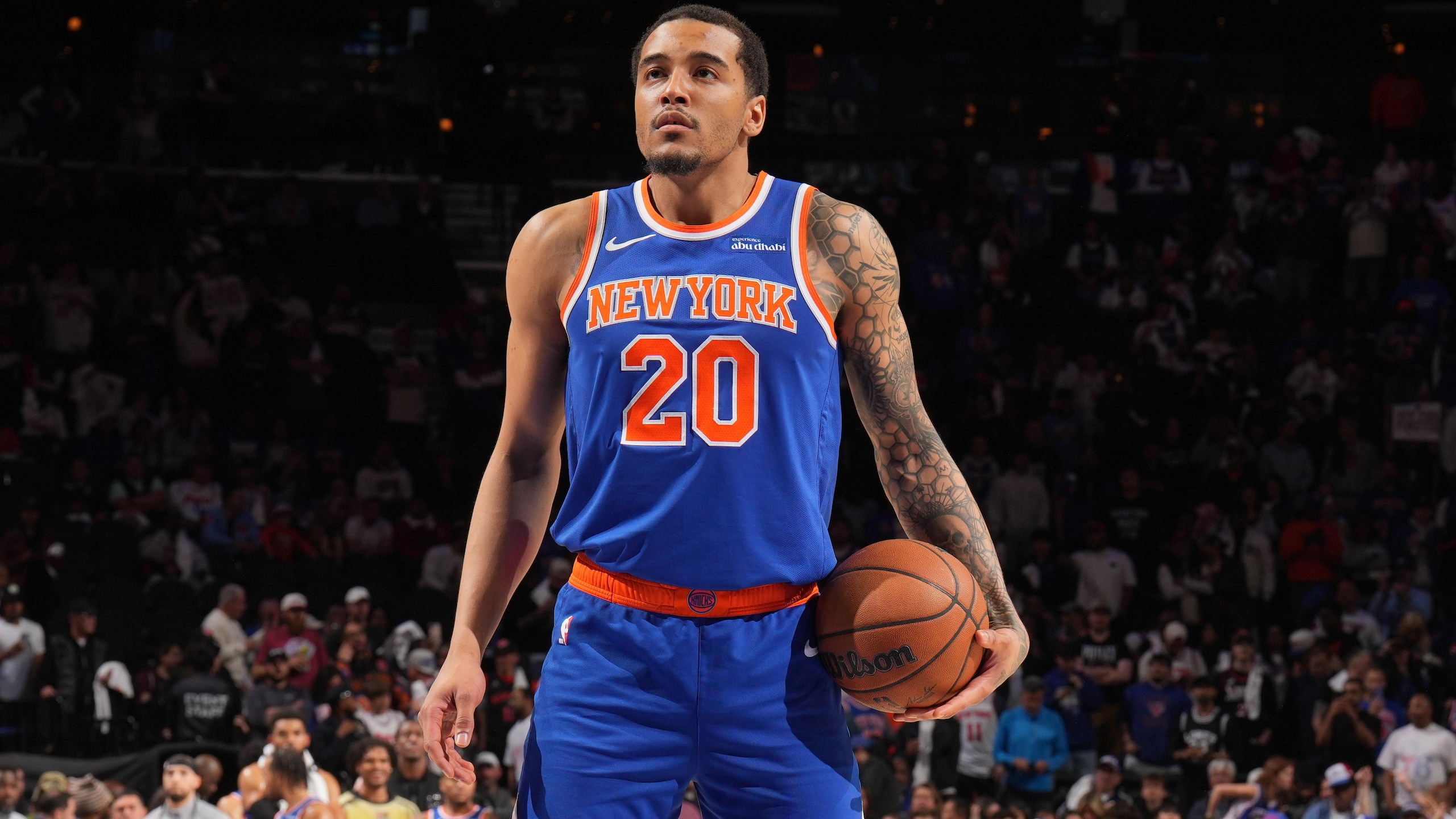
Part of the problem may be that the teams many suspected would bolster the quality of the East have fallen flat. The New York Knicks, Charlotte Hornets, Detroit Pistons and Nets have all been disappointments. Though Brooklyn is currently in playoff position, it's still comfortably below .500 and talking about a fire sale...not exactly markers of real quality.

In fact, all four of those once-hopeful squads are closer to being sellers than buyers as trade talks start bubbling around the league.
So, the East isn't great, and the West definitely isn't getting any worse. It's easy to understand the desire to make wholesale changes in an effort to bring the two conferences closer. That's probably a desire that should be resisted, though.
Can We Fix This? Should We?

There are a couple of corrective courses of action available.
Conference realignment has been a discussed plenty this season, most notably by Dallas Mavericks owner Mark Cuban. Per Tim MacMahon of ESPNDallas.com, Cuban's plan would send the Mavs, San Antonio Spurs, Houston Rockets and New Orleans Pelicans to the East. The Chicago Bulls, Pacers, Pistons and Milwaukee Bucks would replace them out West.
"It's not like it'd be the first time we've ever realigned," Cuban said, per MacMahon. "It's happened many times before, so there's precedent and I just think it shakes things up and makes things interesting."
Replotting the map as Cuban suggests would even out the balance of NBA power in the short term, sending three terrific teams and the best young player on the planet, Anthony Davis, to harden the soft East. But it would come with concerns about travel, season length and the devaluation of long-standing rivalries.
More broadly, the danger in making sweeping changes is that the balance of conference power could swing wildly in the other direction a few years down the line, creating a similarly lopsided landscape. At that point, is another realignment the answer? The ripple effects would be difficult to predict, and there's already a system in place (the lottery) to maintain balance over the long haul.
If such a rearrangement feels drastic, the concept of eliminating conferences altogether and balancing out the schedule so every team plays opponents an equal number of times is even more extreme—and doubly fraught with complications.
"Several front-office executives suggested a system in which teams play each opponent three times, but that amounts to a monster 87-game schedule with some home/road imbalances. Slashing the preseason would allow for those extra five games, but with all we know now about rest and fatigue, suggesting more games feels wrong—even if it means more money for everyone.
"
The gentler, perhaps better alternative to major change is easy: Just wait.
The NBA lottery rewards bad teams with top picks, theoretically funneling the best young talent to those that need it most. It's an imperfect system, sure, but it's not a bad one. Over time, enough high lottery picks ending up in East cities will help.
Based on the Bucks' resurgence this year, spurred in part by rookie Jabari Parker (before his season-ending injury), the process sometimes works quickly.
The draft can't change the allure of established winners and warm-weather cities that draw free agents west, but unless there are significant changes to the NBA's collective bargaining agreement, it will continue to be easy for East teams to retain their lottery picks.
The ability to pay more on rookie extensions has kept the likes of John Wall, Kyrie Irving and Paul George in conference, and we should expect that trend to continue.
The East still lags miles behind the West in both overall talent and championship-contending quality, but there are small signs that's changing. The Bucks are better, and the Wizards and Raptors have taken steps forward. The seeds of a superteam are present in Cleveland, and the Bulls are as deep as ever. Of course, the Heat and Pacers have fallen off this year, so you could argue teams on the rise have just replaced those on the decline, maintaining a sad equilibrium.
Lottery picks have been piling up in Orlando and Philadelphia for a while, and the Knicks will soon be rid of some albatross contracts, free to spend again.
It's hard to look at the disparity now and preach patience, but nothing lasts forever.
The East shall rise again.




.jpg?w=2560 "Aikman Blasts Cowboys WR 🫣")
.jpg?w=2560 "Jonathan Taylor Landing Spots")