Latest Loss Shows Miami Dolphins Must Clean House, Fire Joe Philbin
Joe Philbin spared Miami Dolphins fans the same heartache that came with his team's collapse at the end of the 2013 season, as he pioneered the ship far too deep into the abyss before Miami could fall flat on its face in the final two weeks like last season. Now at 7-7, Miami has undoubtedly proved that the progress owner Stephen Ross demanded in the offseason is nonexistent.
The worst part of Philbin’s Dolphins is that they’re the ultimate tease; they crumble when real adversity hits. Flashback to their matchup with the Denver Broncos for a second; Miami led 21-10 with 1:54 left in the first half, en route to a potential 7-5 record and a firm grasp on the AFC Wild Card.
.jpg?w=2560 "Titans Giants Football")

But Miami couldn’t hold it together, and it’s been mostly downhill since that moment against the Broncos, as the Dolphins have dropped three of their last four games. The one victory wasn’t even something to be overly proud of; Miami beat a New York Jets squad that has all but quit on its head coach and is destined for a top-10 pick in the NFL draft.
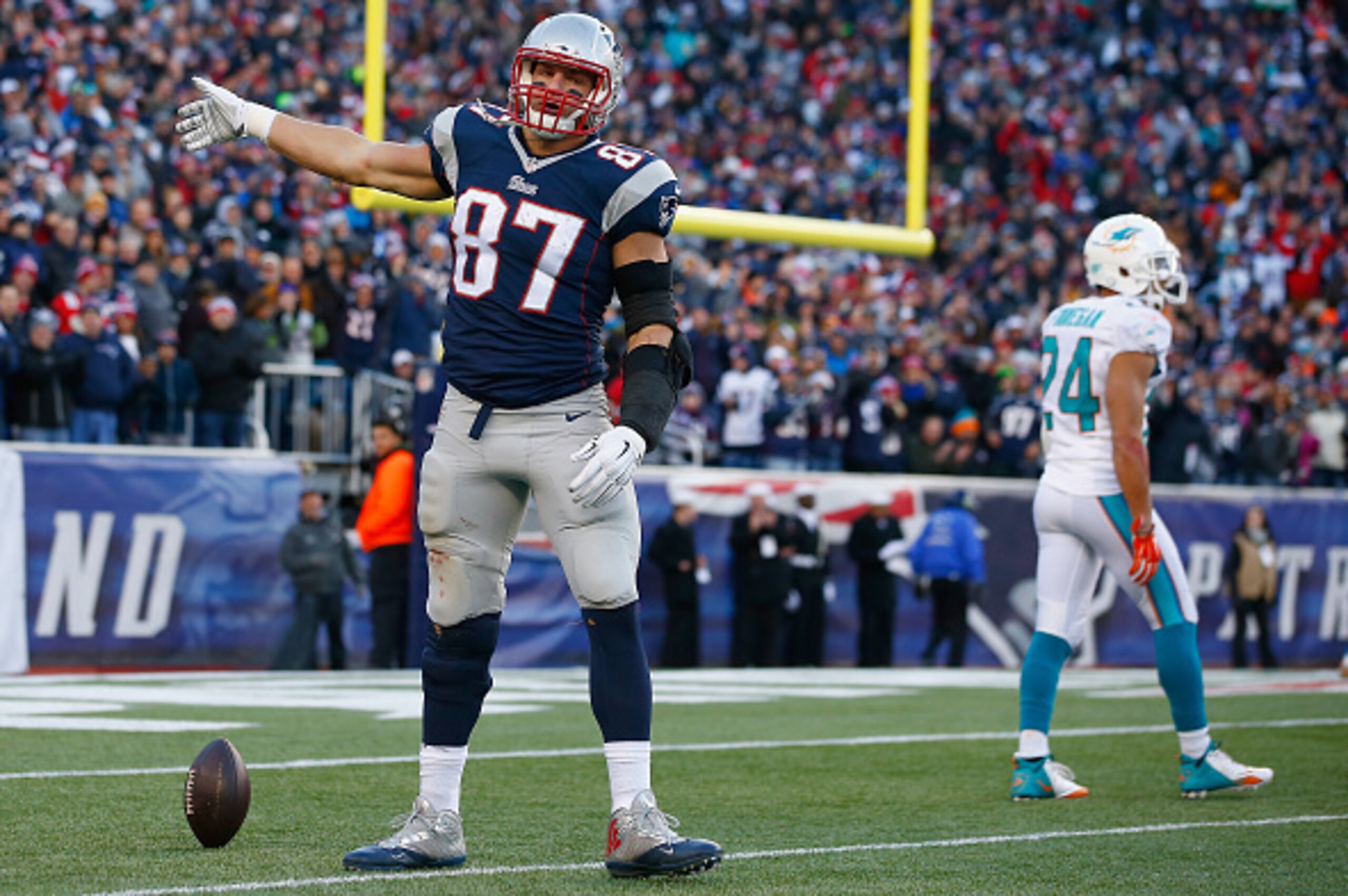
When faced against a potential playoff team, the Dolphins withered in the spotlight far too often. Miami was able to shock the football world in Week 1 against the Patriots, but as seen on Sunday, having Rob Gronkowski makes New England a much more dangerous team. The Dolphins beat the San Diego Chargers 37-0, but that was by far and away the most impressive victory of the season.
Of course, looking at the Dolphins’ losses, they all feature the same issues. The defense folds in the second half and allows the opposition to control the clock and convert third downs with ease. On offense, Miami forgets there is a running back averaging 4.8 yards a carry in the backfiel, and attacks defenses by dinking and dunking.
It’s also impossible to forget Philbin’s terrible clock management skills, as he tends to save his timeouts to use when the opposing offense is driving for a score. Sunday featured Philbin’s greatest coaching moment when he got aggressive before the half and called his three timeouts when the Patriots were trying to run the clock out. Miami got the ball back with 11 seconds remaining and capitalized with a beautiful touchdown pitch and catch from Ryan Tannehill to Mike Wallace.
Unfortunately, it took Philbin until his 46th career game as a head coach to get aggressive, and his lifetime record of 22-24 clearly shows that he is not the man to lead this franchise any longer. The manner in which the Dolphins have played and operated in the past two-plus seasons is more disturbing than the lack of actual progress.
It’s predictable how a Dolphins game will play out under Philbin. You can count on a slow start, where the team seems unfocused and as if they hadn’t game-planned for their opponent’s strongest plays. Multiple opportunities are usually blown via execution, such as penalties that indicate poor discipline, dropped passes or poor situational play-calling.
Despite the personnel failures that have come at wide receiver, right tackle, linebacker and other various positions, Philbin refuses to insert backups who have either proven themselves elsewhere (Jason Fox) or a young player who needs a chance to prove his worth (Billy Turner, Rishard Matthews, Matt Hazel).
It’s Philbin’s reluctance to make changes that has suffocated the franchise into this position. Miami’s game plans rarely differ from one week to another, and the same results continue each week. This leads to the next issue that Philbin has had as a head coach: He hasn’t built a good enough staff around him.
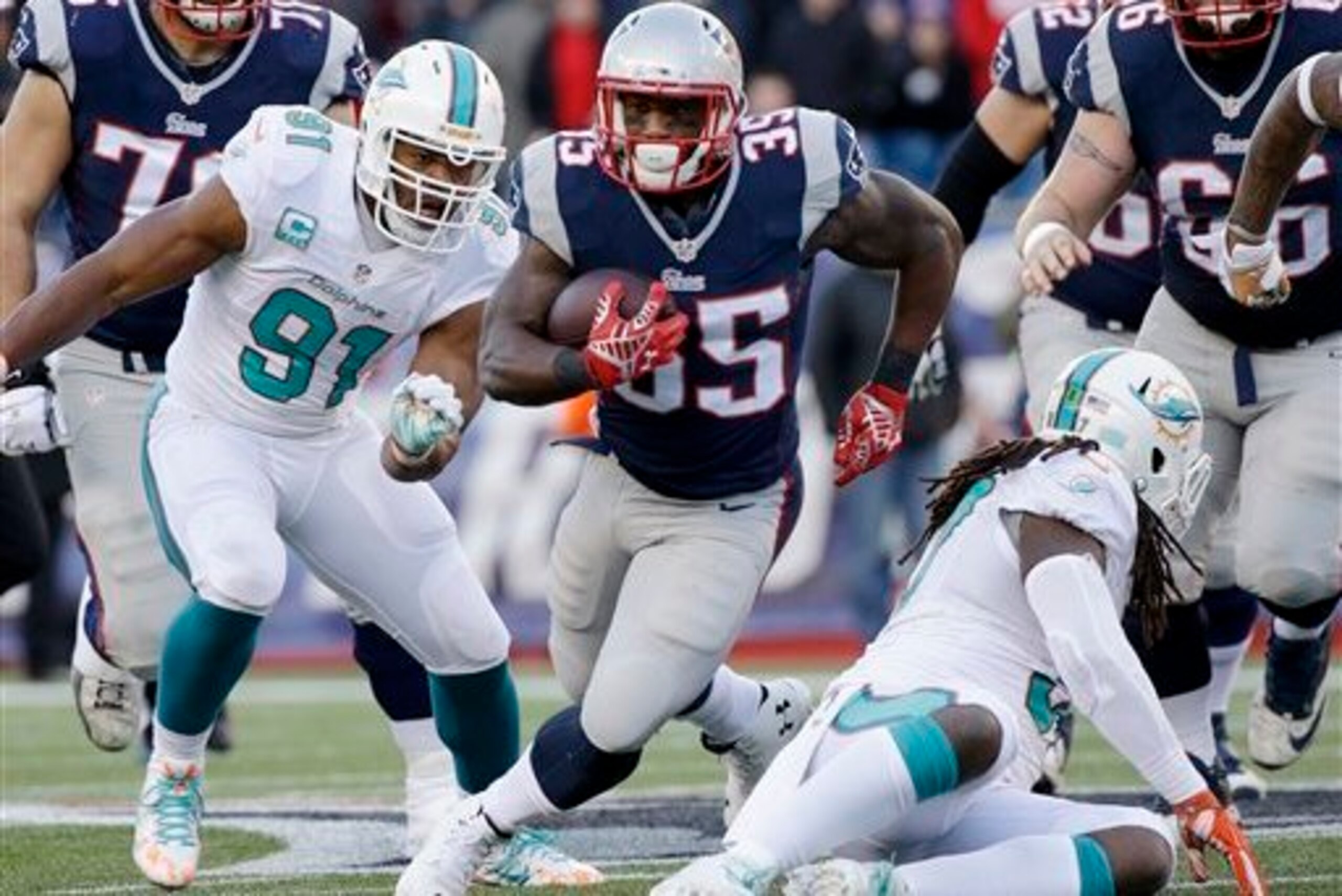
Defensive coordinator Kevin Coyle rode the explosive start to the season from his defensive front four for 10 games, and it made everyone overlook late collapses against the Packers and Lions, as well as the games where the defense couldn’t get off the field (see Week 2 and 3 against the Bills and Chiefs, respectively). But the unit has been exposed, as the defensive line has looked physically exhausted since Week 12.
To counter the ineffectiveness up front, how has Coyle responded? More press coverage? Nope. What about using more versatile linebackers who can cover better? No again. Miami continues to primarily run Cover 3, which exposes their linebackers to crossing pattern responsibilities. Offenses expose this with ease every week, because once they see the slot receiver back off of coverage, they just have to wait until the receiver is even with Koa Misi or Philip Wheeler, and it’s an easy first-down completion.
In the past six weeks, Miami’s defense has allowed an average of 5.6 yards per play. If that mark lasted the entire season, they’d rank as the seventh-worst defense in the league in that regard. It’s telling that while other teams are showing growth, Miami regresses.
On offense, Bill Lazor replaced Mike Sherman, who was forced out after an embarrassing two seasons as offensive coordinator. Lazor was hyped to be a mini-Chip Kelly, and the expectations for the offense soared. But that’s not how things have played out for the first-year coordinator.
As the season has progressed, Lazor has become more Sherman-like by the week. He’ll run the ball early but completely disregard it in the second half. After tallying 74 yards on 18 runs against the Patriots in the first half, Miami ran just five times in the last two quarters. This is a weekly issue, and it often allows defenses to destroy the Dolphins’ makeshift offensive line.
Looking at quarterback, Ryan Tannehill has undoubtedly improved in his third season. He seems much more natural in the pocket and has shown that he’s capable of evading the pass rush and extending plays to create outside of the play design. Tannehill’s accuracy has also gotten better at each level of the field, and as a result, Miami’s offense has risen from 26th in the league in scoring in 2013 to 12th this season.
What must now be questioned, however, is why the Dolphins offense was so predicated and allergic to the deep ball this year. Tannehill threw an accurate, catchable deep ball on six of nine attempts on Sunday, according to my own charting.
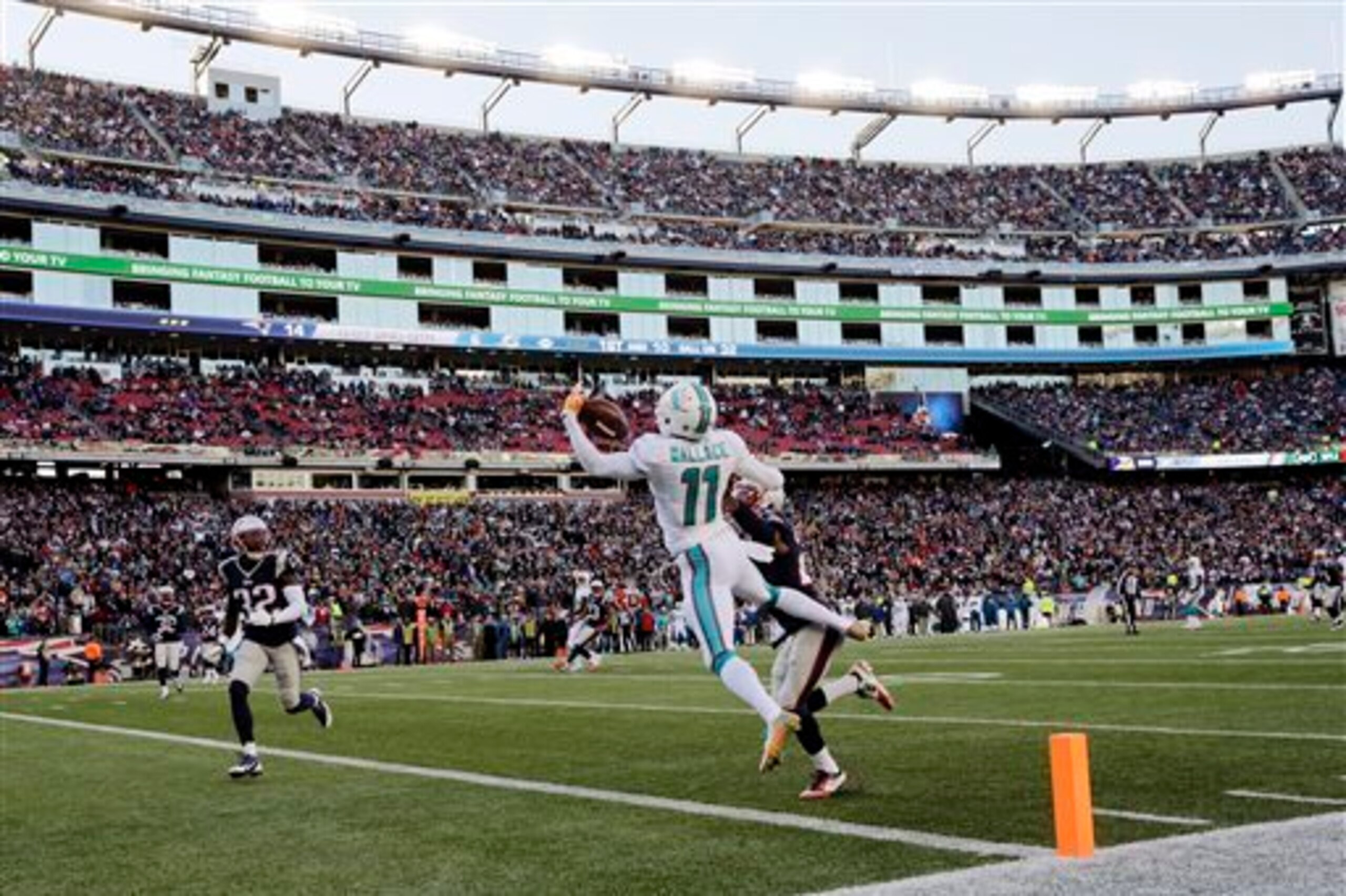
The results were mixed but also included a 50-yard and 32-yard completion to Mike Wallace, and three other should-be touchdowns to other receivers. Unfortunately for Miami, Damien Williams and Rishard Matthews dropped those passes, Brian Hartline lost the ball in the sun, and the offense sputtered.
Sure, Miami only has one quality deep-ball weapon, but limiting the offense to five-yard routes to nickel and dime the defense did nothing for the team’s quest for wins. Tannehill won’t be confused for an elite quarterback, but he’s done well while being surrounded with a bad offensive line and very mediocre receiving corps.
"The bottom line is Joe Philbin can't motivate a team. Creating a game plan isn't enough. And when the game plan doesn't work, what then?
— Omar Kelly (@OmarKelly) December 15, 2014"
This all brings us back to Joe Philbin. The in-game mismanagement is bad enough, but not enough development with young players and the inability to demand respect in the locker room are what will doom his fate. Miami relied on several injury-prone vets this season so the playoffs would be easier to achieve, but the plan backfired, and Philbin’s staff is averse to inserting rookies or second-year players unless there’s no other option.
When Black Monday arrives in two weeks, Stephen Ross cannot hesitate with his final decision. It’s time to wipe the slate clean in Miami and find a leader of men who can build a competent coaching staff. The Dolphins may lose quality position coaches like Kacy Rodgers and John Benton, but starting fresh is the only real option left for this franchise.
All stats used are from Sports-Reference.com.
Ian Wharton is a Miami Dolphins Featured Columnist for Bleacher Report, contributor for Optimum Scouting, and analyst for eDraft.