Kevin Magnussen's Demotion Highlights Failings of McLaren Young Driver Programme
Well, it's finally happened.
After months of delays and uncertainty, McLaren have announced Fernando Alonso and Jenson Button as their race drivers for the 2015 Formula One season.
Kevin Magnussen, having just completed his debut year in the sport, has been demoted to test and reserve driver. He'll work alongside McLaren's highly promising test and development driver, Stoffel Vandoorne, who will also race in GP2 after finishing second in the 2014 series.
TOP NEWS

🚨 NC State Fires Head Coach

Malachi Toney Sets ANOTHER Record
.jpg?w=2560 "NBA Gambling Charges")
Malik Beasley Negotiating Plea Deal (AP)
This setup means that in addition to having one of the best driver lineups on the grid, McLaren will also have under contract two of the best, most highly rated young drivers in the world.
Both are ready for F1 and more than good enough to be on next season's grid. But neither will be on it, and this—along with the sorry tale of Magnussen's demotion—highlights a massive failing of the team's young driver programme.
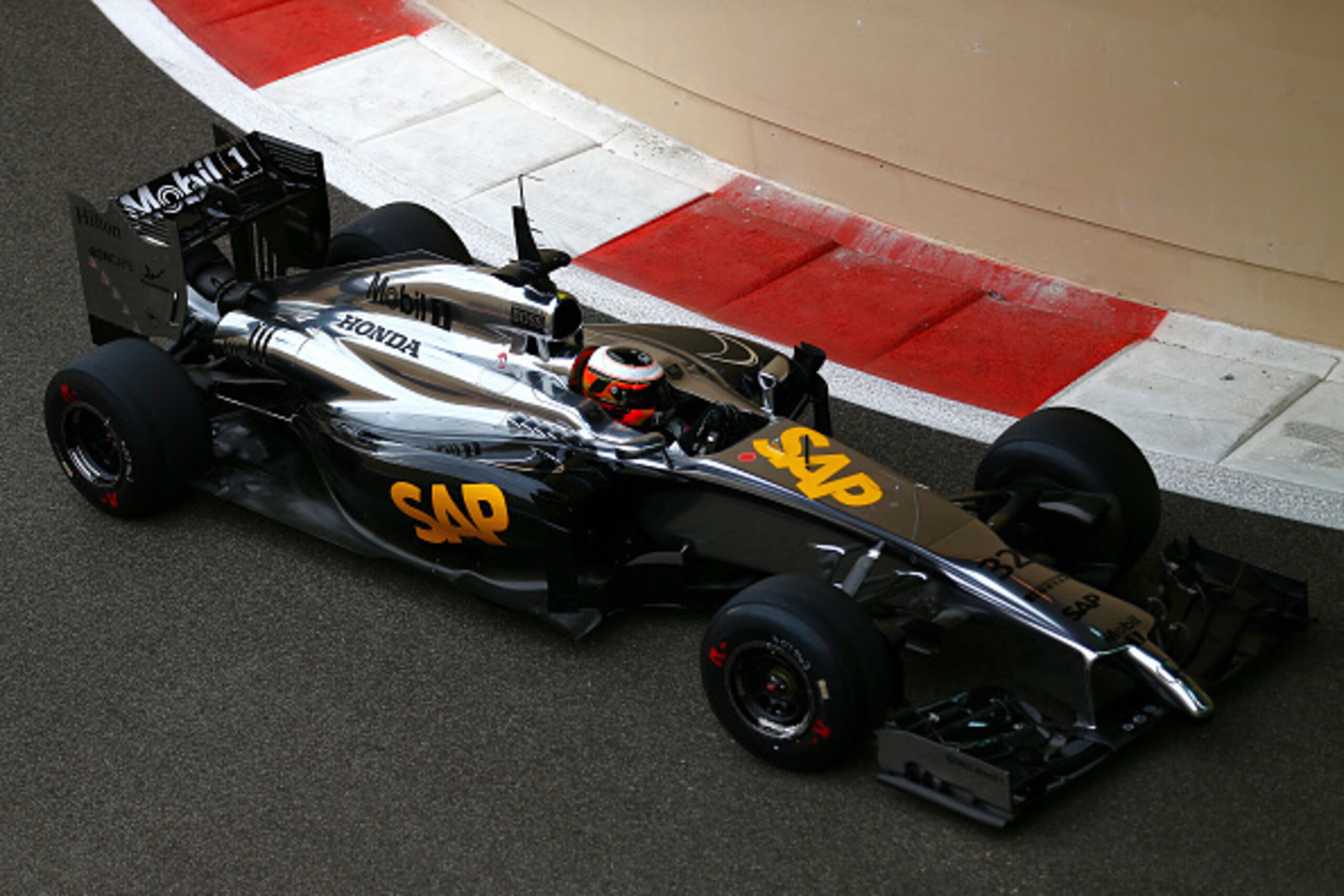
All the top teams have driver development programmes of one sort or another. In the current era, they are the only way, apart from the pay driver route, of getting into F1.
The most well-known is Red Bull's Junior Team, which has sent far more drivers to F1 in the last decade than any other programme.
It can do this because Red Bull has a massive pile of money and four seats to play with. Their Toro Rosso team exists for two reasons; one is to give the company a little bit more political power, holding two seats at the table instead of just one.
The second and primary reason is to try out young drivers in the hope of finding the next big thing. The standard system is to give each youngster two seasons in which to prove he has what it takes.
Since it came into being in 2006, Toro Rosso has hosted nine drivers—Scott Speed, Vitantonio Liuzzi, Sebastian Vettel, Sebastien Bourdais, Jaime Alguersuari, Sebastien Buemi, Daniel Ricciardo, Jean-Eric Vergne and Daniil Kvyat.
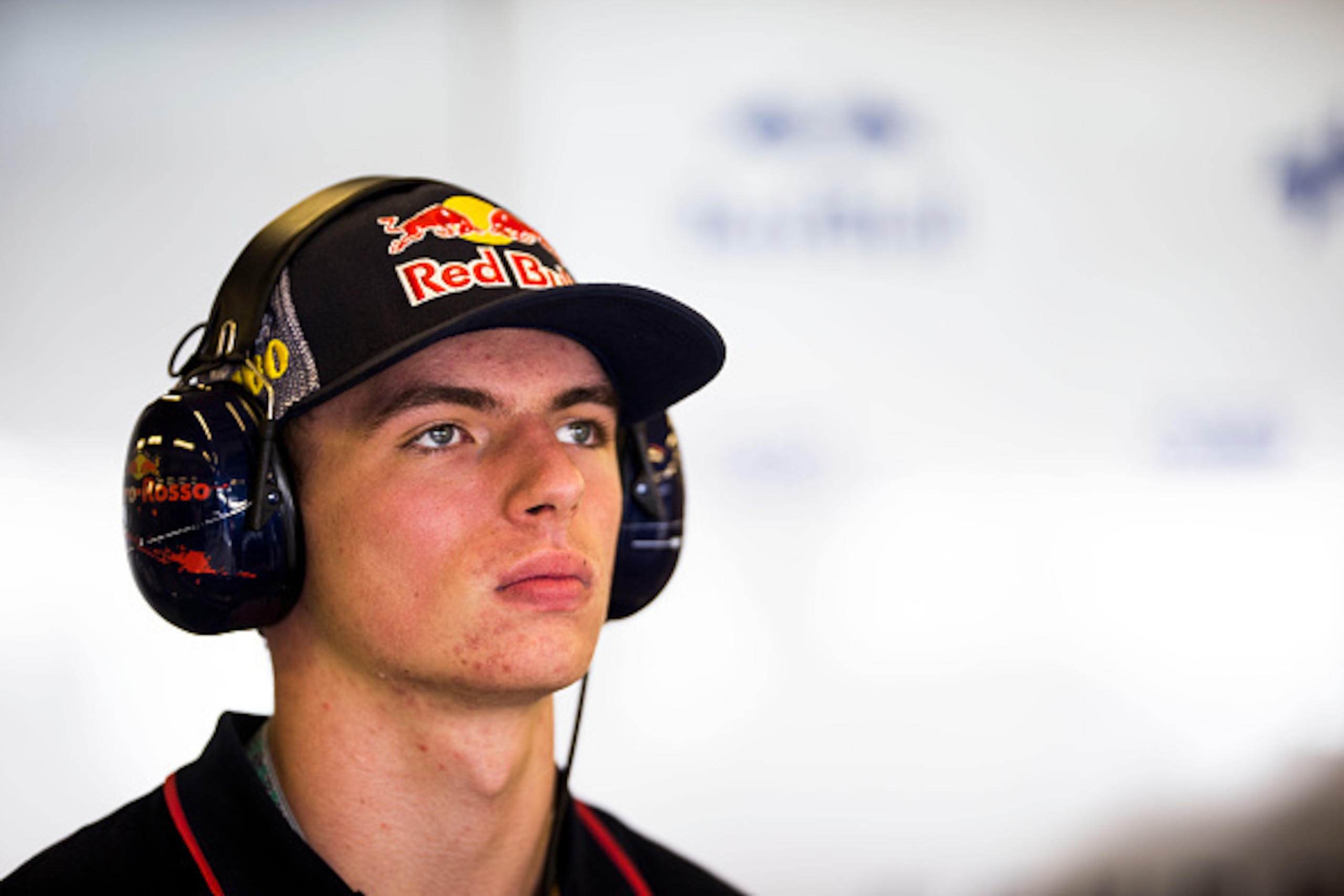
Next season, the list will swell to 11 as Max Verstappen and Carlos Sainz Junior arrive on the scene. If we go back to before Toro Rosso and include drivers who entered F1 with Red Bull backing, the number rises further—Enrique Bernoldi and Christian Klien leading the way.
Alex Lynn and Pierre Gasly are the two remaining members of the team, seemingly next in line for a shot. But they can't yet count their chickens—another two or three faces will no doubt be added before the start of next season.
Ferrari also have a development programme, the Ferrari Driver Academy. Though smaller than the Red Bull behemoth, it has sent two drivers to F1 since its inception in 2009.
The Italian team do not have a second-string outfit to place their kids with, instead relying on engine customers to take them on—perhaps with a discount on their engine supply or other support.
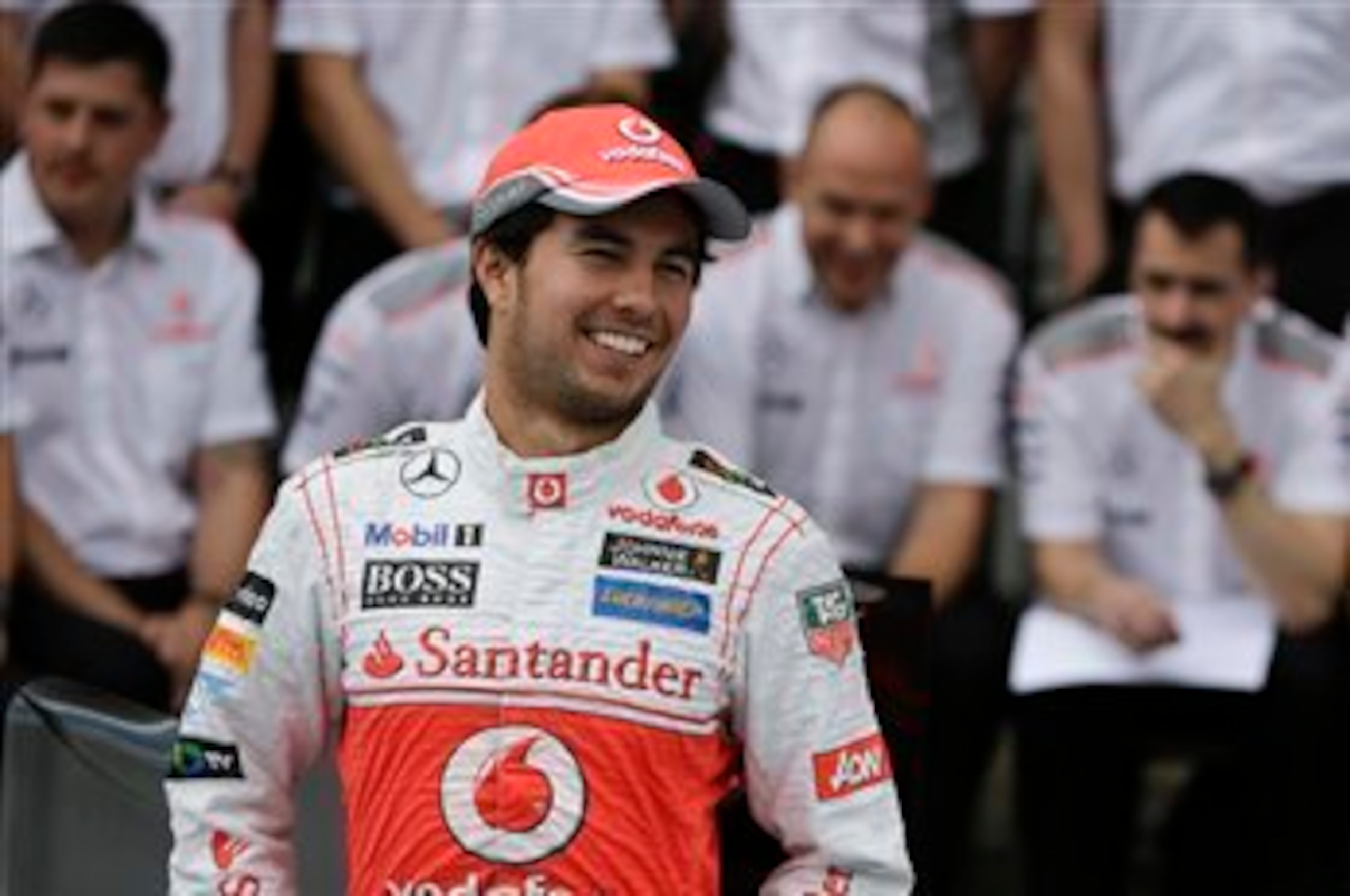
Sergio Perez went to Ferrari-powered Sauber in 2011 (aided, admittedly, by Carlos Slim's millions), while Jules Bianchi was sent to Marussia in 2013. Shortly afterward, the team signed up for Ferrari engines in 2014, Bianchi's second year with the team.
Further back, the Scuderia also used Sauber to groom Felipe Massa for the big time.
Even if the price is high, when Ferrari think one of their drivers is ready they will find him a place. Raffaele Marciello is their current hope and may make the step up soon if he succeeds next year in GP2.
The Mercedes programme, though less formal and developed, also uses engine supply and the team's political power as a negotiating tool.
Paul di Resta arrived at Mercedes-powered Force India after winning the DTM title with Mercedes, and grandprix.com reports their next DTM-to-F1 prospect, Pascal Wehrlein, is being lined up for a Friday practice and test role with a smaller team. The report specifically mentions Mercedes' engine customers.

McLaren are in a different boat. They do not have the second team of Red Bull, nor do they have the political power which comes from being an engine supplier like Ferrari and Mercedes.
They also lack the access to spare cash that trio possesses.
The only young drivers they have brought into the sport in the last decade are Lewis Hamilton and Kevin Magnussen—both of whom were placed straight into the team's own cars.
Hamilton survived because he's an exceptional talent and adapted quickly after being given the opportunity to do a lot of testing beforehand. In the current era that isn't possible, so going to a smaller team to learn for a year or two—Toro Rosso-style—is the best option available.
But McLaren cannot, or will not, pay the vast sums now required for a seat at a smaller team. Indeed, they attempted to place Magnussen at a lesser outfit for 2014 but failed. Per Sky Sports, then-team principal Martin Whitmarsh revealed a team they agreed a deal with went back on the agreement.
It seems that whatever they offered was not enough and prices are not going down. And even if they did in the future decide to break the bank and stump up the cash, political and technological considerations could now rule their drivers out. Sauber, powered by Ferrari engines, may be out of bounds.
Similarly, Mercedes could be displeased about a Honda-contracted driver poking around at any of their customer teams. Red Bull may oppose any placement at a Renault-powered team.
So it's McLaren or nothing, even if the driver isn't really ready for a seat at a big team. Magnussen wasn't—only truly remarkable talents are, and he didn't look like one of those—but he was thrown in there anyway and actually did a reasonable job for a rookie.
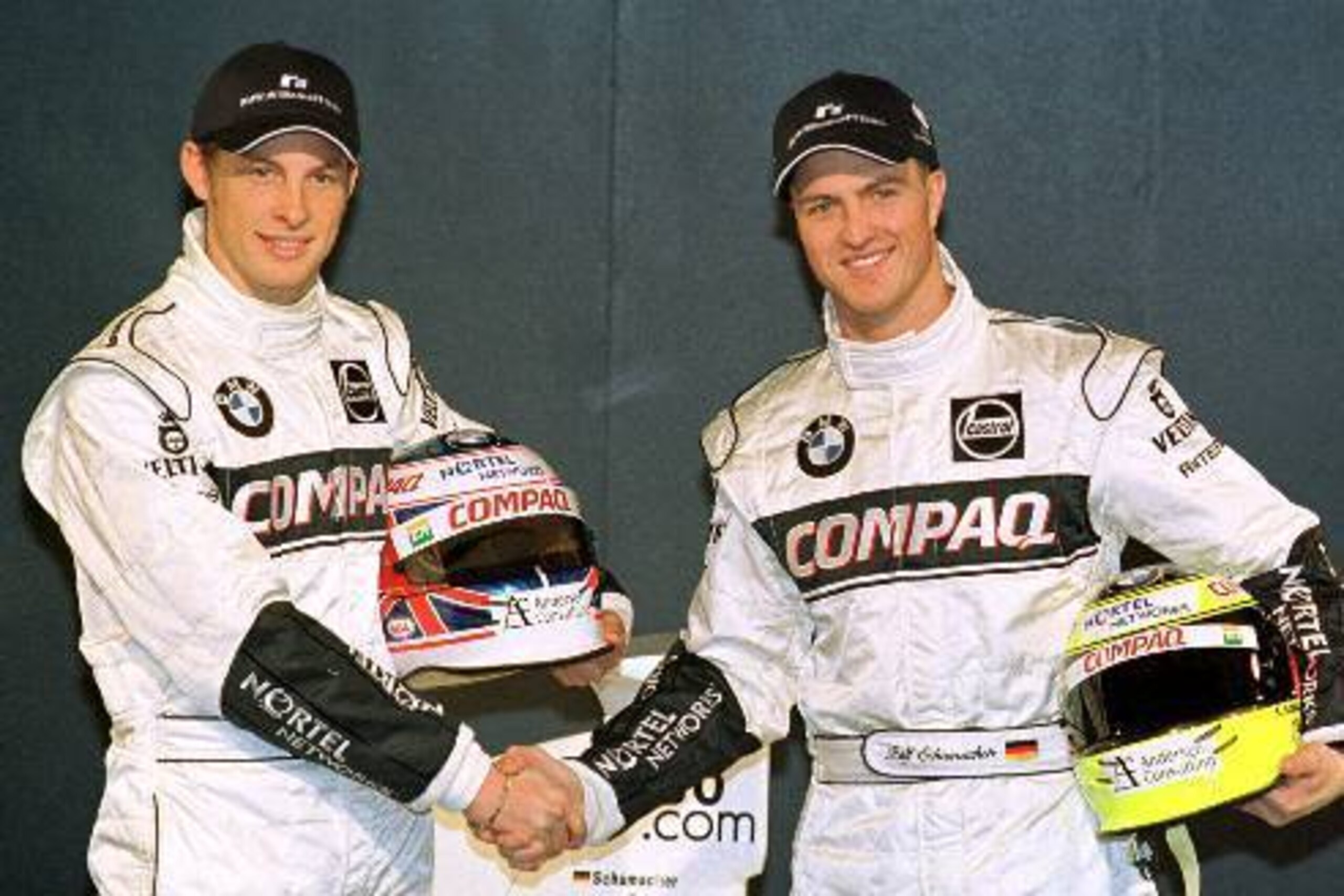
He certainly did no worse than Button did in his own first year, in which he was comfortably beaten by Ralf Schumacher.
But rather than be allowed a chance to develop further in 2015—which I believe he should have been given, as all but the very worst drivers deserve at least two seasons—McLaren's big-team mentality has resulted in Magnussen being dropped down to test and reserve driver.
Ten years ago, that would have been a useful role with plenty of opportunities to develop and improve. Alonso, who stepped back from a Minardi race seat to test for Renault in 2002, is living proof.
But today, with testing so heavily restricted, he'll hardly get a sniff of the MP4-30 being raced by Alonso and Button. McLaren know he's good and don't want to lose him, but the only role they have available is this frustration-filled, year-long exercise in treading water.
Vandoorne is receiving the same treatment. Despite his exceptional GP2 season, he has effectively been demoted from McLaren's third driver to their fourth and wasn't even mentioned in the team's driver announcement statement.
He has nothing left to prove in GP2—he won his first race and out-scored the eventual champion in the second half of the season once he'd found his groove. But he is being forced to do another year in the series, wasting 12 months of his career, because McLaren don't have anywhere else to put him.
One wonders if the Belgian now wishes he'd accepted Toro Rosso's invitation, reported by GP Update last year, to take the seat later filled by Daniil Kvyat...

Things may change in the near future if Honda adopt a few customer teams, giving McLaren a little bit more muscle in negotiations. The Japanese manufacturer's financial clout may also help.
But, at the moment, the Woking team are victims of their own talent-spotting ability, and the guys suffering the most are Magnussen and Vandoorne.
Available evidence shows both are better and more prepared than anyone in the Red Bull, Ferrari and Mercedes young driver programmes, including those who have been promoted for 2015.
Yet they are the ones whose path to the top looks the toughest and filled with the most obstacles. While Red Bull have promoted their youngsters and Mercedes are attempting to advance Wehrlein, McLaren have knocked both their kids down a step on the ladder.
It's little wonder so many young drivers take the Red Bull shilling. Theirs is a tough, ruthless programme which sees significantly more failures than successes and comes with no guarantee of a lasting career.
But at least their drivers get a chance.
At the present time, that's more than can be said for McLaren's.
.jpg?w=2560 "Commanders 49ers Football")

.jpg?w=2560 "Jonathan Taylor Landing Spots")