Is UAB Just the First of Many Small-School Programs to Shut Their Doors?
No program wants to be the next UAB.
The scene, even from thousands of miles away, was equal parts heartbreaking and maddening. That's the power of pictures and video: The whole world was able to see the pain of those who saw their days of playing football for UAB evaporate.
On December 2, the day that UAB football died, university president Ray Watts stood in front of devastated football players trying to explain his way out of an impossible situation. The football program, along with bowling and rifle, was being shut down. The reason, per Watts, was strictly bottom line.


A release from the university, titled "Athletic Strategic Planning," concluded that "UAB would have to substantially increase our operating budget and our capital investments in facilities to support an Athletic Department that fields a competitive Conference USA football team."
As Jon Solomon of CBSSports.com explained, however, the reasons UAB football was killed could be deeper and more political:
"UAB is overseen by the University of Alabama System Board of Trustees. The very strong belief by UAB supporters is football got killed by powerful trustees with Crimson Tide ties, including Paul Bryant Jr., the son of the legendary Alabama football coach."
"Most of the people in UAB would say it's not about the money," said Marshall athletic director Mike Hamrick. What was it about then? Hamrick declined to specify.
When reached by email, UAB declined to comment further.
In the age of NCAA voting autonomy for Power Five conferences and compensation for name/image/likeness rights for college football players, there's a growing question about where mid-major programs fit. The easy line to draw is that more and more football programs could be on the chopping block if finances are tight.
The question is whether it's the correct line to draw.
The Numbers
This was Watt's go-to explanation: The numbers just weren't there to support a Division I football team.
Sports business reporter Kristi Dosh of Fox Sports explained that UAB is in a similar financial situation as its Conference USA peers. Basically, revenue is low, expenses are high in comparison and institutional support and student fees are relied upon to keep things running:
"The biggest issue for UAB, as identified in the strategic planning report prepared by CarrSports Consulting and used to assist in this decision, is that expenses for maintaining the football program are going to grow much more quickly than revenue. According to the report, it will cost UAB approximately $5,442 per athletic scholarship to fund the unlimited meals now allowed by the NCAA and the cost of attendance stipend expected to be implemented. That's nearly half a million dollars a year for the football team alone.
"
Even at higher-profile programs, the need for more money to stay competitive is evident. Clemson, as Dosh points out, is considering raising student fees for increasing operational costs.
Trev Alberts, the athletic director at the University of Nebraska-Omaha and a former college football analyst at ESPN, noted that universities face unique financial challenges to support athletics based on enrollment, tuition and fees to subsidize. In 2011, UNO announced it was eliminating its football and wrestling programs as part of a move from Division II to Division I.
"By discontinuing football, that gave us about $1 million,"Alberts said. "The football budget would had to have doubled to support Football Championship Subdivision (FCS) football."
Ultimately, the numbers for many Division I schools outside power conferences are tight. Conference USA doesn't boast the same television deal benefits as power conferences. According to projections obtained by Mike Carmin of the Lafayette Journal and Courier, 11 Big Ten schools will receive $30.9 million in revenue in 2014-15.
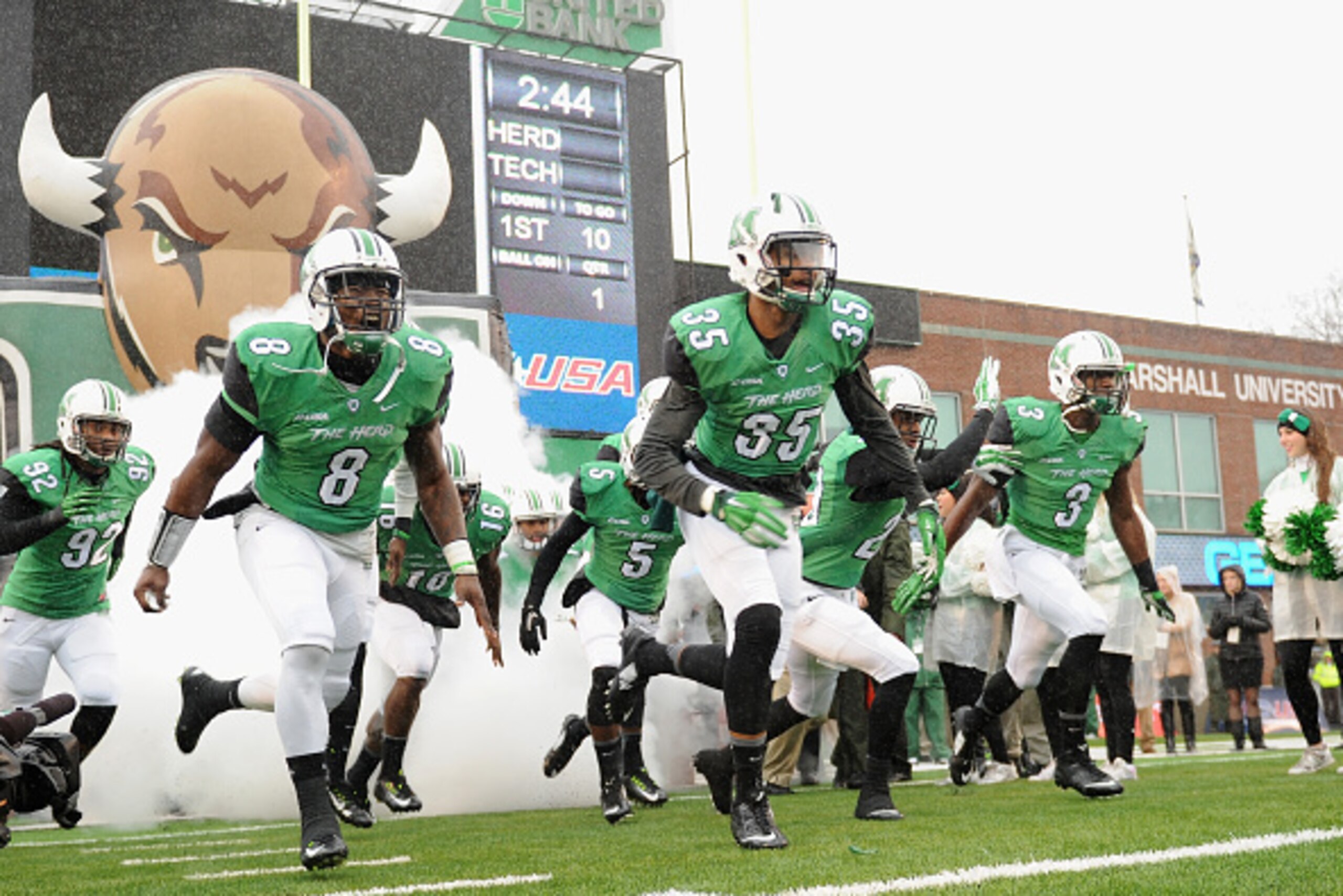
"There's not much of a difference from a competitive standpoint between lower-tier Power Five teams and upper-tier Group of Five schools," Hamrick said. "But as college football and athletics become more expensive, there's pressure to generate more revenue or subsidize."
Understanding the Marketplace
Alberts needed to make on thing clear: There is no broad brush by which college athletics and its challenges can be painted.
UNO's brand investment was in its revenue-producing Division I hockey program. However, with the state's flagship program, the University of Nebraska-Lincoln, just an hour away, UNO football was not a powerful enough brand within the community to sustain at the Division I level. The discussion on whether to keep or drop football, Alberts said, was nearly a year-long process.
"If we went to Division I," Alberts explained, "we weren't going to be building excellence in all sponsored sports."
UAB's statement on the end of its football program expresses similar rationale:
"It would be fiscally irresponsible and virtually impossible to keep pace with these growing financial demands without sacrificing the financial health and sustainability of Athletics, or redirecting funds from other critical areas of importance, like education, research, patient care or student services.
"
The question at hand is whether UAB had the marketplace to succeed. As recently as 2013, Birmingham was the No. 1 college football market for ESPN, according to David Sher of al.com. That's not a one-year anomaly; Birmingham has been No. 1 in that category for more than a decade.
Of course, not everyone in Birmingham supported UAB football specifically. The Blazers' home attendance in 2013 was 52,739, according to the NCAA, an average of 10,548 a game.
Still, Hamrick also notes that, in its final weeks, UAB football felt more alive than it ever had in the past. That makes the decision to shut down the program all the more perplexing.
"When I went to Birmingham last month [Nov. 22 for the Marshall-UAB football game], that was the first time that I felt the program there had turned a corner," Hamrick said. "There was a vibe—I can't describe it—but they felt like they finally had a good football team."
The Future
There wasn't any fear in Hamrick's voice when asked about the future of mid-major programs. Alberts didn't second-guess himself when asked the same question.
"That was a unique situation, and I think they [UAB] would tell you that," Hamrick said. "Schools all over the country are adding football."
The last major Division I school to shut down its football program was the University of the Pacific in 1995. As of last August, the University of Hawai'i said the possibility exists its football program could be done for as well. No official move has been made, but as Alberts notes, any decision is a university one, not a football one.
Football, after all, is perceived as the golden ticket. No one understands that more than college administrators.
"Administrative support—it's everything," Hamrick said, "from the president to governing board."
In this autonomy-driven world of major college athletics, an arms race exists to have the most money and the most exposure. Schools shell out top dollar for coaches and facilities regularly. Since not all programs are created equally—or viewed equally—the gap between the haves and have mores continues to get wider.
Will the gap become so wide that certain programs will no longer be able to fund football? Perhaps, but rest assured schools will continue to do everything they can, including raise student fees, to make sure they don't.
Because, whether it's a money issue or something more, no one wants to be in Watts' shoes.
Ben Kercheval is a lead writer for college football. All quotes obtained firsthand unless noted otherwise.
.png?w=2560)

.jpg?w=2560 "Chiefs, Steelers Eye WR Trades")