A Cautionary Tale: NBA Teams That Have Dominated November and Limped into April
All good things must come to an end at some point.
Well, not all of them in the NBA. Some hot starts do last throughout an entire season, even if many torrid beginnings end up proving ultimately misleading. Those squads that are blazing out of the gates in 2014-15 may well continue their dominance throughout the season, but history dictates some of them will come crashing back to earth by the end of the campaign.
Since the 1999-00 season, 29 teams have posted winning percentages of .800 or better when the last day of November rolls around, starting with the Sacramento Kings (10-2), Portland Trail Blazers (13-3) and San Antonio Spurs (13-3) in November of 1999 and, prior to this year, finishing with the Indiana Pacers (15-1), Miami Heat (13-3), Blazers (13-3) and Spurs (14-3) this past season.
TOP NEWS
.jpg?w=2560 "NBA Gambling Charges")
Malik Beasley Negotiating Plea Deal (AP)

Yaxel: Luka Not MJ 🗣️
Knicks, Spurs On Wrong Side of History
In 2014-15, the Memphis Grizzlies and Golden State Warriors are over the hump, while the Toronto Raptors, Blazers, Rockets and Spurs aren't far behind.
But how many of history's best have kept up the hot starts? How many of them have fallen victim to that November rain that never seems to last as long as you want it to?
A Look at the Last 15 Years
To answer that question, we looked at each of the teams' winning percentage through November and saw how it compared to their last stretch of the season. If a team had played 13 games at the end of the initial month in question, we looked at its final 13 games of the campaign. Similarly, teams that played 16 had their final 16 analyzed, and likewise for every number of contests possible.
You can see the results below, with the early winning percentage on the horizontal axis and the late-season results on the vertical one:

The further to the right, the better the start. Teams on the far right were nearly undefeated through November, while the left-bound data points were "only" 0.800. Squads that are higher up had better late-season win percentages, while the ones near the bottom are the cautionary tales—those that struggled as the playoffs drew near.
As might be expected, most teams did well at the end of the year, as evidenced by the cluster of dots rather high up on the vertical axis. In fact, the squads in question won 64.69 percent of their games during the second stretch, and while that's by no means close to the 84.83 percent in the pre-December portion of the year, it's impressive nonetheless.
Is that surprising? It shouldn't be, as these are typically the league's best teams we're talking about. More often than not, the hot-starting squads are going to regress slightly but still thrive throughout the year.
Just not always.
Despite getting off to one of those blazing starts, four of the teams finished the season in question by going below .500. They're as follows:
| Sacramento Kings | 1999-00 | 10-2 (0.833) | 3-9 (0.250) |
| Utah Jazz | 2000-01 | 12-3 (0.800) | 7-8 (0.467) |
| Seattle SuperSonics | 2004-05 | 13-3 (0.813) | 6-10 (0.375) |
| Indiana Pacers | 2013-14 | 15-1 (0.938) | 7-9 (0.438) |
Past Tales
The Kings in 1999-00 are the most extreme of the bunch, and there are really no reasons for the sharp decline other than a complete collapse in performance level. Especially on defense, Sacramento got markedly worse, and it actually led to the squad trading Corliss Williamson to the Toronto Raptors for Doug Christie during the ensuing offseason, hoping to shore up that point-preventing unit.
In many ways, it was a tale of three seasons.
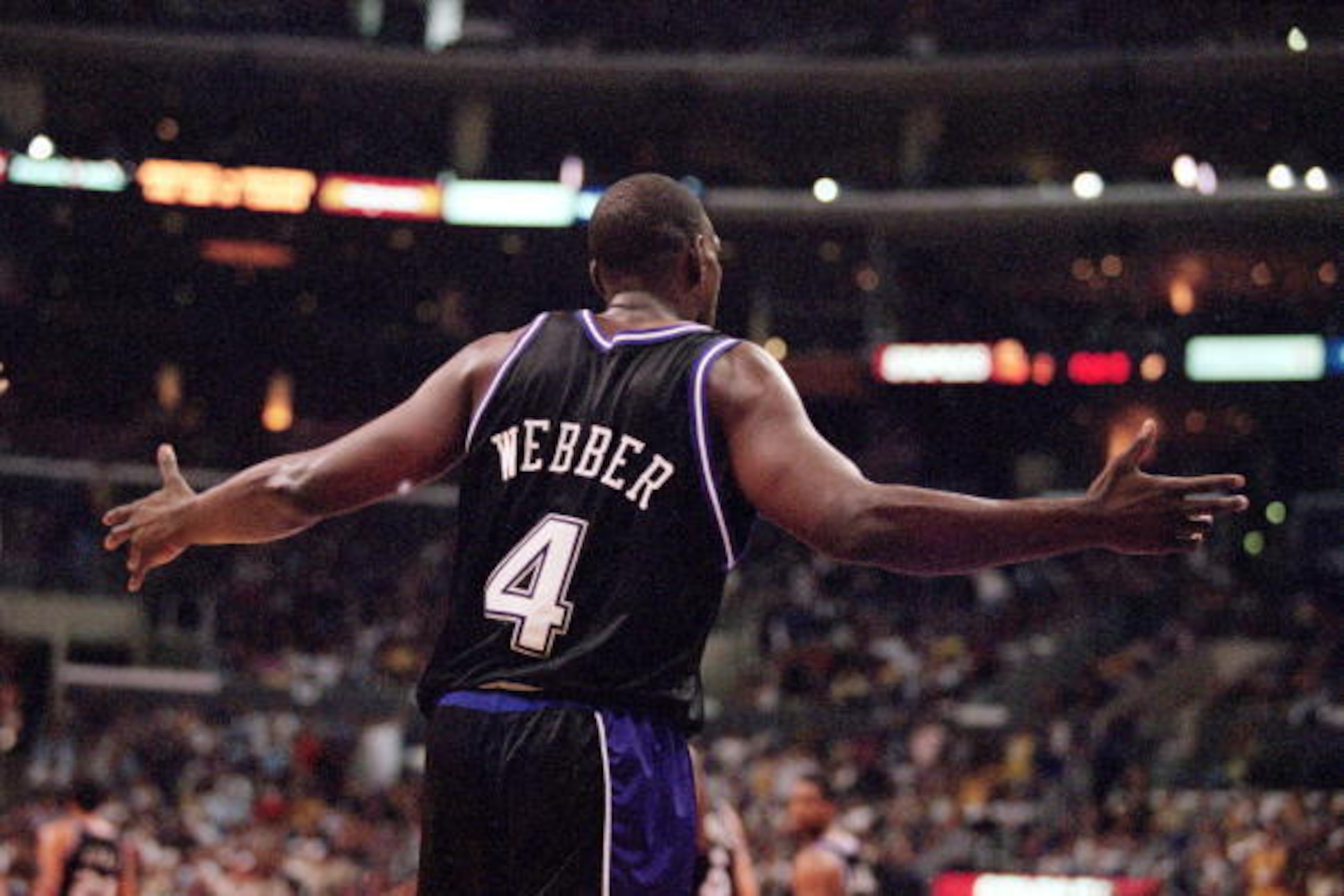
During that first dozen games, of which the Kings emerged victoriously from 10, they allowed just 99.17 points per game. The number then increased to 101.54 when the rest of the season, save the final 12 outings, was accounted for. But over the 3-9 stretch just prior to the playoffs, Sacramento allowed a miserable 105 points per game.
To put that in perspective, allowing just over 99 points during the average contest would have given the Kings the No. 16 spot in the NBA. But giving up 105 would have made them the very worst in the league with room to spare, as the actual bottom-dwellers were the Golden State Warriors and their 103.8 points allowed per game.
Sacramento, which would bow out to the Los Angeles Lakers in the first round of the playoffs, actually finished the year at No. 27, so the fluky beginning was a case of mistaken identity.
Next up were the 2000-01 Utah Jazz, who began the year winning 12 of their first 15 games but finished with a 7-8 stretch to close out the campaign. Once more, defense was a primary culprit.

It's not as though Karl Malone and John Stockton, aging though they were, were suddenly out at the close of the year for a team that finished with a 53-29 record. Instead, the squad just faltered against a fairly difficult schedule, and the negative momentum carried over into the playoffs.
By losing three games in a row to the Dallas Mavericks after taking a 2-0 series lead, the Jazz exited the postseason in the first round for the first time since 1994-95, when they had the misfortune of playing the juggernaut known as Hakeem Olajuwon's Houston Rockets.
But back to 2000-01. Take a look at how Utah's two units performed during the initial and final 15-game stretches of the season:
| First 15 | 97.67 | No. 5 | 87.93 | No. 3 |
| Last 15 | 95.53 | No. 14 | 95.6 | No. 13 |
It's almost as though the Jazz just completely forgot how to play basketball. Nothing worked as well as it had on either end of the court, with teams adjusting to their pick-and-roll stylings and some of the aging core members wearing down a bit during the stretch run.
Still, it wasn't as bad as what happened to the Seattle SuperSonics in 2004-05.

Led by Ray Allen and Rashard Lewis, the team rocketed out to a 13-3 start during this fateful go-round, but it would slump its way to a 6-10 close, failing to make it past the second round of the playoffs. Fresh off sub-.500 campaigns for the first time in a long while, the Sonics were a surprise team throughout the year, even if reality kicked in at the end.
Truthfully, 6-10 doesn't do justice to what happened in Seattle.
The team actually went 4-10 over the final 14 games, including a six-game skid in which the Sonics would've had trouble stopping a nosebleed.
On April 5, Seattle surrendered 122 points to the Kings, then gave up 117 to the Lakers three nights later. On the second half of a back-to-back, it then allowed the Denver Nuggets to put up 121 big ones. Those were three of the four worst defensive performances of the season for Seattle, and the only bottom-four outing that didn't come during the losing streak involved an overtime period and therefore shouldn't really count.
Of course, there's one more squad that declined rather significantly, leading to the dominant November-terrible April combination.
Last Year's Example
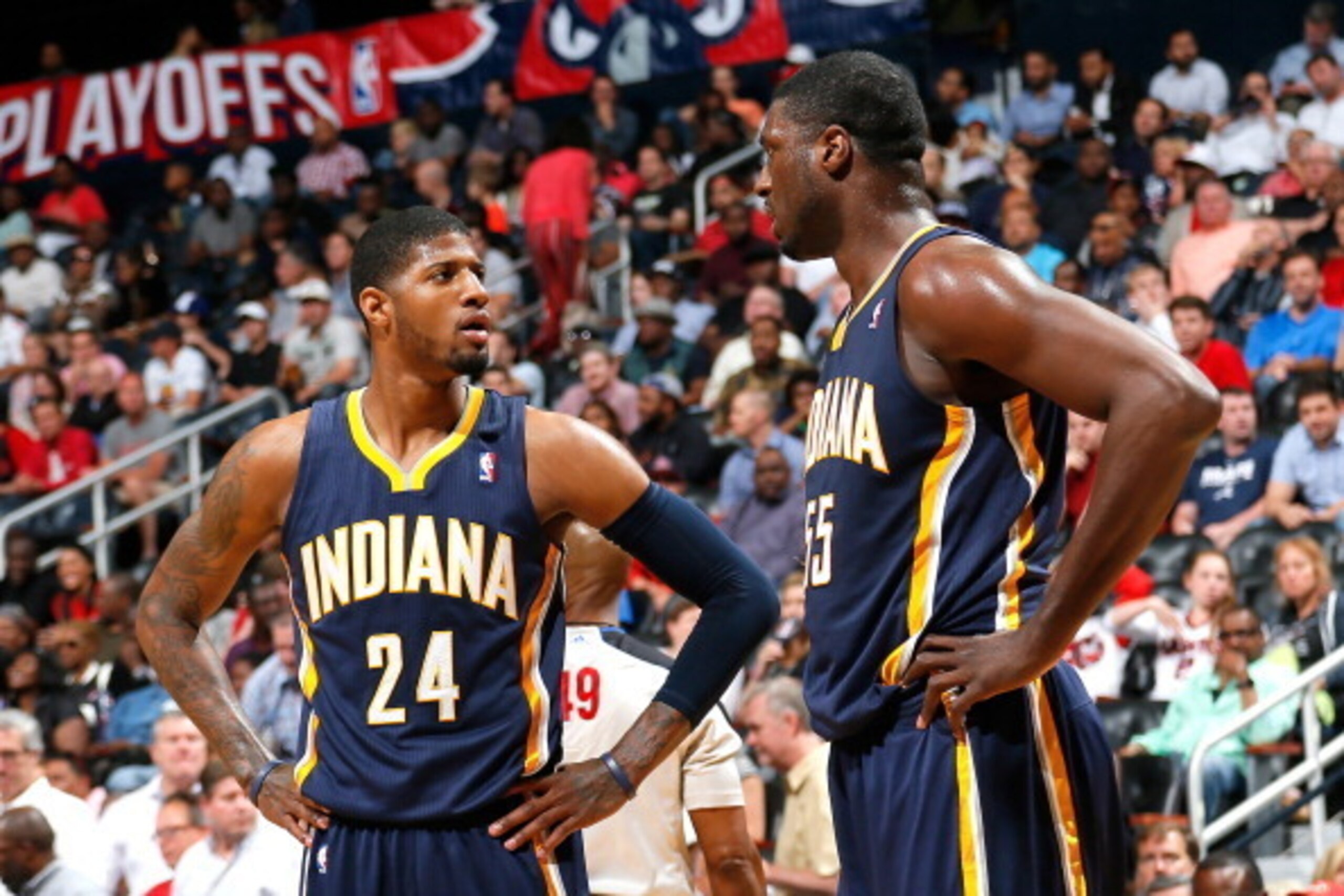
Last year's Pacers began the season with a 15-1 record, and it seemed as though they were going to put together one of the greatest defensive years the NBA has ever witnessed. But the team lost its mojo entirely, fading during the end of the year and finishing with a 7-9 skid. While the Pacers did "earn" the No. 1 seed in the Eastern Conference, it was only because no other squad played well either.
And though the defensive decline was one concern, the bigger deal was Indiana forgetting how to score.
Completely.
As Bob Kravitz wrote for The Indianapolis Star, we can't even call their late-season performance a slump. That would be too kind.
"This isn't a slump. A slump is a blip on the continuum, a momentary lapse, something that can be fixed with a tweak here or a correction there. A slump lasts two, three weeks, at least for an elite NBA team – or one that fancies itself as elite.
No, what the Pacers have going right now is a full-fledged collapse, a gag job down the stretch that doesn't look fixable between now and the start of the NBA playoffs. Forget about worrying about the Miami Heat in the Eastern Conference Finals, something we all thought was a fait accompli as the Pacers were rushing out to a 33-7 start.
Worry about winning a couple of games down the stretch and playing decent basketball – and scoring more than 80 points - as the playoffs beckon.
"
"We're at the bottom in terms of how far you can fall,'' David West said as the playoffs loomed, per Kravitz.
The reasons behind the demise of the dominant Pacers are still unknown. Off-court issues spilling over onto the hardwood? A complete dearth of confidence? The league figuring out how to beat them? A season-long fluke that only came to light down the stretch?

Regardless, the Pacers are perhaps the best example of a team flat-out dominating at the beginning of the year and then plummeting back down to Earth as the season neared its conclusion. But they won't be the last.
It's worth noting that plenty of teams have followed the opposite trend as well. Remember the 2010-11 Miami Heat, who began the season in stagnant form and ended up advancing to the NBA Finals? That's only one of many examples. Of course, others have kept up their strong early performances throughout the year.
But these four teams should serve as a cautionary tale for those getting a bit too excited about the prospects of November's finest during the current season. Or maybe not.
What Does this Mean for Memphis and Golden State?
The Grizzlies and Warriors, who have looked like the two best teams in basketball, may well continue running roughshod over the competition. They've been terrific teams in the past—though not necessarily to this extent—and they have the advantage of continuity working in their favor. But, as has been the case with each of the four cautionary tales since 1999, each has been quite impressive on defense early on, and there are warning signs the point-preventing prowess may not last.
Heading into December, the Dubs allowed only 97.9 points per 100 possessions, which puts them in the top spot throughout the Association on the defensive rating leaderboard. Meanwhile, the Grizz have allowed 100.4 points over the same span, placing them at No. 4.
This doesn't have to be an aberration, seeing as the squads finished No. 4 and No. 8, respectively, in 2013-14, but each team does resemble the cautionary teams in some manners.

Golden State is exerting tons of energy to overachieve on the defensive end, much like the Sonics and Pacers did in their early-season runs referenced above. According to NBA.com's SportVU data, only the Spurs and Philadelphia 76ers are moving more than the 16.9 miles travelled per 48 minutes racked up by the Warriors. Last year, Golden State finished 12th in the very same category.
And as for Memphis, it's the oldest squad in the league and could be subject to some declines as the rigors of an 82-game campaign take their toll, just as they did for the Jazz over a decade ago. Even if Marc Gasol, Zach Randolph, Tony Allen, Tayshaun Prince and all the other veteran contributors stay healthy, it will be tough for them to remain this effective all year.
Right now, it's too soon to tell which group the Warriors and Grizzlies will fall into. They could very well join the many squads who have extended their win-loss dominance well beyond the opening month of the NBA season.
But, as multiple teams have taught us over the last 15 years, that's by no means a guarantee.
Note: All stats, unless otherwise indicated, come from Basketball-Reference.com.



.jpg?w=2560 "Aikman Blasts Cowboys WR 🫣")

.jpg?w=2560 "Jonathan Taylor Landing Spots")