

What's at Root of Dallas Mavericks' Tantalizing, Yet Inconsistent Play?
At a quick glance, the Dallas Mavericks have started the 2014-15 campaign reasonably well: They are 7-3 and have lit the league on fire offensively.
However, the Mavs have been flipping the switch at their leisure, which has led to inconsistent performances.
Dallas' record is a little deceiving. Seven of their 10 games have been against teams that are likely candidates to end up in the draft lottery next summer.
TOP NEWS
.jpg?w=2560 "NBA Gambling Charges")
Malik Beasley Negotiating Plea Deal (AP)

Heat, Giannis were down by 20+ in each of their 3 losses

Yaxel: Luka Not MJ 🗣️
The Mavs have also been riding uncomfortably narrow margins in some of their wins. Closing out the improved Sacramento Kings in the Nov. 11 106-98 victory required the third-biggest comeback in franchise history. Dallas came out flat and had to rally after falling behind 44-20 early in the first half at home.
There is no doubt that this Dallas roster has a tremendous amount of room to grow. At times, this team looks like a potential title contender in the Western Conference. Sadly, those times are generally limited to isolated quarters.

The Mavericks have torched most defenses around the league for a couple of periods, only to settle down and allow human nature to sink in. The competitive drive and focus comes and goes, which has been head coach Rick Carlisle's biggest concern.
"I'm concerned with how we're competing as a team," Carlisle said, according to ESPNDallas.com's Tim MacMahon. "We just have a problem right now from top to bottom with consistency. When our level of competitiveness comes up to where it should be on a consistent basis, a lot of our problems will dissipate."
Dallas' defense has also been heavily scrutinized. Teams that can't buckle down and rely on getting stops generally struggle to find consistency. The Mavericks can trade buckets with any team in the league, but when the shots stop falling, the lack of a backbone on the other end hurts.
Al-Farouq Aminu, Chandler Parsons and Jae Crowder are all decent perimeter defenders. Monta Ellis, despite some blunders, is actually trying defensively and drawing charges. Tyson Chandler and Brandan Wright provide a nice dose of rim protection.
The raw ingredients for an above-average defensive team are seemingly there; they simply haven't had enough time to ferment just yet. Lack of communication is a major issue at the moment and something that will be high on Carlisle's things-to-fix list.
The Dreaded Third Quarter
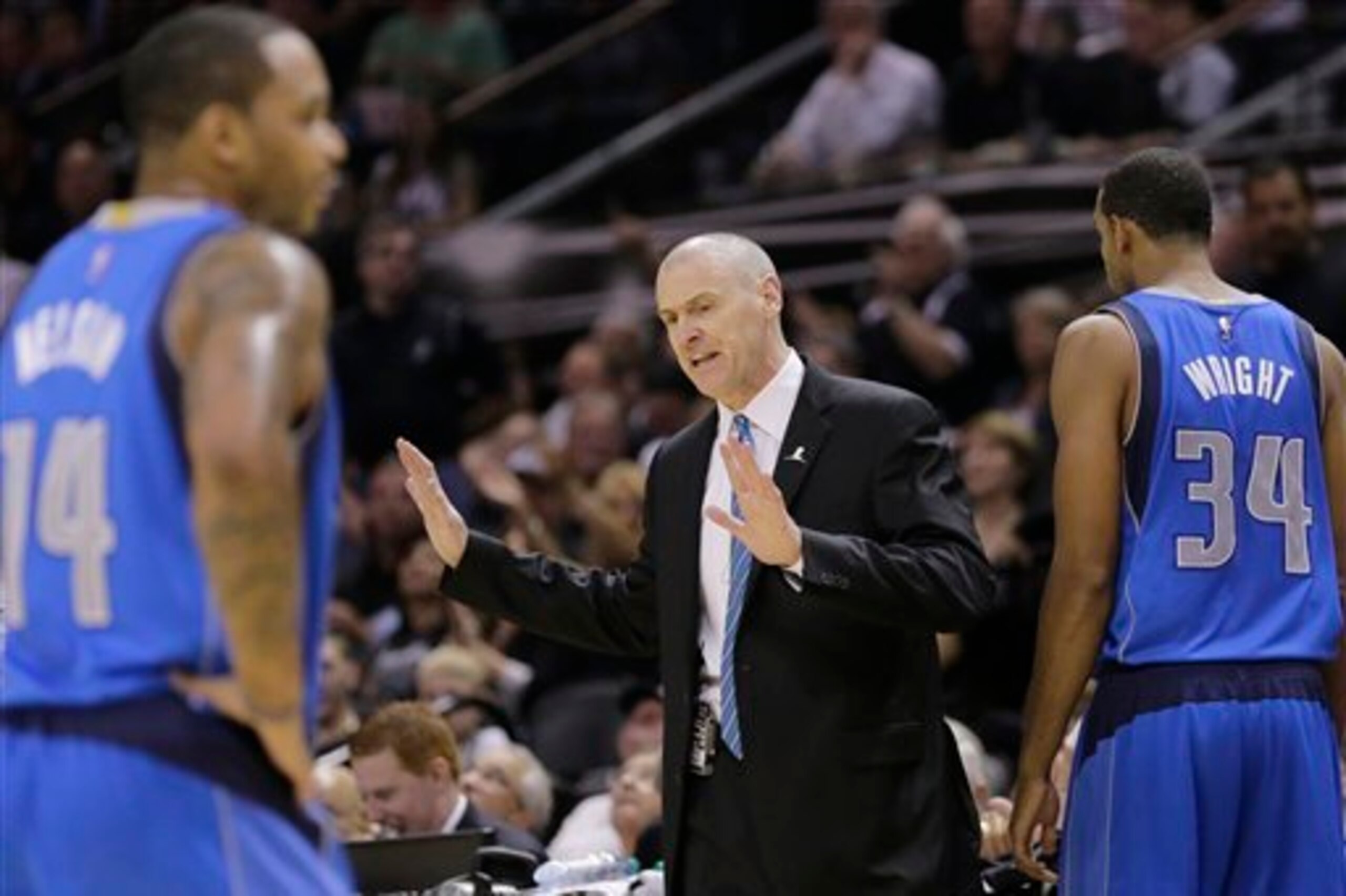
The aforementioned human nature has led the Mavericks to some lamentable third-quarter performances. Dallas generally goes into halftime breaks with massive leads, and the guys often come out of the break looking uninterested.
The Mavs are the best first-half team in the NBA—and it's not even close. They average a blistering 122.1 points per 100 possessions while boasting a 95.3 defensive rating over the first two quarters. That's a whopping 26.8 net rating. For reference, the Golden State Warriors have the second-highest first-half net rating in the league at 16.9.
If those numbers were consistent throughout every contest, Dallas would probably be 10-0 right now. But an NBA game isn't 24 minutes long.
The Mavericks actually won a third quarter against Sacramento in that big comeback win, but the circumstances were different in that Dallas struggled in the first half. Other than that game, the numbers aren't pretty.
Here are two key stats comparing Dallas' first halves and third quarters:
| First Half | Third Quarter | Net | |
| AST% | 57.0 | 45.6 | -11.4 |
| OPP 3P% | 31.3 | 50.8 | +19.5 |
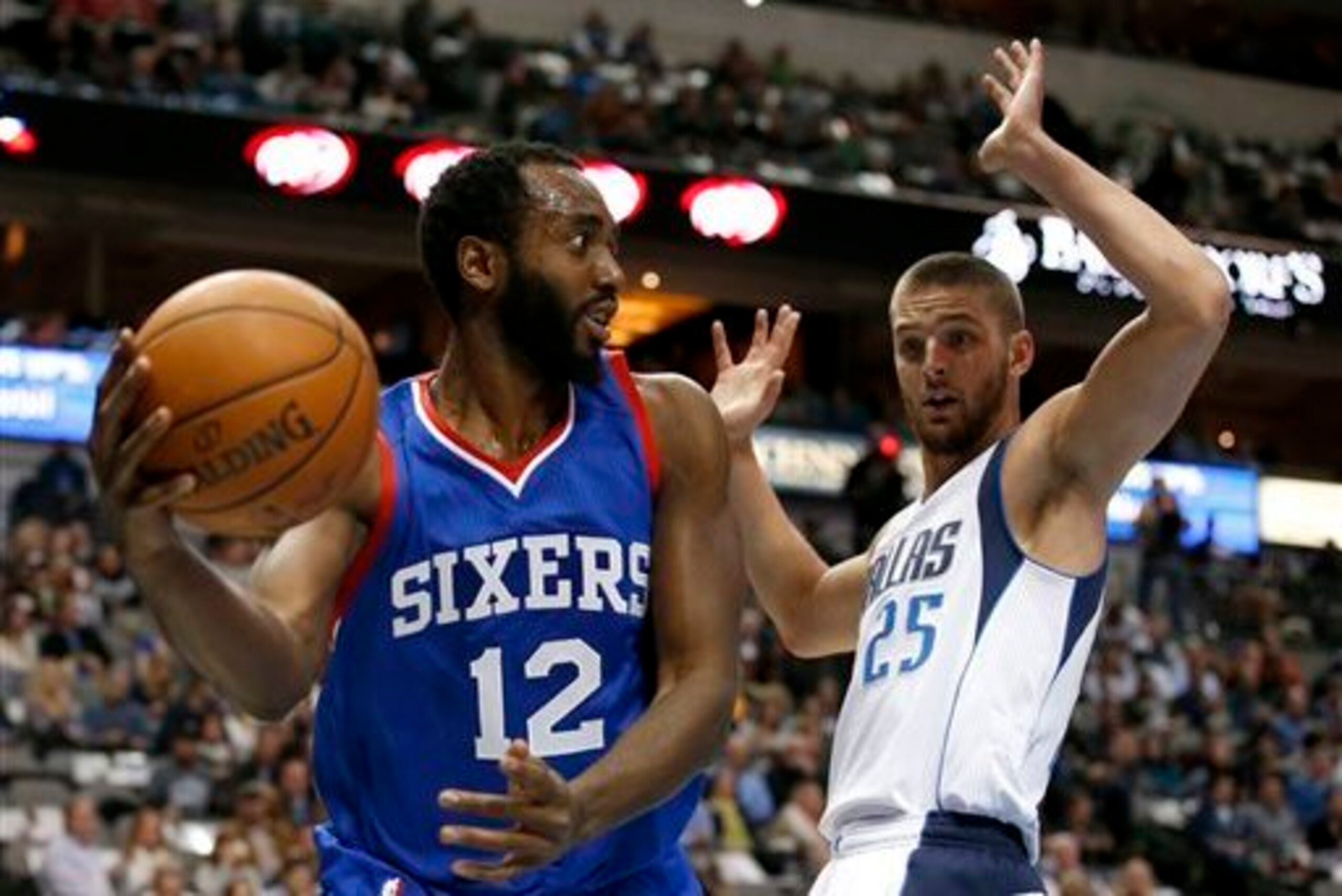
The Mavericks are among the league leaders in drives per game this season. Their 19.7 points per game on drives leads the league. They excel when Jameer Nelson, Ellis and Parsons penetrate the lane and kick the ball out to open shooters.
As seen in the table above, 57 percent of Dallas' first-half field goals are assisted. The figure drops by a drastic 11.4 percent in the third quarter. The ball tends to stick more, guys settle for a higher volume of mid-range jumpers and the offense suffers as a result.
The other shocking figure is how bad the Mavericks defend in the third quarter. Their opponents' three-point percentage jumps from 31.3 to 50.8 percent after the break. Dallas players lose their focus and are generally lazier in closing out on shooters.
All of this leads to the Mavericks being outscored by a massive 16 points per 100 possessions in third quarters.
It's hard to logically explain the massive differential in those statistical categories. Dallas' starting lineup has an excellent balance on both ends of the floor in first halves but suddenly gets destroyed after the halftime break.
It mostly comes down to the players focusing on closing out games and competing for 48 minutes. The Mavericks' 131-117 victory against the Minnesota Timberwolves on Nov. 15 was a refreshing sight in that regard: Dallas went into the break with a double-digit lead and never allowed the Wolves to grind their way back.
Closing Thoughts
While consistency is a team issue, it doesn't help when starters are in shooting slumps. Parsons has been struggling to find his rhythm despite getting good looks, as has Nelson. They should eventually break out of their funks, which will help a lot.
It's still early in the season, and the Mavericks will continue to grow. They have had a relatively friendly schedule to start off the season, and it's always better to have your flaws exposed before going up against tougher competition.
The schedule will get more difficult at the end of November. The Mavericks won't get away with only playing for 24 minutes against the likes of the Houston Rockets and the Chicago Bulls. The perimeter defense will simply have to be on point going up against those teams.
Dallas will be a nightmare matchup in the playoffs for most teams in the league. A top-four seed could be key to an extended postseason run, and the only way the Mavs get there is by solving their consistency issues. The structure is there, but the work still has to be done.
All statistics are courtesy of NBA.com, unless otherwise noted.
You can follow me on Twitter: @VytisLasaitis



.png?w=2560 "Week 8 Winners & Losers 📊")
.jpg?w=2560 "Aikman Blasts Cowboys WR 🫣")
.jpg?w=2560 "Jonathan Taylor Landing Spots")