
The Best 1-Year Wonders in Sports
Even though most athletes find a way to perform with some sort of consistency throughout their careers, every so often sports fans are mystified by a one-year wonder.
In these rare moments, odds-defying performers find a way to shun their former—and future—selves to put it all together and execute at personally unprecedented levels.
For one year—in 1994-95—Dana Barros completely forgot that he was average and instead performed at an All-Star level.
On the ice, Jonathan Cheechoo did precisely the same thing in 2005-06, shattering his previous career highs in every major statistical category.
And the same can be said of Tim Tebow, who consumed an entire nation while rescuing the Broncos in 2011 before failing to make a team in 2013.
So, with the aforementioned athletes in mind, we’ve compiled a list of the Top 21 one-year wonders in sports history.
The chosen athletes have different reasons for their abrupt excellence and subsequent downfalls, but each dazzled the nation all the same, even if only for a brief period of time.
Close, but No Cigar
1 of 13
Though we've highlighted our Top 21 one-year wonders, we'd be remiss if we didn't at least mention some of the other memorable flash-in-the-pan athletes. With that said, below's our list of honorable mentions:
Jonathan Cheechoo
2 of 13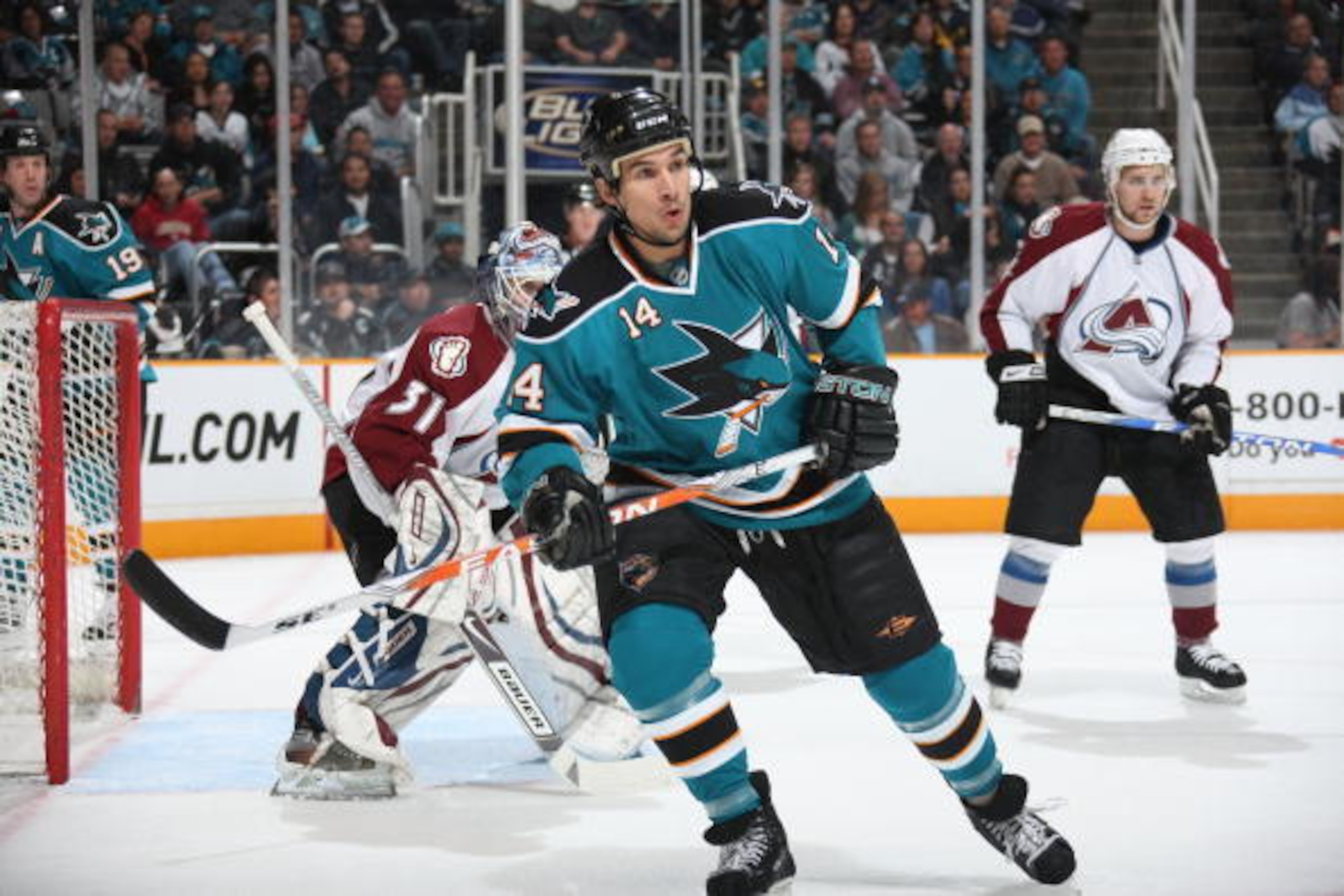
During the 2005-06 NHL season, everyone was aboard the Jonathan Cheechoo train.
The Canadian-born right winger took home the Maurice Richard Trophy (given to the league’s top goal scorer) with 56 goals on the year, becoming the first San Jose Shark to win the prestigious award.
Cheechoo shared the wealth, too, dishing out 37 assists while appearing in all 82 games. In total, he recorded 93 points during his breakout season.
Cheechoo’s success, however, was short-lived.
He accumulated 69 points the following year but, after that, never more than 37 and he was out of the league all together by the middle of the 2009-10 season.
Dana Barros
3 of 13
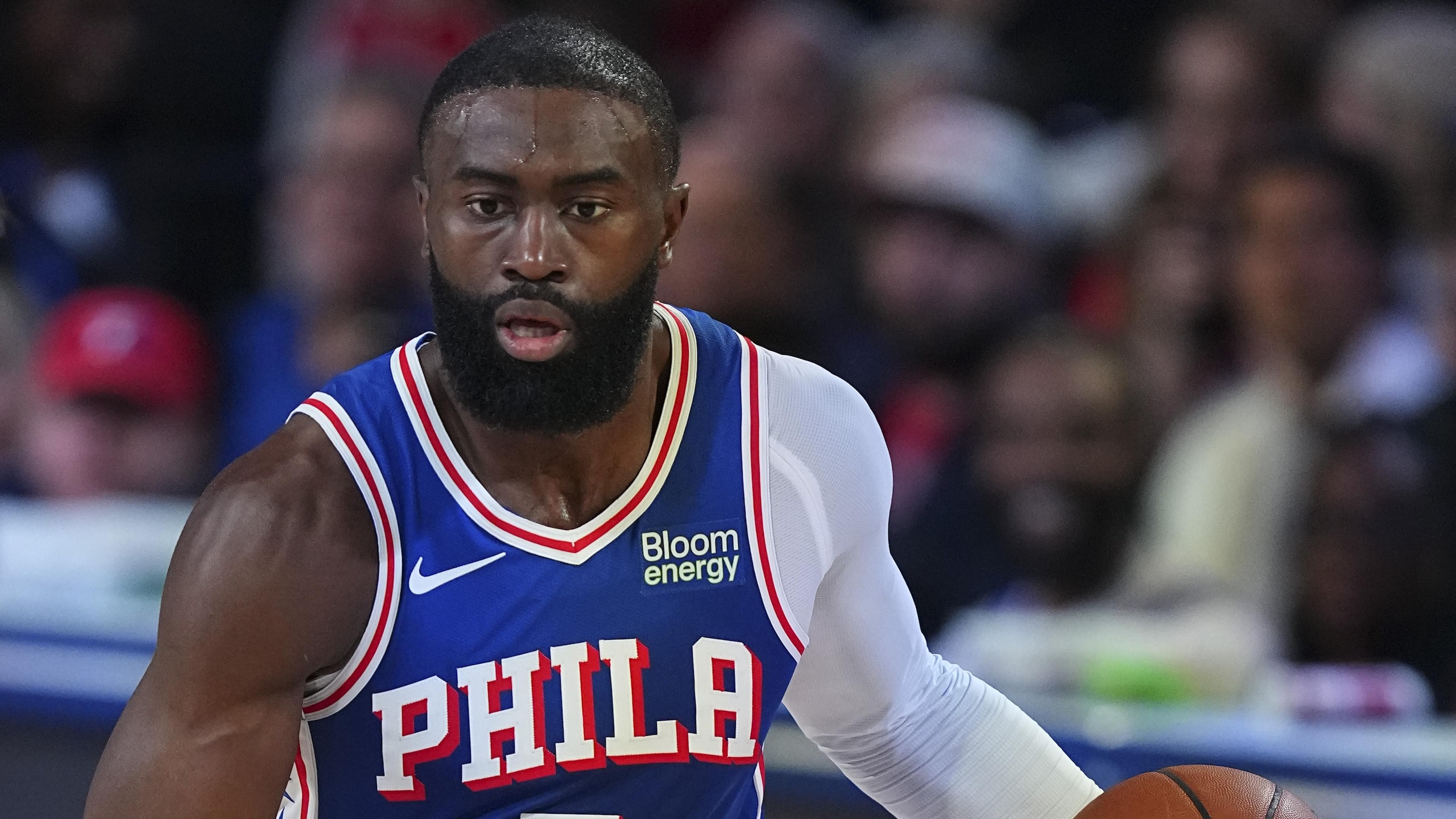
In truth, Dana Barros managed to have a long and successful NBA career, playing for four different teams from 1989-2004.
Throughout it all, Barros averaged a healthy 10.5 PPG to go along with 3.3 APG.
But during the 1994-95 NBA season, the former Boston College star took his game to a whole new level, one he’d never reach again.
Suiting up—and starting—for the Philadelphia 76ers, Barros made good use of the additional playing time—he averaged 40.5 MPG, nine more than his previous career high.
Of course, he didn’t just play more; he produced more, too.
In short, Barros shattered his previous career highs—13.3 PPG and 5.2 APG—by contributing 20.6 PPG to go along with 7.5 APG.
For his efforts, the point guard was named an Eastern Conference All-Star and was also honored with the league’s Most Improved Player award.
The following year, Barros fell back to reality, and he never again averaged more than 13 points or 4.2 assists in a single season.
.jpg?w=2560)
Mark Fidrych
4 of 13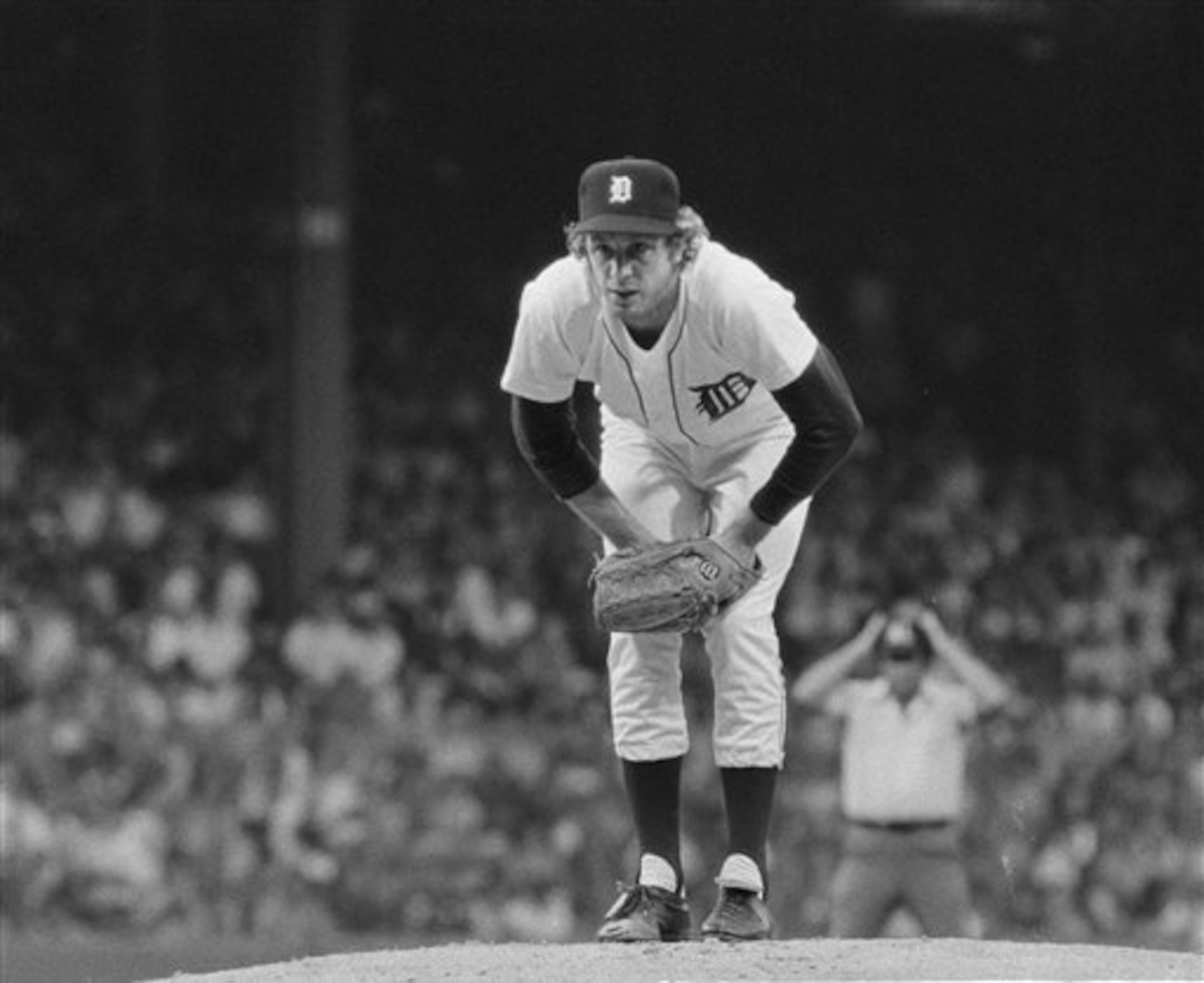
Baseball, more than any other sport, has seen rookies excel before vanishing completely.
And, speaking of the phenomenon, Mark Fidrych could serve as its poster boy.
Fidrych broke into the league with the Tigers in 1976 and quickly established himself as an elite talent.
In fact, en route to winning AL Rookie of the Year honors, Fidrych posted a major league-best 2.34 ERA along with a gaudy 19-9 record.
Unfortunately, Fidrych’s first season would be his last and only great one.
He never again won more than six games in a year and made just 27 combined starts over the next four seasons.
And by 1980, injuries had ravaged The Bird, forcing him out of baseball completely.
Michael Chang
5 of 13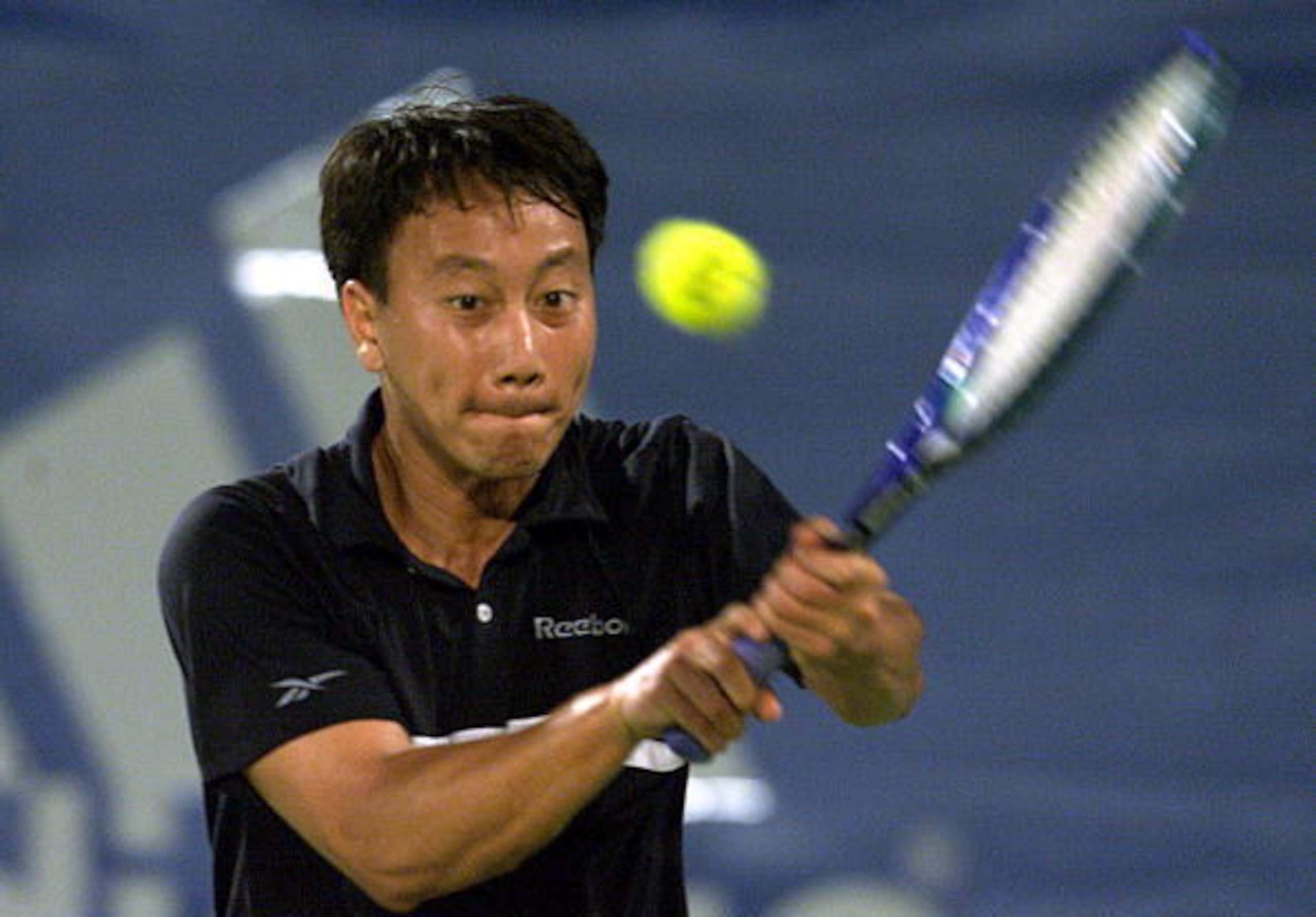
Just like the already-addressed Dana Barros, Michael Chang had a solid career as a professional athlete.
He maintained top-10 status in the ATP world rankings for several years in the 1990s and rose all the way to No. 2 in 1996.
With that said, the speedy baseliner never came close to matching the promise he displayed in 1989.
At just 17 years of age, the California native outdueled the great Stefan Edberg in a five-set French Open final, becoming the youngest player ever to win a Grand Slam singles title.
With defensive heroics, Chang continued to entertain the tennis world for another 14 years. He, however, only reached three more major finals (two in 1996) and lost two of them in straight sets (combined, he lost nine of 10 sets), never fully regaining his early form.
1-Year Receivers
6 of 13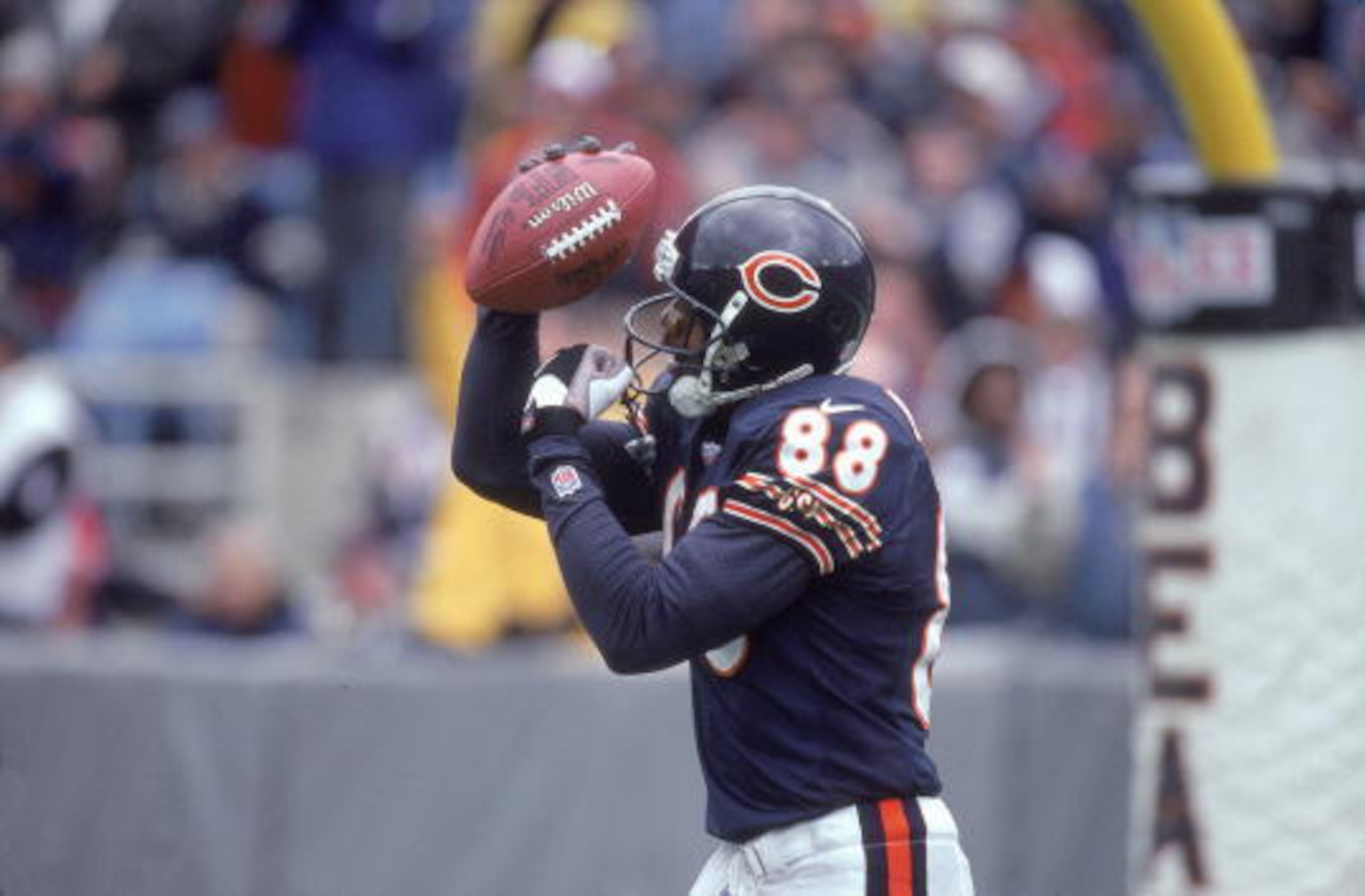
It’s no secret that NFL wide receivers can be as fickle as they are temperamental. The league is littered with guys who excelled for a year before disappearing the next.
For example, Lionel James spent five years in San Diego from 1984-1988, but only one was worth remembering.
In 1985, and out of nowhere, James—who was listed as a RB but was really more of a pass catcher than anything else—rushed for 516 yards and two TDs to go along with an AFC-best 86 catches for 1,027 yards and another six scores. His receiving total was at the time an NFL record among running backs and his all-purpose total of 2,535 yards—which included another 992 yards in kick and punt returns—was an NFL record as well.
Of course, James never again even flirted with such exceptional numbers—his next-best rushing total in a season was 224 yards and he never caught more than 593 yards worth of passes.
The 1999 NFL season produced two one-year wonders.
The year saw Carolina wideout Patrick Jeffers haul in 63 passes for 1,082 yards and 12 scores. Meanwhile, in his other four seasons combined, the Virginia grad managed just 35 catches for a dismal 481 yards.
The year was equally kind to Chicago Bear Marcus Robinson, who caught 84 passes for an impressive 1,400 yards and nine scores. His next-best year: Fifty-five catches, 738 yards and 5 TDs.
Finally, and more recently, Michael Clayton teased Bucs fans everywhere with immense promise before ultimately letting them down.
In his rookie season, the No. 15 draft pick led all rookies with 80 receptions for 1,193 yards to go along with 7 TDs.
Keeping with the theme, Clayton’s momentum quickly stalled. He never again had more than 484 receiving yards in a season and scored a combined three TDs over the next seven years.
Brady Anderson
7 of 13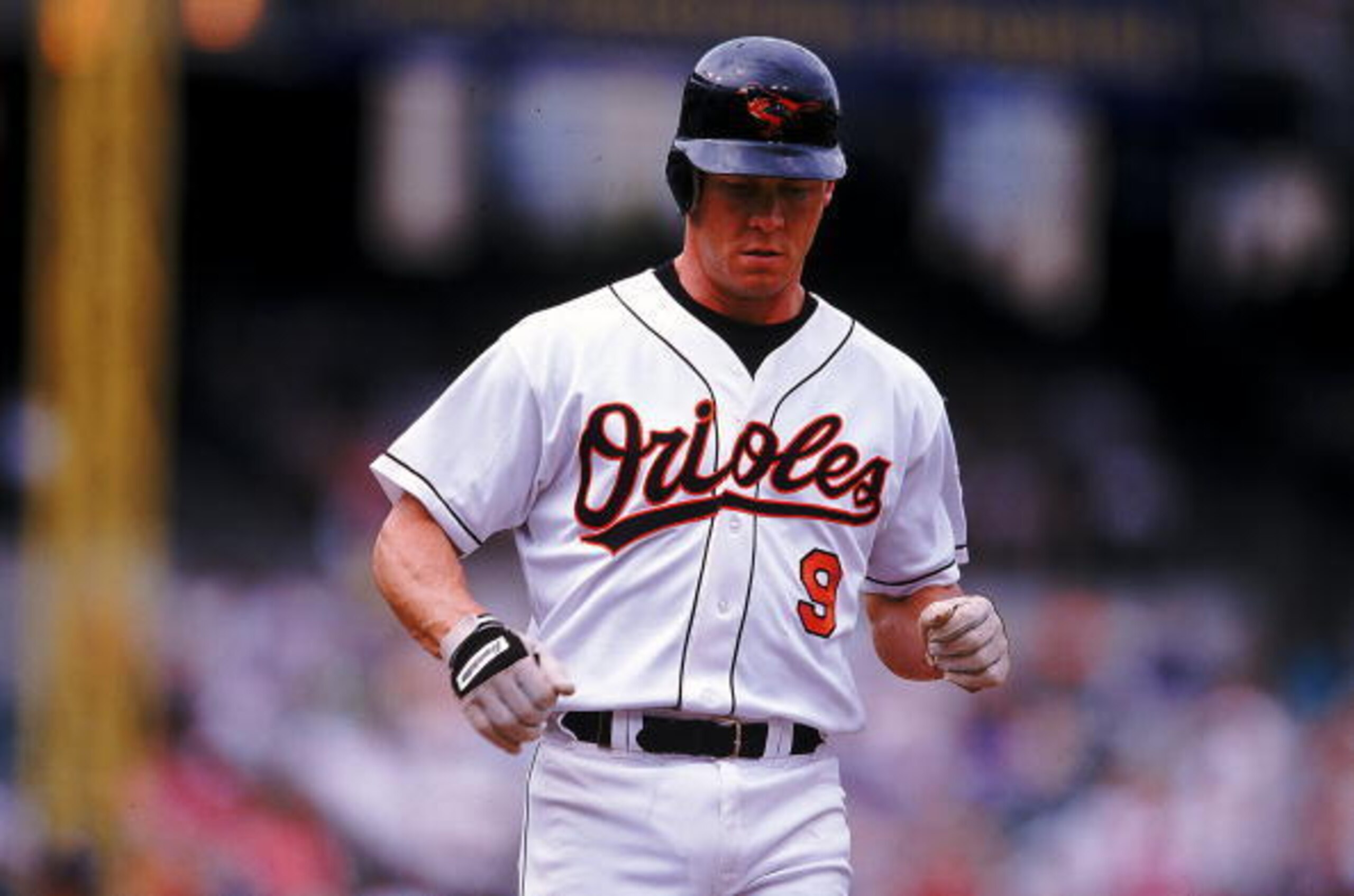
If you exclude the 1996 season—by far Brady Anderson’s best—and then selectively pick and combine the top numbers from the other 14 in which he played, it would look like this: Eighty-one RBI and 24 HR with a .288 BA.
Anderson’s numbers in 1996 alone, however, dwarf those above.
That year he knocked in 110 runs and hit an extraordinary 50 homers, all while batting a career-best .297. His 1996 slugging percentage (.637) was 160 points better than his next-best mark (.477).
While many suspect that Anderson was using performance-enhancing drugs at the time, he was never officially found guilty of doing so. And, either way, he’s still responsible for one of the more memorable, and surprising, seasons in Baltimore Orioles history.
Scott Bjugstad
8 of 13Between 1983 and 1993, Scott Bjugstad bounced around the NHL, CHL, AHL and IHL. All told, he appeared in 317 National Hockey League games, producing no more than 22 points in a single year.
That, of course, excludes the 1985-86 season, when the Minnesota North Star took the hockey world by storm.
Coming off an 11-goal, four-assist year in ‘84-‘85, the Minnesota native caught fire in '85-'86, finishing the year with 43 goals and 33 assists, good enough for a 76-point season.
Bjugstad’s next-best output came in ’87-’88, when he recorded just 22 points on the year.
Joe Charboneau
9 of 13
Just like Mark Fidrych had a few years prior, Joe Charboneau put forth a truly memorable rookie season in 1980. Featuring on-field promise in addition to an eccentric personality, the Illinois-born outfielder captivated the City of Cleveland.
At the age of 25, Charboneau hit .289, scored 76 runs, drove in another 87 and belted 23 homers.
For his efforts, he won the AL Rookie of the Year award, earned the nickname Super Joe and became the most popular "kid" in town.
His success, however, stopped nearly where it started. He would appear in only 70 more games for the Indians and finished with just 97 career runs and 114 RBI.
To this day, Charboneau holds the rookie for fewest number of games played by a Major League Rookie of the Year.
1-Year Running Backs
10 of 13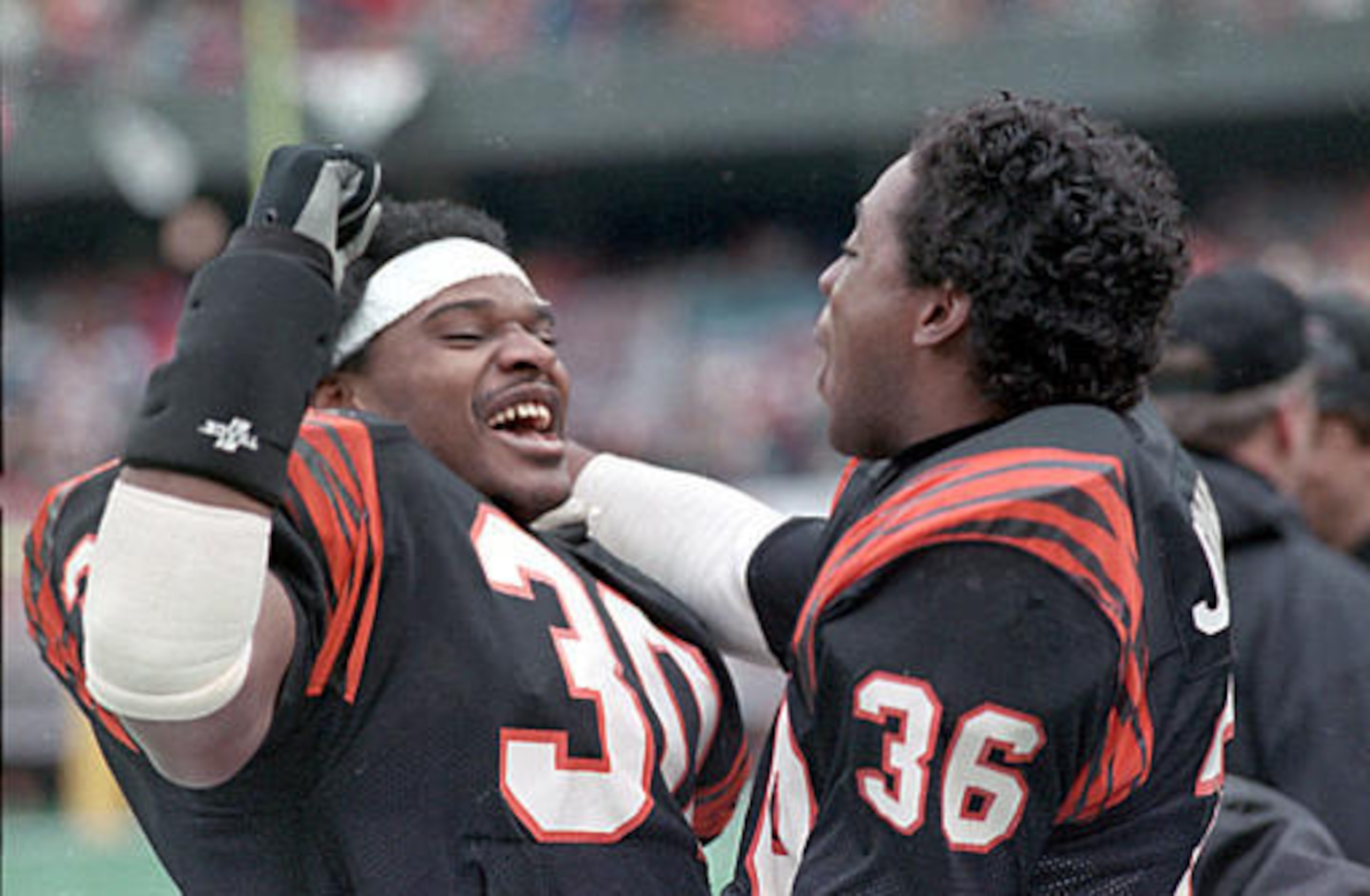
Just as it is with receivers, the NFL is littered with one-year wonders at the running back position, too.
And perhaps no one fits the bill more than former Green Bay Packer Terdell Middleton. In 1978, the third-round pick rushed for 1,116 yards and 11 TDs en route to making his first and only Pro Bowl. In his other six seasons combined, Middleton managed just 932 yards and four scores.
When the Cleveland Browns used their first-round selection in the 1980 draft on Heisman Trophy-winner Charles White, they thought they’d found a star. Unfortunately, it took seven years for White to produce anything even approaching a quality season and, even then, he did it for the Rams.
Nonetheless, White found his groove in 1987, making the Pro Bowl after more than tripling his career-high rushing total, going from 342 yards to 1,374 and 11 TDs.
He retired a year later after rushing for just 323 yards and failing to find the end zone.
Ickey Woods—who is now best known for this moment of brilliance—is also infamous for his flash-in-the-pan career. Woods—who played in the league for four short years from 1988-1991—rushed for more than 100 yards in a season on only two occasions. First, in a memorable rookie campaign, the California native carried the ball 203 times for 1,066 yards and a ridiculous 15 TDs, landing himself a spot in the Pro Bowl. Two years later, Woods carried the ball 64 times for a measly 268 yards.
He had just 191 rushing yards combined throughout the rest of his NFL career.
Finally, in 1999, Olandis Gary became yet another back to take advantage of Mike Shanahan’s famous zone-blocking scheme. That year, Gary carried the ball 276 times for 1,159 yards and seven scores. His next-best season came in 2003, when he ran for just 384 yards and two TDs.
Rich Beem
11 of 13
Rich Beem introduced himself to the golf world in 1999, winning the Kemper Open as a rookie.
He did not, however, truly reach his peak until 2002, a year that saw him win four tournaments and reach top-20 status in the World Golf Rankings.
Most notably, Beem held off a fast-charging Tiger Woods to capture the 2002 PGA Championship, one of golf’s four major tournaments.
From there, though, Beem all but vanished—he never won another PGA Tour event and eventually lost his tour card in 2011.
Wayne Garland
12 of 13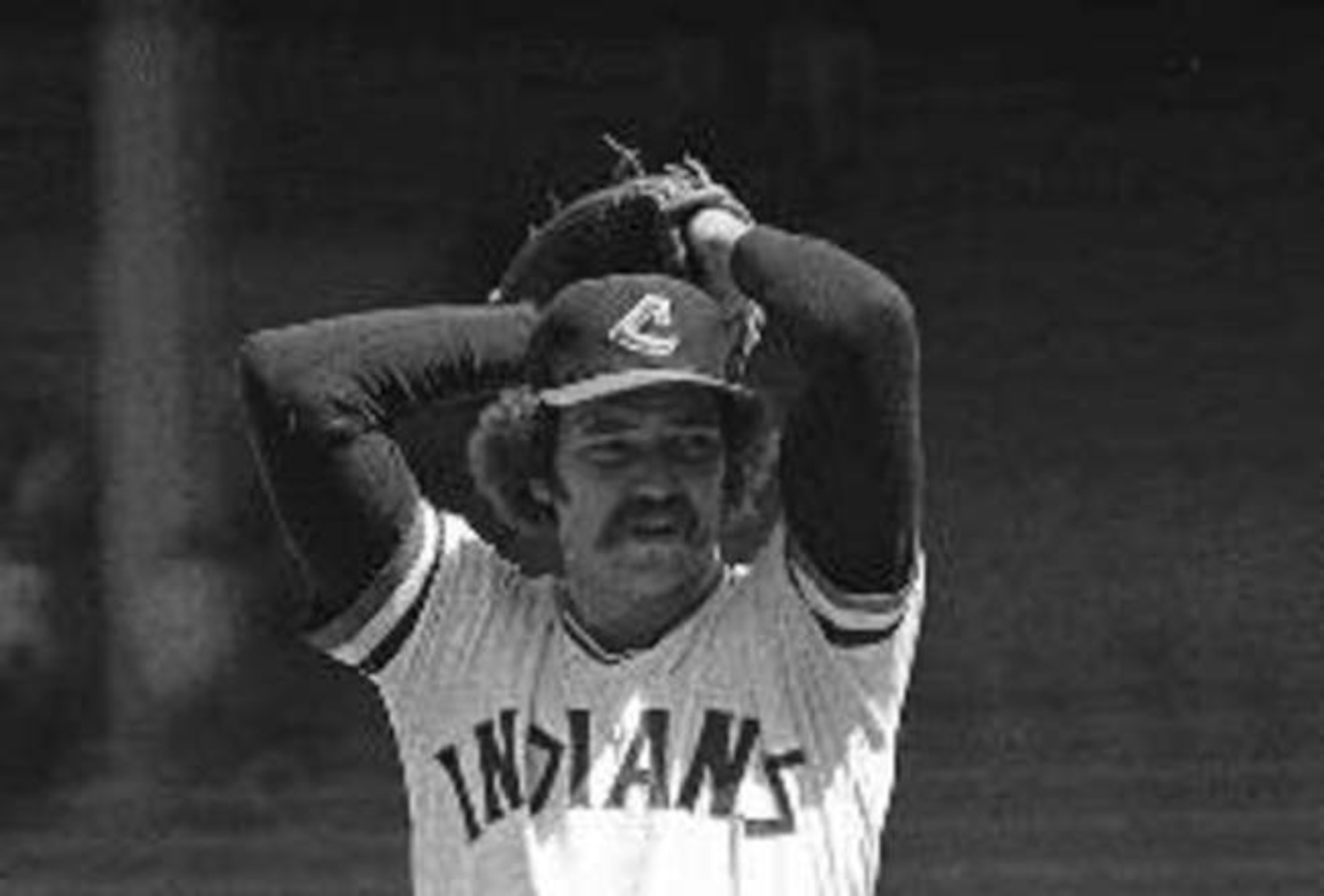
Wayne Garland managed to enjoy nearly a full decade (1973-1981) of major league baseball, suiting up for both the Baltimore Orioles and Cleveland Indians.
For the most part, Garland was strictly average, except for in 1976, when he was absolutely amazing.
In his career year, the righty appeared in 38 games and pitched just over 232 innings, notching an impressive 20 wins while losing only seven. Throughout it all, Garland struck out 113 batters and posted a 2.67 ERA.
He was again decent the following year—13-19 with a 3.6 ERA—but won six games or less with an ERA of 4.61 or higher in every season thereafter.
1-Year Quarterbacks
13 of 13
The quarterback position is arguably the most difficult to play in all of sports. As a result, you’d think those who play it well would be excluded from the one-year wonder discussion.
But surprisingly, that simply isn’t the case.
In 1995, Detroit Lion Scott Mitchell torched the NFL, setting franchise records for passing yards (4,338) and TDs (32) while throwing just 12 INTs. Of course, his second-best outing—which came in 1997—was noticeably inferior: 3,484 yards, 19 TDs and 14 INTs.
Just four years later, Carolina’s Steve Beuerlein enjoyed a similar breakthrough experience. In fact, from a statistical standpoint, the Notre Dame grad put together one of the all-time great seasons, completing better than 60 percent of his passes for 4,436 yards, 36 TD and 15 INTs. Beuerlein was OK in 2000—3,730 yards with 19 TDs and 18 INTs—but then never again eclipsed the 1,000-yard passing mark.
More recently—in 2007—Derek Anderson took the Browns on a memorable journey, going 10-5 in games he started while putting up prolific numbers in the process. Throughout his Pro-Bowl campaign, Anderson threw for 3,787 yards, 29 TDs and 19 INTs, exceeding his next-highest totals by 1,072 yards and 20 TDs.
We'll finish our list with Tim Tebow, who presents perhaps the most unique case of all.
The legendary college quarterback spent just three years in the NFL—from 2010-2012—yet it is responsible for one of the most mesmerizing seasons in sports history.
Taking over a bad Broncos team (1-4) five games into the 2011 season, Tebow dug deep within and found a way to win seven of his 11 starts, mostly in unconventional fashion.
His stats were far from overwhelming—1,729 passing yards, 225 rushing yards, 18 total TDs—but he got the job done with clutch play and extraordinary effort.
His historic run included a six-game win streak (at the time, Denver’s longest since 1998), four consecutive fourth-quarter comebacks, an AFC West title and a playoff win in Pittsburgh, which was Denver’s first postseason victory in six years.
Yet, despite all the drama, excitement and winning, Tebow never started another NFL game and was out of the league completely just two short years later.
Follow Janovitz on Twitter @BrainTrain9