Jacksonville Jaguars Rebuild Coming Slowly; Should We Be Surprised?
It's time to share with you a nasty little secret about rebuilding in the NFL: It doesn't happen overnight when you're coming from the very bottom.
The Jacksonville Jaguars are frustrated. They have every right to feel that way as they head into their bye week with a record of 1-9. With how their defense improved toward the end of last season, and with the hope that they could bench Chad Henne for preseason standout Blake Bortles, there was enough smoke to believe in the narrative of quick improvement.
So it's not surprising to hear head coach Gus Bradley tell the Jacksonville media that he doesn't think the progress is coming fast enough. He's in the middle of his second season as a head coach and has five wins to his name. That's enough to ratchet up the pressure on any head coach, regardless of how much the organization appears to have his back.
TOP NEWS
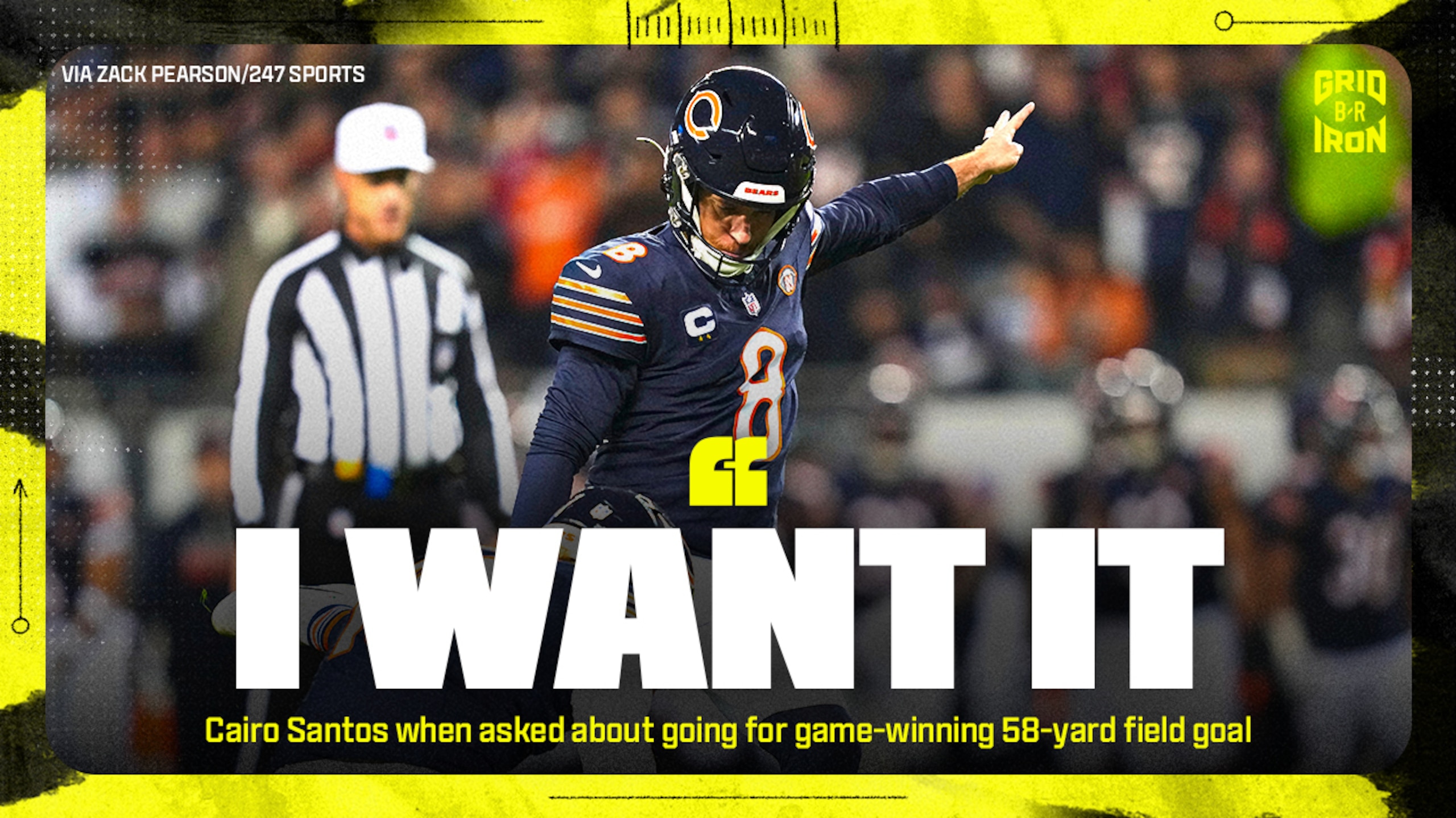
Bears' Santos Wanted to Kick 58-Yarder
.jpg?w=2560 "Chargers Chiefs Football")
Reported Details of Seahawks-K9 Split ⛓️💥
Picking Each NFL Division Winner 🔮
But here's the real question: How quickly should the Jaguars be able to turn it around?
Of course, that question is loaded. Sometimes NFL teams have an off year and turn things around very quickly. Think about how quickly the Eagles reloaded after head coach Andy Reid's final season in 2012. The Colts turned what could have been a disastrous post-Peyton Manning roster around by landing Andrew Luck in the 2013 draft.
But I'd argue that Jacksonville is trying to escape out of a much different situation. It's one thing to have the power of the Plexiglas Principle on your side as you attempt to rejoin contention. It's another entirely to claw your way out of NFL purgatory.
I've compiled a list of teams since 1997 that have (1) either been under .500 or missed the playoffs in three or more consecutive years and (2) paired that with at least one season of 4-12 or worse.
Hopefully, this can give you a little perspective on how long a long-term rebuilding project can actually take: We're usually not talking about three years; we're talking about five or six.
| Buffalo | 10 | 2004-Present | 1 |
| St. Louis | 7 | 2007-Present | 4 |
| Cleveland | 6 | 2008-Present | 3 |
| Jacksonville | 4 | 2011-Present | 2 (so far) |
| Tampa Bay | 3 | 2011-Present | 2 (so far) |
| Oakland | 3 | 2012-Present | 1 (so far) |
| Washington | 3 | 2009-2011 | 1 |
| Detroit | 10 | 2001-2010 | 5 |
| Oakland | 7 | 2003-2009 | 4 |
| Kansas City | 3 | 2007-2009 | 3 |
| San Francisco | 6 | 2003-2008 | 2 |
| Arizona | 7 | 2000-2006 | 2 |
| Houston | 5 | 2002-2006 | 2 |
| Cleveland | 4 | 2003-2006 | 2 |
| Cincinnati | 6 | 1997-2002 | 3 |
And, once these teams escape from this list, they aren't necessarily off it forever. The Browns went 10-6 in 2007 and went right back to being a doormat. The Raiders made the .500 mark in both 2010 and 2011 before going back to the gutter. Washington won the NFC East in 2012, then finished 3-13 in 2013. More than anything, what this list shows you is that the effect of drafting poorly is cumulative. Flubbing a draft isn't just felt for three years; it can be felt for five, or seven or nine.
This is why Jacksonville has found itself at the bottom of the NFL landscape. Under former general manager Gene Smith from 2009-2012, the Jaguars selected little but pain and misery. Jaguars fans know the drill: quarterback Blaine Gabbert, defensive lineman Tyson Alualu way ahead of where most draftniks had him, selecting punter Bryan Anger before quarterback Russell Wilson was off the board, and so on.
Only four draftees from the Smith years are still on the active roster: Alualu, Anger, 2011 fourth-round wideout Cecil Shorts and 2012 second-round defensive lineman Andre Branch. (Wideout Justin Blackmon is on the suspended list.)
| Cecil Shorts | 2011/4 | WR | 12 | Solid No. 2 receiver |
| Andre Branch | 2012/2 | DE | 4 | Rotational pass-rusher |
| Bryan Anger | 2012/3 | P | 6 | Solid punter |
| Tyson Alualu | 2010/1 | DL | 27 | Rotational run-stuffer |
For an NFL team to have a top-10 selection four seasons in a row and not even find a borderline star is, frankly, inexcusable. The reason this current roster is so behind the curve is because it's essentially gotten one productive non-special teams player out of four entire years of picks. That's how many years the current front office has to catch up on.
General manager David Caldwell, Bradley and the Jacksonville analytics department haven't had a terrific start. They traded left tackle Eugene Monroe away only to watch new left tackle Luke Joeckel struggle as the offensive line fell apart. "Bargain" signings like running back Toby Gerhart and linebacker Dekoda Watson blew up in their faces this year. First-round quarterback Blake Bortles looks able, but he has yet to figure out which throws his arm can't cash while he's been busy running for his life.
But regardless of their competency—and I'm still pretty high on their process—turning around this roster in two years would've been a miracle. The Jaguars are going to need their big investments like Bortles and Joeckel to hit, and they're going to need to continue to accumulate talent at a quick pace to even become competitive in 2015.
And that's OK, because even a three-year plan seems aggressive when you chart out where this roster was coming from against similar teams. The Jaguars seem smart, but they aren't miracle workers, and they don't have a time machine. This could be a while.
.jpg?w=2560)
.jpg?w=2560 "Texans Jaguars Football")