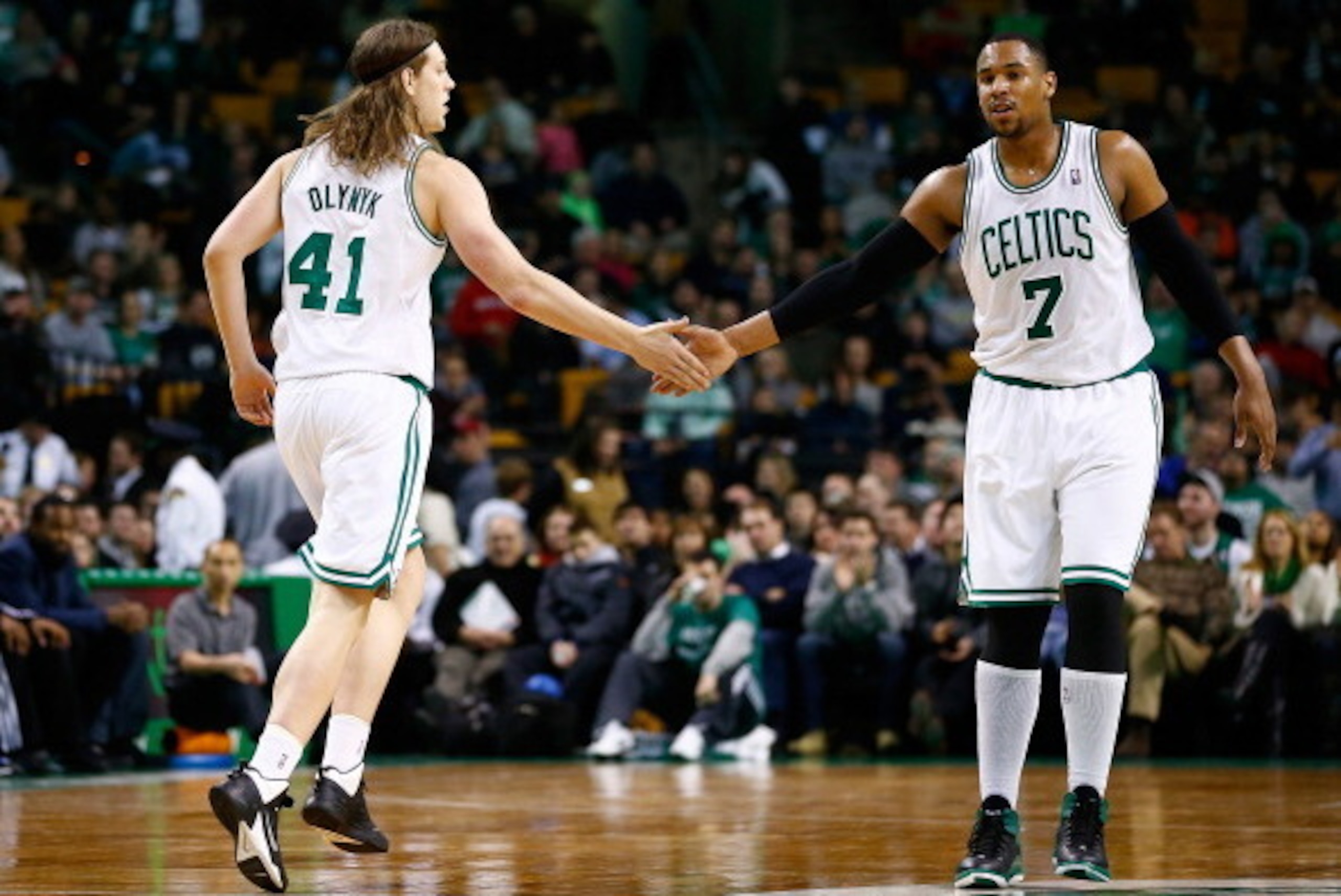

Jared Sullinger vs. Kelly Olynyk: The Tale-of-the-Tape Trade Debate
After a summer of Kevin Love-to-the-Boston-Celtics trade rumors, including this one from Yahoo's Adrian Wojnarowski, the highly sought-after power forward was dealt from the Minnesota Timberwolves to the Cleveland Cavaliers. With Boston unable to swing a deal for the three-time All-Star and double-double machine, forwards Jared Sullinger and Kelly Olynyk remain in Celtic Green. For now.
There’s no denying that president of basketball operations Danny Ainge is willing to trade anyone if he feels it is better for the team. It’s why Sullinger and Olynyk’s names were swirled around in trade speculation during the offseason, according to Chad Finn of Boston.com.
And while Sullinger and Olynyk are promising prospects, it’s hard to imagine both remaining Celtics in the long term. They are too similar as players to remain teammates.
Boston wants to go from rebuilding to contending as quickly as possible. The right trade would jump-start the process. So who would be better to trade for the Celtics to turn the team around?
Build and Athleticism
1 of 6
Sullinger: 6’9”, 260 lbs
Olynyk: 7’0”, 238 lbs
In a sport that requires athleticism, Sullinger and Olynyk both come up well short. Neither has an ideal body, but they use them to their strengths. Successful teams usually can get by with one skilled, below-average athlete. But two with physical limitations, especially at the same position, could prevent a team from becoming elite.
Sullinger lacks length, while Olynyk has short arms. Neither is an explosive jumper. However, Olynyk separates himself with his ability to run the floor. He gets up and down the court with ease, making him great for fast breaks. Coach Brad Stevens wants to play with tempo, which makes Olynyk a great fit in that regard.
It was expected that Sullinger, fully recovered from back surgery in 2013, would get in the best shape of his life for the 2014-15 season. The 2013 offseason was dedicated to rehabilitation—strengthening his back and core to return to playing basketball. With his back no longer an issue, nothing was keeping Sullinger from getting in peak basketball shape.
Whether Sullinger achieved this is up to debate. He doesn’t look noticeably different from last year. While mass is a significant part of his game, improving his body fat ratio would put Sullinger in position for the best season of his career.
Olynyk has the opposite problem—he needs to get stronger. He was bullied by bigger players in the post last year. Building Olynyk up is especially necessary as Boston’s lack of quality centers means he'll start in the middle in 2014-15. But getting bigger is always a better problem than getting leaner.
Scoring
2 of 6
Sullinger: 13.3 points, .427 field-goal percentage in 2013-14; 15.0 points, .462 percent in 2014
Olynyk: 8.7 points, .466 percent in 2013-14; 12.5 points, .571 percent in 2014
After he shot just 27 percent from three-point range last season, most people believed Sullinger had no business increasing his range to beyond the arc. Shooting 50 percent through the preseason is a strong case for it, though.
Sullinger played last season with a dislocated index finger on his shooting hand. With his finger no longer bothering him, will his accuracy spike? So far Sullinger is just 1-of-9 (.111) on three-point attempts.
A dependable three-point shot would make Sullinger able to score from anywhere on the floor. He already uses his body well to create space and score inside to complement his mid-range jumper.
Olynyk has similar diversity but uses different methods. He spent his youth playing point guard before a growth spurt turned him into a big man. But Olynyk retained much of his ball-handling skills, which enable him to play with his back to the basket or to face up an opponent.
As if an outside-inside game and solid ball handling for a big man weren't enough, Olynyk runs the floor well, making him a target for finishing fast breaks.
While both can score from anywhere, both will have some difficulties scoring inside due to their lack of athleticism. Both will be frequent victims of blocked shots.
Rebounding
3 of 6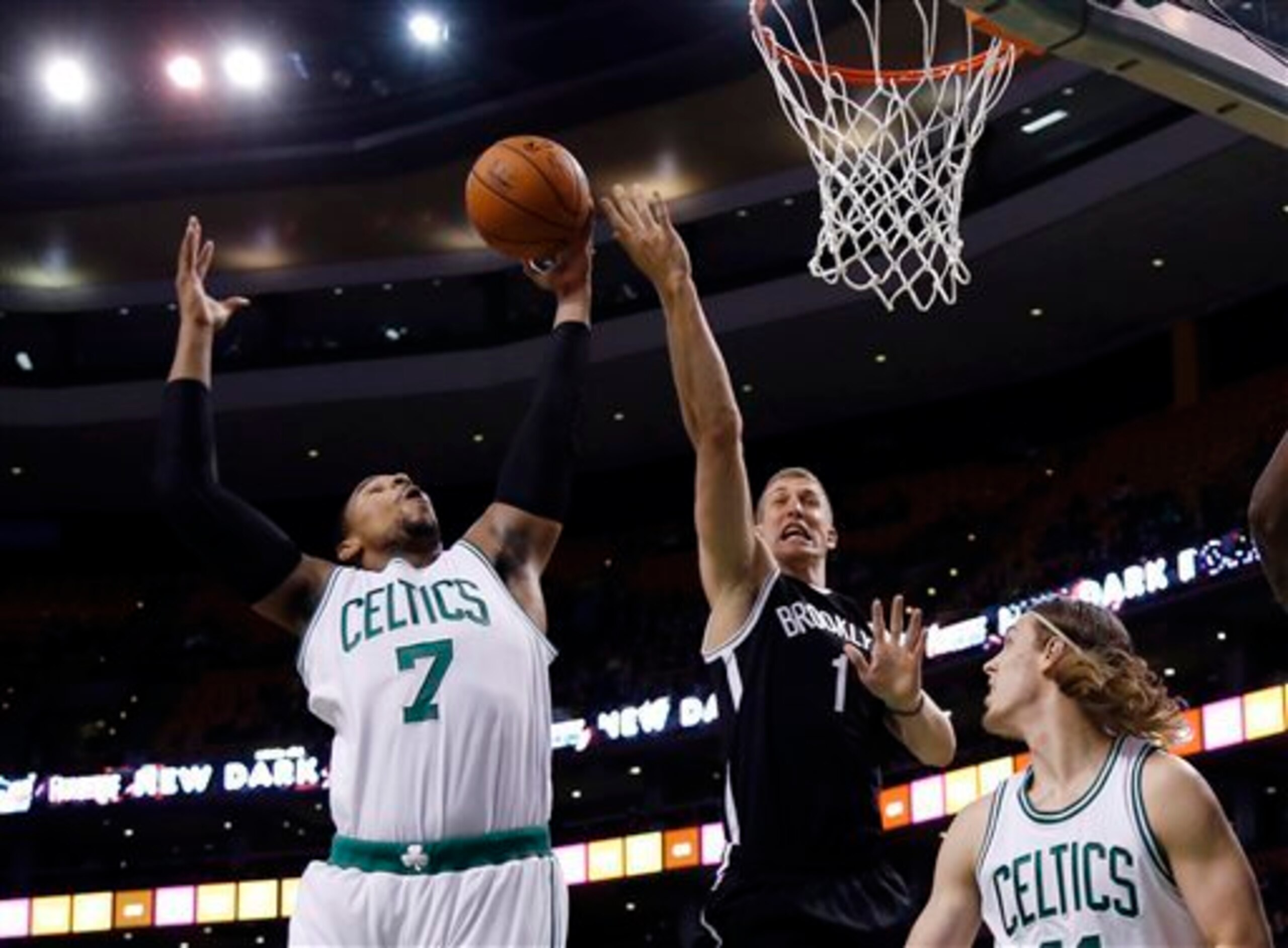
Sullinger: 8.1 rebounds in 2013-14; 9.0 in 2014
Olynyk: 5.2 rebounds in 2013-14; 7.0 in 2014
Sullinger will often lag behind when Boston runs the floor, but he can spark Boston’s fast break. Sullinger led the Celtics in rebounding last year and had 25 double-figure rebounding nights, including 20 against the Toronto Raptors on January 15.
Olynyk showed promise on the boards in his rookie year, averaging 5.2 per game and having five games with 10 or more boards. But he won’t reach Sullinger’s level on the glass. Besides the physical limitations, Olynyk’s offensive role as a stretch big man will keep him out of the paint frequently.
Sullinger’s prowess on the boards is a gift. He leverages space against bigger, more athletic players and carves out room to get his mitts on the ball. His palms are seemingly adhesive, and he turned tipping the ball to himself into an art form. Sullinger has the ability to average at least 10 rebounds per game.

Ball-Handling
4 of 6
Sullinger: 1.6 assists, 1.6 turnovers in 2013-14; 2.0 assists, 0.8 turnovers in 2014
Olynyk: 1.6 assists, 1.5 turnovers in 2013-14; 1.5 assists, 1.8 turnovers in 2014
Few big men are capable of bringing the ball up on offense. Olynyk is one of them. Several times during the preseason, he took the lead pass off the defensive rebound and pushed the ball across half court. He’s still doing so now that the games count.
When Boston settles into its half-court offense, Olynyk moves the ball almost as well as a guard. He can find open teammates from the post equally as well as hitting a cutter from the top of the key. Included in Olynyk’s repertoire is the ability to thread bounce passes through small openings.
While not at Olynyk’s level, Sullinger has good touch while passing the ball. Thanks to his big hands, he’s able to zip passes on target. Stevens wants the Celtics to keep the ball moving. He has two big men who do that very well.
Defense
5 of 6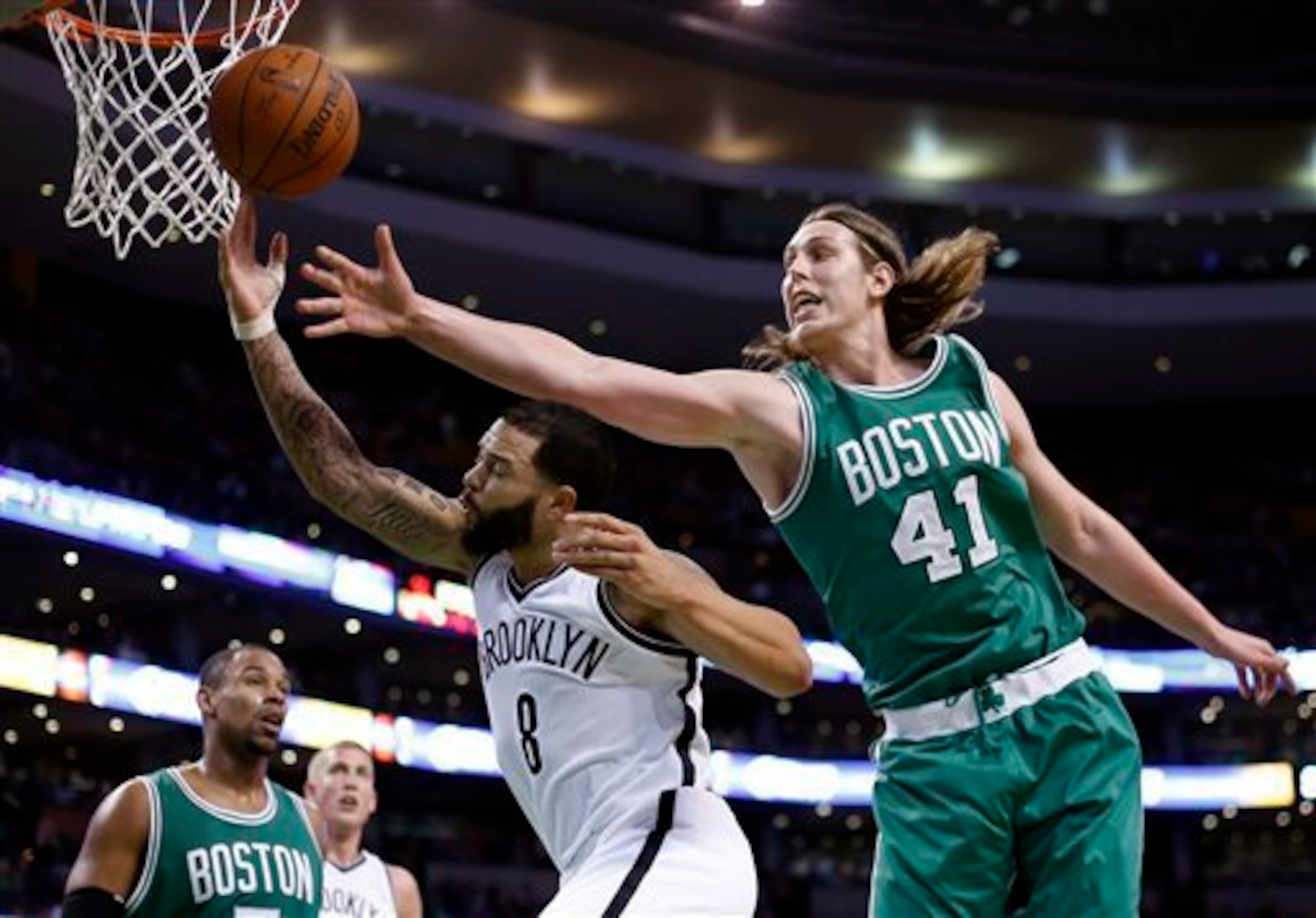
Sullinger: 0.5 steals, 0.7 blocks in 2013-14; 0.5 steals, 1.8 blocks in 2014
Olynyk 0.5 steals, 0.4 blocks in 2013-14; 1.3 steals, 0.3 blocks in 2014
Physical limitations make both Sullinger and Olynyk average defenders at best. The best either can do is stay between the player and basket. Either one in the paint is an invitation to drive to the rim, though Sullinger has delivered hard fouls in the past to make opposing players test their courage.
Outside the paint, Olynyk will have better success against the pick-and-roll but can still get beaten on a drive or jump shot. Because Sullinger can hold his ground inside against opposing centers, he will get more opportunities to block shots, but many players will be able to get their shots over him.
Summary
6 of 6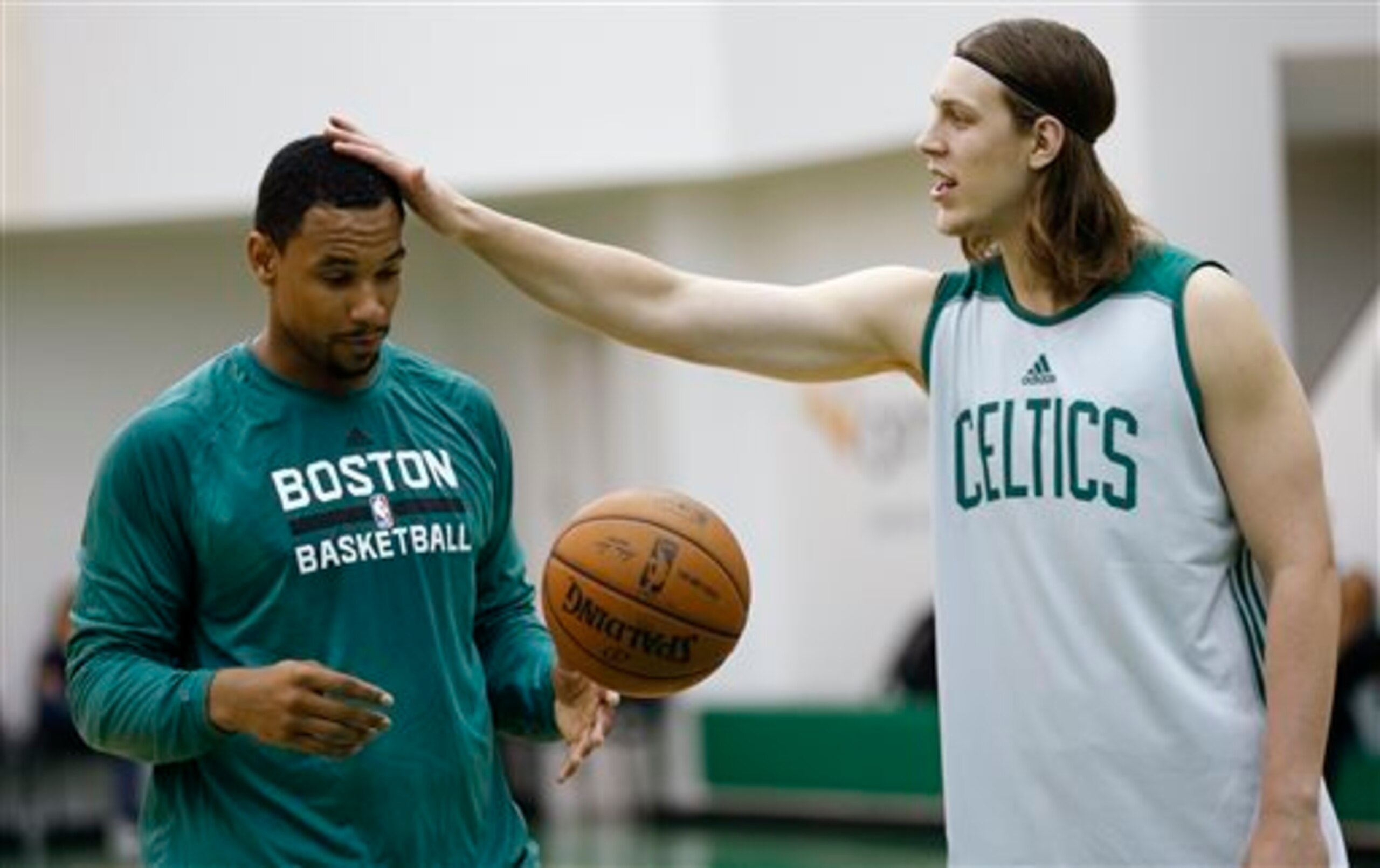
If Boston decides to trade either player, it would get a little more for Sullinger because he could average a double-double for any team. On a good team, either player would be a productive reserve, though Sullinger can start for some teams.
Big men who can space the floor are very desirable in today’s game. But Olynyk’s defense limits his value. He has to be the glue guy who knocks down open three-pointers but is also unselfish on offense, willing to make the extra pass to an open teammate.
Either would benefit from being paired with a defensive center who protects the paint, which would allow Sullinger or Olynyk the freedom to play an inside-outside game. Ideally, Boston can package one of them to acquire a legitimate rim-protector.
Sullinger will be more productive, but Olynyk is a better fit for Boston. If Boston does not trade one or both of them, the Celtics will have a difficult time becoming a better team if Sullinger and Olynyk remain their starting frontcourt.
Statistics taken from Basketball-Reference.com. Questions? Comments? Send to randolphc82@comcast.net.
.jpg?w=2560 "Every Trade's Best Trade Asset 🔁")
.jpg?w=2560 "Insiders: Cowboys Overpaid for Porter")
.jpg?w=2560 "Top NFL Trade Targets")