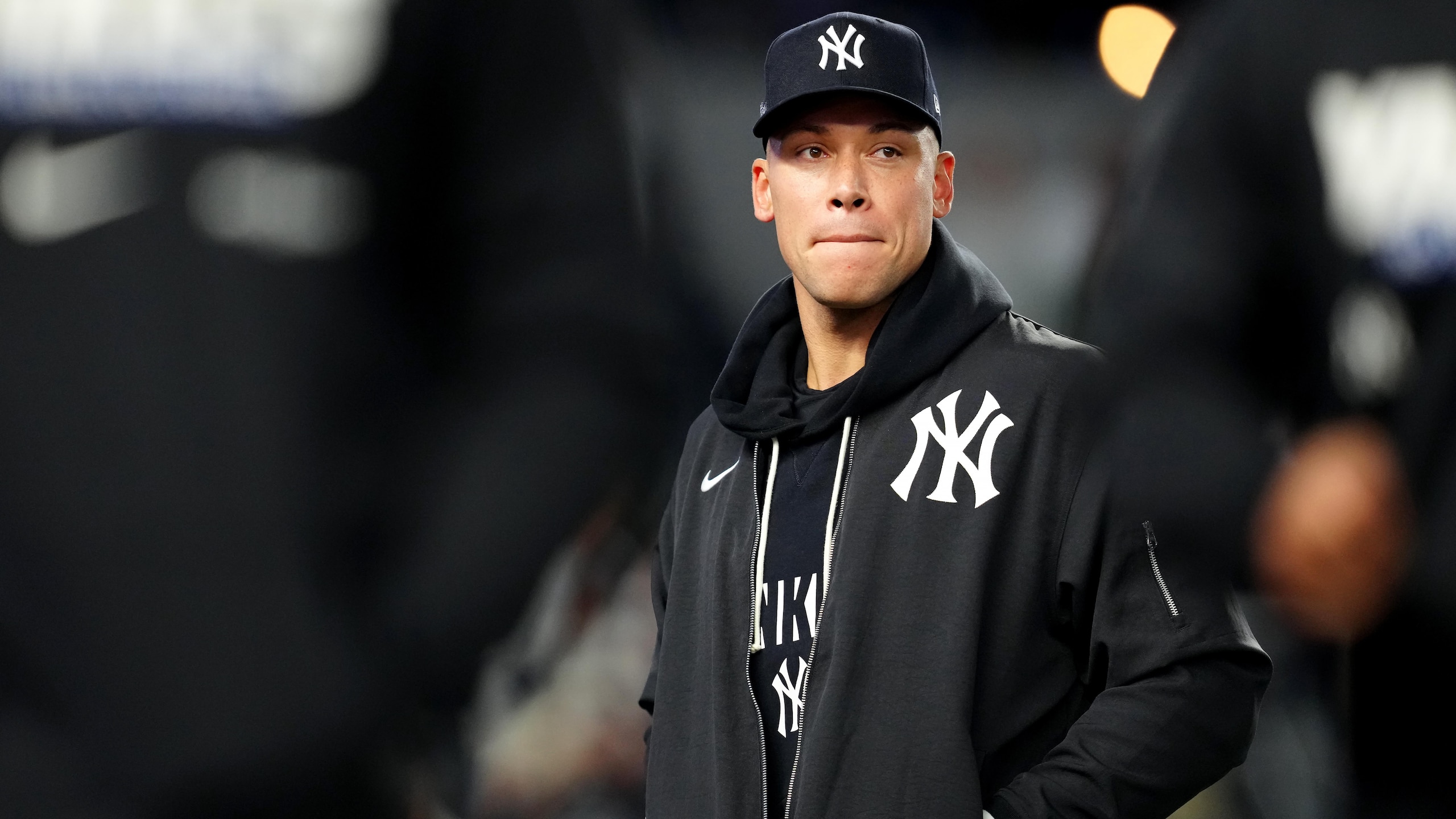
The Good, Bad and Ugly from Boston Celtics' Early Season-Results
The 2014-15 Boston Celtics may be off to a rough start record-wise, but they have been one of the league's most interesting teams to follow.
Behind a revamped offense, a motivated Rajon Rondo and several intriguing young players, Brad Stevens' club has looked feisty and confident in its early contests.
Still, this team is just 1-3 for a reason, and as much as there is to like about a youthful club that plays fast, shoots threes and pressures full court, this team does have its share of obvious issues.
TOP NEWS
Giannis' Warning to NBA ⚠️

NBA Power Rankings Entering Preseason 🔢
Wizards Guard Admits Tanking 😨
Now that we have a sample size, albeit a small one, that we can assess, let's take a moment and break down the good, bad and ugly from the Celtics' first handful of games.

The Good
Rondo's Play
The best thing about Boston so far this season has clearly been the play of Rondo, as the star point guard finally looks 100 percent recovered from his ACL injury.
Through four games, he’s averaging 9.3 points, nine rebounds and 12.5 assists, albeit while shooting just 43.2 percent from the floor.
He’s leading the league in assists by a comfortable margin, and Brad Stevens clearly trusts him with the keys to this offense.
Rondo also leads the league in assist ratio, per John Hollinger’s stats.
His individual offensive game hasn’t completely come together. However, he is still capable of using his herky-jerky dribble moves to get the rim and splashing the occasional mid-range jumper.
Now that he has developed some timing and chemistry with this crop of Celtics, Rondo is finding ways to make them all more potent offensive weapons.
His chemistry with Avery Bradley is well-established, but Rondo has developed a solid rapport with Kelly Olynyk and Tyler Zeller as well.
He remains one of the game’s most creative passers, capable of fitting the ball in tight spaces and seeing the court better than anyone in the game.
While this team isn’t as adept at knocking down the jump shots he creates, Rondo has adjusted well to the new three-pointer heavy offense Brad Stevens has implemented.
He also benefits from playing with a young squad that is willing to run on the fast break. During the Paul Pierce and Kevin Garnett era, Rondo would have to be a one-man break pretty often. Now he almost always has a running mate.
As ESPN Stats & Information notes, Rondo has been reaching Magic Johnson levels of statistical production.
Defensively, he’s finding his groove and does not have to work as hard with Bradley and Marcus Smart picking up some of the slack.
As long as he stays healthy, it’s tough to see Rondo missing the All-Star Game with his current level of play.
Smart's Chemistry with Starters
Boston fans are watching Smart with the thought that he may be the team’s starting point guard sooner rather than later, and his chemistry with the C’s core players is reassuring.
Smart is averaging 7.8 points, 2.8 rebounds and 1.5 assists, but his true contributions are far more than just numbers.
Smart was absolutely dominant against the Dallas Mavericks in the fourth quarter, making play after play on both ends of the court.
He hit big shots, made unbelievable effort plays and stifled the Mavs backcourt.
Smart and Bradley form one of the most brutal defensive tandems in the league with their willingness to pressure full court. The rookie has also shown nice offensive chemistry with Jared Sullinger and Olynyk.
There will certainly be rough patches with Smart—he is shooting just 33.3 percent, after all—but he has shown flashes of elite talent.
If it turns out that he’s Boston’s point guard of the future, fans shouldn’t have much to worry about.
The Revamped Offensive System
One of the biggest concerns heading into this season was Boston’s lack of consistent outside shooting, but the Celtics decided to eschew those concerns by launching threes at an unreal pace.
Stevens’ new, fast-paced offense is attempting to offset the lack of elite talent on the team by having it push at every available opportunity and shoot as many threes as possible…and it’s working.
The Celtics haven’t been winning, but they’re third in the league in both points per game, at 107.8, and assists, at 24.8.
They’re third in offensive pace as well at 101.5, trailing only the Golden State Warriors and Denver Nuggets, two teams known for their uptempo attack.
This strategy won’t always work. Sometimes it will lead to nights like the 1-of-25 three-point shooting catastrophe against the Houston Rockets, but it’s the best way to compensate for Boston’s lack of elite one-on-one scorers.
The Celtics might not have any terrific volume shooters, but by playing a five-out style of offense they can create driving lanes and open up the paint.
Even though players like Sullinger and Evan Turner aren’t efficient from deep, their willingness to shoot makes them an asset in this offense.
It is unlikely Boston remains a top-five offensive team for the rest of 2014-15, especially if it makes any major trades, but its new philosophy will lead to some transcendent scoring games.

The Bad
Olynyk's Foul Issues
Olynyk struggled with fouls as a rookie, and he hasn’t gotten much better about avoiding them in his transition to starting.
He is only playing 25 minutes per game, which is a reflection on his inability to stay on the court. In that time, he’s accruing 4.5 fouls.
Against Dallas and the Houston Rockets, two teams with elite frontcourts, Olynyk played just 38 total minutes while tallying nine fouls.
Olynyk will never be an elite defender, and his lack of lateral speed leaves him reaching too often, but this is a trend that cannot continue.
Boston’s offense benefits from his versatility as a scorer and a passer, and Tyler Zeller simply cannot bring the same skills to the table.
Hopefully Stevens will make adjustments to keep Olynyk on the floor. He’s too talented of an offensive player to be logging less than 30 minutes per game.
Lack of Defensive Size
The Celtics’ lack of a rim protector was always going to be an issue, but this team has really struggled with size issues on the defensive end.
The three-guard lineup with Rondo, Bradley and Smart works wonders offensively and when providing pressure, but it has some serious half-court issues.
Bradley or Smart are usually left covering a small forward, who can bully them down low or just rise up and shoot over them.
Several times against the Mavs, one of them ended up covering Dirk Nowitzki, which ended with the 7-footer either driving by them or hitting one of his patented fadeaways.
Jeff Green is an athletic and rangy defender, but since he’s being used more as a 4 this season his impact is limited.
He can’t cover the league’s more physical power forwards and is much more comfortable defensively out on the wing.
Olynyk’s foul trouble leaves Sully and Zeller with rim-protection duties, and while Zeller is game, he isn’t a true shot-blocker.
Sullinger is ground-bound and does his best defensive work covering the post, not soaring through the air to reject a shot.
Trading for a shot-blocker could fix some of these issues. But as we’ve seen already, Boston’s lack of defensive size can hurt it against talented teams.
The Ugly
Absurdly Bad Shooting Nights
As we touched on earlier, the Rockets game is an example of Boston’s worst-case scenario offensively.
The Celtics are going to jack up plenty of three-pointers, but they are far from an efficient shooting offense.
Rondo’s only a threat from mid-range, Bradley can hit when he’s open but isn’t a volume shooter, and players like Turner and Green aren’t consistent outside options.
Marcus Thornton can drill threes, but he doesn’t play enough for that to make a huge difference in the offense.
As a team, the Celtics are 25th in the league in three-point percentage at 28.8 despite being fourth in attempts at 26 per game.
The three-pointer is fickle even for the best shooting teams, so it stands to reason that there will be plenty of brick-filled games in Boston.
This offense is a smart way to combat the C’s lack of an elite scorer, but it’s going to experience some real growing pains with this current roster.
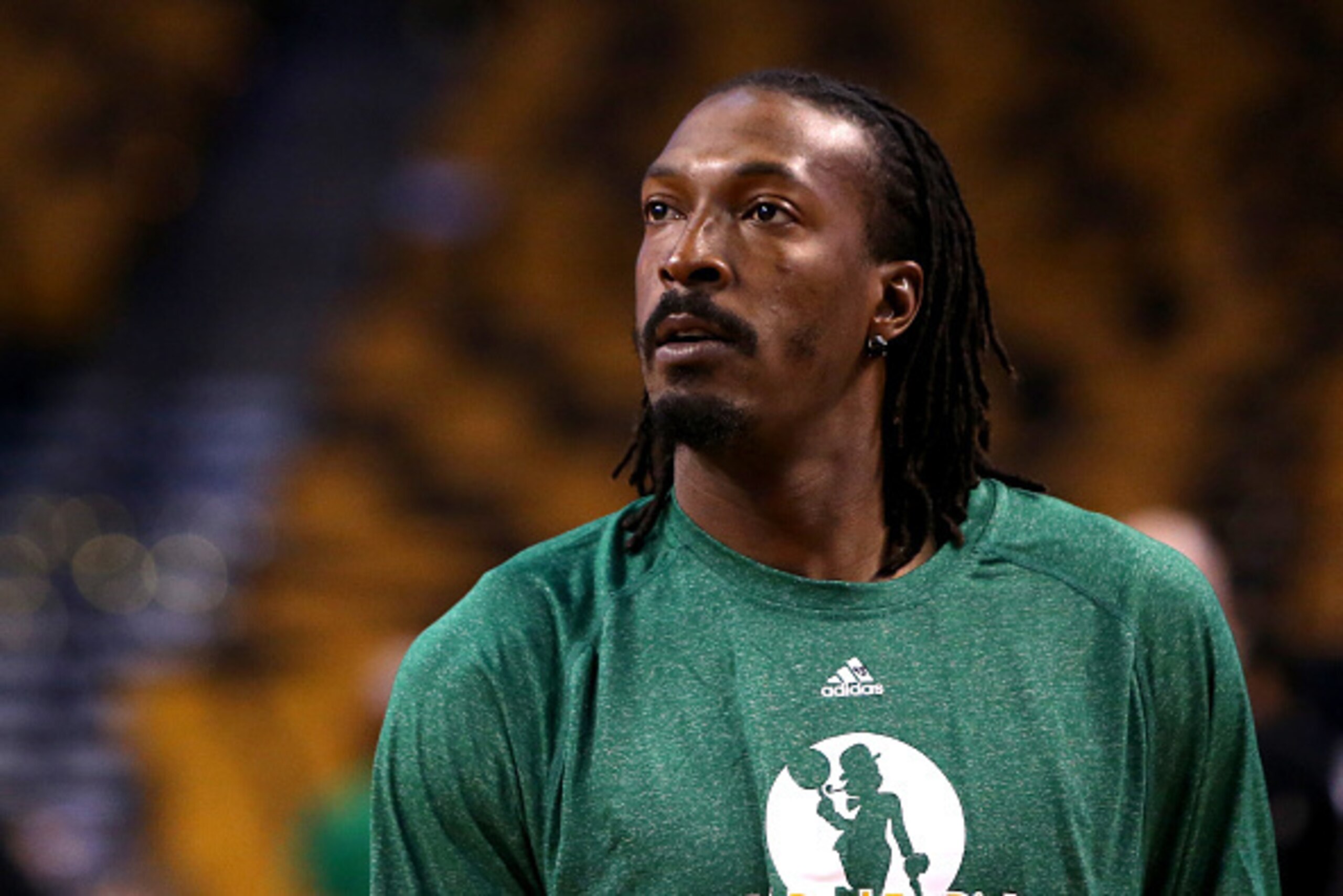
The Gerald Wallace Debacle
This one’s pretty simple: Gerald Wallace is earning $10.1 million in 2014-15 and has played a grand total of three minutes so far.
Burying Wallace was always inevitable for a rebuilding team, but having that kind of dead money on your cap is never something a front office wants.
As Wallace has aged, his athleticism has declined, and there simply isn’t much he brings to the table at this point besides savvy defense and the occasional offensive rebound.
At 32 years old, it is tough to see him going back to his Charlotte Bobcats days. It is also tough to see Boston being able to deal him if he languishes on the pine.
Some team should be willing to take on his contract in exchange for a potential asset, but not if he’s going to be a DNP most nights.
Additionally, Wallace’s outspoken attitude surely will not mesh well with his lack of playing time.
On such a young team, having a disgruntled veteran, particularly one who is still under contract for 2015-16, is a cause of concern.
Look for Boston to try and flip Wallace’s contract by any means possible. The current situation isn’t good for either party.
.jpg?w=2560 "Every Trade's Best Trade Asset 🔁")
.jpg?w=2560 "Insiders: Cowboys Overpaid for Porter")
.jpg?w=2560 "MHJ's Potential Trade Value 📉")