How Tyrus Thomas Can Go from NBA Mega-Bust to Successful Reclamation Project

Cue the resurrection music and lighting: Tyrus Thomas appears set to make his triumphant return to the hardwood.
Or at least he's going to try.
Per Alex Kennedy of Basketball Insiders, Thomas is determined to make an NBA comeback after failing to receive much interest last summer on the free-agent market. Coming off back surgery, he's now apparently ready to resume his career and hopefully rewrite its closing chapters:

"My body is feeling good. I’m just getting back into the rhythm of everything. Since my surgery, this has really been the first time that I’ve been able to work out and give it my all, doing everything without any restrictions. I’m just trying to get in shape, get my body back to the way it needs to be to play an NBA season.
"
Looking back, Thomas was one of those prospects who was drafted top-five based on long-term potential. A power forward with a 39.5-inch vertical and a 7'3" wingspan, Thomas' athleticism and physical tools fueled some pretty enticing NBA upside.
The Chicago Bulls bought into it. They gave up LaMarcus Aldridge on draft day to get him.
Seven years later, Thomas had found himself out of work as a result of the Charlotte Bobcats amnestying his contract, meaning the team essentially paid him to go away.
His downfall was ultimately caused by a combination of different things which realistically prevented him from ever rising in the first place.

For starters, Thomas' game just never developed, a risk that comes with taking a prospect whose appeal is driven by "potential" over established skills. Nobody could have really predicted that he wouldn't ever get it to click.
Thomas wasn't exactly the most disciplined pro, either. He'd been suspended and fined overs the years for various reasons stemming from immaturity.
And that's what might have ultimately led to his unemployment in 2013-14, because there's usually a market for guys with his particular basketball strengths, even if teams only plan on using them in limited, part-time roles.
“I was 19 years old when I first entered the NBA; it’s no excuse and I’ve owned my mistakes, but whew have I grown a lot,” Thomas told Kennedy.
Maybe a year off helped trigger a little self-awareness, something that could go a long way for a guy who's probably running on his last basketball life.
The good news for Thomas is that there's room on the table for what he's got the potential to bring.
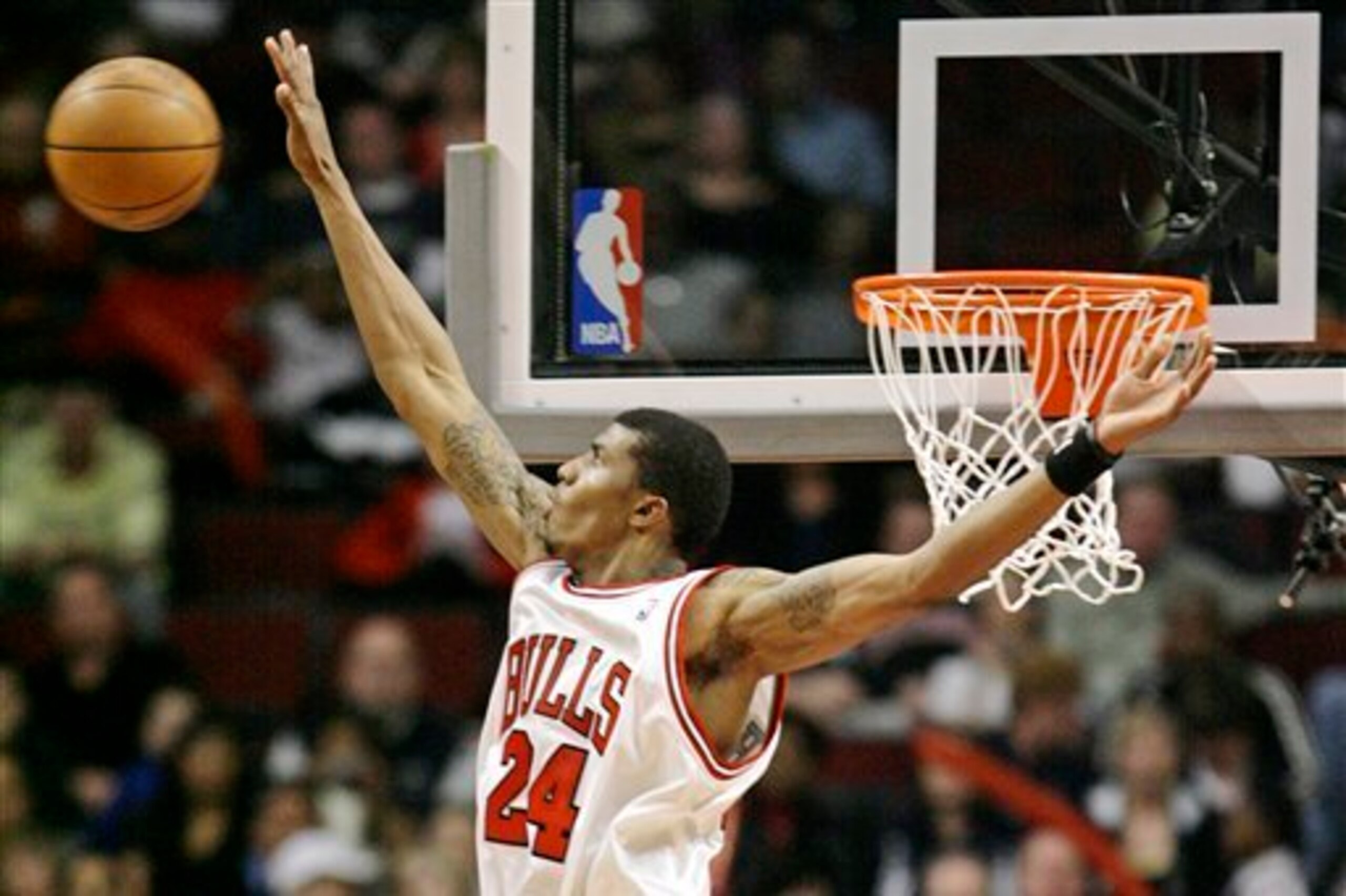
On the floor, his game is built around finishing, rebounding and shot-blocking. And to execute in those three areas, a high skill level really isn't required.
That's why there's hope for Thomas, whose biggest hurdle will be getting back into game shape and regaining the bounce he once had in his legs.
I can think of a few NBA frontcourts that could use an injection of athleticism. Most of the forwards and centers in Boston, Memphis and Indiana seemingly operate with sandbags tied to their feet.
There should always be room for a big man who provides interior activity—a guy you can insert into a game to make plays without needing the ball in his hands. Tip-ins, rebounds, tap-backs, rejections, alley-oops, uncontested dunks as a result from running the floor—that's where Thomas has to live. Those are the types of plays that fall within his wheelhouse, the types of plays he'd be expected to make if given another shot as a pro.
"As a flier—and a potential flyer— he could be worth a midseason look," Yahoo Sports' Kelly Dwyer recently wrote.
Regardless, if a team is going to bring Thomas in, the interest will likely be driven by his defensive presence. For his 400-game career, Thomas averaged 1.3 blocks to go with a solid 5.1 block percentage. To put that in perspective, 5.1 percent is what John Henson registered this past season, the sixth-best number in the league.
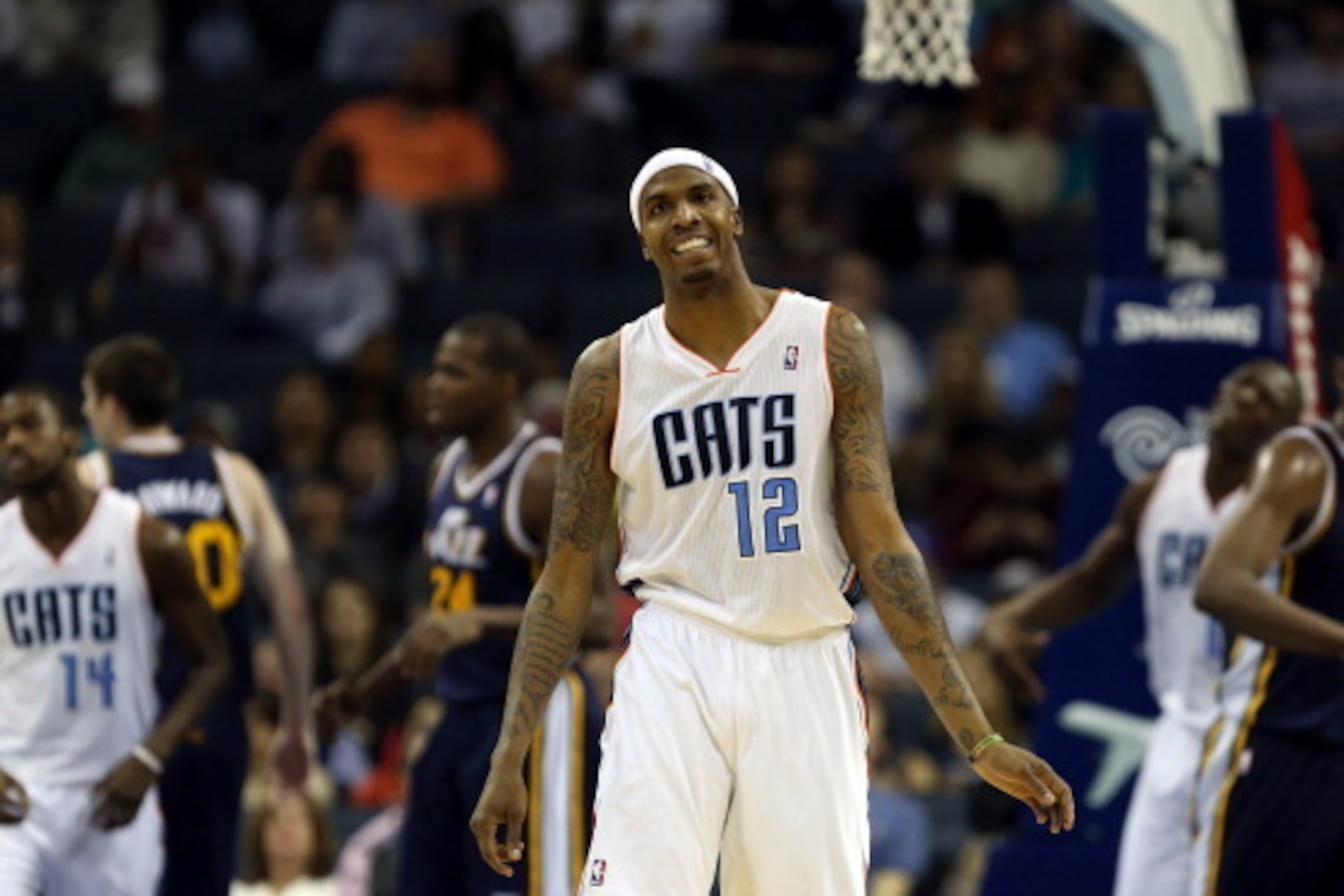
Offensively, he is what he is—limited. But Thomas did prove himself capable of knocking down mid-range jumpers, and quite frankly, his 37.2 percent career stroke from 16 feet to the arc, per Basketball-Reference.com, isn't all that bad.
Still, if Thomas wants another chance to extend his NBA career, it's going to come down to health and conditioning. Nobody is going to bring him in to score or create—teams are going to want to know if Thomas can give them 10-15 minutes of high-level energy and activity.
And it's probably going to take the right team for a comeback to be successful—a place where he can go and focus on playing to his strengths in spurts or short stretches.
Because at the end of the day, those strengths hold value in the NBA. Whether or not he can tap back into them is another question, but if Thomas can get his body and mindset where they need to be, he might have a sales pitch worth listening to here.

.jpg?w=2560 "NFL House in Paris Closes for Protests")
.jpg?w=2560 "Trevon Diggs Cut by Seahawks")