The Correlation Between Notre Dame's Fall and the Rise of Conferences
College football trends are not scientific—they can't be measured in Fahrenheit or Celsius but it seems that a direct correlation quite possibly exists between Notre Dame's fall from the mountain and the rise and strengthening of NCAA football Conferences.
I became aware of this as I was reading Bleacher Report's very own Michael Collins' "Fifteen Questions: A Quiz on Notre Dame's Rivalries."
The esteemed analyst, and Bleacher Report's No. 1 writer of Notre Dame Football, has so brilliantly reminded us of all the rivals in the storied past of Fighting Irish Football.
TOP NEWS
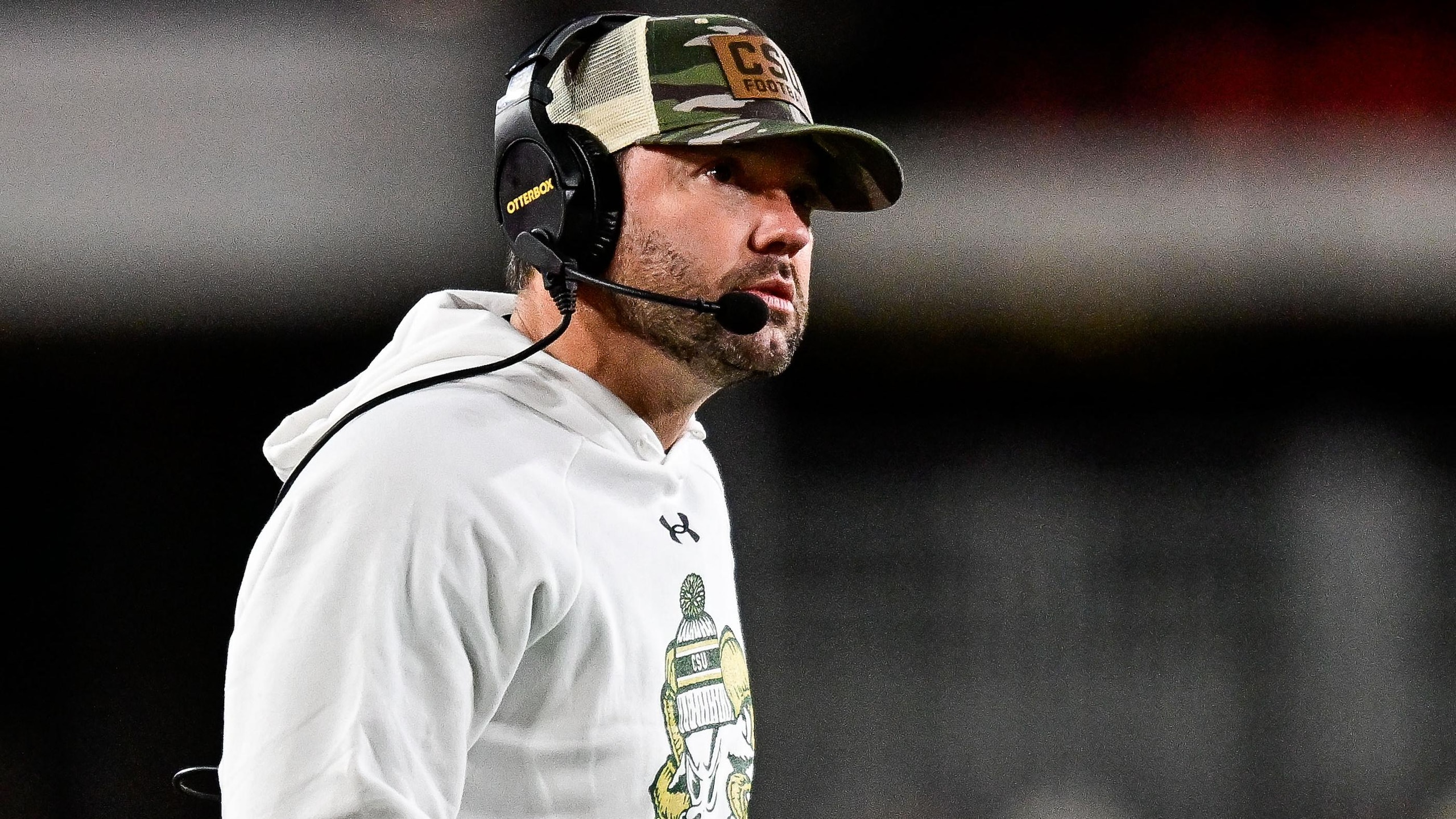
Colorado State DC gets fired mid-game during blowout loss
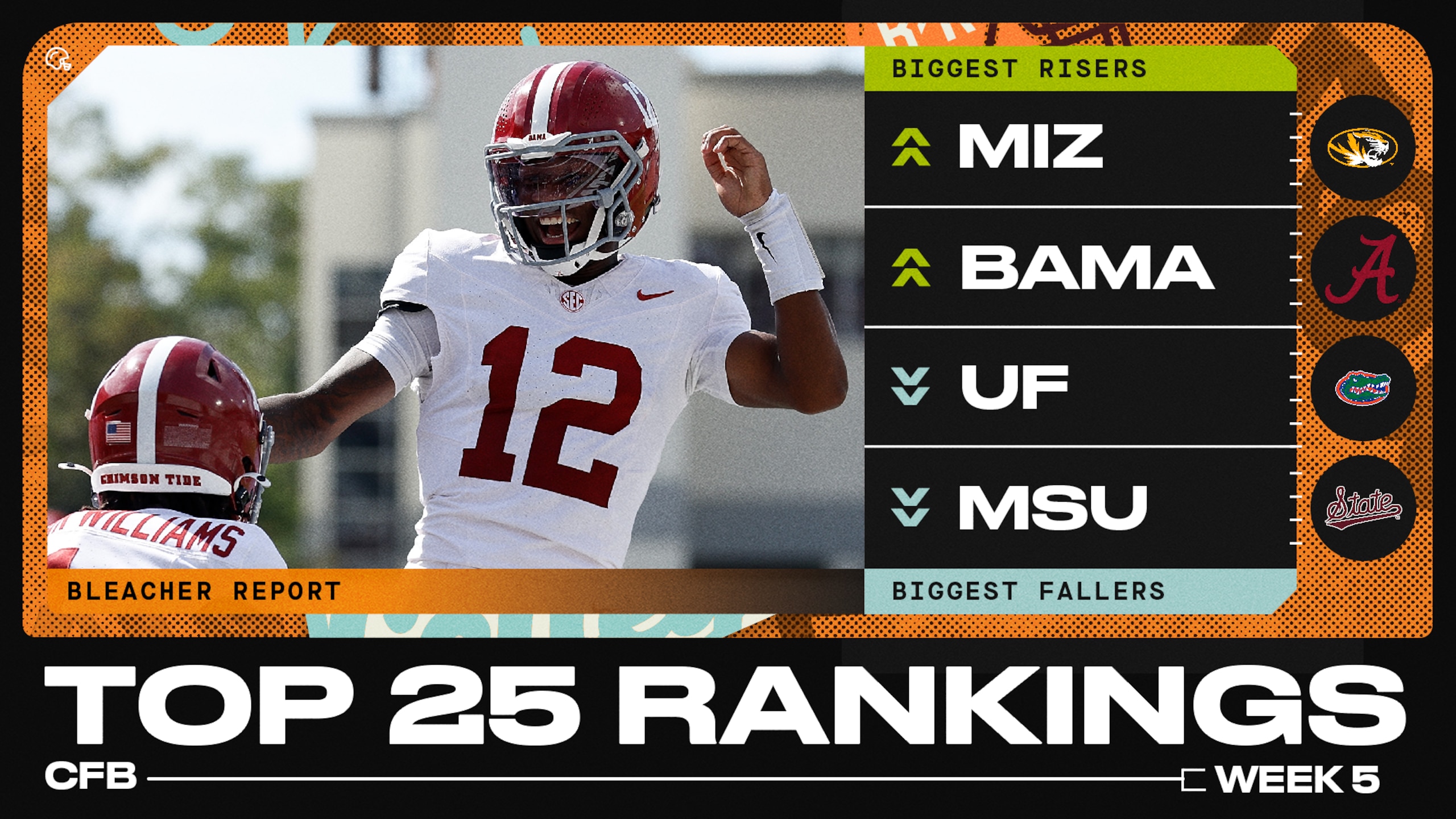
Massive Shakeup in CFB Top 25 List 🔢
_0.png?w=2560)
Week 5 Winners & Losers 📊
Something struck me as I was reading "Fifteen Questions"; I asked myself "Where are these rivals, where are these rivalries today?
While Notre Dame has teams they consider true rivals, teams they consider as bitter foes while giving them the respect and praise they duly deserve, it has become questionable if these teams place Notre Dame in the same category.
So I got out this year's schedule and made notations as to whom each team's true rival is:
Nevada - UNLV
Michigan - Ohio St
Michigan St - Michigan
Purdue - Indiana
Washington - Washington St
USC - Notre Dame, UCLA
Boston Coll - Notre Dame, Va Tech
Washington St - Washington
Navy - Army
Pittsburgh - West Virginia
Connecticut - Rutgers, Syracuse
Stanford - California
It becomes apparent that other than USC and Boston College, no one on the schedule considers Notre Dame as a clear cut No. 1 rival and it's somewhat doubtful as to where the Trojans and Eagles weigh in on the subject.
The Notre Dame-USC series has been one sided for the last seven years and without conference implications it doesn't carry the luster it once did.
A true rival, the biggest game on the schedule from the standpoint of tradition and emotion and importance must be mutually inclusive. That may not be the case anymore.
UCLA, a rivalry that has heated up with the fierce competition for local California talent, could be a bigger rivalry for the cross town Trojans and the University of California looks to be a rivalry in the making with national and conference implications on the line yearly.
Boston College is a team that might consider Notre Dame as their No. 1 rival—but that's changing because of all the great ACC match ups they've had and will continue to have with Virginia Tech.
So what's happened to Notre Dame? What's been so responsible for these once famous games becoming, in many cases, second thoughts to the USC's and such?
It quite possibly may be the impact, or shall we say "lack of impact," being a team without a conference has created.
Games within a conference have such a deeper meaning because so much more is at stake.
Michigan-Ohio St, Pitt-West Virginia, and USC-UCLA are played the same time every year—the last day of the regular season.
When a team such as Notre Dame faces the realization that they're not going to play for a National Championship because they encounter a second loss, what do their players have left to play for besides pride?
Teams in conferences play for conference championships. They play in conference championship games which have become, in many cases, more meaningful and more exciting than BCS Bowls.
Players get listed on conference all star teams while Notre Dame's season withers away and their primary incentive for finishing the season becomes going to a bowl game and upsetting a higher ranked team.
As conferences stabilize and strengthen, as they seek the 12 teams needed to play a championship game and reap the financial benefit such a game provides, the independent team gets lost in the shuffle.
As the major conferences continue to sign huge television contracts we see Notre Dame's ratings take a dip while their fans try to convince themselves that a game against Army at Yankee Stadium will recharge their popularity.
Notre Dame is no ordinary independent but their slide, the last 15 years of mediocre football by theirs and most teams' standards, has occurred while the conferences have risen.
It's most likely a matter of time before there will be seven or eight major conferences with 12 teams and a championship game. Conferences are lining up the way the BCS wants.
Where will Notre Dame be in the natural order of college football teams?
Will they be left out in the cold or will they rise again and preserve their storied role as the only team that doesn't need to join a conference?

.jpg?w=2560 "Rap: Lions, LaPorta End Contract Talks")


.jpg?w=2560 "Report: Baker May Miss Up to 6 Weeks")
.jpg?w=2560 "OBJ Calls Out Giants After Release")
.jpg?w=2560 "EVERY Fantasy Football Update")