Navigating restricted free agency has always been a leverage-free endeavor for NBA players who, for the most part, find themselves at the mercy of incumbent teams and offer sheets that don't come.
Then the NBA signed a new media rights deal that, perhaps inadvertently, created leverage for members of the 2015 restricted free-agency class who haven't yet signed.
Not everything changed upon The New York Times' Richard Sandomir revealing that ESPN and Turner Sports (which owns Bleacher Report) would pay the Association $24 billion over the course of this new agreement. There's still ample risk for players, but now there's a negotiating ploy which wasn't available to past restricted free agents.

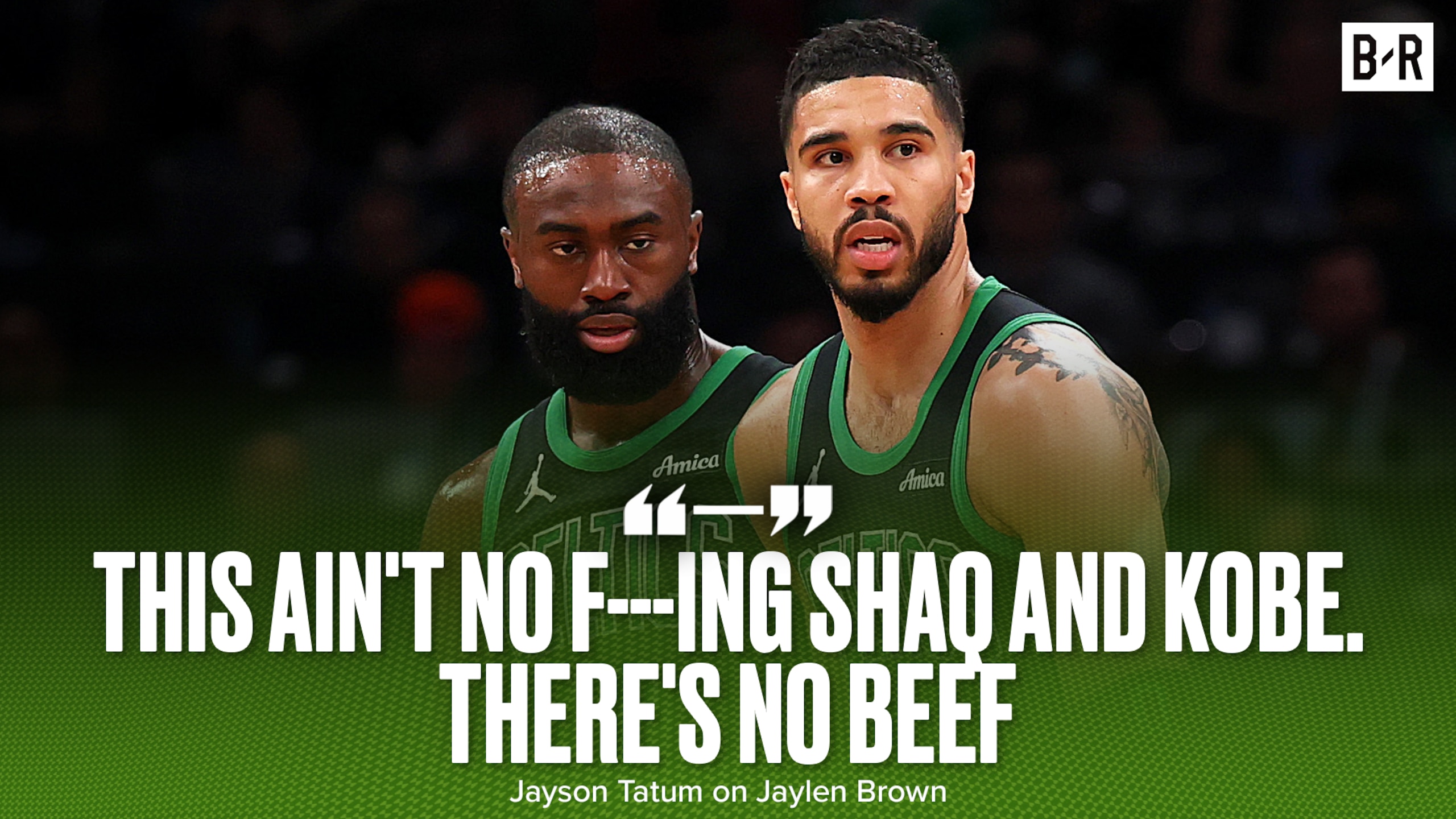
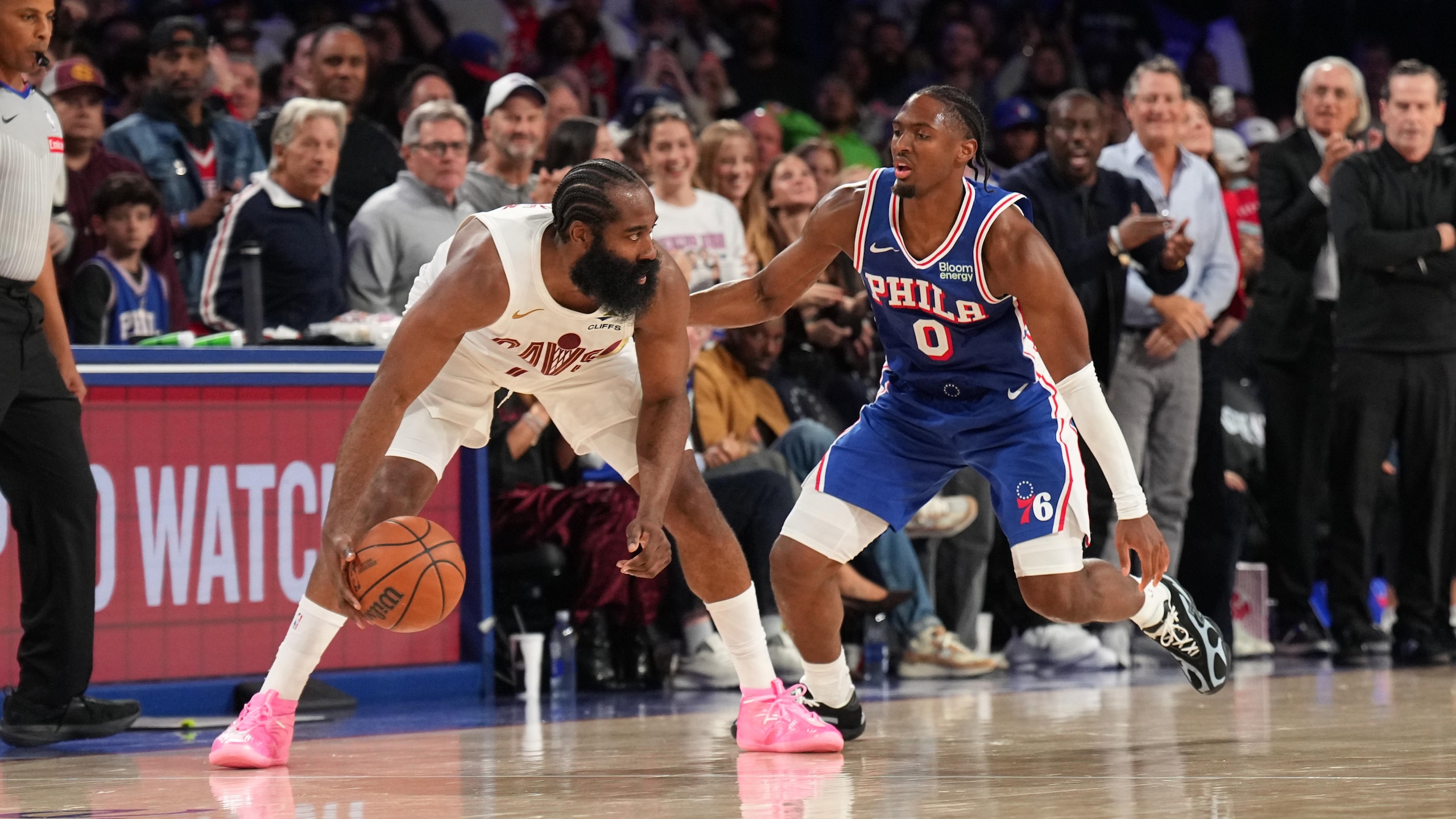
Take the Golden State Warriors and Klay Thompson. Monte Poole of CSNBayArea.com says the two sides remain millions apart in extension talks. Thompson's agent, Bill Duffy, is apparently seeking "at least $15 million" annually, while the Warriors are offering $2 million less.
Thanks to the new TV deal and the player-friendly raises it will bring later, Thompson has the necessary ammunition to justify his asking price now.
And he's not the only one.
Immediate Change
It all starts with the salary cap.
There is no reason for spending power not to explode in the coming summers. Nearly three years removed from a lockout that emphasized the limits of a franchise's earning potential, the owners will be hard-pressed to escape the symbol of $24 billion.
“That’s a lot of money,” Kevin Durant said of the deal, per NewsOK.com's Anthony Slater. “I don’t see how owners can say they losing money now.”
One way or another, this influx of cash will be funneled into the salary cap, which stands at $63.1 million for 2014-15. It's not a matter of if, only when and how much.
Although the cap is expected to erupt at some point, "smoothing out" has become a buzzphrase around the league, according to Grantland's Zach Lowe:
"There is no way to avoid some shock to the cap figure at some point, but there are ways to ease the trauma. The league and its TV partners, the same partners as under the old deal, could agree to make 2015-16 sort of a hybrid year, at some price point between the old $930 million and the new $2 billion–plus. That would raise revenues more than anticipated for 2015-16, and thus raise the cap beyond the current $66.5 million projection.
Any post-2016 jump would thus be a bit less dramatic, since the jump would already be in motion. Several teams have been operating for months under the assumption the cap would reach at least $70 million for 2015-16, and any bigger-than-expected jump for that season could help teams on the borderline of having max cap room this July.
"
Spreading out the increase over time, beginning immediately, diminishes the size of the anticipated jump for 2016-17, which Bleacher Report's Howard Beck says will elevate the cap to an "estimated $84 million." But it also means that player salaries are going to increase sooner.
Player contract values and annual earnings are proportionate to the salary cap. If the latter goes up, the price of contracts and yearly salaries goes with it. And if next summer's cap surpasses the current projection ($66.5 million), players are going to cost more sooner.
Bypassing those expenses would be impossible when it comes to unrestricted free agents. Midseason extensions are obsolete for them because they, unlike restricted free agents, stand to make more by waiting regardless of salary-cap increases, hence the reason Kevin Love didn't put pen to paper on a new pact upon joining the Cleveland Cavaliers.
Impending restricted free agents—like Kyrie Irving and Kenneth Faried were this past summer—are wont to sign on the dotted line prior to actual free agency because 1) these contracts represent their first massive payday, and 2) offseason markets are limited by their respective team's ability to match any offer. The latter is why incumbent teams aren't always inclined to extend max-contract sheets as soon as they can.
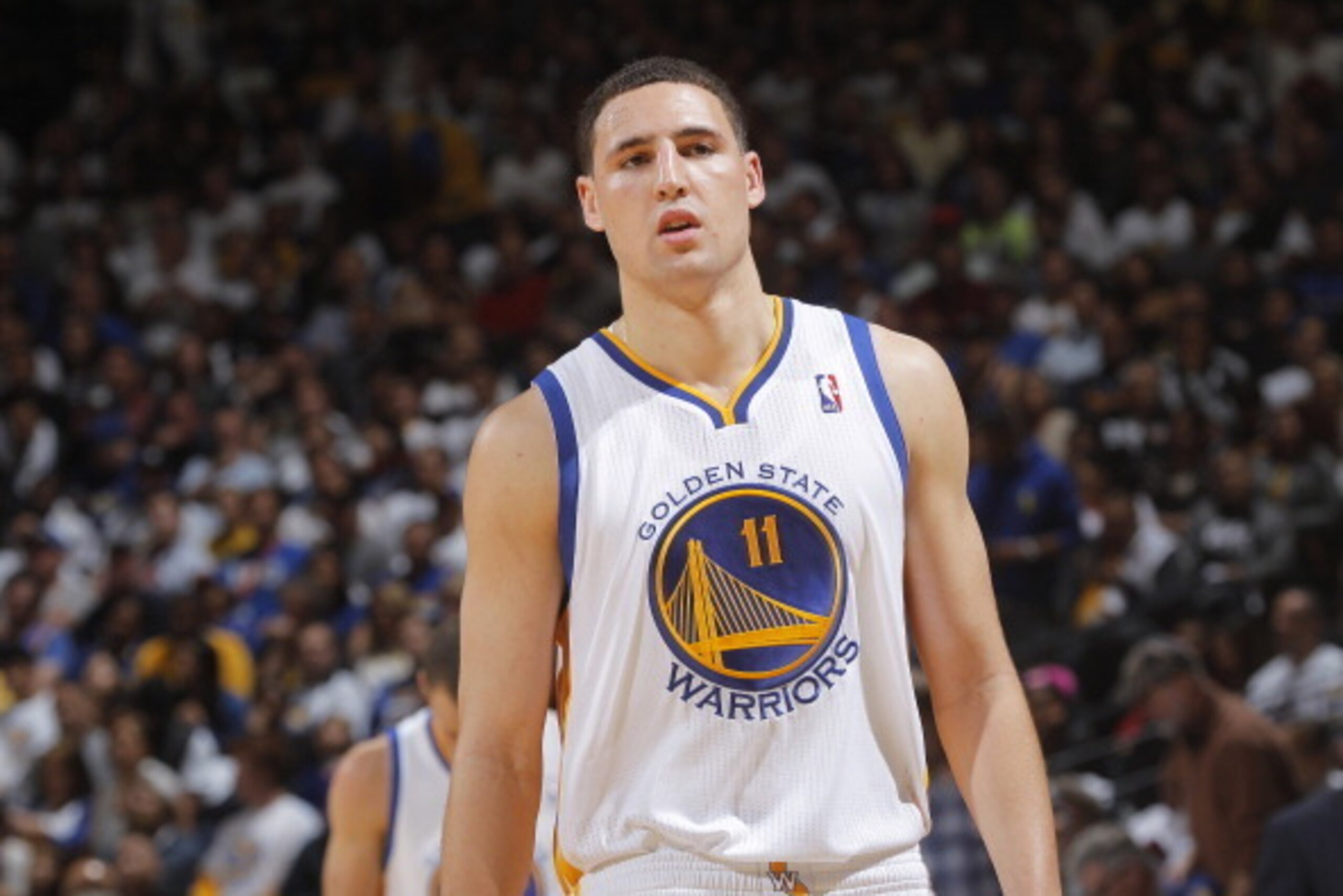
Normally, the Warriors could wait their Thompson situation out, the worst-case scenario being they match an offer sheet that meets Thompson's current asking price; the best-case scenario being they lock him down for less.
But if the cap mushrooms early as part of some smoothing-out process, his price tag could balloon with it, costing the Warriors more. Signing him now, even if it's for more money than anticipated, winds up being a discount if the team believes another interested party will throw a max deal his way next summer.
Players coming off rookie deals who are angling for extensions, like Thompson, can use the threat of that increase to inflate their immediate value.
Teams are going to be in the hunt for talent this summer. With so many players expected to position themselves for 2016 free agency—think about the two-year deal LeBron James signed in Cleveland this year—suitors may be more willing to tender max-offer sheets in exchange for long-term security other prospects aren't promising.
Pulling a Monroe
Immediate adjustments to the salary cap aren't going to be earth-shattering, bringing the upside of above tactics into question. If the 2015-16 ceiling stops somewhere around $70 million as Lowe suggests, that's only a $3.5 million difference from the initial projection.
Greater leverage is found in summer 2016, when the cap figures to spill into the $80-plus million range.
To get there, restricted free agents would have to do what most restricted free agents typically don't do: table extension talks now, play through 2014-15, sign their qualifying offer next summer, then hit unrestricted free agency in 2016.
Precedent is found in Greg Monroe's restricted free agency this past offseason. Instead of signing an offer sheet from a rival team or re-upping with the Detroit Pistons, he accepted his qualifying offer worth almost $5.5 million, per ShamSports.
Monroe easily could have made double that amount this year. Though the move allows him to become an unrestricted free agent next summer, the Pistons can still offer him the most money, and he's tightly tethered his financial security to remaining healthy and productive for at least another year. That Monroe's agent, David Falk, also told Sports Business Daily (via BasketballInsiders.com) his client received numerous lucrative offers only adds to the big-picture risk.
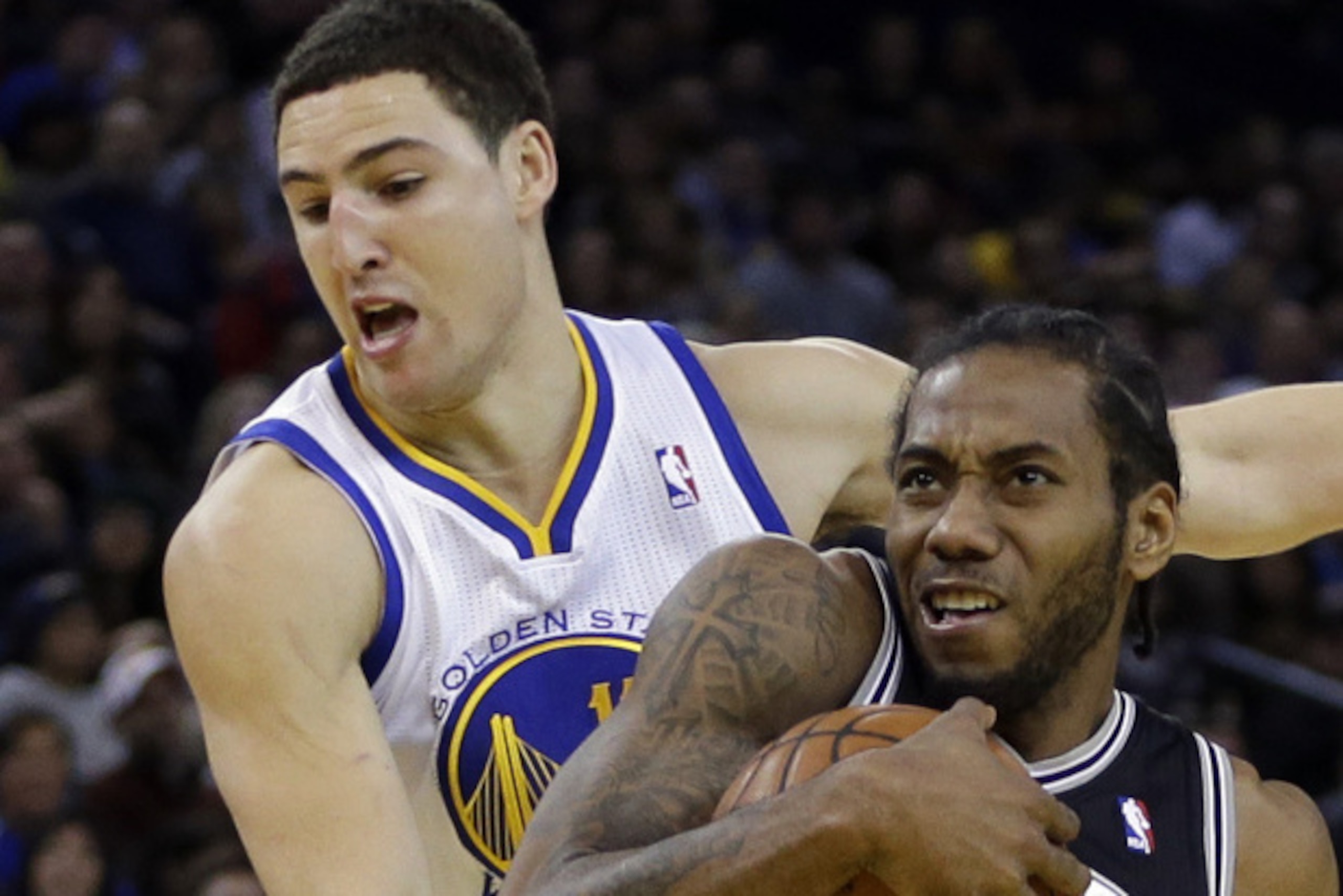
"Players—more accurately players' agents—have been threatening to sign the qualifying offer for ages," SB Nation's Tom Ziller wrote weeks before Monroe signed his qualifying offer. "There's a reason no one takes those threats seriously. The QO is not an arrow in the players' quivers. It's a fake weapon."
A fake weapon that now carries real weight.
Writing for ESPNInsider.com (subscription required), salary-cap guru Larry Coon estimates that the max-contract value for players with six years or less of experience will "increase by $3.77 million" annually if the cap incurs a $16 million spike. If it climbs even higher—as Lowe discussed—the annual uptick will be even more.
Threatening to drag out contract situations for nearly two years, as 2015 restricted free agents would have to do, might seem pointless if modest financial gains were on the line. But $3.8 million a season over the life of a four-year max is $15.2 million. Over the life of a five-year max, it's $19 million.
That's a truckload of money. It's also a rough projection that could grow exponentially if the NBA is unable to convince the players union to curb any looming hikes.
Deadline Madness En Route?
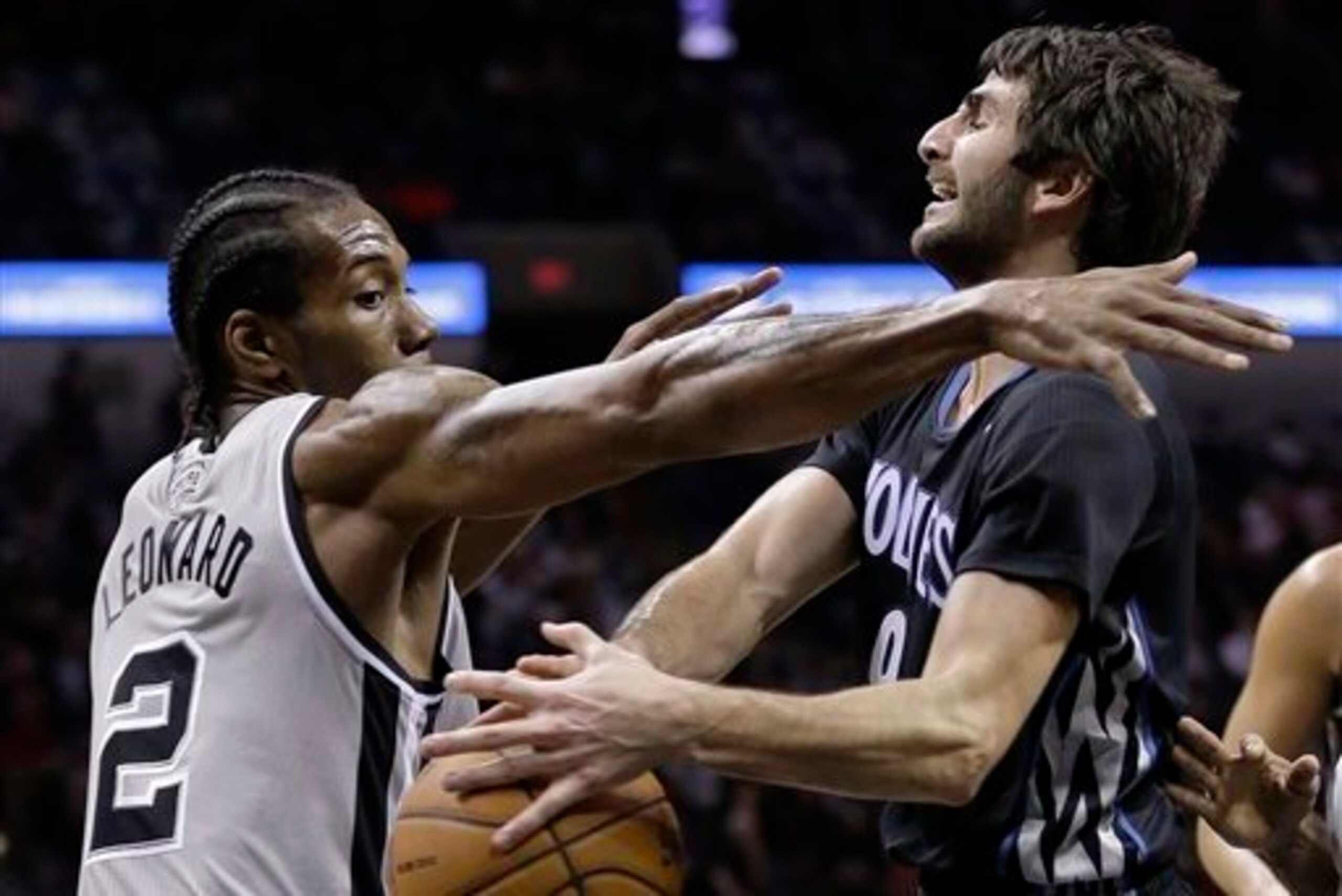
Deadline day is almost upon us, and it carries incredible intrigue.
Fourth-year players have until Oct. 31 to hash out extensions with their teams, or they'll be restricted free agents in July. There's no telling what happens from there, roughly eight months later, when 2016 and its suspected cap bang doesn't seem so far away.
Ricky Rubio can use that to force his Minnesota Timberwolves off the four-year, $48 million extension the Sporting News' Sean Deveney says they're dangling.
Thompson can use it to push the Warriors toward max-contract territory now.
Jimmy Butler, Kemba Walker, Kawhi Leonard and Nikola Vucevic, among many others, can use it to extract more money from their contract negotiations.
| Jimmy Butler | Chicago Bulls |
| Tobias Harris | Orlando Magic |
| Reggie Jackson | Oklahoma City Thunder |
| Enes Kanter | Utah Jazz |
| Brandon Knight | Milwaukee Bucks |
| Kawhi Leonard | San Antonio Spurs |
| Ricky Rubio | Minnesota Timberwolves |
| Tristan Thompson | Cleveland Cavaliers |
| Nikola Vucevic | Orlando Magic |
| Kemba Walker | Charlotte Hornets |
Pricier contracts now won't seem as expensive later. That's the play. If restricted free agents are willing to defer, they have leverage past players didn't and an advantage future ones who enter the fray after the league is acclimated to this brave, new world won't.
If it doesn't work, then it doesn't work. Teams could call bluffs. Off years and injuries could derail earning potentials. That's the price players could pay. That's the risk they're taking. But this is still leverage, the rewards of which allow today's extension-seekers to reap the benefits of tomorrow's financial boom.

.jpg?w=2560 "NFL House in Paris Closes for Protests")
.jpg?w=2560 "Trevon Diggs Cut by Seahawks")