How the Return of Reshad Jones Will Affect Dolphins Defense
At the conclusion of Week 4, not only were the Miami Dolphins celebrating a blowout win against the Oakland Raiders, but also the return of one of their defensive stars, Reshad Jones. The strong safety is back from his four-game suspension and ready to make an impact in the Dolphins secondary.
How defensive coordinator Kevin Coyle utilizes Jones in his scheme will be extremely important as the defensive unit looks to continue improving upon its performance through the first four games of the year. Miami is only giving up 322 yards a game, which is seventh in the NFL, according to NFL.com, but there is always room to improve.
TOP NEWS
.jpg?w=2560 "NFL Paris Football")
NFL House in Paris Closes for Protests
.jpg?w=2560 "Seahawks Chiefs Football")
Trevon Diggs Cut by Seahawks
.jpg?w=2560)
B/R's Expert Week 7 NFL Picks 🔮
Considering Miami’s Week 6 opponent is the powerful Green Bay Packers, Miami needs to play with energy and precision to be effective.
"Reshad Jones has apparently resumed his role as a starting safety. He's paired with Louis Delmas.
— Omar Kelly (@OmarKelly) October 6, 2014"
With Jones out of the lineup, slot cornerback Jimmy Wilson had to play out of position. Wilson played decently after a rough preseason showing, where he was taking poor angles in pursuit and didn’t have the play-recognition ability needed to be more than an average player. Wilson deserves credit for his improvement, but he will be a bigger asset to the Dolphins defense in the slot.
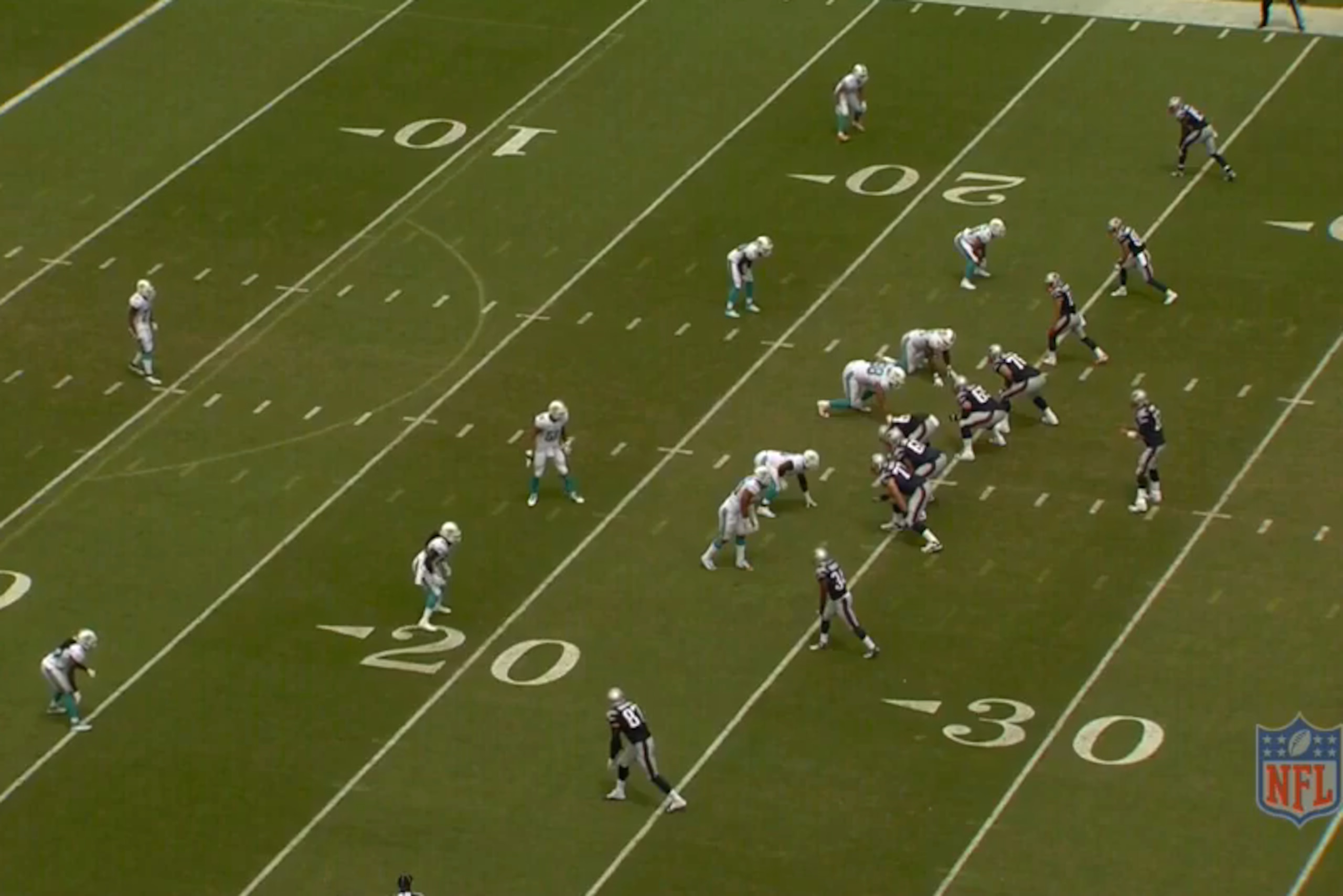
Affecting Jones’ return the most is the presence of Louis Delmas. Delmas has been a slight disappointment this season, as he’s failed to make a positive impact on a game yet. His reputation for being a high-risk, high-reward player hasn’t come to fruition, but Miami really needs him to be that high-reward player he was in Detroit when healthy.
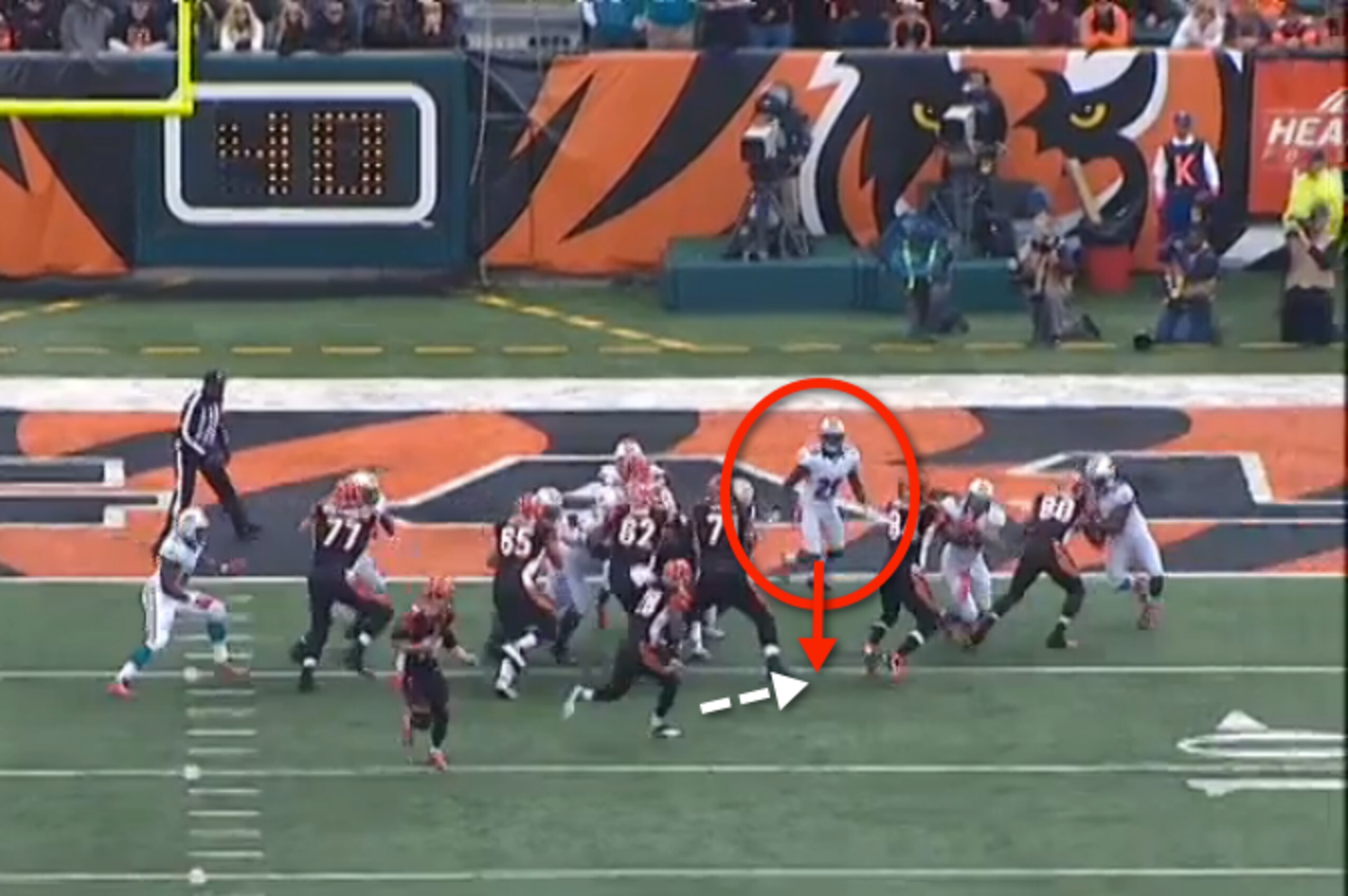
What Jones can bring to the table when used correctly is clear as day. In 2012, he was allowed to roam the middle of the field and attack the line of scrimmage freely. He’s terrific when running downhill, finding the running lane and stopping the ball-carrier. His 95 total tackles in 2012 is a very impressive mark, and he earned his Pro Bowl nod through his exquisite play.
2013 brought on a new role with more responsibility, and Jones really struggled for a majority of the season. He was asked to play in coverage much more often, and the results were terrible. Part of the reason he was playing in man coverage so often was the bad linebacker play in front of him, and Miami compensated by using Jones less in zone.
According to Pro Football Focus (subscription required), Jones was targeted 45 times in 2013, and he allowed an astounding 82 percent completion percentage for 474 yards and three touchdowns. When quarterbacks threw his way, he allowed a passer rating of 123.5, which was the fourth-worst mark for safeties who played more than 900 snaps.
The significance of those numbers cannot be understated when we look at Jones’ performance when used as an undersized linebacker. In 2012, Jones was targeted 39 times, per PFF, with a majority of targets coming in zone coverage. He allowed just a 48.7 completion percentage and limited his assignment to score once. Predictably, his passer-rating allowed was a measly 38, tops in the NFL.
So, it seems clear that Jones should return to his role as a roaming strong safety. The issue, however, is that Chris Clemons is no longer the single-high safety while Jones is playing robber (not this kind of robber—see the picture below).
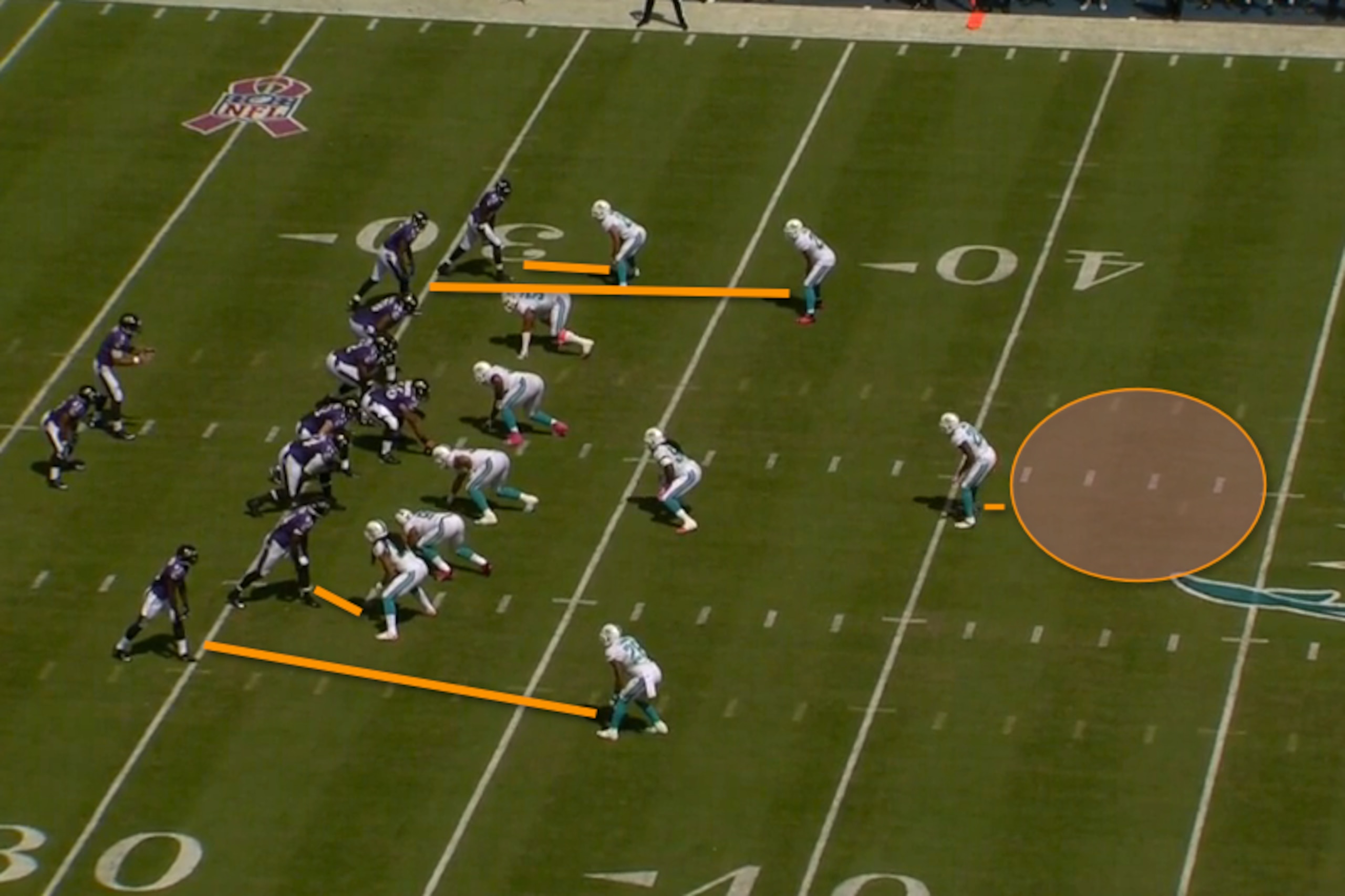
Delmas is more of a traditional strong safety, rarely acting as a deep-zone safety. Delmas, like Jones, can cover slot receivers on occasion, but he lacks hip fluidity and burst like a cornerback will normally possess. That makes him a target in coverage.
With Wilson and Delmas starting, Miami at times used them as “mirror” safeties, meaning each is in the same role. Sometimes that includes playing man coverage on slot receivers or tight ends, or it could be a Cover 2 shell, which is when each safety is responsible for covering one half of the field.
The issue for Miami is that Cover 2 generally requires bigger, more physical cornerbacks to stop quick, short passes. Miami doesn’t have the personnel to line up in Cover 2 regularly.

Miami employs a lot of Cover 1 and 3 defense but not the Seattle Seahawks’ infamous version of Cover 3, which is much more physical to disrupt timing. Cover 1 is similar, with the major difference being cornerback assignments.
Miami’s Cover 3 is a softer, zone look that features one safety up high, and the other safety can roam underneath. Cover 1 has man coverage, but the strong safety will cover the tight end or slot.
Having Reshad Jones in the strong safety spot could allow Miami to play tighter coverages such as Cover 3, and he can limit yards-after-the-catch opportunities if he reads the plays correctly. Again, in Cover 3, he is roaming in the middle of the field, which is his best role to be a playmaker.
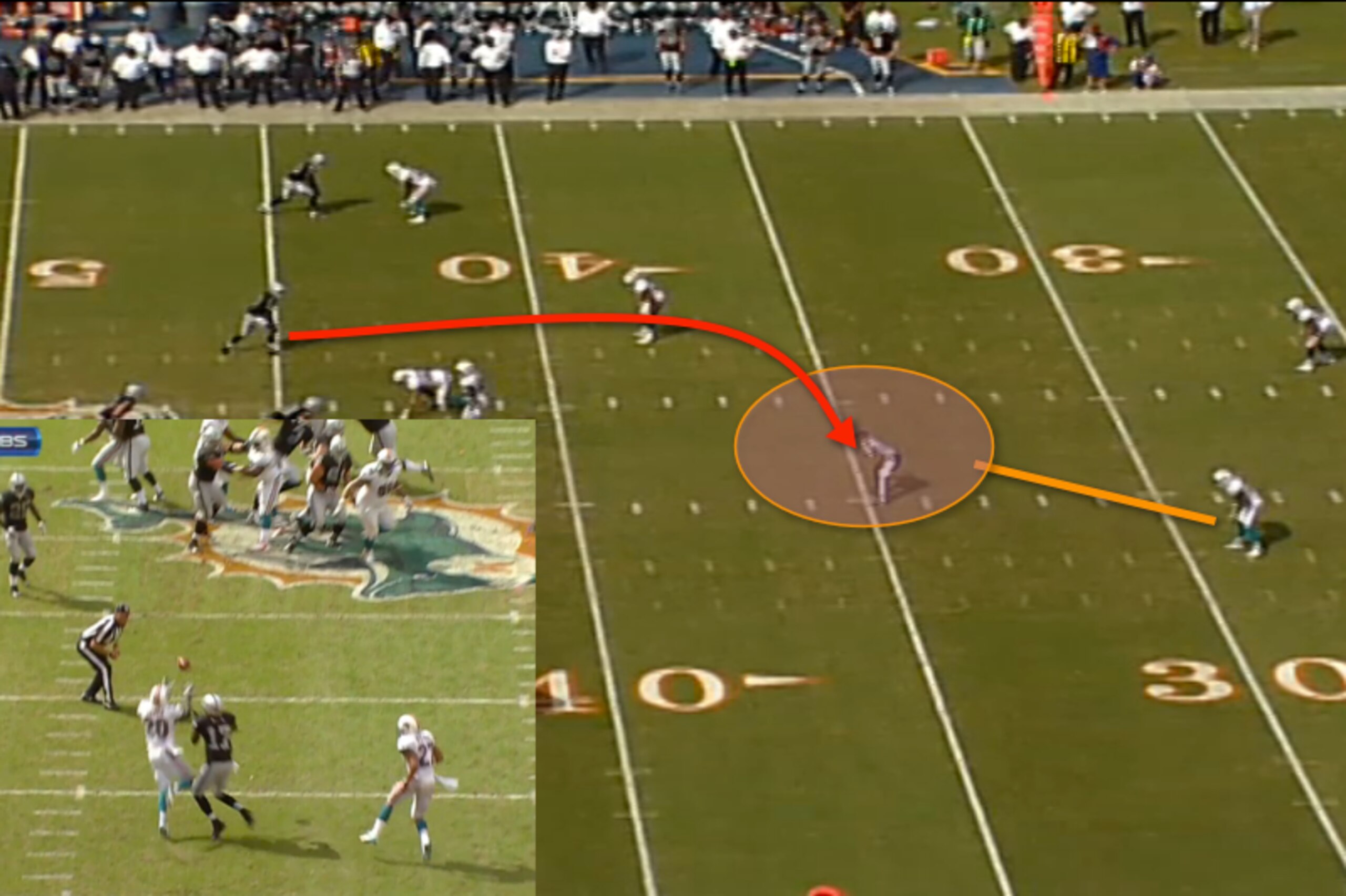
Miami has been vulnerable to short, quick passes due to its defensive philosophy underneath Kevin Coyle. For example, there may be a 3rd-and-4, and Miami’s cornerbacks are seven-plus yards off the wide receiver.
The quarterback can easily whip the ball over for a first down, and it’s crippling to the defense. In a Cover 3 defense, the linebackers have to drop to correct depth quickly to stop these passes, and Miami hasn’t had the speed at linebacker to be effective in the past two years. The cornerbacks' job is to protect the sideline and prevent the big play.
Jones being able to contribute can help Miami on such situations, because he’s a faster, more instinctive hybrid safety/linebacker. With linebacker Jelani Jenkins on the weak side of the defense, he can cover the flats well, and Jones can be in the box to drop back on the strong side. That’s more defensive versatility available at the fingertips of Kevin Coyle.

For Jones to be at his best, Miami will either have to trust Delmas in single-high coverage or split his repetitions with Jimmy Wilson. Delmas hasn’t been bad for the Dolphins, but he will be tested with his new role, as the second-half schedule features many marquee quarterbacks.
Jones is one of the rare standout safeties in the NFL when he’s in his comfort zone, so Miami needs to make sure he’s in a position to use his talents on a consistent basis. Every player has limitations, so it’s on the coaches to maximize strengths and mitigate exposure to situations where the player struggles.
How Delmas and Jones are used will say a lot about Coyle as the defensive coordinator of the Miami Dolphins.
All stats used are from Pro Football Focus' Premium Stats (subscription required) or Sports-Reference.com. All contract information is courtesy of Spotrac.com.
Ian Wharton is a Miami Dolphins Featured Columnist for Bleacher Report, contributor for Optimum Scouting and analyst for FinDepth.
.jpg?w=2560 "Titans Colts Football")