
Major Impact of NBA Reportedly Increasing Salary Cap
You no longer have to worry about finding a place to watch NBA action for the next decade.
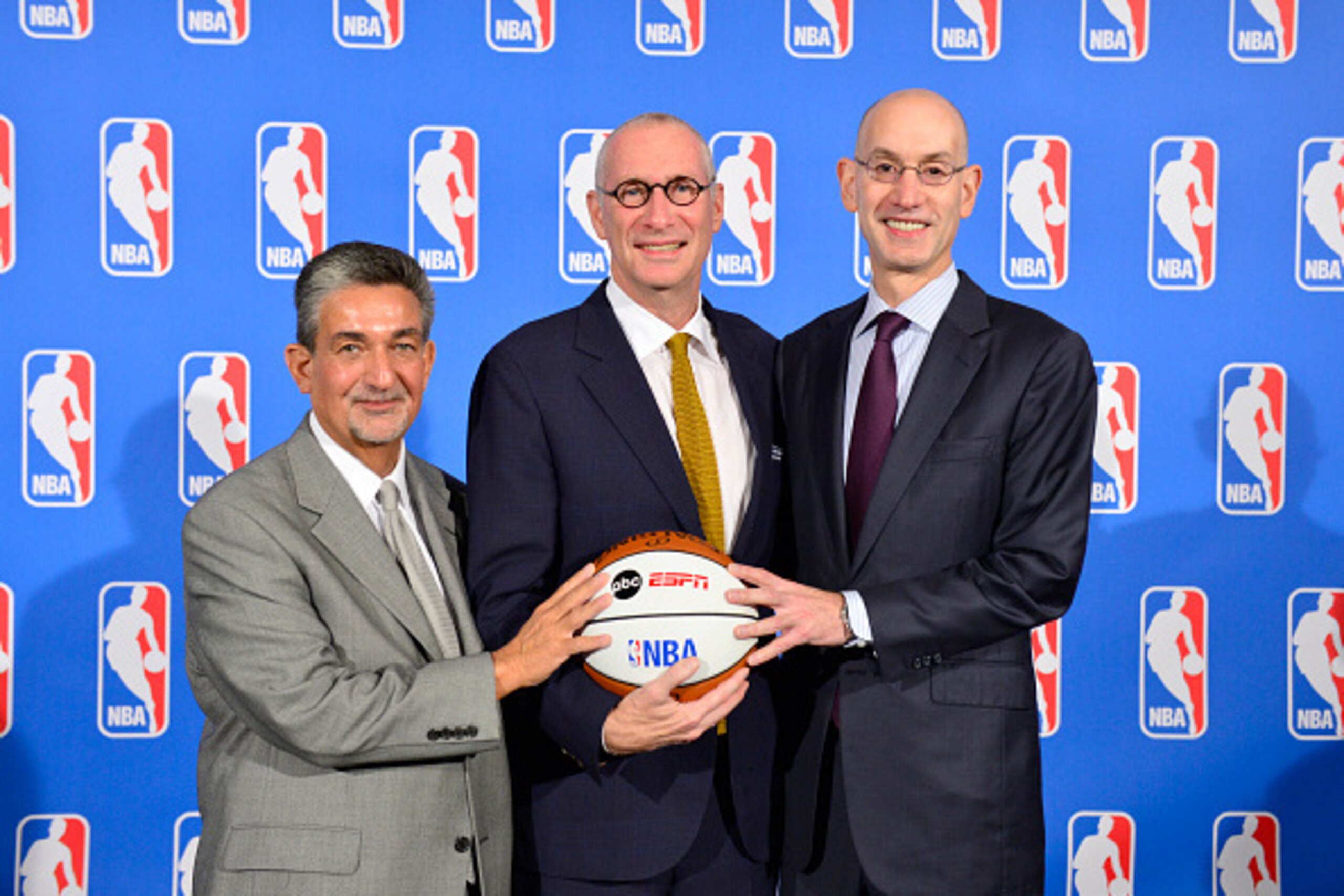
Even though the world knew a television deal was coming for the league, the number itself was still enough to induce some slack-jawed reactions. Per Richard Sandomir of The New York Times, the NBA agreed to a new deal with ESPN and TNT that will secure broadcasting rights for the next nine years and pay the Association $24 billion.
Twenty-four billion dollars.
It's a huge number, and one that is going to lead to huge salary-cap changes in the coming years. Of course, as of now there's no telling exactly how high the cap is going to rise, as Grantland's Zach Lowe makes clear by breaking down one of the many potential options:
""Smoothing" is a popular word now around the league. There is no way to avoid some shock to the cap figure at some point, but there are ways to ease the trauma. The league and its TV partners, the same partners as under the old deal, could agree to make 2015-16 sort of a hybrid year, at some price point between the old $930 million and the new $2 billion–plus. That would raise revenues more than anticipated for 2015-16, and thus raise the cap beyond the current $66.5 million projection.
"
NBA commissioner Adam Silver has already gone on the record saying that he would prefer a gradual increase—there's that concept of smoothing, again—rather than a one-year mega-leap that fundamentally changes almost everything about NBA contracts all at once.
"We have a meeting later this afternoon to gauge their interest in creating a smoothing effect," the commissioner told reporters at a news conference. "I mean, they will get their 51 percent (of basketball-related income) no matter what, it's just a question of how it comes in in terms of the cap."
No matter what the exact numbers are—and we likely won't know for quite a while—the salary cap is going to rise. That much is inevitable, and we aren't talking about some statistically insignificant rise.
The ramifications of this deal are bound to be massive and will lead to quite a few changes in how contracts work and are viewed throughout the next portion of the NBA's increasingly lengthy and complicated history.
Players Waiting for Max Deals Are Thrilled
1 of 5
Max deals aren't set in stone, but rather based on the current structure of the salary cap. According to Larry Coon's terrific FAQ on the collective bargaining agreement, a player who has been in the league for six years or less can receive up to 25 percent of the cap. Likewise, players with seven-to-nine years of experience and 10 or more can get 30 and 35 percent, respectively.
Well, kind of. Those percentages are usually slight overestimates because BRI, or basketball-related income, is in the picture as well. The nuances here aren't particularly important, but the structure of determination is. Max salaries are based on percentages of the salary cap, which in turn is set according to the projected BRI.
And what effects the BRI?
Well, a $24 billion television deal would certainly do the trick. As Sandomir tweeted, that gives the NBA an annual average value that's nearly triple the current amount. As a result, the salary cap should take a huge leap—or a gradual one, depending on the smoothing agreements that the NBA and NBAPA come to—and max salaries will fall in line.
All the players who are waiting to sign big deals will reap the rewards when everything kicks in after the 2015-16 season.
That means Klay Thompson, who is seeking a max extension, would greatly benefit from taking a shorter deal and going back into negotiations that would line up with the cap increases. It would essentially mean he's following the same route that LeBron James, prescient as ever, took this summer.
James signed a two-year deal with an opt-out option after just one season, but that was never intended to be an indication that he wasn't fully committed to the Cleveland Cavaliers. He was just making the right financial decision, as his contract will be up after 2015-16, allowing him to renegotiate with much more earning potential.
This should surely come into play next offseason with plenty of big names up for grabs. If any of them sign guaranteed long-term deals with no outs, it would be shocking.
Capped Out? Not Anymore
2 of 5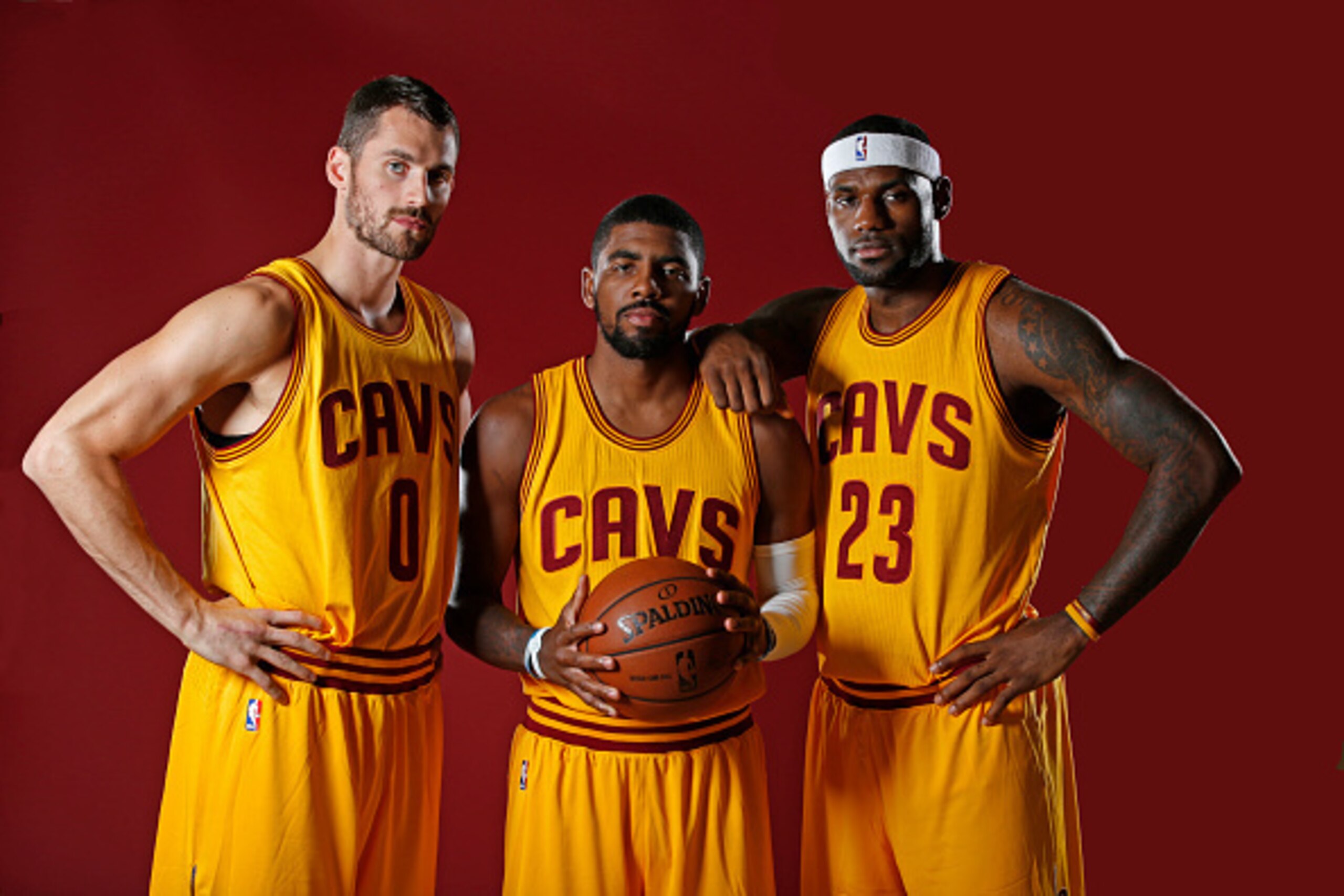
Let's keep the focus on James, as it will be so often throughout the 2014-15 season.
One of the biggest concerns with the construction of this new superteam was the monetary side. With James just about sure to eat up the maximum chunk of the cap that's legal under the terms of the CBA, Love almost certain to sign another max contract after playing out his first season and Kyrie Irving already inking a max extension, how were the Cleveland Cavaliers going to afford any more players?
This only gets more dire if Tristan Thompson is given a huge extension, especially because—for any reason other than sharing an agent with James—he hasn't exactly earned one at this stage of his career.
Bleacher Report's Jonathan Wasserman wrote on the subject back when Love was still with the Minnesota Timberwolves:
"With Love, James and Irving, the Cavaliers would be financially limited in terms of their ability to build around them. And though that's a pretty darn good trio, it eliminates some major margin for error. The Cavs would probably be relying on the same three guys night after night, year after year. Regardless of how talented your Big Three is, that team-building strategy isn't quite foolproof.
"
Except it may be foolproof, assuming the cap takes a leap.
Irving is already locked in at his new price (five years, $90 million), and Love isn't guaranteed to take the short-term route. Plus, both he and James could take discounts on the new max when the cap rises, ensuring more financial flexibility for their communal team.
Capped-out organizations like these Cavs will get more wiggle room to add mid- and low-level players who fit in with the construction of their teams. And speaking of those players, many of whom are going to reside on the bench for much of the game: They're probably going to be thrilled as well.
Bench Players Have to Be Excited
3 of 5
The rising salary cap doesn't just affect max contracts. It also impacts the minimum that teams must pay their players.
Let's turn to Coon once more:
"There is a minimum team salary (see question number 14), which for this purpose includes the salaries of players who were amnestied (see question number 69) or suffered a career-ending injury or illness (see question number 63), and excludes all cap holds. The team salary must be at or above a defined percentage of the salary cap on the date of the team's last regular season game.
"
From the 2013-14 season that ended with the San Antonio Spurs hoisting up the Larry O'Brien Trophy through the 2020-21 campaign, that minimum team salary is set at 90 percent of the cap. So if the cap goes up, the minimum does as well.
But the number of players on a roster does not grow with those abstract limitations.
So what happens to teams like the Philadelphia 76ers and Orlando Magic of the past few years, ones who haven't been able to sign players to max deals and have simultaneously struggled to meet the minimum thresholds? There will inevitably be some of those, even if the Sixers and Magic have moved out of that realm in the next few years.
They'll have to spend more on their bench players in order to avoid penalties. They'll overpay marginal players because they have to meet that minimum team salary but don't have the luxury of paying standouts the higher numbers that become legal.
Essentially, every type of player's salary is going to increase. The guys at the top get the most attention, but the ones at the bottom have to be loving what's in their future. One-year contracts worth less than $1 million might become relics of the past.



Major Markets and Tax-Averse Teams Both Aided
4 of 5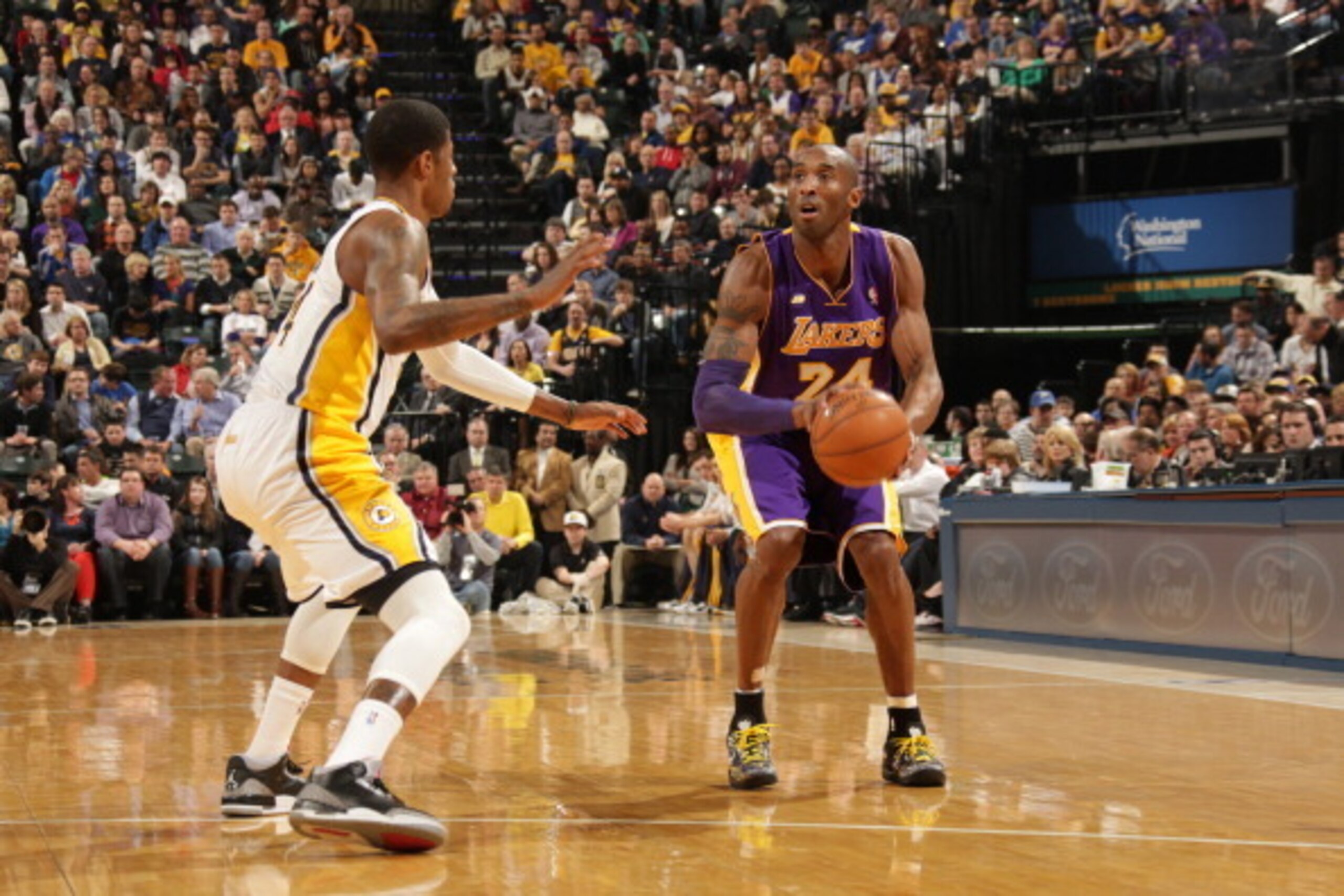
Though the rising levels of income will help out every team in the Association, there are some franchises who will benefit even more from elevated revenue streams and the rising paychecks that go hand-in-hand with them.
First, we have the major markets who consistently rely on drawing star players into town through free agency.
The Los Angeles Lakers are the primary example, but let's not overlook what Phil Jackson will be able to do with the New York Knicks. With even more money at their disposal—and there's no doubt they'd be willing to pay the elevated max contracts—these franchises would get even more dangerous in the hottest months of the year.
Both of these teams have been angling to become big players in 2015 but now might want to push that back one year further. There's already a lot of appeal associated with playing under the bright lights of either Madison Square Garden or Staples Center, but now that's going to be coupled with those historic franchises throwing gobs of money at their primary—and secondary...and maybe even tertiary—targets.
On the flip side, teams averse to going over the cap will have more room to work with.
We're talking about squads like the Indiana Pacers, who flat-out refused to go into the luxury tax this offseason, even if that meant letting Lance Stephenson escape to the Charlotte Hornets. The Oklahoma City Thunder, hellbent as ever when it comes to relying on internal improvement, qualify too.
It's not as though they'd be losing revenue by paying heftier salaries under the new structure. They'd be making more money, so they could afford to pay more as well. It's the penalties and disproportion of the luxury tax and revenue that has made these teams so hesitant to incur huge expenditures, not the hard number that's put on the books.
A Bunch of Reaches Are Becoming Steals...or at Least Not Reaches
5 of 5
All of a sudden, we have to reevaluate recent long-term deals that didn't look so good at the time they were inked. While guys like Stephen Curry and Isaiah Thomas have more value than ever under the current terms of their respective contracts, reaches are moving into the realm of steals as well.
Take Marcin Gortat, for example.
Over the summer, he signed a five-year deal worth $60 million, which seemed like way too much money for a center who will turn 31 during this upcoming 2014-15 season. Big men don't always age particularly well, and while $12 million per year is a solid value for Gortat right now, there was a strong chance that the contract could have turned into an albatross down the road.
As I broke down at the time, it meant the Wizards wouldn't have any wiggle room in the future, which was quite problematic with an inevitable pursuit of Kevin Durant expected to start soon.
But not anymore.
With the cap rising, $12 million will be a much lower percentage of the total amount the Wizards can spend. He's still making a great deal of money—perhaps even more than he'll be worth down the road—but it won't harm Washington quite as much.
Now, the way we evaluate contracts has to change. Long-term ones can't be viewed solely using the current context but instead have to be analyzed while keeping in mind that they won't be as detrimental to the books down the road.
"The Nets, even with Deron Williams's atrocious contract still on the books, could suddenly find themselves with two maximum cap slots—enough for Durant and a co-star," writes Lowe.
Williams has been one of the poster boys for overpaid NBA players, but even he won't qualify as such down the road. Right now, there may not be any such thing as a bad long-term contract, at least from the team's perspective.


.jpg?w=2560 "NFL House in Paris Closes for Protests")
.jpg?w=2560 "Trevon Diggs Cut by Seahawks")


