By and large, the opening of NBA training camps is cause for celebration. Throngs of media descend upon practice facilities from sea to shining sea, where players and coaches alike are left to field questions—mundane, inane and occasionally thought-provoking—about what happened last year, what might happen this year, weight lost and gained and doing yoga with older ladies.
But often forgotten amidst the flood of faces old and new are those who will no longer be gracing the Association with their on-court presence. Some players call it quits on account of their aging and waning effectiveness. Others find alternative interests to pursue. Many more still simply can't latch onto rosters anymore and take that as a sign of the time to retire.
Not that anyone should be throwing these guys a pity party or anything. They've made millions of dollars playing a game they love, and now they have ample resources (i.e. time, money, energy, connections) with which to explore their potential over the course of the rest of their lives.
Recent retirees like Shane Battier, Chauncey Billups and Darko Milicic are all well on their way to settling into their post-basketball lives. As it happens, their new careers fit perfectly among the coolest (and most common) that ex-NBAers chase, including the eight to follow.
Playing Another Sport
1 of 8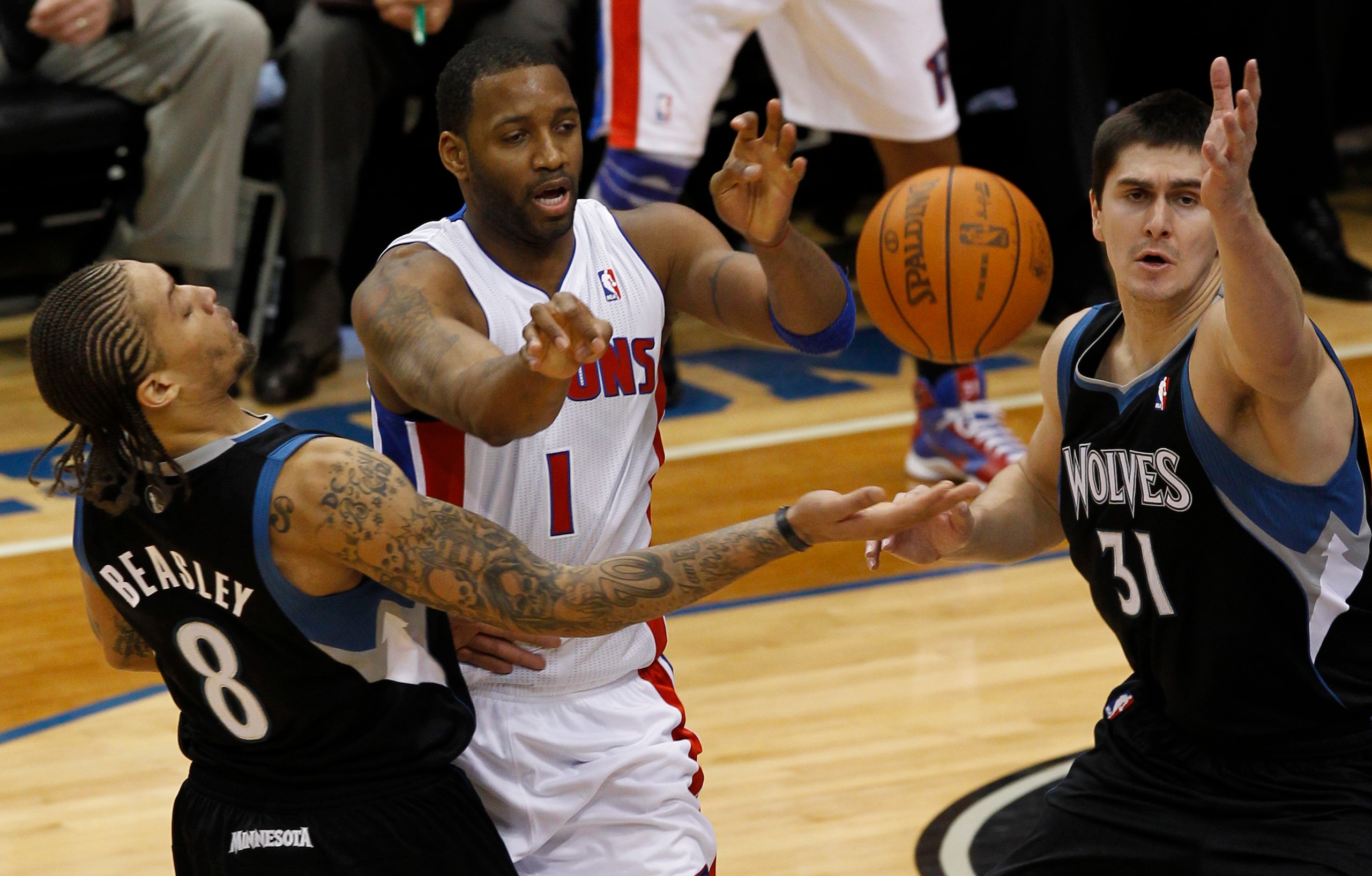
Just because an athlete bids adieu to the NBA doesn't mean he need give up on playing sports entirely.
Just ask Tracy McGrady, who spent last season playing pro baseball with the Sugar Land Skeeters of the Atlantic League. "It was great. I had fun," McGrady told Bleacher Report at Adidas Nations in August. "It was a dream to play baseball and I fulfilled that dream. It was everything that I wanted it to be."
Or, better yet, try to get ahold of Michael Jordan, whose run of championships with the Chicago Bulls in the 1990s was interrupted by a failed stint in baseball's minor leagues. Granted, that foray wound up as a blip in the middle of Jordan's legendary playing career rather than as a pursuit once his basketball days were done.
Darko Milicic will also be looking to make a similar leap while still in his athletic prime, albeit into an entirely different sport. According to NBA Serbia (h/t Yahoo Sports' Dan Devine), the former No. 2 pick will take up kickboxing as his next sport of choice after signing a contract with the World Association of Kickboxing Organizations (WAKO).
Here's hoping Darko's next step works out better than his previous one did. If he needs any help in the world of combat sports, Milicic can always turn to former NBA veteran Kendall Gill and fellow Serbian baller Igor Rakocevic for advice.
Coaching
2 of 8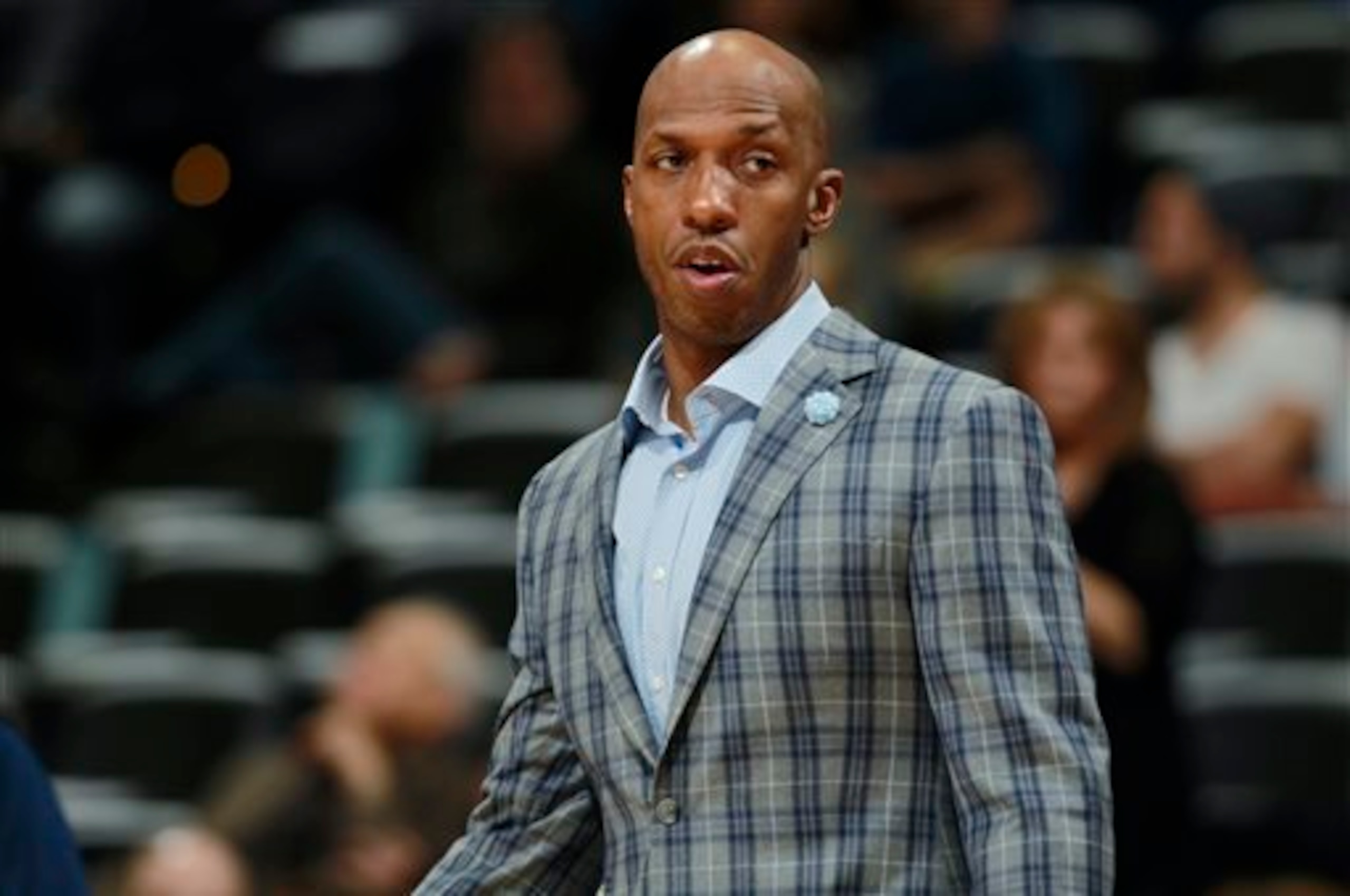
Truth be told, 30-somethings with NBA experience who gave up basketball in favor of another sport are far closer to the exception than the rule. If you're in search of retirees in non-hoops regalia, look no further than the sidelines at NBA games.
Coaching has long been a refuge for former players. Half of the league's 30 current head coaches sport some measure of NBA playing experience. Two of them either are (Kevin McHale) or will be (Jason Kidd) in the Hall of Fame.
A third (eventual) Springfield enshrinee could join them if Chauncey Billups does, indeed, decide to try his hand at coaching. "If he wants to, absolutely," former teammate DeAndre Jordan told SLAM's Tzvi Twersky. "I think he has that connection with players. He can talk to a rookie, a guy in his prime or a vet and everybody will respect him the same way. So if coaching is in his heart, I feel that’s something he can definitely excel at."
As it happens, Billups has wasted little time re-engaging with the game in a new capacity, on behalf of one of his former clubs:
"Recently-retired Chauncey Billups spending a couple of days w/ the #Twolves during camp as Flip Saunders' guest. Will be here today/tmrw.
— Timberwolves PR (@Twolves_PR) September 30, 2014"
Management
3 of 8
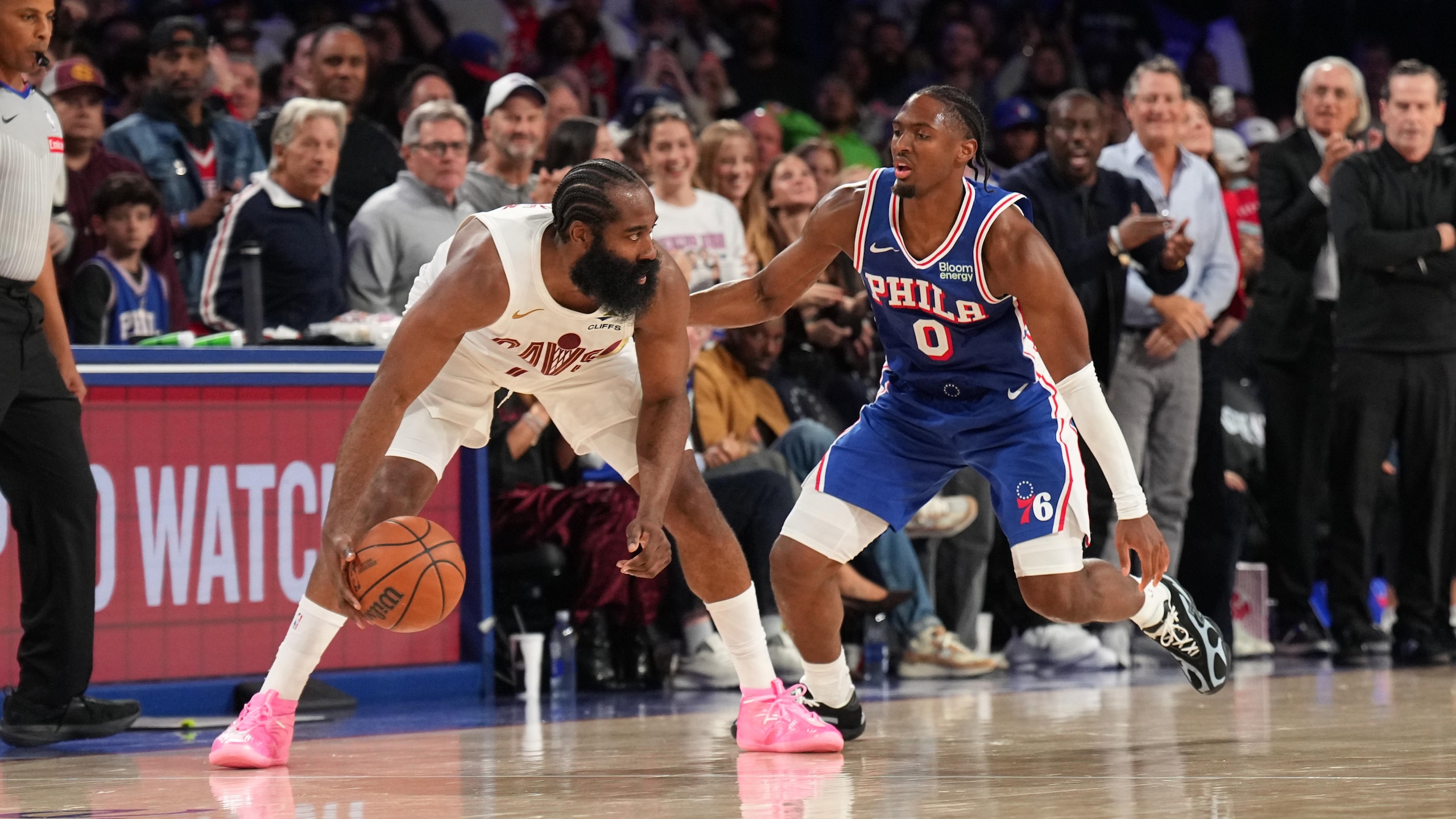
Billups, though, might not be inclined to stalk the sidelines. "I have always said I had a desire to work in a front office somewhere or also do TV commentating or studio work," Billups told Yahoo Sports' Marc J. Spears upon announcing his retirement. "Those are the things I desire the most."
With regard to the first profession Billups mentioned, there aren't quite as many former players in NBA front offices as there used to be. Two years ago, Geoff Petrie was knocked from his perch with the Sacramento Kings. Hall of Famer Joe Dumars was canned by the Detroit Pistons this past summer. Danny Ferry could get his walking papers at some point in the wake of his scandal with the Atlanta Hawks.
As for those who are still employed as general managers, only Danny Ainge, Mitch Kupchak, Pat Riley, Ernie Grunfeld, Dell Demps, Kevin Pritchard and Dave Wohl can claim NBA playing credentials. That list doesn't include Phil Jackson, Doc Rivers, Larry Bird, Michael Jordan, Jerry West, Chris Mullin, Mitch Richmond and John Paxson, all of whom hold considerable sway within their respective organizations, albeit without the GM title attached.
For someone like Billups, working up the executive ranks holds the promise of someday constructing a championship-caliber club without the day-to-day hassle of being a coach.

Broadcasting
4 of 8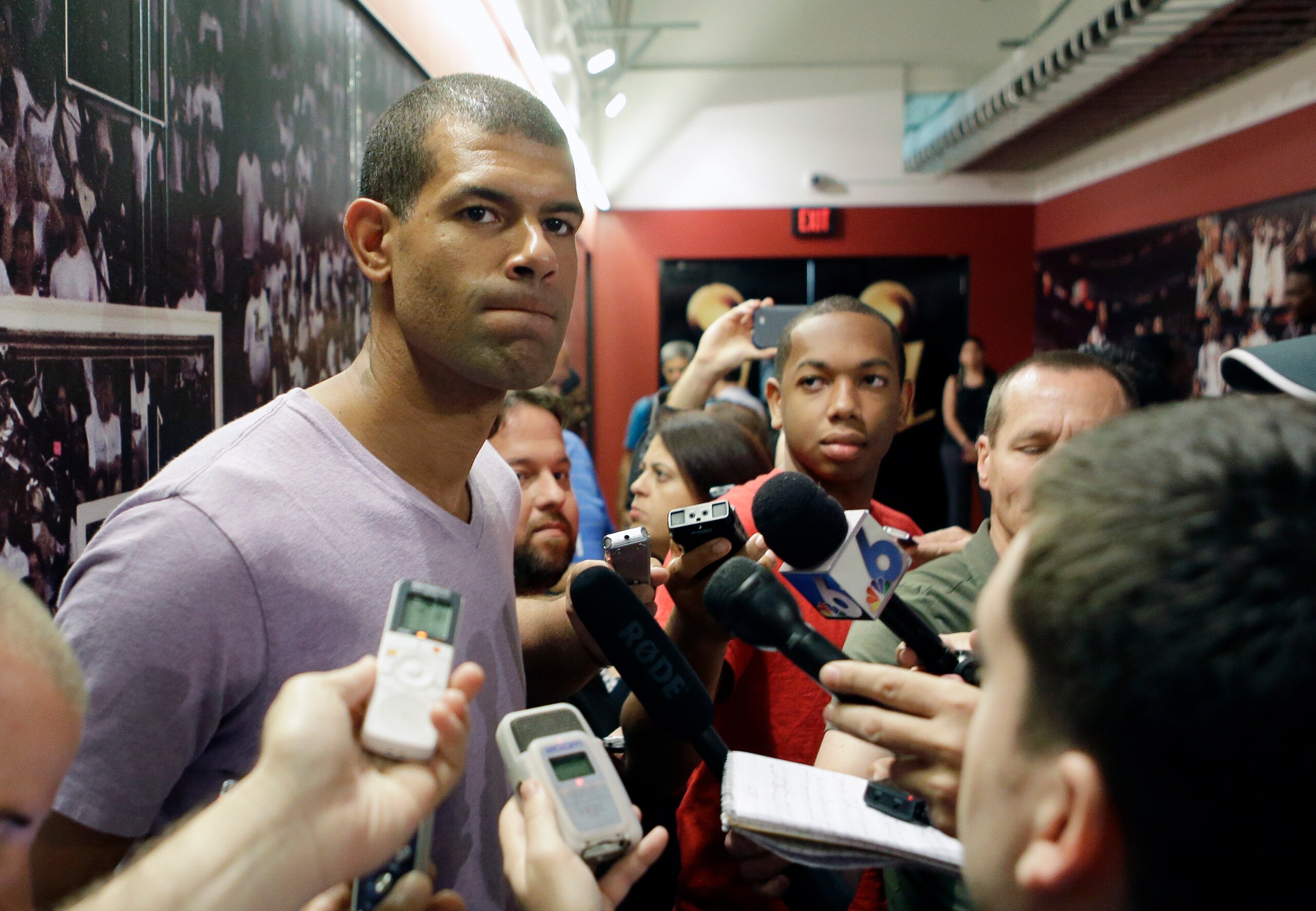
Now, if Billups really wants to take it easy (or easier) while still engaging with the game, he can follow Shane Battier's lead into the world of TV talking heads. Battier, who retired after 13 years in the NBA, will join ESPN as a men's college basketball analyst this fall.
Billups, though, would seem more inclined to try analyzing the pro game on television. Perhaps he'll go for an on-air gig with the Worldwide Leader, where the likes of Jalen Rose, Mark Jackson and Doug Collins (among others) have found refuge. Or, maybe Billups will score a job with Turner Sports (note: Bleacher Report's mothership), just as Shaquille O'Neal, Grant Hill, Chris Webber and Brent Barry have in recent years.
Whichever outlet an ex-player opts for, he can't complain too much about getting paid to watch and talk about basketball.
(Not that yours truly would know anything about that...)
DJing
5 of 8
Of course, ex-NBAers needn't limit themselves to the sports world—or anywhere close to it, for that matter—when trying to keep busy once their playing careers are through.
Rony Seikaly should know. The Lebanese big man played for four NBA teams in 11 seasons, including six with the Miami Heat as the franchise's first-ever draft pick.
Since then, Seikaly has embarked on a successful career as a DJ, playing at clubs in New York, Miami, Las Vegas and Ibiza, among other hot spots for electronic dance music. "I never had the intention of becoming a professional DJ; I just always played music as a hobby," Seikaly told The Huffington Post's Michael Picard. "The opportunity came organically and it seemed like it would be fun and it grew from there."
It's only natural that Seikaly would wind up on the ones and twos. After all, he'd been messing around with mixing equipment since his teenage years and came to be known as "The Spin Doctor" during his NBA days.
Politics
6 of 8
For those players who'd rather keep their leadership and interpersonal skills in use, a career in politics can prove particularly fruitful and fulfilling.
Bill Bradley served three terms in the United States Senate and ran against Al Gore for the Democratic Party's presidential nomination in 2000 after winning two titles in 10 seasons with the New York Knicks. Chris Dudley, another former Knick, fell just short of nabbing the Republican Party's nomination in Oregon's 2010 gubernatorial race. Dave Bing, a Hall of Famer who played during Bradley's day, spent five year as the mayor of Detroit.
Perhaps no former NBA player has done a better job of blending basketball and politics than has Kevin Johnson. Johnson's two terms as Sacramento's first African-American (and locally born) mayor have been marked by his fight to keep the Kings from moving to Seattle. Thanks to Johnson's tireless efforts, the Kings are still in town, with Vivek Ranadive replacing the Maloofs as the team's controlling owner.
Charles Barkley, on the other hand, had toyed with the possibility of running for governor in Alabama this year before telling TMZ that he'd abandoned his plans.
Running Restaurants
7 of 8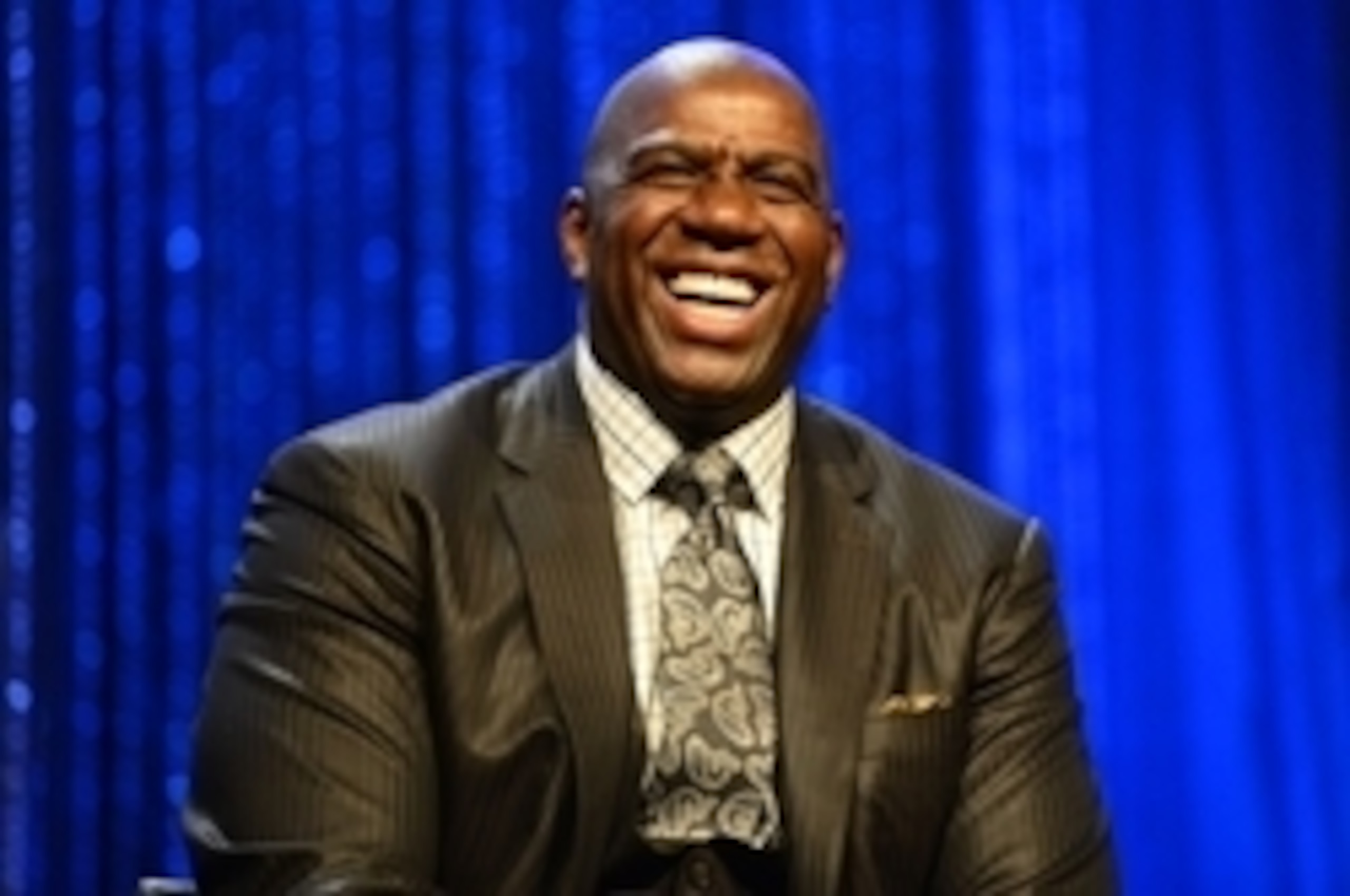
Now, if you're an NBA player and you want to make a fortune for yourself, you'd do well to look into franchising.
No, not owning an NBA franchise, though we'll get to that in a moment. Rather, we're talking here about opening restaurants.
It's one thing for a player to open his own unique storefront, just as former Seattle SuperSonics slam-dunk savant Shawn Kemp did when he and his wife founded Oskar's Kitchen in 2011.
It's another entirely to build a business based on chain restaurants. Jamal Mashburn, a former All-Star who made about $75 million during his playing days, expanded his net worth by opening up a slew of Outback Steakhouse, Papa John's and Dunkin' Donuts stores, in addition to the car dealerships he owns in central Kentucky. Junior Bridgeman, who began his NBA career as part of the Kareem Abdul-Jabbar trade, came close to buying the Milwaukee Bucks, presumably with some of the millions he'd made from the hundreds of Chili's and Wendy's he'd established.
As it happens, Bridgeman and Billups went into business together to buy up 30 Wendy's franchises in the St. Louis area last year. Like Billups, Andrei Kirilenko got into franchising while still serving as an active player, opening Russia's first Hooters in Moscow earlier this year, per The Salt Lake Tribune.
Jermaine O'Neal will soon join his peers in the chain game with his own string of Carl's Jr. and Hardee's restaurants.
But when it comes to getting filthy rich by franchising, Magic Johnson takes the cake. The Los Angeles Lakers legend opened his own nationwide chain of movie theaters and partnered with Starbucks CEO Howard Schultz to bring the world's most popular coffee brand to underserved urban areas.
Owning a Sports Franchise
8 of 8
Johnson has since sold his 125 Starbucks stores back to the company and, to a certain extent, trained his focus on sports ownership. Johnson was the face of the group that, with Guggenheim Partners and Peter Guber involved, bought the Los Angeles Dodgers from Frank McCourt for $2.15 billion in 2012. Earlier this year, Johnson and Guggenheim Partners joined forces once again to purchase the WNBA's Los Angeles Sparks.
To be sure, Johnson wasn't new to the world of sports ownership. In 1994, he bought a minority stake in the Lakers, which he sold to L.A. billionaire Patrick Soon-Shiong in 2010.
Once the Clippers went to market earlier this year, rumors swirled about Johnson's involvement, though he squashed those before Steve Ballmer stepped in. "This notion that I want his team? If I was going to trick somebody, deceive somebody, be dishonest to somebody, steal somebody’s franchise, it is going to be the Los Angeles Lakers," Johnson told CNN's Anderson Cooper (h/t The Los Angeles Daily News' Mark Medina). "Let’s make that clear right now. It won’t be the L.A. Clippers."
Though Johnson didn't partake in the bidding, Grant Hill and Yao Ming did, albeit before losing out to Ballmer.
Michael Jordan, on the other hand, jumped at seemingly every chance he had to become an NBA owner. He had a stake in the Washington Wizards from 2000 until 2003, including during the two years he spent as a player in D.C. Prior to that, His Airness had attempted to buy up part of the Charlotte Hornets.
Come 2006, Jordan, now retired from the game for good, purchased a stake in the Charlotte Bobcats that was second in value behind only that of Robert L. Johnson, the founder of BET and the first-ever African-American billionaire. In 2010, Jordan bought Johnson's share, thereby becoming the first former player to own a team in the league and taking over Johnson's mantle as the NBA's only African-American majority owner.
The firsts haven't stopped for Jordan, either. According to Forbes' Mike Ozanian, Jordan, who's also made a killing off his Nike brand's sales, became the world's first billionaire athlete earlier this year when his stake in the now-Hornets shot up in value following the sale of the Bucks.
Not bad work, if you can get it.
Tweet me your picks for the best post-basketball careers!

.jpg?w=2560 "NFL House in Paris Closes for Protests")
.jpg?w=2560 "Trevon Diggs Cut by Seahawks")