Why San Diego Chargers QB Philip Rivers Leads the MVP Race After Week 3
San Diego Chargers quarterback Philip Rivers was one of the best quarterbacks in the NFL in 2013. Now, in 2014, he has been the best after his first three games of the season.
Thus far, Rivers has 778 yards with six touchdowns and just one interception. He's averaging 259 passing yards and two touchdowns per game. He has completed 67 of his 98 pass attempts for a completion percentage of 68.4 while also rushing 15 times for 38 total yards.
Rivers' numbers are very good but not exceptional. They don't replicate the kind of statistics that Peyton Manning had put up by this stage last season. However, the context around Rivers' numbers makes them more significant than just the numerical value.
TOP NEWS
.jpg?w=2560 "Chargers Chiefs Football")
Reported Details of Seahawks-K9 Split
.jpg?w=2560)
B/R's Expert Week 7 NFL Picks 🔮
Biggest Draft Risers and Fallers 🎢
For example, the Chargers are 2-1 and have faced three teams who boasted top-10 defenses last year.
| Arizona Cardinals | 2nd | 5th | 14th - 233.0 |
| Seattle Seahawks | 1st | 1st | 1st - 172.0 |
| Buffalo Bills | 5th | 2nd | 4th - 204.4 |
Of those three units, only the Arizona Cardinals have faced major changes on that side of the ball entering this season. The Cardinals lost multiple pieces, but the defense as a whole has started the season well and arguably played Rivers and the Chargers as well as anyone.
Rivers' most impressive display of the season came in Week 2 against the Seattle Seahawks.
The veteran quarterback played against the defending champs on a short week after playing the Cardinals on Monday night in Week 1. The Seahawks were coming off 10 days rest, and the game took place in a sweltering heat. Everything suggested the Chargers should be tired and ineffective, but Rivers dragged them through the game.
Against the Seahawks, Rivers was consistently neutralizing the Seattle pass rush while fitting tough throws into tight windows. He also made some plays with his feet that one typically wouldn't expect him to make.
After such an impressive display, the potential for a letdown game against the Buffalo Bills was always high.
Entering this game, the Bills were well on their way to erasing the perception that has plagued them over the past decade. Standing at 2-0, with impressive victories over the Chicago Bears and Miami Dolphins, the Bills looked as good as they have in a very long time.
Those two wins had largely come about because of the ability of their defense.
Even without the injured Kiko Alonso at linebacker, the Bills' front seven still boasts Mario Williams, Kyle Williams, Marcell Dareus and Jerry Hughes on the defensive line. Behind them, the secondary doesn't have Jairus Byrd anymore but had been effective to start the season.
With Ryan Mathews inactive from the start and an early injury to Danny Woodhead, Rivers was definitely under pressure to carry the offense again.
On the very first drive of the game, he set about doing that.
Facing a 2nd-and-8 after Donald Brown was limited to a two-yard gain on the Chargers' first offensive play of the game, San Diego spread the field with three receivers to the left and a tight end to the right. This is a formation the Chargers relied on against the Seahawks in Week 2.
In that game, Antonio Gates became a major matchup nightmare for the Seahawks. On this occasion, Rivers worked the other side of the field with wide receiver Malcom Floyd.
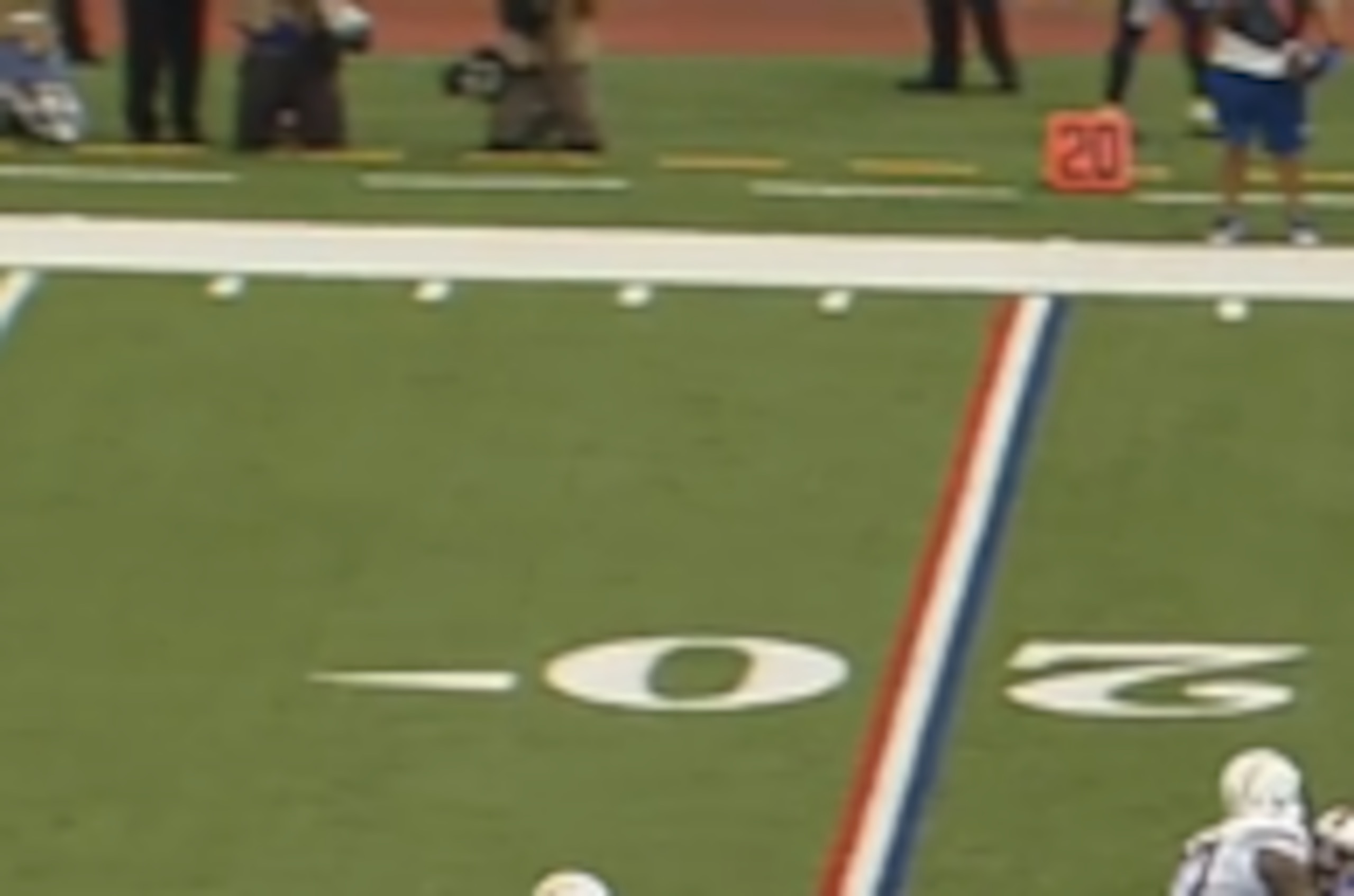
Floyd initially lined up in the slot. He is running a sideline route that will see him run underneath his outside receiver, who is running down the seam. Because the defense was playing off-man coverage on the outside, Floyd has a free route to the boundary, and the cornerback underneath is forced to hesitate.
While Floyd works in his route, Rivers isn't looking at him. He is focusing on the deep safety to hold him in the middle of the field before looking to Floyd down the left sideline.
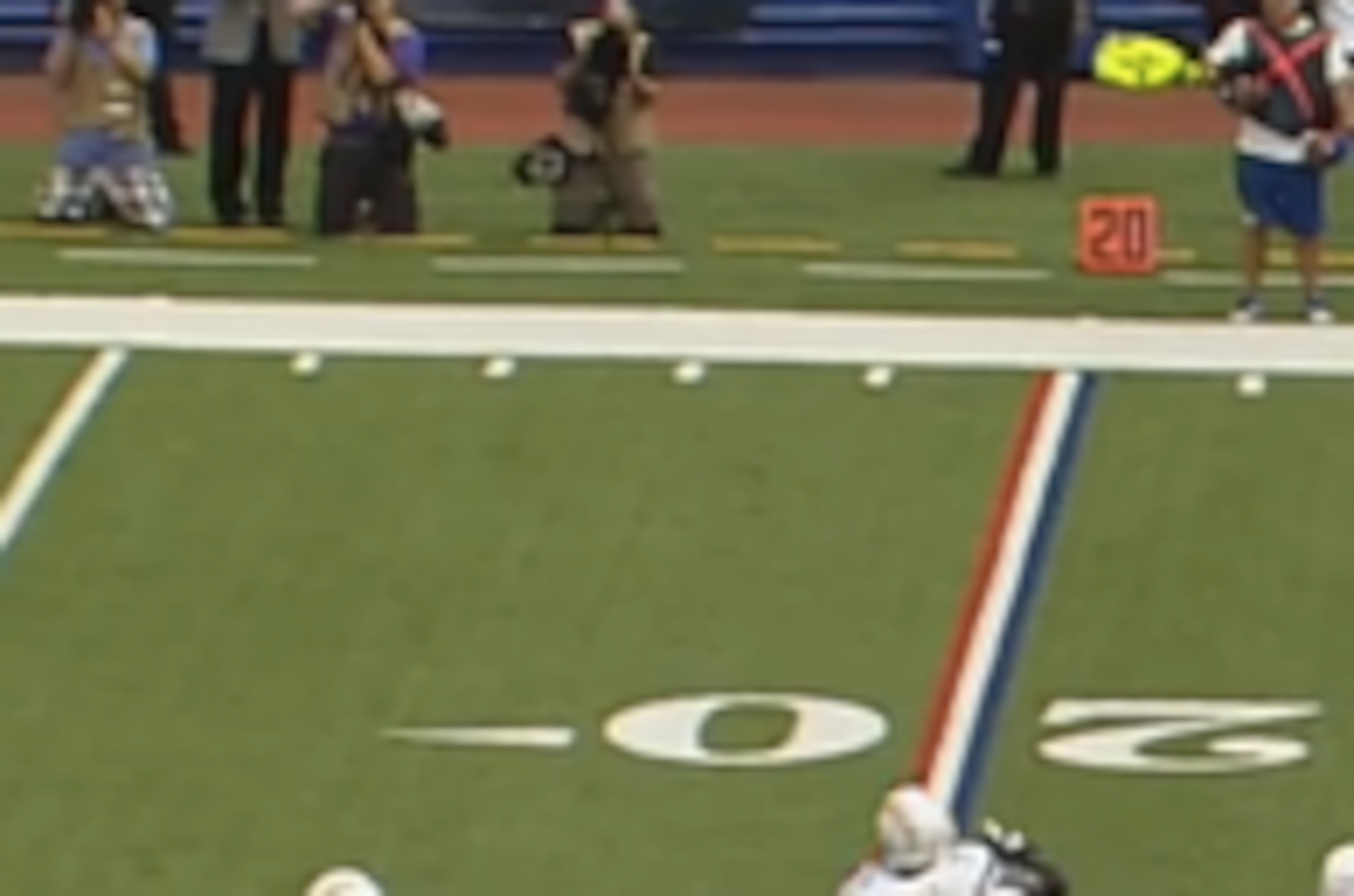
Rivers takes his eyes away from the safety while holding his position against the blockers in front of him, who are being pushed backward. He locates Floyd, who is now wide open, and lofts a well-placed pass down the sideline to him.
The physical pass on this play wasn't difficult, but Rivers' willingness to manage the coverage before throwing the ball made the connection easy.
This was just the second offensive play of the game for the Chargers, and it went for 49 yards. Floyd was put into space in a position where a large number of NFL receivers would likely have scored a touchdown. The Chargers receiver simply didn't have the second gear to take it that far.
Instead, the offense was set up at the Bills' 24-yard line, and from there the Chargers found their way to the goal line. At the goal line, Rivers threw a quick screen pass to Eddie Royal for the short touchdown score.
After that big play to start the first drive, Rivers had another big play early in the second drive.
A couple of effective Donald Brown runs gave the Chargers a first down before a false start from D.J. Fluker put the Chargers in a 1st-and-15 situation. That ultimately led to a 3rd-and-9, where Rivers motioned Royal across the formation before the snap.
Royal's motion brought a cornerback with him, suggesting to the quarterback that the defense was playing man coverage. Man coverage on 3rd-and-long often means a blitz, but on this occasion it didn't.
Instead, the Bills rushed four defenders, giving Rivers time to settle at the top of his drop.

Even though Rivers had a clean pocket initially, he was quickly forced to move off the top of his drop as Mario Williams pushed his way into the backfield. Williams was on the right shoulder of the center and coming free, but Rivers was able to adjust to give his center a leverage advantage.
The movement is very subtle, but it's also very effective. Rivers slides forward and angles to the left so that he steps into a smaller pocket of space.
From there, he has to make a throw from a tight area, relying on his quick release and compact throwing motion. Rivers has a defender in his face who immediately raises his arm to try to disrupt the throwing lane as the quarterback looks for Royal running a short crossing route.
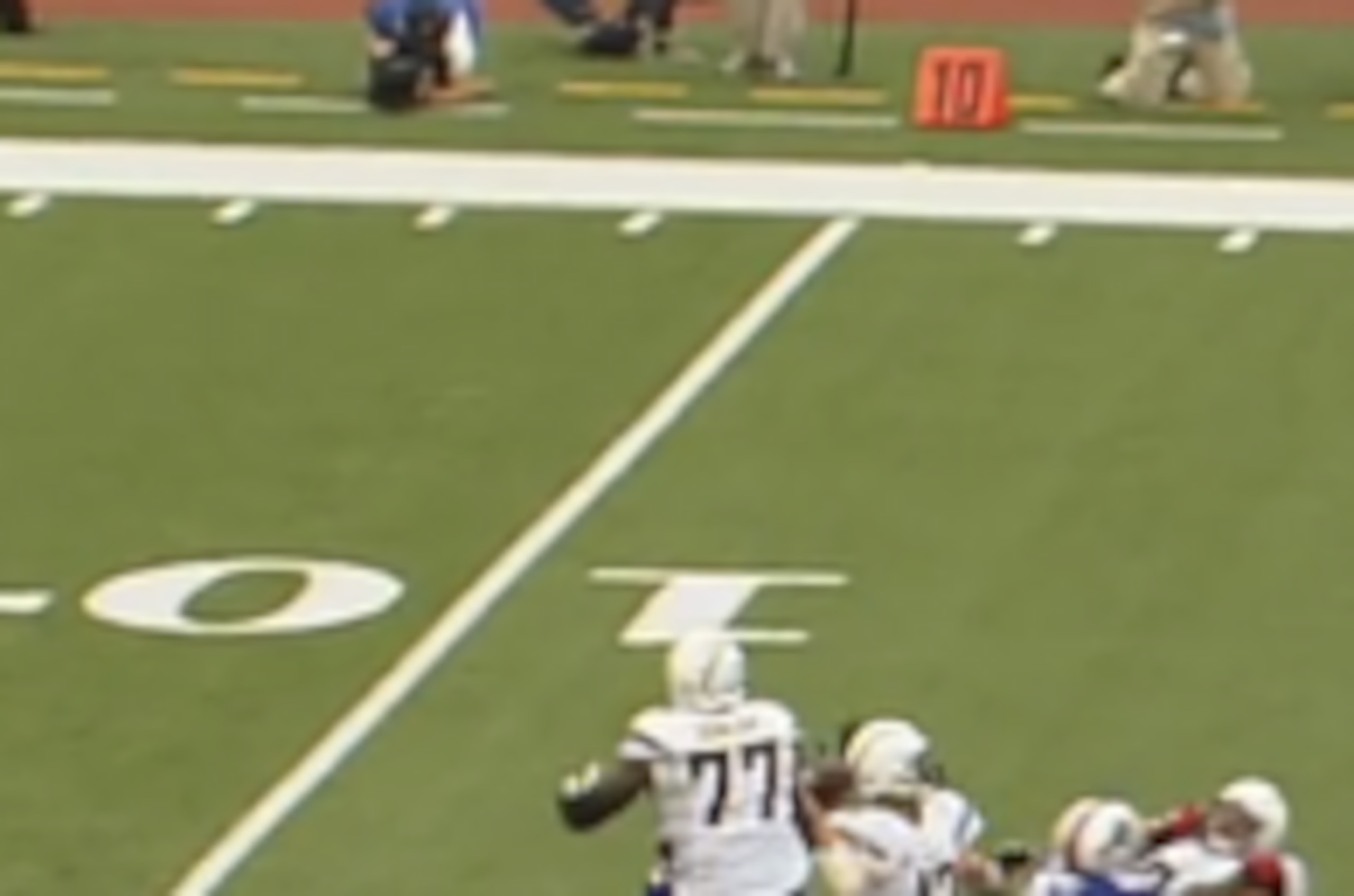
Rivers throws a perfect pass to Royal, who catches it in stride and breaks into space down the left side of the field. Royal easily gets the first down and sets up the offense near midfield.
Again, Rivers finished the play with a simple throw, but the throw was created by what he did with the ball before letting it go. His movement in the pocket, discipline with his eyes and tight release allowed him to find the open receiver in a situation where many quarterbacks fail to remain poised.
This play kept the drive alive in a situation where you wouldn't expect to convert. It ultimately led to a field goal that established a 10-point lead for the Chargers midway through the second quarter.
A quick Bills drive gave the Chargers the ball back again, but Rivers and Brown came up one yard short on 3rd-and-5 at San Diego's 41-yard line. When the Chargers punted the ball away, the Bills proceeded to connect on a field goal.
Rivers was left with two minutes and 56 seconds to re-establish a two-score lead before the end of the first half.

For the second time in two quarters, Rivers looked to Floyd for a big play. This time he wasn't making an easy throw. This time he was going to throw with anticipation and lead his receiver deep down the field after reading the coverage from the pocket.
Considering the situation and alignment, Rivers likely expected the Chargers to be playing Cover 4 before the snap.
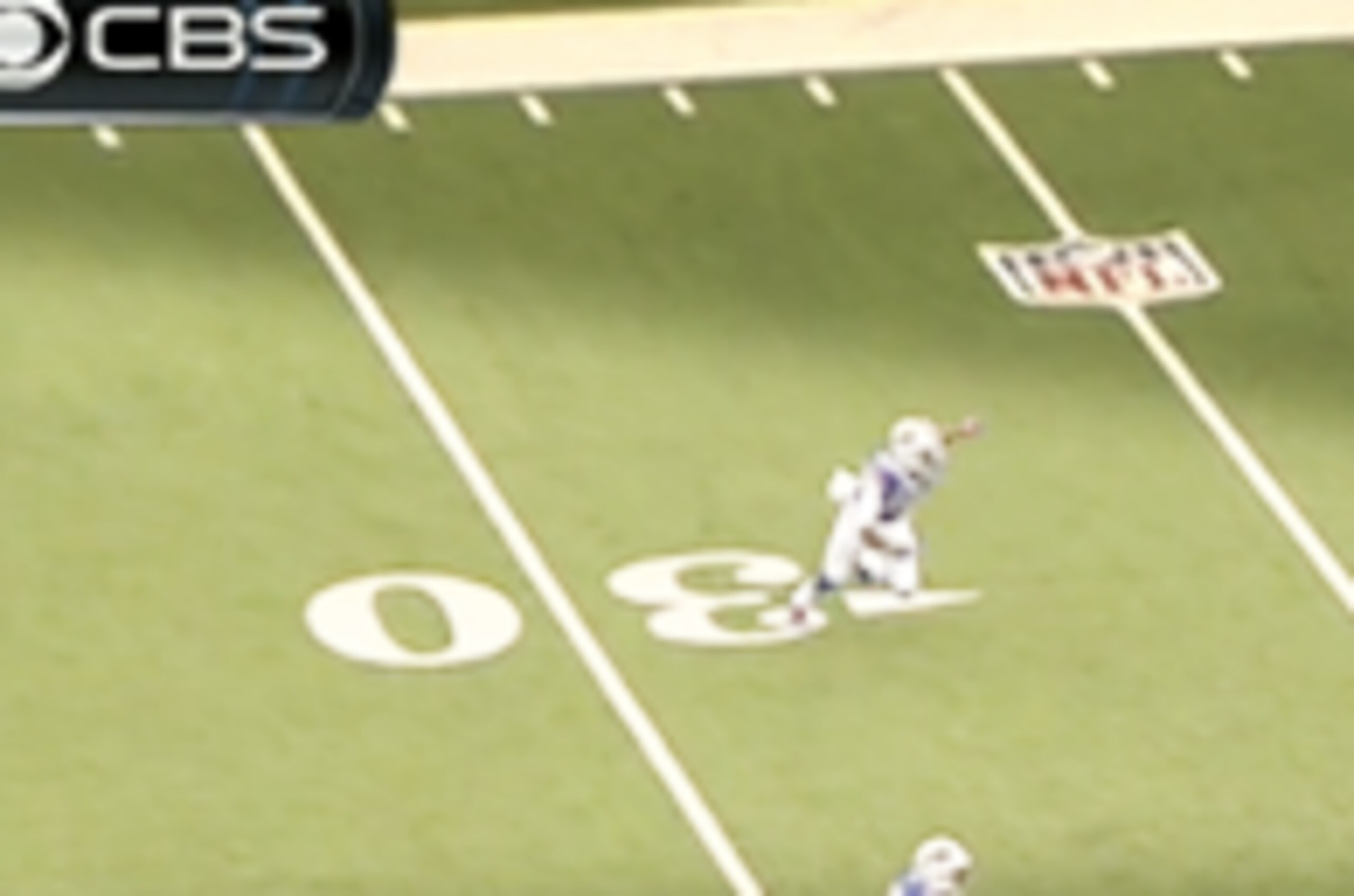
In the play above, as Rivers drops back in the pocket, he turns his head to the right side of the offense. He has a receiver running a shallow slant, but the linebacker dropping underneath immediately takes that away. While still looking to that side, Rivers likely sees the two-deep defensive backs in quarters positions.
Therefore, he quickly turns his attention to the other side of the field.
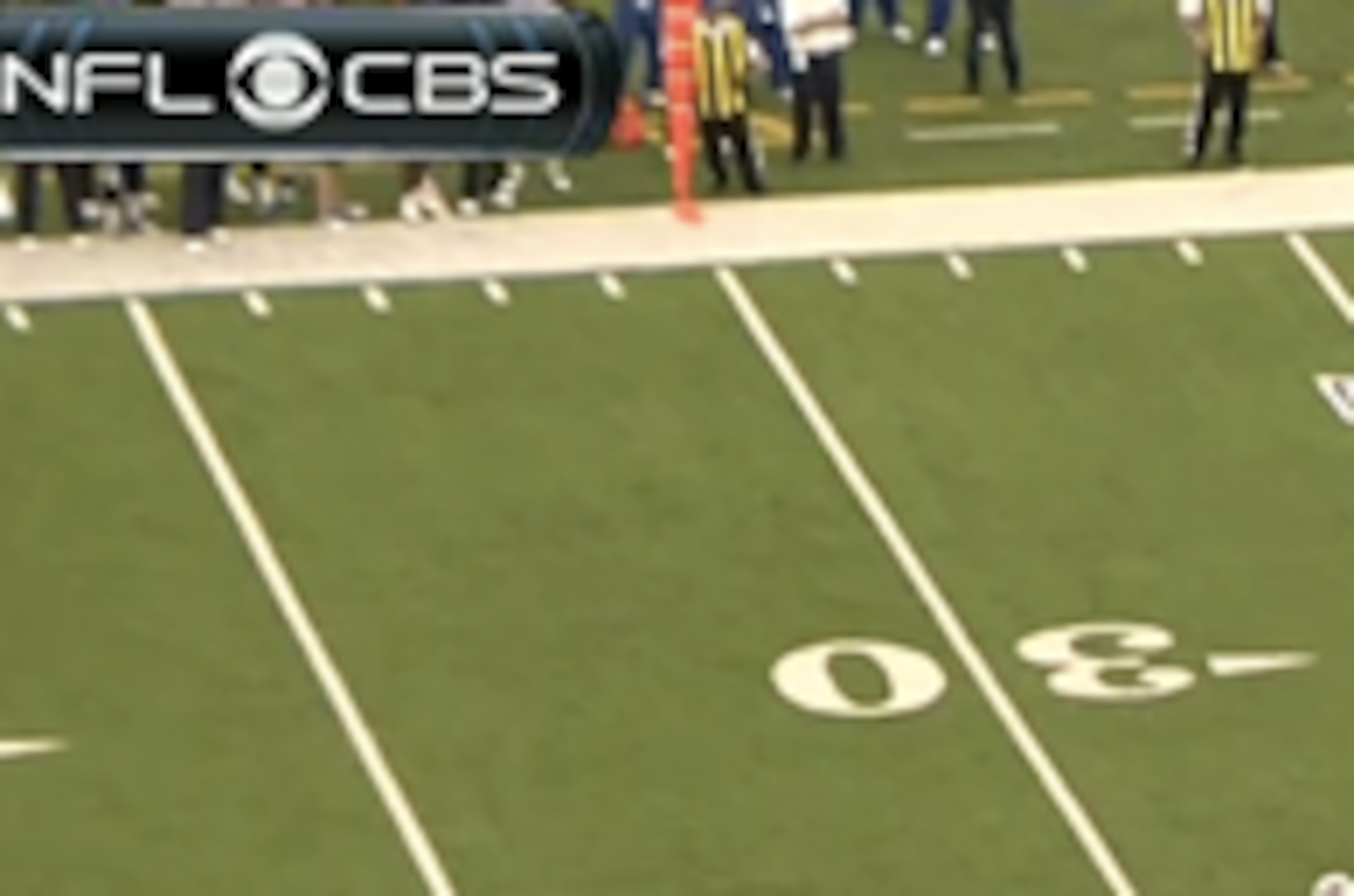
On the other side, the Chargers' route combinations ultimately turn the zone coverage into man coverage. The inside receiver is running a deep out, with the outside receiver running a post. However, the outside defensive back has to take the post because the inside defensive back has stepped up to the deep out.
Rivers recognizes this and throws the ball to the post.
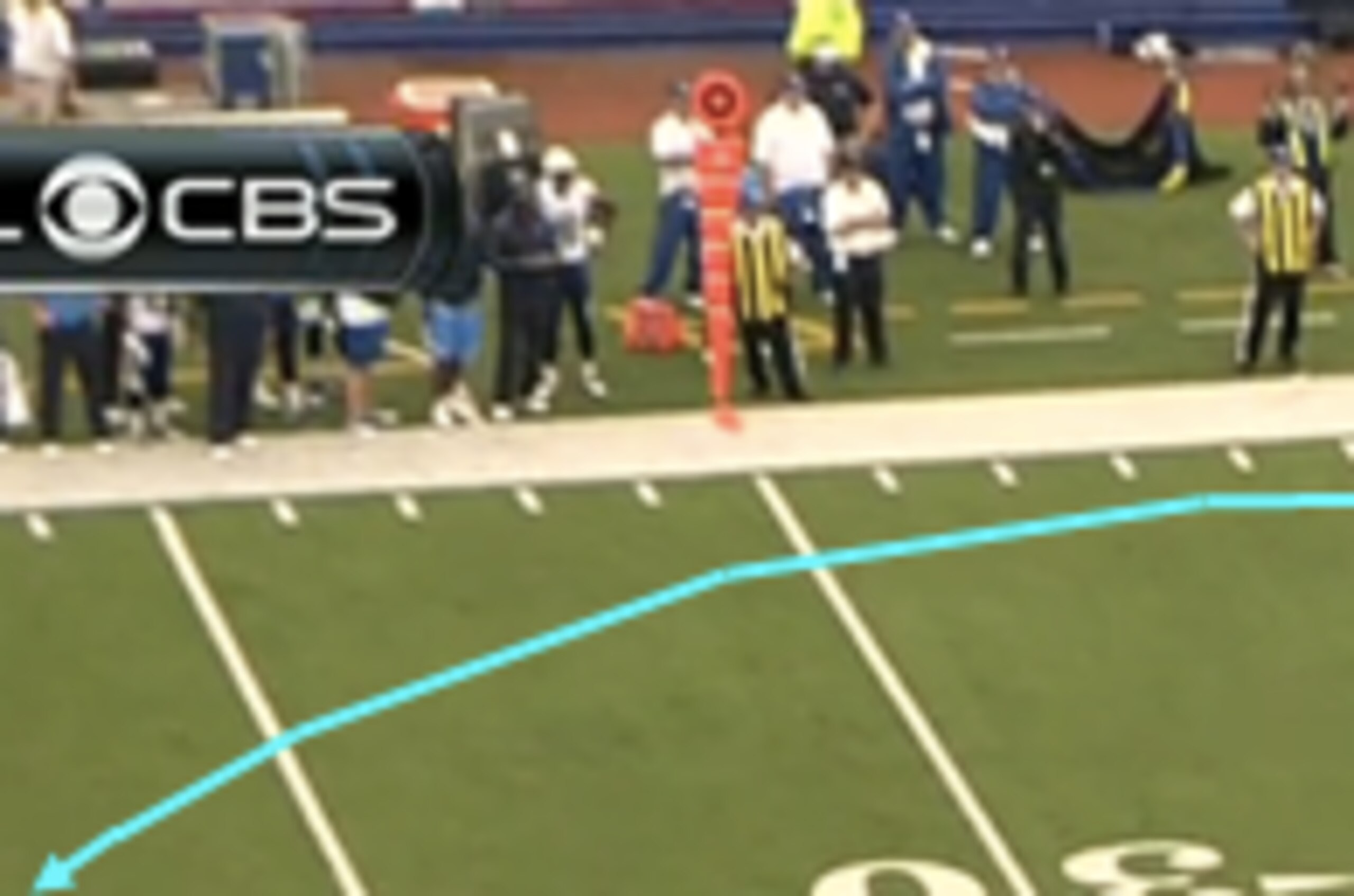
Floyd is running that post route. He is relatively well-covered, but Rivers leads him downfield, where he can attack the ball and the defensive back is more at risk of pass interference than creating a potential turnover.
Not only did Rivers correctly diagnose the defense with great haste, but he also threw with exceptional accuracy on anticipation. Those are very difficult things to do alone, never mind together against good coverage.
This was the kind of play that only a few quarterbacks in the NFL can consistently make.
The Chargers failed to fully capitalize on this big play, as they were forced to settle for a field goal rather than a touchdown. However, it was the final score of the first half, and the Chargers would get the ball to start the third quarter.
On that drive, Rivers essentially ended the game.
Before scoring a touchdown on the first drive of the third quarter, Rivers converted a 2nd-and-9, 3rd-and-8 and 3rd-and-11. The touchdown itself came on a 3rd-and-5, as Rivers found Royal with a quick throw between two defenders.
With Peyton Manning lagging behind his statistical start from last year, it's much easier to realize just how good Rivers is playing this season. Manning and the Denver Broncos are likely still a better overall team than the Chargers, but Rivers has the ability to eclipse his aging peer in 2014.
It's still very early, but Rivers has inserted himself in pole position to eventually become the Most Valuable Player of the 2014 NFL regular season.
.jpg?w=2560 "Seahawks Chiefs Football")

.jpg?w=2560 "Grading SmackDown 🔠")