Ranking the 5 Greatest Captains in Pittsburgh Penguins History
Perhaps no sport places as much emphasis on or gives as much respect to the position of team captain as hockey does.
From being the last one off the ice after games and practices to dealing with the media to setting the tone in the locker room, team captains are selected for their leadership abilities as much as their skill level. The Pittsburgh Penguins have had some great ones in their 47-year history.
As the preseason continues and the start of the NHL regular season fast approaches, let's take a look at the five greatest team captains—and one who was not so great—in Pittsburgh Penguins history.
Not-so-Honorable Mention
1 of 6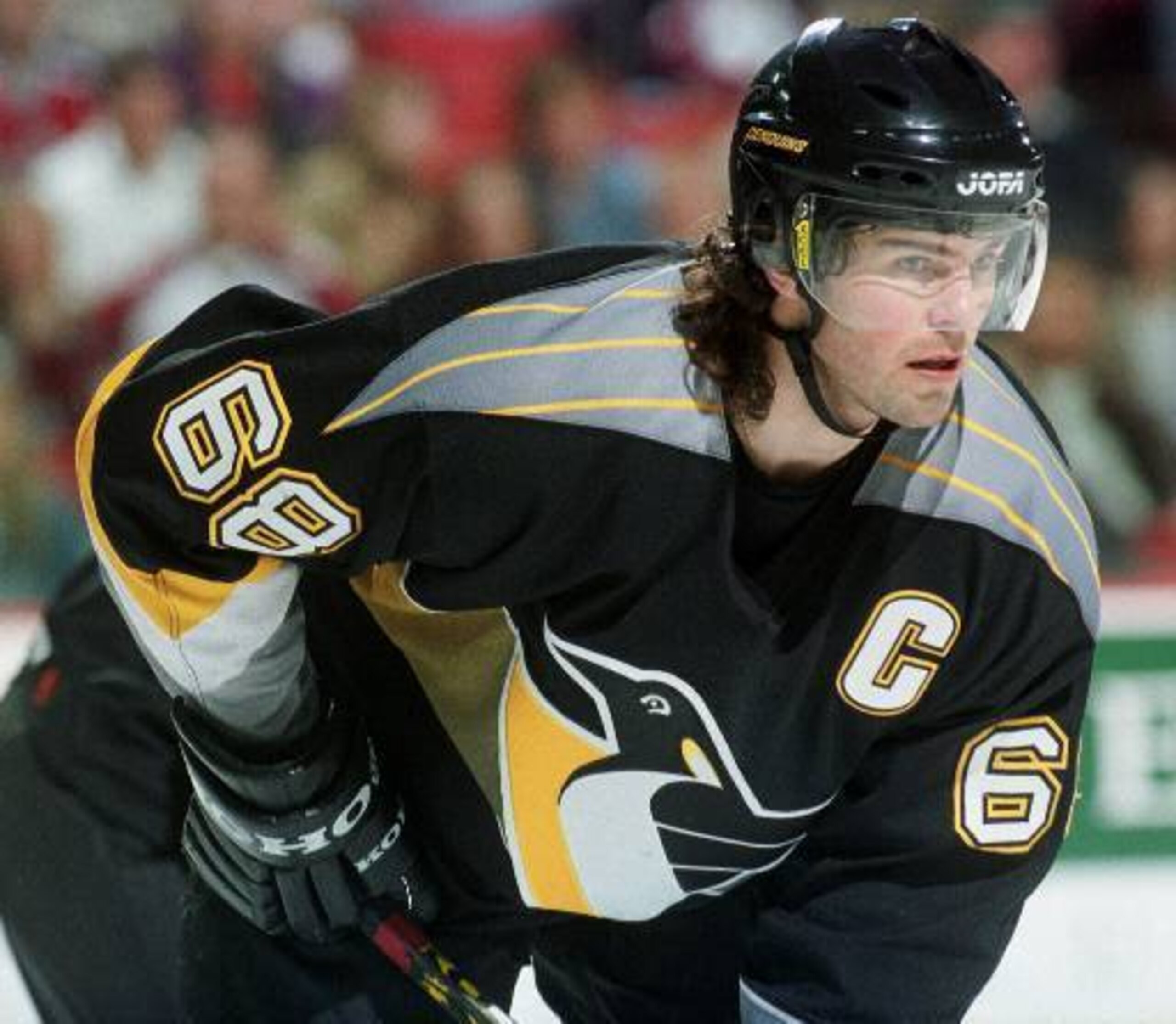
While some team captains have earned the distinction by their leadership ability and willingness to sacrifice for the benefit of the team, others are select only because, as the team's best player, not being named captain would be considered an insult.
In the case of Jaromir Jagr's tenure as captain, the later definitely proved to be the case. Following the retirement of Mario Lemieux and the departure of Ron Francis, Jagr assumed the role as team captain by default.
Although he would lead the NHL in scoring for each of his four years as captain, he was never able to lead the Pens deep into the playoffs and always seemed to be at odds with teammates or coaches.
Despite the best efforts of the Pens to accommodate him by firing head coach Kevin Constantine and surrounding him with fellow Czechs Josef Beranek, Jiri Slegr, Jan Hrdina, Martin Straka, Robert Lang, Michal Rozsival and renowned coach Ivan Hlinka, Jagr never seemed satisfied.
When Lemieux returned in December of 2000, Jagr, perhaps unwilling to share the limelight or the leadership role, demanded a trade out of Pittsburgh and was dealt to the Washington Capitals for three prospects—none of which made any significant contributions at the NHL level.
Rumors swirled in 2011 about a possible return to Pittsburgh, but the deal fell apart, as Jagr's demands proved excessive and his reputation as a toxic presence in the locker room convinced the Pens to pull their offer. Jagr opted to sign with the Philadelphia Flyers.
Much like Alexander Ovechkin of the Washington Capitals, Jagr's talent cannot be denied, but his tenure as the team captain proves that great players don't always make great leaders.
No. 5: Randy Carlyle
2 of 6
With a reputation for being a tough, hard-nosed and blue-collar city, Pittsburgh was the perfect place for Randy Carlyle, an undersized defenseman with an oversized temper.
At a time when almost all NHL players wore helmets, Carlyle was often the only player on the ice without one, yet he still played a physical style at both ends of the ice. He averaged 12 goals and 120 penalty minutes per season with the Pens.
Despite his 5'10" frame, Carlyle always made sure that his teammates weren't pushed around and was quick to respond physically both before and after the whistle.
A six-time All-Star and the only winner of the Norris Trophy, given to the best overall defenseman, in Penguins franchise history, Carlyle has been successful in directing teams from behind the bench as well. He led the 2006-07 Anaheim Ducks to the Stanley Cup.
No. 4: Jean Pronovost
3 of 6
In contrast to the fiery temperament of Randy Carlyle, Jean Pronovost was a quiet leader who let his play do his talking for him.
Acquired by the Penguins in 1968, in just the second year of their existence, Pronovost helped lift the team out of the NHL's cellar and led Pittsburgh to its first playoff berth following the 1969-70 season.
The first player in franchise history to ever reach the 50-goal and 100-point plateaus, Pronovost scored 20 or more goals in nine of his 10 seasons in Pittsburgh and 40 or more goals four times while wearing the Penguins logo.
Despite standing just 5'11" and weighing 165 pounds, Pronovost was always willing to go to the high-traffic areas on the ice. He teamed with Syl Apps and Lowell McDonald to form what is still considered one of the greatest lines in franchise history.

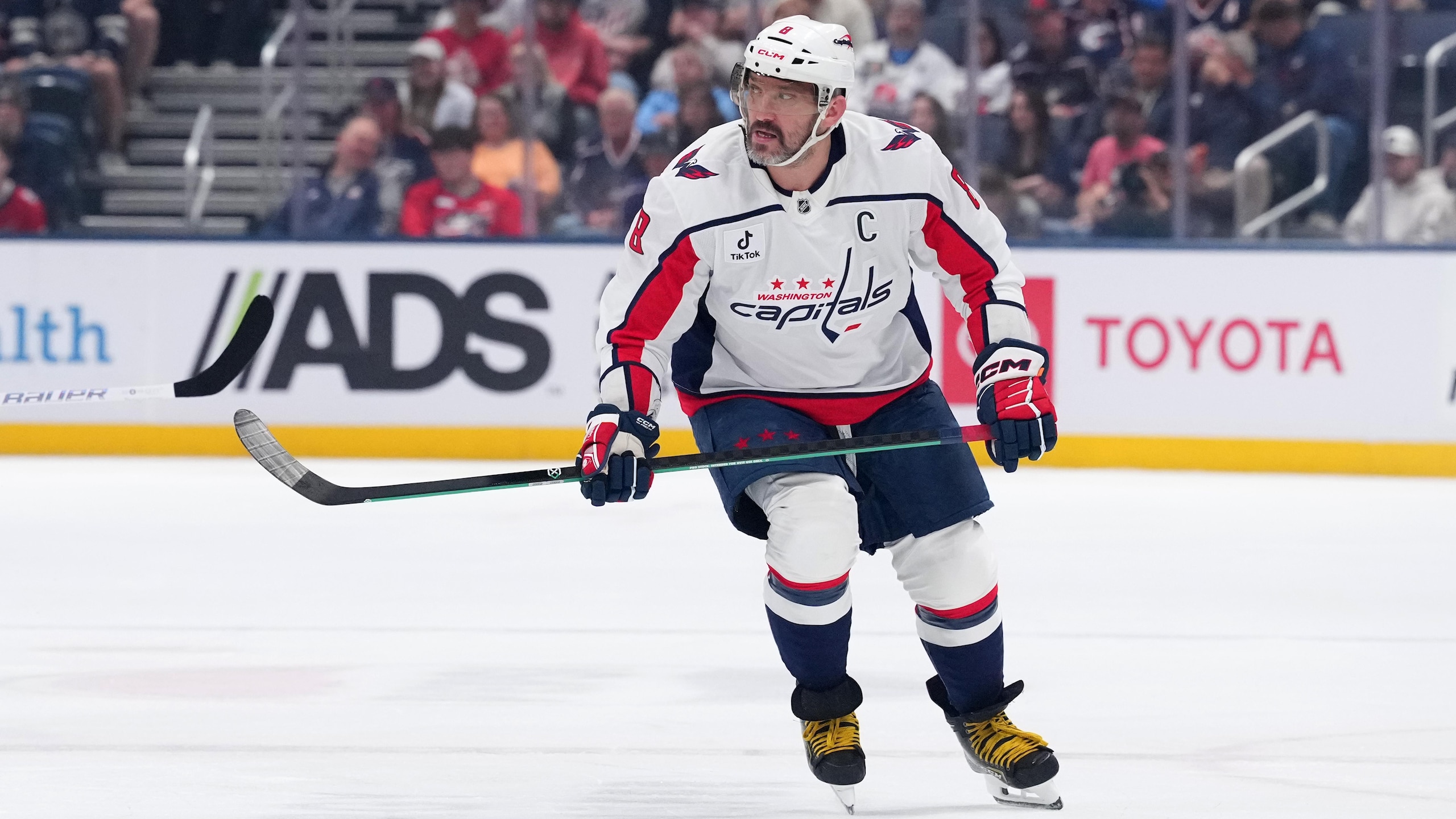

No. 3: Sidney Crosby
4 of 6
Known for his incredible practice habits and his desire to lead by example, Sidney Crosby has proved time and time again throughout his career that his commitment to the game and his teammates are without equal.
Having been tabbed as "The Next One" at a young age, Crosby has been dealing with the pressure that comes with lofty expectations for a long time, and he's become not only the face of the franchise but also of the NHL.
Winner of the 2010 Mark Messier Leadership Award, Crosby has led the Pens to eight straight playoff appearances after a six-year drought. Even on those rare occasions when he struggles, he refuses to use injuries or targeting by opponents as excuses.
Always quick to both take the blame after a loss and share the glory after a win, Crosby is the consummate leader in the locker room. His charity work off the ice speaks volumes about his character and demonstrates why he was, at one time, the youngest player ever named team captain.
No. 2: Ron Francis
5 of 6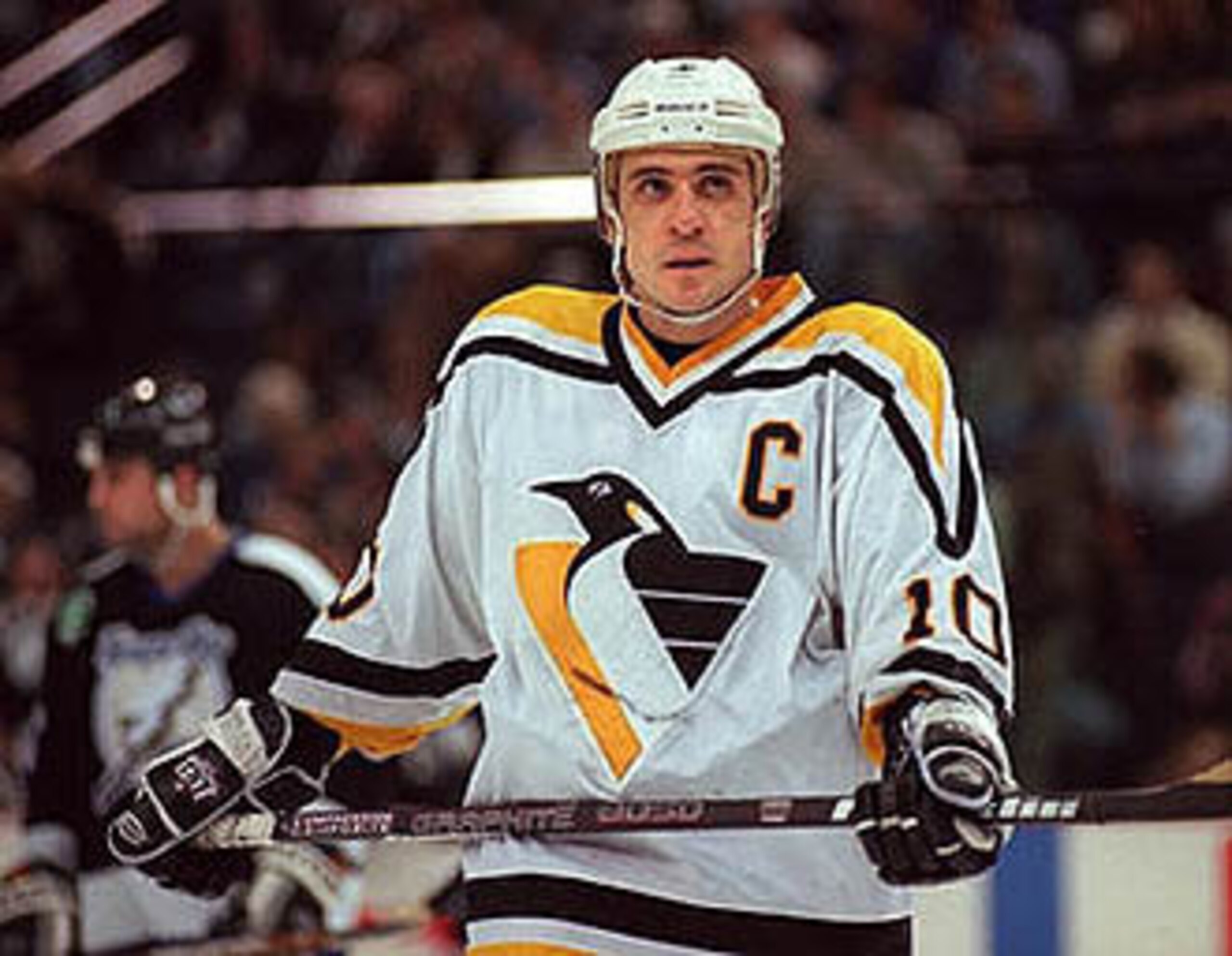
Usually, team captains are selected because they are the most physically gifted or the most physically imposing player on the roster, but in regard to Ron Francis, that's not always the case. Leadership can't always be measured by size or stats.
Known as one of the best defensive centers and playmakers during his career, Francis stepped in as team captain during Mario Lemieux's numerous injuries and provided the stability and leadership that the Penguins needed.
During Lemieux's season-long absence from the Pens during the 1994-95 season, Francis won the Selke Award as the NHL's top defensive forward and the Lady Byng Trophy as the player who best combines sportsmanship and outstanding play. He was also the NHL Plus-Minus Award winner.
Going from being the best player on the Hartford Whalers to a supporting cast member with the Pens, Francis was willing to sacrifice his glory for that of the team's, and it's no coincidence that the Pens' rise to NHL prominence began with his arrival.
No. 1: Mario Lemieux
6 of 6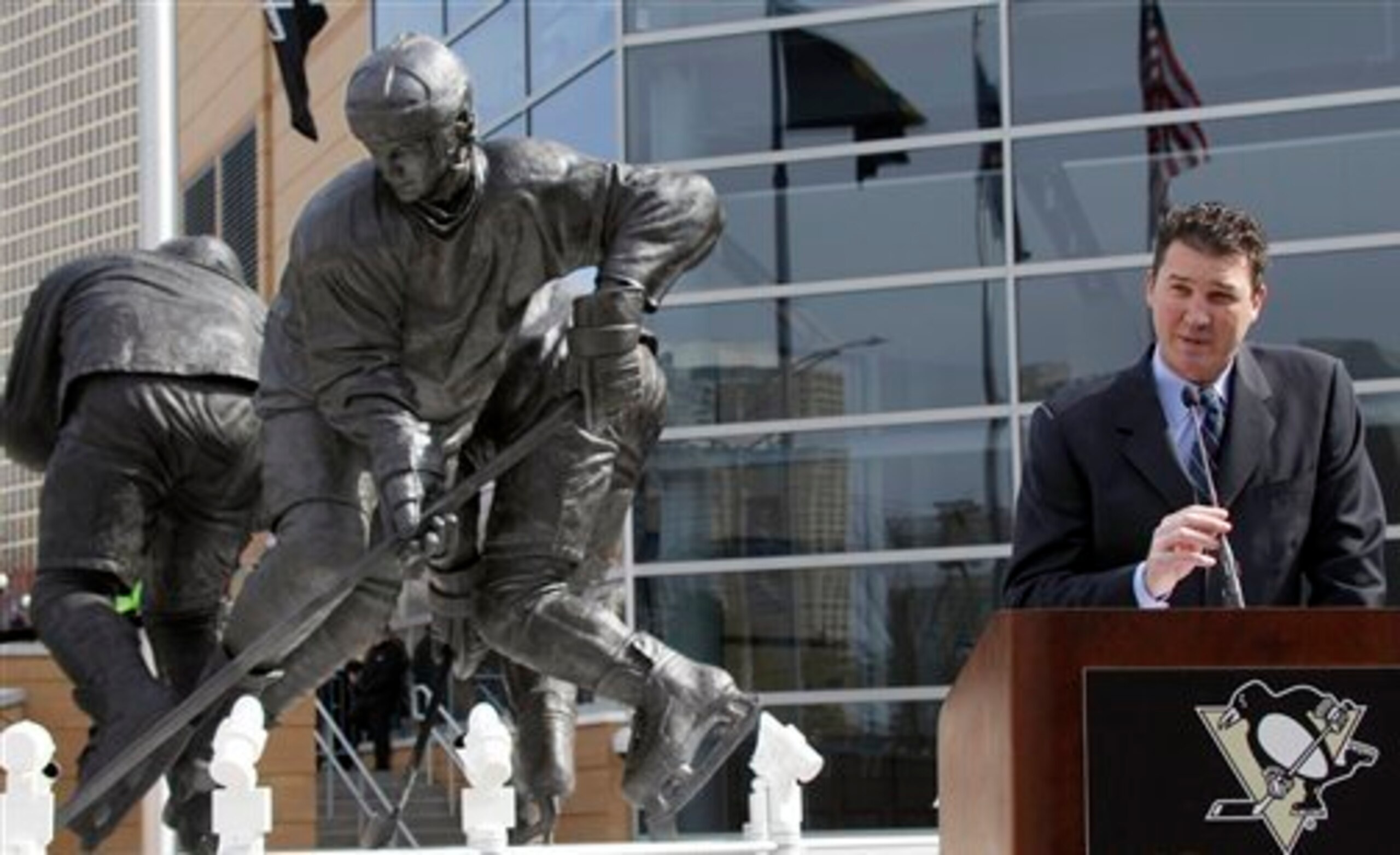
If the true measure of success for a captain is that he leaves an indelible mark on his team and the franchise, then Mario Lemieux is one of the most successful captains in the history of not only the NHL but any other sport as well.
Having saved the Penguins as a player and guiding them to back-to-back Stanley Cups, Lemieux would continue to lead the Pens even after he left the ice. He ensured that the team would remain stable and successful for years to come.
Whether it was playing through excruciating back pain during the 1991 Stanley Cup Final or leading the league in scoring during the 1992-93 season despite missing a quarter of the games due to cancer treatments, Lemieux could inspire teammates and fans without uttering a word.
While Steve Yzerman and Mark Messier are often mentioned as the highest examples of leadership in NHL history, the fact remains that their teams would have survived without them.
However, if not for Super Mario—the player, owner, goodwill ambassador, leader and franchise cornerstone—the Pittsburgh Penguins would be no more.

-(2).jpg?w=2560 "Bleacher Report")

.jpg?w=2560 "2 NFL Officials Suspended")


.jpg?w=2560 "Mahomes' Wife Trolls Kubiak 💀")

.jpg?w=2560 "Love's Body Already 'Tired'")