Complete Preview for the Los Angeles Kings' 2014-15 Season
Unlike 29 other teams, the Los Angeles Kings didn’t have to spend the summer of 2014 engrossed in how to be better. With two championships in three seasons, L.A. is one of the premier teams in the league (only Chicago stands on near-equal footing), and the primary concern was just keeping the machine together.
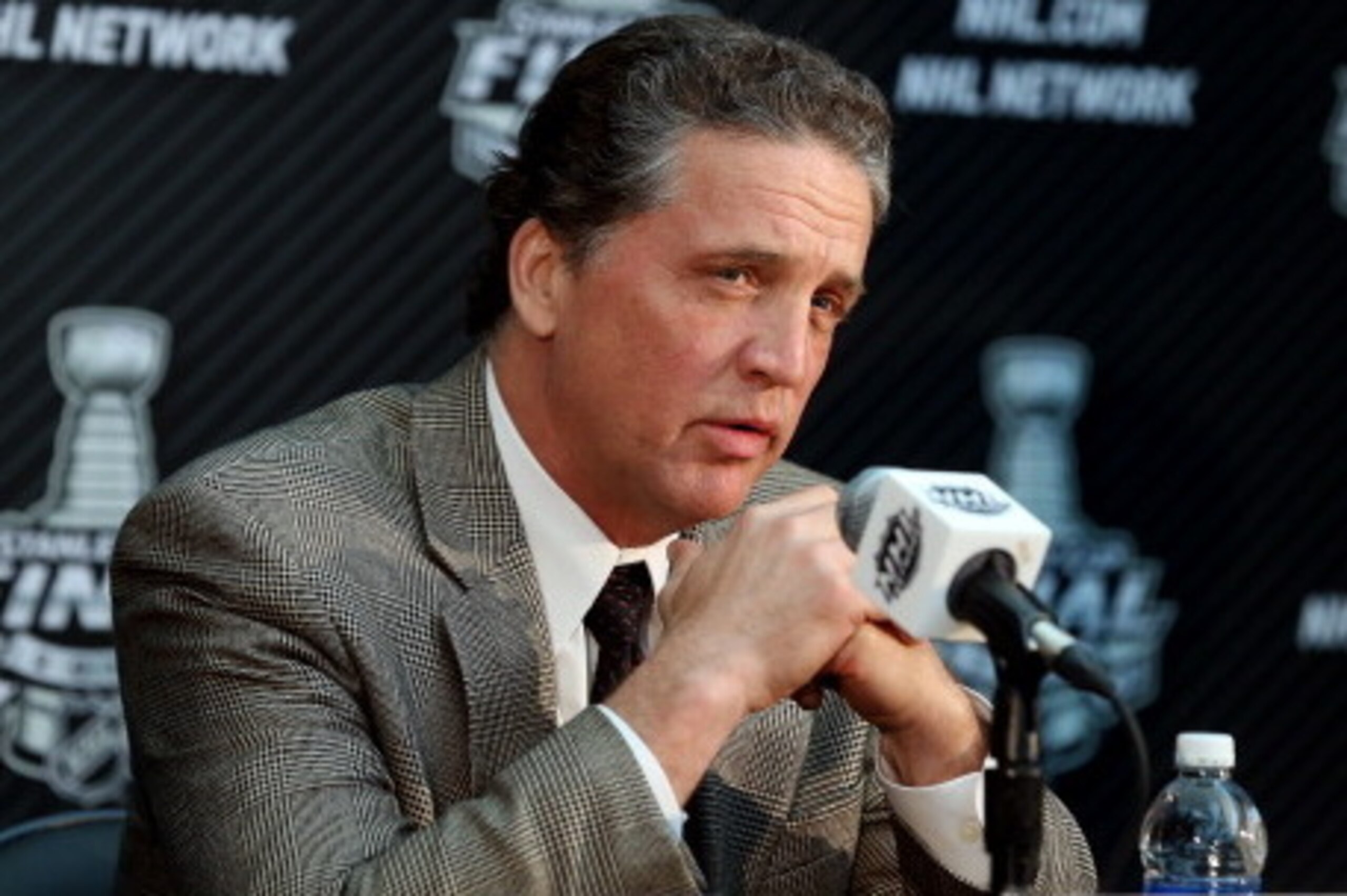
That’s what Dean Lombardi did. Marian Gaborik, who fit in so brilliantly after coming over at the trade deadline, was signed long-term at reasonable dollars. No. 6/7 defenceman Matt Greene got a four-year contract. Part-time NHL’er Adam Cracknell was the club’s big offseason addition. It was a summer of maintenance, not construction.
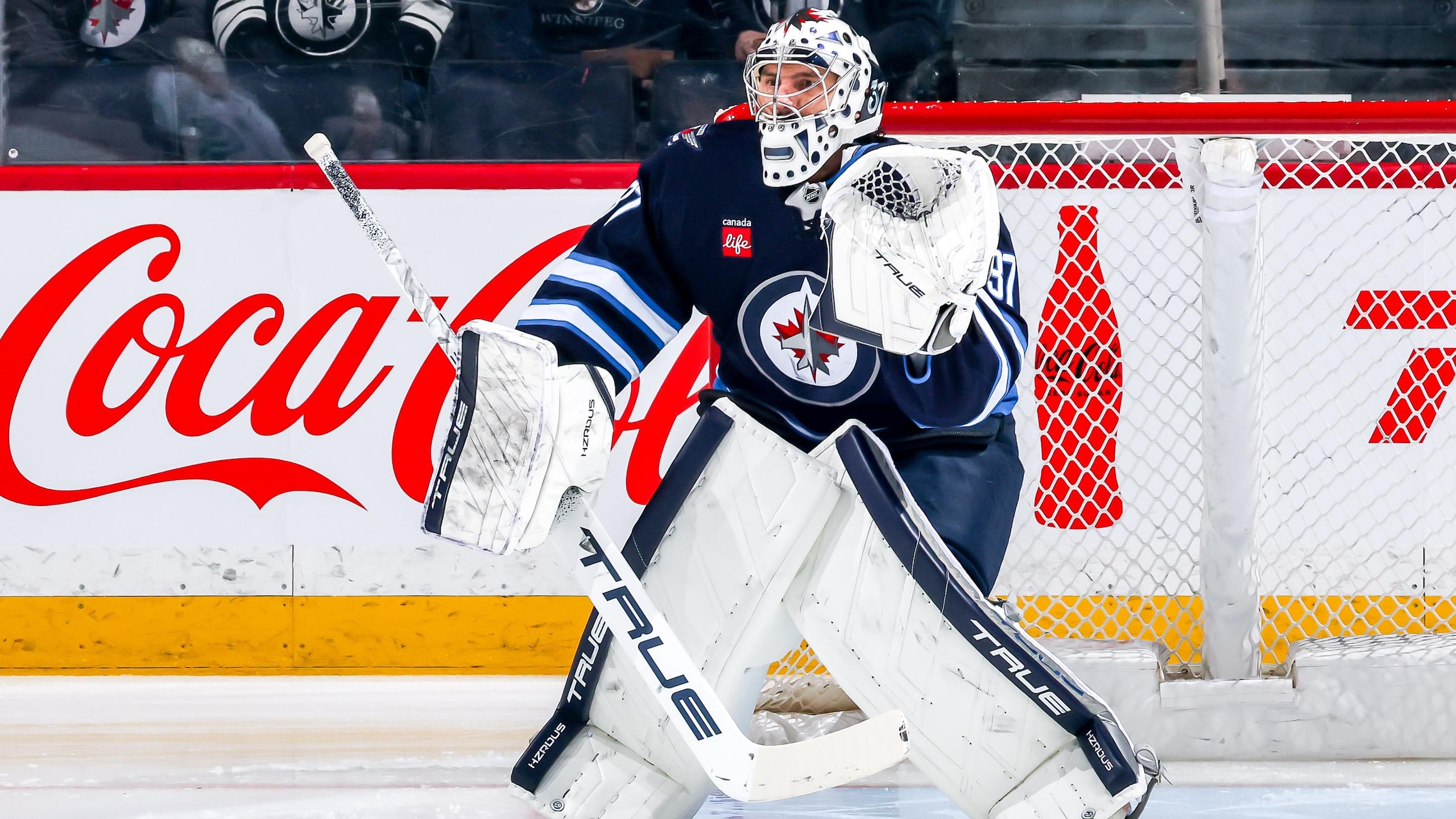
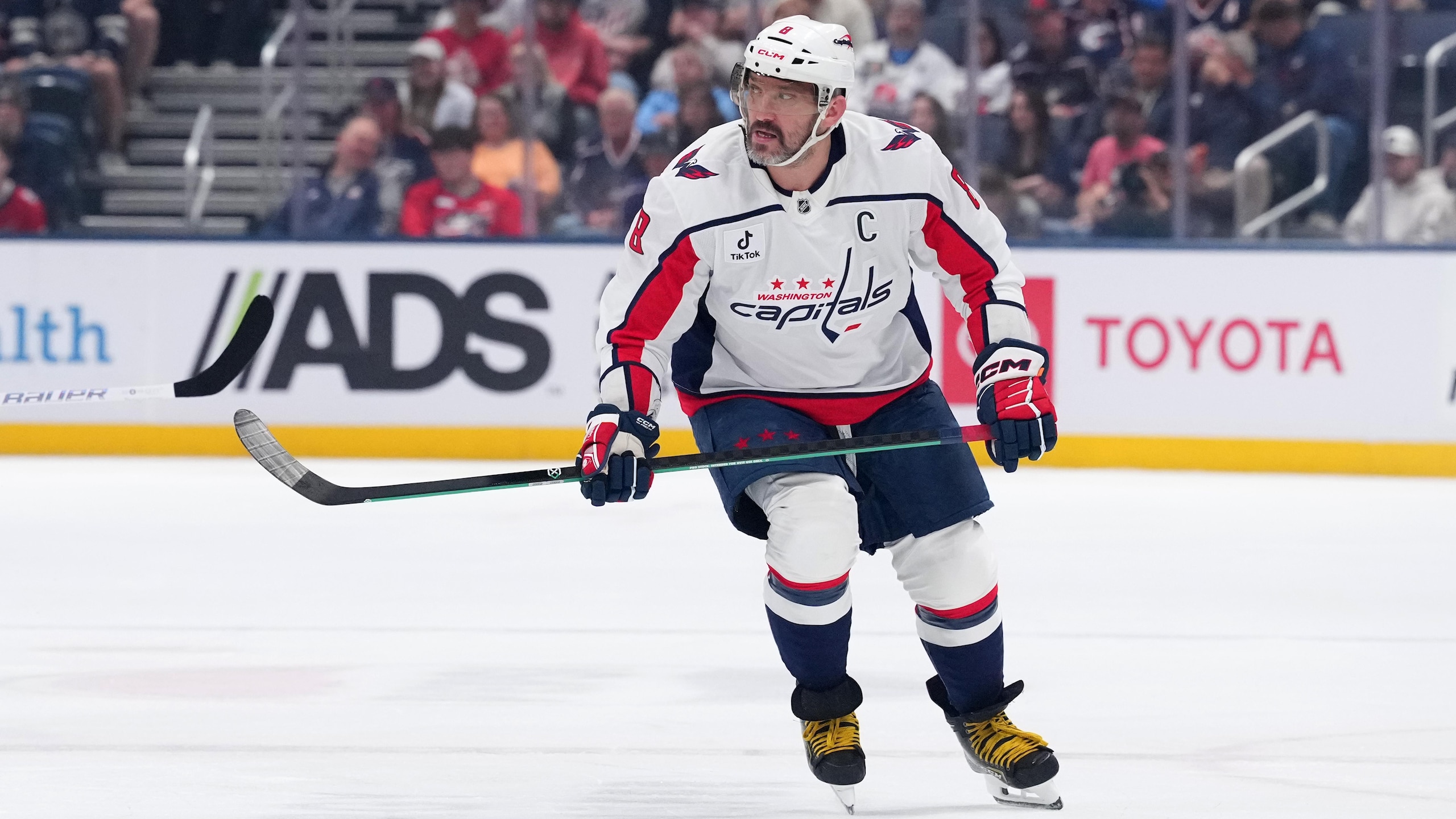

It’s hard to blame the Kings for their contentment with the status quo. Aside from the on-ice results, the depth chart shows a wonderfully deep and competent forward corps, a defence anchored by arguably the best rearguard in the game and a goalie who has come up big in the postseason.
What We Learned in 2013-14
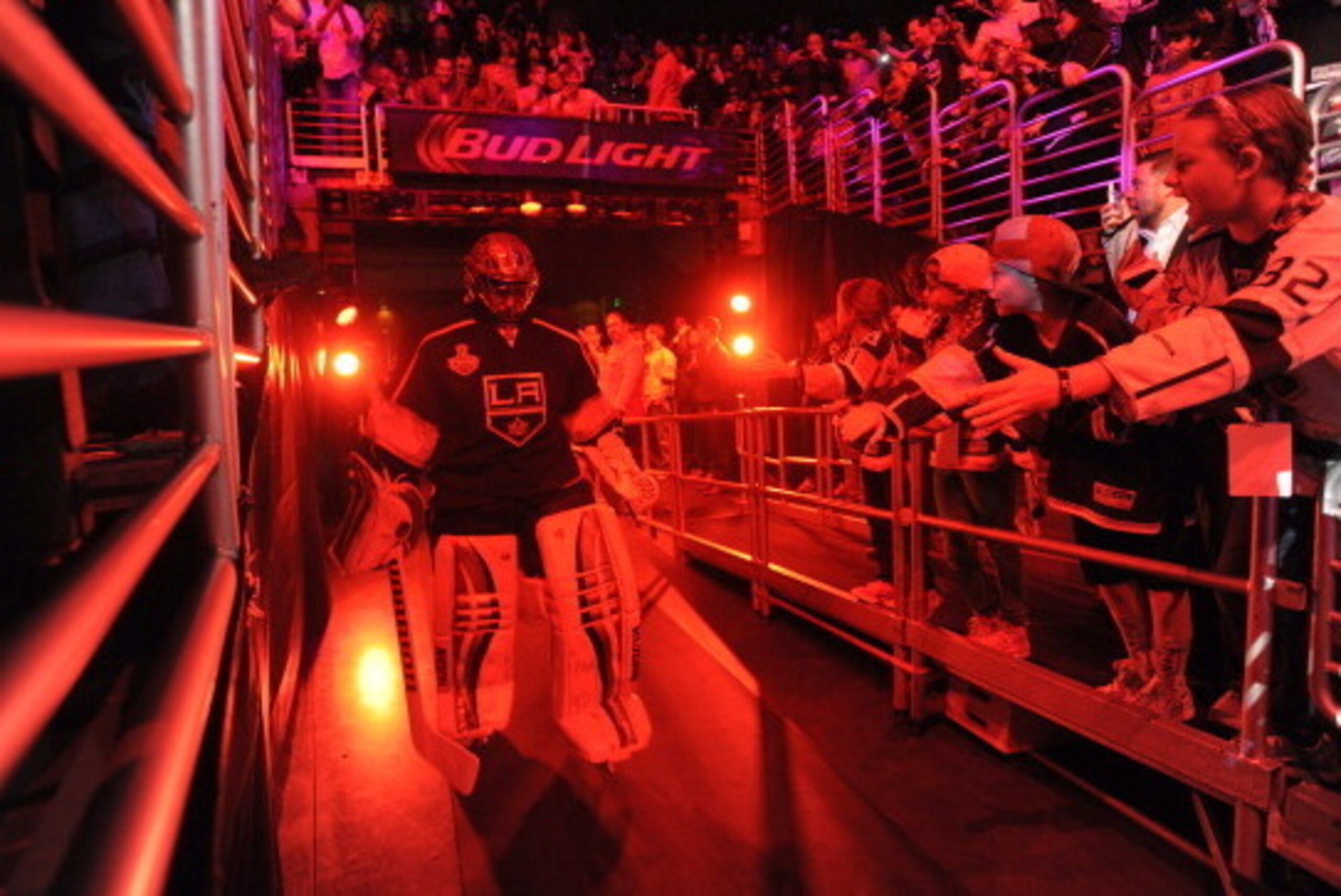
Superficially, there wouldn’t seem to be much to learn about Los Angeles; this is the team that won the Stanley Cup in 2012 and went to the Conference Final in 2013. Yet, there was a significant lesson buried in the club’s 2013-14 campaign.
It was simply that the team is such a possession monster that even really significant problems can’t stop it.
In the regular season, the Kings couldn’t shoot to save their lives. At five-on-five, the team’s shooting percentage was a brutal 7.0 percent. For the sake of comparison, the San Jose Sharks were below the league average and still a full percentage point better; the division-winning Anaheim Ducks were three full percentage points better.
Shooting at the Sharks’ sub-average number, L.A. would have been more than 25 goals better; at the Ducks shooting percentage it would have scored just under one extra goal per game.
It didn’t matter; Los Angeles managed 100 points even in a cataclysmic shooting-percentage year.
In the postseason, one of the constants behind the Kings’ success had been the play of Jonathan Quick. That stopped, as the L.A. goalie had major struggles at times and was below average overall. Of the six playoff goalies to play at least 10 games, he was right near the bottom of the pack:
| Tuukka Rask | 12 | 0.928 | 0.947 |
| Henrik Lundqvist | 25 | 0.927 | 0.934 |
| Carey Price | 12 | 0.919 | 0.926 |
| Marc-Andre Fleury | 13 | 0.915 | 0.931 |
| Corey Crawford | 19 | 0.912 | 0.914 |
| Jonathan Quick | 26 | 0.911 | 0.918 |
Only Corey Crawford is somewhat comparable, which is one of the big reasons why the Western Conference Final was an exciting, high-scoring affair as opposed to just very good hockey between brilliant teams.
The Kings were good enough that suddenly mediocre goaltending didn’t hurt them much, either. There were some scares, such as the 0-3 deficit in Round 1 against the Sharks and that series against Chicago which was basically a coin flip, but Los Angeles was able to Corsi its way out of trouble.
And on the rare occasions where possession dominance alone couldn’t get the trick done, the playoff version of the Kings had the talent to cash-on on its chances. A tough regular season had triggered the acquisition of Marian Gaborik and sped up promotions for Tyler Toffoli and Tanner Pearson, making L.A. more dangerous than ever.
Outlook for 2014-15
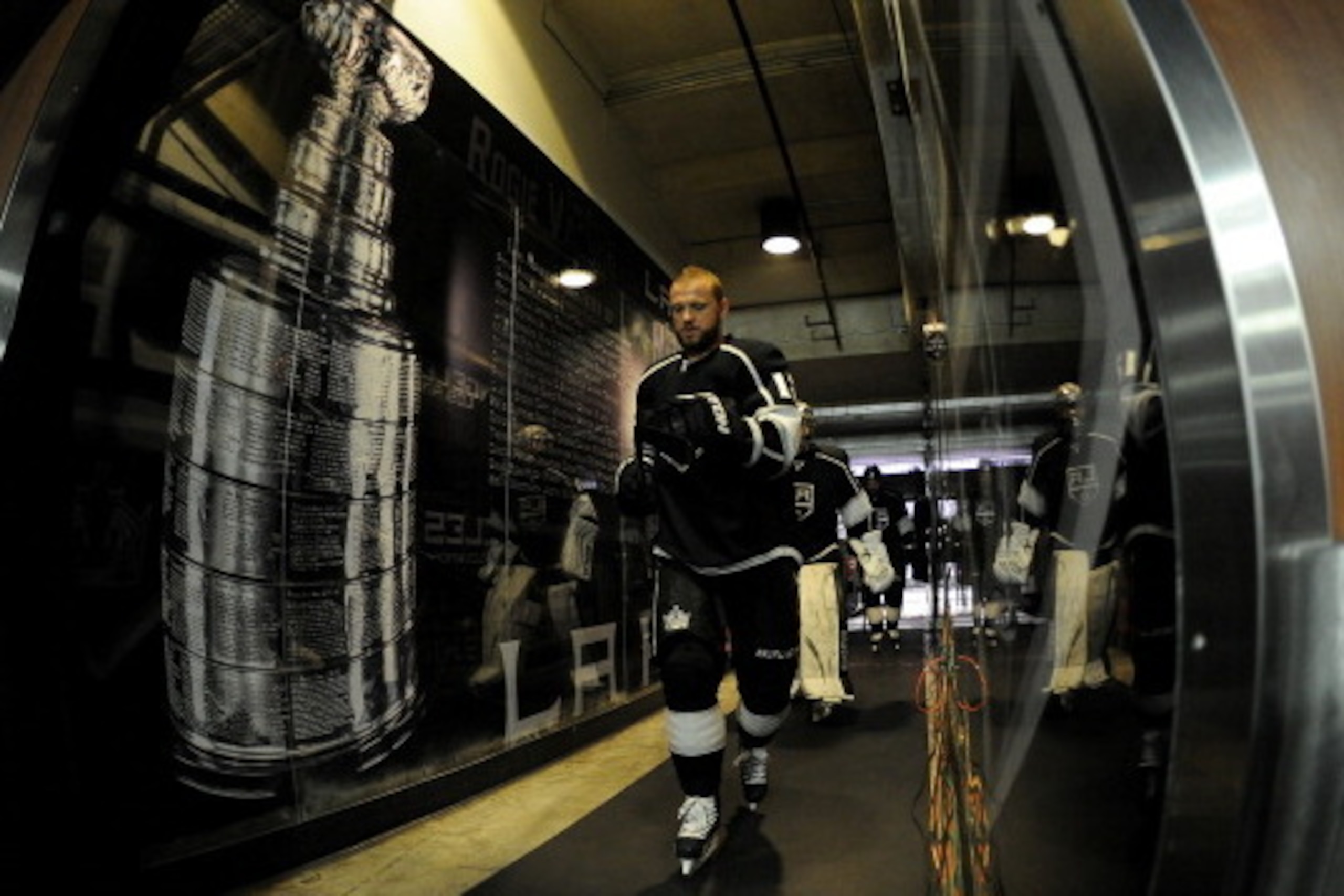
The core returns pretty much intact from the playoffs. Willie Mitchell was allowed to leave via free agency, but the 37-year-old is nearing the end and the Kings shouldn’t suffer too much from his absence.
If anything, the club should be better in the regular season than it was a year ago. Gaborik was a late addition to the team but was spectacularly successful in the playoffs, and the Kings boast a number of younger players who are still on the upswing. Add in the likelihood of an improved shooting percentage and maybe even a rebound campaign from Mike Richards, and there’s no reason for L.A. not to contend for the Pacific Division crown.
That will not be easy, but the Kings can also likely look forward to at least some regression from the top teams in the Pacific too. Anaheim’s shooting percentage was off the charts last season and will likely return to the team’s established level, while San Jose wasted its summer with rebuild talk and got slightly weaker thanks to defections.
The primary driver for L.A. will continue to be a forward group as deep and capable as any in the NHL:
| Marian Gaborik | Anze Kopitar | Dustin Brown |
| Tanner Pearson | Jeff Carter | Tyler Toffoli |
| Dwight King | Jarret Stoll | Justin Williams |
| Kyle Clifford | Mike Richards | Trevor Lewis |
| Jordan Nolan | Adam Cracknell |
This is a big, tough group but one with some skill, too. Head coach Darryl Sutter has an exceptional arsenal and can play the matchup game any way the opposition likes.
If the opposition wants to match power against power, Sutter has the well-balanced Kopitar line at his disposal. If instead they want to get a checking line out to negate Kopitar and Gaborik, Sutter can respond with the duo of Stoll and Williams, who did phenomenal shutdown work in the postseason.
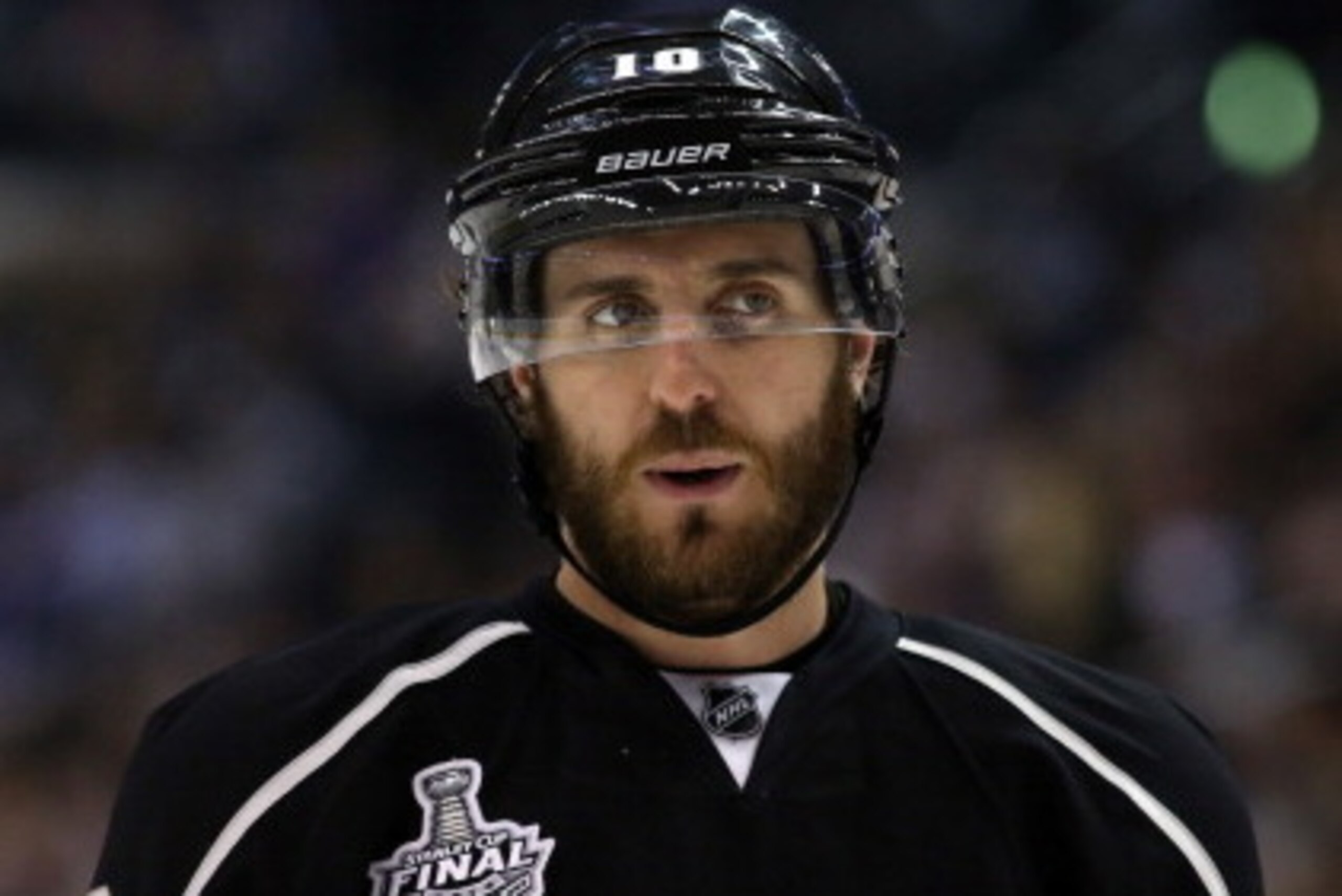
Meanwhile, even as the Kings have the ability to beat the top opposition units in a head-to-head battle, they also have the ability to feast on the soft underbellies of their rivals. Carter’s line is a really nice option for softer, offensive minutes, and the fourth line centered by Richards should be more than a match for most team’s depth units.
Richards is a player to watch. It wasn’t all that long ago he was a very decent No. 1 centre for the Philadelphia Flyers. Sutter double-shifted him and used him on both special teams in the postseason, and that might be the role he ends up in this year. However, if Richards can take strides back to what he once was, this group gets even more difficult to defend against.
The defence isn’t as deep, but it’s just as formidable at the top end:
| Jake Muzzin | Drew Doughty | Jonathan Quick |
| Robyn Regehr | Slava Voynov | Martin Jones |
| Alec Martinez | Matt Greene | |
| Brayden McNabb | Jeff Schultz |
Doughty doesn’t usually put up enough points to win the Norris Trophy, but he is nevertheless one of the top half-dozen defenders in the game of hockey and has a pretty strong case for the top position on that list. Muzzin’s controversial because he spends so much time with Doughty, but he’s easily the Kings’ best option on the left side and is a special player in his own right.
The defence group falls off after Voynov. Regehr is a less effective player than he once was and had some bad moments in the postseason—particularly against the Sharks, who saw him as the weak link on the L.A. blue line. Greene, another physical defenceman with skating issues, struggled to get into every game for the Kings.
Both McNabb and Schultz are listed on the depth chart above because both have one-way deals and are reasonably good options for a No. 6/7 role.
However, the Kings will likely waive one of them, keeping 14 forwards (they could keep eight defencemen, but that’s a clunky arrangement and would require waiving a forward or demoting one of their prized youngsters). Schultz looked good in the playoffs and has a richer deal, but McNabb was specifically targeted at significant cost in trade.
Quick will look to improve upon a season in which his numbers in every category were significantly below his backups (the Kings also recorded more points on average starting Jones or Ben Scrivens than Quick). He’s still safely ensconced as the starter, and Jones has a long and impressive minor league record and was stellar in his NHL debut last season.
Los Angeles is a deep, balanced team that even in the West shouldn’t have any problem claiming a playoff spot. The Kings' obviously talented roster and impressive record of postseason success makes them either the favourite or very close to it to win it all in 2014, and they’ll doubtless be even better once Lombardi has finished with his trade deadline tweaks.
It’s good to be the Kings.
Jonathan Willis covers the NHL for Bleacher Report. Follow him on Twitter for more of his work. Statistics via NHL.com and BehindtheNet.ca; salary and waiver information courtesy of CapGeek.com.
-(2).jpg?w=2560 "Bleacher Report")

.jpg?w=2560 "2 NFL Officials Suspended")


.jpg?w=2560 "Mahomes' Wife Trolls Kubiak 💀")

.jpg?w=2560 "Love's Body Already 'Tired'")