
Steve McNair: Another Reminder That Small Schools Produce Great Players
We lost a great one when Steve McNair left us this week. McNair was a different breed that we don't see too often.
He came form a small school, Alcorn State, and instead of talking big, he let his play on the field do the talking for him. While McNair was drafted high, he sat on the bench for his first few years. We never heard a peep about what he felt he deserved.
McNair knew he had the tough route to NFL stardom and never once doubted that he had what it took to be a leader. While McNair's life ended far too soon, his contributions will always be remembered.
TOP NEWS
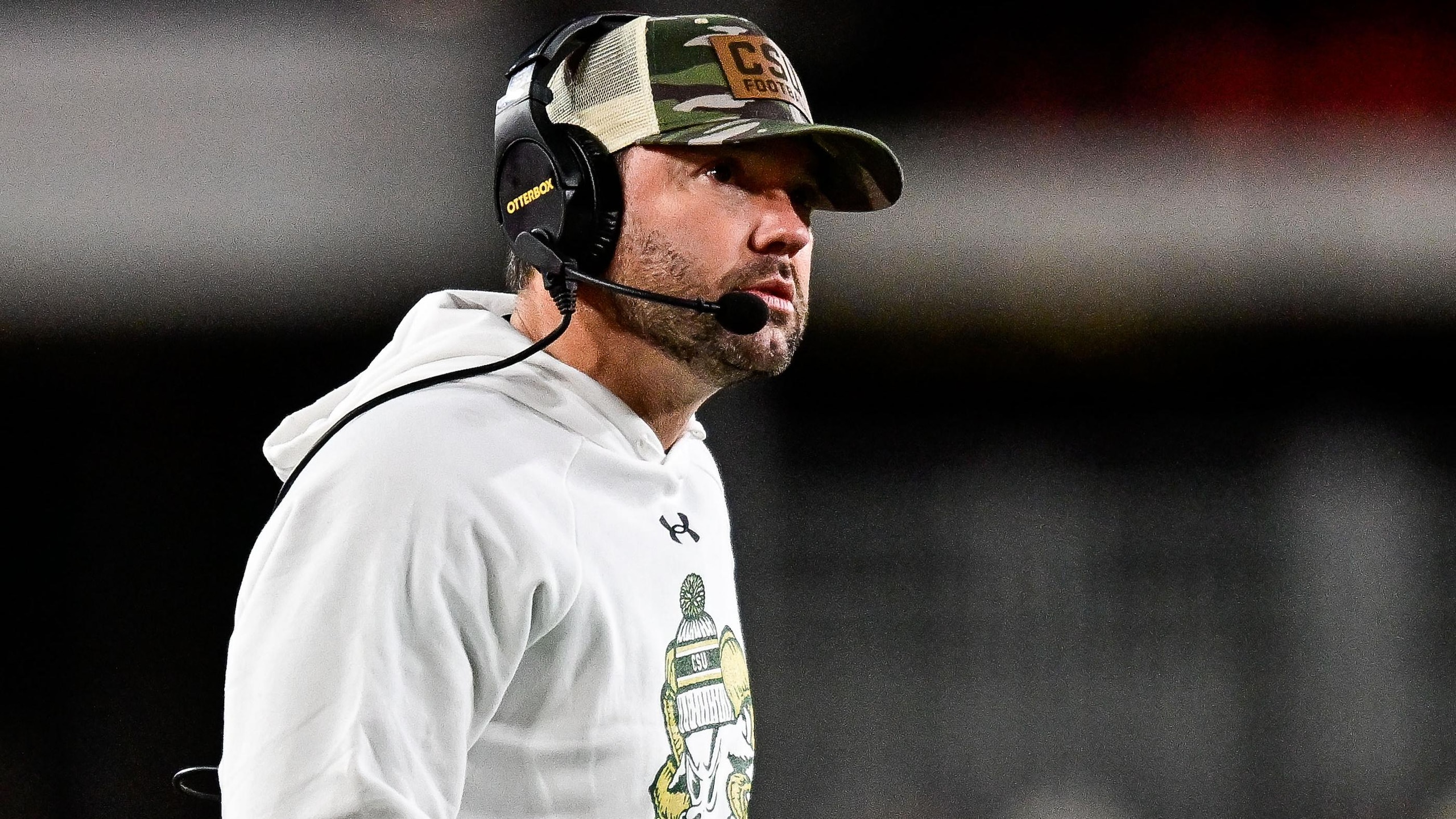
Colorado State DC gets fired mid-game during blowout loss
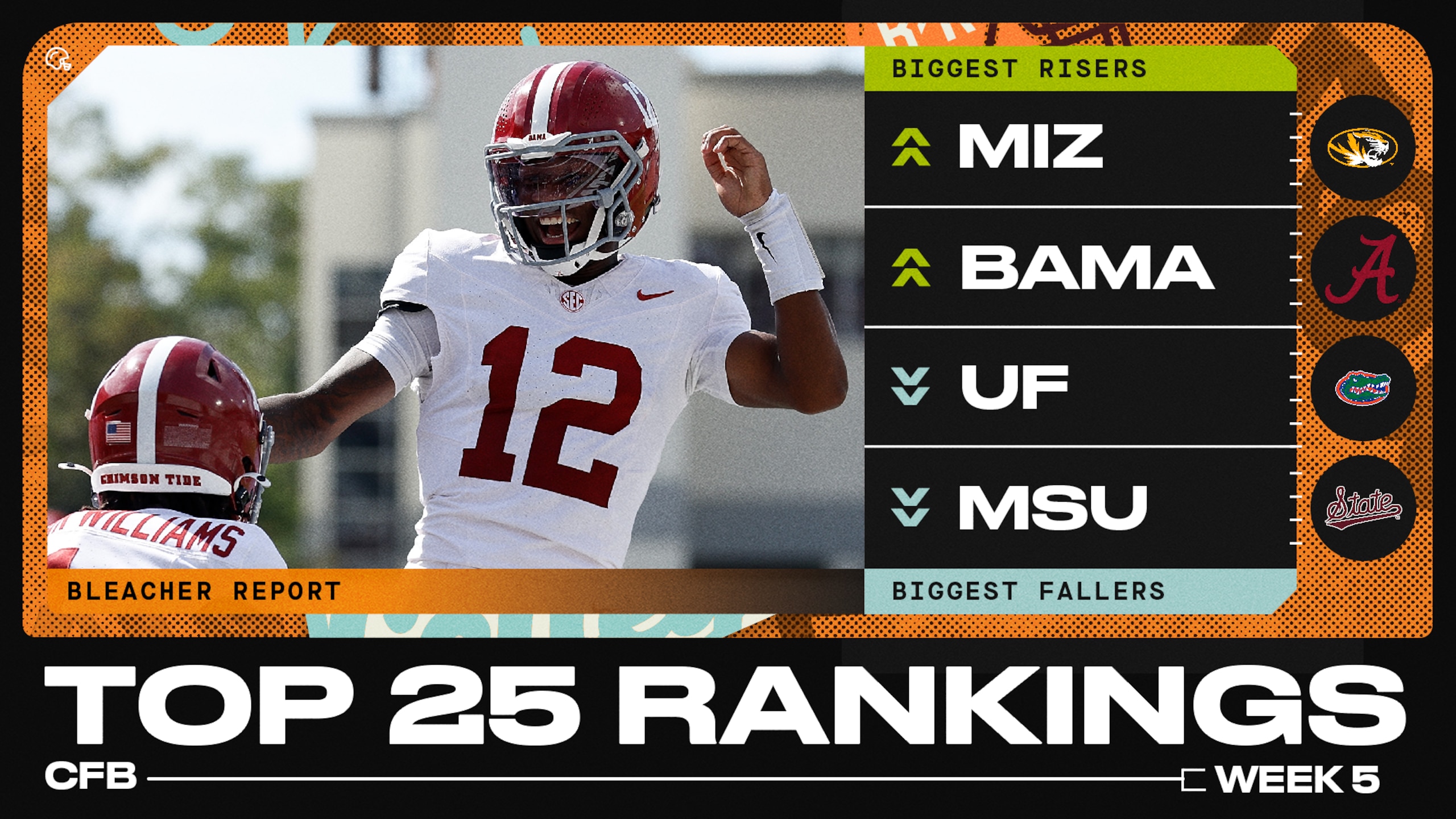
Massive Shakeup in CFB Top 25 List 🔢
_0.png?w=2560)
Week 5 Winners & Losers 📊
McNair personified the small school player and while players from small colleges never get to feel what it's like to play in front of a 100,000+ on a Saturday, it doesn't mean they are inferior in ability to those who come from the larger programs.
McNair revolutionized the QB position and showed that a mobile QB could be effective in the NFL—and be tough, as well.
In this time of loss, let's think about a few players who overcame the odds and emerged from the small schools to become NFL stars. In most cases, they didn't just become stars.
They changed the way the game was played.
Walter Payton, Running Back, Jackson State
While he came from tiny Jackson State, Walter Payton had the heart of a lion and more ability than any other player at his position during his entire era. Simply known as "Sweetness," Payton was truly a gentleman.
Loved by his teammates and known for his practical jokes and sense of humor, Payton was a leader on and off the field. His offseason workouts of running hills are legendary.
Aside from his silky smooth moves, Walter Payton was also one of the toughest runners to ever play the game.
Like McNair, Walter Payton left this world too early when he passed a few years ago.
Jerry Rice, Wide Receiver, Mississippi Valley State
Jerry Rice is the greatest wide receiver in the history of football. Most had never heard of Rice until one Christmas, when he had a game for the ages in the East-West Shrine game.
While Rice became an NFL first round pick, he never disappointed and never was satisfied with being just good enough. Rice set just about every receiving mark and was a multiple Super Bowl winner.
He never backed down from competition or the big moments. His clutch play and the winning records of the the 49er teams he played on will always be something for other players to aspire to.
Doug Williams, Quarterback, Grambling State
Doug Williams was drafted in 1978 by the Tampa Bay Buccaneers—the worst franchise of it's era and a team that had set NFL marks for futility. Williams' arrival changed all of that.
In 1979 Williams led this same Buccaneer team to the NFC Championship game and to the playoffs multiple times in the following years. While he was a winner, he was the lowest paid QB of his era.
Williams left the Bucs for the upstart USFL and Tampa promptly went 2-14 the following season. When the USFL disbanded, Williams joined the Washington Redskins in 1986.
Williams led the Redskins to victory in Super Bowl XXII and became the first black Quarterback to start in a Super Bowl and the first to win a Super Bowl.
Art Shell, Offensive Tackle, Maryland State
Art Shell was one of the greatest run blockers in the history of the game. Along with guard Gene Upshaw and center Jim Otto, his Raider teams had one of the highest winning percentage teams of all time.
It didn't matter who was carrying the football behind Art Shell—They were bound to be moving the ball forward. Pete Banazak, Marv Hubbard, Clarence Davis, Mark Van Eaghan, and many others all had great success rushing for the silver and black.
Shell and coach John Madden got their Super Bowl ring in Super Bowl XI beating the Minnesota Vikings.
Deacon Jones, Defensive Line, South Carolina State/Mississippi Vocational
Deacon Jones was one of the most feared players to ever play the game of football. Jones was a member of the now famous Los Angeles Rams defensive line known as "The Fearsome Foursome."
Jones invented a pass-rushing technique known as the head slap, where he would simply smack the helmet of the opposing blocker with such force their ears would literally ring.
While they didn't keep stats on sacks back in Jones' playing days, most agree that he would easily be the all time leader in that category.
Bob Hayes, Wide Receiver, Florida A&M
Known as "The Bullet," Bob Hayes was the NFL's first attempt to convert a track star into a football player.
Hayes was a threat to go deep and take it to the house on every play. There weren't many DB's who could stay close on his heels.
Hayes not only changed the wide receiver position; he also changed the defensive backfield with the numerous schemes installed to try and stop him.
Phil Simms, Quarterback, Morehead State
Many in New York were less than thrilled when the New York Giants spent their first round draft pick in 1979 on the little known QB named Phil Simms. By the time Simms' playing days were over in the Meadowlands, he was a legend and a New York icon.
While Simms may have lacked some of the great technical skills of other top QBs in his or any other day, he didn't lack in smarts or just sheer guts. Simms played on some bad teams in his day and took his share of big hits.
Simms also played on some great teams and had his greatest game on the game's biggest stage in the Super Bowl—where he set records for completion percentage and consecutive completions, and won MVP honors during the victory.
Ed Jones, Defensive Line, Tennessee State
Ed Jones was simply referred to as "Too Tall" because of his 6'9" height. Jones played 15 seasons in the NFL, and was a multiple Pro Bowler.
Jones played in three Super Bowls and won one in 1978, while being a prolific master of the sack.
A celebrity in his day, Jones was a regular on network television shows.
Visit Mitch anytime at The Sports Chat Place
.jpg?w=2560 "Rap: Lions, LaPorta End Contract Talks")
.jpg?w=2560 "Report: Baker May Miss Up to 6 Weeks")
.jpg?w=2560 "EVERY Fantasy Football Update")

