

Despite Getting Burned, Nebraska's Dual-Sport Recruiting Efforts Won't Stop
Darin Erstad knows what Bubba Starling and Monte Harrison went through. He's been there. That doesn't mean he could make their decisions for them, though.
For the second time in four years, the Nebraska Huskers missed out on a touted recruit. Harrison decided to play pro baseball instead of playing two sports at Nebraska, much like Starling did in 2011.
Two-sport student-athletes are rare, and the time and physical demand are the major reasons. But they're not the only reasons. It’s also because of Major League Baseball.

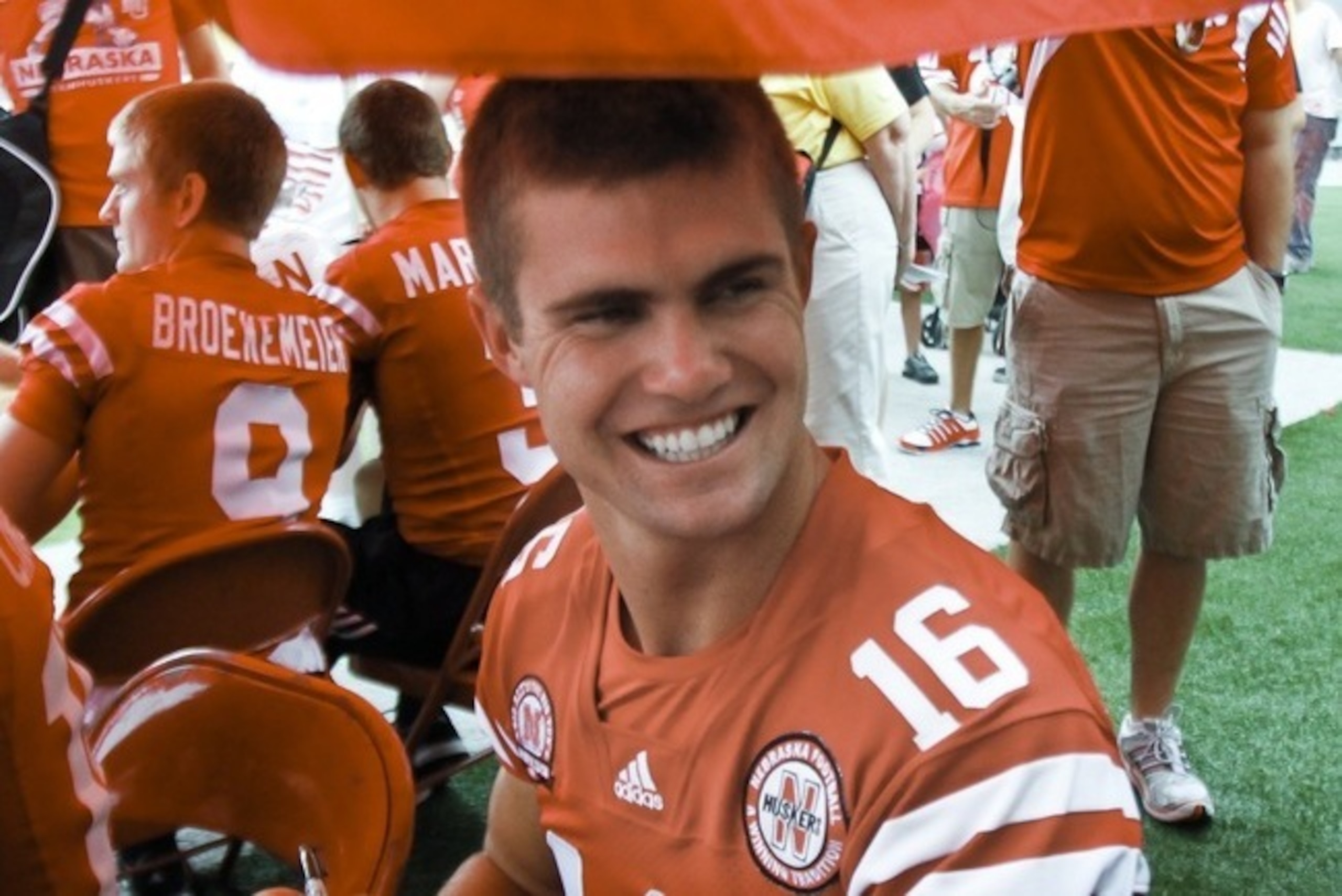
Universities are faced with the challenge of competing against the promise of millions of dollars from MLB teams when trying to recruit athletes, whether or not they play multiple sports. Two of the more notable and recent cases involving two-sport athletes for Nebraska are Starling and Harrison.
Nebraska coach Bo Pelini recruited Starling as a quarterback, while Harrison was scouted at wide receiver. Both were expected to play baseball as well, so more time and effort were expended to recruit them. In the end, Starling and Harrison both decided to play pro ball instead.
With those disappointing results, is it worth recruiting dual-sport athletes? Nebraska baseball head coach and former dual-sport Huskers star Darin Erstad says yes.
“Nobody knows how it’s going to end up,” Erstad told Bleacher Report. “You look at Ryan Boldt, our center fielder, who was a projected first-rounder. He had an injury in the spring of his senior year and he dropped down in the draft a little bit. If we had stopped recruiting him just because we thought he was going to get drafted, fine. But he’s here.”
JC Shurburtt, 247Sports' national recruiting director, agrees.
“As far as effort goes, you have to weigh your time accordingly,” Shurburtt said. “You never know. All of recruiting is a gamble.”
The money that professional baseball potentially offers is a major challenge, though. As athletes weigh their decision, it can tilt the scale away from choosing college.
“It all boils down to how much money [a professional team] is willing to give you,” Erstad said. “That part of it is really the deciding factor. What’s your price tag for having a great college experience versus starting a professional career?”
Money definitely does talk, as it did with Starling and Harrison. However, former Nebraska dual-sport athlete Khiry Cooper noted it wasn’t everything.
“If all you want to do is play baseball and you would play for free, it makes your decision really easy. If you are set on going to college and wanting to experience things, then do that,” Cooper said. “Money won’t last forever.”
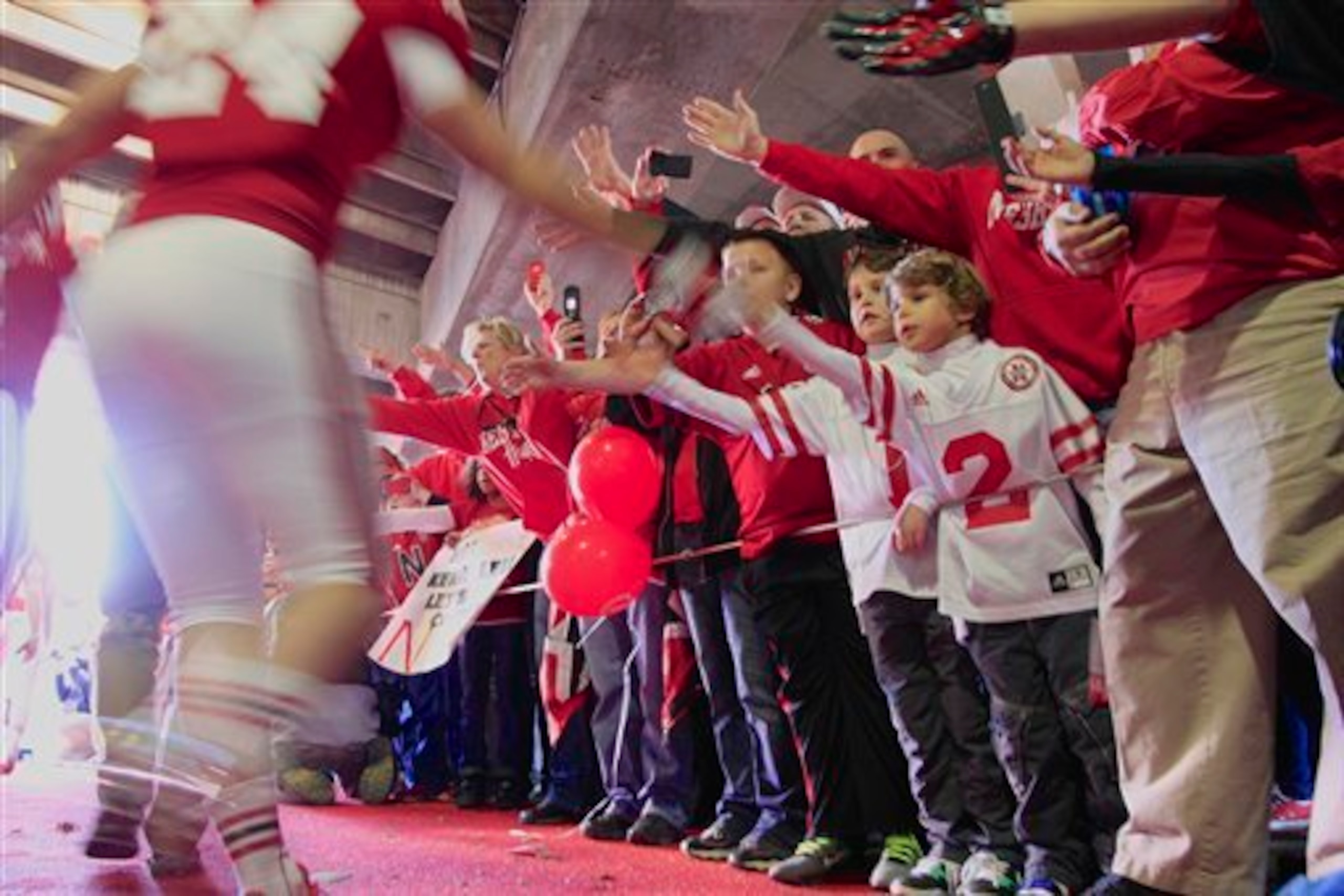
So that’s what Erstad and Pelini sell to recruits: the college experience.
“You lay out the college experience and the opportunities you have to grow and to get your degree started,” Erstad said. “For football, you get to play in front of 90,000 people. That’s just an unbelievable experience. It gives you an opportunity in a college setting to continue to develop in both sports and not have to make a decision on one or the other right out of the gate.”
It’s a strategy that both Erstad and Pelini used in recruiting Starling and Harrison. As the Omaha World Herald’s Jon Nyatawa reported, Erstad and Pelini have a great relationship. It’s one they’ll use again in the future if dual-sport athletes present themselves.
Those athletes don’t come around often, though.
“A trend you’re seeing is players under the illusion that they’re going to go play football and basketball, or football and baseball, then they get to college and it’s just not realistic,” Shurburtt said. “It takes a special player to do both in college.”
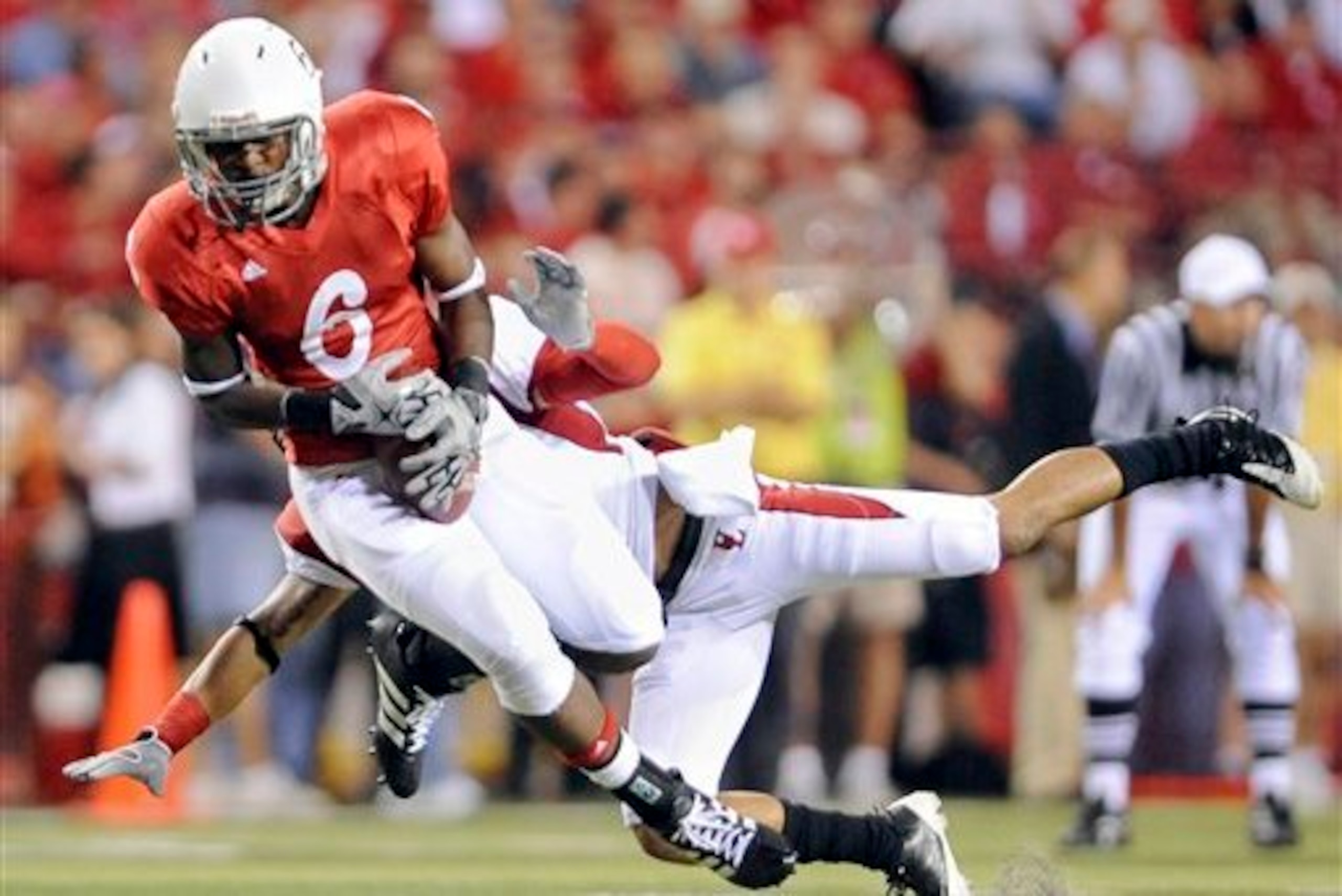
Cooper was one of those players. From a recruit’s perspective, he acknowledged the decision wasn’t easy. The Shreveport, Louisiana, native experienced the decision process firsthand in 2008. He was a fifth-round pick in the MLB draft who also had to weigh a future of playing two sports for the Huskers.
“It was a very tough decision, probably the hardest that I have made in my young life,” Cooper said. “I went back and forth for a while.”
As for what helped shape his decision, Cooper credits faith and family.
“My faith played a huge role, as well as my mom,” Cooper said. “I prayed about a ton and continued to talk to my mom about things and the possibilities. In the end, Nebraska felt right, I felt a peace in my heart about it, and I have never looked back.”
Erstad understands the importance of family in the decision.
“For most things, it’s just what each individual family decides is best for them,” Erstad said. “Some choose to want to try and get ready to chase their dream of being a major league baseball player, and some value education on a much higher level. It’s a complete family decision.”
Family was the deciding factor for him when he was choosing between college and a professional career out of high school.
“My mom told me I was going to school,” Erstad said. “It was pretty much the end of that conversation.”
As each player and family weighs their options, it doesn’t always fall in the university’s favor. Shurburtt doesn’t believe that should stop any program from recruiting them.
“I don’t think it’s a situation where you don’t recruit Bubba Starling or Monte Harrison,” Shurburtt said. “I think you need to go get them.”
Erstad agrees. “I’m not going to stop recruiting a player because he’s too good.”
When looking at Starling and Harrison specifically, Erstad would not have changed a thing.
"In the two cases at Nebraska with Starling and Harrison, not all guys go in the first round and get offered millions of dollars," Erstad said. "When you take a guy like Monte, he wasn’t a projected first-round pick when we started the recruiting process.
"As the summer goes on and he continues to develop at a very high level, his stock rises. At the time you’re recruiting them, they’re not slam-dunk first-rounders. That’s what happens. You have good players that continue to develop and they go up in the draft, that’s just a part of the deal. If you don’t want to deal with that, don’t recruit good players, but that’s just not going to happen [at Nebraska]."
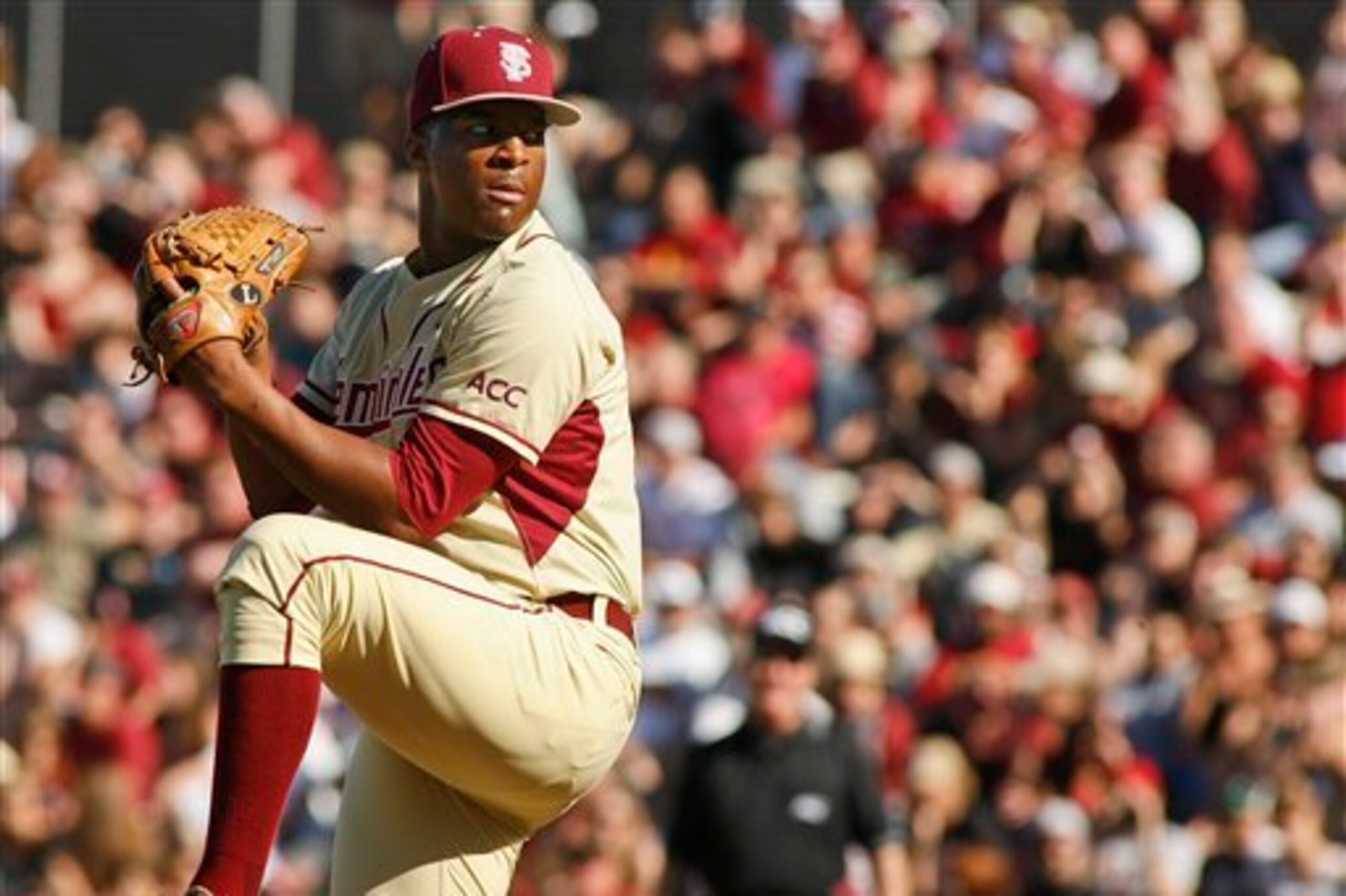
Additionally, Shurburtt pointed out there are dual-sport athletes who do work out at the collegiate level.
"There are only so many Bo Jacksons, Deion Sanderses and Jameis Winstons out there, but they're out there."
Winston is a fine example of why Pelini and Erstad continue to recruit potential dual-sport athletes. The Florida State quarterback and pitcher/outfielder was drafted in the 15th round of the 2012 Major League Baseball draft but ultimately selected the college experience.
In the end, recruiting dual-sport athletes is a risk, but it’s one Erstad will continue to take.
“You’re going to win some and you’re going to lose some,” Erstad said. “You can’t stop going after good players. You just never know what’s going to happen.”
All quotes were obtained firsthand.



.jpg?w=2560 "Dak to Stroud: Get Some Wins 💯")
.jpg?w=2560 "5 NFL Players Getting Trade Buzz")
.jpg?w=2560 "NFL Won't Fine 'Beverage' Celebrations 🍻")