

Ranking Best 2-Way Prospects in 2014 NBA Draft Class
The NBA loves two-way prospects—guys who are able to impact a game both on offense and defense.
There's tremendous value in a player who can score and defend—you won't find too many premier players who only contribute at one end of the floor.
For a lot of these guys, their two-way label is actually what helps drive their appeal as prospects. The following players are ranked based on the combined impact of their offensive and defensive abilities, with their defensive abilities holding a little more weight.
All stats courtesy of Basketball-Reference.com.
9. Aaron Gordon, Arizona, 6'9", SF/PF, Freshman
1 of 9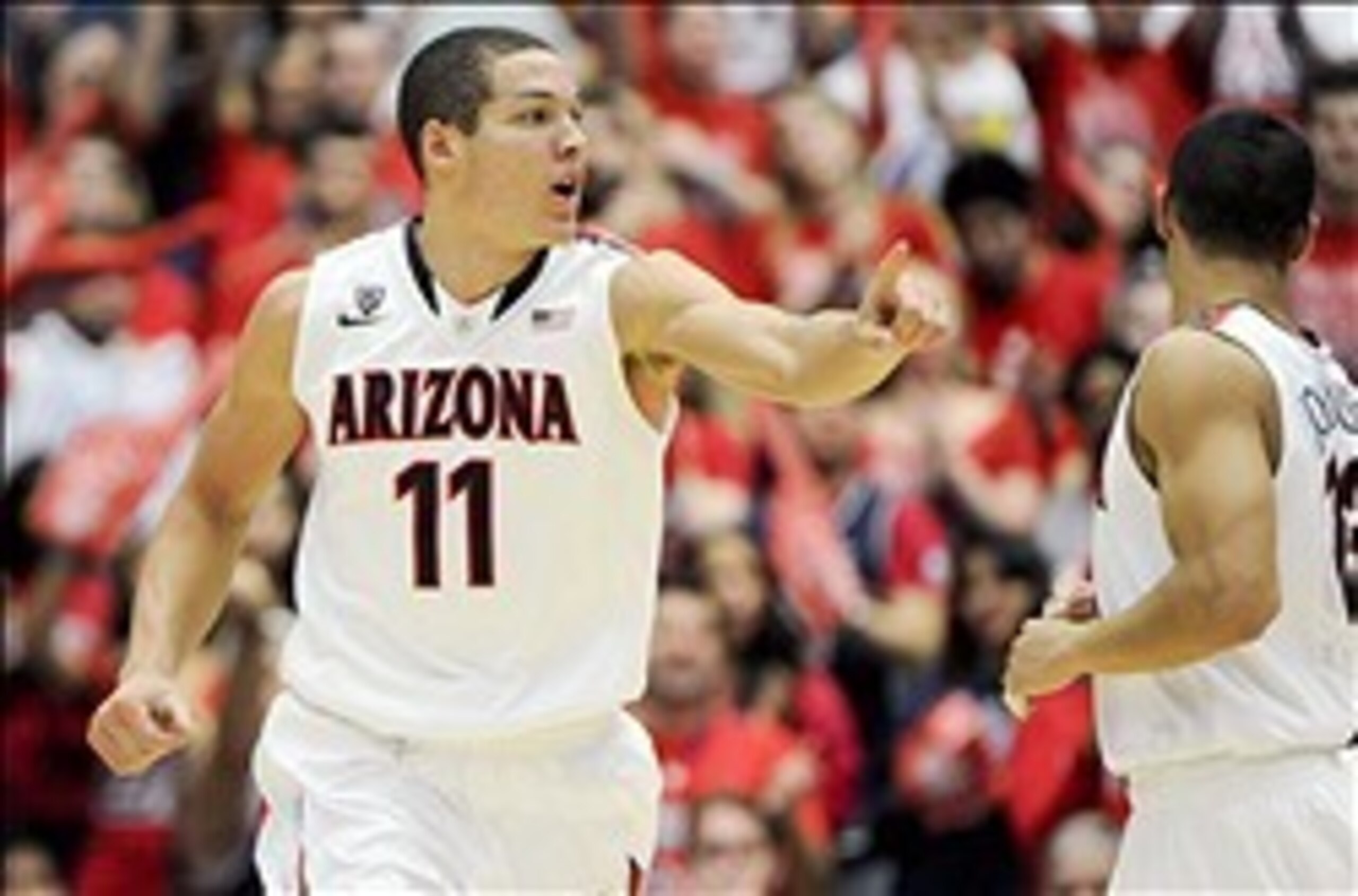
Aaron Gordon's defensive effectiveness is likely to slip a bit in the pros, but it would be downright irresponsible not to mention how valuable it's been to Arizona.
His defensive versatility and IQ have played a major role in the team's success. He is ranked No. 4 in the Pac-12 in both defensive rating and wins shared while guarding every inch of the floor from the post to the perimeter.
As a defensive prospect, he has quick feet, long arms and the size to mix and match with either forward position.
He's struggled a bit offensively, but his top-flight athleticism and finishing instincts at the rim have contributed to points in the paint that few are capable of picking up.
Since he's only 18 years old, his offensive game still has a ways to go, but his promising defensive strengths have kept his name afloat in the draft conversation.
8. K.J. McDaniels, Clemson, 6'6", SG/SF, Junior
2 of 9
K.J. McDaniels hasn't received the attention as some of the other top two-way prospects, but his production at both ends of the floor can't continue to go ignored.
He's a ridiculous athlete, which plays into his impact as a scorer and defender.
He is averaging an incredible 2.7 blocks per game, which is a wild number for a 6'6" wing. It's a number that reflects the ground and airspace he covers as a high-flying, active forward with an unteachable nose for the ball.
He's ranked No. 1 in the ACC in blocks per game and defensive wins shared, and he's No. 2 in defensive rating.
Offensively, he's increased his scoring average this year to 17.3 points per game, up from 10.9 a year ago. McDaniels has slowly raised his three-point percentage to a respectable 34 percent, while his mid-range and attack games both continue to grow.
If we're talking about two-way impact, few players have made a bigger one. McDaniels has the ninth-highest player efficiency rating (PER) in the country and the highest in the conference.
He's evolved into a pretty complete player over the past three seasons. He is clearly an above-average NBA athlete, and his defensive instincts and offensive progression have helped land him in the draft conversation.
7. P.J. Hairston, Texas Legends, 6'6", SG
3 of 9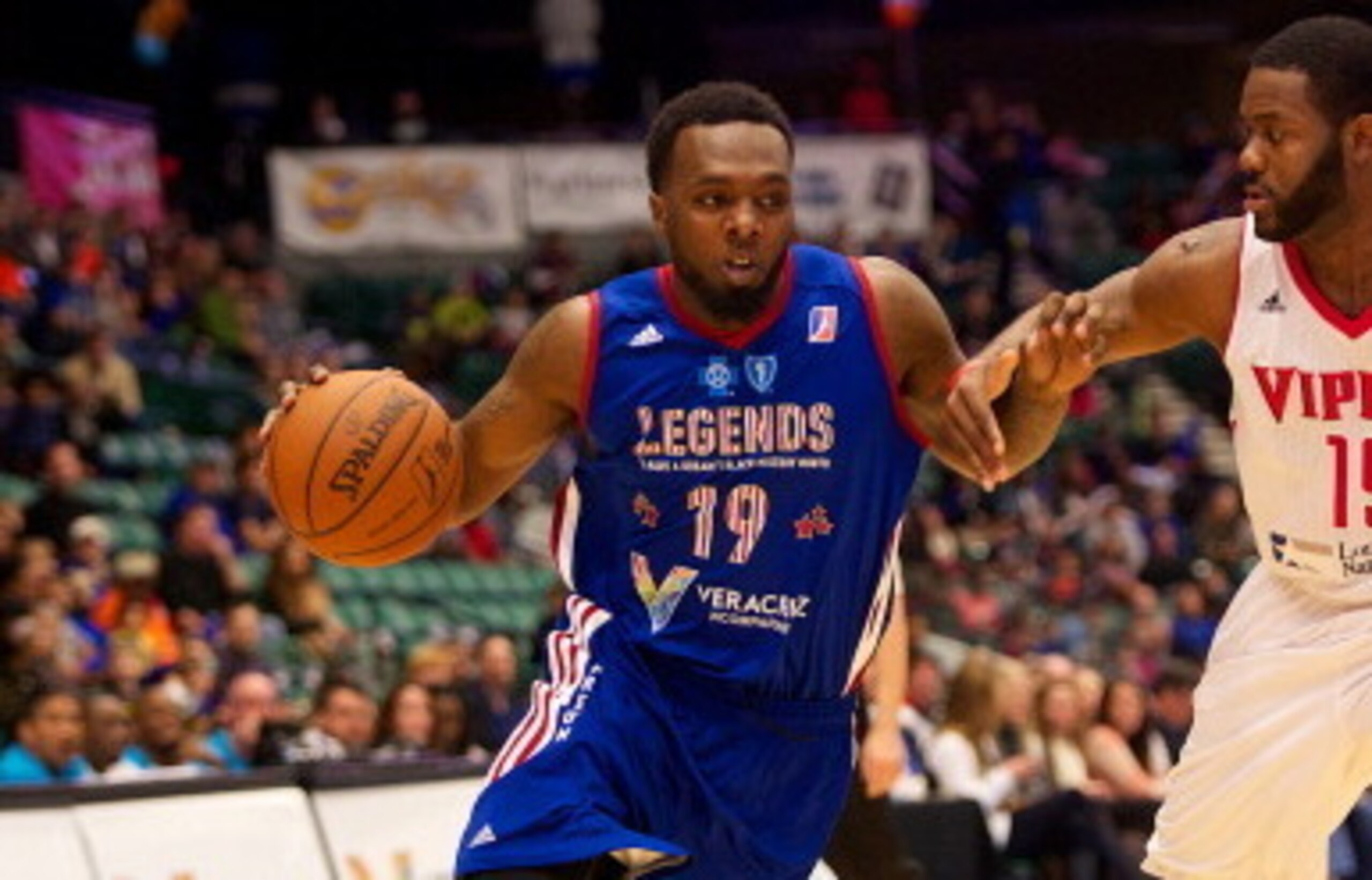
P.J. Hairston has some three-and-D potential at the NBA level, regardless of how well his scoring game translates.
Before joining the Texas Legends of the D-League last month, he made plenty of defensive plays and outside shots for North Carolina. He owned the fifth-highest steal percentage in the ACC in 2012-13, and at 6'6" with overwhelming strength and a monster 6'9" wingspan, he has the tools to cover an array of different guards or wings.
His most lethal weapon is his jumper. He nailed 39.6 percent of his three-pointers as a sophomore at North Carolina, and he's hitting 37.2 percent of them in the D-League.
We've also seen Hairston get hot and take over games—he's already gone for at least 40 points twice for the Legends, and he averaged 14.6 points in only 23.6 minutes in 2012-13, when he had the second-highest PER in the ACC.
There are obvious questions about his history and the route he's taking to the league, but Hairston has the physical attributes and scoring touch to earn a supporting two-way role.


6. Willie Cauley-Stein, Kentucky, 7'0", C, Sophomore
4 of 9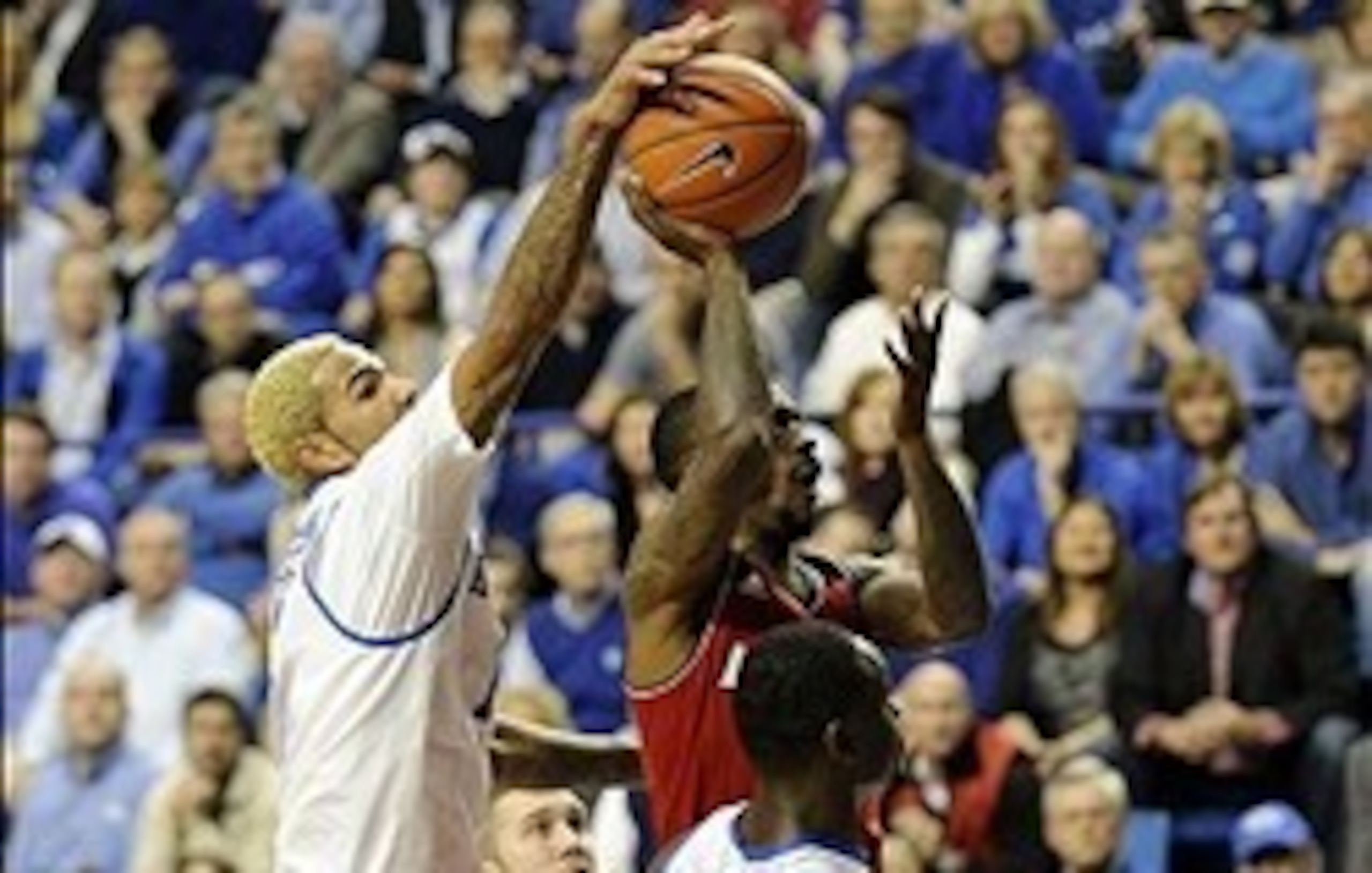
Though Willie Cauley-Stein plays two ways, his strengths and appeal center on his defensive impact and outlook.
At 7'0" with devastating athleticism and wide receiver-like coordination, he is quite the interior weapon. He's blocking three shots in 24 minutes per game, sporting the No. 1 block percentage and No. 3 defensive rating in the SEC.
Even when he's not blocking shots, he's challenging or changing them. And his mobility allows him to patrol the paint with fluidity.
Cauley-Stein is limited offensively—he's not a threat unless he's set up within five feet from the hoop. But above and around it, he's a glowing, reliable finishing target. He's shooting 59.5 percent from the floor and 73.7 percent at the rim, per Hoop-Math.
He'll need to add to his offensive game to be a more complete two-way player, but regardless, his physical tools make him a big-time rim protector and an easy-bucket machine.
5. Gary Harris, Michigan State, 6'4", SG, Sophomore
5 of 9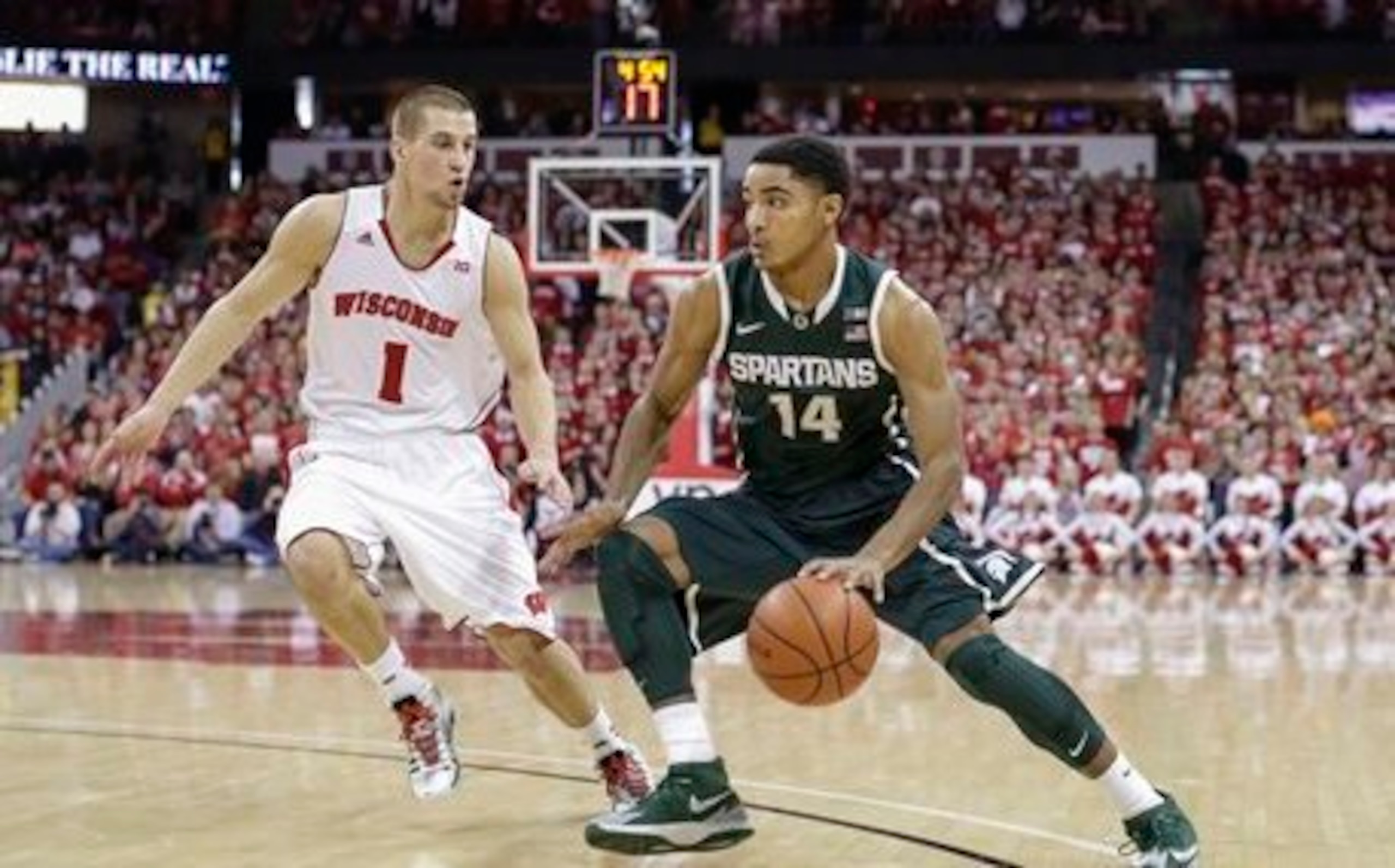
Though slightly undersized to reach ideal 2-guard standards, Gary Harris is a terrific perimeter defender.
His defensive awareness is awesome, as is his focus, which rarely tends to waver.
He plays an in-your-face style of defense on the ball, and he's quick to jump a passing lane off it.
Offensively, Harris is third in the Big Ten in scoring, averaging more than 17 points a game. He has to improve his shooting consistency, but he's polished on the perimeter and dangerous when attacking the rim.
“If Gary Harris isn’t the best player at both ends of the court in the league, then God bless whoever is,” coach Tom Izzo told Noah Trister of the CBS Detroit.
Harris is averaging two steals per game, and his consistent defensive effort and high IQ add to his value as a two-way shooting guard prospect.
4. Marcus Smart, Oklahoma State, 6'4", PG/SG, Sophomore
6 of 9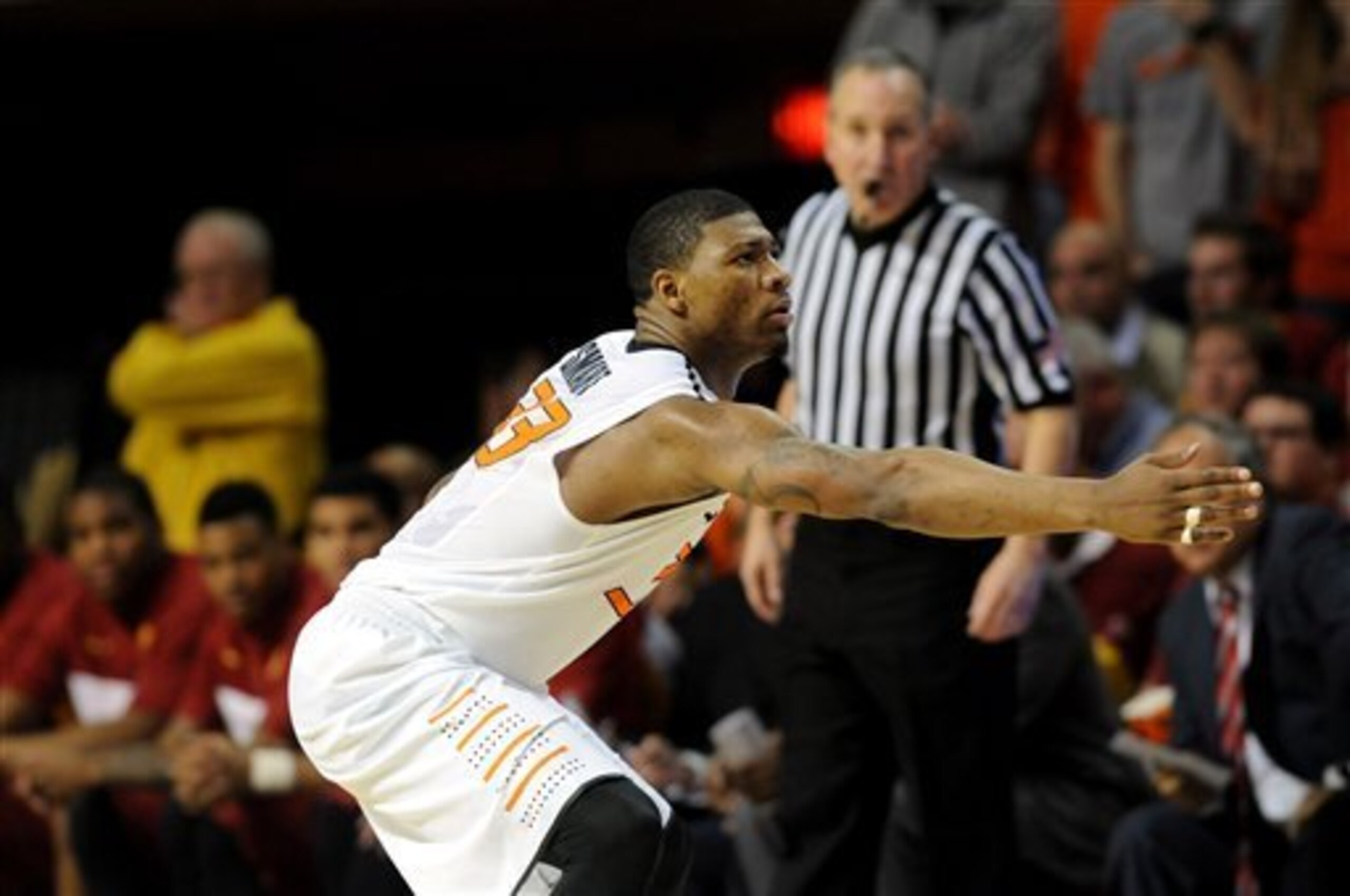
When Marcus Smart can channel his intensity, he's one of the toughest two-way guards around.
At 6'4" and 220 pounds, he is made of concrete, and he has the size and length (6'8" wingspan) to overwhelm opposing ball-handlers.
He's ranked No. 1 in the Big 12 in defensive rating, steals per game and defensive wins shared.
For coaches who buy into the significance of pressuring the ball at half court, Smart is their ideal defensive weapon.
Offensively, he has some question marks, but we know what we're getting here. Prior to the altercation at Texas Tech that cost him a three-game suspension, he was averaging 17.5 points and 4.3 assists per game. He's a relentless attacker and top-shelf passer who can facilitate the offense or act as its go-to scoring option.
However, he's struggling to shoot the ball now for the second straight year, while his image as a leader has taken a hit.
Still, the impact he's capable of making as a floor general and ball-stopper is just too crucial. Smart's stock might be dented, but it's far from broken. I couldn't imagine more than 10 teams passing over him on draft night.
3. Andrew Wiggins, Kansas, 6'8", SF, Freshman
7 of 9
If we're talking about two-way tools for a wing, Andrew Wiggins' set is nearly complete.
At 6'8" with elite-level lateral quickness and a 7'0" wingspan, he has lockdown defensive potential. He has the size, athleticism and quickness to shadow up to four positions on the floor, where he offers valuable defensive versatility.
Offensively, he is averaging 16.1 points per game, and he's looked better than advertised as a shooter. He'll have to refine and expand his half-court scoring repertoire, but there isn't a more potent weapon in the open floor or with an available driving lane to attack.
At this point, he's struggling in areas that allow room for growth like defensive awareness. We've seen him get caught up in screens or flat-footed mid-possession, as his defensive rating isn't too impressive. And at 200 pounds, he could use some extra muscle, given most of the wings he'll be defending will be in that 220- to 230-pound range.
As a scorer, he has to polish up his handle and build his shot-making confidence.
But the interest in Wiggins stems from his long-term potential. And all of his current weakness can be improved over time.
He has the tools and foundation required to be a world-class NBA wing. Those looking to scoop him up with a top-three pick will be hoping for a Paul George 2.0 by the time he hits his stride in the pros.
2. Dante Exum, Australia, 6'6", PG/SG, 1995
8 of 9
A daunting offensive mismatch and smothering defensive blanket, Dante Exum has some of the rarest two-way tools on the market.
At 6'6" with a 6'9" wingspan and dynamic athletic ability, he has the physical attributes that you don't often see in guards.
Defensively, he has the size, quickness and length to guard up to three positions while having big-time advantages at the two he plays: point guard and shooting guard.
This year, we've seen Michael Carter-Williams, a guard with similar measurements and physical traits, star as a defensive thief, as he's No. 3 in the NBA in steals. And there's no reason Exum can't make the same type of impact.
Offensively, he will be a problem for just about any lineup he faces. He has the size and skill set to facilitate or take over as a scorer. And based on his results from the FIBA World Championships, he offers plenty of leadership—he led Australia to a silver in 2012 and a bronze in 2013.
Exum is an extremely intelligent player who has the chance to become one of the toughest covers in the league, as well as a defensive disruption and nightmare for just about every opposing backcourt. And for that reason, he's our No. 4-ranked prospect in the field and our No. 2-ranked two-way player.
1. Joel Embiid, Kansas, 7'0", C, Freshman
9 of 9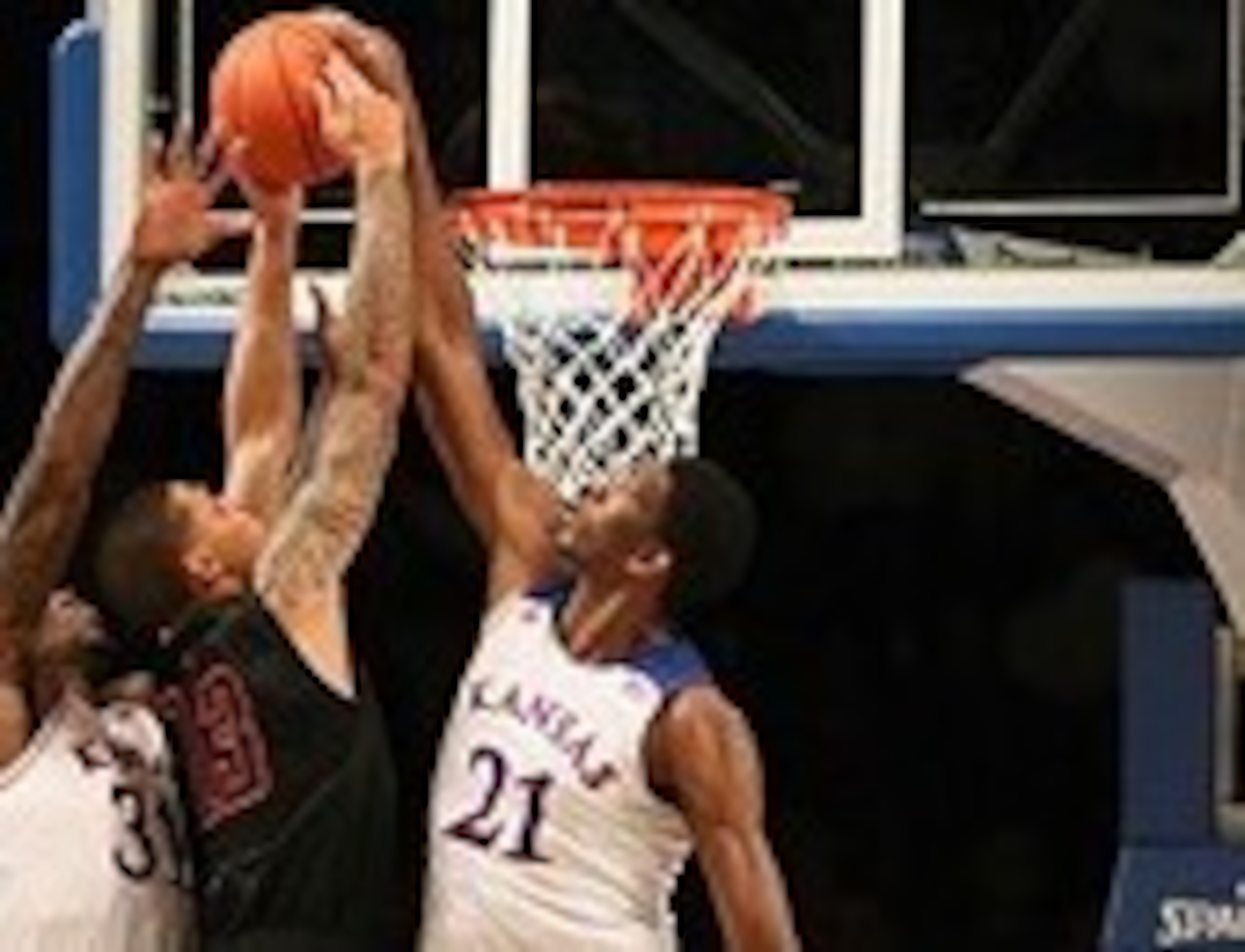
Joel Embiid's two-way is really what drives his appeal as the No. 1 prospect. He's the guy whom opposing coaches have to spend hours of time game-planning around.
He has the tools to change a game on defense and take one over on offense, and there isn't another prospect on the planet who is capable of making such a profound impact.
Embiid is the center of attention at both ends of the floor. Offensively, his post game is developing at a rapid pace—defenses have begun double-teaming him the second he gets a touch, which opens up shots and driving lanes for his other teammates.
Defensively, he uses his massive 7'5" wingspan, exceptional foot speed and deceptive athleticism to shrink the size of the rim he's protecting. He has the potential to evolve into the ultimate interior security guard. When he's locked in, he prevents guards from driving and big men from picking up easy buckets.
He's averaging 2.5 blocks in just 22.3 minutes per game, which equates to the No. 1 block percentage and defensive rating in the Big 12. He is also No. 1 in the conference in defensive and offensive rebounding percentage.
Embiid still needs to improve his defensive awareness and offensive fluidity, but given the progress he's made in such a short amount of time, there's good reason to believe he'll continue to grow at both ends of the floor.
With the ability to dominate as a scorer and rim protector, Embiid checks in as our No. 1 prospect on the board.

.jpg?w=2560 "Grading WWE Raw 🔠")

.jpg?w=2560 "Bijan's INSANE 1st Half 🤩")
.jpg?w=2560 "Viral Rams Coach Vid 🖕")
.jpg?w=2560 "Injury-stricken Seahawks signing veteran RB")

.jpg?w=2560 "2 NFL Officials Suspended")