

Olympic Figure Skating Results 2014: Key Takeaways from Ice Dancing Competition

Few sports at the 2014 Winter Olympics in Sochi truly feature a two-team or two-person rivalry at the top of the given competition.
Events at the Games often come down to a number of competitors with little separation between those on the podium and those in the middle of the standings. However, the ice dancing contest really was all about the top two in the field.

.jpg?w=2560 "Rams Raiders Football")

Americans Meryl Davis and Charlie White took home the gold with a graceful and inspiring performance. For as talented as silver medalists Scott Moir and Tessa Virtue of Canada are, nobody was beating the dancers from the United States.
Elena Ilinykh and Nikita Katsalapov of Russia captured the bronze. The top three of the standings were as follows:
| Place | Ice Dancers | Country | Score |
| 1 | Meryl Davis and Charlie White | United States | 195.52 |
| 2 | Tessa Virtue and Scott Moir | Canada | 190.99 |
| 3 | Elena Ilinykh and Nikita Katsalapov | Russia | 183.48 |
Let’s dig into some key takeaways from the ice dancing competition.
Long Journey for Golden Americans
Davis and White knocked off the Canadians by just less than five points in a culmination of 17 years of hard work and dedication.
Nancy Armour of USA Today perfectly portrayed the early start for these golden dancers:
"When Meryl Davis and Charlie White began skating together, she was so shy she couldn't even look at him, and coaches would have to put a sticker on his forehead so she'd have somewhere to look. He was annoyed as only a 9-year-old boy can be, forced to break someone new into a sport he'd already been doing for six months.
"
It only seems appropriate that an American team that has been through so much together won the first gold medal in ice dancing for the United States in the history of the Olympics.
Davis and White demonstrated the beauty and athleticism that is required to excel in the sport of ice dancing. There’s a reason they call it ice dancing, and that’s exactly what it looked like Davis and White were doing.
Davis summarized the years of hard work that were required to get to this point to Armour:
"We've grown up together in every sense of the word, and I'm just so grateful that we were able to do it together. … We learned a lot about ourselves as people that maybe you don't get chance to learn if you're not in the situations that we've been put into. The struggles, the rivalry, knowing that if you're not perfect you can forget about your dreams and that constant striving for perfection.
"
No Shame in Silver
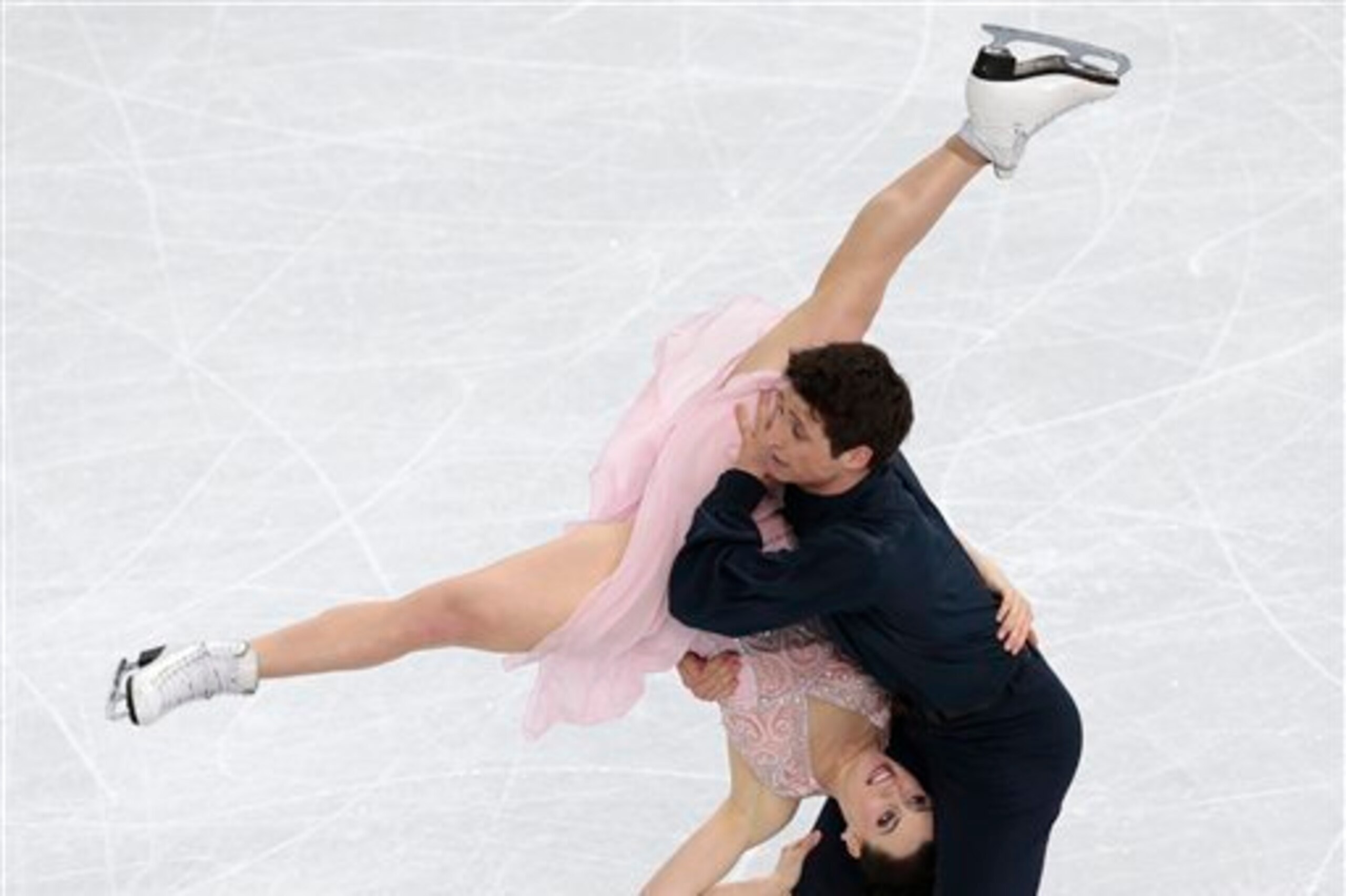
Virtue and Moir were the defending Olympic champions from the 2010 Vancouver Games, but the competition in Sochi clearly belonged to their training partners from America.
Despite coming in second place, CTV News showed that Davis definitely wanted to remember his time in Sochi:
The fact that Davis and White won the gold should not take away from the performance of the silver medalists from Canada. In any other Olympics, the performance of Moir and Virtue may have been good enough for the gold.
There really is no shame in taking home the silver against a historically great performance.
The fact that there were an entire 7.51 points between Moir and Virtue and the bronze medalists from Russia highlights how excellent the Canadians were as well.
Bronze for the Hosts
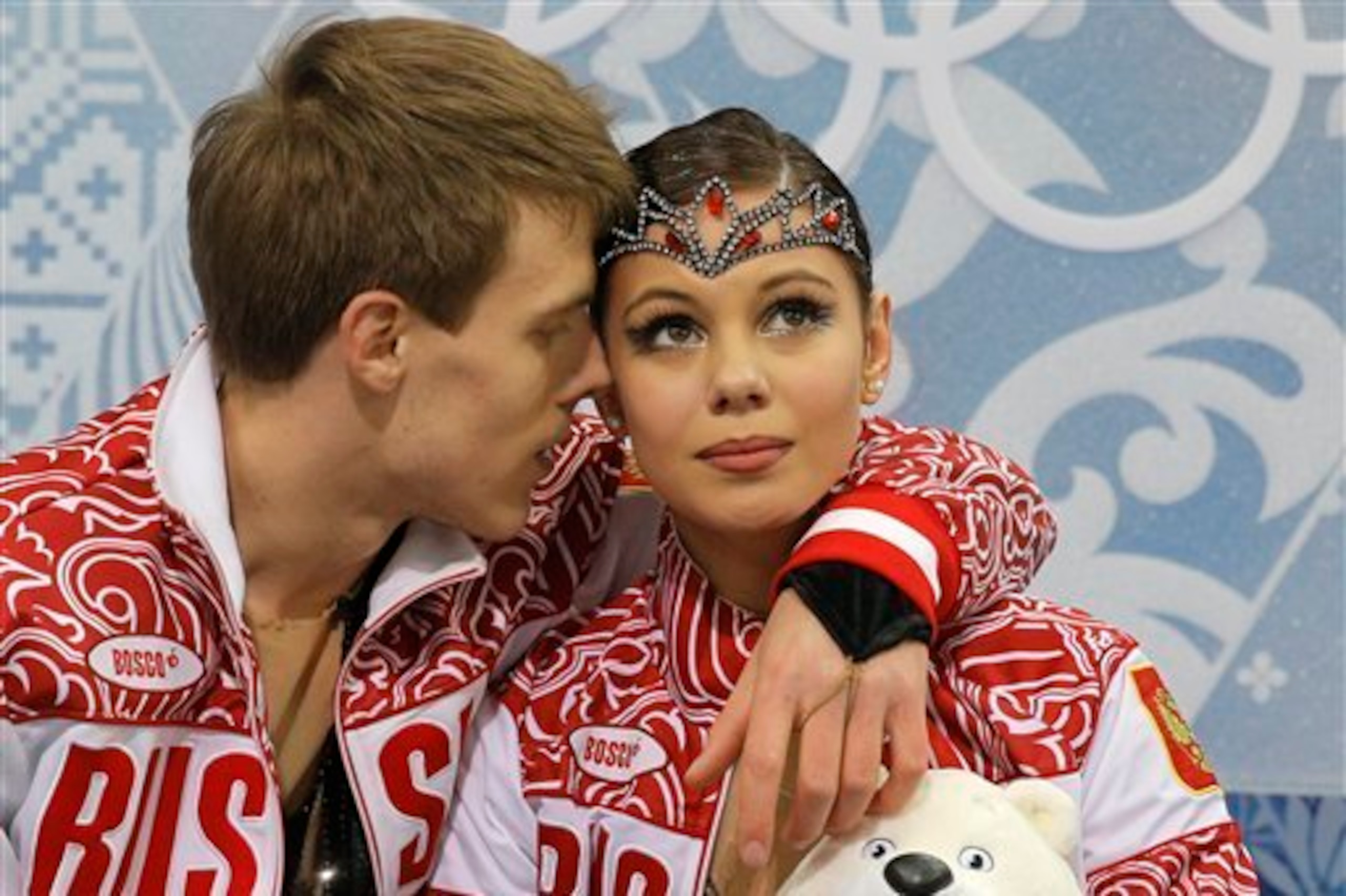
Russia is on the short list of countries that have a chance to take home the most medals in the 2014 Games. Ilinykh and Katsalapov did their part to help the host country in that overarching race.
Russia has taken home 18 of the 33 medals in ice dance’s Olympic history after the recent bronze, and the pair did a solid job of holding off Nathalie Pechalat and Fabian Bourzat of France for the final medal.
The Russian pair finished in ninth at last year’s World Championships and clearly have a bright future. They thrilled the home fans with their performance set to “Swan Lake” and will be major factors on the ice dancing scene for years to come.
Now that the event is over, it is worth looking forward to the near future for ice dancing.
Ilinykh and Katsalapov are so young that it isn't difficult to imagine the Russians challenging the dominance of the Americans and Canadians in the years to come. However, Davis and White were so incredible in Sochi that there is plenty of work to be done for the rest of the field.
2018 is only a short four years away.

.jpg?w=2560 "Steelers Saints Football")

.jpg?w=2560 "🚨 Week 8 AP Top 25 Poll")
.jpg?w=2560 "Packers Safety Slams Refs 🤬")

.jpg?w=2560 "Fantasy Waiver Wire Stars 🤩")