5 Things We'd Like to See in the New NHL CBA
Negotiations between the NHL and the league's players' association are underway, with a stated goal of both sides of coming to a new agreement before the old Collective Bargaining Agreement expires Sept. 15.
While the NHL opened the discussions by asking for a significant reduction in the percentage of revenues paid to players in salaries—from 57 percent of hockey related revenues to 46 percent (source: SBNation.com)—the tone of the negotiations has not been hostile.
That may or may not help the two sides reach an agreement before games are lost. Neither side is talking out loud about a work stoppage, and there is a feeling that these talks between NHLPA boss Donald Fehr and NHL commissioner Gary Bettman may not get ugly.
At least not yet.
Ultimately, the ticket buyers and advertisers who pay the freight are on the outside of the negotiations. Those parties just want to see the games played and a work stoppage avoided.
Here are five things we would like to see in the new CBA when it eventually gets hammered out.
Term of 10 Years
1 of 5The NHL and the NHLPA will each state their case and hammer away at the major issues.
The most obvious of these issues is the way revenue is shared and how high a percentage of hockey-related revenues the players get.
This is an issue that is quite personal to the players and owners, but one that does not necessarily impact fans and advertisers.
However, this issue seems likely to be the main point that could force a work stoppage this year or when the next contract ends. To keep that from happening any time soon, make sure the agreement that the two sides eventually reach lasts at least 10 years.
That would mean that there would not be another potential work stoppage for 10 years.
That's something that all parties could applaud.
Salary Floor
2 of 5If there's a limit on how much of league revenues can be paid to players, there must be a salary floor that all teams must pay their players.
The salary floor is an important issue because it forces lower-revenue teams to pay at least a minimum amount in player salaries.
Without an established salary floor, teams that cry poor could keep more of the revenue for itself and not share it with players.
Fehr helped establish this type of revenue-sharing system in Major League Baseball with the contract he negotiated in 2006 (source: CBC.ca). It seems certain he will try to use some of those principles in these negotiations with the NHL owners.
Free Agency
3 of 5Free agency is here to stay in professional sports.
Under the current Collective Bargaining Agreement, players who have reached the age of 27 or have seven years of NHL service can file to become free agents.
According to published reports, the NHL would like to see free agency delayed until player have reached the age of 31.
This would curtail effective free agency for a large number of players. While some players could still earn effective free-agent contracts at that age, other players begin their downhill slide at that age.
NHL teams don't want to lose control of their top players. If a change is needed, a potential compromise suggested by Elliotte Friedman of CBC.ca includes players reaching the age of 27 and seven years of service and removing the word "or" prior to reaching free agency.
.jpg?w=2560 "Golden Knights Blues Hockey")

Equipment
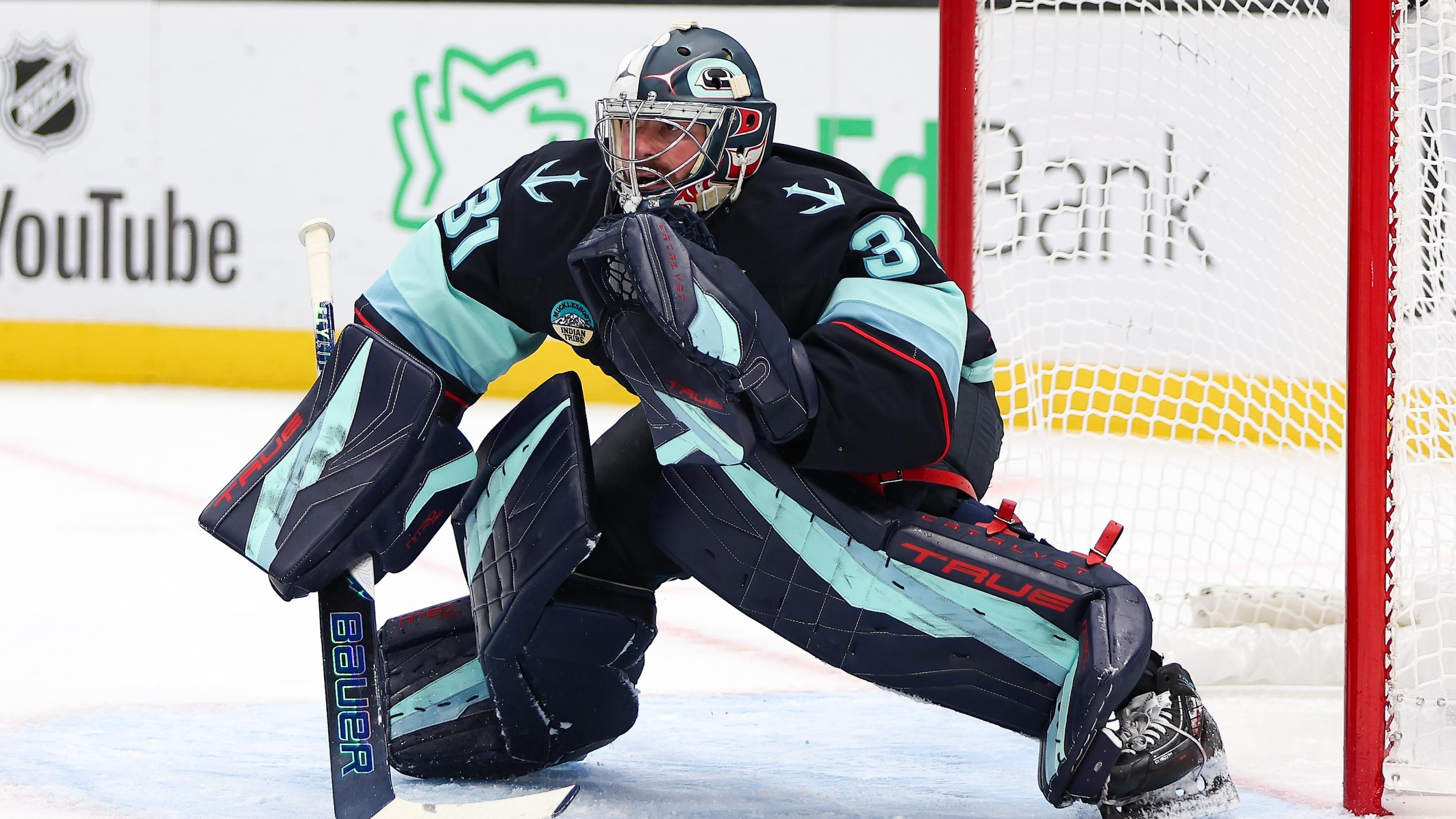
4 of 5This could become a key issue when it comes to reducing the number of head and upper-body issues suffered by players.
Shoulder and elbow pads have become bigger and heavier over a period of time, although the Toronto Globe and Mail reports that the size of these pads were reduced prior to the start of the 2010-11 season.
Talks between the NHL and the NHLPA could reduce the size and hardness of these protective pads even further.
Players like Sidney Crosby, Chris Pronger and Marc Savard have all suffered harsh injuries. Making these pads smaller and lighter could have an impact on the severity of the injuries.
A commitment to study the overall impact of elbow and shoulder pads on head and upper-body injuries could lead to permanent equipment changes that could make the game safer.
Olympic Participation
5 of 5Olympic hockey may interrupt the regular season and may force participating players to travel great distances to participate.
However, it's great for the sport's recognition and should be allowed to continue. The gold medal final between the United States and Canada in the 2010 Vancouver Olympics produced a dramatic, gold medal-winning goal in overtime by Canada's Sidney Crosby.
That moment was an historic one, probably right behind Mike Eruzione's goal for the United States that beat the Soviet Union in 1980 and Paul Henderson's goal in 1972 that gave Canada the victory over the Soviet Union in the famed Summit Series.
Memorable moments like those will not always result, but participation raises the sport's profile and provides sensational competition.
.jpg?w=2560 "Chiefs, Steelers Eye WR Trades")