
College Football: The Change in the Television Business Won't Touch Revenue
In doing some of my daily poring over college football-related articles this week, I came across a great gem from Spencer Hall over at EDSBS, "Confessions of an SEC Fan to a Big Ten Fan."
A fun read as always, and I came away with one thing that stood out as an interesting point of note:
"14. We're also not convinced either Slive or Delany is a genius. Both are soldering their conference's finances to a cable television system whose revenues will likely decrease over the next few decades. Neither has been willing to completely divorce college football from the insanity of the bowl system. They're both functionaries with few original ideas and less power to change things than one might think, bound by their own conference's interests and the demands of university presidents.
"
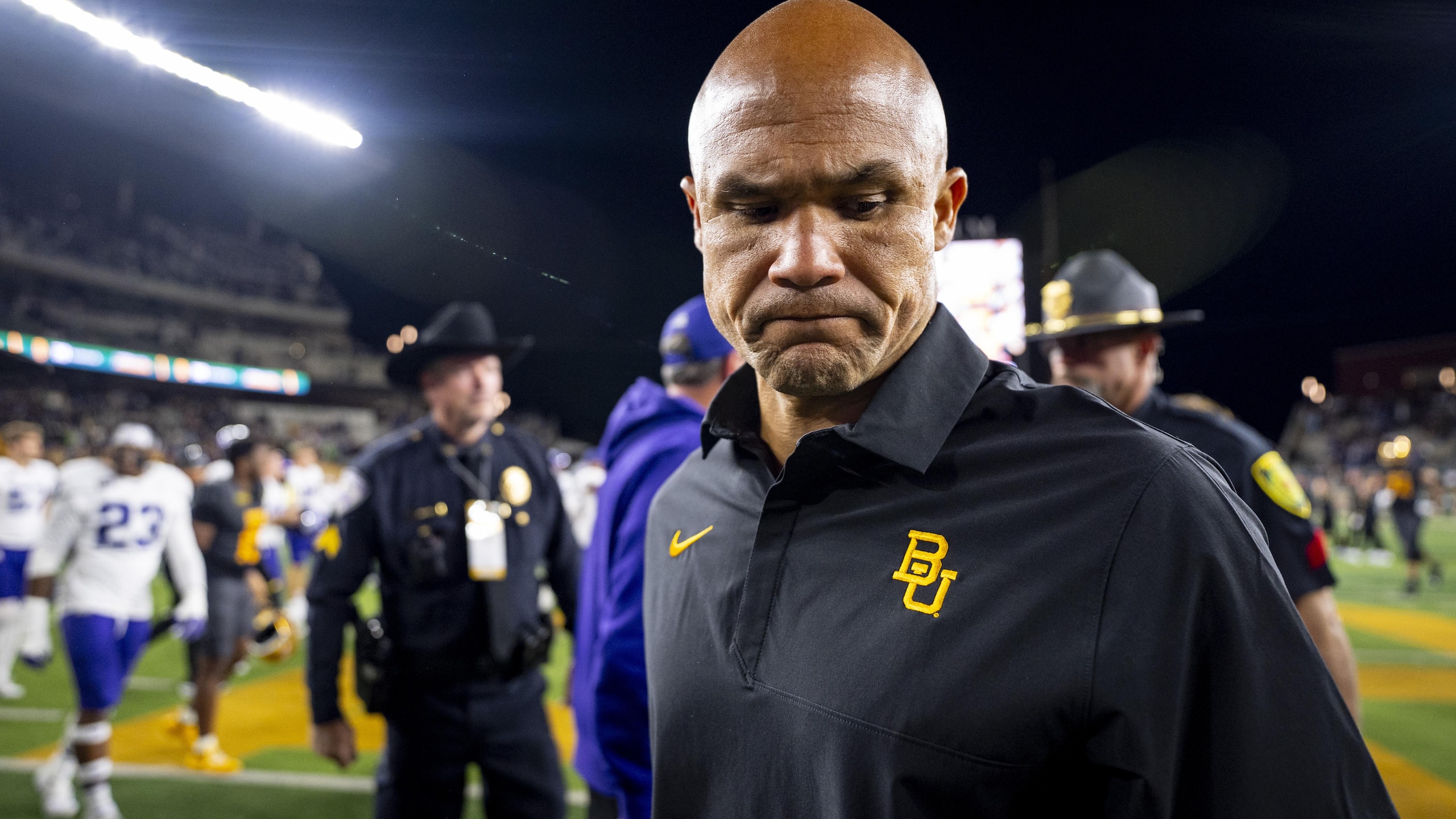
.jpg?w=2560 "AP Poll Top Five Week 9")
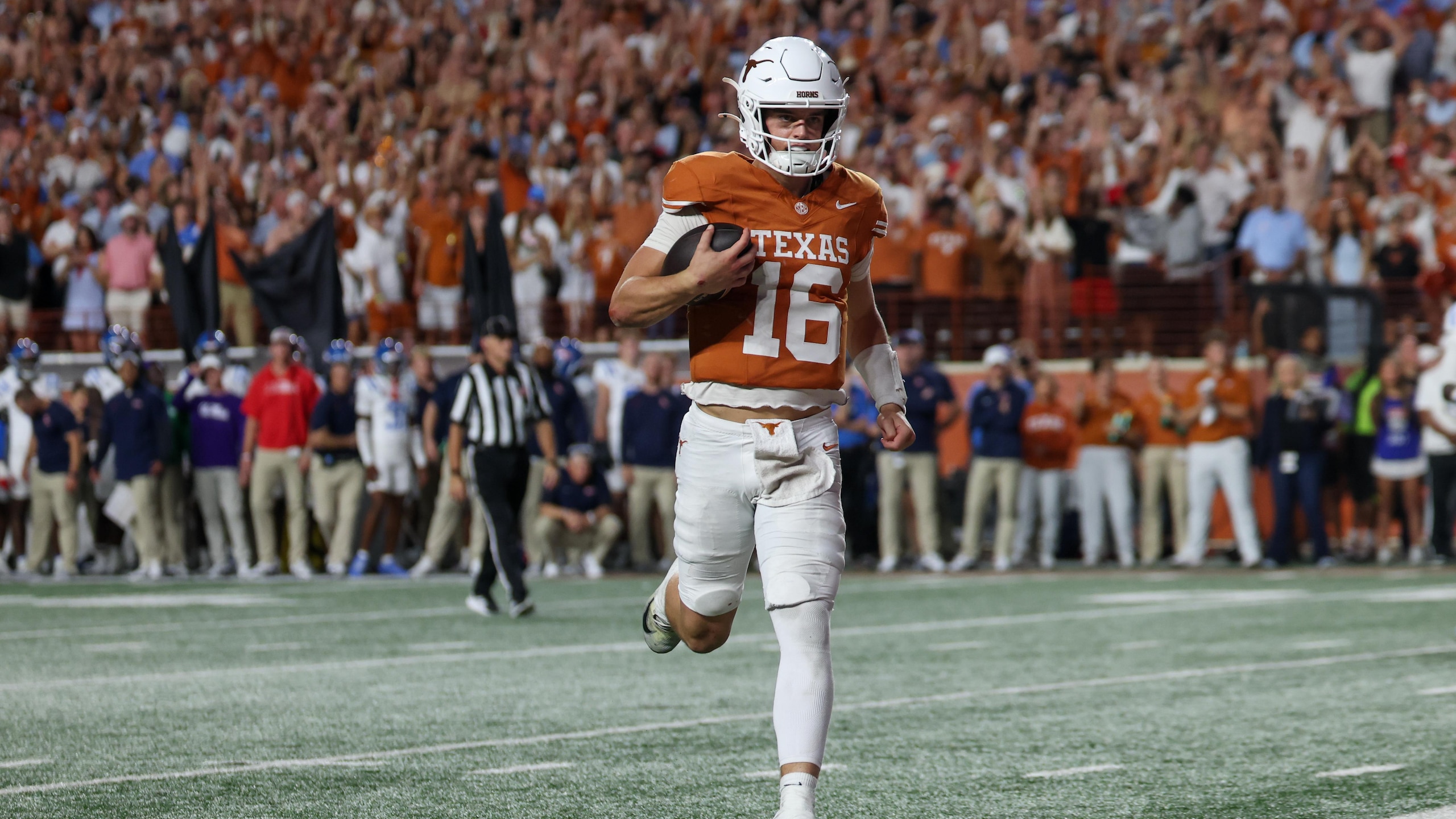
The article linked is from the Business Insider and is titled "Don't Mean To Be Alarmist, But The TV Business May Be Starting To Collapse." A great read that I definitely recommend you check out if you are a fan of the television experience, as I am.
There are great takeaways from the article, as the television product as we know it is crumbling under its own weight—yes, in similar fashion to the newspaper industry. Growing too big to sustain, resistant to change and unable to adapt to the new methods of media consumption.
Of course, by adapt, what we really mean is draw profit.
The myriad of problems with television in its current form are clear. Bloated television packages that include hundreds of channels people don't watch, even though they are forced to pay for them, just to get the handful of stations they do want to see.
The necessity of purchasing additional tiers of a package to get channels that are actually desirable. The fact that DVR is killing advertisers' impact on consumers on the small screen. No one is watching commercials, because so few Americans sit and watch television live as they used to do.
Those are legitimate facts that should scare the greater cable and satellite service providers as well as their individual networks within the packages they push on folks. People are tired of paying for channels they don't watch, and thanks to Netflix and Hulu-type applications, they are finding ways to get out of the cable-satellite stranglehold.
However, all this bad news for television is still good news for the sports world. As the Business Insider article reminds us:
"We almost never watch television shows when they are broadcast anymore (with the very notable exception of live sports).
"
As ad money is being wasted on prime-time shows that no one is watching live, advertisers are understanding where the captive audience sits: live sports. That's why the budgets and prices for advertisements have continued to climb for the game we all love, college football.
Why pay for an ad during a Thursday night NBC show, when you can buy an ad during Thursday night football? Especially at a time when more women are watching football than ever.
Whether the model for providing television changes or not, people are still going to watch their sports live. If the service providers' switch to the much-desired "a la carte" method comes to fruition, where people only purchase the channels they desire, sports are still going to remain a valuable commodity, as they provide a captive audience to market to advertisers.
As more television goes online, sports again remains a valuable commodity, as they keep folks plugged into their WebTV or laptops during games.
The money for television is not going to be there forever. The money for sports programming, be it on television, online or through mobile devices, is going to remain a constant, as sports endures as the only events folks "have" to watch live.


.jpg?w=2560 "Mahomes Told Teammate to Leave Meeting")
.jpg?w=2560 "Baker Gets Glove From Rays 🧤")
.jpg?w=2560 "5 Teams Eyeing Jonathan Taylor")

.jpg?w=2560 "NFL investigating Eagles")
.jpg?w=2560 "Steelers Roll Saints in Paris")