College Football 2012: How Teams Should Approach New Kickoff Rules
We know all about the new kickoff rule and how it is designed to improve safety. Kickoffs will take place from the 35, and if the ball and better field position as teams get the ball at the 25. Plenty of pundits and coaches have pontificated on the topic, but now Oklahoma State's kicker and returner both have weighed in about this rule, and how it will impact their careers.
For kicker Quinn Sharp, the nation's leader in touchbacks the past three seasons, the new rule means that he will look more average when it comes to percentage of kickoffs that are touchbacks. Five yards shorter means more touchbacks for kickers who normally would place their kicks inside the five. And for a guy whose biggest selling point is his ability to kick the ball into the end zone, this just makes it harder to distinguish himself from the crowd. That being said, there are always kickoffs. Once NFL scouts see that Sharp is a proven commodity, he'll be able to show his leg strength.
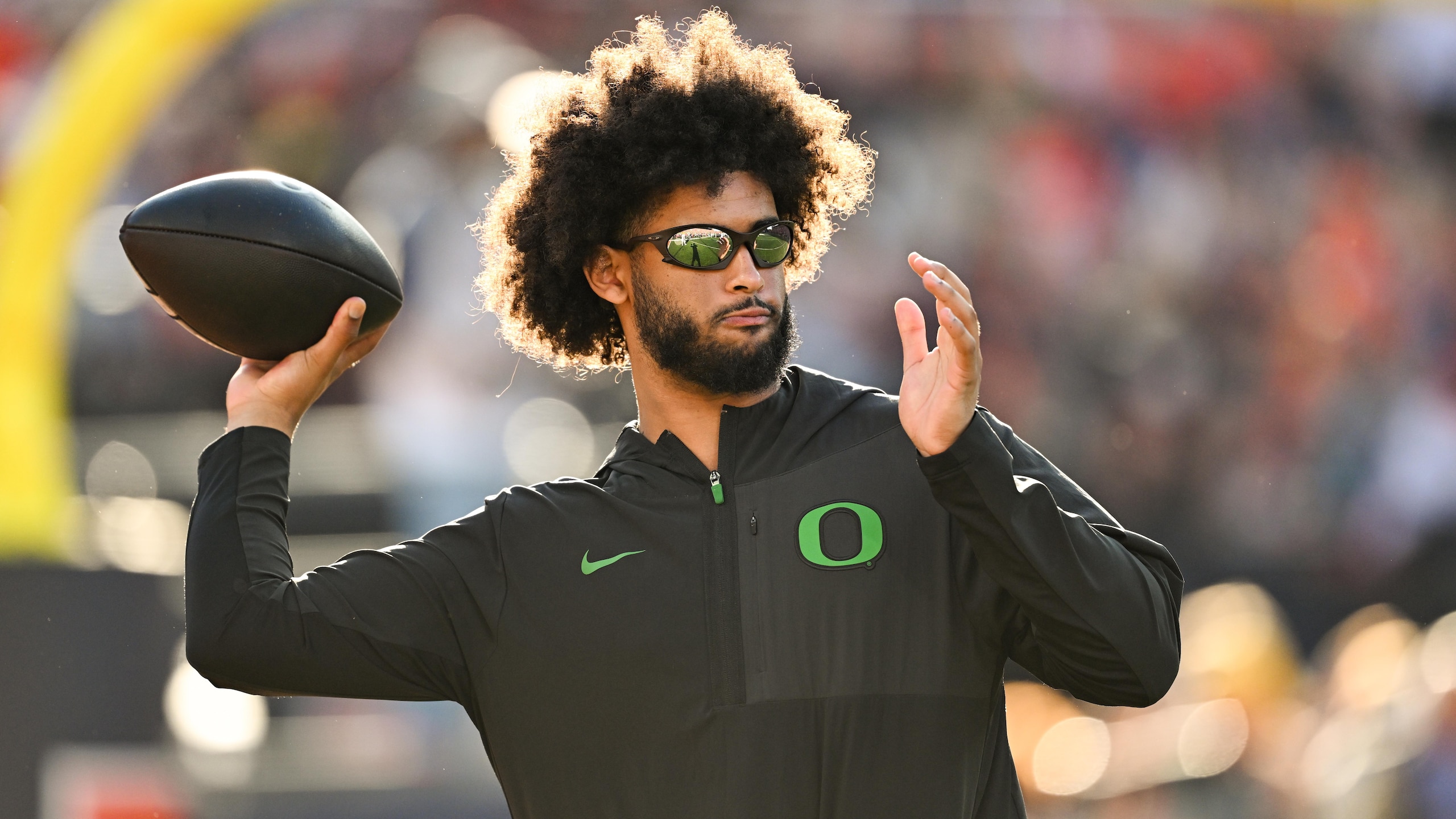

As for the return man Justin Gilbert, the impact is a bit more palpable as there will be less room to work with. Couple that with kicking team starting five yards closer to the return man, and Gilbert and his coaching staff will have to take a hard line as to when the dynamic returner can take the ball out of the end zone.
For Oklahoma State, a team that was absolutely woeful at covering kickoffs, ranking 108th in the nation last season, the new rule makes things a no-brainer. Kick the ball into the end zone and be done with it. Who cares about the extra five yards that you're conceding? Not giving your struggling special teams unit a chance to give up a large return is smart. This is especially true, when you consider that OSU's defense is not exactly tough, and they doesn't play the field position game.
In short, if you're an offensive-minded team that isn't great on special teams, the new rule is pretty self-explanatory. Kick it away and then get ready to play ball at the twenty five.
However, when a strong defense is the primary focus, things change just a bit as no one with a "fight for every yard" mentality will give five free yards to the opponents. For teams like this, that means more sky kicks or pooch kicks aimed at forcing returns, and getting hard-hitting players, like fullbacks, tight ends and linebackers, brought into the action to create a little chaos at the point of contact.
If your team has good coverage units, don't put the ball in the end zone. Kick it short and let your boys get after the returner, instead of just conceding the 25 as a starting point. However, if your coverage units are awful: kick it deep, out of the end zone if you can, because that 25 yard start line, while bad to a team built on field position and defense, is infinitely better than giving up a home run play because the coverage team can't stay in their lanes and tackle.

.png?w=2560)

.jpg?w=2560 "Chiefs, Steelers Eye WR Trades")
.jpg?w=2560 "WWE Raw Live Grades 🔠")

.jpg?w=2560 "Multiple NFL Trades Predicted")
.jpg?w=2560 "🚨Jay-Z Headlining Super Bowl")