

The 2012 NBA All-Star Game saw a plethora of broken records and first-time achievements, but more importantly, it was the best superstar exhibition the league has offered since 2006.
In 2006, the East trailed by as many as 21 points, and ironically, turned to a 21-year-old LeBron James to lead their cause.
James fueled an Eastern Conference comeback and propelled them to a 122-120 victory on his way to becoming the youngest NBA All-Star MVP in history.
TOP NEWS
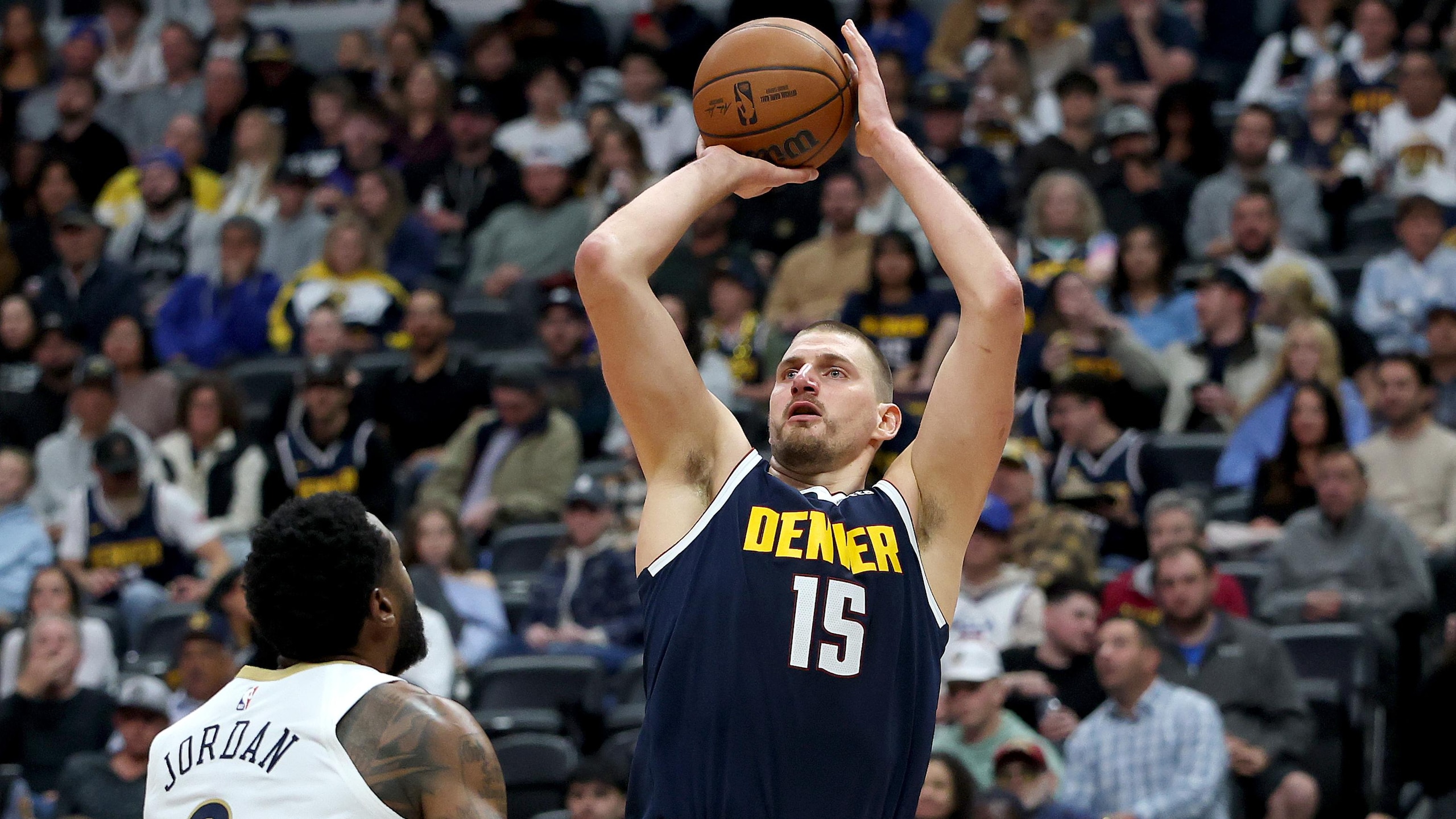
Jokic says booing fans not welcome in Denver

Brown with an all-time summary of relationship with Tatum
Worst NBA Predictions 🫣
This year, just like in 2006, the East found themselves down by as many as 21 points. And once again, they turned to James to lead their comeback. He hit three straight three-pointers in the third quarter to make it a basketball game again.
But then he spent some time on the bench and the West began to run away with the game, building their lead back up to 20 in the fourth quarter. As soon as James made his way back onto the hardwood, though, momentum shifted, and the East were rejuvenated.
James scored, he passed, he rebounded and he defended, bringing the East to within one point of the West with under 20 seconds remaining. Unlike '06, however, he was not able to complete the comeback. And this time, the East fell 152-149 to the West.
Two different years, two similar comebacks, two different outcomes, but only one message: The NBA All-Star Game is more than a mere glorified exhibition.
The NBA All-Star Game doesn't count in any meaningful standings, and it doesn't affect who snags home-court advantage in the postseason. In all reality, it doesn't have any tangible effect on the league.
But it does mean a helluva lot to the players.
Despite never leading, and spending most of the game staving off a double-digit deficit, the East never gave up; it never conceded defeat.
Dwyane Wade didn't foul Kobe Bryant out of malice, but rather did what was necessary to make the Black Mamba earn his points.
Yes, Bryant surpassed Michael Jordan as the all time points leader in the All-Star game. Yes, Dwyane Wade posted a tripe-double. And, yes, Kevin Durant won his first NBA All-Star Game MVP award.
But what matters most here is—again, just like 2006—the competition was ferocious, and it became clear the game mattered to its participants.
It goes beyond bragging rights. James was not just disappointed when he threw the ball away during crunch time, he was livid. He wanted to win. The entire Eastern Conference team wanted to win. And the entire Western Conference team wanted to win.
There have been other comebacks. There have been other close games. But there have been few other displays of such will, such intensity.
In 2006, you had a revitalized veteran in Tracy McGrady attempting to will his team to victory over a younger, up-and-coming James. And in 2012, you had a driven veteran in James attempting to will his team to victory over a younger, up-and-coming Durant.
This All-Star game had meaning that stretched much deeper than the records it saw broken. It had a postseason-like atmosphere toward the end, and with Durant's MVP honors, it had the passing of the torch.
And once again, just like in 2006, the game became one that neither the players or the audience will ever forget.

.jpg?w=2560 "Mahomes Told Teammate to Leave Meeting")
.jpg?w=2560 "5 Teams Eyeing Jonathan Taylor")
.jpg?w=2560 "Jonathan Taylor Landing Spots 📍")
.jpg?w=2560 "Baker Gets Glove From Rays 🧤")

.jpg?w=2560 "NFL investigating Eagles")
