
BCS and NCAA: The Alphabet Soups of Deception and Greed
This week, all 11 BCS conference commissioners, Notre Dame athletic director Jack Swarbrick, BCS executive director Bill Hancock and Washington, D.C., lawyer Tripp Monts met in Dallas with the fate of a college football playoff plan hanging in the balance.
Not surprisingly, there were no tangible results from the two-day meeting. The group spent nine hours over two days reviewing and discussing a number of playoff possibilities that could include as many as 60 options.
This song and dance started almost immediately after the BCS started its football Kabuki dance called the BCS Championship Game 14 years ago, and it hasn’t stopped.
.jpg?w=2560 "AP Poll Top Five Week 9")

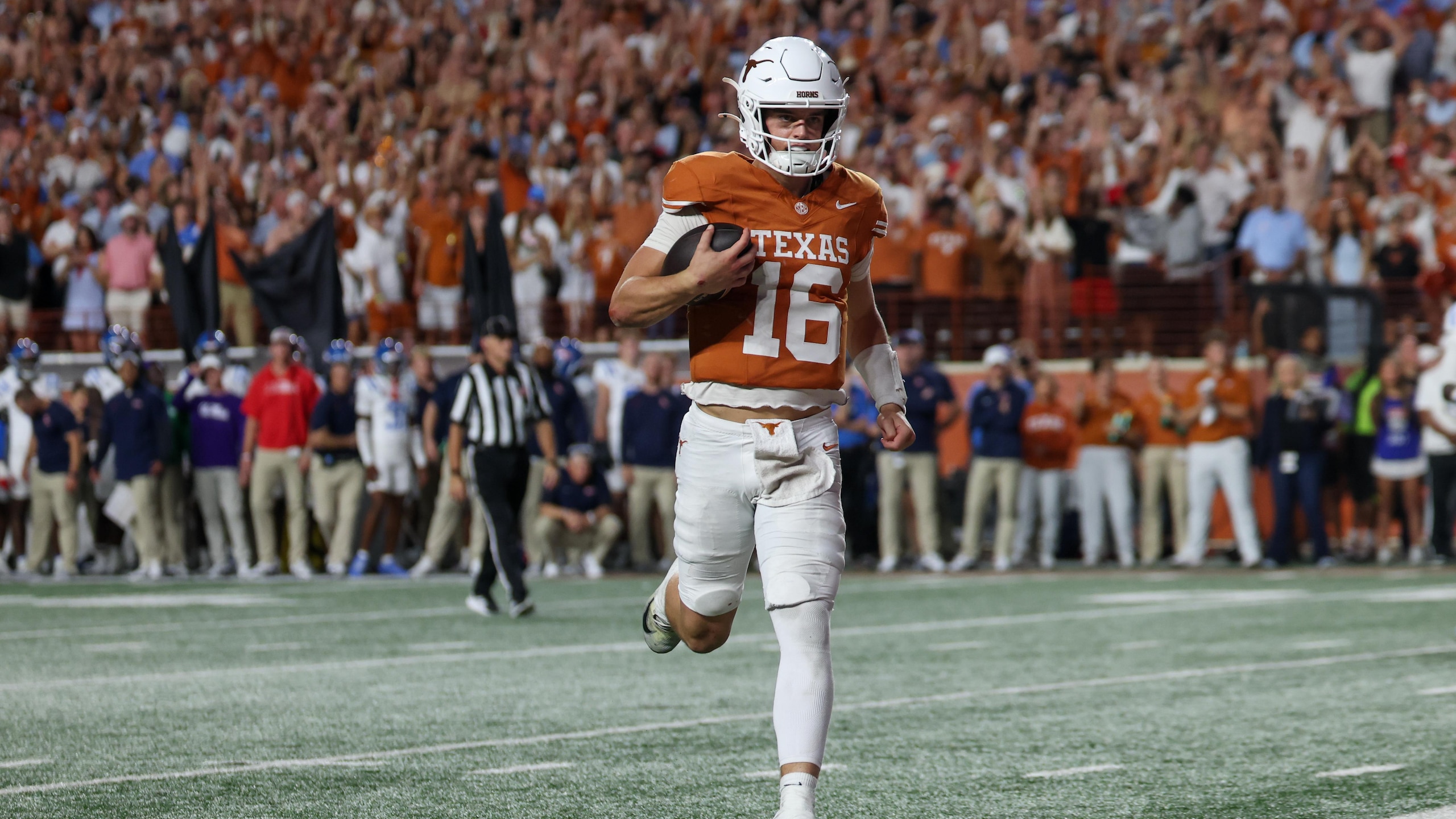
The music just keeps on playing and the commissioners and presidents just keep on dancing with no progress and no end in sight, despite their representations to the contrary.
The reality is that the bulk of the meeting time was devoted to reviewing dates in December when games could be held without interrupting finals at all university member schools.
This seems like a red herring that took the meeting away from its primary purpose, to formulate a playoff system.
At no time have I seen any effort by the NCAA to schedule NCAA basketball games around finals in December.
Not only are there a slew of games played in December, but many teams play in "holiday classics" such as in Maui, Hawaii, around Christmas time.
If the NCAA is not concerned about basketball players missing study time for finals, why are they so concerned about football players missing study time when many are in the same classes as the basketball players?
And there would only be one football game a week when college basketball teams play multiple games a week. Their self-serving logic just doesn’t make sense.
Shockingly, this committee reinforced the BCS’s position that they are the guardians of what they claim is the game's most valuable asset, the regular-season games.
This straw-man argument was once again rebutted by the rematch this year between LSU and Alabama. If the regular season is so important why was a second place team in the Western Division of the SEC allowed to play in the championship game against a team they lost to in the regular season. For LSU, winning the regular-season game meant nothing.
In support of the regular-season red herring, Big Ten commissioner Jim Delany said that the diminished college-basketball season was the "price you pay" for three weeks of excitement in the 68-team NCAA basketball tournament.
Basketball season is hardly diminished. In the '50s and '60s, teams played about 25 games a year and the eventual NCAA champion generally played about a total of 30 or 31 games to win the title.
Now college basketball teams regularly play close to 40 games a year, not including the NCAA Playoffs. Additional games hardly diminished college basketball, and the likelihood is that the colleges cannot turn down the additional revenue that a few more games will generate.
It is the opinion of critics that the real reason is that the playoffs will be the "price you pay" for changing the bowl games, altering long-standing alliances and reducing the holiday perks that have been the private provinces of the NCAA hierarchy.
NCAA presidents are simply not willing to give up the cash-bird in their pocket for the bird in the bush. But once they receive this additional money in a revamped playoff system, they will be drunk with power and prestige.
Instead of working toward a solution, those at the meeting claim to be working toward a "drop-dead date" before decisions must be made. Only they know what that date is, if they have one at all. Most feel this is just another way to delay the process with busy work.
The consensus is that this date will be sometime before the benchmark date of Oct. 1, when ESPN's exclusive 30-day window opens to negotiate their TV rights. To many, this meeting is just a show for the public and the eyes of several members of Congress, particularly Orin Hatch of Utah, who have been watching their actions with a jaundiced eye.
Gridlock over a playoff decision should not be confused with gridlock over what is in the self-interest of the universities, their presidents and athletic directors.
While these organizations represent themselves as the keepers of college football, the fact is that their only interest is the amount of money they generate for their school and the personal perks and gratuities received by those in power along the way.
Every year, entire athletic departments and college presidents use the BCS bowl games to raise money from well-heeled alumni and celebrate the holidays in another city paid for by bowl committees and sponsors.
The working press is really no better enjoying the benefits of covering games in cities like Miami, Honolulu, Los Angeles, New Orleans and Phoenix in the winter. For reporters in snow-bird states this is like winning the lottery. And they can bring their golf clubs with them.
Paid-for rental cars, hotel rooms, parties, golf at exclusive country clubs and game tickets for all and undisclosed perks, such as political contributions to Senators like John McCain by the Fiesta Bowl are hidden from the view of football fans.
University presidents and BCS commissioners feel they are untouchable because of their university’s power and the availability of alumni in every walk of life including Congress and the White House.
Their ability to deflect political criticism makes the commissioners and college presidents Teflon dictators of our educational and athletic systems. Many feel their power trumps that of Congress.
There is nothing new about individuals using their power for personal gain. One need look no further than members of Congress whose deteriorating reputation for protecting the American public has spawned the Tea Party and critics behind every door.
At least Congress is subject to scrutiny and public reelection while college presidents, trustees and the heads of the NCAA and BCS are not. They are positions knee-deep in backroom deals, brokered agreements and often self-interest by one school that undermines the group.
Many pundits predict a four-team playoff pitting the No. 1 team against the No. 4 team and the No. 2 team playing the No. 3 team, with the winners facing off in the championship game. Don’t hold your breath. That format was voted down by the ACC and SEC in 2008.
While it is true that the BCS has until the end of this year to finalize any changes before a new TV contract fixes those changes for the term of the new contract, the likelihood of change is about as good as the Titanic avoiding the iceberg on a cold night.
The BCS deems themselves indestructible and the iceberg will just have to move out of its way. But the iceberg of public opinion is not going anywhere.
BCS commissioners need to accept that hell has no wrath like an angry sports fan, especially one in the White House and the many in the Congress who feel that their alma maters have been either slighted or ignored by the BCS.
History dictates that change will either come through a logical process or by revolution. This may be the "BCS Spring" for sports fans. Beware, BCS. The clock is ticking on your actions.

.jpg?w=2560)
.jpg?w=2560 "Mahomes Told Teammate to Leave Meeting")
.jpg?w=2560 "Baker Gets Glove From Rays 🧤")
.jpg?w=2560 "Steelers Roll Saints in Paris")

.jpg?w=2560 "NFL investigating Eagles")
.jpg?w=2560 "5 Teams Eyeing Jonathan Taylor")
.jpg?w=2560 "Updates from EVERY Game")