Harvesting Baseball Talent Easier in Dominican Republic Than Venezuela
The Dominican Republic is second only to the United States in delivering players to Major League Baseball, but coming in third—and gaining—is Venezuela. The dynamics of Venezuelan baseball are shifting, increasing the importance of the Dominican Republic in the development of Latin American players.
Last season, 86 Dominican players were listed on Major League Baseball Opening Day rosters; Venezuela contributed 62. The previous year the Dominican Republic supplied the same number, 86, while Venezuela had 58.
At one point, 23 Major League Baseball teams had training facilities in Venezuela; today the number is down to just four—the Philadelphia Phillies, the Detroit Tigers, the Seattle Mariners and the Tampa Bay Rays. For a variety of reasons, the other MLB teams have opted to bring Venezuelan prospects to the Dominican Republic where all 30 teams train players.
TOP NEWS

Dodgers Have 0 HRs in NLCS 😰
.png?w=2560)
Muncy Sums Up NLCS Offense 💩
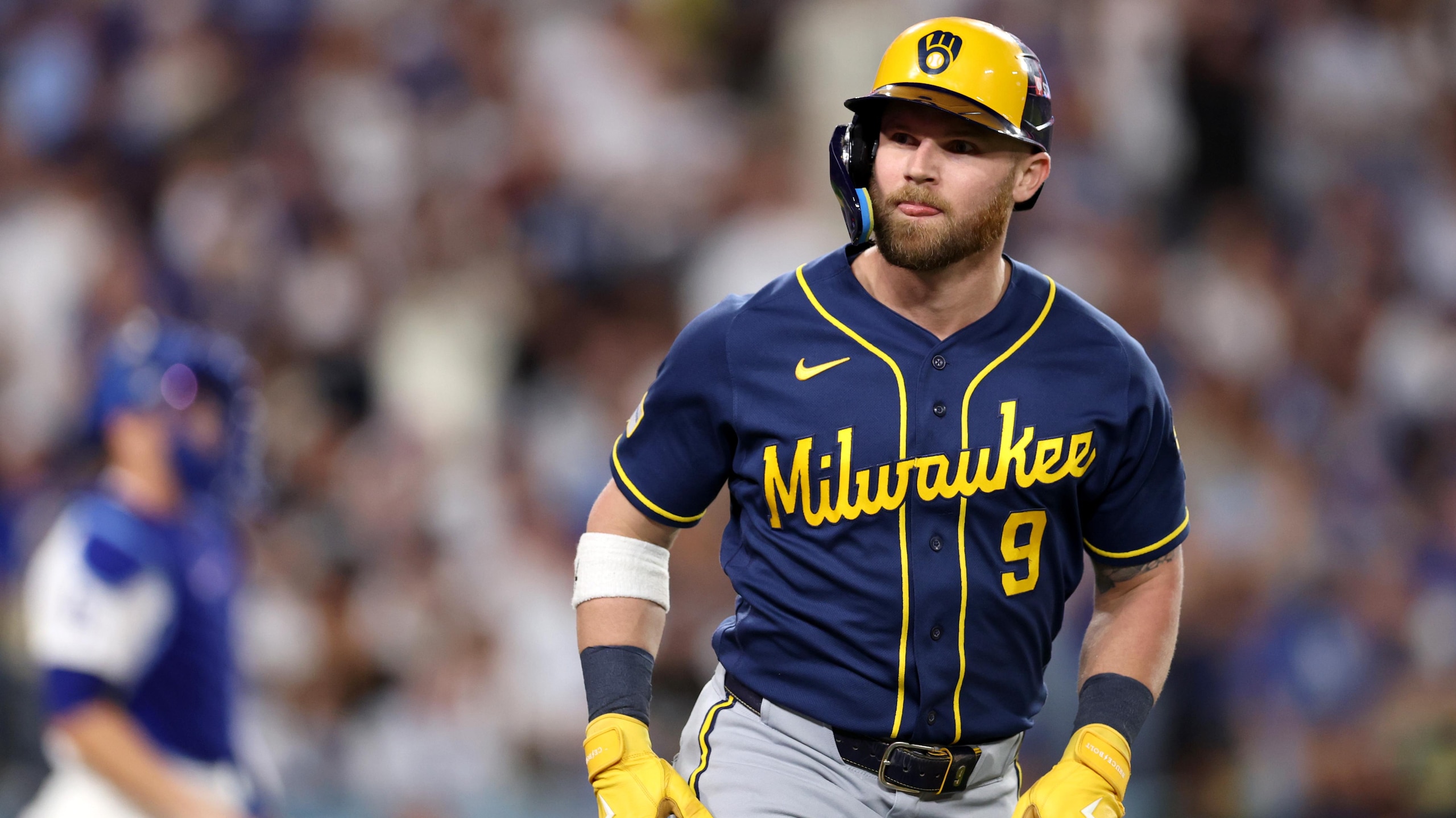
Brewers have Dodgers' dynasty on life support
Rafael Pérez, head of Major League Baseball Operations in the Dominican Republic and Latin America, said the chief reason for the change is economics; it cost four times more to train a player in Venezuela, more to house and feed players, more to bring in supplies and equipment, more to pay coaches, trainers and staff. “It is just cheaper to scout players in Venezuela,” he said, “and bring them to existing facilities in the Dominican Republic. The cost of operating an academy is a fraction.”
Several people I talked with played down the safety issue, but there is no doubt Venezuela is a dangerous country. It leads Latin American countries in the number of murders committed annually, with a figure four times higher than Mexico, twice as high as Columbia.
The fact that a Major League Baseball player from Venezuela, Wilson Ramos, a catcher with the Washington Nationals, was kidnapped a few months ago and held for ransom, certainly didn’t add to the appeal of the country. Ramos was rescued unharmed by the Venezuelan army.
Add to that what Rene Gayo, the Pittsburgh Pirates director of Latin American scouting, described as an anti-American attitude, and the Venezuelan exodus is further explained. “With the anti-American sentiments and [Venezuelan President] Hugo Chávez, and radical dialogue, people are moving out,” he said.
The Pirates closed down their Venezuelan academy last year because of the political climate and the danger factors, according to Gayo. “Hoodlums would come on payday,” he said, “and rob everybody at the academy. Over the years, little by little, ever since Mr. Chávez took power, indications are that things are going in an opposite direction. Either Chávez gets out of power or he will make it into the Cuba of the 21st Century.”
He added, “Our owner made a significant investment in the Dominican Republic. We wanted to streamline, so it was economically intelligent to do what we are doing. By certain measures, all that really matters is how well the players play.”
Major League Baseball recently hosted a talent showcase featuring the top-25 unsigned prospects from both Venezuela and the Dominican Republic; those players can be signed July 2.
Gayo said that forcing players from the two countries to compete head-to-head hasn’t created additional concerns or problems. “There has always been a sense of nationalism of competition in Latin America,” he said, “particularly at the entry level. But they come to the U.S. united by common obstacles of language and culture, so they are equal there.”
The four teams with operations in Venezuela did not respond to requests for comment.
.

.jpg?w=2560 "Top Trade Targets Entering Week 6")


.jpg?w=2560 "Bleacher Report's Expert NFL Picks 🔮")