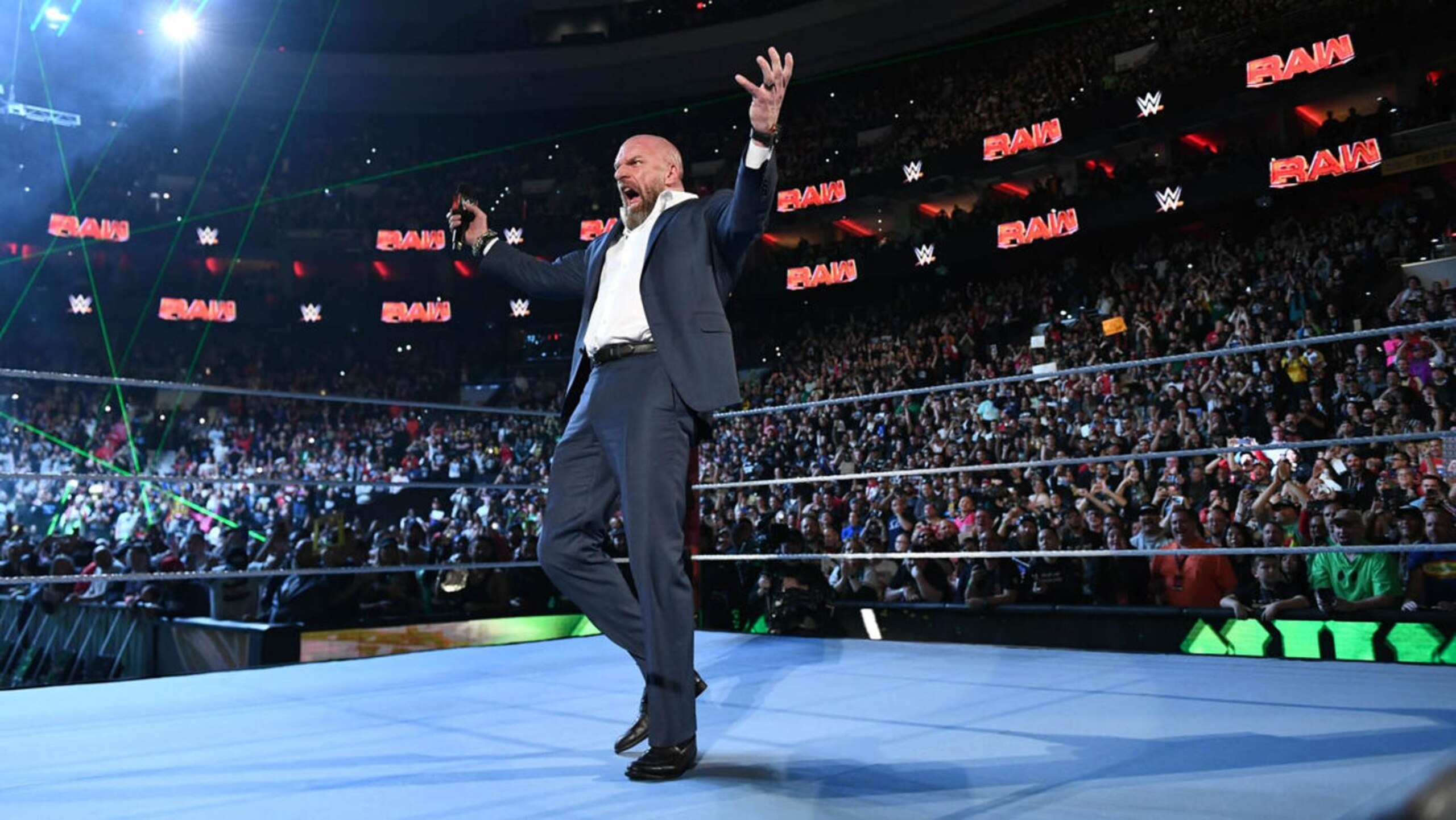

WWE Has Regained the 'Cool' Factor Under Triple H
At its various peaks of popularity, WWE's ability to cross over into the realms of sports and pop culture was seamless.
The success of the WrestleMania's inaugural installment in 1985 was largely due to the vast amount of celebrities on hand. From Muhammad Ali and Mr. T to Cyndi Lauper and Liberace, every one of them contributed to The Show of Shows becoming an annual extravaganza and global sensation.
World-renowned boxer Mike Tyson's involvement in the WrestleMania XIV main event helped legitimate "Stone Cold" Steve Austin as the face of the franchise and brought new eyes to the product that was about to take off with the Attitude Era.

Even World Championship Wrestling, best known in its heyday as WCW, managed to capture the attention of major media outlets with Karl Malone and Dennis Rodman competing in a pay-per-view tag team main event opposite of each other immediately following the Utah Jazz and Chicago Bulls' iconic NBA Finals series in 1998.
Somewhere along the way, wrestling lost that "cool" factor, and contrary to popular belief, WWE's incorporation of the TV-PG rating in 2008 wasn't entirely to blame.
Athletes and other notable names continued to make occasional appearances on WWE programming, including as part of Raw's "guest host" era that nearly killed the quality of the show for two years. WWE's desperate attempt to revive its status as a staple in society—coming off as more manufactured than it did organic—actively drove away an alarming portion of its remaining fanbase.
Pro wrestling was never considered an upper-class art form, but following its fall from grace as an accepted piece of pop culture, the industry gradually gained a reputation for being a lowly form of entertainment.
However, the overwhelmingly positive response to the company's presence at the first-ever Fanatics Fest in New York City the weekend of Aug. 16 proved WWE's mainstream appeal may finally be back to where it once was.
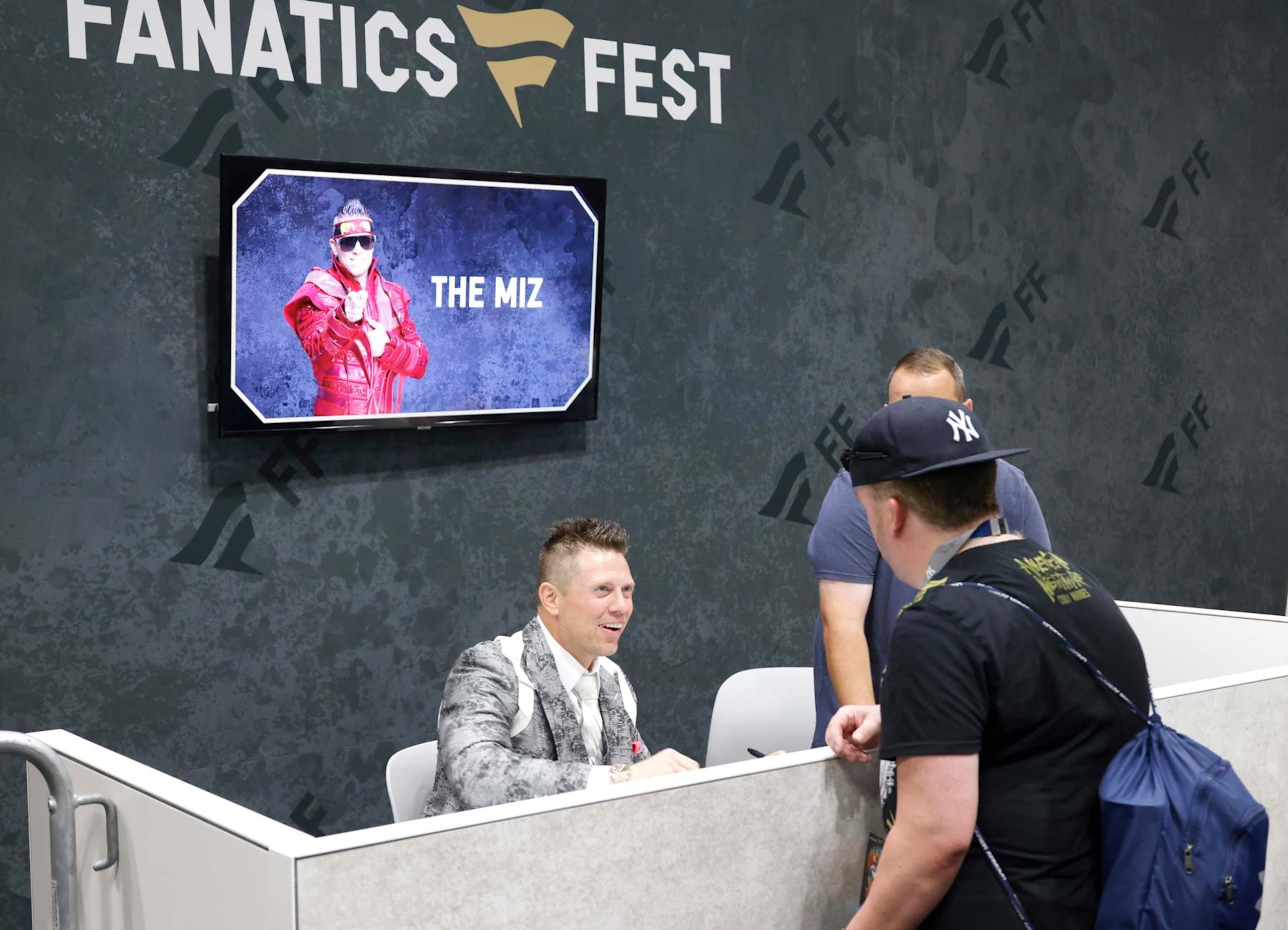
WWE Frenzy at Fanatics Fest
WWE's WrestleMania Fan Axxess event has gone through countless iterations since its inception in the late 1980s, recently being resurrected as WWE World this past spring.
It's arguably the biggest pro-wrestling fan convention of its kind, complete with exhibits, memorabilia, merchandise, meet-and-greet opportunities and more.
Fantatics Fest at the Javits Center in New York City encompassed not only WWE but also the MLB, NBA, NHL, NFL, UFC and other sports organizations. Current and future Hall of Famers such as Derek Jeter, Tom Brady and Kevin Durant were available for photos and autographs throughout the weekend, yet it was the WWE talent who sold out soon after going on sale.
Cody Rhodes, Rhea Ripley, Drew McIntyre, CM Punk, Rey Mysterio, Bianca Belair and many others stole the weekend with long lines for their meet-and-greets and panels. Additionally, the patented make-your-own-entrance area was the busiest and most entertaining of all the "activations" the event had to offer.
WWE outshining virtually every sports organization in attendance is enough of an indicator that wrestling is, in fact, the hot ticket right now. It was wise to emphasize the element of fun and remind former fans what they've been missing out on.
In turn, the sports world hasn't hesitated to capitalize on WWE's newfound buzz.
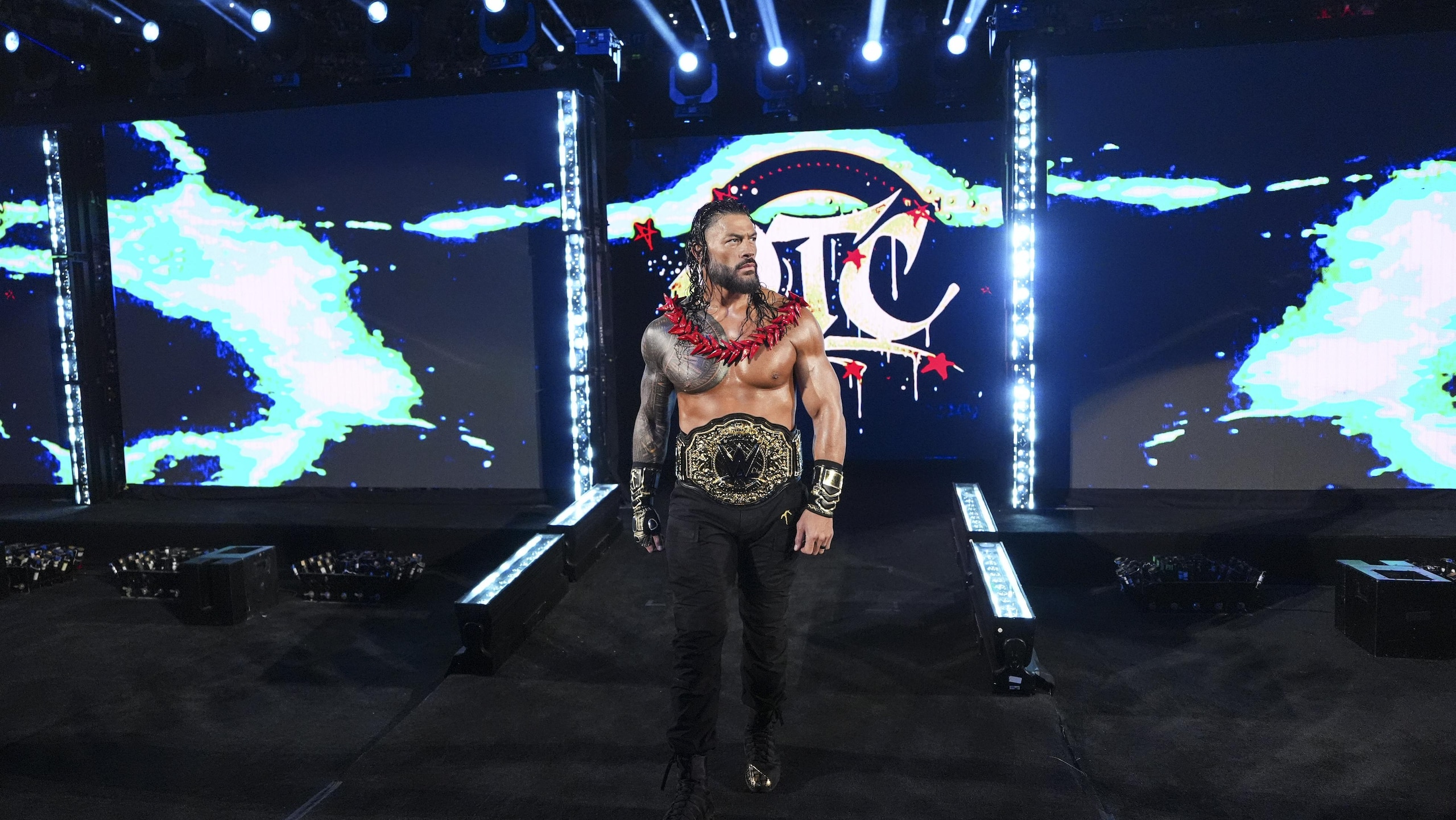
Jey Uso's infectious entrance music was played during an NBA playoff game in May. Roman Reigns' walkout song also went viral over SummerSlam weekend for being played at a nightclub.
On WWE TV this year alone, top-tier NBA players Tyrese Hailburton and Jalen Brunson went face-to-face in a SmackDown ring at Madison Square Garden, a confrontation the crowd clearly approved of based on its raucous reaction.
George Kittle, a well-documented WWE enthusiast, was shown sitting ringside for his friend Bayley's big championship win at WrestleMania 40, one year removed from getting in the ring for a segment with Pat McAfee on The Grandest Stage of Them All.
Treading that fine line between sports and entertainment—two terms WWE has been intentionally synonymous with for decades to avoid associating with its wrestling roots—without it feeling forced is what gives the product that certain spark it's long been lacking.
The relevancy of wrestling during the Attitude Era in particular may be forever unmatched, but WWE is doing everything right when it comes to regaining the goodwill of its audience and making headlines for the right reasons while doing so.
The Dark Days of WWE
One doesn't have to venture too far back in the WWE archives to relive one of its lowest creative points ever and realize why change at the top was imperative to save the company from self-sabotage.
Although the pandemic era was notorious for not having any fans present, WWE's creative woes were already underway. If anything, the empty arenas created a unique environment for a time.
Rather, it was 2018 and 2019 that did the most damage to the WWE brand. Both years had their fair share of highlights, most notably KofiMania and Becky Lynch's stock skyrocketing, but the cringeworthy content the audience had to endure along the way was not worth it.
It was during this period that Bray Wyatt debuted his Fiend persona, only to have it ravaged by bad booking. The 24/7 Championship was introduced and immediately wore out its welcome.
The rules of the Brand Split were ignored, wrestlers wanted out, camera shots were nauseating to watch, commentary was distracting, part-timers were overexposed in the main event scene, and very few Superstars felt special.
Plus, the babyface Roman Reigns experiment failed miserably and NXT newcomers were misused. Once The Big Dog was showered with dog food on SmackDown in early 2020, it wasn't surprising to see pop-culture icons stray from wanting anything to do with WWE.
Any fan unfortunate to find themselves watching WWE TV at that time experienced the epitome of embarrassment.
Vince McMahon didn't seem to mind, essentially inviting viewers to change the channel and journey over to their competition.
How Triple H Turned the Tide in WWE's Favor
McMahon's ultimate dismissal from WWE was undoubtedly overdue, as evidenced by how drastically the company's creative direction changed when he was ousted from power.
Triple H, president Nick Khan and the rest of the WWE brass that makes up the new guard have demonstrated they're in touch both with what fans want to see from week to week as well as how they can attempt to further build their audience to make new fans.
That's where the expansion into entertainment and sports will be beneficial.
Under McMahon, Raw and SmackDown lost much of their luster in the years following the Attitude and Ruthless Aggression Eras. Star power diminished, and compelling storylines were harder to come by.
The in-ring action improved, but every other aspect of the product suffered significantly. Triple H was responsible for creating a true alternative before in NXT, so he could do it with the main roster if the opportunity presented itself.
McMahon's abrupt exit in 2022 paved the way for Triple H to start slowly but surely rehabilitating the overall creative direction. Two years on, he has done just that.
All Elite Wrestling established an identity as a legitimate challenger brand when WWE TV was in the doldrums in 2019. The opposition recruiting their top talent and creating stars of their own forced WWE to put their best foot forward, at least once Triple H took the reins.
There's been a lot to like about AEW in 2024 and there are numerous things they'll always excel at over WWE, but the turning of the tide is evident in the latter's many arena sellouts, stable ratings, and record-setting viewership for premium live events.
Straightforward and engaging storytelling has been pivotal in renewed interest in the product. The Bloodline is perhaps the most prominent example, but the rise of Cody Rhodes, CM Punk and Drew McIntyre's ruthless rivalry, and everything making much more sense have also been important factors.
Above all else, the electric atmosphere at almost every WWE event these days sends the message that catering to the casual audience has been the most effective formula behind the promotion's latest boom period.
For the first time in over 20 years, it's cool to watch WWE again.
Graham Mirmina, aka Graham "GSM" Matthews, has specialized in sports and entertainment writing since 2010. Visit his website, WrestleRant, and subscribe to his YouTube channel for more wrestling-related content.

.jpg?w=2560 "Love's Body Already 'Tired'")
.jpg?w=2560 "Tyreek Deal May Come Soon")

.jpg?w=2560 "Ward Nearly Walks Out of Presser ▶️")
