
Fantasy Football 2024: Funniest Team Names and Mock Draft Strategy at Key Spots

We're well into the NFL preseason, which is a glorious time for fantasy football fans. Not only are players back on the field for real, live games, but we're also officially into fantasy draft season.
While the draft isn't the only important part of a successful fantasy campaign, it's one that can make or break a season. Lineup decisions and smart waiver-wire management can aid managers in a big way, but it's hard to overcome a roster that is flat-out bad.
Successfully navigating the draft is its own challenge, but running a few mocks beforehand can help uncover a winning strategy.
Below, you'll find a look at some tried-and-true strategies for key pivot points in a fantasy draft. You'll also find a few suggestions for how to approach a mock, a look at a two-round, 12-team point-per-reception (PPR) mock of our own and a few naming suggestions to complement that perfect roster.
2-Round Mock Draft
1 of 3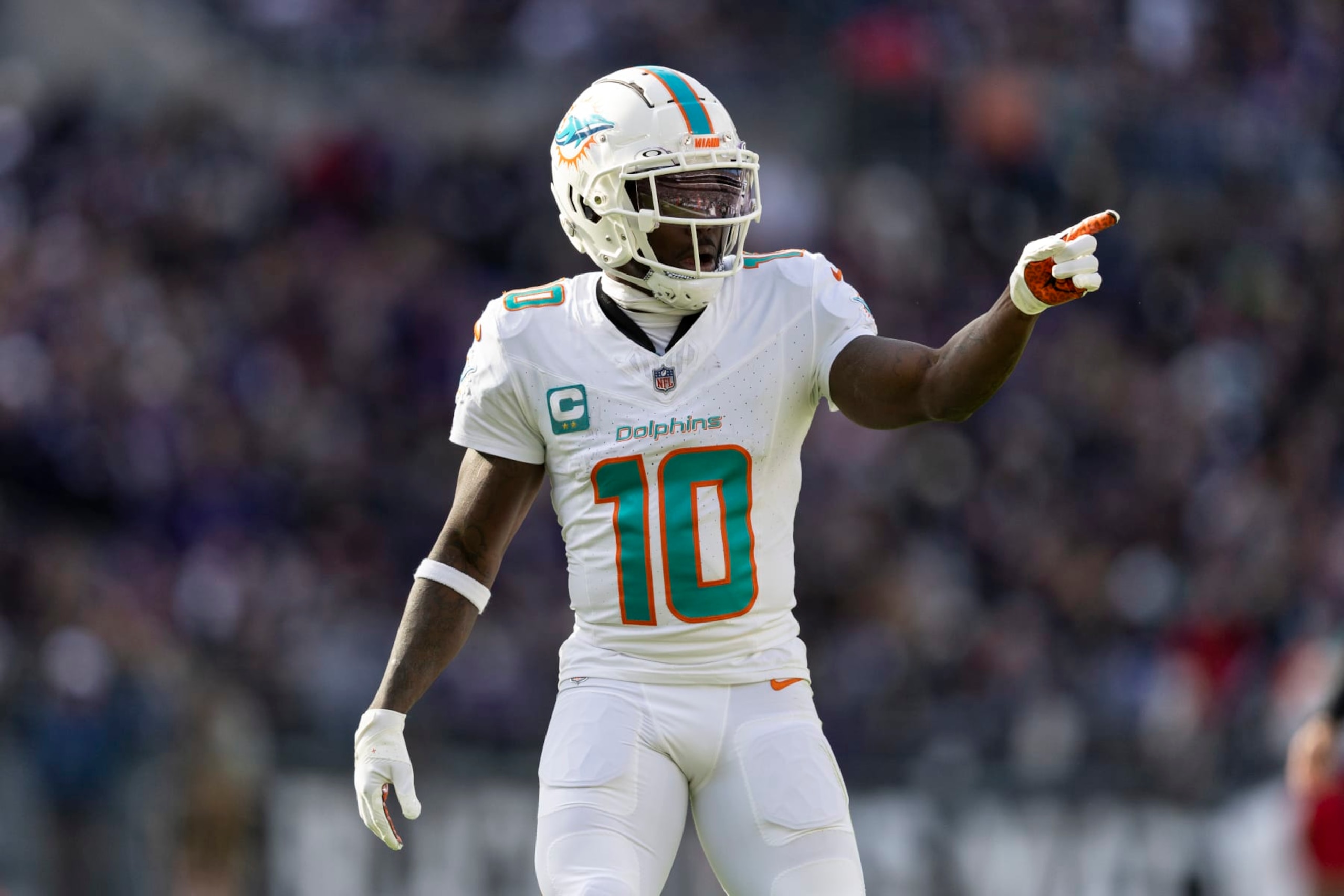
Round 1
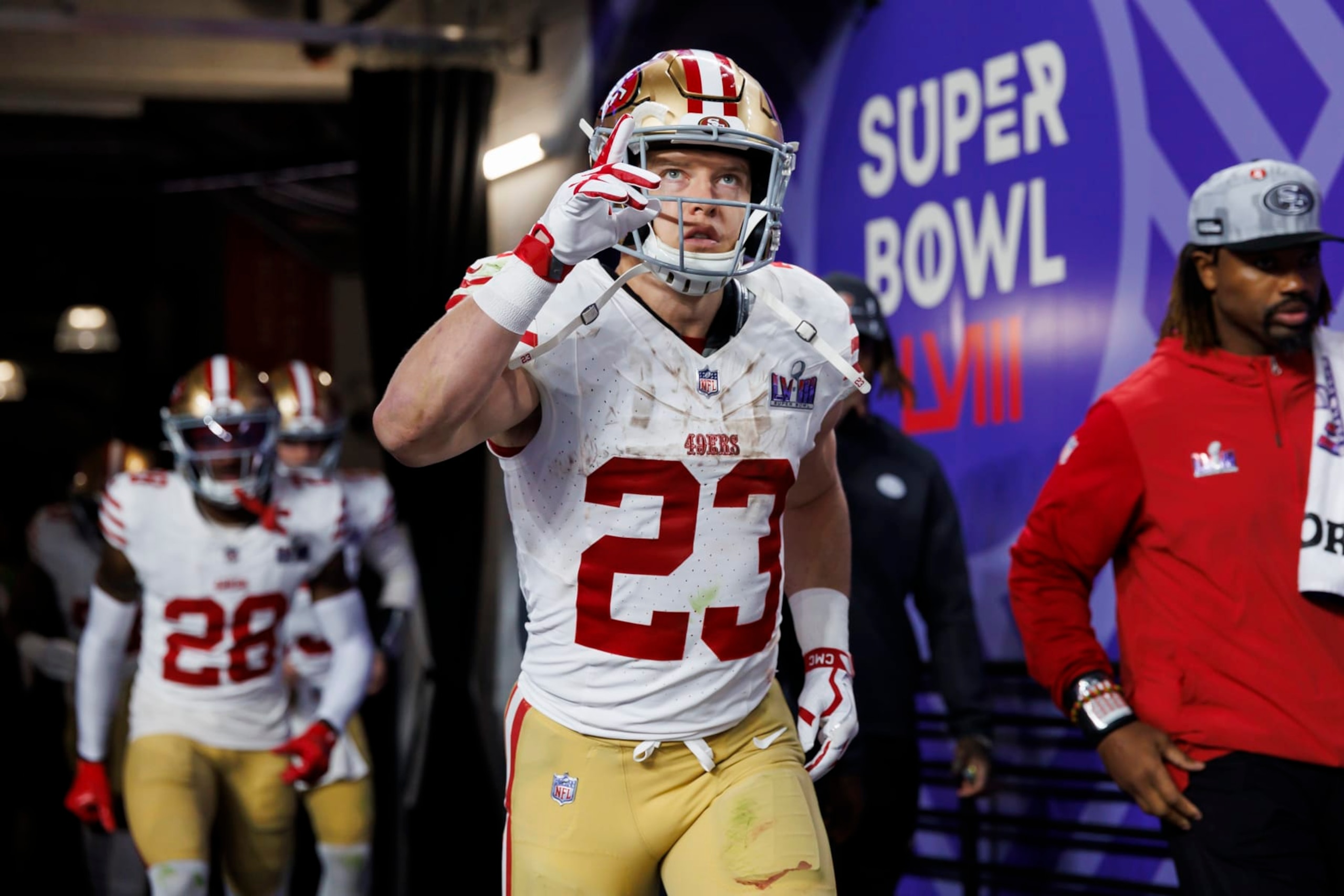
1. Christian McCaffrey, RB, San Francisco 49ers
2. CeeDee Lamb, WR, Dallas Cowboys
3. Tyreek Hill, WR, Miami Dolphins
4. Ja'Marr Chase, WR, Cincinnati Bengals
5. Amon-Ra St. Brown, Detroit Lions
6. Breece Hall, RB, New York Jets
7. Justin Jefferson, WR, Minnesota Vikings
8. Bijan Robinson, RB, Atlanta Falcons
9. Garrett Wilson, WR, New York Jets
10. Saquon Barkley, RB, Philadelphia Eagles
11. Jonathan Taylor, RB, Indianapolis Colts
12. A.J. Brown, WR, Philadelphia Eagles
Round 2
1. Puka Nacua, WR, Los Angeles Rams
2. Jahmyr Gibbs, RB, Detroit Lions
3. Kyren Williams, RB, Los Angeles Rams
4. Davante Adams, WR, Las Vegas Raiders
5. Derrick Henry, RB, Baltimore Ravens
6. Marvin Harrison Jr., WR, Arizona Cardinals
7. Drake London, WR, Atlanta Falcons
8. Josh Allen, QB, Buffalo Bills
9. Chris Olave, WR, New Orleans Saints
10. Travis Etienne Jr., RB, Jacksonville Jaguars
11. Isiah Pacheco, RB, Kansas City Chiefs
12. Cooper Kupp, WR, Los Angeles Rams
Draft Strategies for Key Spots
2 of 3
When approaching a fantasy draft, it's often a great idea to break each position down into tiers of players based on your own thoughts—Tyreek Hill, Ja'Marr Chase, CeeDee Lamb and Justin Jefferson, for example, might be your "elite" tier for wide receivers.
San Francisco 49ers running back Christian McCaffrey is essentially in the elite tier by himself.
Having personalized tier groups can help determine whether a player is worth drafting in a particular spot. If, for example, you don't view Derrick Henry as a first-tier running back, but you do believe Marvin Harrison Jr. can be a first-tier receiver, don't take Henry in Round 2 just because you haven't added a running back yet.
The basic goal for our first key draft spot—Rounds 1 and 2—is to come away with two players, regardless of position, who are either elite tier or first tier. Mocks are a great way to figure out a possible route for achieving this.
Grabbing one running back and one receiver can help ensure that you have at least one star at each of the two most important positions. However, managers can experiment with doubling up on running backs or receivers, as Teams 11 and 12 did, respectively, in our mock.
Trying different mock strategies in the first two rounds can help paint a picture of which players are likely to be available in our second key spot—Rounds 3-5.
While Team 5 took Buffalo Bills quarterback Josh Allen in Round 2, the second key spot is where runs on quarterbacks will typically unfold. It's OK to wait on a quarterback, though, if an early run leaves you without a first-tier signal-caller.
There are too many "good" fantasy quarterbacks out there to justify reaching at the position. 49ers quarterback Brock Purdy, for example, lasted until Round 7 in this mock. He threw for 4,280 yards and 31 touchdowns last season and had 10 multi-touchdown games.
Managers should strive to have at least three first-tier skill players—WR, RB and TE—and four skill players who are in the first or second tier by the end of Round 5. It's also wise to have at least one running back and one receiver by the end of the second key spot.
The third key spot is the middle rounds—Rounds 6-10 in most formats. Managers should look to round out their starting lineups in this range while putting a lot of focus on players with upside.
In mocks, this is a great spot to experiment with promising rookies like Rome Odunze and Ladd McConkey to see how they fit into your overall lineup.
The final few rounds also make up our final key spot. This is where managers should prioritize defenses—though elite units may go a bit earlier—pure handcuffs, backup quarterbacks, backup tight ends and risk-reward fliers.
If you believe you've identified this year's Puka Nacua, go ahead and use one of your final selections to take him. Don't be afraid to gamble a bit here. Pure depth players can typically be found on the waiver wire post-draft.
Managers should try to grab a first-tier defense, which can mean grabbing one before filling their last bench spot, but they should never look to draft a kicker before the final two rounds.
Funny Team Names
3 of 3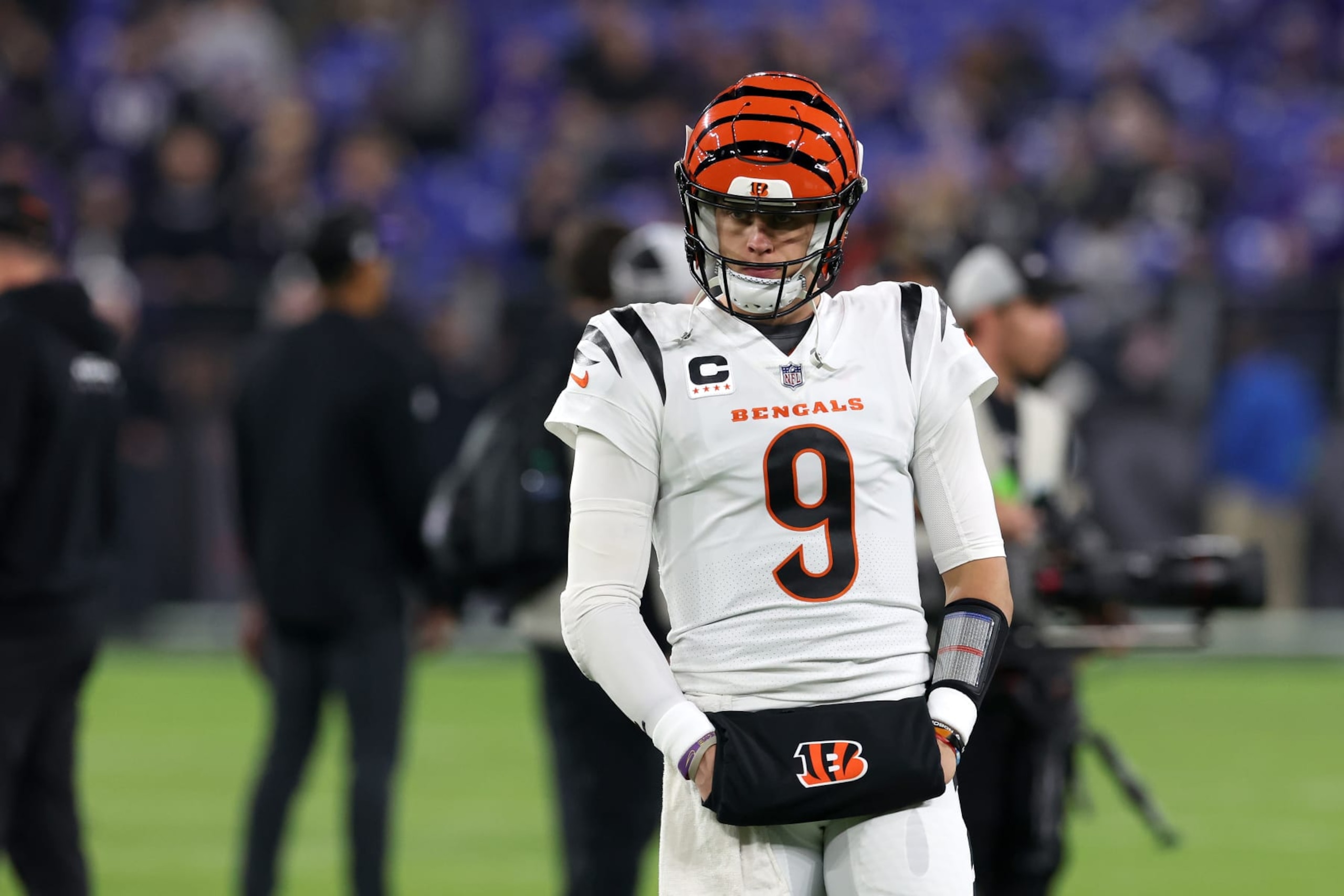
Burrow-ken Ankles
Just Joshin' Ya
Country Roads, Take Mahomes
Love Hurts
Tua Legit 2 Quit
Nuthin' Bug Najee Thang
Spicy Bijan Mostert
Born McCaFREE
Derrick Rolled
Baby Back Gibbs
Ja'Marrshall Law
Howdy Nabers
We're Not Worthy
Allergic to Flowers
Tyreek of Success
You Can't Kelce Me
Up Pitts Creek
Mark It Up
How I Kmet Your Mother
Hours of Bowers
.jpg?w=2560 "Chiefs Giants Football")
.jpg?w=2560 "Steelers Buccaneers Football")
.jpg?w=2560 "Titans Colts Football")
.jpg?w=2560 "Steelers Saints Football")
.jpg?w=2560 "Eagles Jaguars Football")
.jpg?w=2560 "🚨 Week 8 AP Top 25 Poll")