
The intrigue of the NBA offseason goes beyond what teams have cap space, who the top free agents are and where they might land. In addition to the 2024 NBA draft, several teams will need to navigate the rookie-scale extension market for the 2021 draft class.
That ranges from starters on playoff teams (Evan Mobley, Josh Giddey, Franz Wagner, Jalen Suggs, etc.), an All-Star (Scottie Barnes) and several emerging rotation players.
Rookie-scale extensions can only be signed between July 6 and the day before the regular season begins. A record number of rookie-scale extensions got handed out last fall, though not everyone got what they wanted, including Tyrese Maxey and Immanuel Quickley.
With Maxey, the Philadelphia 76ers opted to take advantage of the vast disparity between his cap hold as a restricted free agent and his projected 2024-25 (maximum?) salary, giving the Sixers more flexibility to go shopping with cap room.
Quickley and the New York Knicks were far apart in negotiations, which ultimately led them to trade him to the Toronto Raptors in the OG Anunoby deal. The Raptors are widely expected to give Quickley a lucrative contract as a restricted free agent this summer.
Only some members of the 2021 draft class will be paid early in free agency. Others may negotiate until the late-October deadline. Those who don't reach an agreement will have one year to prove themselves before becoming restricted free agents in 2025.
Negotiating Guidelines
1 of 26
Teams and agents typically use comparisons in negotiations. Who is the player most like, and how much did that player get last year?
An agent will cherry-pick stats to present their client in the best possible light, arguing that the team is also paying for the player's future growth. Most teams will try to get the lowest price possible, considering elements like first and second aprons, luxury taxes and general flexibility.
Based on the 2023 offseason, rookie-scale extensions were in the following few tiers:
- "Supermax" potential: Tyrese Haliburton, Anthony Edwards and LaMelo Ball signed five-year max deals for 25 percent of the 2024-25 salary cap, with the chance to climb to 30 percent if they win MVP, Defensive Player of the Year or get named to an All-NBA team. Based on current projections, that range is a $35.3-42.3 million starting salary.
- Near-max: Desmond Bane will earn $34-35.3 million next season (based on incentives) in the first of a five-year deal with the Memphis Grizzlies.
- Large: Devin Vassell signed a five-year, $135 million deal with the San Antonio Spurs that includes an additional $11 million of incentives (starting at $29.3 million to $31.7 million initially.) Jaden McDaniels signed a five-year, $131 million deal with an additional $5 million in incentives.
- Mid-Tier: Others extended near the projected $12.8 million non-taxpayer mid-level exception (NTMLE). Isaiah Stewart ($15 million starting salary) and Onyeka Okongwu ($14 million) were on the higher end of four-year deals. Deni Avdija's extension starts higher ($15.6 million) but descends year-to-year to a lower total of $55 million. Aaron Nesmith (a flat $11 million), Josh Green ($13.7 million average) and Cole Anthony ($13 million average, team option on the final season) all signed three-year deals.
- Small: The Boston Celtics locked up Payton Pritchard at $30 million ($7.5 million average); the Denver Nuggets inked Zeke Nnaji to slightly more ($32 million, $8 million average). Both were four-year deals.
These are the ranges to consider when looking at the list of potential rookie-scale extensions this offseason.
Not everyone in the 2020 draft class got a deal. Some were because the team wasn't convinced long-term, like Killian Hayes, who started opening night for the Detroit Pistons but was eventually waived. Others like Tyrese Maxey and Immanuel Quickley will undoubtedly be rewarded this summer for their patience.
Technically, the preexisting year counts as part of the extension. Haliburton added five additional seasons, which is a six-year extension. We'll use the casual version (five-year extension) for brevity.
No. 30: Santi Aldama, Memphis Grizzlies
2 of 26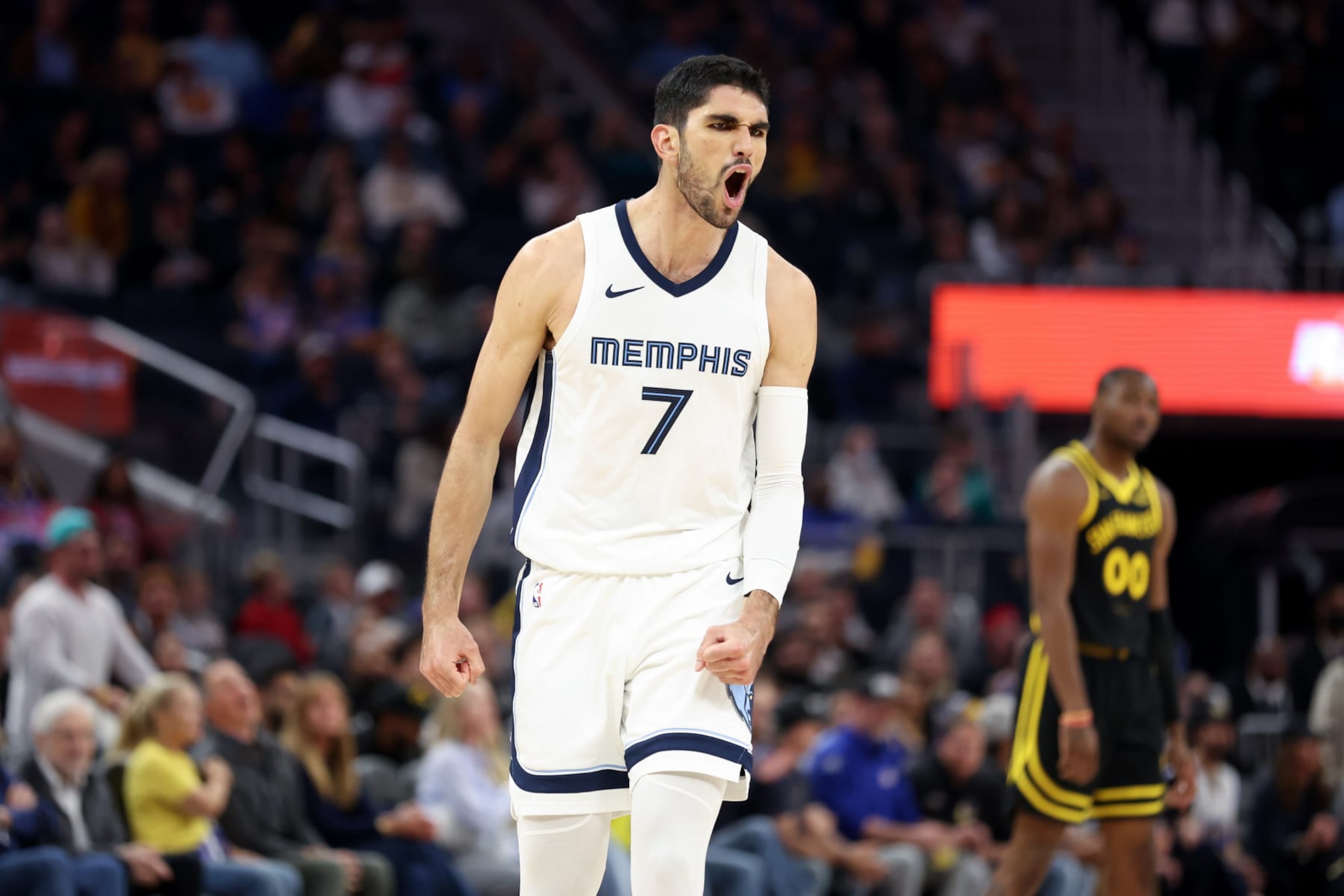
Santi Aldama's production is on par with several players that received extensions last summer. He's a floor-spacing stretch four and a part-time starter. His numbers are better than Deni Avdija's were in his third year, but do the Memphis Grizzlies view Aldama as an essential piece?
Injuries and Ja Morant's suspension derailed Memphis this season. With Desmond Bane's extension kicking in next year, the Marcus Smart trade from this past summer and a long list of contracts already on their books, the Grizzlies may be hesitant to invest more without subtracting. They already dealt away Steven Adams and Xavier Tillman at the trade deadline, but will they use that flexibility (in part) to pay Aldama?
Current averages (60 games, 34 starts): 26.6 minutes, 10.9 points, 5.8 rebounds, 35.1 percent from three
Closest comp: Avdija, Josh Green, Aaron Nesmith
Expectation: Aldama hypothetically could get 3-4 years at about $13-14 million per season, but it isn't easy to gauge the team's direction. He may have to wait for free agency.
No. 29: Day'Ron Sharpe, Brooklyn Nets
3 of 26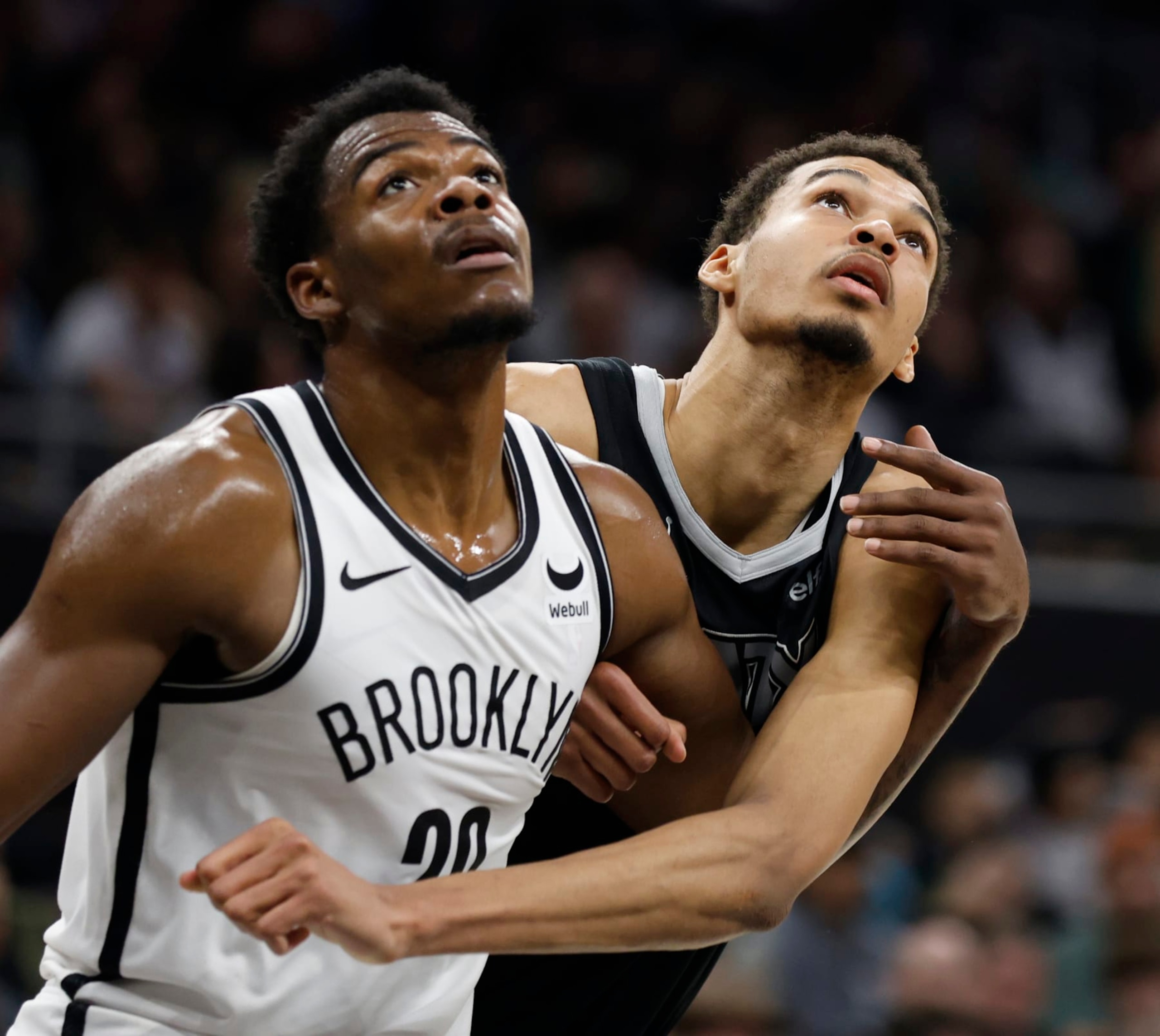
This offseason, the Brooklyn Nets will have a significant decision to make regarding current starter Nicolas Claxton, who is set to become an unrestricted free agent. Day'Ron Sharpe has been solid as a backup, but does he make Claxton expendable?
Sharpe doesn't yet, but he may be worth further investment in time, resources, and money. Extensions are not always built on what a player has done to date but on the promise of what he'll become.
Current averages (55 games, one start): 15.4 minutes, 7.1 points, 6.5 rebounds, 58.1 percent from the field
Closest comp: Sharpe has been more productive with his third year than Zeke Nnaji was, but not quite at the Isaiah Stewart or Onyeka Okongwu levels.
Expectation: Sharpe's agent might want an NTMLE-level salary for him (projected at $13.5 million for 2025-26), but could a compromise be a three-year deal at around $10-11 million annually?
No. 28: Jaden Springer, Boston Celtics
4 of 26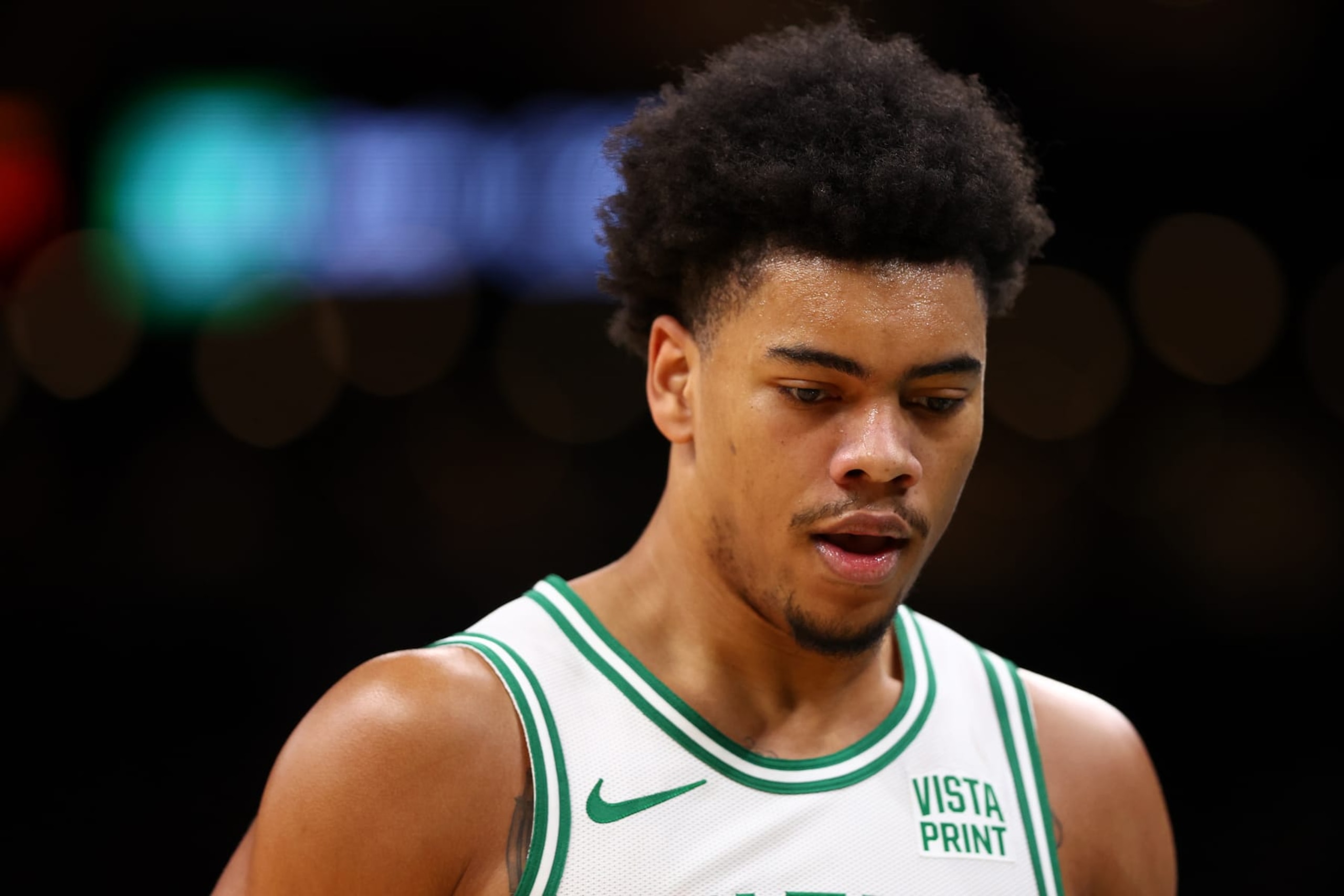
Jaden Springer has yet to carve out a role with the Boston Celtics since his in-season trade from the Philadelphia 76ers.
Unless Boston is patiently high on his upside, he doesn't seem like an extension candidate.
Current averages (13 games, zero starts with Boston; 45 and one overall): 5.5 minutes, 1.1 points, 33.3 percent from the field with Boston; 10.0 minutes, 3.2 points, 38.2 percent overall
Closest comp: Payton Pritchard or Zeke Nnaji, though both played over 13 minutes a game leading into their extensions.
Expectation: No extension.
No. 27: Cam Thomas, Brooklyn Nets
5 of 26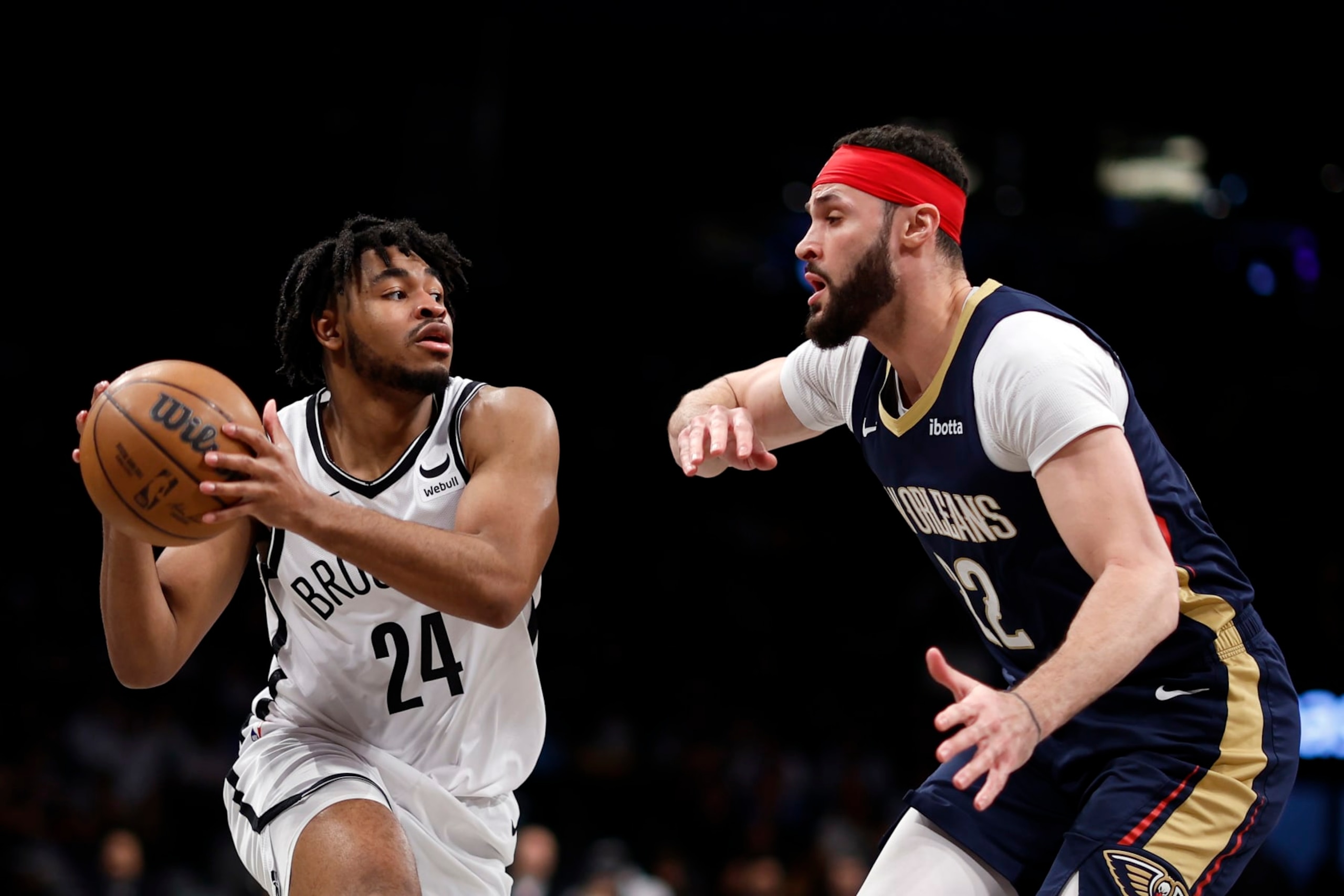
Based on their third seasons, Cam Thomas' closest comp from the 2020 draft class might be Devin Vassell. Both were on teams that didn't/won't make the playoffs. Will the Nets be as generous as the Spurs were with Vassell ($27-29.2 million per year)?
At the time, San Antonio's payroll was among the lowest in the NBA. After several years in the tax, the Nets have just gotten their books in order.
Thomas may be a big-money player, but don't expect Brooklyn to give him as much as the Spurs did for Vassell.
Current averages (57 games, 42 starts): 30.8 minutes, 21.8 points, 3.2 rebounds, 35.7 percent from three
Closest comp: Vassell
Expectation: Thomas' representation will certainly make the case for him to receive Vassell-esque money. But if he's too expensive, the Nets can wait for Thomas to become a restricted free agent, which usually favors the team. Scorers averaging over 20 points per game in the NBA usually get above $20 million per year.
No. 26: Bones Hyland, Los Angeles Clippers
6 of 26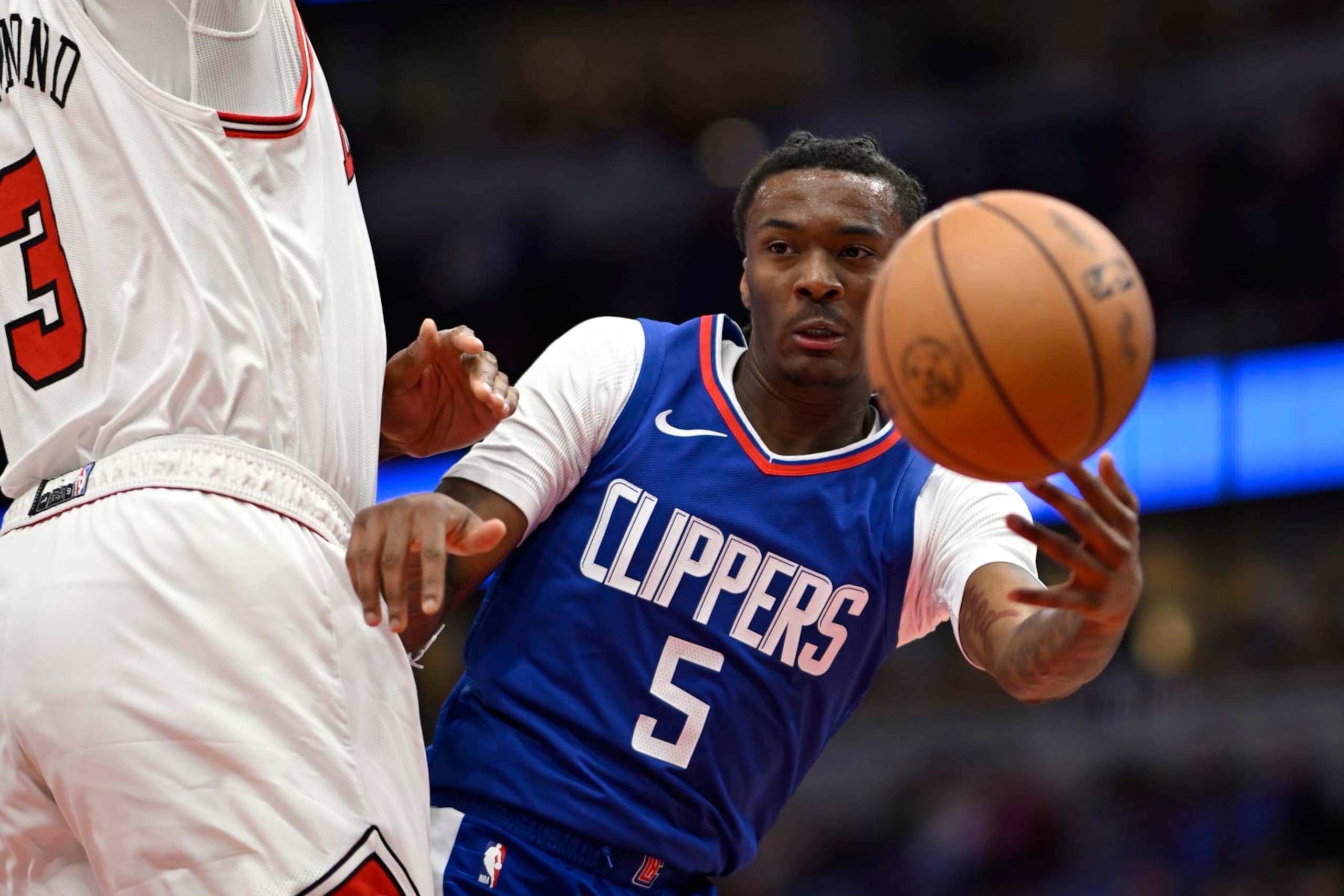
Bones Hyland is the Los Angeles Clippers' third-string point guard, behind both James Harden and Russell Westbrook. While Hyland might want a more significant role, he doesn't appear to be a priority for the win-now Clippers.
Moving forward, the Clippers may want to limit their payroll (and luxury tax) as much as possible thanks to the new CBA's restrictions. However, the new rules could also limit their trade options.
Would the Clippers extend Hyland at a reasonable number to turn him into a future trade asset?
Current averages (32 games, four starts): 13.6 minutes, 5.8 points, 2.2 assists, 31.7 percent from three
Closest comp: Payton Pritchard
Expectation: A long shot, given that teams weren't generally interested in a very available Hyland at the trade deadline.
No. 25: Quentin Grimes, Detroit Pistons
7 of 26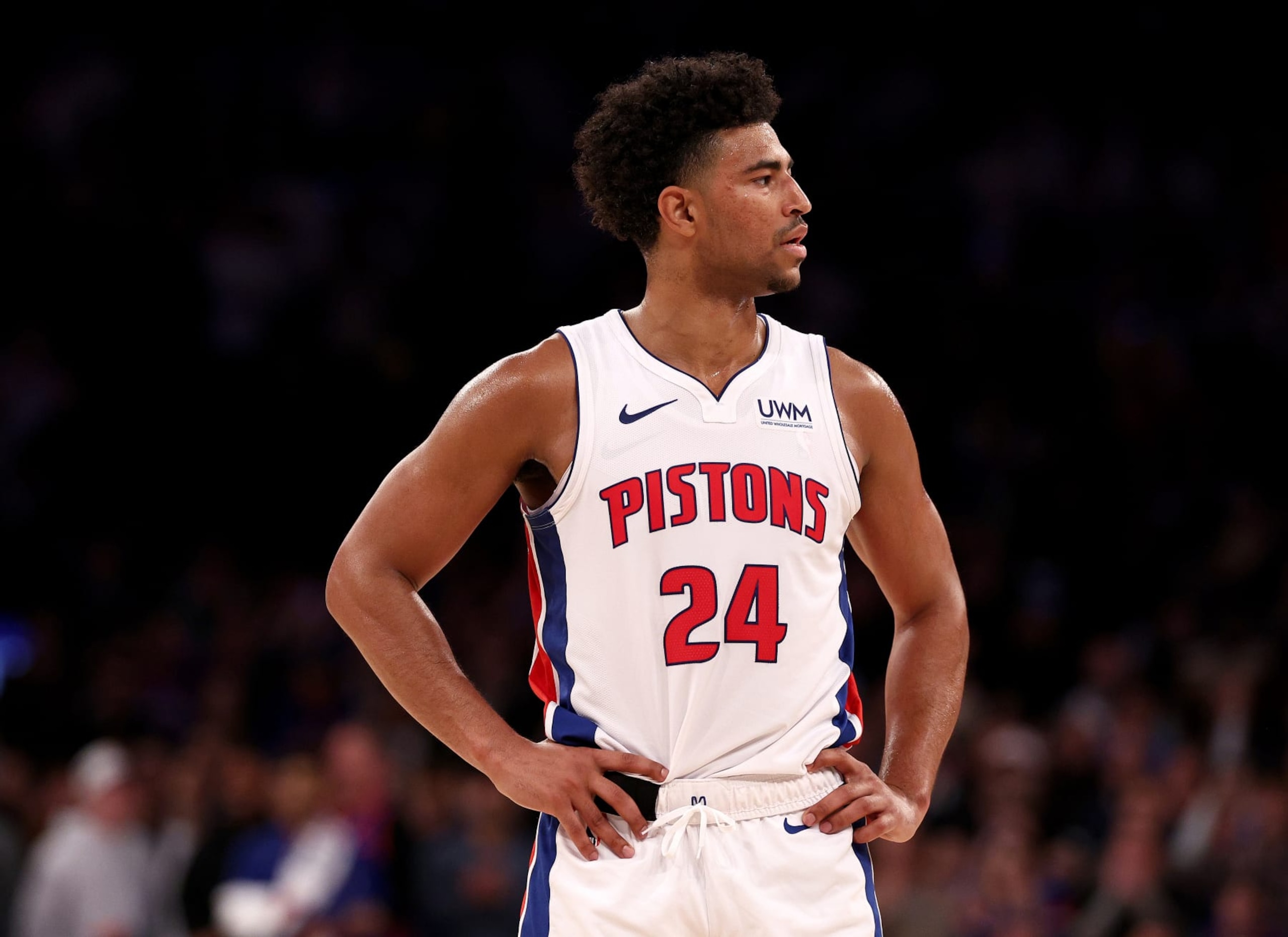
The Detroit Pistons are struggling through a dismal season, but they haven't gotten much from Grimes, who is currently sidelined by a knee injury. If this is his audition for an extension after his midseason trade from the New York Knicks, it's not going well.
Detroit has much to resolve, and committing early to Grimes doesn't add up.
Current averages (six games, zero starts with the Pistons; 51 and 18 overall): 19.2 minutes, 5.3 points, 2.3 assists, 14.3 percent from three; 20.1 minutes, 7.0 points, 33.8 percent overall
Closest comp: His 2022-23 stats with the Knicks resemble Aaron Nesmith's, but he hasn't lived up to that through 2023-24.
Expectation: No extension. Grimes plays out 2024-25 and hits free agency.
No. 22: Isaiah Jackson, Indiana Pacers
8 of 26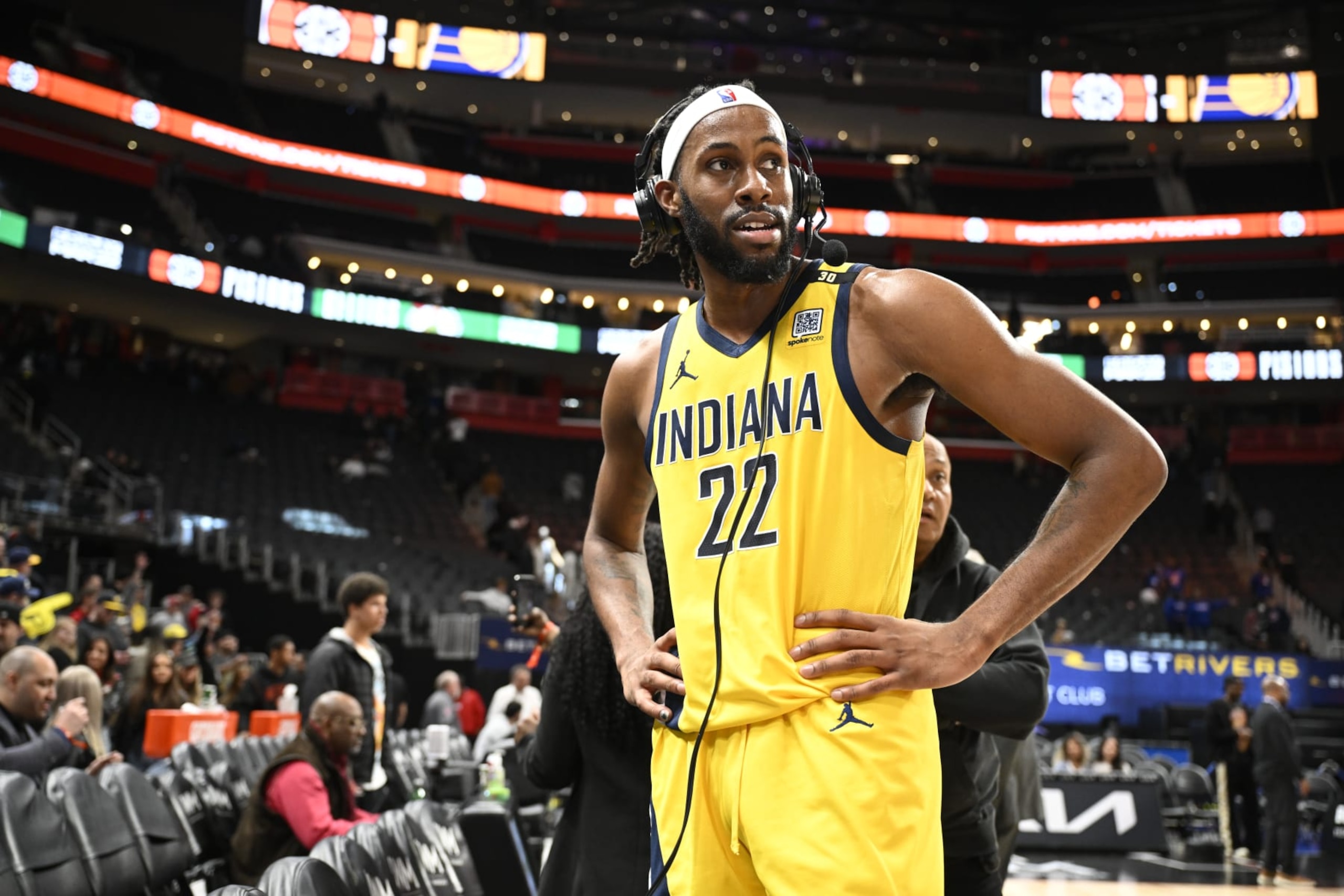
Isaiah Jackson plays a relatively minor role in the Indiana Pacers' rotation, as he's buried behind the likes of Myles Turner, Pascal Siakam, Obi Toppin and Jalen Smith.
The Pacers also hope to develop 2023 No. 8 overall pick Jarace Walker, making Jackson's future with Indiana even murkier.
Current averages (53 games, three starts): 13.3 minutes, 6.8 points, 4.2 rebounds, 66.7 percent from the field
Closest comp: Zeke Nnaji
Expectation: No extension.
No. 20: Jalen Johnson, Atlanta Hawks
9 of 26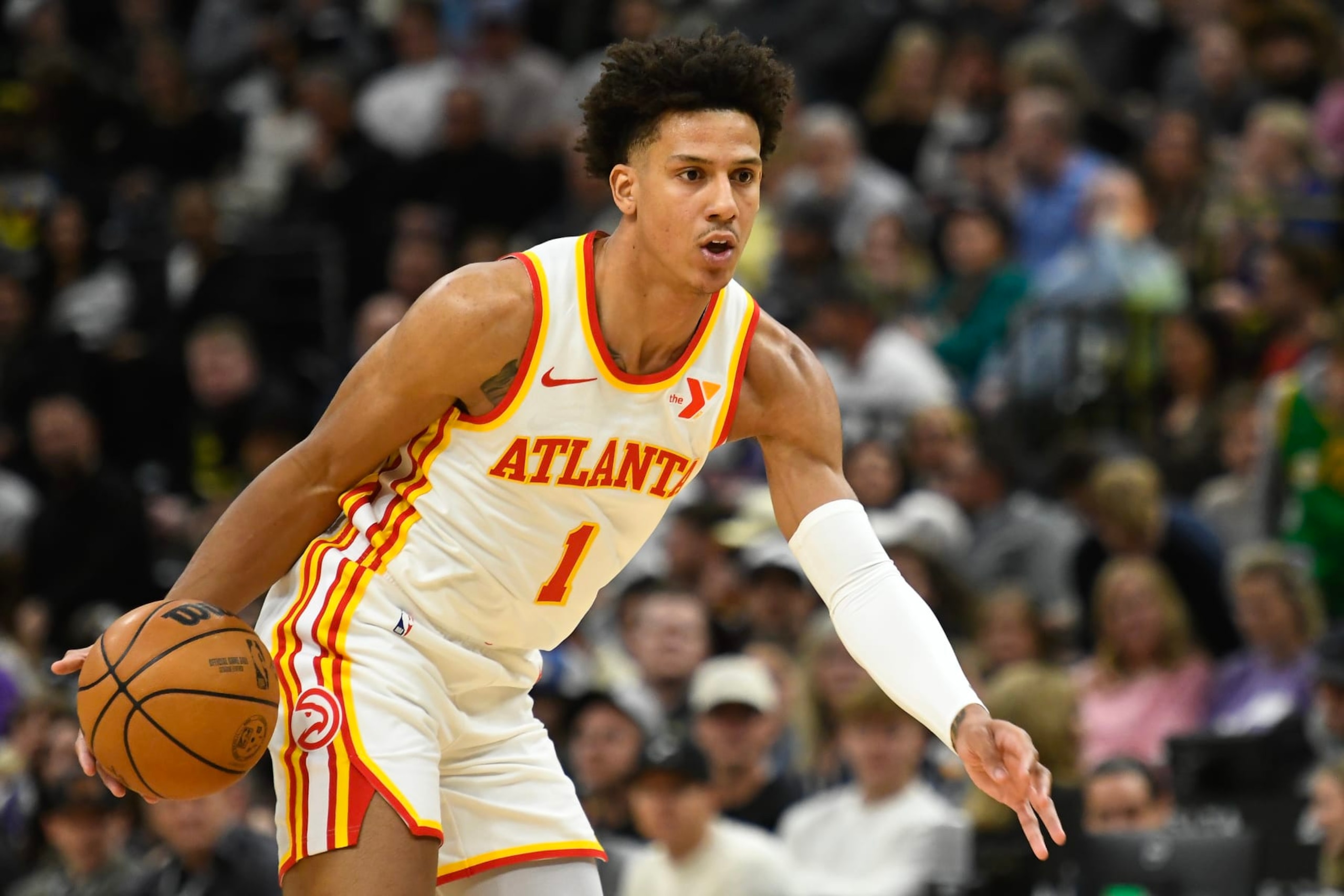
Jalen Johnson has emerged as one of the Atlanta Hawks' best players. He doesn't compare perfectly to any 2020 draftees who extended this past summer.
Johnson, who plays a different position than Devin Vassell, is a stronger rebounder and more efficient finisher at the basket.
Perhaps he's closer to Jaden McDaniels, who didn't score as much as Johnson in his third year but was a high-level defensive presence and shooter (39.8 percent from three) for the Minnesota Timberwolves.
Regardless, Johnson's representation will certainly use those contracts to make their case.
Current averages (51 games, 48 starts): 34.0 minutes, 16.1 points, 8.6 rebounds, 35.3 percent from three
Closest comp: Vassell, McDaniels (though neither is exact)
Expectation: The Hawks have serious budgetary decisions that could include moving a high-paid point guard like Trae Young. With that in mind, Johnson could fight for $25-30 million per year.
No. 18: Tre Mann, Charlotte Hornets
10 of 26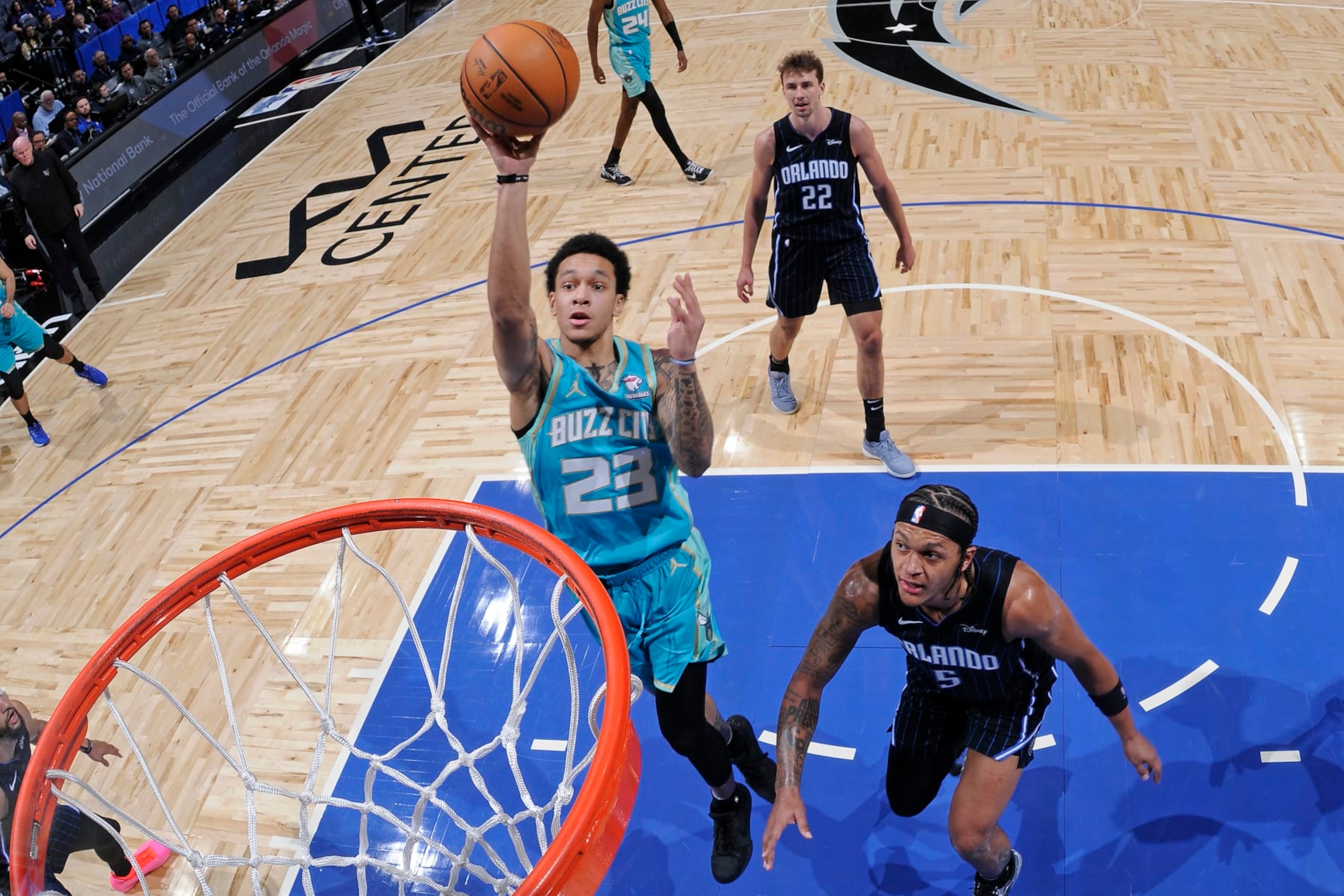
The Charlotte Hornets acquired Tre Mann from the Oklahoma City Thunder at this year's trade deadline, and the third-year guard has made the most of his opportunity. Charlotte has new leadership, with Jeff Peterson taking over for Mitch Kupchak as the executive vice president of basketball operations.
It's too early to gauge what direction Peterson prefers for the team, but signing Mann to a reasonable extension would make a lot of sense.
Current averages (18 games, 18 starts; 31 and 18 overall): 31.0 minutes, 12.2 points, 4.9 assists, 37.7 percent from three; 21.8 minutes, 8.7 points, 3.6 assists, 38.6 percent overall
Closest comp: Cole Anthony
Expectation: The Orlando Magic didn't overinvest in Anthony, with a team option on the third year. Charlotte could do something similar for Mann at around $13 million per year but with only two years guaranteed.
No. 17: Trey Murphy III, New Orleans Pelicans
11 of 26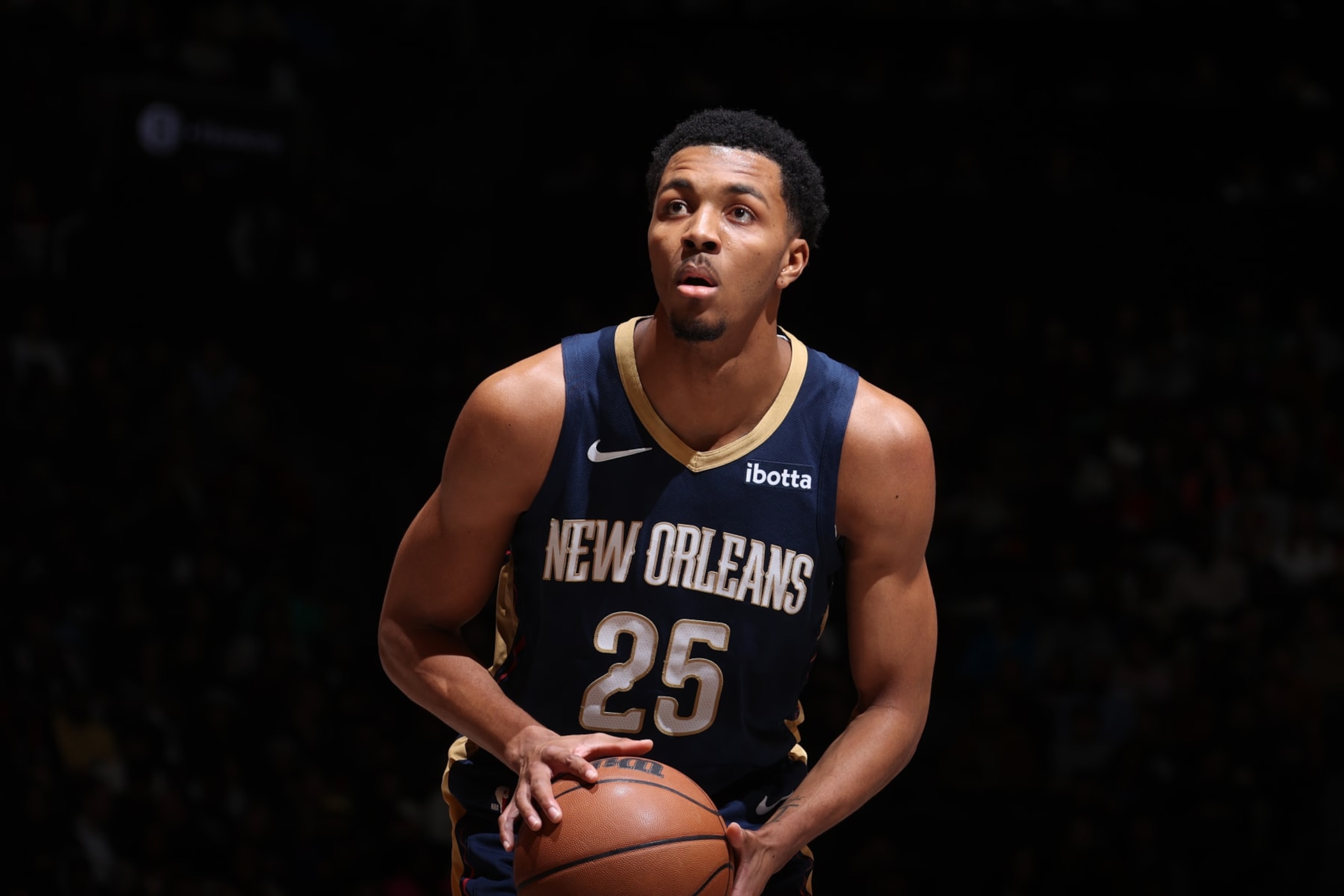
The New Orleans Pelicans have too many quality, contributing players, which is a good problem to have. However, they're now facing some tougher financial decisions to avoid paying the luxury tax, which they have yet to ever do.
Trey Murphy III is a steady bench scorer and shooter. The Pelicans should endeavor to keep him. The challenge will be finding the right price, as he doesn't quite compare to a full-time starter like Devin Vassell or Jaden McDaniels but will probably look for more than the NTMLE.
Current averages (48 games, 15 starts): 28.2 minutes, 14.0 points, 4.6 rebounds, 37.0 percent from three
Closest comp: Different but similar in price range to Isaiah Stewart.
Expectation: Murphy likely will aspire to get above $20 million per year, but an extension may be closer to $15-18 million per year.
No. 16: Alperen Şengün, Houston Rockets
12 of 26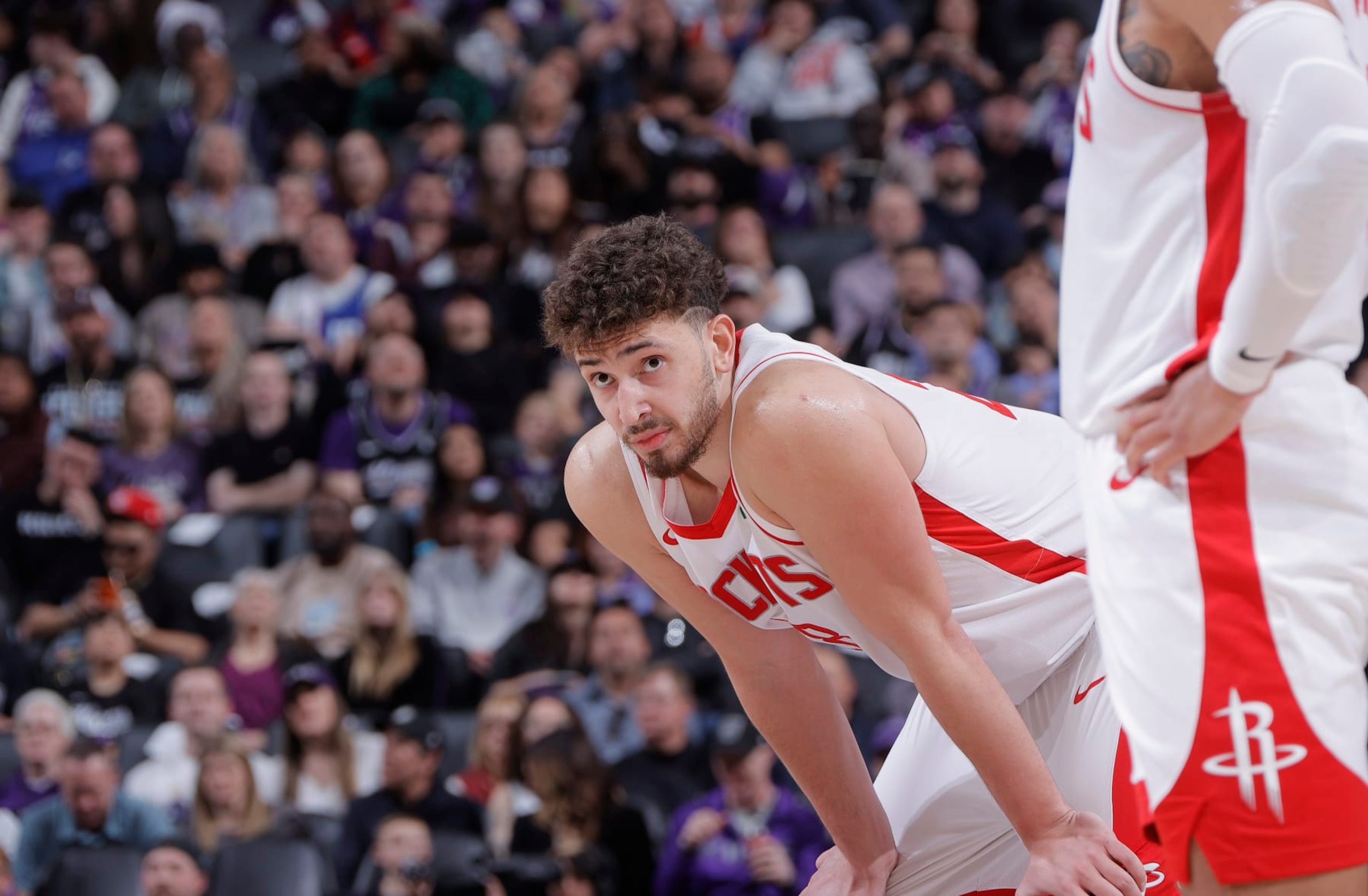
Alperen Şengün has grown into a true offensive powerhouse for the Houston Rockets. But is it an odd coincidence that the team hasn't lost since he went down ankle injury, or is there something more meaningful to draw from that?
Şengün needs to improve as a rim protector. Houston will be a better defensive team without him. But the goal moving forward should be blending what's working now with all that Şengün has to offer as a scoring big.
Current averages (63 games, 63 starts): 32.5 minutes, 21.1 points, 9.3 rebounds, 5.0 assists, 53.7 percent from the field
Closest comp: Devin Vassell/Jaden McDaniels to Desmond Bane range
Expectation: The Rockets and Şengün find a reasonable compromise (but still a high number) on an extension.
No. 15: Corey Kispert, Washington Wizards
13 of 26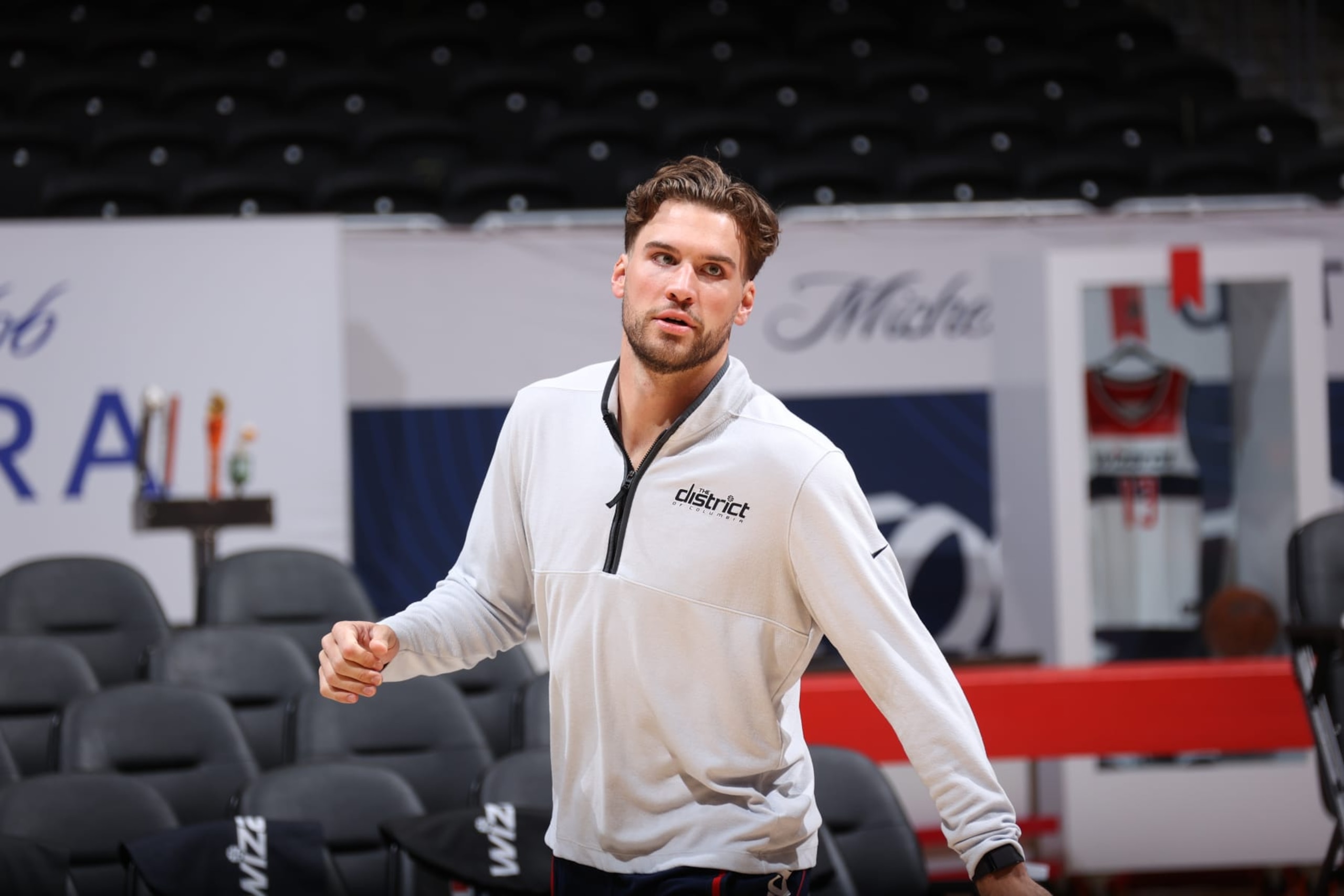
The Washington Wizards believed in Deni Avdija enough to extend him last offseason, and he's grown into a regular starter and improved significantly as a shooter. Does the team have similar confidence in Corey Kispert?
If so, he's probably in the mid-tier range close to Avdija (if not slightly less).
Current averages (71 games, 13 starts): 24.3 minutes, 12.7 points, 2.6 rebounds, 37.5 percent from three
Closest comp: Avdija, Josh Green
Expectation: There's a reasonable chance Kispert gets a moderate extension for three or four years in the $11-13 million range annually.
No. 14: Moses Moody, Golden State Warriors
14 of 26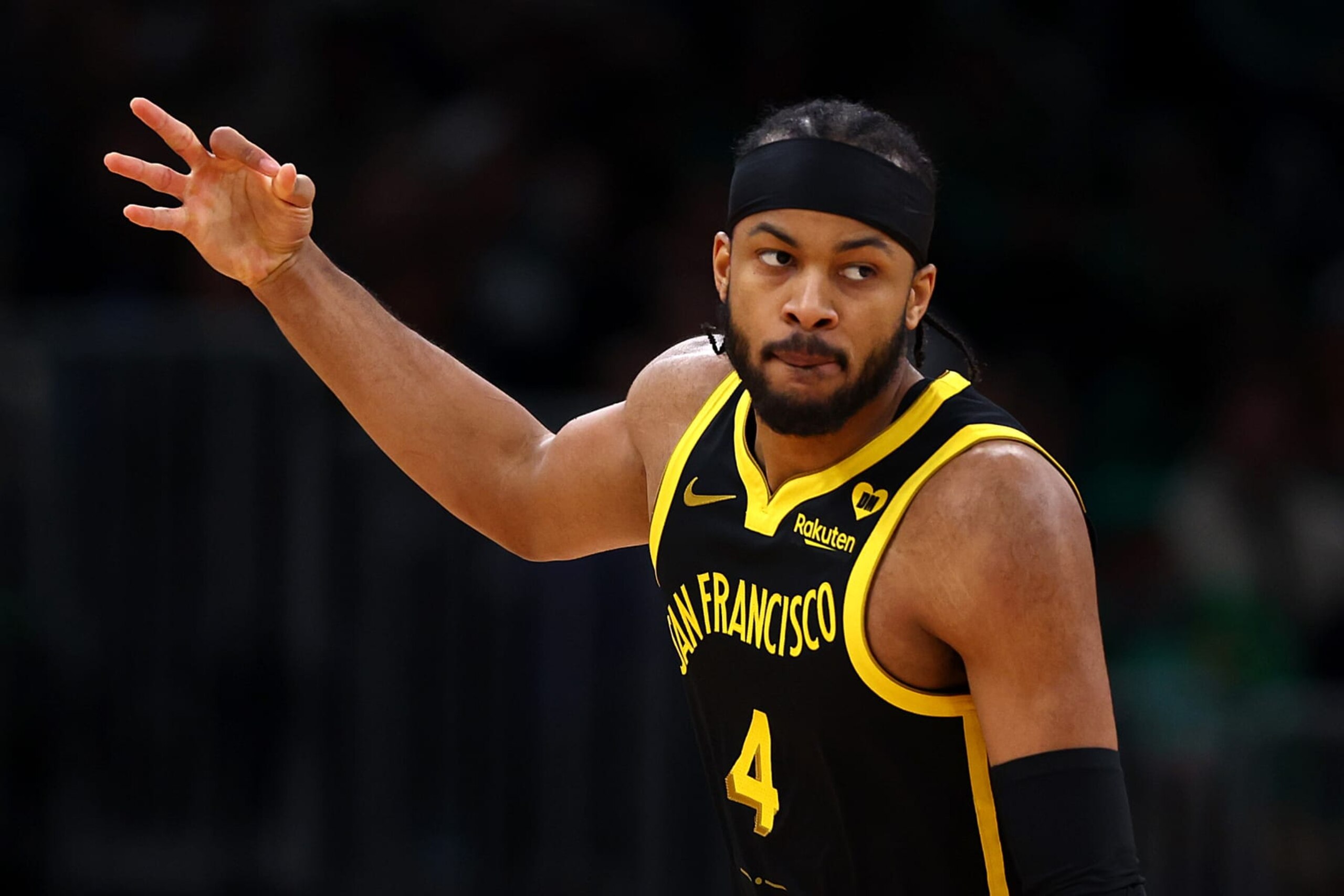
The Golden State Warriors need to decide on Klay Thompson's future this offseason. The veteran may re-sign or leave in free agency.
Regardless, Moses Moody has struggled to carve out a larger role for head coach Steve Kerr.
Golden State has eyes on reducing one of the highest payrolls in the NBA, but it may still extend Moody if the price is right. Unfortunately, his production may not warrant a large enough offer to bypass free agency.
Current averages (56 games, eight starts): 17.0 minutes, 7.9 points, 3.0 rebounds, 32.7 percent from three
Closest comp: Aaron Nesmith, Josh Green, Payton Pritchard
Expectation: The Warriors might lowball Moody in the $8 million per year range, while Moody may seeking closer to $11-13 million per year.
No. 13: Chris Duarte, Sacramento Kings
15 of 26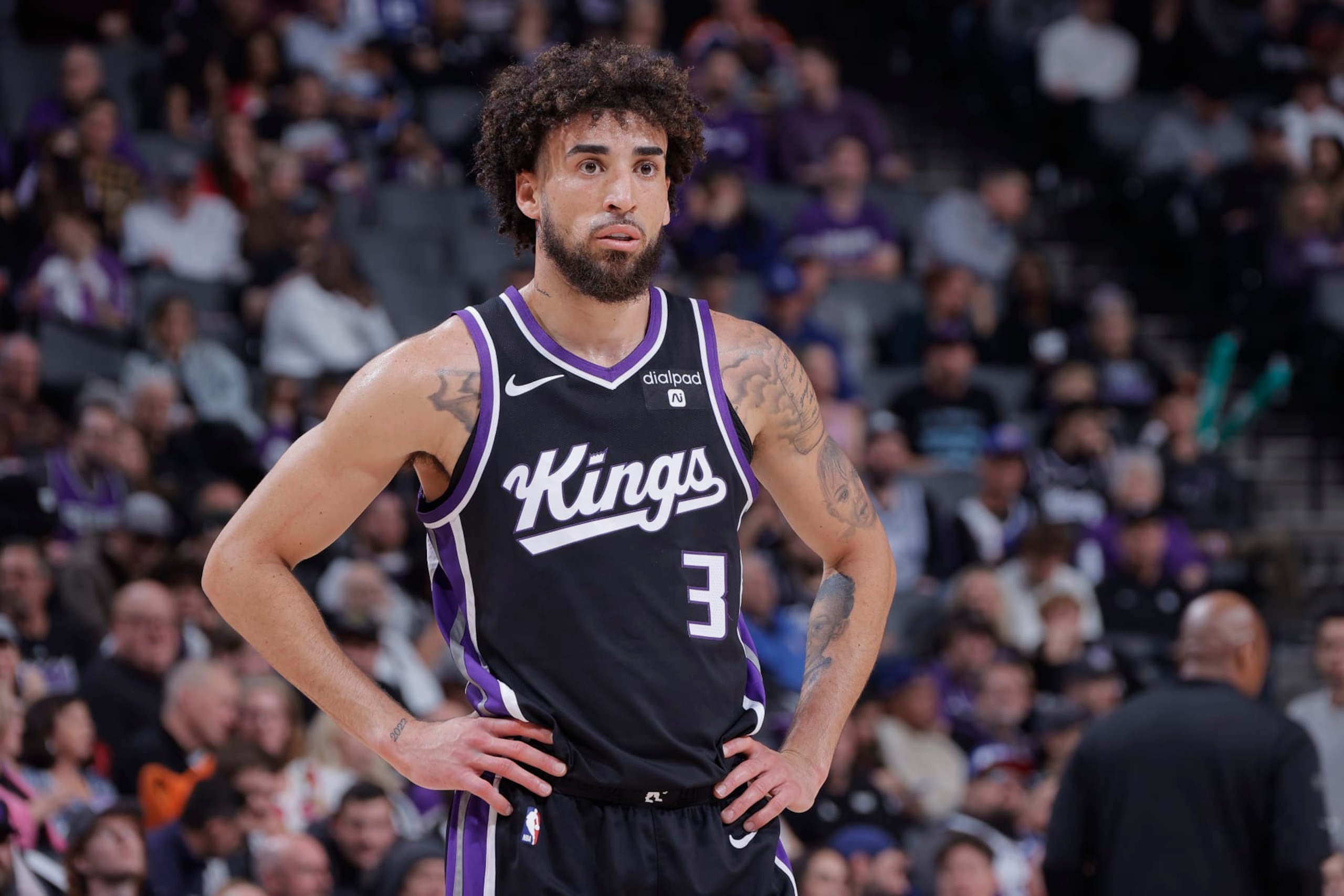
After a promising rookie season, Chris Duarte fell out of favor with the Indiana Pacers. The Sacramento Kings acquired him for a pair of second-round picks this past offseason, but he's now in a logjam with De'Aaron Fox, Malik Monk, Kevin Huerter, Keon Ellis, Keegan Murray and Davion Mitchell.
With Monk set to hit free agency this summer, Sacramento may need to reevaluate its guard/wing rotation moving forward.
Current averages (52 games, 11 starts): 13.1 minutes, 4.3 points, 1.9 assists, 35.6 percent from three
Closest comp: Payton Pritchard or Zeke Nnaji
Expectation: No deal.
No. 10: Ziaire Williams, Memphis Grizzlies
16 of 26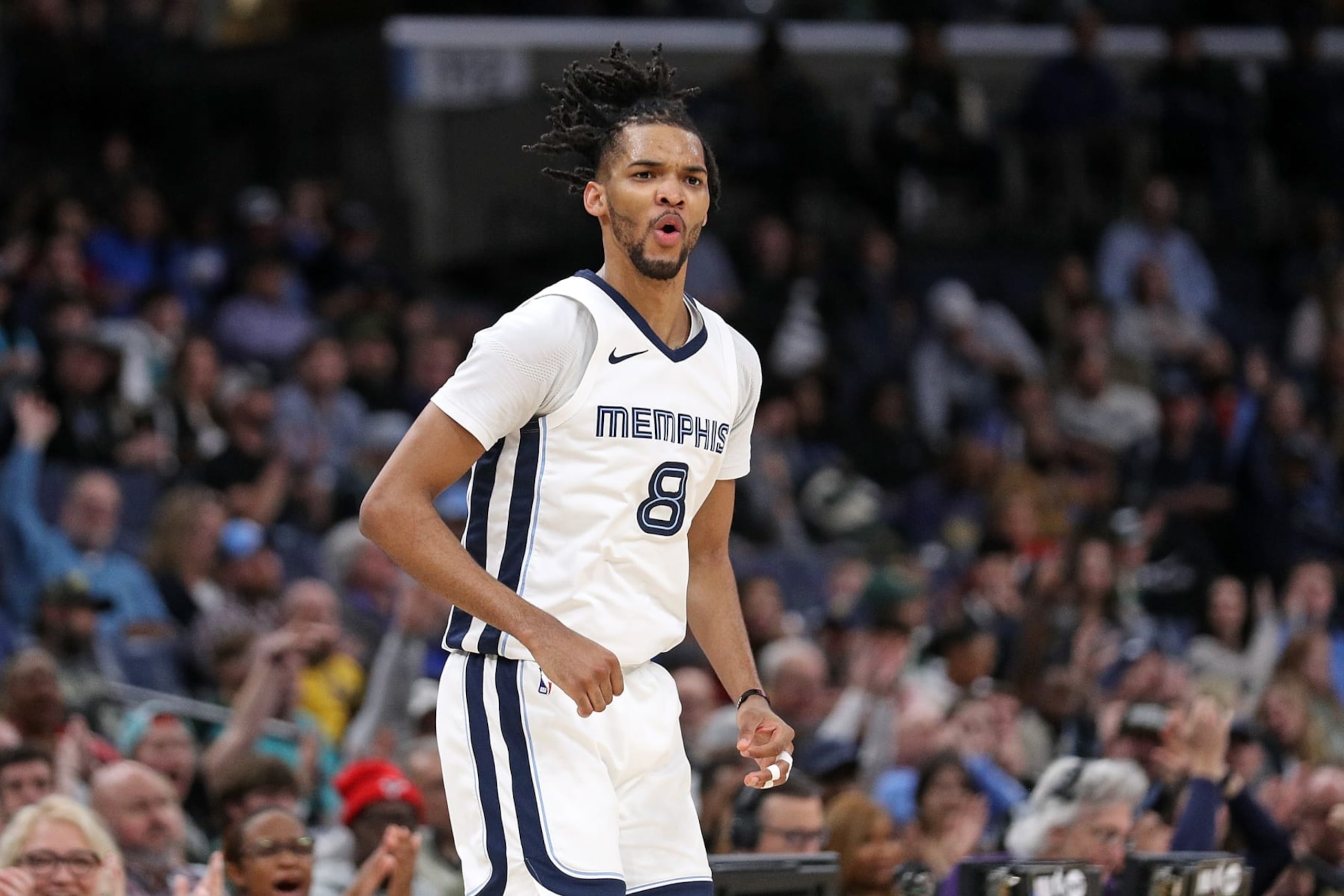
Ziaire Williams is a gifted athlete, but he hasn't developed enough as a shooter. The Memphis Grizzlies have been generous with their rookie-scale extensions in recent years, but that might not continue this offseason.
Memphis' payroll is already too high for a team that was terrible this year, even though most of that can be chalked up to injuries and Ja Morant's suspension.
Current averages (51 games, 15 starts): 20.4 minutes, 8.2 points, 3.5 rebounds, 30.7 percent from three
Closest comp: Aaron Nesmith without the defense and shooting?
Expectation: Has Williams done enough to lock in a new deal? Probably not.
No. 9: Davion Mitchell, Sacramento Kings
17 of 26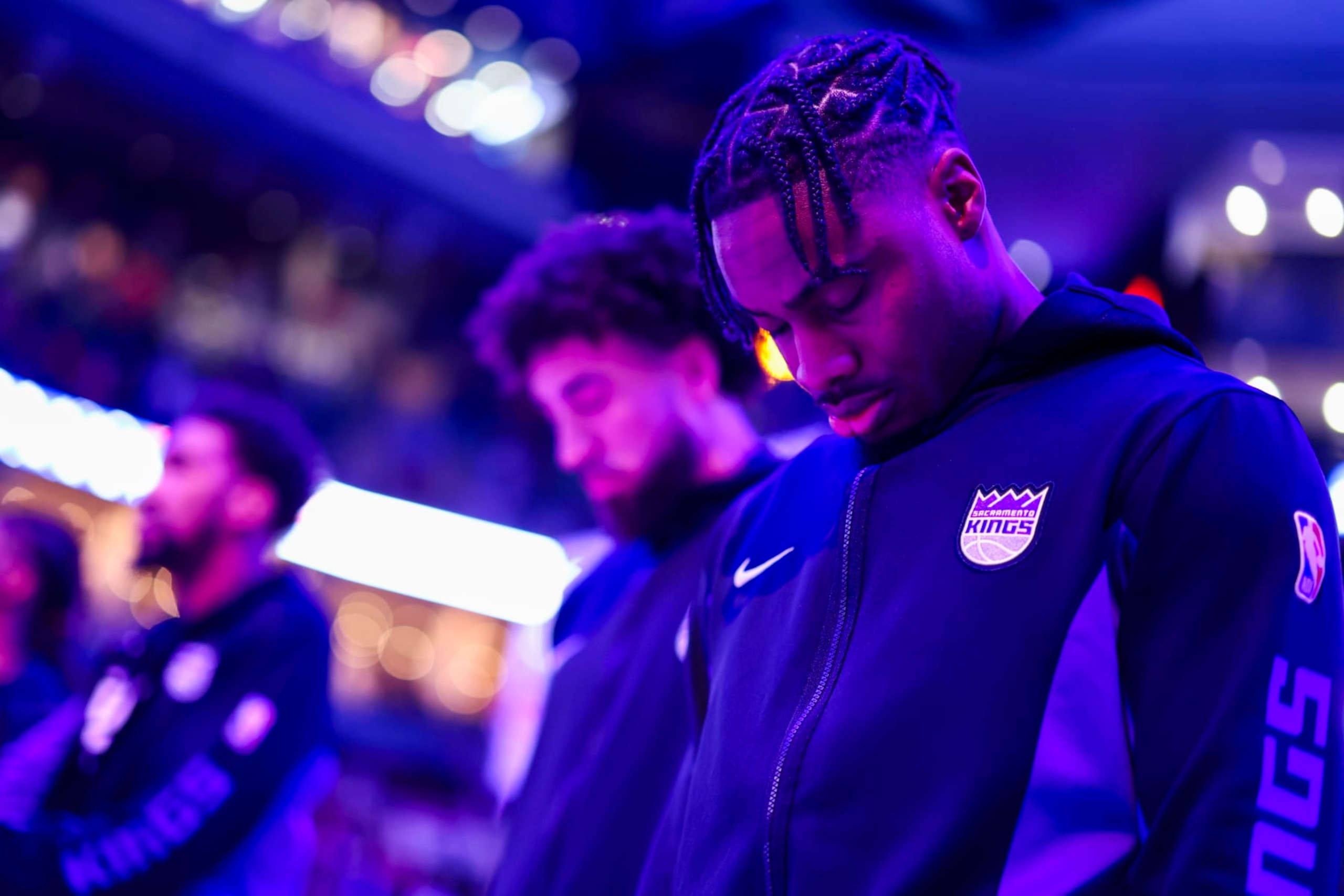
Davion Mitchell is a steady backup who fights defensively for the Sacramento Kings.
Malik Monk's potential departure in free agency this offseason (or his new contract with the Kings) could impact how much the Kings are willing to give Mitchell in an extension.
Current averages (62 games, four starts): 14.0 minutes, 4.6 points, 1.7 assists, 34.4 percent from three
Closest comp: Payton Pritchard, Zeke Nnaji
Expectation: There's a reasonable chance Mitchell gets a small extension in the range of $7.5-8 million per year.
No. 8: Franz Wagner, Orlando Magic
18 of 26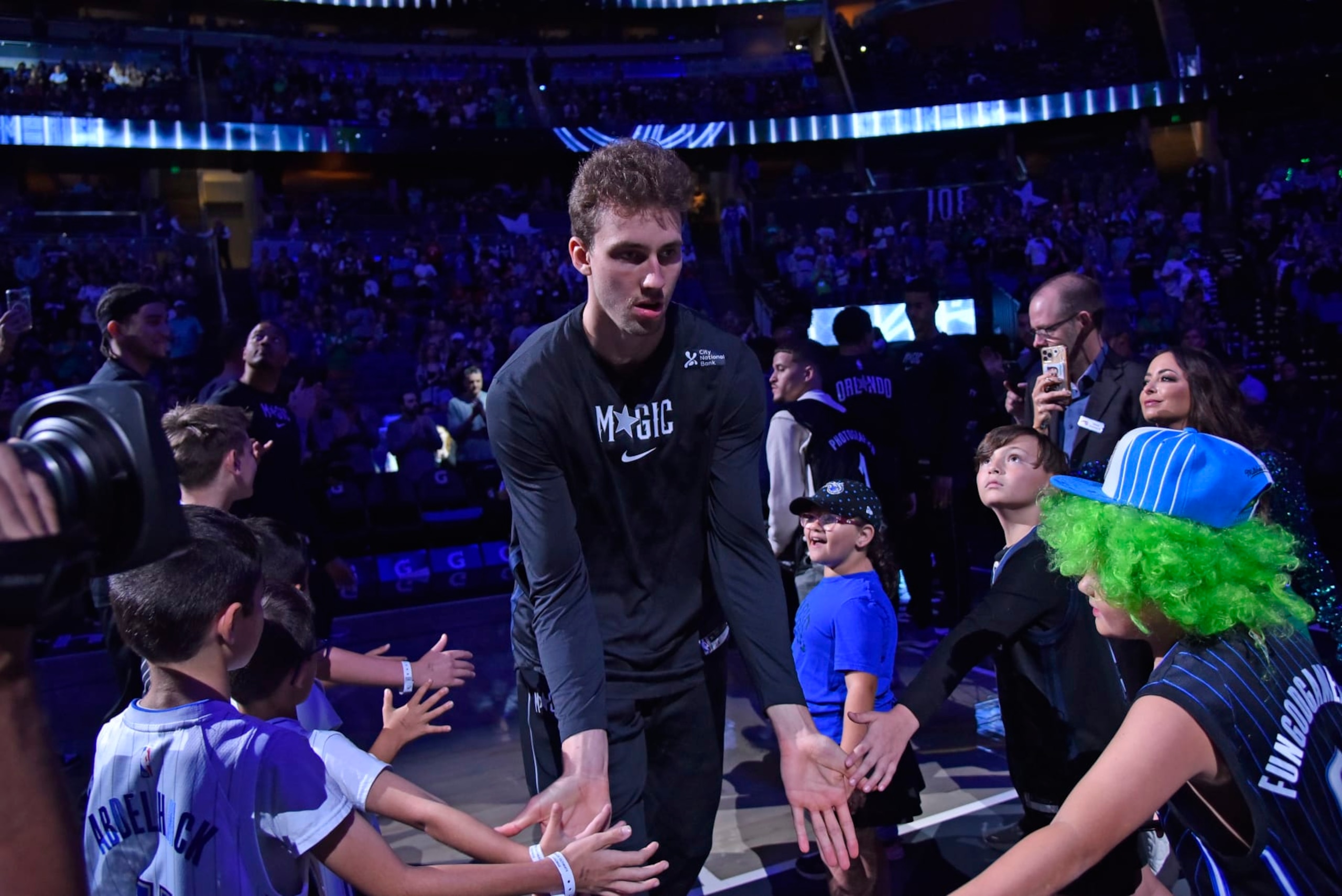
Franz Wagner is a cornerstone piece for the Orlando Magic with Paolo Banchero and Jalen Suggs. He's averaging just under 20 points per game and is a significant part of the team's leap in the Eastern Conference.
Will Wagner reach the heights of players like Tyrese Haliburton, Anthony Edwards and LaMelo Ball? Are teams obligated to max out their best players under the new CBA?
At least Wagner is helping his team to the playoffs like Haliburton and Edwards, but he'll be an interesting test case of the NBA's evolving economy.
Current averages (64 games, 64 starts): 32.7 minutes, 19.8 points, 5.4 rebounds, 28.8 percent from three
Closest comp: Devin Vassell, Desmond Bane (although both are far better three-point shooters than Wagner)
Expectation: Near-max, similar to Bane.
No. 7: Jonathan Kuminga, Golden State Warriors
19 of 26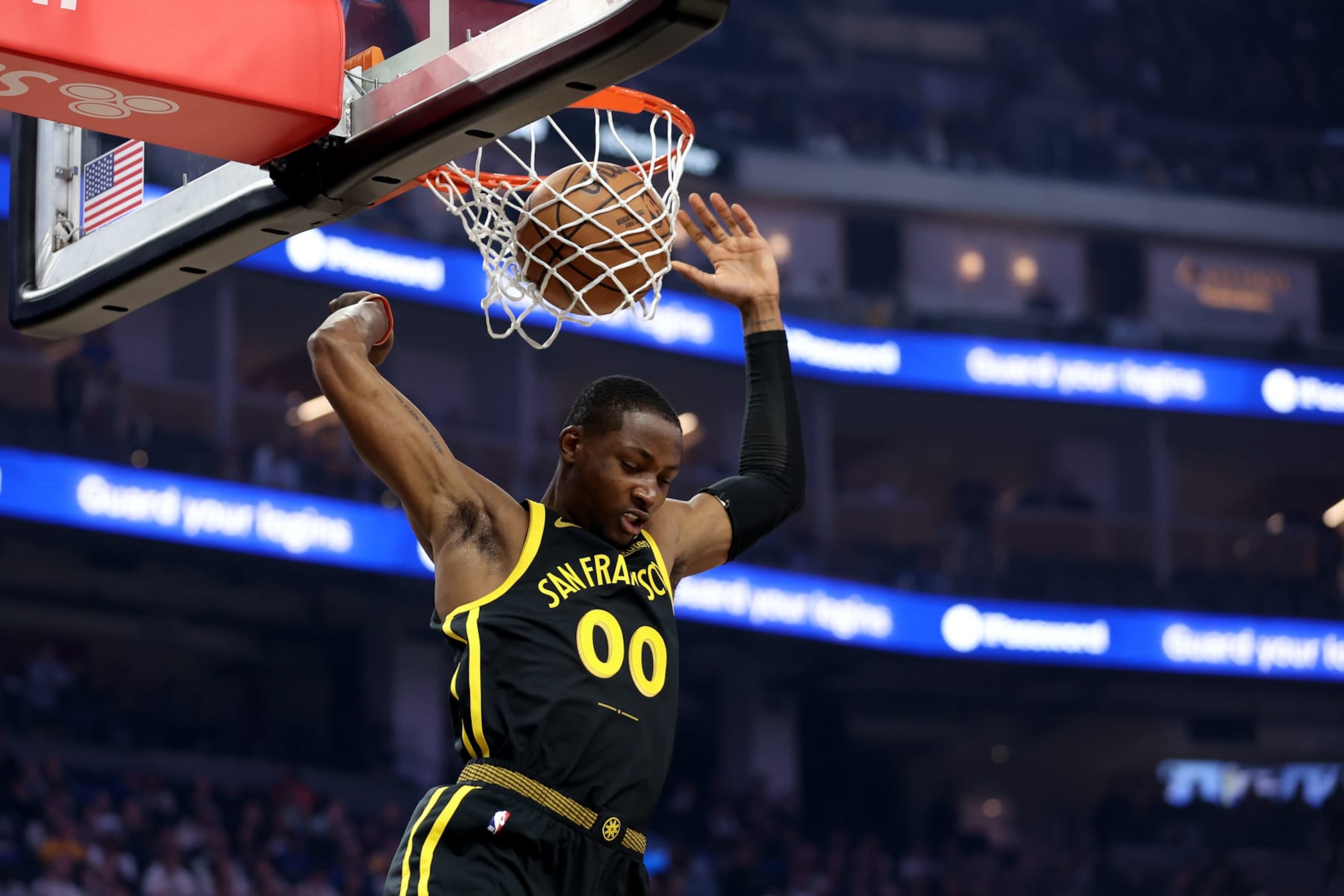
The Golden State Warriors are trying to keep their aging roster fresh with explosive, young athletes. Jonathan Kuminga finally clicked in his third year, becoming one of the roster's more valuable players.
The more difficult question to answer is how much the Warriors are willing to pay him.
If anything, Kuminga is in a similar boat as Atlanta Hawks forward Jalen Johnson. The Warriors may wait to extend him until the market is set.
Current averages (70 games, 44 starts): 26.3 minutes, 16.3 points, 4.8 rebounds, 52.9 percent from the field
Closest comp: Jalen Johnson (who could be over $20 million per season)
Expectation: If the price is too high to extend Kuminga, the Warriors might let him become a restricted free agent. They'll likely want to avoid the mistake they made with Jordan Poole, but there's potential for a Kuminga extension.
No. 6: Josh Giddey, Oklahoma City Thunder
20 of 26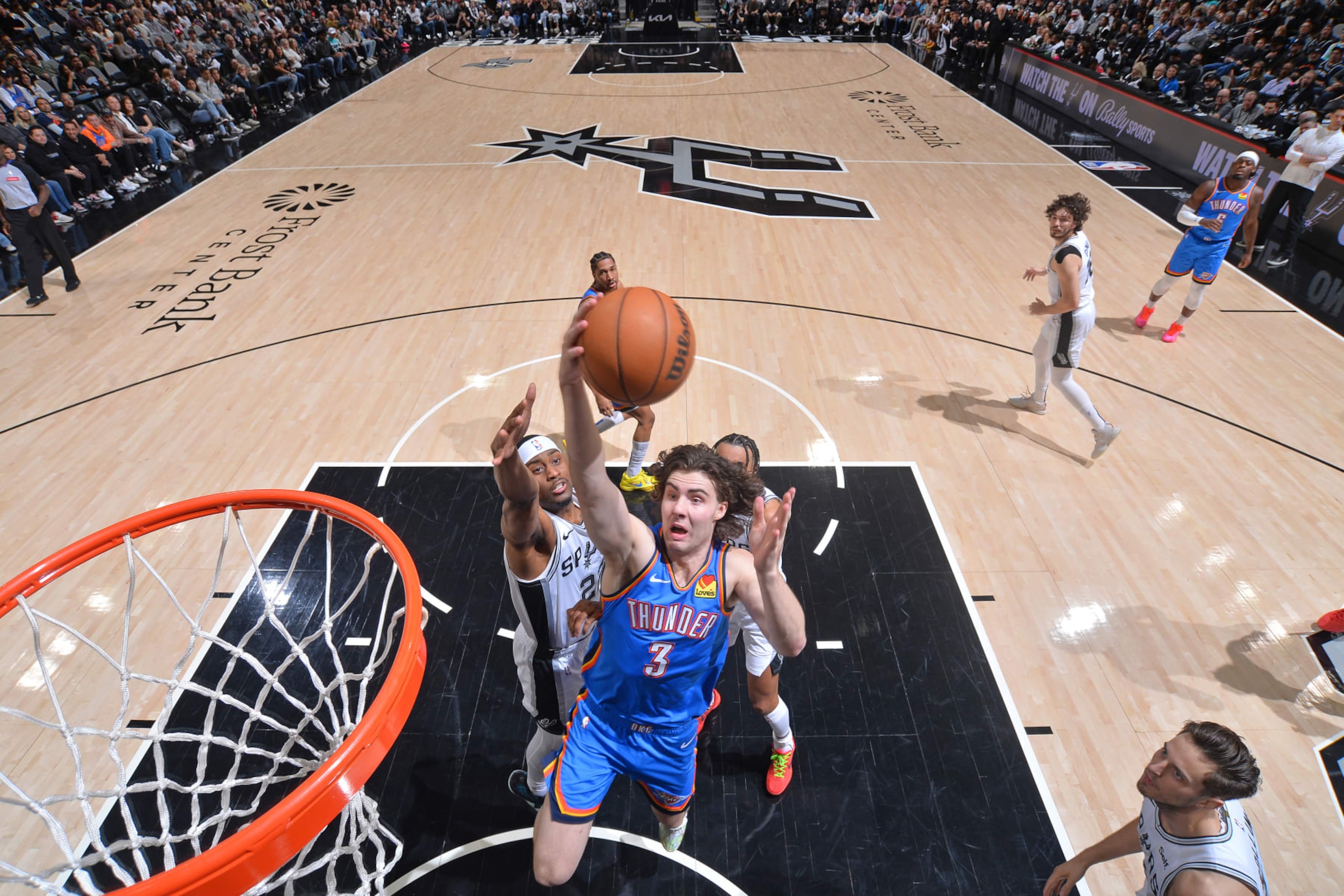
The Oklahoma City Thunder have built patiently, but the bills are coming due. Shai Gilgeous-Alexander is at a max salary, but Josh Giddey will become extension eligible this summer. He's difficult to price and has something in common with Jaden McDaniels as an integral part of a greater whole.
Giddey takes significant pressure off Gilgeous-Alexander when defenses try to target the All-Star guard. He needs to improve as a shooter, but his height and vision make him integral to what's working in Oklahoma City.
Current averages (71 games, 71 starts): 24.8 minutes, 12.0 points, 6.2 rebounds, 4.5 assists
Closest comp: McDaniels
Expectation: There's a compromise to be worked out for Giddey this offseason.
No. 5: Jalen Suggs, Orlando Magic
21 of 26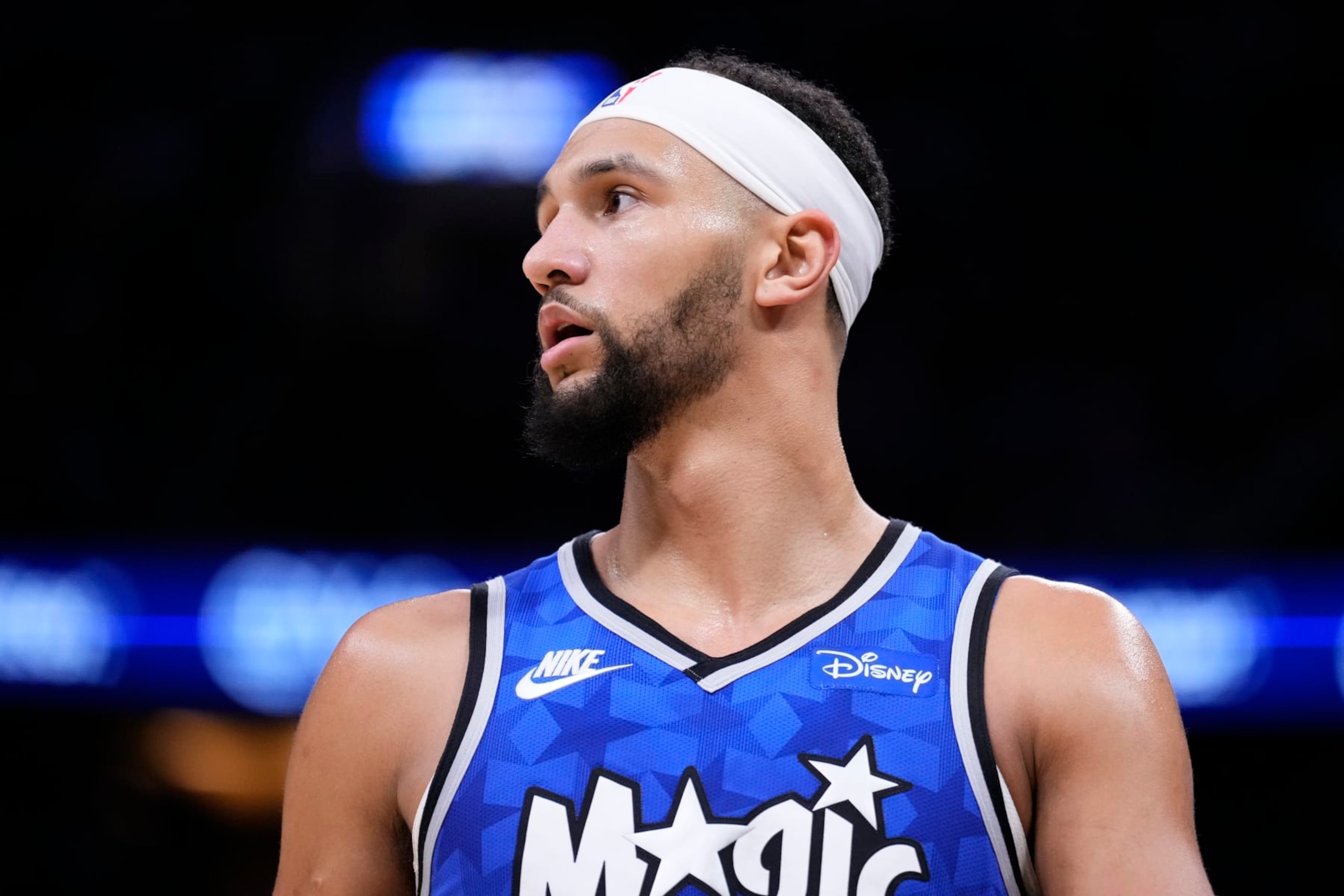
As a rookie, Jalen Suggs shot 21.4 percent from three-point range on 4.1 attempts per game. He's now nearly at the 40 percent mark.
Suggs came into the league with defensive ability, but the questions about his shooting appear to be answered.
The Magic are ahead of expectations. Locking in their emerging core should be a priority.
Current averages (65 games, 65 starts): 26.7 minutes, 12.3 points, 2.6 assists, 39.5 percent from three
Closest comp: Suggs brings the defense and shooting Jaden McDaniels provided in Minnesota before his extension. Neither is a high-volume scorer, but reliable starters who can help without the ball are valuable.
Expectation: While Suggs' representation may like the McDaniels comp, the Magic may try to get him extended below $20 million per season. It's TBD how that negotiation evolves.
No. 4: Scottie Barnes, Toronto Raptors
22 of 26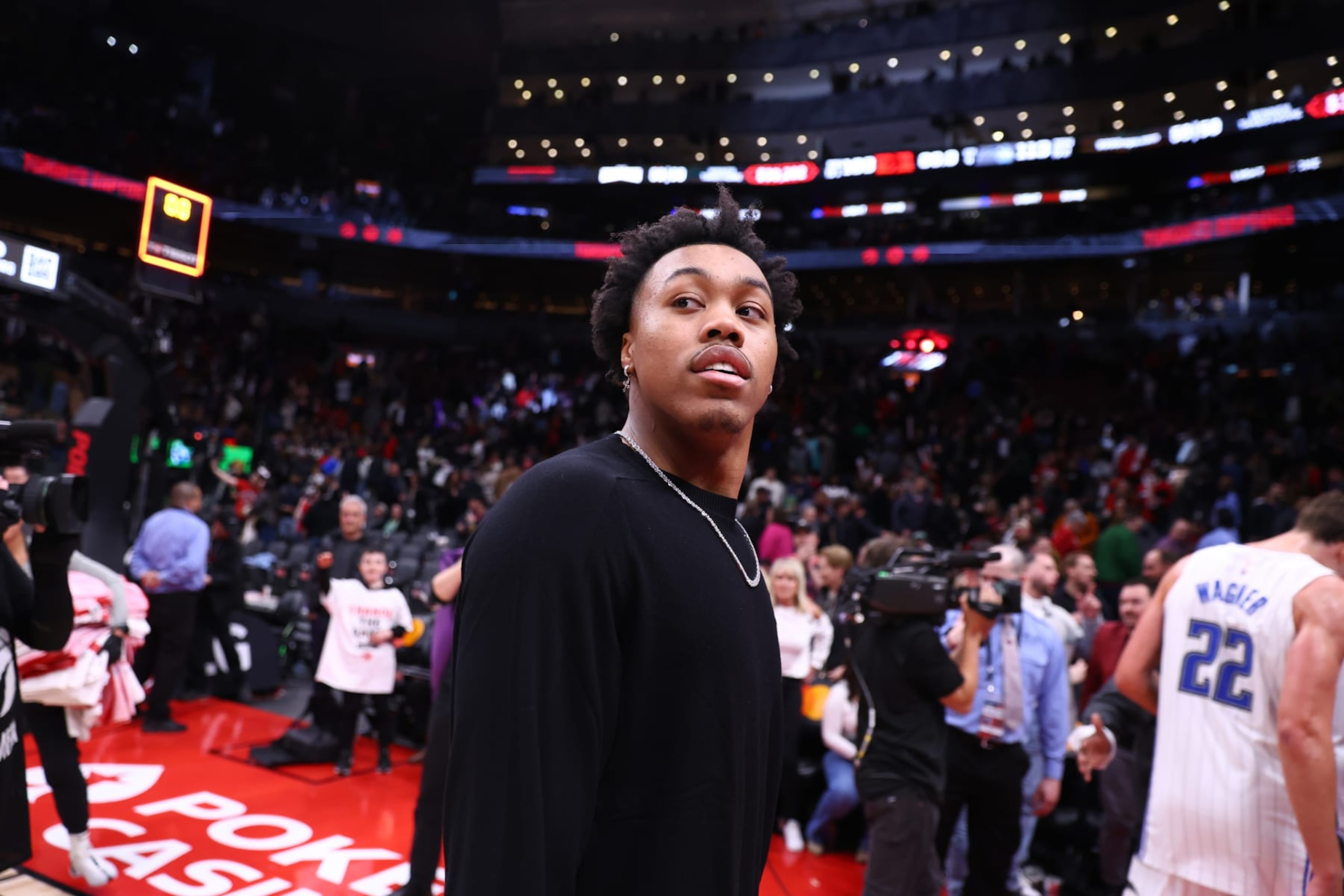
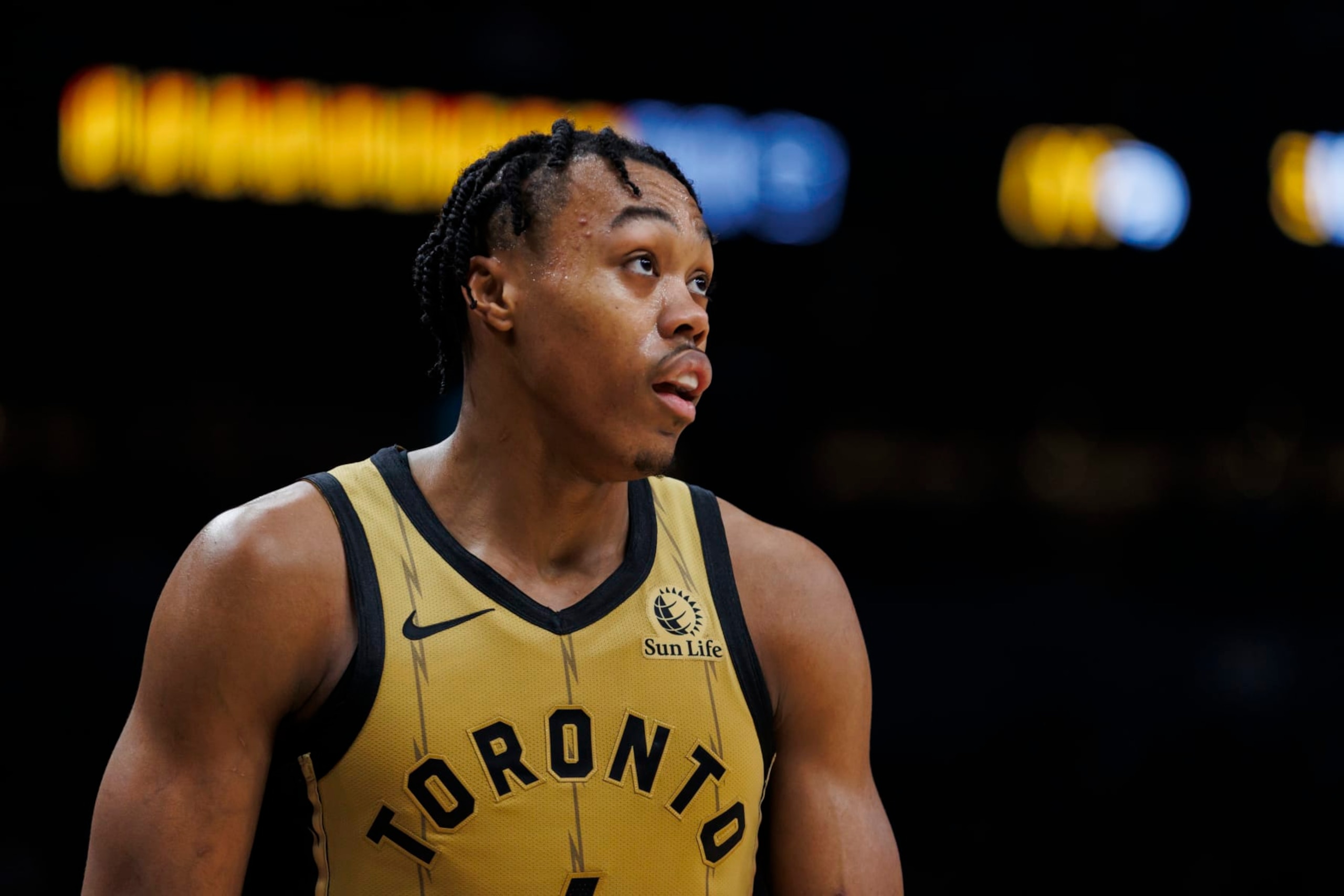
Scottie Barnes represented the Toronto Raptors in this year's All-Star Game. He's the team's best player and is still growing as a scorer and playmaker.
Toronto isn't very good yet, but there is already potential for improvement on the roster (assuming Immanuel Quickley returns).
As the team retools, Barnes will expect real money on par with the top extensions from last season.
Current averages (60 games, 60 starts): 34.9 minutes, 19.9 points, 8.2 rebounds, 6.1 assists
Closest comp: Tyrese Haliburton, Anthony Edwards, LaMelo Ball
Expectation: Barnes will undoubtedly expect the max. The Raptors may even give him a designated rookie extension, allowing him to earn up to 30 percent of the cap.
No. 3: Evan Mobley, Cleveland Cavaliers
23 of 26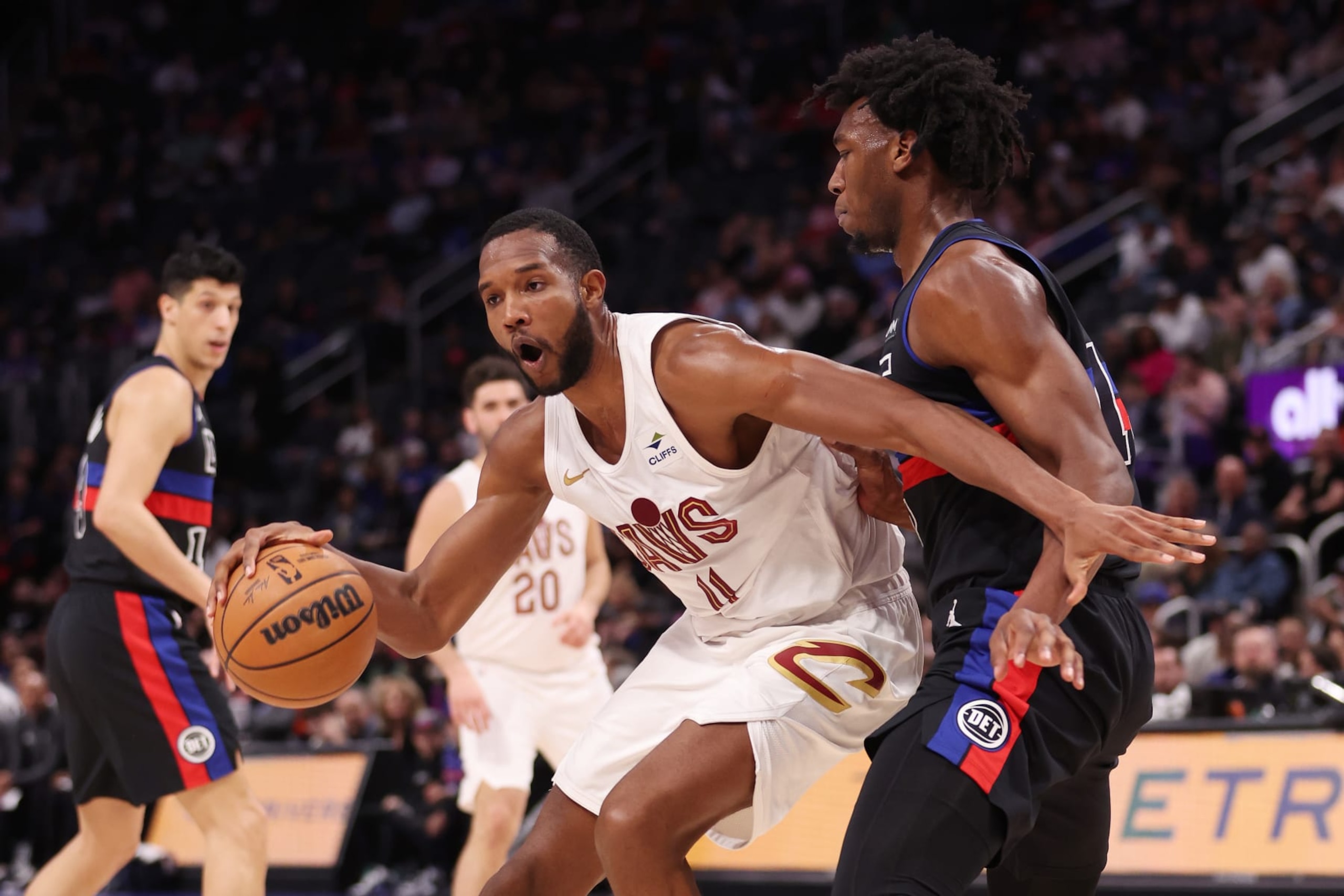
The Cleveland Cavaliers have survived various injuries this season (including a pair to Evan Mobley) to stay in playoff contention.
Their payroll could balloon in 2025-26 if they retain Mobley, Darius Garland, Donovan Mitchell, Jarrett Allen, Max Strus and others. But Mitchell can opt out and explore free agency in 2025 (or get traded before then), and Cleveland might want to know precisely how much Mobley will cost before making more difficult choices elsewhere.
Mobley is a capable scorer, a near double-digit rebounder and is still developing as a player. He's certainly in the Jaden McDaniels extension range and will probably seek even more.
Current averages (41 games, 41 starts): 30.7 minutes, 15.5 points, 9.9 rebounds, 58.0 percent from the field
Closest comp: McDaniels/Devin Vassell to Desmond Bane territory
Expectation: There's likely a compromise to be had on a lucrative extension for Mobley.
No. 2: Jalen Green
24 of 26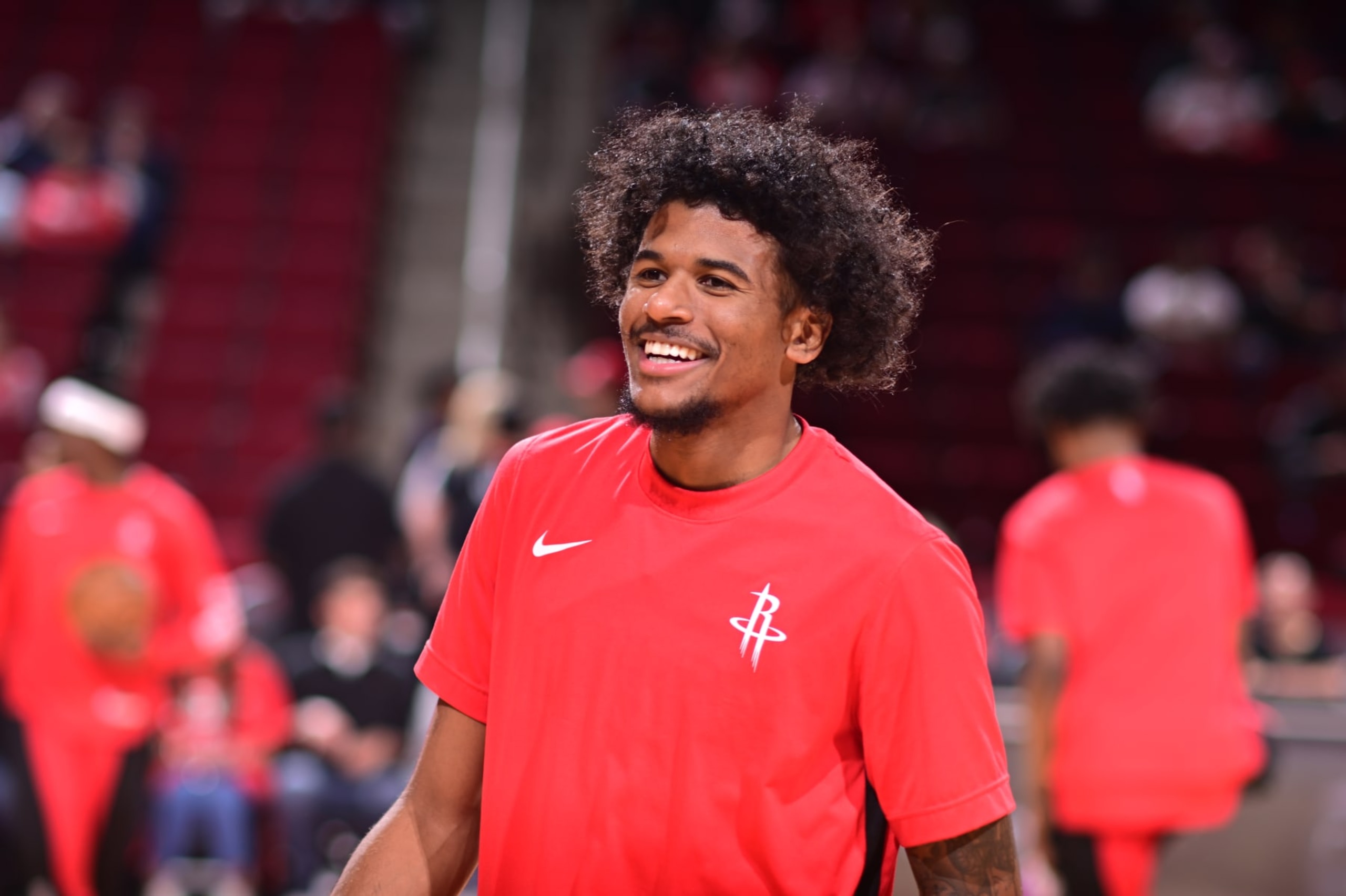
Ahead of this year's trade deadline, the Houston Rockets were reportedly open to moving Jalen Green. But some of the best deals are the ones that don't go through.
Green has stepped into a bigger role with Alperen Şengün sidelined by an ankle injury. He's a talented scorer, but is Houston convinced of his long-term potential?
Current averages (72 games, 72 starts): 31.6 minutes, 19.8 points, 5.1 rebounds, 34.0 percent from three
Closest comp: Devin Vassell/Jaden McDaniels to Desmond Bane range
Expectation: Do the Rockets believe they have a sustainable core with Şengün and Green, and if not, which one do they pick? It's certainly possible that one or both get long-term money in Houston this summer.
No. 1: Cade Cunningham, Detroit Pistons
25 of 26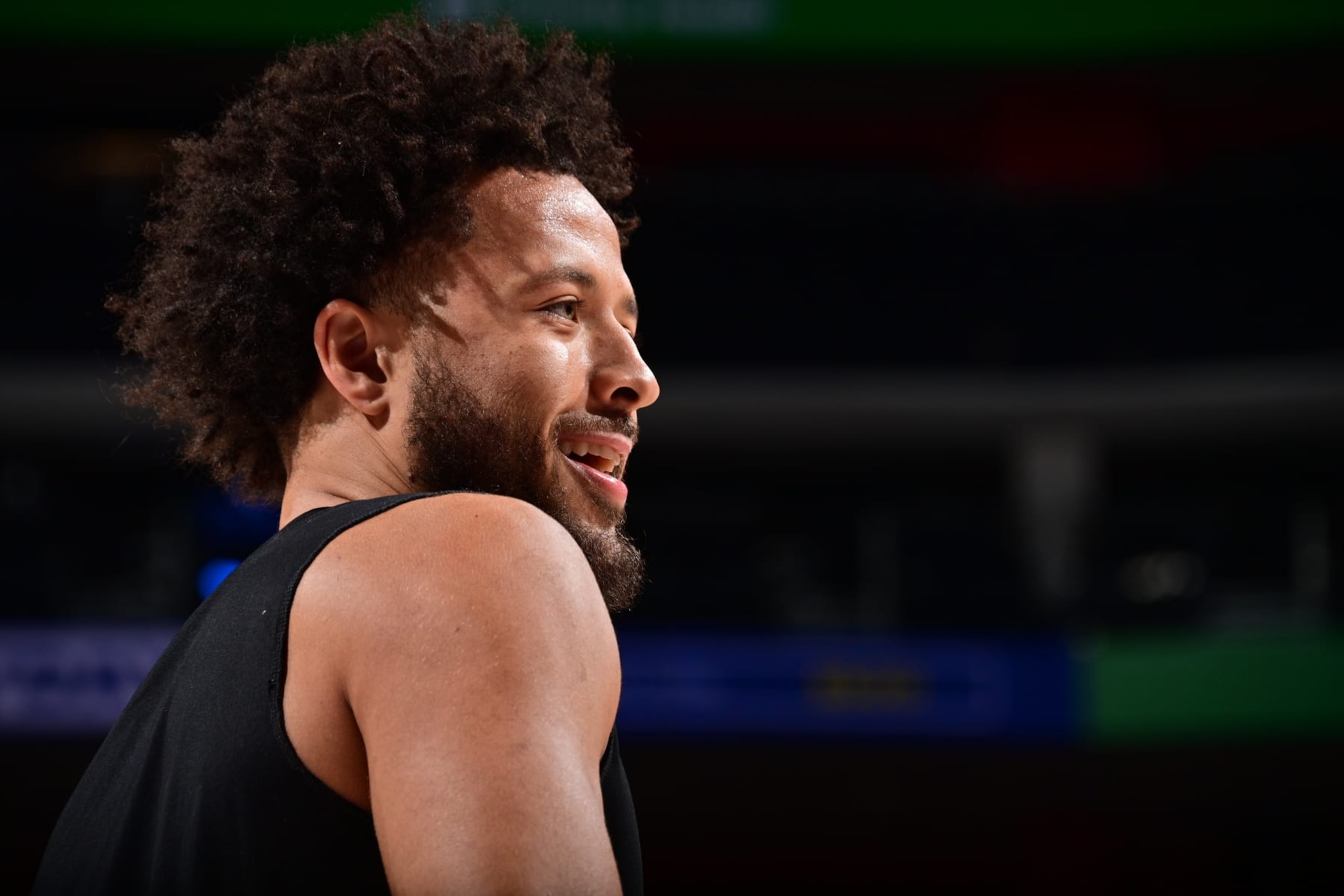
What should the Detroit Pistons do with the best player on an awful team?
Cade Cunningham's numbers are similar to LaMelo Ball's third year with the Charlotte Hornets. Neither franchise wins much, and both players have had to recover from significant injuries.
But Detroit needs a clear direction. Does that start by paying Cunningham, or should the team wait a year to gain clarity?
Current averages (60 games, 60 starts): 33.4 minutes, 22.3 points, 7.5 assists, 35.0 percent from three
Closest comp: Ball
Expectation: Cunningham may look for the same deal Ball got, but the Pistons may not be as generous as the Hornets.
Others
26 of 26
Not every player survived their first few seasons in the NBA. The Charlotte Hornets waived James Bouknight (No. 11) and Kai Jones (No. 19), and the San Antonio Spurs cut Joshua Primo (No. 12).
Some were traded and then waived, like Keon Johnson (No. 21). The L.A. Clippers traded him to the Portland Trail Blazers, who later sent him to the Phoenix Suns. The Suns waived him this past October.
The Houston Rockets dealt two players from the 2021 draft class who were subsequently waived: Usman Garuba (No. 23) and Josh Christopher (No. 24).
Email Eric Pincus at eric.pincus@gmail.com and follow him on X/Twitter @EricPincus.
.jpg?w=2560 "New 2027 NFL Mock Draft 🔮")
.jpg?w=2560 "Jury Finds Tyreek Hill Liable for 2 Battery Counts (AP)")
.jpg?w=2560 "Top Trade Targets Entering Week 6")
.jpg?w=2560 "Ravens DB Called Tua INT 🔮")