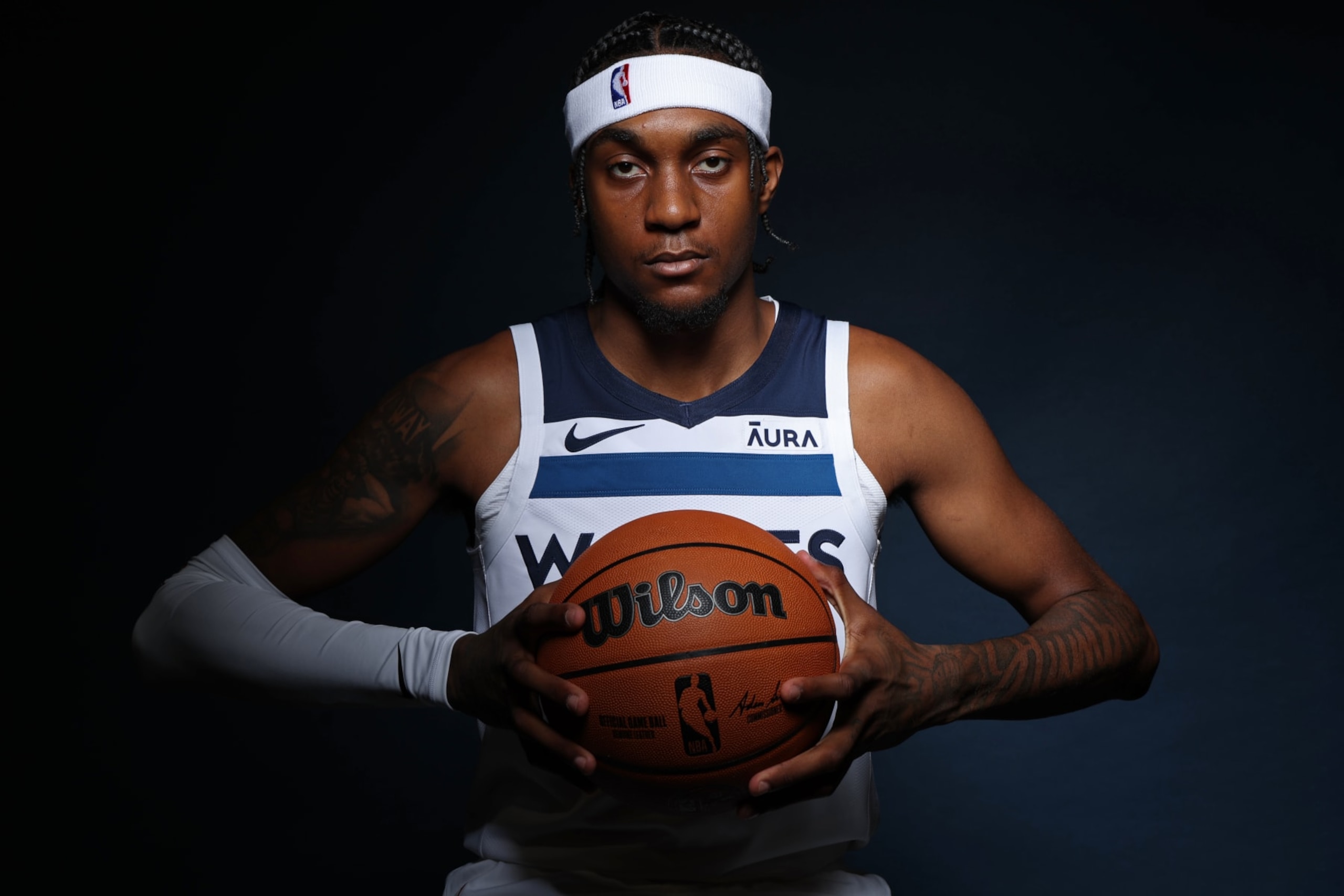


Rookie-scale extensions are the most challenging contracts to judge, because they're incredibly challenging for teams and agents to negotiate.
Nothing is based more on a "maybe" than a rookie-scale extension. Teams rarely have enough information; just three years of development before it's time to pony up a multi-year commitment.
Or don't—an NBA franchise isn't obligated to give out a rookie-scale extension. Most didn't, and many players who didn't sign will head to restricted free agency in July.
For the 2020 draft class, extension season—which began in July with massive contracts for Anthony Edwards, LaMelo Ball, Tyrese Haliburton and Desmond Bane—ended with several deals. Some were team-friendly, while others were somewhat perplexing.
How do the deals grade out, from two points of view: the team and player sides?
Guidelines
1 of 9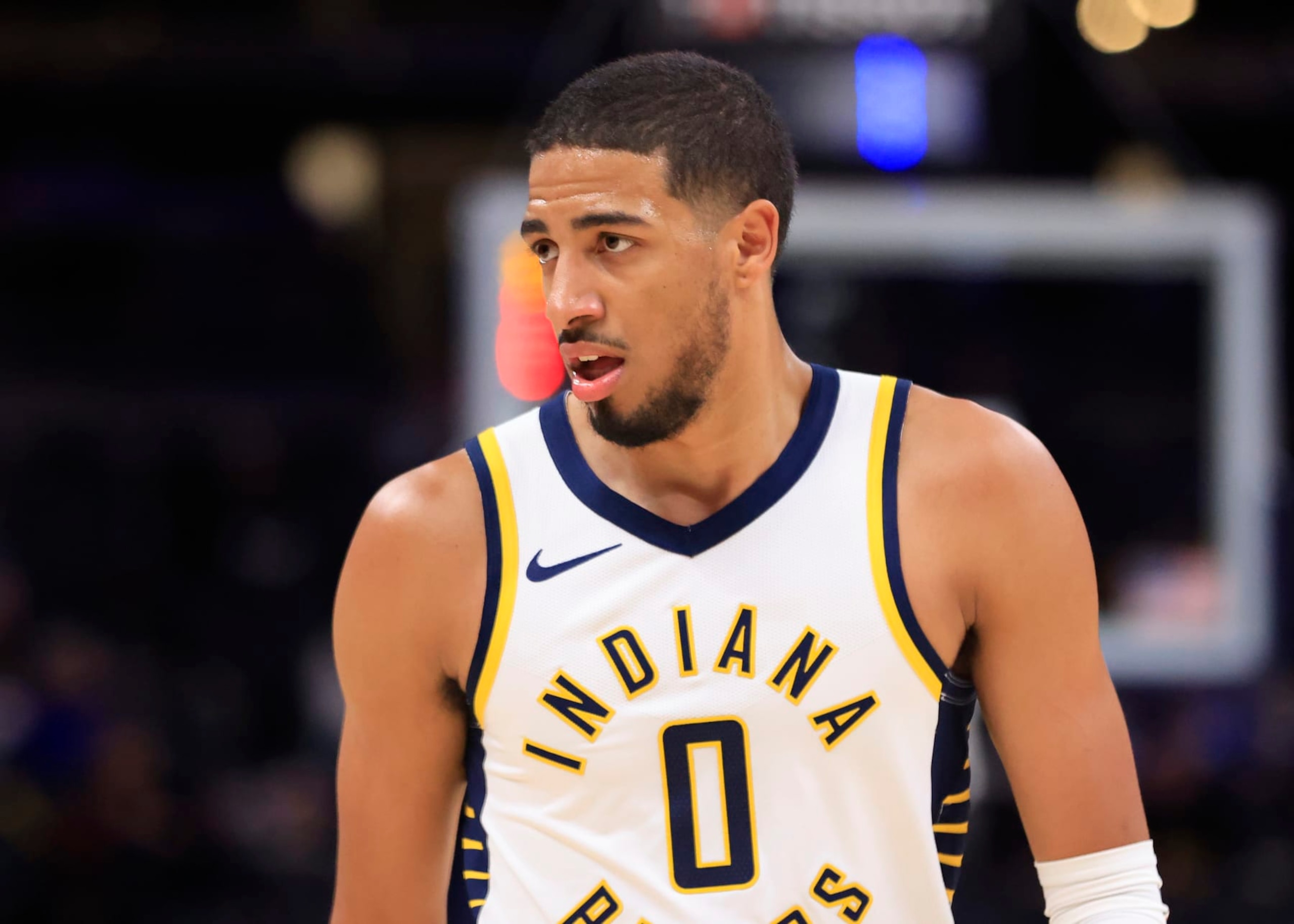
Thirty players were drafted in the first round of the 2020 NBA draft; Chuma Okeke (No. 16 in 2019) made it 31 eligible players since he waited a year to join the league.
Not everyone made it to the extension deadline, such as Jalen Smith, Leandro Bolmaro, RJ Hampton and Udoka Azubuike. Their options were declined, and they have since relocated from their original teams or are no longer in the NBA.
Under the new collective bargaining agreement rules, teams can sign as many players to five-year rookie-scale extensions (technically six, since the final year on the original contract is considered part of the extension, but five for brevity) as the team desires, at whatever salaries are negotiated. The previous agreement limited the team to just two on the books, and those contracts had to be for maximum salaries.
For eligible players who did not extend, they will be restricted free agents if their teams issue qualifying offers in June (ranging from roughly $6-$17 million depending on draft position, games started and/or minutes played).
Another team can try to pry away a restricted free agent with an offer sheet—which can't be signed until July 6—but historically, they're uncommon. This year, two players signed offer sheets (Paul Reed and Matisse Thybulle), and their respective teams (Philadelphia 76ers and Portland Trail Blazers) used their right of first refusal to keep them both.
Deandre Ayton signed an offer sheet with the Indiana Pacers a year prior, but the Phoenix Suns decided to match. No players signed offer sheets in 2021. The last team to successfully nab a player through this process was the Atlanta Hawks with Bogdan Bogdanović in 2020 when the Sacramento Kings chose not to pay him $72 million over four seasons.
Generally speaking, teams don't want to tie up their spending flexibility in a player they may not get, especially when most player movement (including agreed-to signings and trades) is locked in by July 1 or 2.
These considerations (and more) factor into negotiations and either lead to deals or stalemates.
Potential 'Supermax' Deals
2 of 9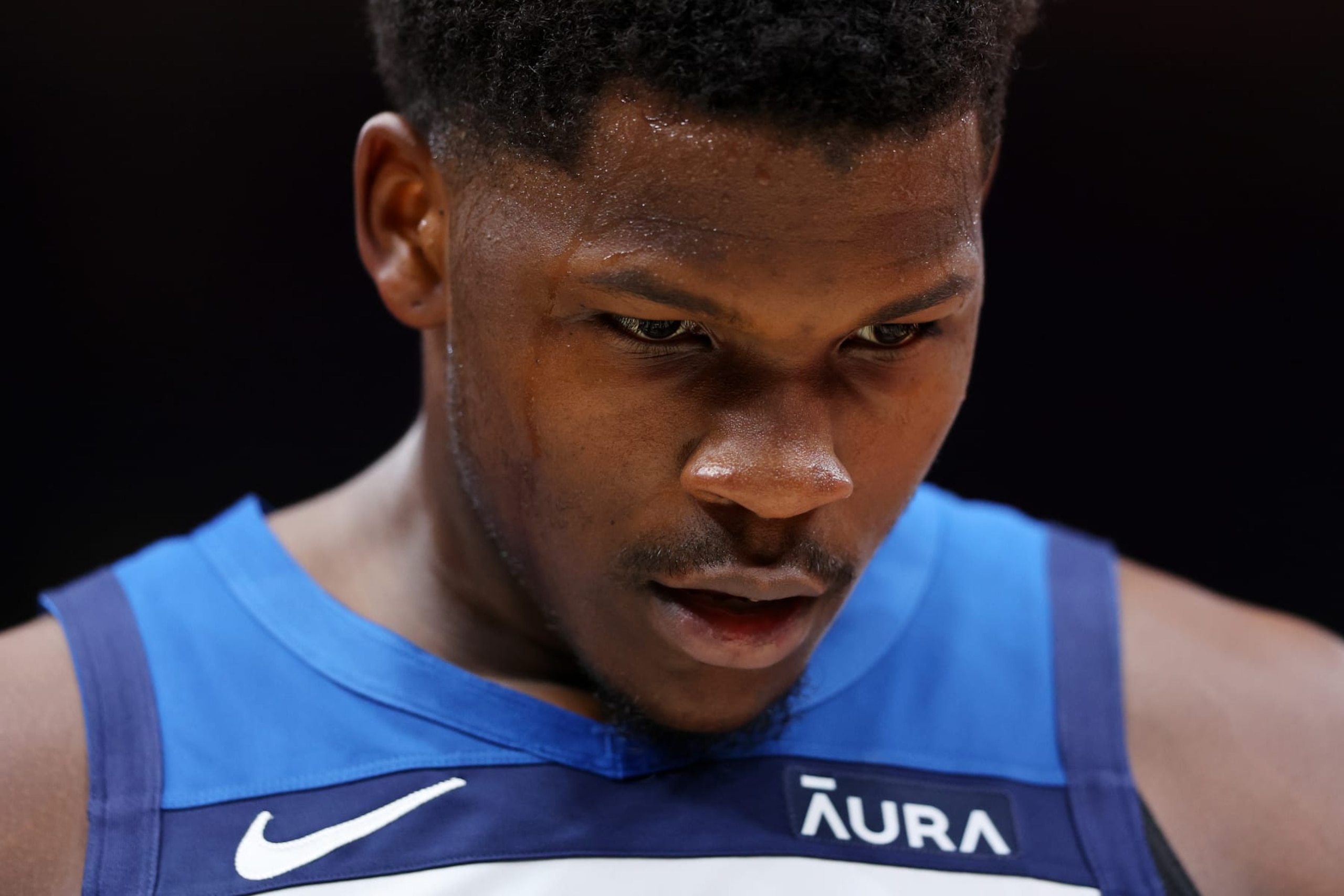
Players: Anthony Edwards (No. 1), LaMelo Ball (No. 3), Tyrese Haliburton (No. 12)
Teams: Minnesota Timberwolves, Charlotte Hornets, Indiana Pacers
Contracts: Five years at a projected $205.9 million (25 percent of the cap, with the potential to climb to 30 percent)
Extras: 15 percent trade bonuses, fully guaranteed, no options, no player incentives
Credit to the three teams for finding their franchise players (the Pacers traded for Haliburton from the Kings). Whether they can carry their clubs to future postseason success remains to be seen, but the Timberwolves, Hornets and Pacers didn't hold back in commitments to their young stars. They could have waited for restricted free agency, but the outcome would have almost certainly been the same.
It's more of a win for the players, who lock in generational wealth, with the team assuming all the financial risk. Bonus for any of the three if they win Most Valuable Player, Defensive Player of the Year or, perhaps more realistically, to one of the three All-NBA teams, which would raise their contract totals to a projected $247.1 million.
For context, it's rare for players to reach that bonus in a rookie-scale extension.
Team Grades: A-
Player Grades: A+
Bane's Near-Max Deal
3 of 9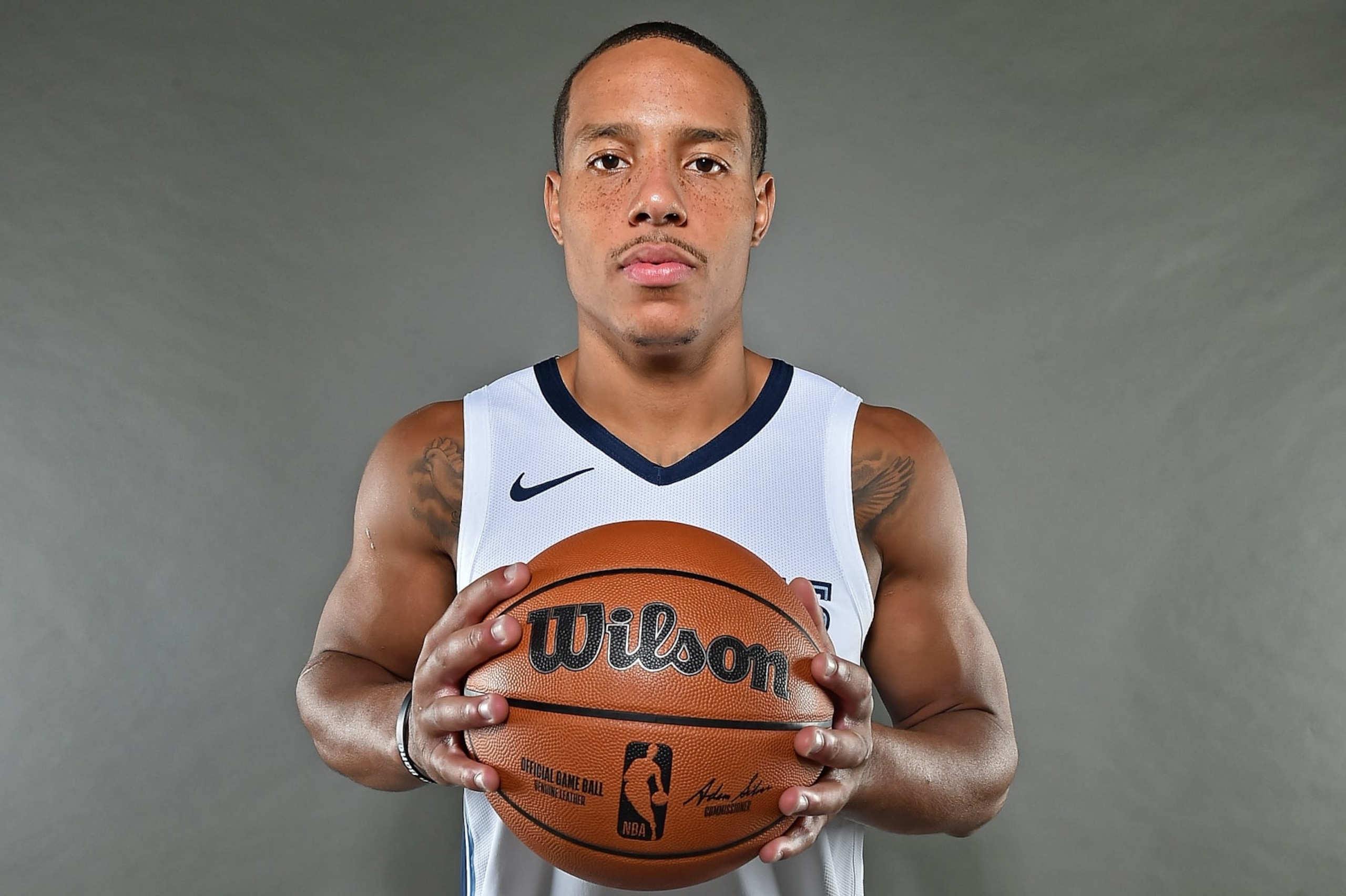
Player: Desmond Bane (No. 30)
Team: Memphis Grizzlies
Contract: Five years, $197.2-$205.9 million
Extras: 15 percent trade bonuses, fully guaranteed, no options, $8.7 million in unlikely incentives
Credit to Bane for outplaying most of his draft class. He'd go top-five in a redraft and has helped make the Grizzlies a playoff contender. He helped carry the scoring load—and will need to do the same—with Ja Morant's suspension.
While Memphis got Bane for just below the max, that's a massive commitment to a player who may have gotten an offer sheet. Respect to the Grizzlies for going for it, but again, they're assuming the risk (injuries, performance, etc.) without really testing the market. Bane may live up to his deal, but given the price, he's unlikely to exceed it.
For Bane, this is an unquestionably massive win.
Team Grade: B-
Player Grade: A
.jpg?w=2560 "NBA Gambling Charges")

Stewart and the Mid-Tier
4 of 9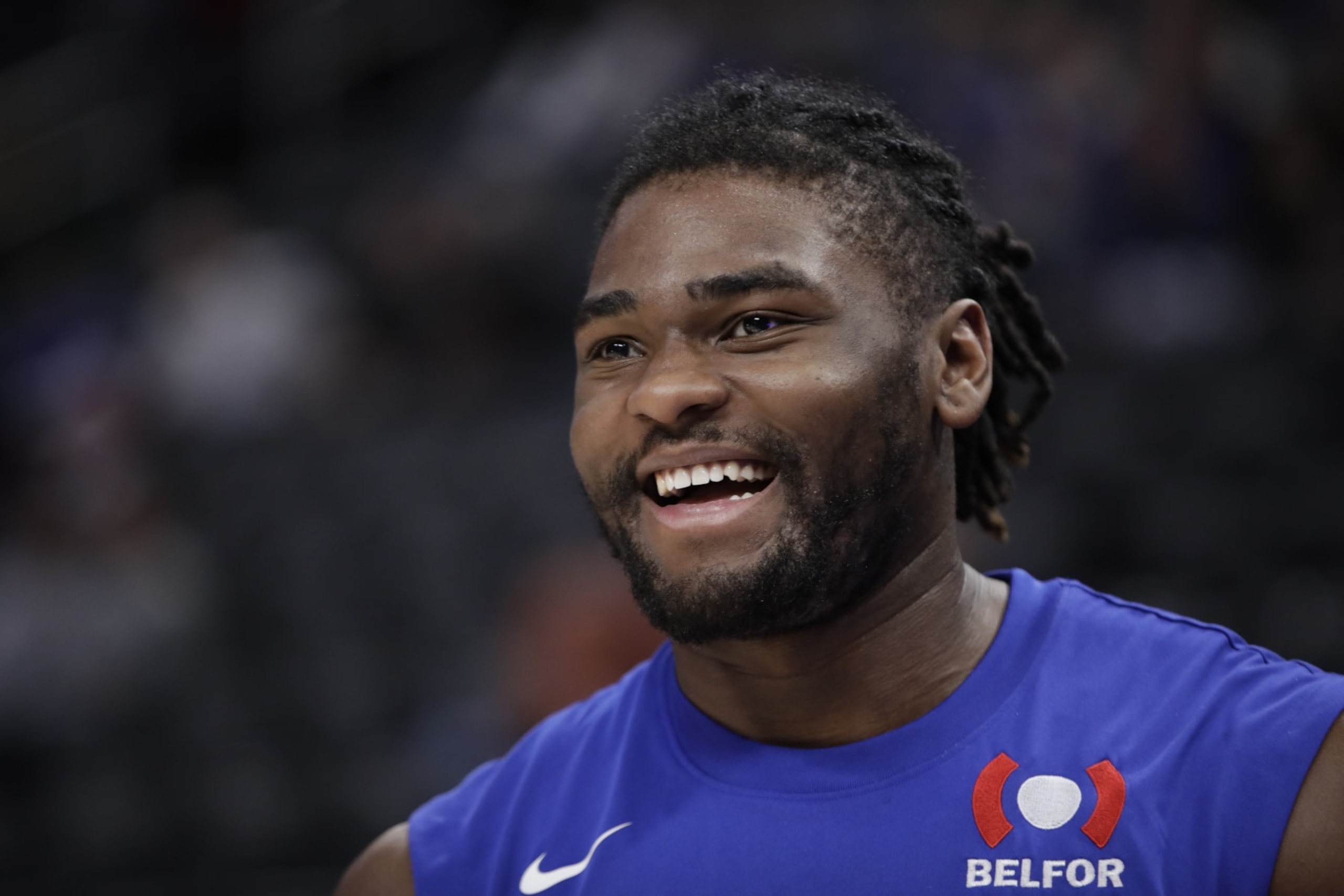
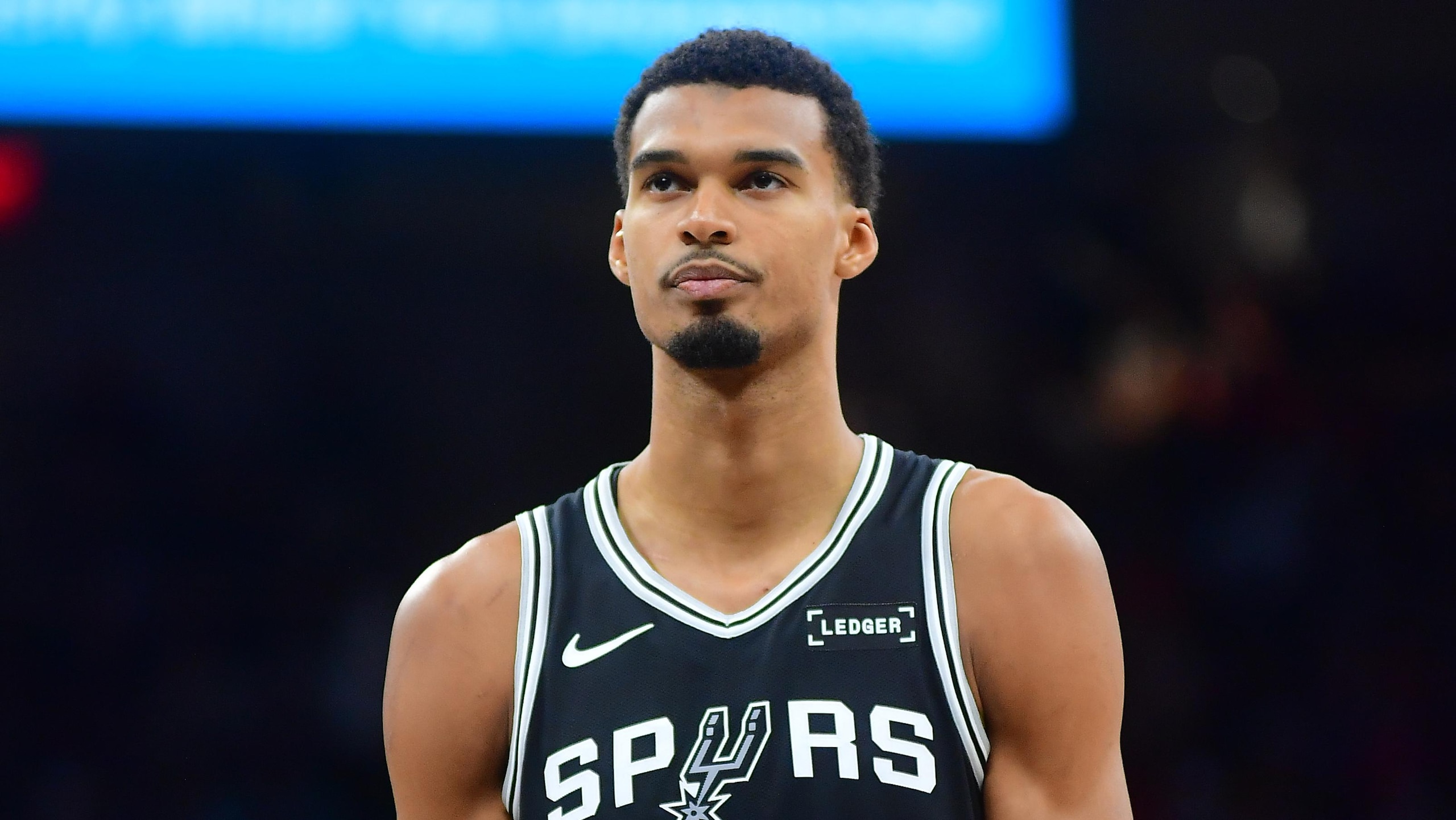
Player: Isaiah Stewart (No. 16)
Team: Detroit Pistons
Contract: Four years, $60-$64 million
Extras: Team option on final season, $4 million in unlikely incentives
Stewart agreed to an early extension, signing on July 11 with the Pistons to a 3- to 4-year deal. He's guaranteed at least $45 million—a $15 million average—or as much as $60-$64 million if he hits his incentives and the team doesn't opt him out before the 2027-28 season.
When a player waits to explore an offer sheet in restricted free agency, he might draw interest from teams with cap space who can spend at a high level. But few have significant spending power each season, and that money rarely goes toward a restricted free agent.
The next-largest spending tool is the non-taxpayer mid-level exception (NTMLE), which projects to start at $12.95 million next season. A four-year NTMLE offer sheet for Stewart would be roughly $55.7 million. Unless he blows up this season, that probably would have been his market in July 2024.
The extension represents a compromise, where the Pistons get a team option to get out early if they choose—and Stewart got about 7.7 percent above next year's NTMLE. But player option instead of team would have given the 22-year-old a higher grade.
Team Grade: B+
Player Grade: B-
Vassell Sets the Market
5 of 9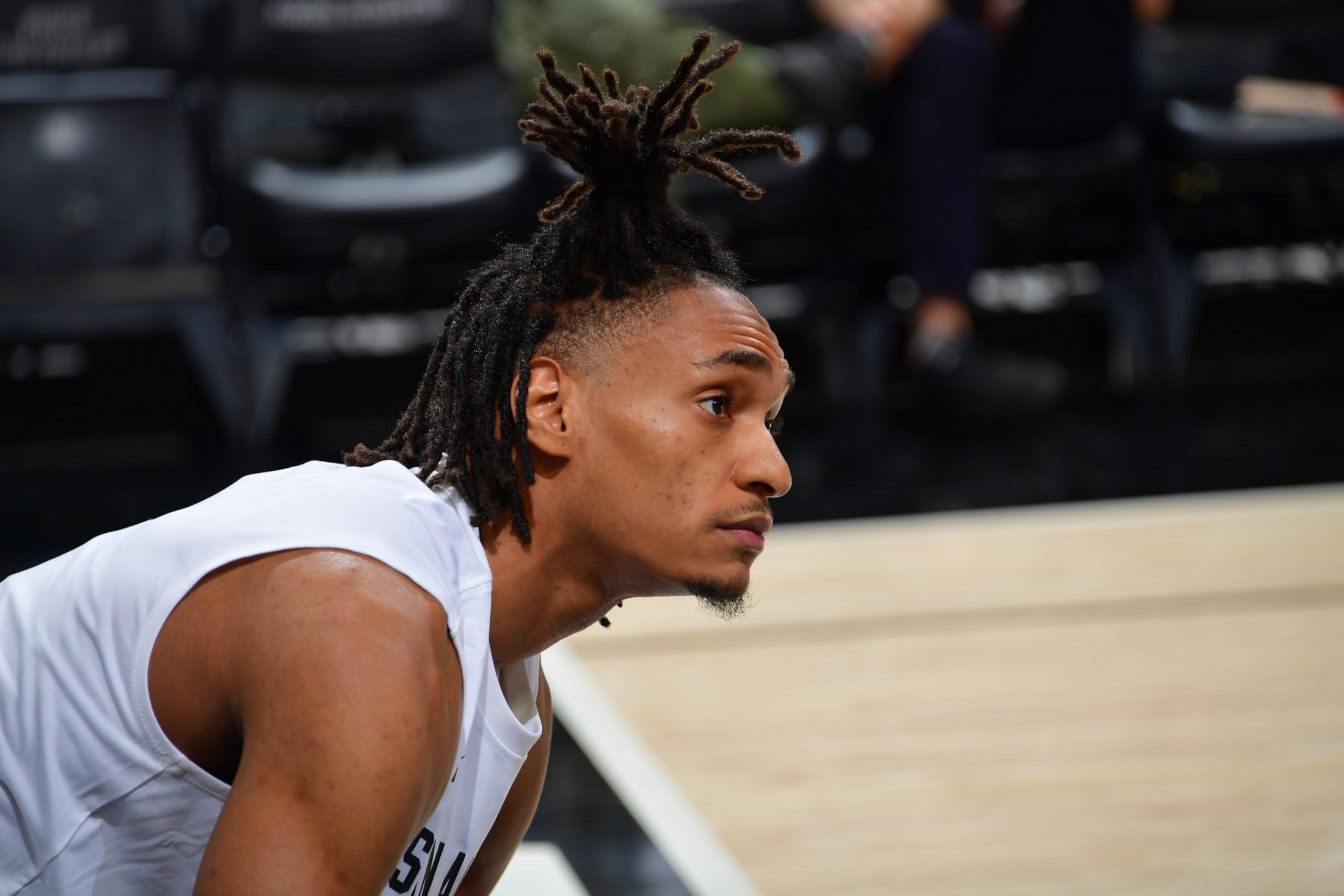
Player: Devin Vassell (No. 11)
Team: San Antonio Spurs
Contract: Five years, $135-$146 million
Extras: $11 million in unlikely incentives
The market dried up for almost three months after Stewart signed with Detroit, until the Spurs reached a deal with Vassell in early October. The guard got a rich deal after playing just 38 games last season with knee issues, but the franchise was also tanking heavily for a successful run at Victor Wembanyama (No. 1 in June).
The first batch of extensions were max, near-max or roughly the NTMLE. Vassell was the one who set the market for those who remained and likely led to greater contract demands from some of the players who ultimately didn't sign.
This is where the negotiations get tricky. Teams and agents trade figures and stats—similar to real estate comps looking at previous years' rookie-scale extensions. Vassell's likely annual salary ($27 million) is on par with Jordan Poole's (when adjusting for inflation, a climb of 10 percent from last year's salary cap). Poole received a four-year deal with the Golden State Warriors, the longest allowed non-max deal under prior rules, but was traded to the Washington Wizards this summer.
It's a significant commitment for a player with tremendous talent. The Spurs could have waited for restricted free agency. One negative could be the relationship with the player, something the franchise may have learned with Kawhi Leonard—who didn't get extended, so the team would have the flexibility to bring in veteran LaMarcus Aldridge later. After signing a new contract with the Spurs, Leonard pushed for a trade and was dealt to the Toronto Raptors, where he won a title.
The Spurs invested in continuity and harmony to build a positive environment around Wembanyama. But many around the league (team executives, agents) were surprised at the size of the Vassell extension.
Team Grade: C+
Player Grade: A
Pritchard and the Mini-Market
6 of 9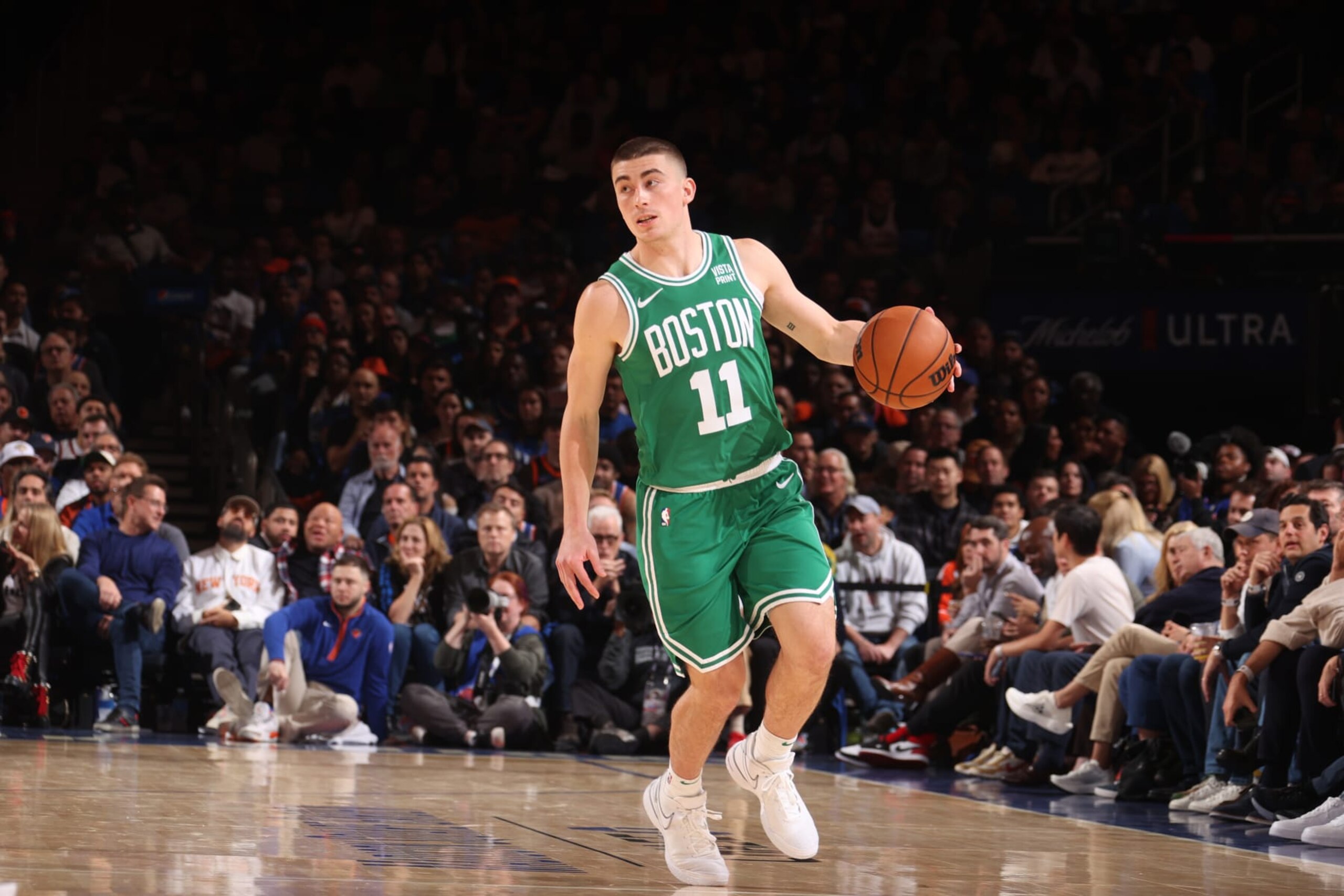
Player: Payton Pritchard (No. 26)
Team: Boston Celtics
Contract: Four years, $30 million
Extras: None
The Celtics snuck in the smallest deal of the summer with Pritchard, whose role projects to increase this season after the departures of Marcus Smart and Malcolm Brogdon (even with the addition of Jrue Holiday).
For some players, the goal is to stick around. Like Nassir Little last year with the Portland Trail Blazers, Pritchard locked in real security at a viable number. The Celtics have a heavy payroll with limited flexibility, and his average salary ($47.5 million) is in the range of year's (projected) smaller exceptions like the $8.1 million room mid-level exception (RMLE), $5.2 million taxpayer mid-level (TMLE) and the $4.7 million bi-annual exception (BAE).
Since Boston is likely to be over the NBA's second apron (roughly $190.8 million), the team won't have any of those exceptions, which makes paying Pritchard more of a necessity. The Celtics could have waited, but it's relatively low risk at that price.
The 25-year-old locking in guaranteed money is a win. Still, since he's committing to a discounted salary, he probably should have fought for a player option on the final season for the chance at an early exit and a more-rewarded third contract.
Team Grade: B+
Player Grade: B-
Wolves Pay McDaniels
7 of 9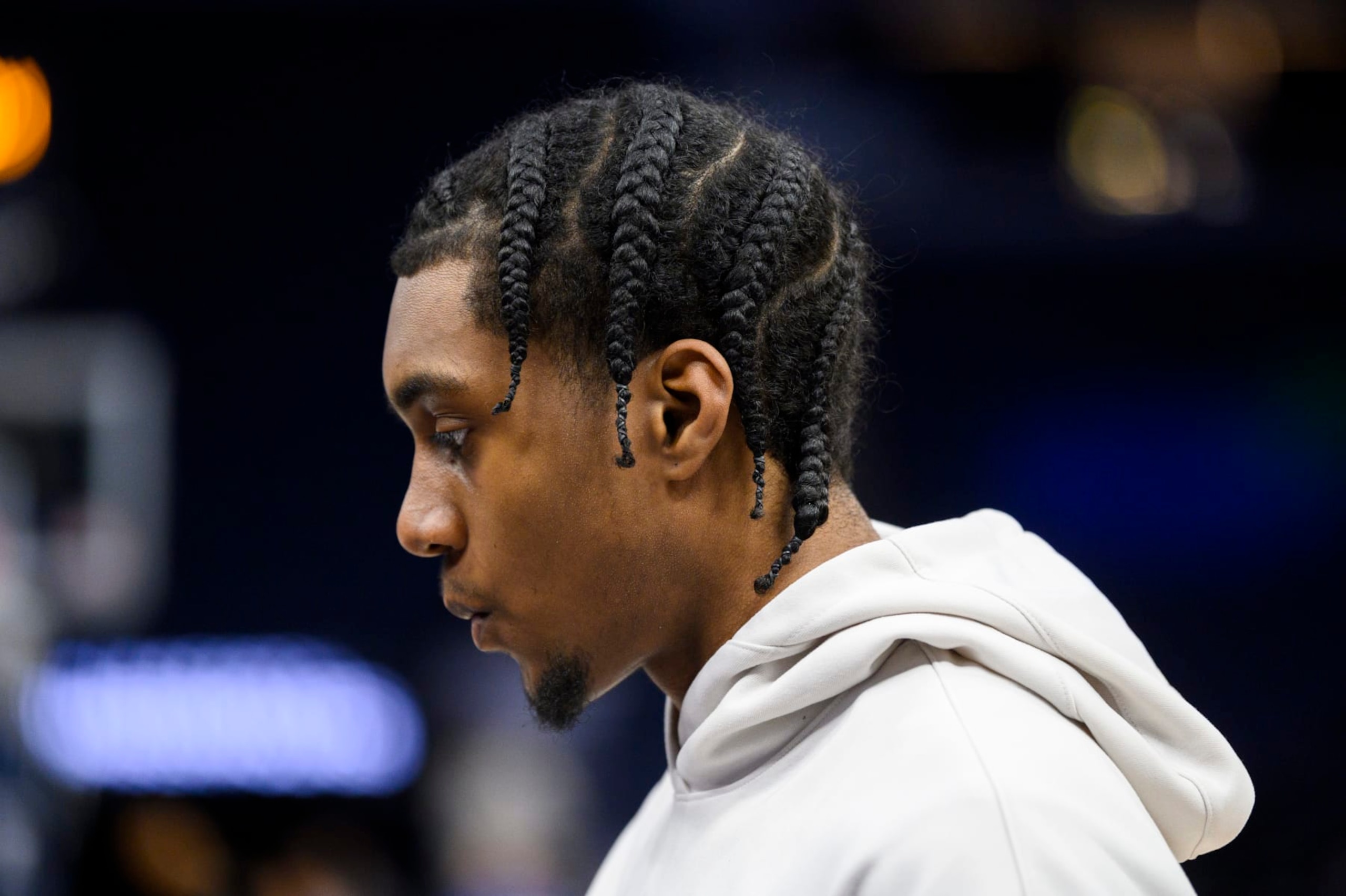
Player: Jaden McDaniels (No. 28)
Team: Minnesota Timberwolves
Contract: Five years, $131-$136 million
Extras: $5 million in unlikely incentives
Once Vassell signed, the above mid-tier market stalled out as teams and agents recalibrated (this is where most deals died completely). But one more snuck through at the wire, with McDaniels getting a lucrative extension with the Timberwolves.
Unlike Vassell—who continued a trend from last year's rookie-scale extensions to scorers like Anfernee Simons, Tyler Herro, RJ Barrett and Poole—McDaniels averaged just 12.1 points a game last season.
That's not a knock on the player or the team. He is significantly better defensively than any of the players listed. It's just relatively rare for a team to open its coffers at that level for players who don't put up significant points. That said, the 23-year-old is an efficient shooter, and the Timberwolves expect that part of his game to blossom in the coming years.
McDaniels may prove to be the highest-impact player out of the names listed above, as scoring can be overrated. But the problem is that Minnesota is paying him now for what he might be. That risk is theirs, and this is a team that is heavily invested in its roster with limited draft assets and flexibility. Unlike the Spurs, who can pay Vassell without worrying about luxury-tax penalties and aprons, the Wolves are boxed into who they are at a very high price.
Team Grade: C-
Player Grade: A
Several Mid-Tiers Ahead of the Deadline
8 of 9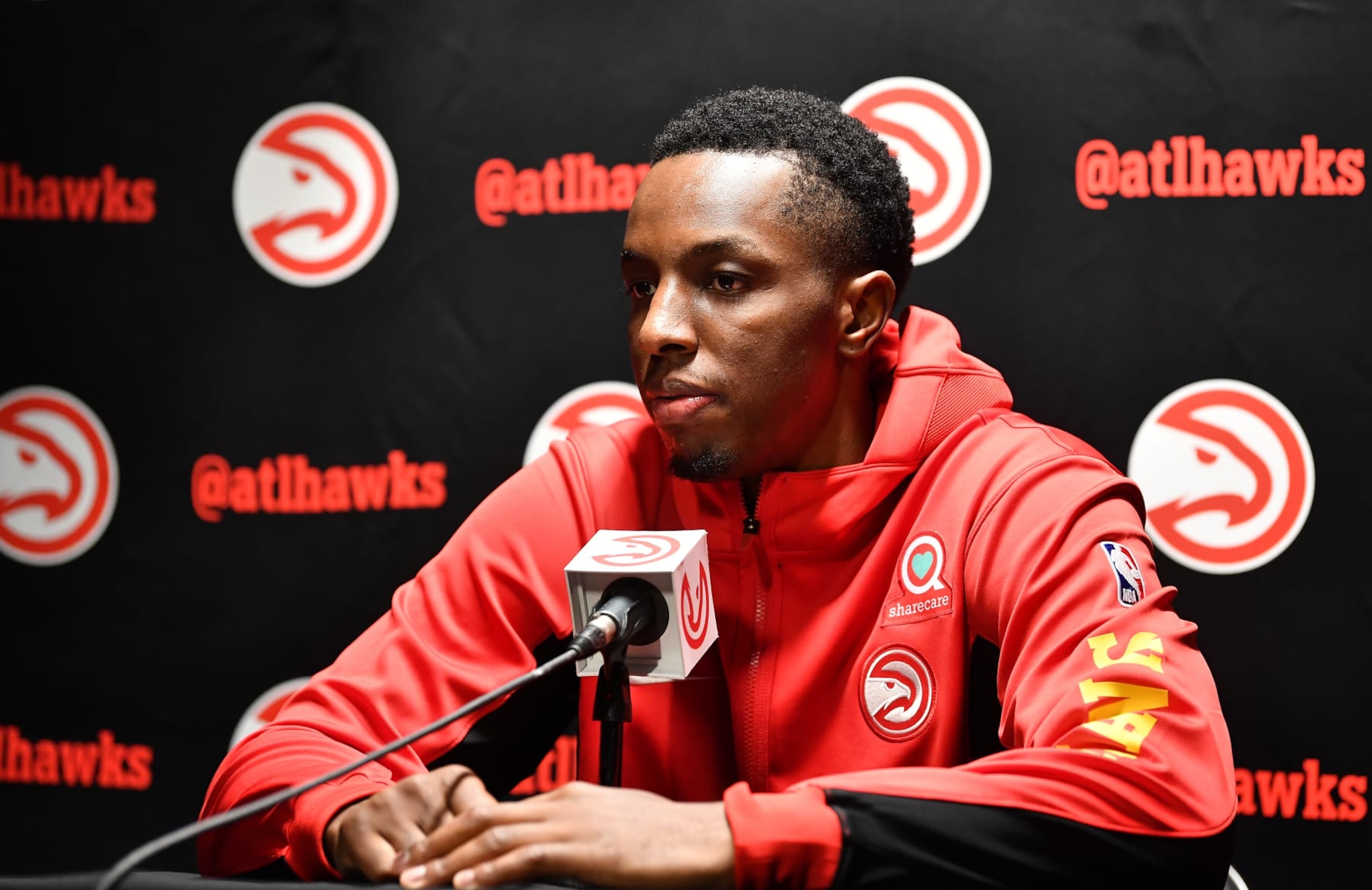
Players: Onyeka Okongwu (No. 6), Deni Avdija (No. 9), Aaron Nesmith (No. 14), Cole Anthony (No. 15), Josh Green (No. 18)
Teams: Atlanta Hawks, Washington Wizards, Indiana Pacers, Orlando Magic, Dallas Mavericks
Contracts:
- Okongwu: Four years, $62 million
- Avdija: Four years, $55 million
- Nesmith: Three years, $33 million
- Anthony: Three years, $39.1 million
- Green: Three years: $41 million
Extras: Anthony's final year is a team option
Monday ended with a flurry of deals, most in the same range Stewart got from Detroit in July. A four-year NTMLE deal projects to be $13.9 million per season, so Okongwu did the best (about 7.8 percent above), while Avdija got roughly 1.2 percent below.
A three-year NTMLE projects to be $13.6 million on average, almost precisely what Green got from Dallas. Anthony's is about 4.1 percent below, while Nesmith's is the lowest overall (by about 19 percent).
The teams all did well, locking in good (or promising) players on average contracts, with discounts if they hit. The Wizards are paying Avdija on potential, but at a reasonable price for four years if he hits.
Okongwu and Avdija probably should have pushed harder for player options so they're not tied to discounted salaries. Anthony's gets dinged for the team option, with only $26 million guaranteed.
Generally, a player taking an NTMLE-type deal should be seeking control on the last season, but apparently, the teams had more leverage in these particular negotiations.
Team Grades: A-
Player Grades: Anthony C, the rest B-
Nnaji at a Discount, Rest Unsigned
9 of 9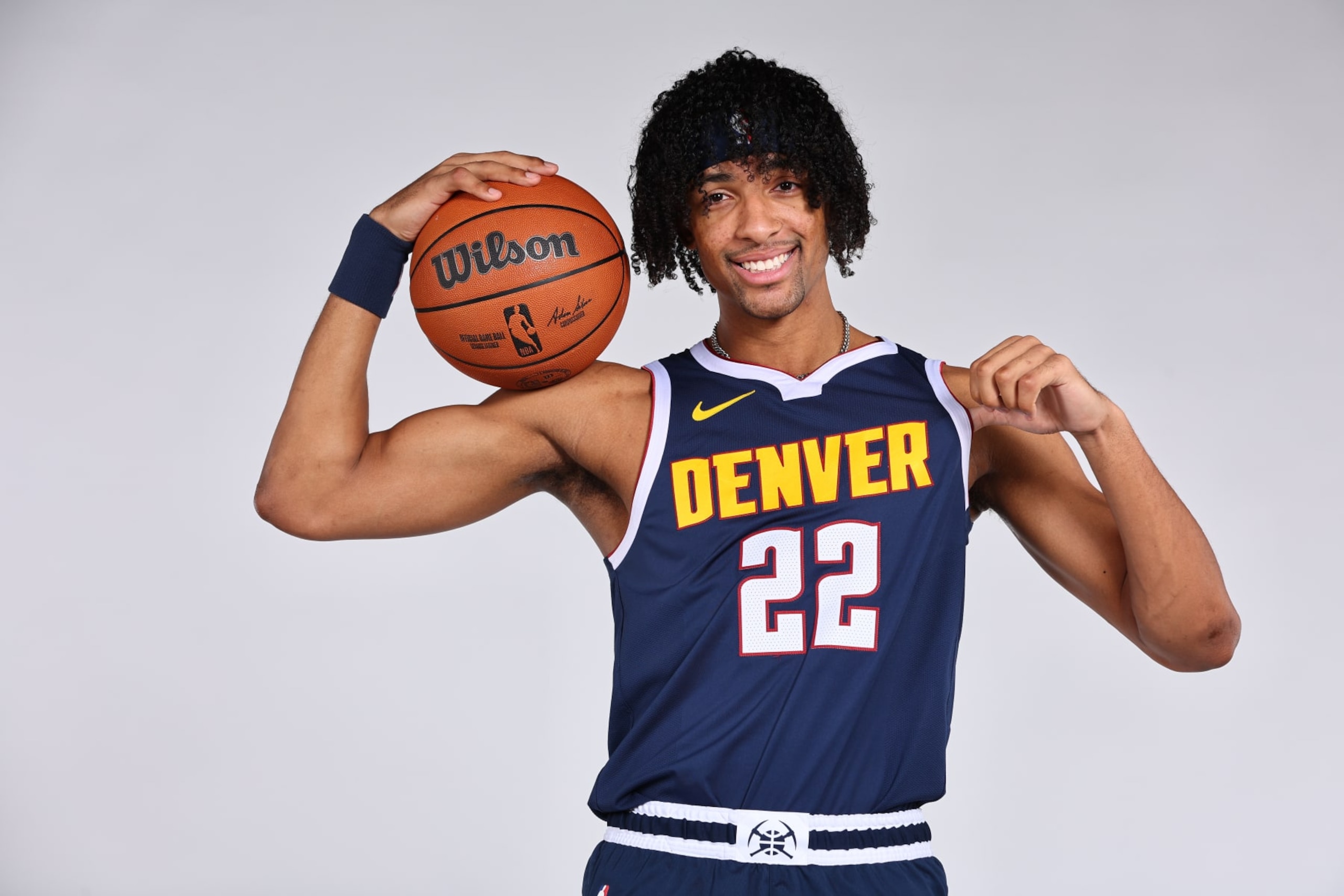
Player: Zeke Nnaji (No. 22)
Team: Denver Nuggets
Contract: Four years, $32 million
Extras: Player option in the final season
Like Pritchard with the Celtics, Nnaji signed a below-NTMLE extension with the Nuggets.
Denver is a championship team with a heavy payroll. The 22-year-old hasn't gotten as much opportunity to play as he would on a rebuilding team, so locking in money at a discount makes sense.
Wisely, Nnaji added a player option so that if he does hit, he can get out a year early to cash in on his development.
Team Grade: B+
Player Grade: B+
That leaves a list of players who will get to free agency (restricted, if the team chooses), including the following:
- James Wiseman (No. 2): Detroit Pistons
- Patrick Williams (No. 4): Chicago Bulls
- Isaac Okoro (No. 5): Cleveland Cavaliers
- Killian Hayes (No. 7): Detroit Pistons
- Obi Toppin (No. 8): Indiana Pacers
- Kira Lewis Jr. (No. 13): New Orleans Pelicans
- Chuma Okeke (2019, No. 16): Orlando Magic
- Aleksej Pokuševski (No. 17): Oklahoma City Thunder
- Saddiq Bey (No. 19): Atlanta Hawks
- Precious Achiuwa (No. 20): Toronto Raptors
- Tyrese Maxey (No. 21): Philadelphia 76ers
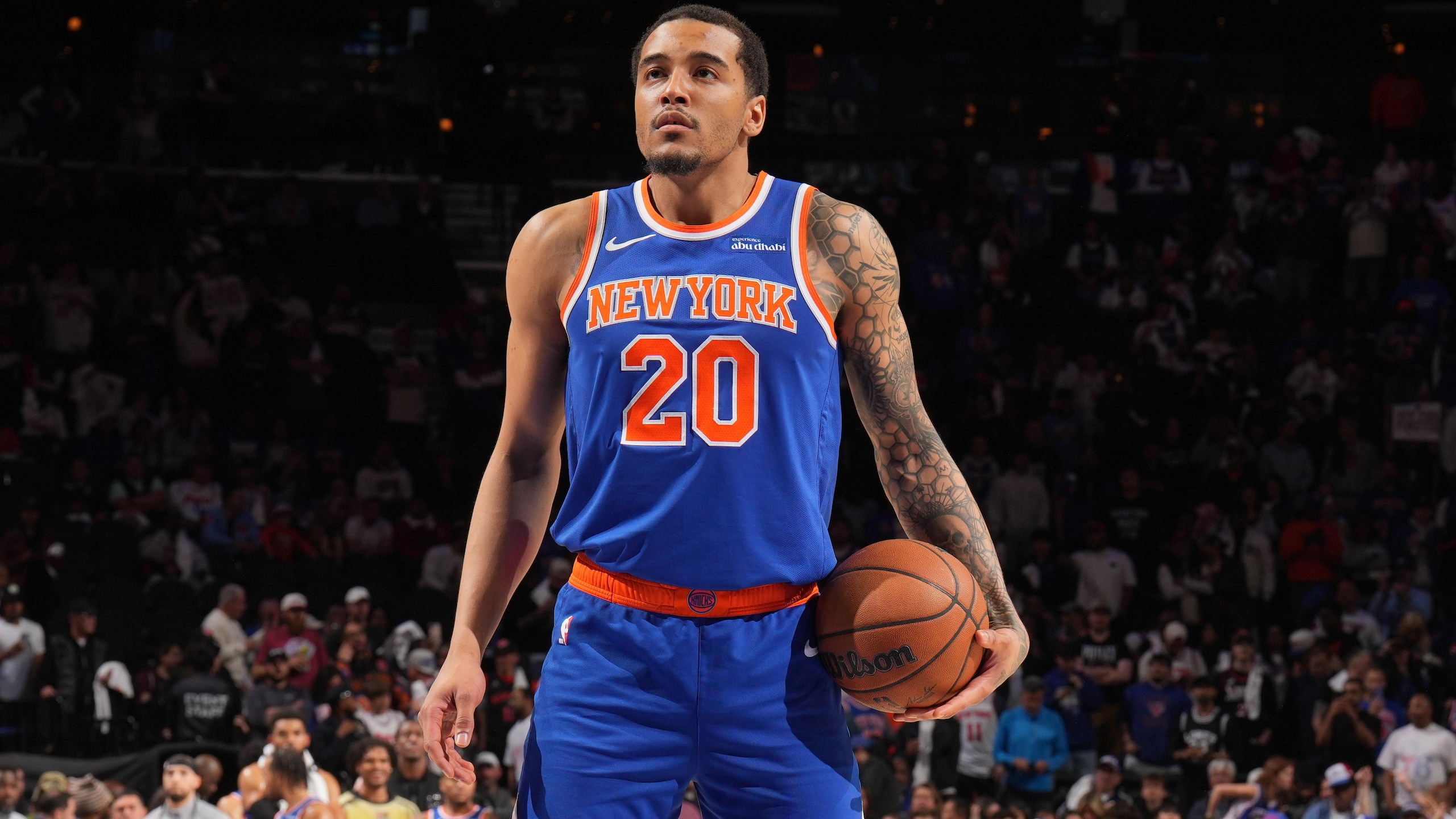
- Immanuel Quickley (No. 25): New York Knicks
- Malachi Flynn (No. 29): Toronto Raptors
Email Eric Pincus at eric.pincus@gmail.com and follow him on Twitter @EricPincus.


.jpg?w=2560 "Jonathan Taylor Landing Spots")
.jpg?w=2560 "Aikman Blasts Cowboys WR 🫣")
