
Which NBA Teams Will Go Shopping for Big-Money 2024 Free Agents?
Predicting the future can be daunting, but with the NBA's current salary cap projection of $141 million for 2024-25, it's not difficult to map out how each franchise will hit the offseason.
Teams have multiyear contracts on the books, and while they can trade to reshuffle the deck, it's not difficult to see where they're headed this summer.
First, a basic primer on aprons, taxes and cap room. The higher a team's payroll, the less it has to spend on new players, though Bird rights allow even the biggest spenders to keep spending—like the LA Clippers with free agents like James Harden and Paul George.
Those above the second-apron (projected at $189.5 million) will have just minimum contracts to offer other teams' free agents or undrafted players. The first-apron teams (over $178.7 million but below $189.5 million) will have the taxpayer mid-level exception (TMLE) at about $5.2 million.
For teams above the cap but below the aprons, they will have the non-taxpayer mid-level exception (NTMLE) of $12.9 million and (if they didn't use it in 2023-24) the bi-annual exception (BAE) of $4.7 million. While the luxury-tax threshold ($171.3 million) doesn't limit spending tools, some franchises may stop there to avoid financial penalties.
Finally, some will go below the cap with however much space they choose to make. Once that space is used, those teams will gain the room mid-level exception ($8 million).
Note: Draft order (via standings and the lottery) may determine which teams have which picks, impacting how much cap room a specific franchise might have this summer.
Just Minimums
1 of 11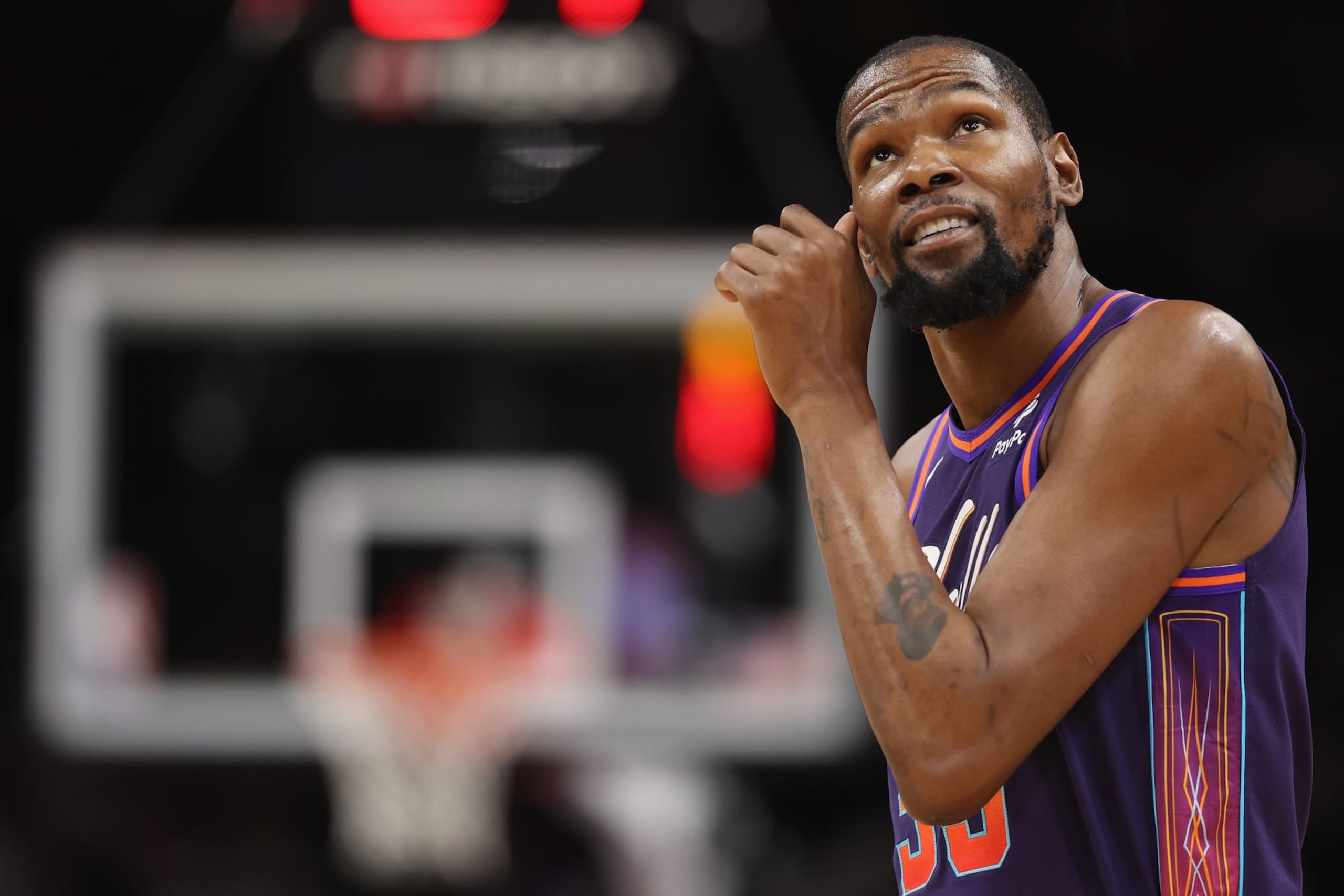
The Boston Celtics have one significant free-agent decision this offseason in Jrue Holiday, who can opt out of his $39.4 million final season. If he opts in, the team is well over the second apron (thus limited to minimum contracts). Perhaps Holiday will opt out and take less in Year 1, but on a long, lucrative contract that works for both sides—but even at $25 million, the team is still over the second apron. If he leaves outright, Boston would likely have the NTMLE available.
The Denver Nuggets may need to negotiate with Kentavious Caldwell-Pope ($15.4 million player option) and Reggie Jackson ($5.3 million). Caldwell-Pope is a vital starter, and the Nuggets project to be above the second apron if he opts in (even if Jackson leaves as a free agent). If both leave, Denver would only have the TMLE to restock.
The LA Clippers could get to about $32.5 million in cap space, but it seems inevitable that the team reinvests in Paul George and James Harden to stay above the second apron.
While the Miami Heat have four players that can opt out, the team will sit just over the second apron if they all choose to stay. Caleb Martin may choose to hit free agency for a raise over his $7.1 million player option.
The Milwaukee Bucks also project to be above the second apron, with their core rotation primarily under contract for 2024-25. It is the same for the Minnesota Timberwolves, though Monté Morris and Kyle Anderson will be free agents.
Putting the New York Knicks at the highest tier may surprise, but if the team retains OG Anunoby, Bojan Bogdanović and Isaiah Hartenstein, the math is straightforward. Anunoby will probably opt out of his $19.9 million to re-sign. Bogdanović has just $2 million of his $19 million guaranteed. That leaves Harteinstein as a free agent—plus Precious Achiuwa (restricted) and Alec Burks.
The Phoenix Suns are deep into second-apron territory, and that's before paying free agent Grayson Allen.
The $5 Million Club
2 of 11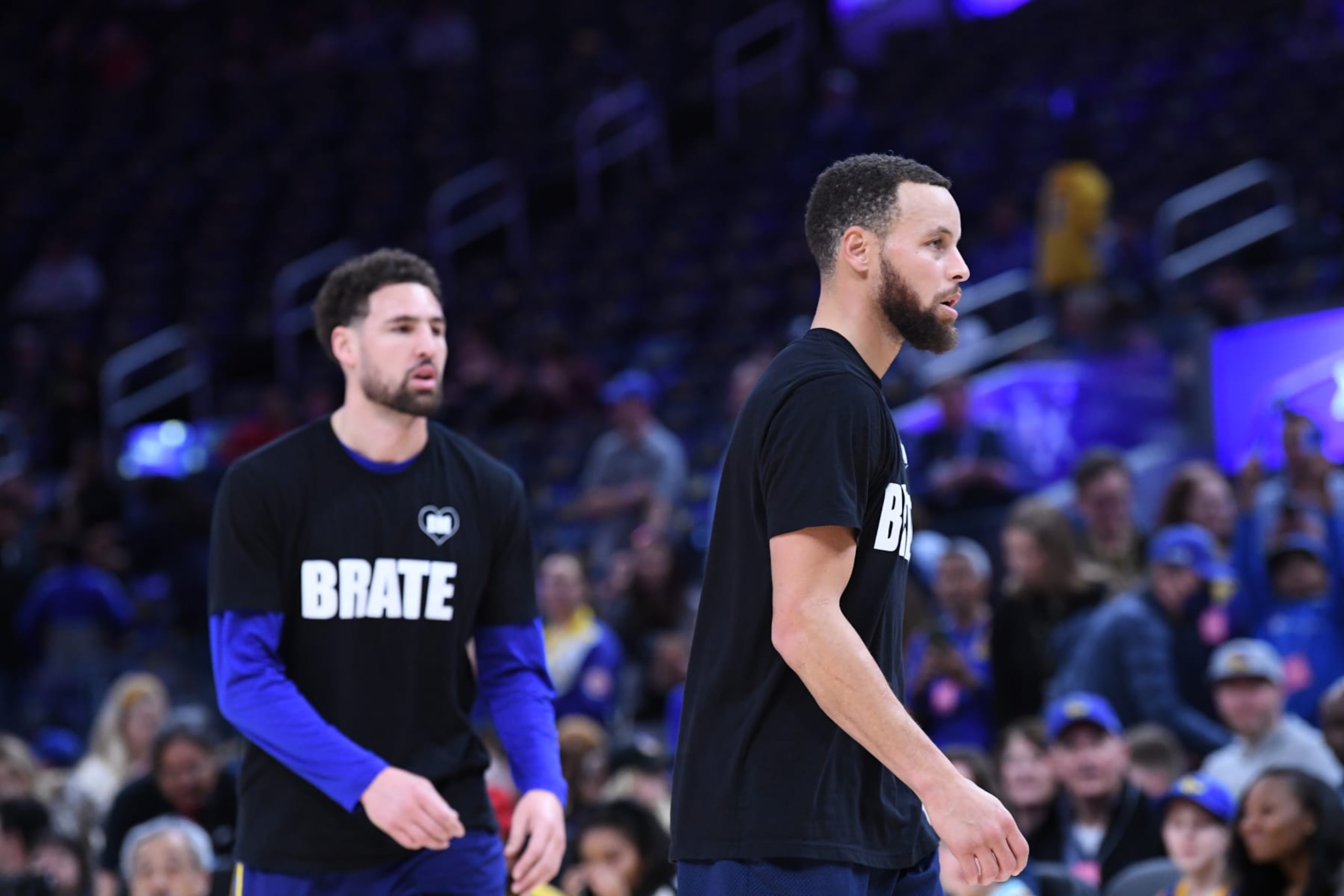
The Atlanta Hawks can either pay Saddiq Bey (who can be made restricted as a free agent) around $12 million and just barely fit in the TMLE under the second apron. But even if the franchise lets Bey go, it won't have access to the full NTMLE.
After a busy trade deadline, the Dallas Mavericks won't have much to spend this summer. Even if the Mavs waived Dante Exum and Jaden Hardy (neither fully guaranteed, but both seem likely to stick), the most the team will have to offer is the TMLE.
The Golden State Warriors need to decide on Chris Paul and Klay Thompson. Assume Paul is let go for financial sanity. His $30 million salary (currently non-guaranteed) can be used in trade should the Warriors choose to stay above the second apron (limiting the team to minimum players). Without Paul, Thompson can return in the $20-27 million starting salary range, giving the Warriors the TMLE. But Golden State may try to duck the tax entirely, which may mean the end of the era of the Splash Brothers—at which point the team could use the NTMLE and still stay below the threshold.
LeBron James will dictate what direction the Los Angeles Lakers take. He can opt in ($51.4 million) to re-sign or leave outright. If he's back, the Lakers will be limited to the TMLE unless D'Angelo Russell chooses to leave ($18.7 million player option). Should James and Russell move on, the Lakers could end up under the salary cap entirely (perhaps in the $30 million range).
The Memphis Grizzlies better be sure that this season's mess is an aberration. The team is heavily invested and may need to opt out of Luke Kennard ($14.8 million) to get a better handle on its finances (which would give them the NTMLE, but in that case, they may not want to use it). With Kennard, the team is limited to the TMLE.
The Portland Trail Blazers' payroll is way too high for a retooling team. The team won't have the room under the first apron to use the NTMLE and may look instead to shed salary rather than add via its available TMLE.
Mid-Level of the Pack
3 of 11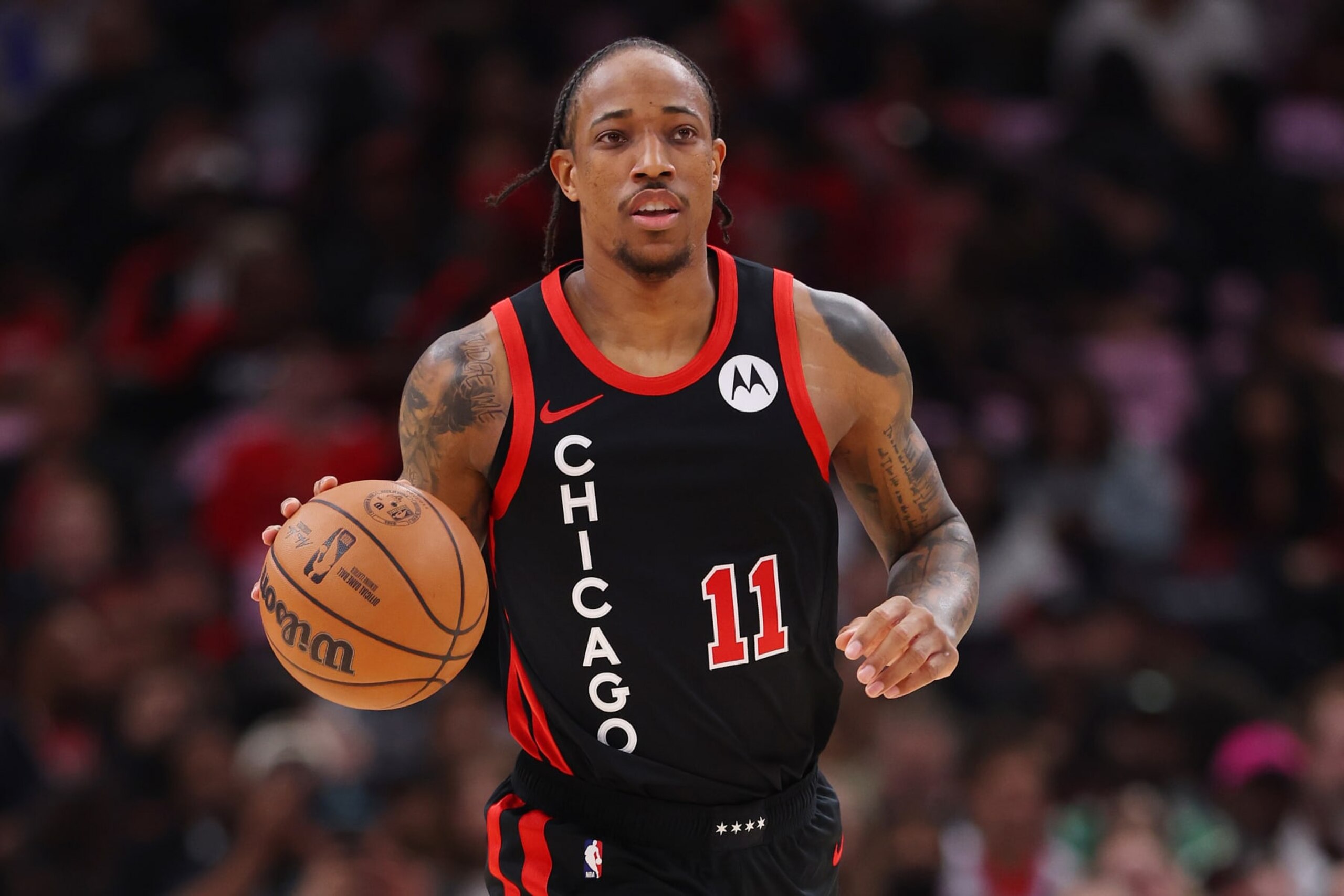
The Brooklyn Nets need to decide on the right price for Nicolas Claxton, but even if he's in the $20 million range, the franchise should still have its NTMLE available (not just below the first apron, but also the luxury-tax threshold).
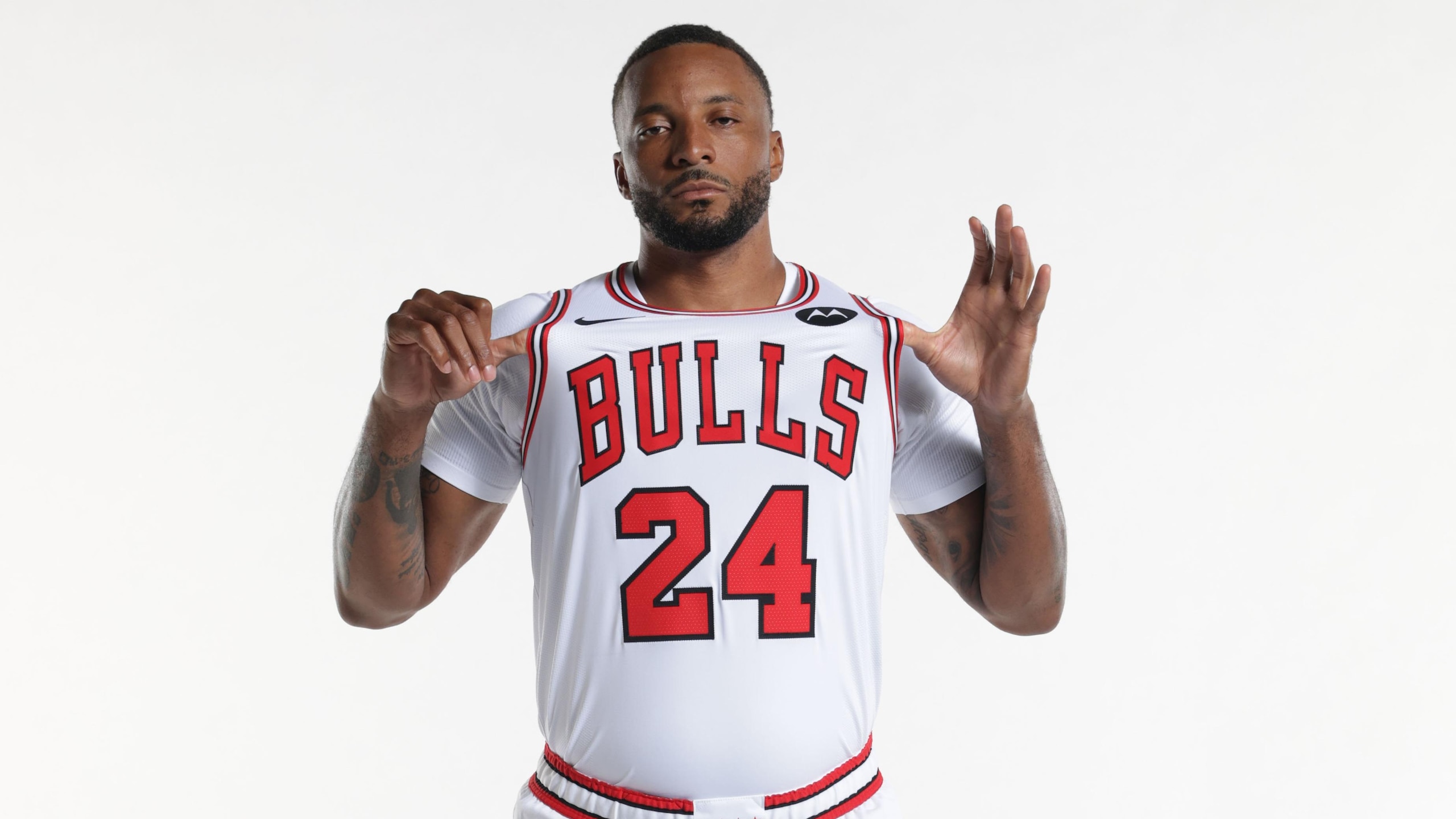
The Chicago Bulls have two key free agents in DeMar DeRozan and Patrick Williams (restricted). Lock in that Lonzo Ball takes his option ($21.4 million), and the Bulls won't waive Alex Caruso's $9.9 million (only $3 million is guaranteed). Letting DeRozan and Williams go wouldn't give the Bulls real spending power. The team likely keeps one or both and has some (or all) of its NTMLE to add additional talent.
Outside of Isaac Okoro, the Cleveland Cavaliers essentially have their rotation under contract for next season. The choice may be Okoro or the NTMLE unless the Cavaliers can shed some additional salary.
The Houston Rockets should be able to spend the NTMLE comfortably without reaching the tax threshold. Contract decisions include Jeff Green ($9.6 million team option), Jock Landale ($8 million non-guaranteed) and Jae'Sean Tate ($7.1 million team option).
The Indiana Pacers could near $37.5-$44.4 million in cap space depending on what happens next with Pascal Siakam, TJ McConnell (partially guaranteed) and Jalen Smith (team option). But the most likely outcome would see at least Siakam and McConnell back and the Pacers armed with the NTMLE.
The New Orleans Pelicans seem to have three choices: re-sign Jonas Valančiūnas, use the NTMLE or duck the luxury tax. The answer is likely just one of those three choices, though don't discount the Pelicans changing up their books with a trade.
While the Sacramento Kings may have their NTMLE, they may not be able to use all of it if Malik Monk re-signs as a free agent. If the Kings have an NTMLE target in mind, they may look to move out of a player like Davion Mitchell, Sasha Vezenkov or Chris Duarte.
Finally, expect the Washington Wizards to actively rework their roster, but the team should be just over the cap, armed with the full NTMLE.


No. 8: San Antonio Spurs
4 of 11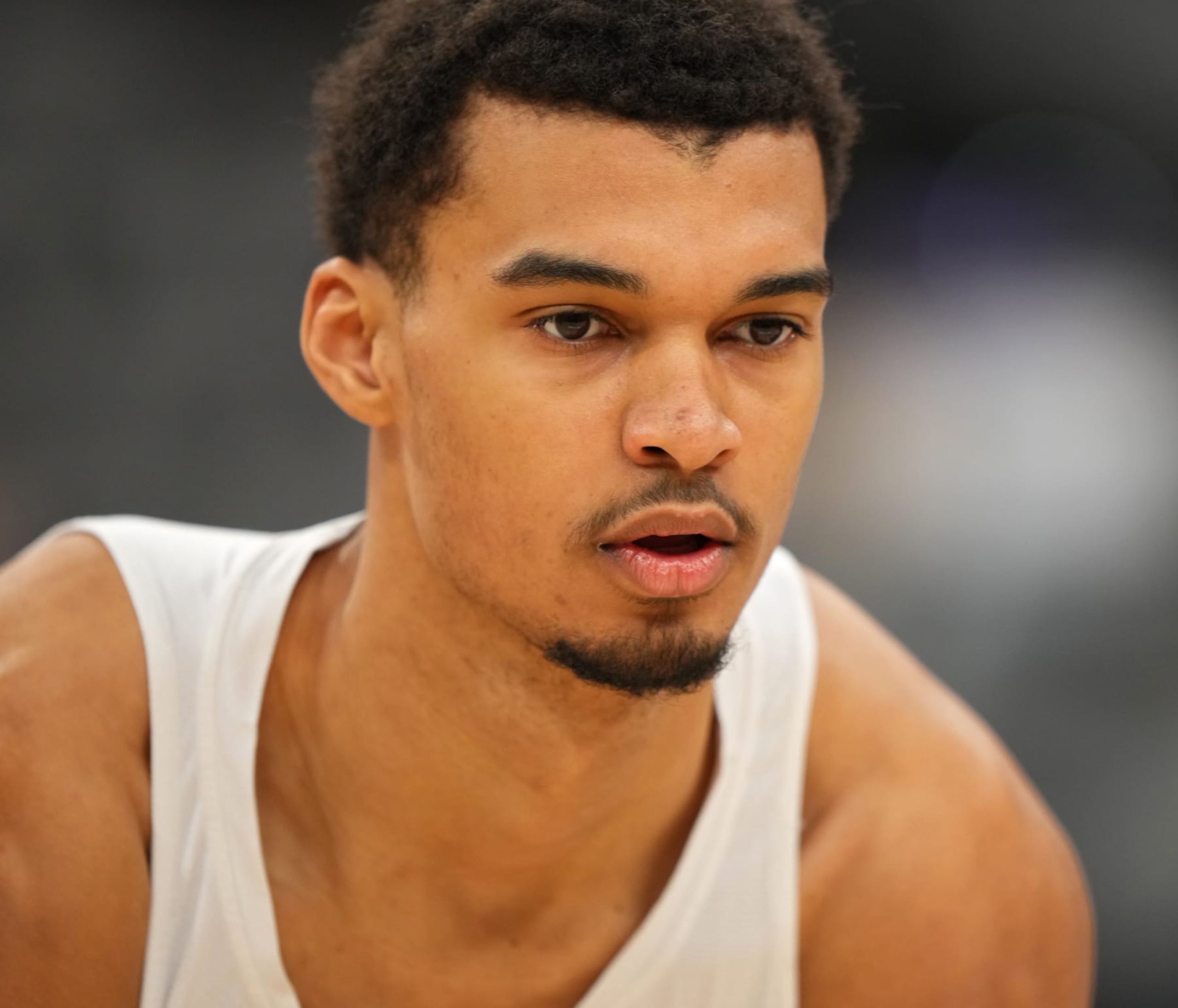
The San Antonio Spurs have a franchise player, albeit in his NBA infancy. How quickly does the team move forward to add pieces via cap space? The process may take a little longer. Expect the Spurs to use their cap room diligently instead of chasing big-name free agents.
The team can get to about $25.5 million in cap space if it gets out of veteran Devonte' Graham, whose $12.7 million salary is only $2.9 million guaranteed.
No. 7: Oklahoma City Thunder
5 of 11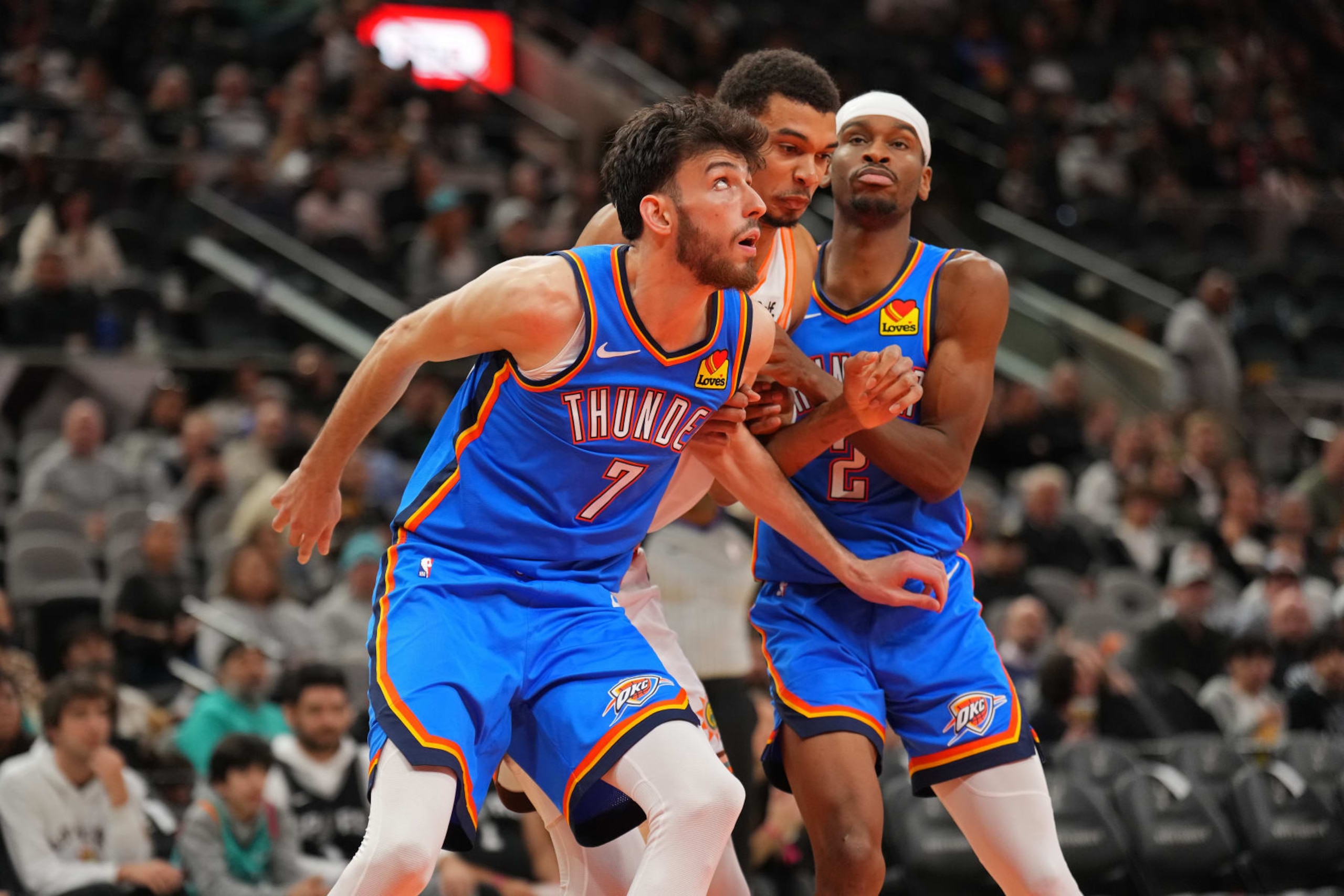
For the past couple of years, fans of the Oklahoma City Thunder have been waiting for the team to "go for it." Meanwhile, the team is among the top four in the Western Conference, continuing to grow internally. The Thunder project to to have real money this summer (in the $27 million range), but the team needs to think about looming contracts for Isaiah Joe, Josh Giddey and, a year later, Chet Holmgren and Jalen Williams. Any investments will likely take future money under consideration.
That said, the Thunder can reinvest in Gordon Hayward and stay over the cap to use the NTMLE. Or it can go shopping via free agency or trade. The team chose the latter this past offseason.
No. 6: Toronto Raptors
6 of 11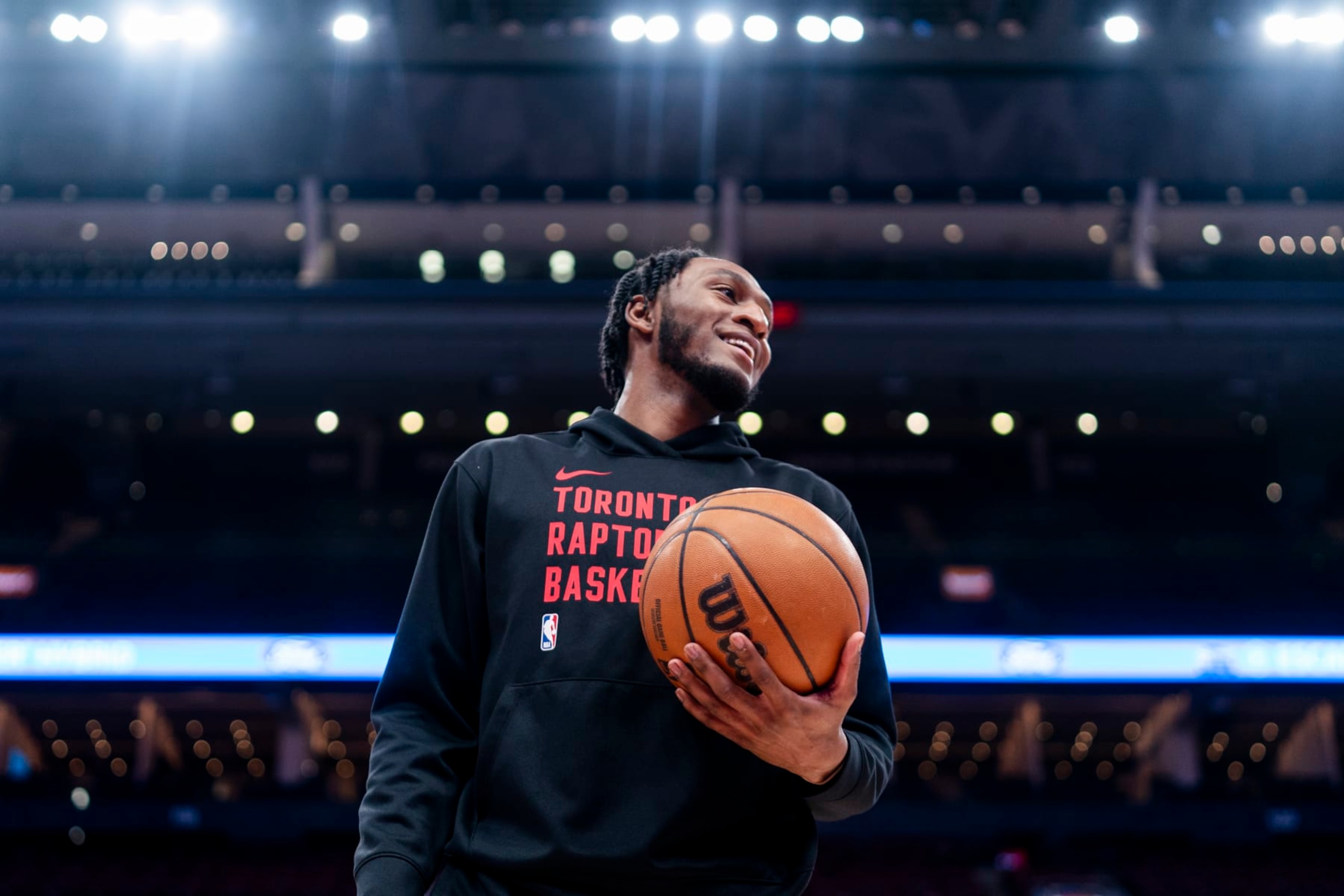
The Toronto Raptors will have the choice of going under the cap by as much as $35 million (including the Immanuel Quickley $12.5 million cap hold). Or the team can opt Bruce Brown Jr. into his final year at $23 million, perhaps as a trade piece, and stay over the cap entirely. If so, Toronto would have its NTMLE.
One variable is its own first-round pick, which is top-six protected (to the San Antonio Spurs for Jakob Poeltl). Look for Toronto to lose a few extra games before the year's end to protect that pick.
No. 5: Charlotte Hornets
7 of 11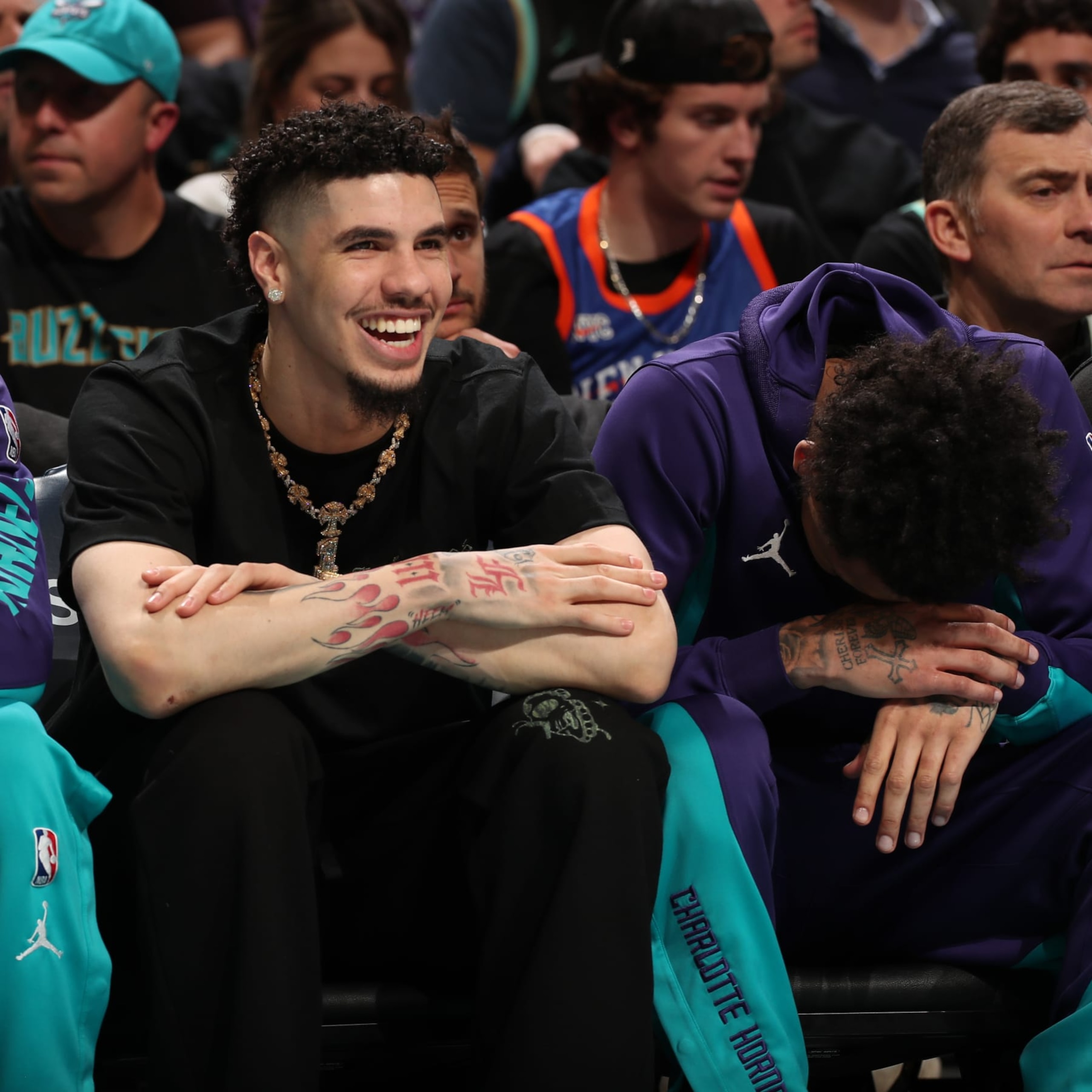
The Charlotte Hornets are reportedly hiring Jeff Peterson of the Brooklyn Nets as their top executive (per Adrian Wojnarowski of ESPN), so it may be challenging to project direction. Still, Peterson could hit the summer armed with significant spending power (up to nearly $36 million).
It's just that the team he's inheriting isn't very good. Perhaps his most significant decision will be on Miles Bridges, a very talented player, but will his no-contest plea in 2022 to a felony domestic violence charge lead to his exit? Charlotte could have paid him this past summer, but Bridges took his one-year, $7.9 million qualifying offer to be unrestricted this July. Another option for Bridges may be a sign-and-trade out of Charlotte, but he'll eat up $15.1 million of the team's cap room as an unsigned free agent.
Peterson can also keep Dāvis Bertāns ($5.25 million guaranteed once he opts in), use him as trade bait or waive him outright.
No. 4: Utah Jazz
8 of 11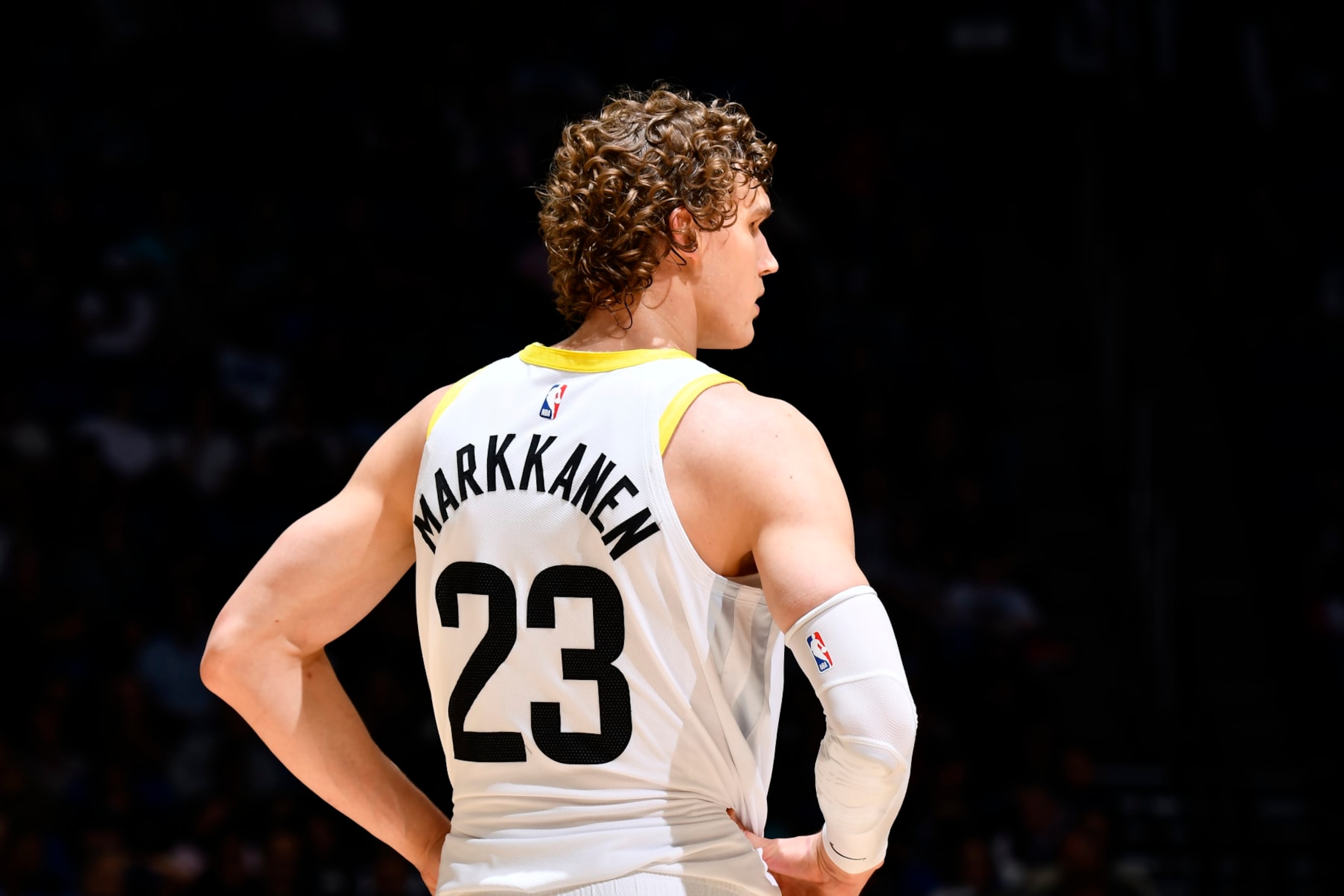
The Utah Jazz should have enough cap space this summer (about $40 million) to renegotiate Lauri Markkanen's contract—giving him an immediate raise with an extension. That's how the Jazz spent some of their room this past offseason with Jordan Clarkson.
Even if Markkanen gets a bump of $17-24 million, the Jazz should have more to spare in free agency.
No. 3: Philadelphia 76ers
9 of 11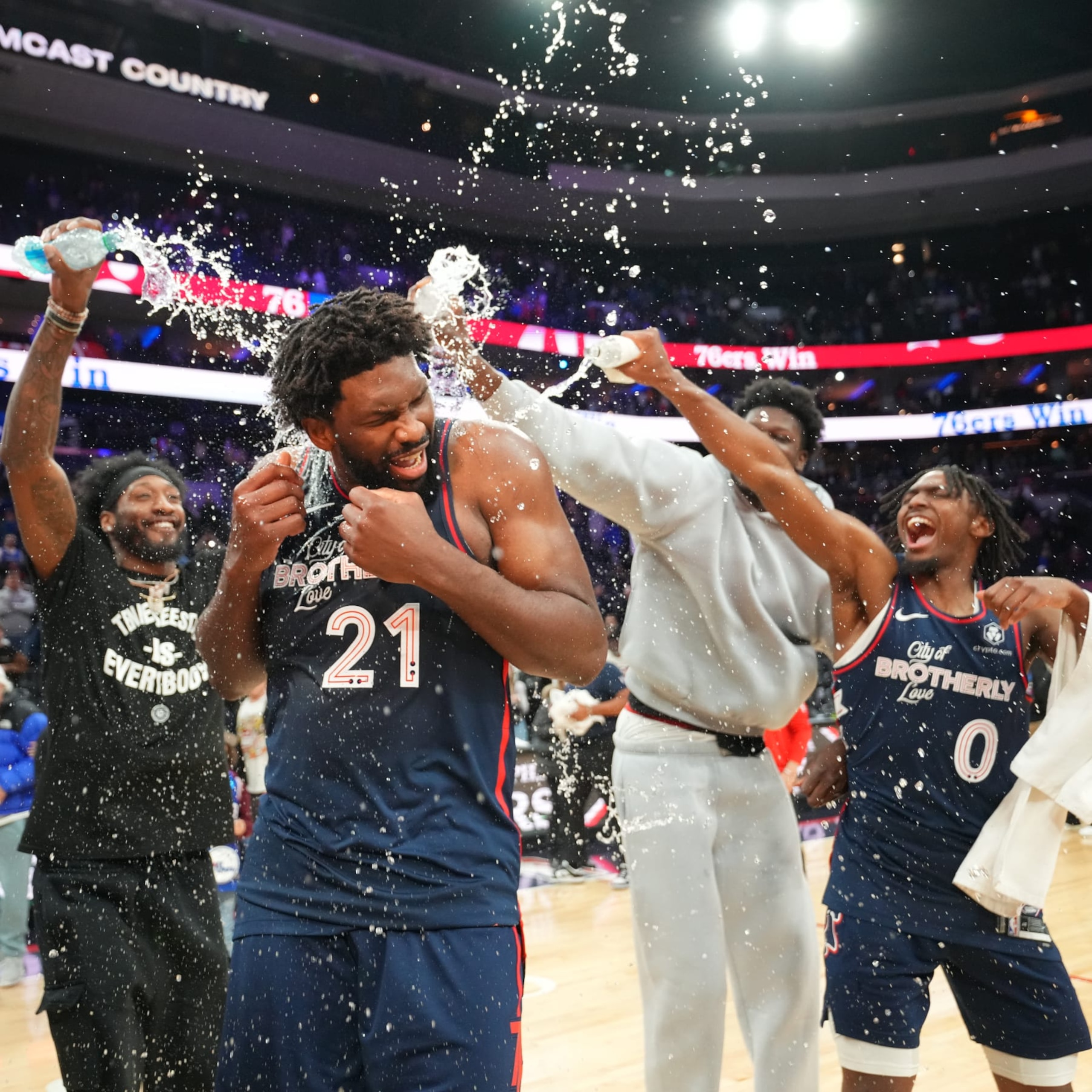
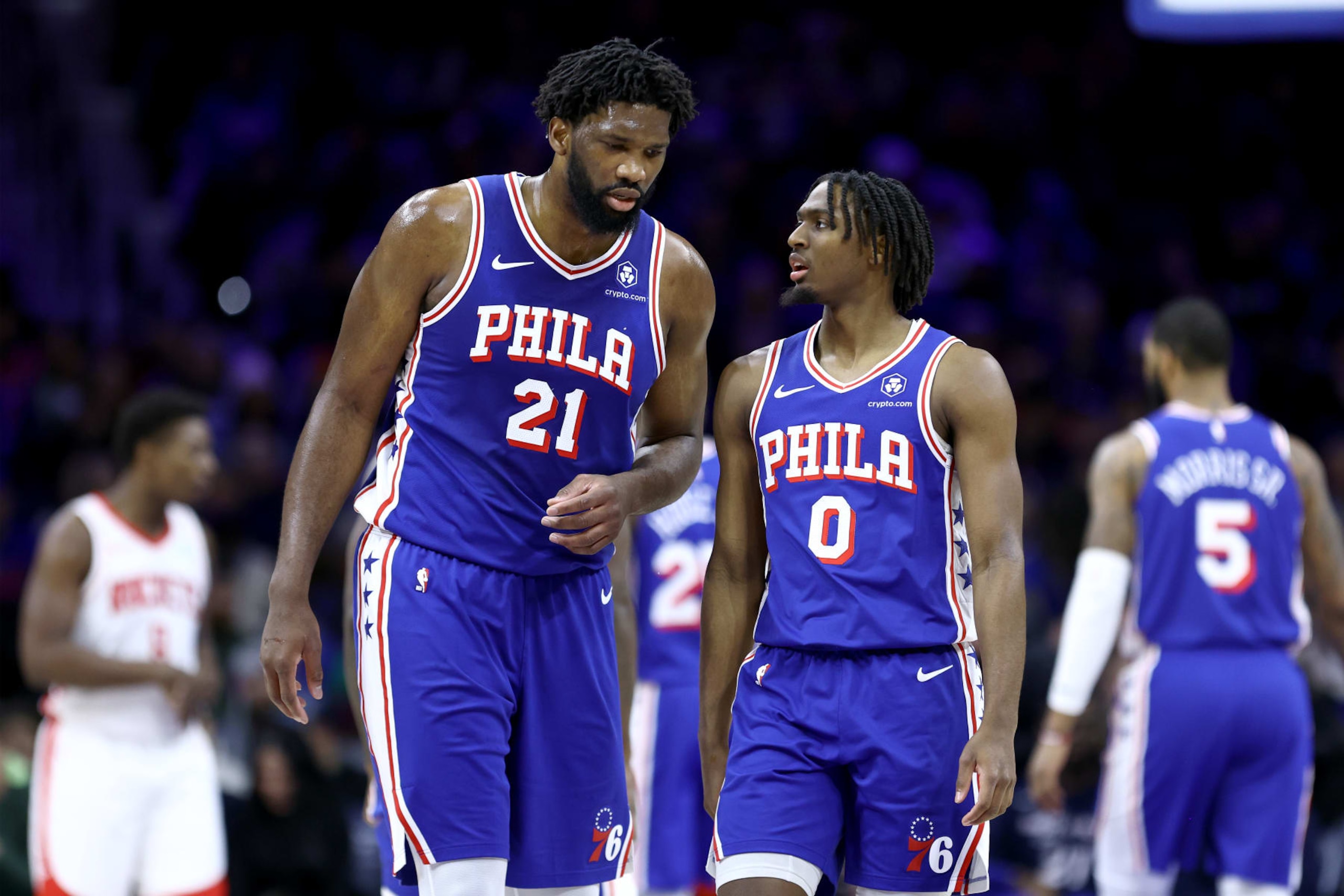
The Philadelphia 76ers have a unique situation with two star players and the potential to have almost $56 million in cap space. Tyrese Maxey will be a restricted free agent with a relatively low cap hold ($13 million) before the Sixers presumably max him out.
The only other player under contract next season (beyond Joel Embiid) is Paul Reed Jr. But will Philadelphia find better players in free agency than deadline acquisition Buddy Hield or veterans like Tobias Harris and De'Anthony Melton?
Is going all-in on players like Paul George or Klay Thompson advisable if it means giving up what the team already has? Or will executive Daryl Morey find a more creative way to use the team's cap room?
No. 2: Detroit Pistons
10 of 11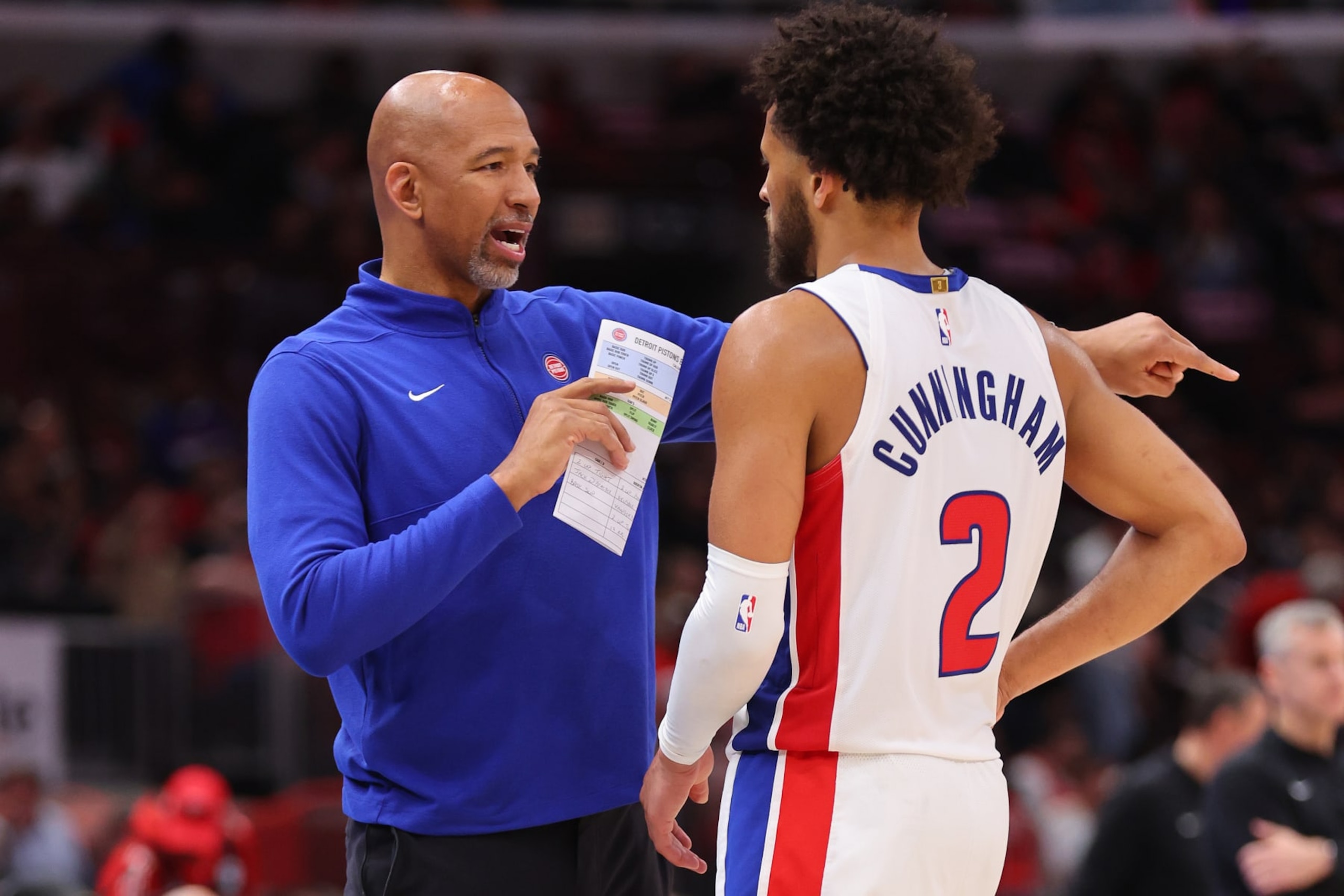
The Detroit Pistons have significantly underperformed based on expectations. After investing heavily in coach Monty Williams, the franchise may invest in more win-ready players this summer.
Putting aside $4.1 million as a cap hold for Simone Fontecchio, Detroit could reach about $60 million in cap room. That assumes the team opts out of Evan Fournier ($19 million) and waives non-guaranteed players Shake Milton ($5 million) and Troy Brown Jr. ($4 million)—but even if they return, Detroit would have over $53 million still to spend.
No. 1: Orlando Magic
11 of 11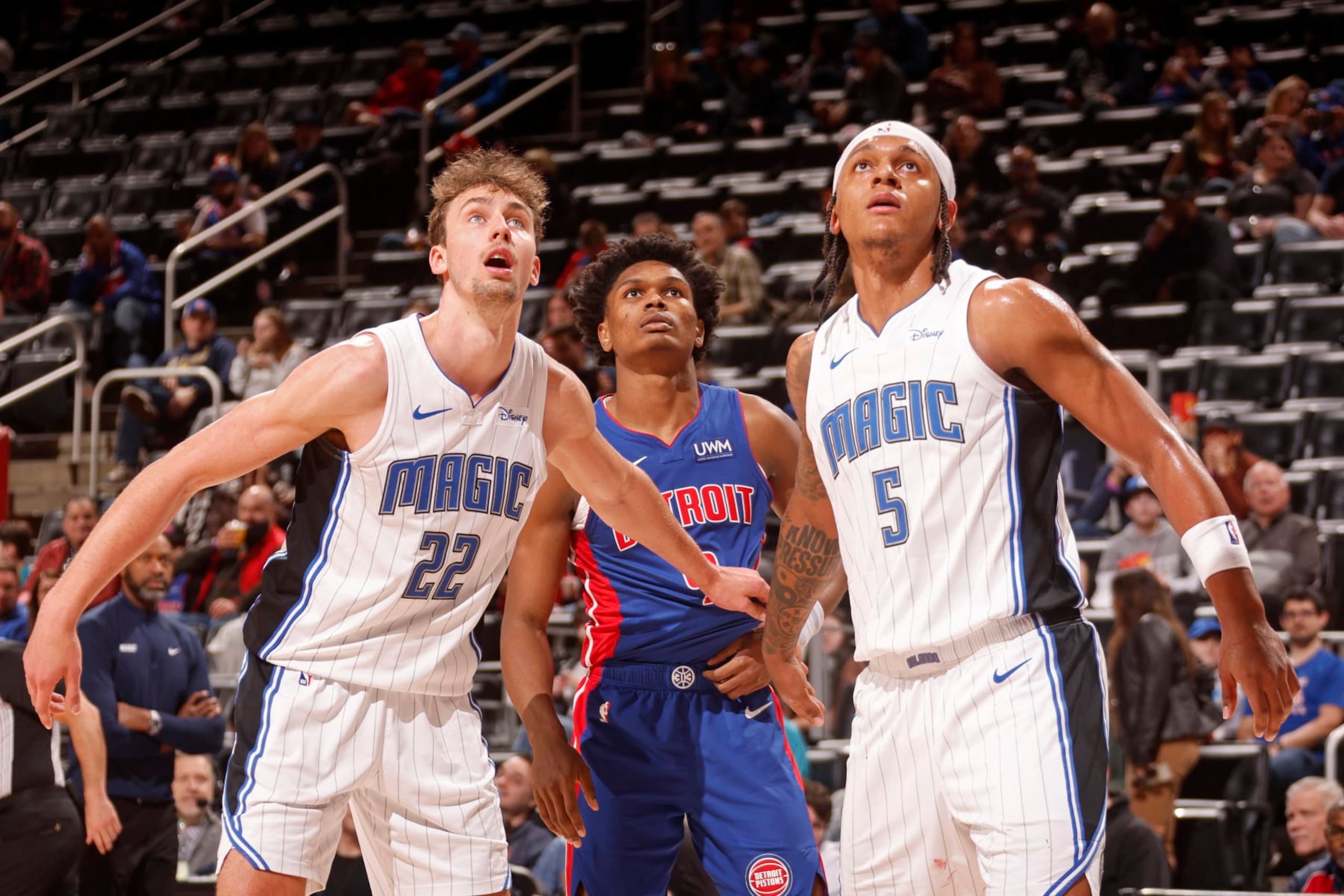
The Orlando Magic have vastly improved this season and can add to their core without significant subtractions. With several players on team-friendly contracts, the Magic could reach as much as $66 million in cap space.
Jonathan Issac's $17.4 million isn't guaranteed. Joe Ingles and Mo Wagner have team options. Markelle Fultz, Gary Harris and Chuma Okeke (restricted) will be free agents. Orlando could reinvest, go shopping or do a bit of both.
The team seems ready to add a playoff-ready veteran or two, but it also needs to keep in mind that its roster will get very expensive pretty quickly when Franz Wagner and Jalen Suggs (followed by Paolo Banchero) need to get paid.
Email Eric Pincus at eric.pincus@gmail.com and follow him on X @EricPincus.



.jpg?w=2560 "NFL investigating 2 referees for separate viral exchanges")
.jpg?w=2560 "OBJ Calls Out Giants 😳")

.jpg?w=2560 "Tyreek makes another cryptic post amid Chiefs rumors")
