

The sun is about to set on 2023, but Major League Baseball's free-agent market will remain open into 2024. And rest assured, much business still needs to get done.
So, let's take a whack at modestly proposing solutions for the toughest choices left.
Per the whole "variety is the spice of life" thing, these concern how four contenders can atone after falling short in pursuits of prized players, what the five best available free agents should be worth and, finally, where a future Hall of Famer should play next season.
Let's get to it, starting with a certain New York team that whiffed on a certain pitcher who would have looked mighty good in pinstripes.
How Should the Yankees Make a Splash?
1 of 10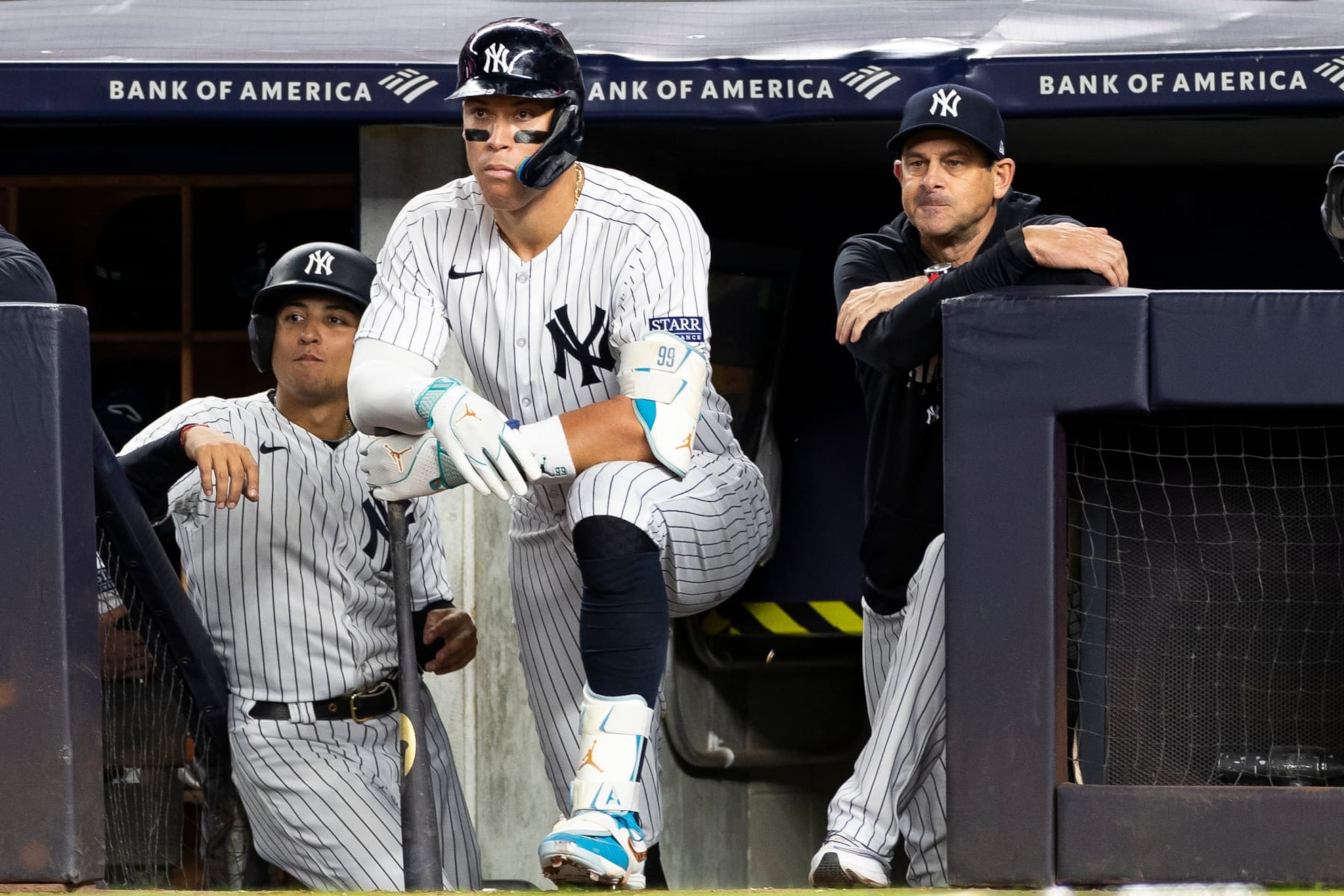
The Problem
The New York Yankees weren't merely in on Yoshinobu Yamamoto. They were such a favorite to sign the Japanese ace that they almost seemed guaranteed to sign him.
In the end, though, Ken Rosenthal of The Athletic reported that the Yankees fell $25 million short of what Yoshinobu accepted from the Los Angeles Dodgers. Save for maybe Gerrit Cole, nobody should be feeling good about this.
With Yamamoto, Aaron Nola and Lucas Giolito off the board, the Yankees' options for a No. 2 starter on the open market are slim. Unless one counts Marcus Stroman as a top-of-the-rotation starter, it's pretty much down to Blake Snell and Jordan Montgomery.
The Solution
Maybe this is a hot take, but the Yankees should sign neither Snell nor Montgomery nor anyone else to fill the space between Cole and Carlos Rodón.
What they should do instead is call up the Milwaukee Brewers and make them an offer they can't refuse for Corbin Burnes.
As good as Snell and Montgomery are, the last thing the Yankees need on their books is another 30-something player on a nine-figure deal. And while the catch with Burnes is that he's only under club control through 2024, that's fine because A) he's one of MLB's elite hurlers and B) what's two trades for rental superstars after you've already made one?
How Should the Giants Make a Splash?
2 of 10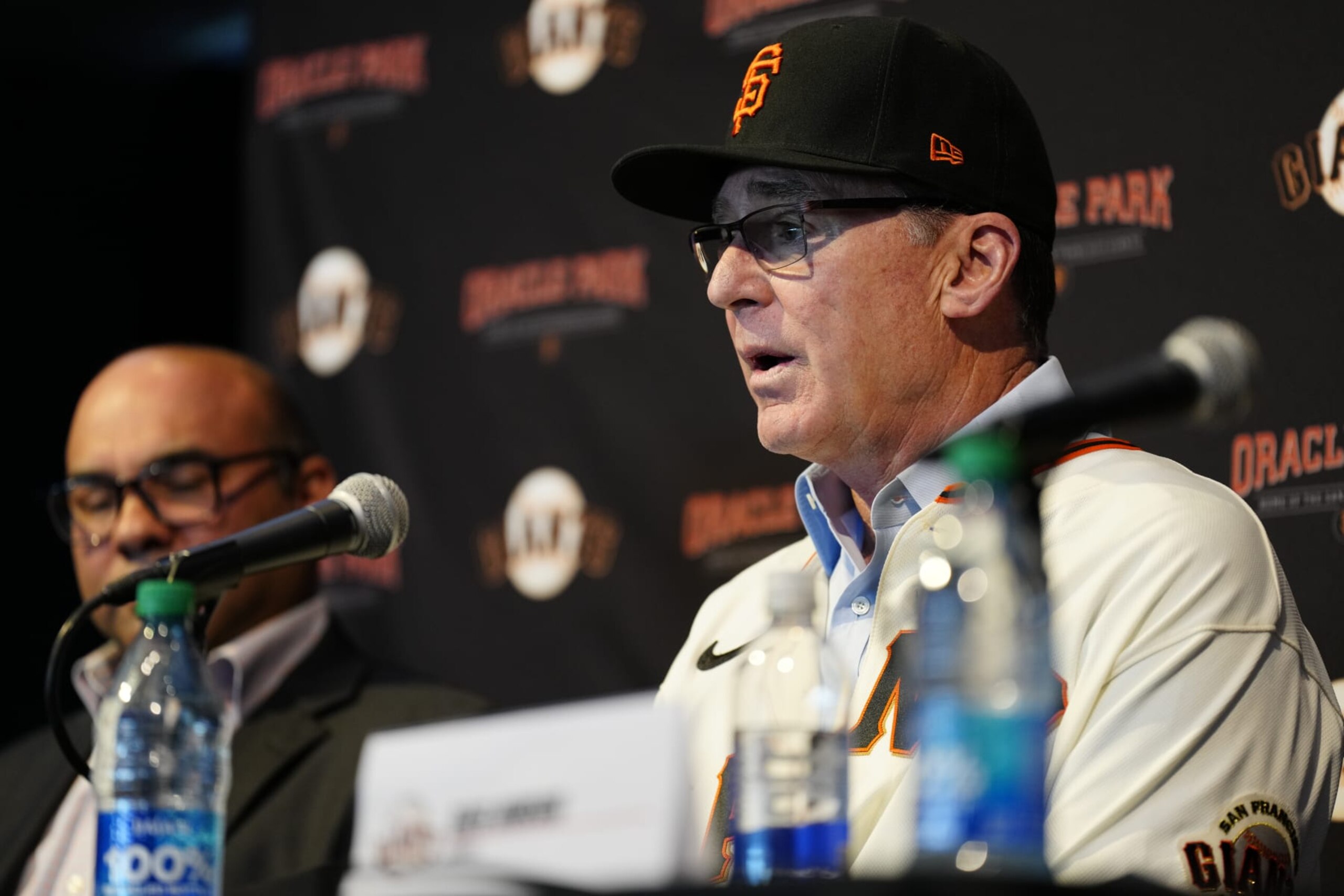
The Problem
Honestly, one just feels bad for the San Francisco Giants at this point.
Them trying and failing to add coveted superstars has long since turned from a fluke into something more like a running gag. First it was Giancarlo Stanton. Then Bryce Harper. Then Aaron Judge and Carlos Correa. And now, Yamamoto and Shohei Ohtani.
Still, it's to the Giants' credit that they're not giving up. As Jon Heyman of the New York Post reported on MLB Network on Wednesday, the Giants are still "big-game hunting" with Snell, Cody Bellinger and Matt Chapman in their sights.
The Solution
As much as the Giants still need bats even after signing Korean star Jung Hoo Lee to a six-year deal, it's too easy to imagine big splashes on Bellinger or Chapman going to waste. Oracle Park is just not the kind of place that's going to be kind to their power.
What they should do, then, is sign Snell.
If nothing else, the two-time Cy Young Award winner is the strikeout machine that San Francisco's rotation simply didn't have this season. And while their offense would still be lacking, now is a good time for the Giants to remember that it was as a pitching powerhouse that they won three World Series in five seasons between 2010 and 2014.
How Should the Blue Jays Make a Splash?
3 of 10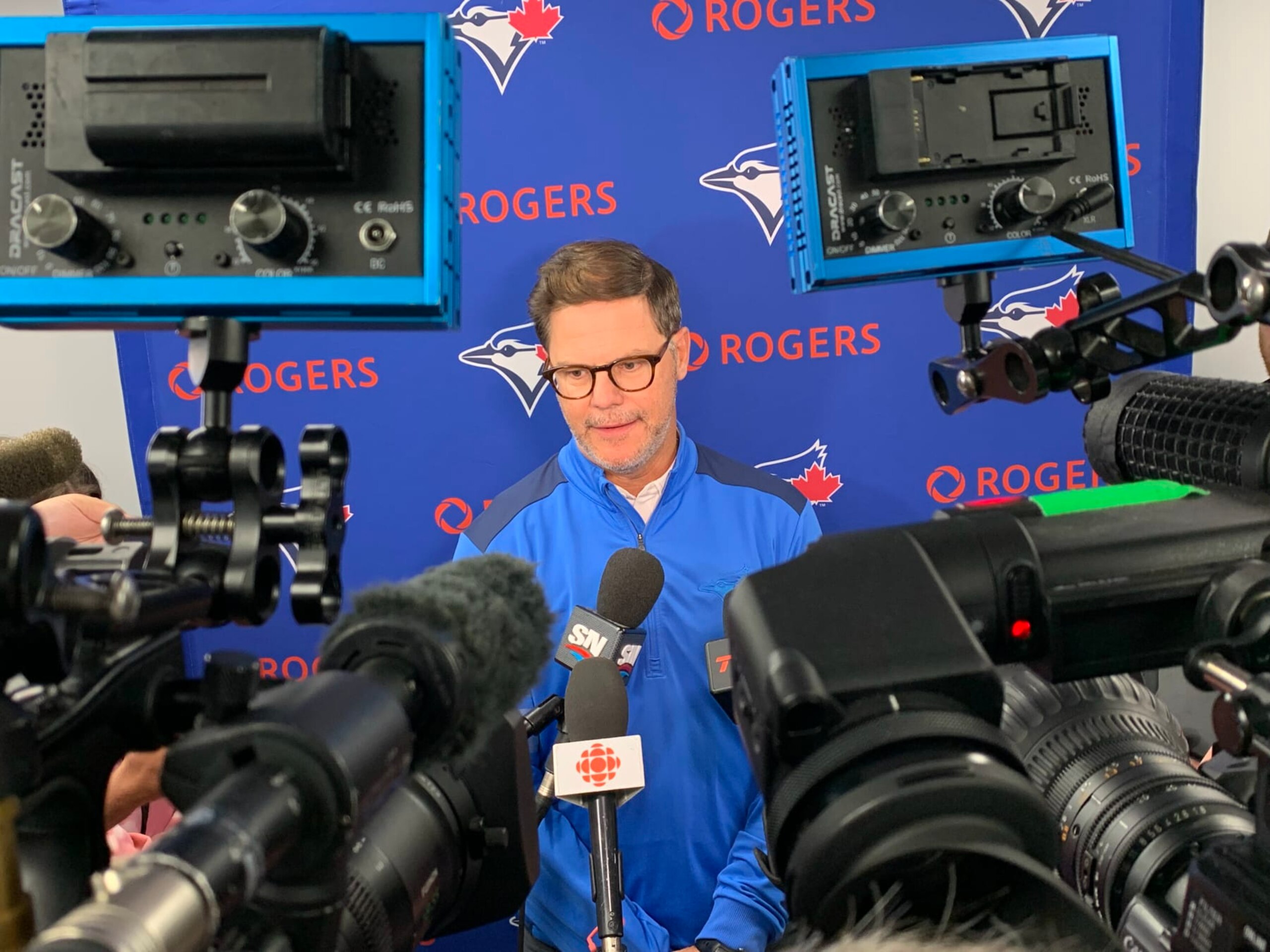
The Problem
The Toronto Blue Jays are bringing back Kevin Kiermaier, which is nice. They've also signed Isiah Kiner-Falefa, which is likewise nice.
Yet if Blue Jays fans are feeling unimpressed, well, that's on the team. When it's out there that you made runs at both Ohtani and Yamamoto only to be left with neither, you kind of owe your base more than a defense-first outfielder and a utility guy.
Unless the Blue Jays are going to use Kiner-Falefa at third base, a reunion with Chapman makes sense. There's not as clear of a fit for Bellinger after the Kiermaier deal, but Bob Nightengale of USA Today reports that he still interests Toronto.
The Solution
Oof, it really is tempting to say that the Blue Jays' best play is to simply re-sign Chapman. At least he's a known quantity, particularly regarding his Gold Glove-winning defense.
But if you're asking me, there's more to be gained from a deal with Bellinger.
He's simply a better all-around player than Chapman, for one thing, as he's a good defender in center field and at first base in addition to a solid source of contact, power and speed on offense. And rather than bumping Daulton Varsho to the bench, the Blue Jays could use a Bellinger signing as an excuse to shop Varsho on the trade market.
How Should the Cubs Make a Splash?
4 of 10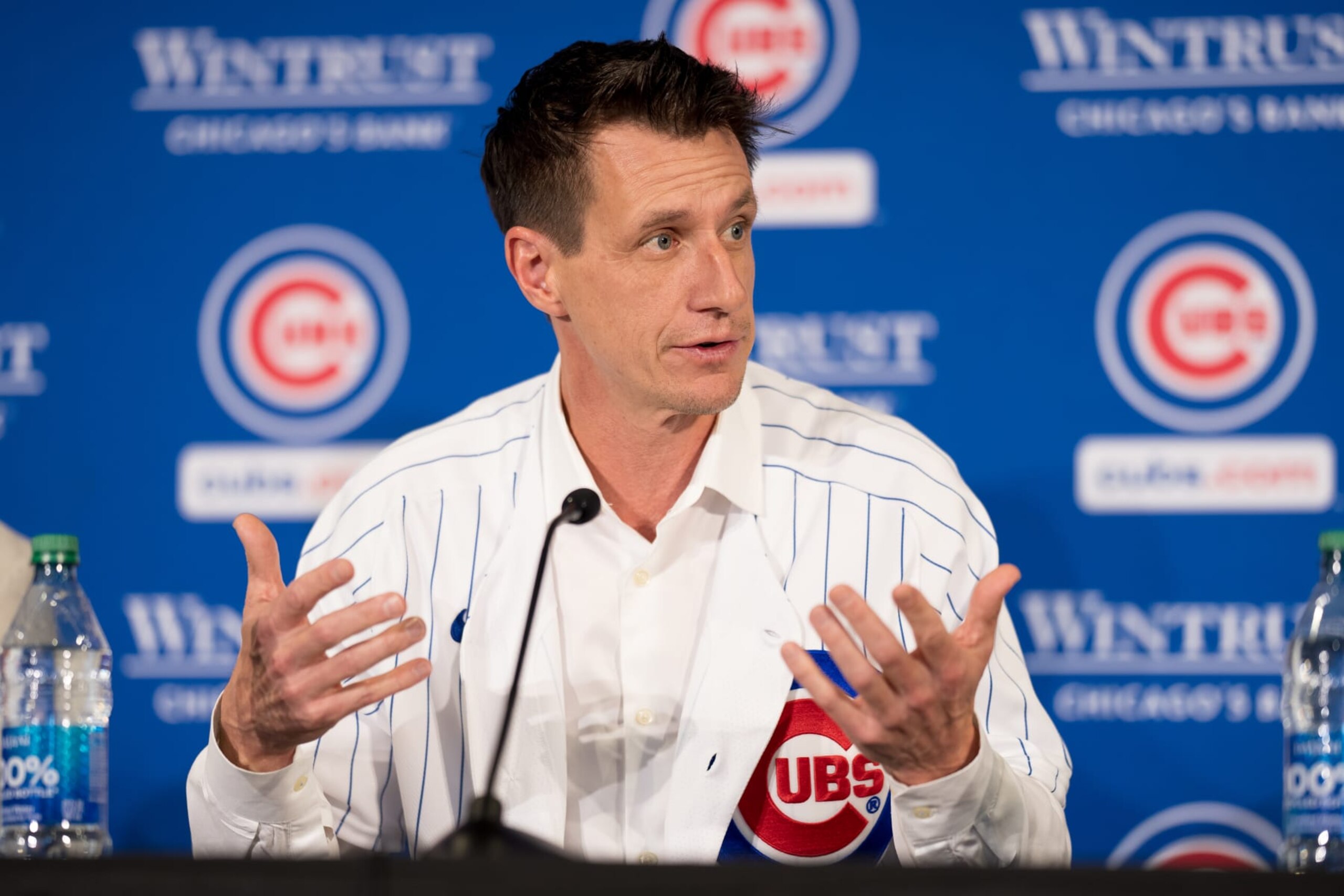
The Problem
Whereas the Yankees, Giants and Blue Jays have things to show for their offseasons despite missing out on top targets, the Chicago Cubs have yet to make any trades or sign any free agents to major league contracts.
It's a bit of a letdown after the Cubs immediately followed up a promising 83-win season by luring Craig Counsell to their manager's chair on a record-setting contract. And that much more so, of course, in context of the team's failed pursuit of Ohtani.
Though Bellinger still makes some sense for the Blue Jays, Heyman is probably right that the Cubs are a better bet to bring him back. Yet the Cubs are reportedly also interested in Chapman, who would fill a need at third base.
The Solution
The Cubs know from what happened this past season that they can have a good working relationship with Bellinger, and he indeed still fits them as a left-handed bat and as a regular in both center field and at first base.
Still, they're better off signing Chapman.
Whereas top prospect Pete Crow-Armstrong is ready to take over in center, actually moving ahead with Nick Madrigal at the hot corner isn't something a team should do if it's serious about contending. Having Chapman there would be far better, both for an infield defense that's already elite and for a lineup that could use his power.
What Is Cody Bellinger Worth?
5 of 10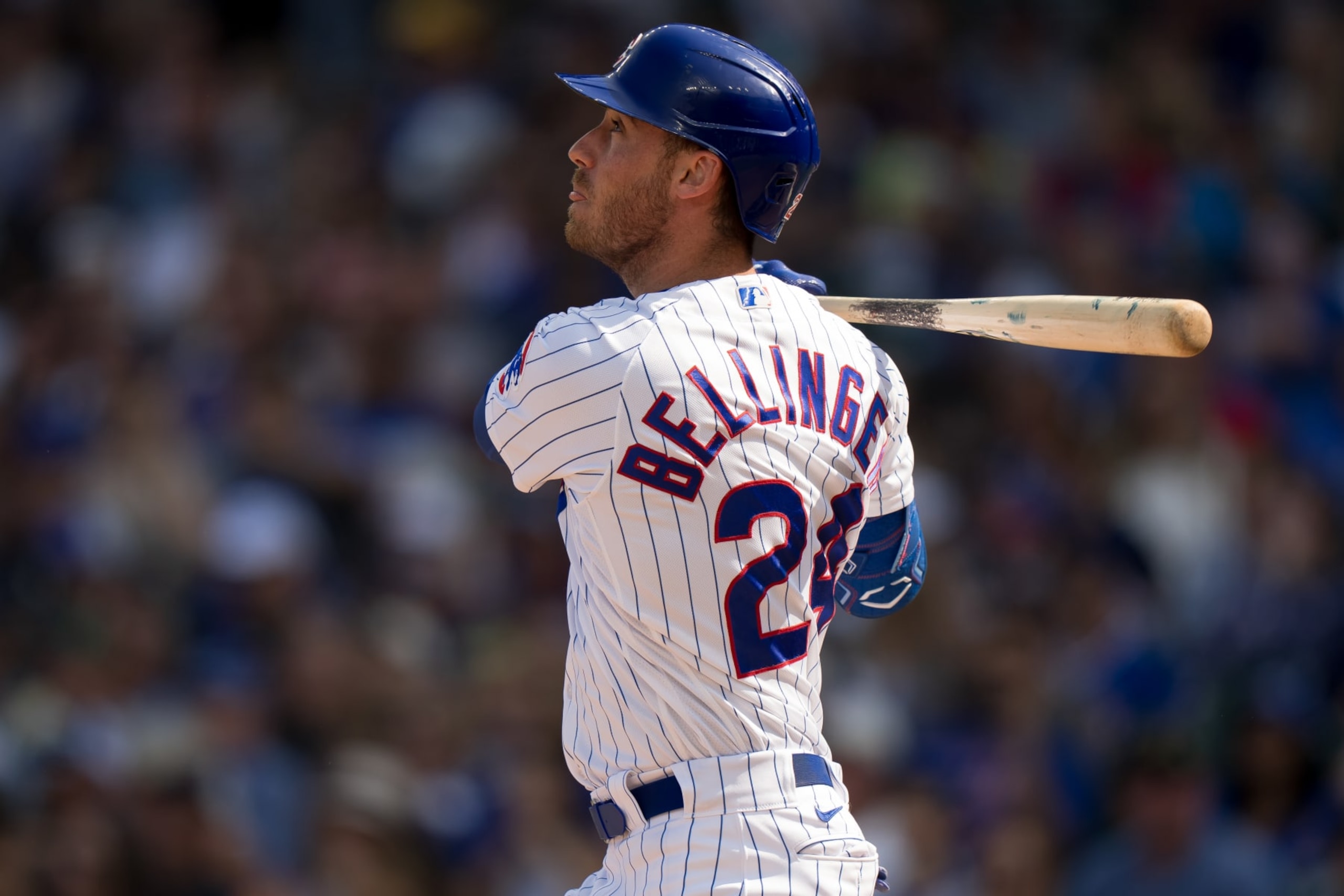
The Problem
Whether his best fit is with the Blue Jays, the Cubs or whoever, there's otherwise the dilemma of what Bellinger's contract should look like.
According to Nightengale, Bellinger wants a deal "in excess of $250 million." Given that he's an erstwhile National League Rookie of the Year and MVP who's still only 28, that's appropriate. But given that he also comes with major red flags, maybe not.
It's not just that Bellinger was an oft-injured wreck of a player in 2021 and 2022. It's also that he didn't hit the ball hard this year despite tallying 26 home runs, notably landing in the 22nd percentile for exit velocity and the 10th percentile for hard-hit rate.
The Solution
As MLB Trade Rumors forecasted a 12-year, $264 million deal for Bellinger in November, what he's said to be seeking is hardly ridiculous just on those grounds.
The contact-quality concerns, meanwhile, are overblown. The worst contact he made this season coincided with when he had a knee injury in May and June. He also clearly shortened up with two strikes, as he averaged 86.2 mph in those counts compared to 89.2 mph otherwise.
Besides, a $250 million deal for Bellinger would essentially be an inflation-adjusted version of the $215 million contract that fellow MVP-winning outfielder Christian Yelich signed in 2020, when he was fresh off his age-27 season. A fair deal, in other words.
What Is Matt Chapman Worth?
6 of 10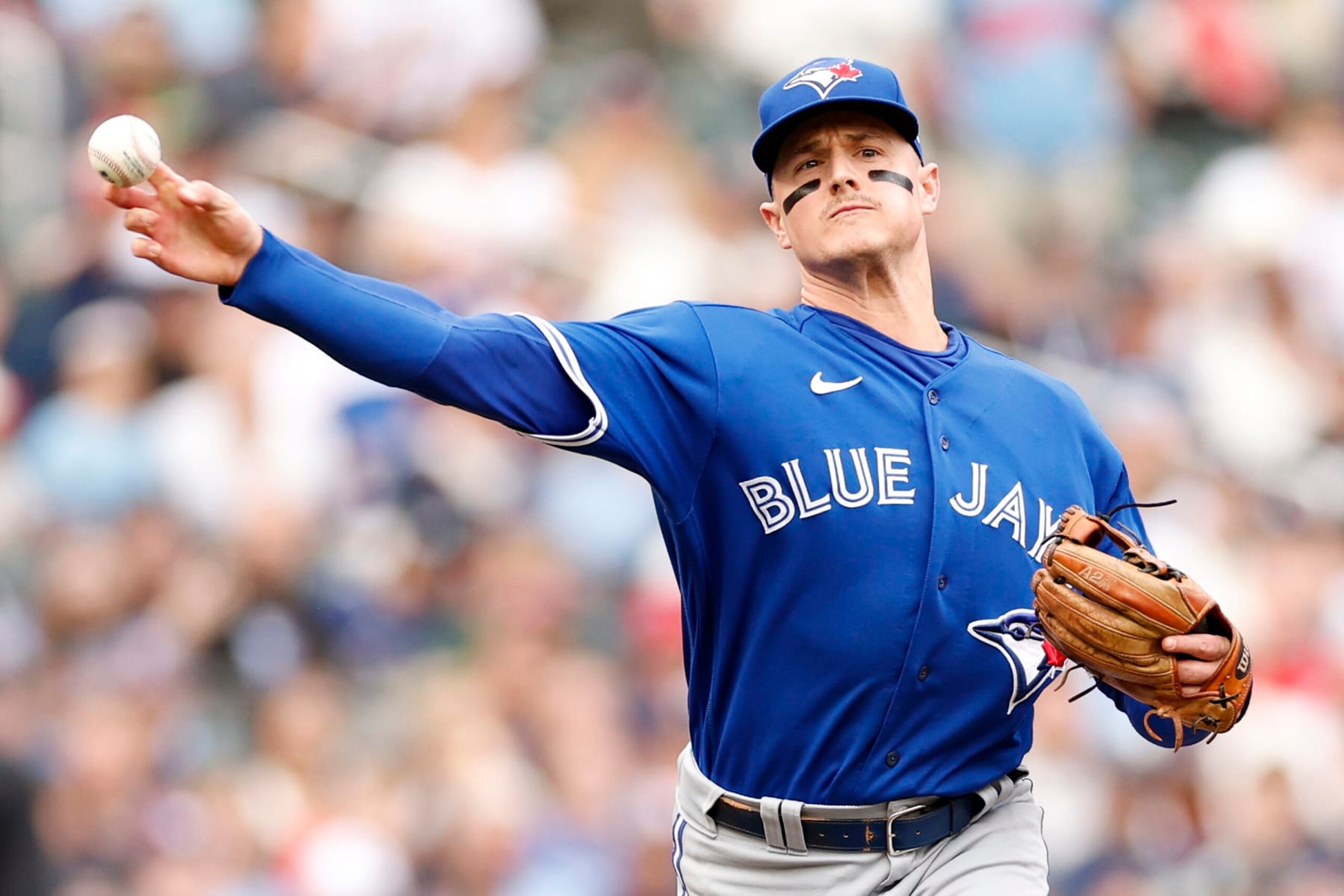
The Problem
Though Chapman isn't going to get paid nearly as much as Bellinger, the thinking is that he'll easily clear nine figures when he signs.
Both MLB Trade Rumors and Heyman have the 30-year-old pegged for a six-year, $150 million deal. Which is hardly outrageous, given that Chapman is a four-time Gold Glover who's averaged 29 home runs per 162 games for his career.
Yet he does come with some concerns, particularly on the offensive side. He's only been eight percent better than the average hitter over the last three seasons, and this last season saw him land beneath even the 20th percentile with his whiff and strikeout rates.
The Solution
Though there's nothing particularly relevant for Chapman's market among the biggest contracts for third basemen, a six-year, $150 million deal would basically be as if somebody lopped a year off the seven-year, $177 million contract that Dansby Swanson signed last winter.
That frankly doesn't seem right on two fronts. For one, Chapman is two seasonal ages older now than Swanson was then. And for two, Swanson's a better player who plays a premium position.
Even if the scarcity of able position players on this winter's market ends up nudging Chapman higher, a fair deal for him is probably more in the five-year, $100-120 million range than the six-year, $150 million range.
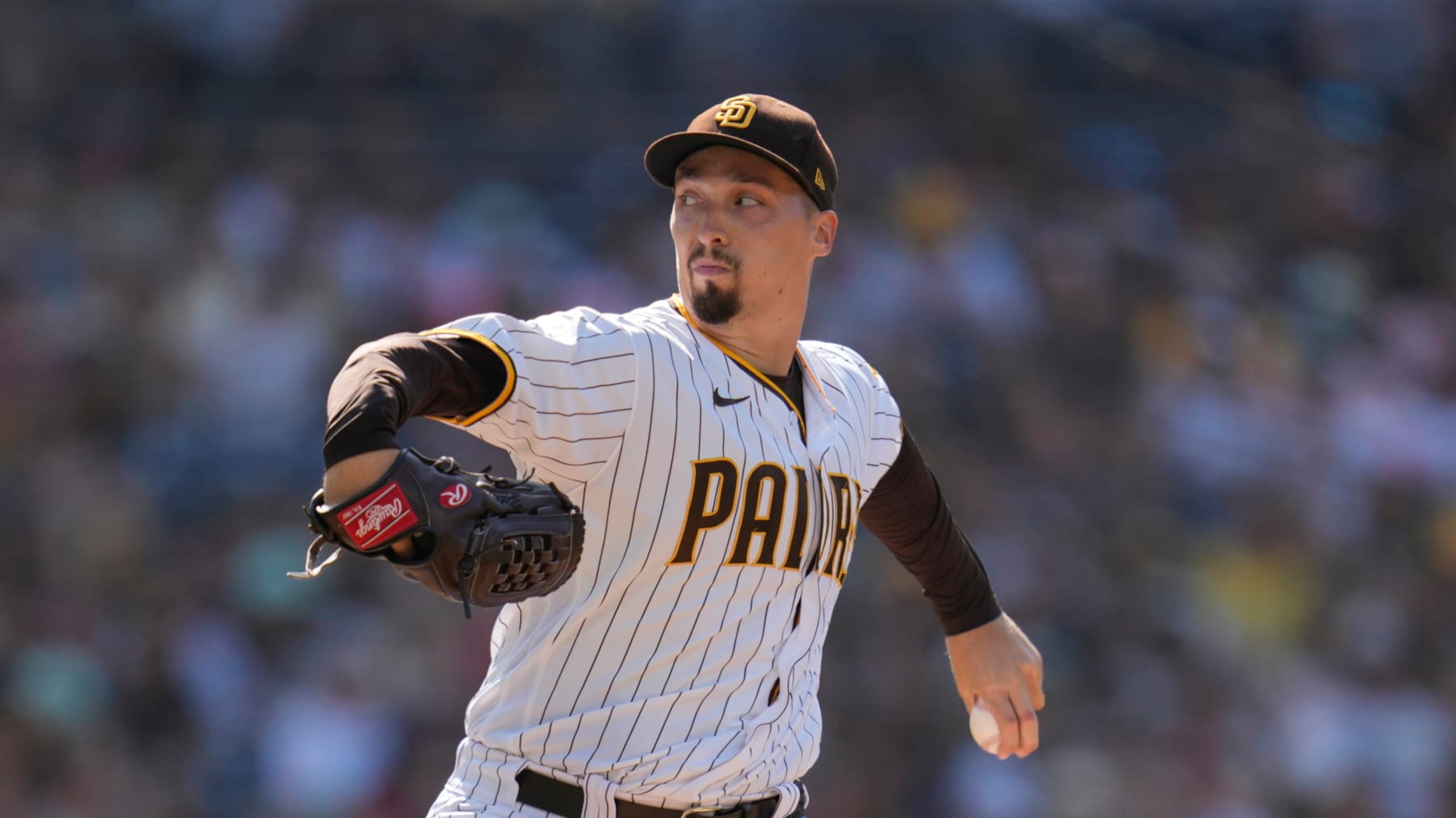
What Is Blake Snell Worth?
7 of 10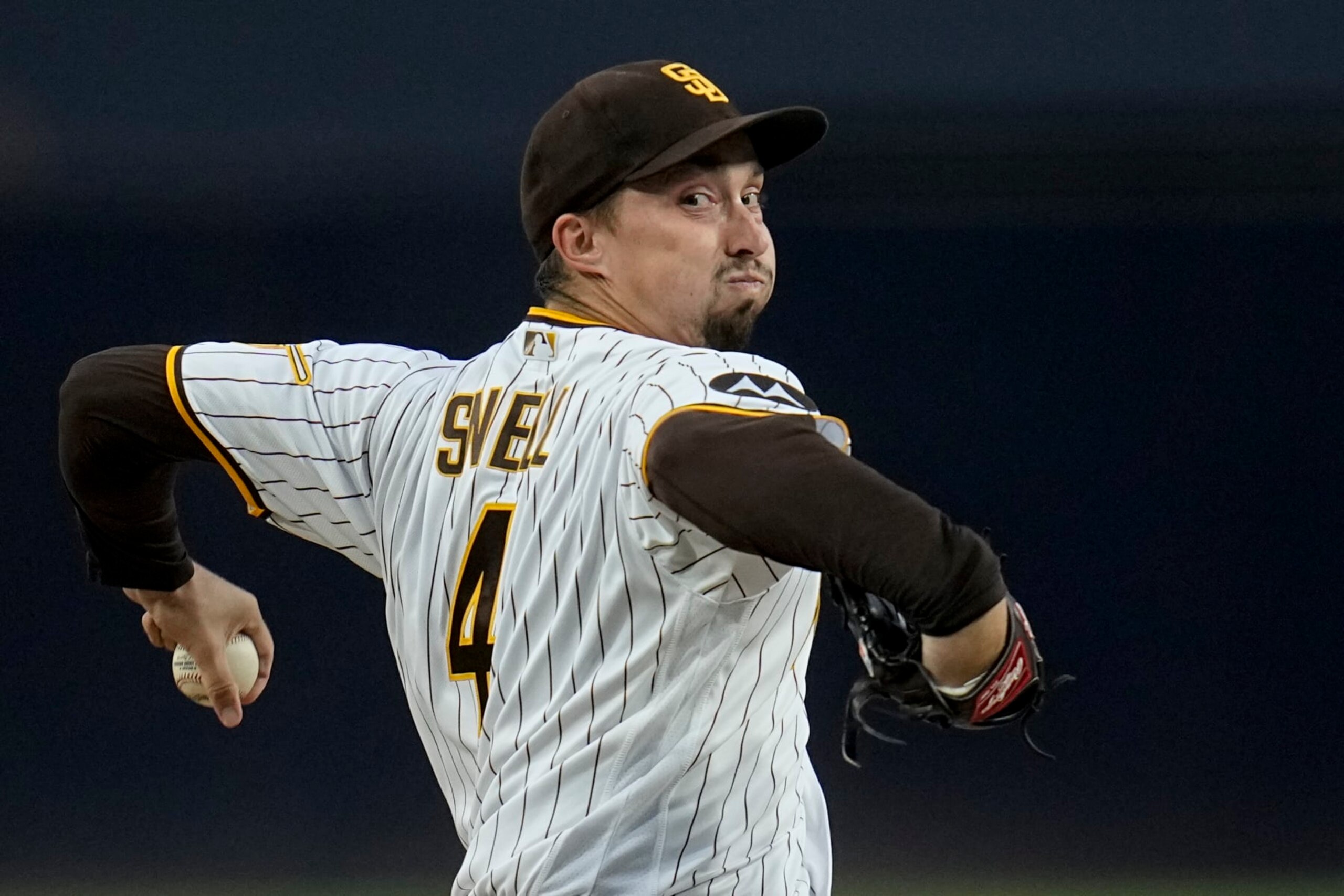
The Problem
Snell was never not going to get paid big bucks after collecting his second Cy Young Award in November, but his sticker price has almost certainly gone up since then.
Nola beat his MLB Trade Rumors projection by $22 million, while Yamamoto shattered his by $100 million. It therefore seems reasonable to expect that Snell will go over his projection for a seven-year, $200 million deal.
Whether he should is another question. Snell's Cy Young seasons are clear outliers in an eight-year career that's mostly marked by good-not-great run prevention. He has also yet to top even 190 innings in a season, in part because he's notoriously inefficient. To wit, he led MLB with 99 walks this year.
The Solution
The gold standard for an ace pitcher coming off his age-30 season is the seven-year, $245 million deal that Stephen Strasburg signed in 2019. If I'm Snell, that's my target.
If I'm a team trying to sign Snell, on the other hand, I'm thinking lower. The Strasburg deal isn't exactly a gold standard in terms of returns, after all, and the risk inherent in Snell's general profile arguably makes him more of a Rodón than a Strasburg.
Split the difference between Strasburg's $245 million deal and Rodón's $162 million deal, and you basically get $200 million. So rather than surpassing it, Snell should merely live up to his projection.
What Is Jordan Montgomery Worth?
8 of 10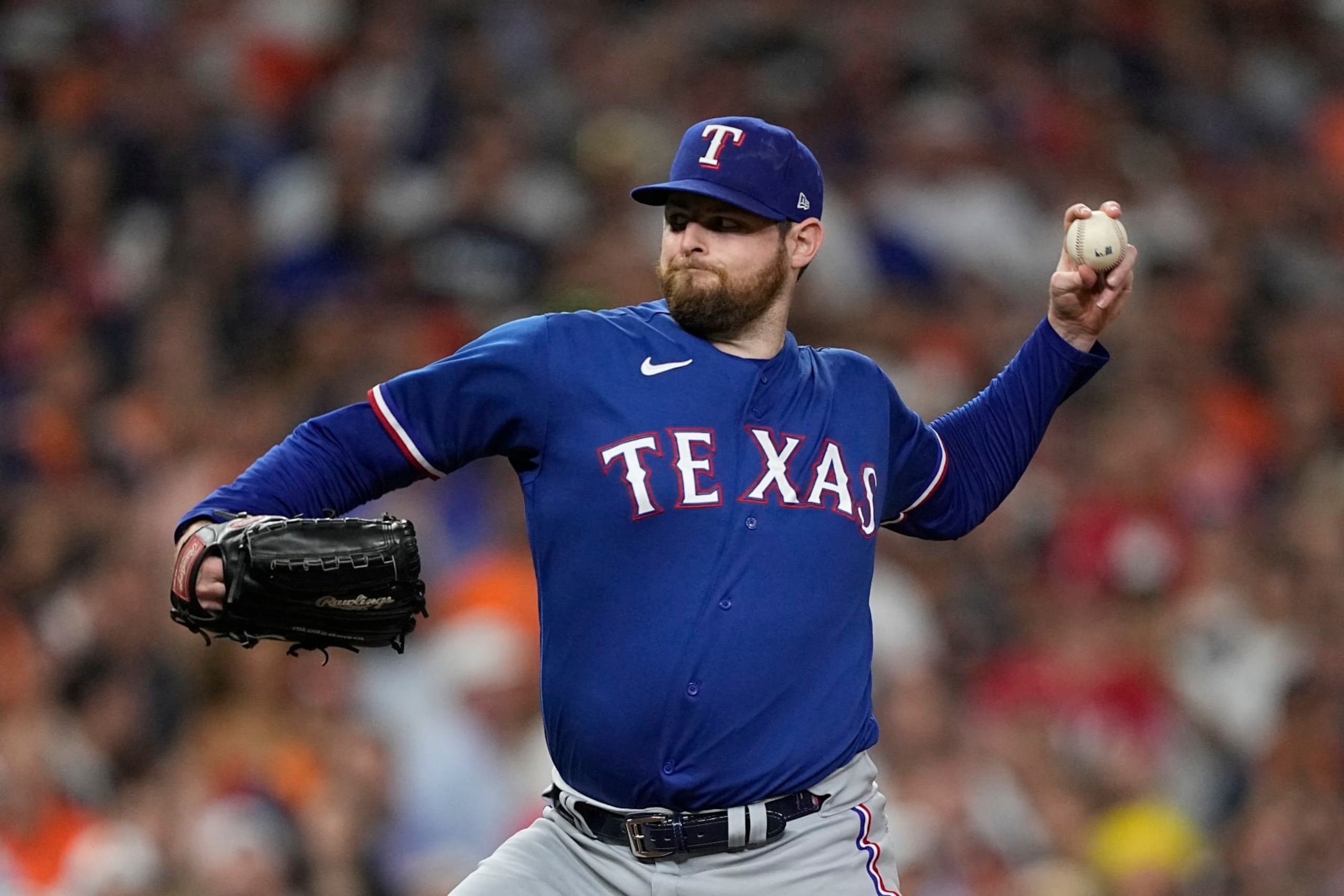
The Problem
Like Snell, Montgomery should also be looking at his contract projections and thinking, "Yeah, I should beat that."
At the outset, MLB Trade Rumors projected Montgomery for the exact same contract as Nola. That was obviously underselling Nola, so why should things prove to be any different for Montgomery?
If there's a good answer to this question, it's that Montgomery isn't an especially spectacular pitcher. He's been a modest 16 percent better than average for his career, and he's otherwise coming off a season in which he finished in the 34th percentile with his strikeout rate.
The Solution
Though Montgomery may not be a spectacular pitcher, there comes a point when you can't deny the results.
Ever since the Yankees traded him in Aug. 2022, Montgomery is among the top 10 pitchers in MLB even if you don't consider his heroics for the Rangers in this year's postseason. He's an outstanding control artist if nothing else, and his mastery of playing with hitters' timing and expectations should count as "something else."
Ideally, Montgomery will at least match the deal that Nola got. At worst, his eventual contract shouldn't go any lower than the $162 million that Rodón, a fellow lefty, got last winter.
What Is Josh Hader Worth?
9 of 10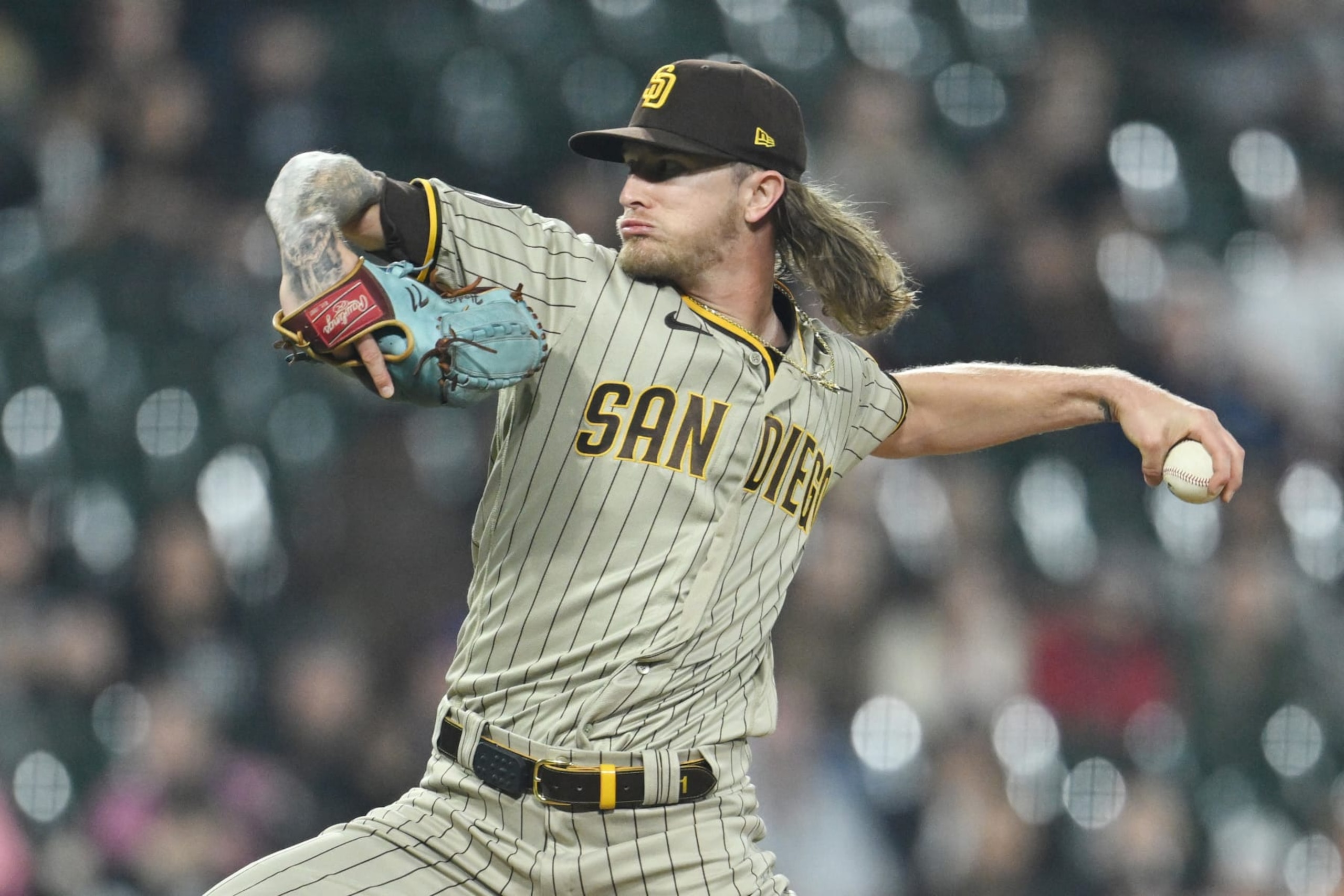
The Problem
Only one relief pitcher has ever gotten a contract worth north of $100 million. If he gets his way, Josh Hader will be the second.
As reported by Nightengale, the five-time All-Star closer "wants to break" the record-setting five-year, $102 million deal that Edwin Díaz got last winter. Which isn't necessarily aiming too high, given that Hader is just as accomplished and coming off yet another dominant season.
Still, the 1.28 ERA that Hader finished with does obscure some warning signs. His walk rate rose to a career-high 4.8 per nine innings, while his average fastball dropped by 1.4 mph and his strikeout rate followed suit.
The Solution
If this is a question of how the Hader of now compares to the Díaz of last winter, then things look favorable for the former. He has Díaz beat in multiple ways, including for ERA, strikeout rate and rWAR.
Hader is a year older than Díaz, however, and it's noteworthy that Díaz didn't have the same red flags when he was a free agent. His velocity had indeed risen in 2022, and he had also been just the third reliever to ever strike out more than half the batters he faced in a season.
Between this and the apparent shallowness of Hader's market, something more like four years and between $80 and $90 million seems right for him.
Where Should Clayton Kershaw Continue His Career?
10 of 10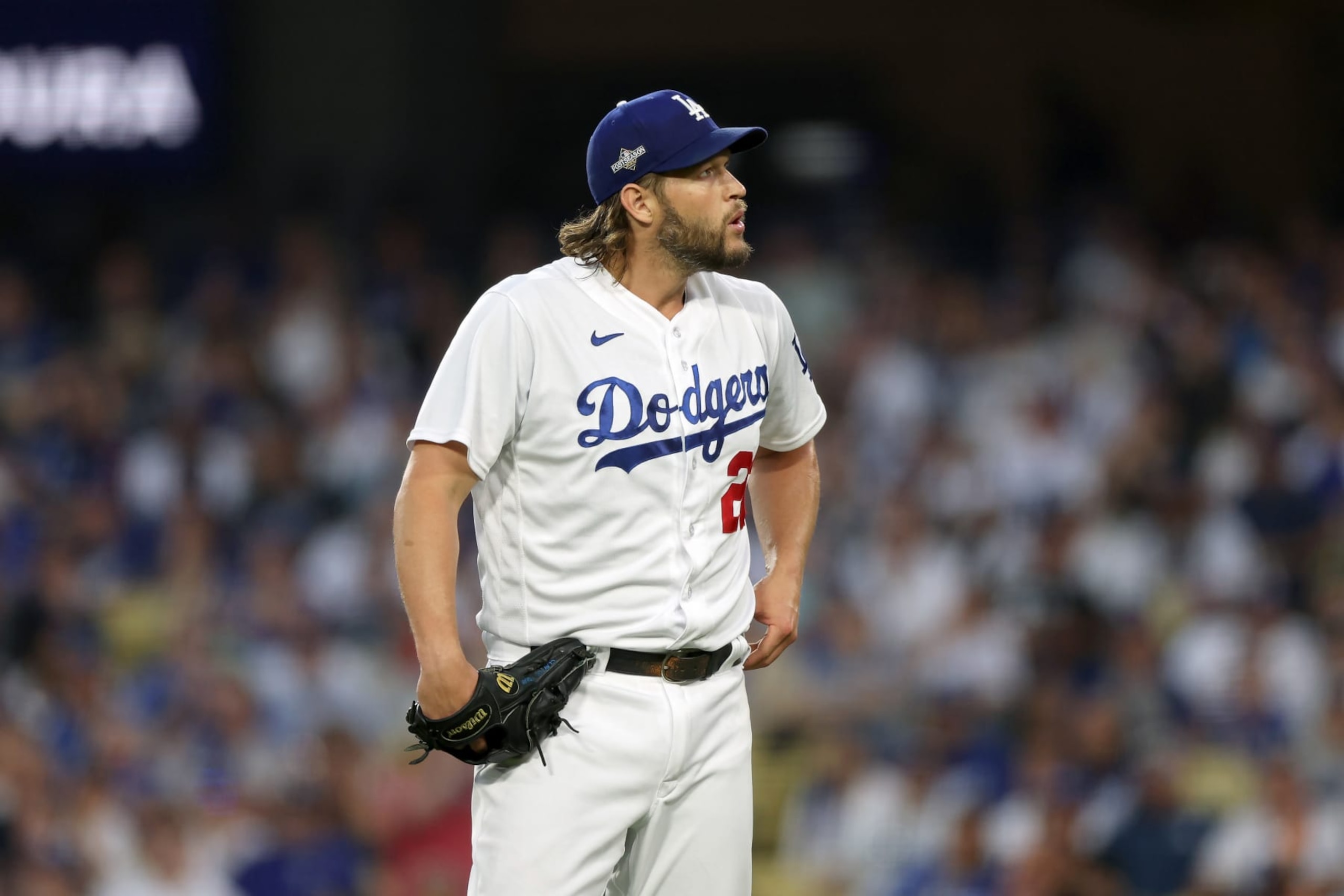
The Problem
If anyone watched Clayton Kershaw get shelled in Game 1 of the National League Division Series and thought he shouldn't go out like that, well, apparently he agrees.
Though Kershaw won't be able to pitch until the middle of 2024 after having shoulder surgery, he's already decided he does indeed want to pitch.
The only question is where. There's still a spot for him on the Dodgers. But with the Texas Rangers also reportedly in pursuit, the Dallas native also has a chance to come home and pitch for the reigning World Series champions.
The Solution
The idea of Kershaw signing with Texas isn't nearly as baffling as it was in each of the last two winters. In addition to a shot at his second ring, the Rangers can also offer a chance to eventually pitch alongside fellow Cy Young Award winners Max Scherzer and Jacob deGrom.
Yet the Dodgers remain the best place for Kershaw, and not just because they're the only franchise he's ever known.
If ever there was an opportunity not to miss out on, it's one to be part of a team that already had Mookie Betts and Freddie Freeman and which now has Ohtani, Yamamoto and Tyler Glasnow. Even relative to all the Dodgers have done over the last decade, what they could do in 2024 could be something truly special.
Stats courtesy of Baseball Reference, FanGraphs and Baseball Savant.
.jpg?w=2560 "Bleacher Report's Expert NFL Picks 🔮")


.jpg?w=2560 "Jalen Hurts Out Sunday")
.jpg?w=2560 "Tennis Player Gets 24-Year Ban for Match Fixing (AP)")