
Judge Rules NCAA Athletes Who Transferred Twice Are Immediately Eligible to Play
College athletes who have transferred twice are now eligible to play after a federal judge on Wednesday granted a 14-day restraining order against the NCAA, according to John Raby of the Associated Press.
West Virginia Judge John Preston Bailey issued the order barring the NCAA from enforcing a rule that prevents two-time transfers from being immediately eligible to compete with their new programs.
TOP NEWS

Updated CFP Bracket Projections 🔮

Week 5 AP Top 25 Poll 🔢
Top Overreactions after Week 5 of CFB Season 😧
The NCAA is facing a lawsuit filed by West Virginia and six other states that alleges the two-time transfer rule is a violation of the Sherman Antitrust Act. It claims the rule "unjustifiably restrains the ability of these college athletes to engage in the market for their labor as NCAA Division I college athletes."
According to the U.S. Department of Justice, the Sherman Antitrust Act "prohibits conspiracies that unreasonably restrain trade."
"Under the Sherman Act, agreements among competitors to fix prices or wages, rig bids, or allocate customers, workers, or markets, are criminal violations," the DOJ website states. "Other agreements such as exclusive contracts that reduce competition may also violate the Sherman Antitrust Act and are subject to civil enforcement."
The NCAA made it more difficult for two-time transfers to be granted immediate eligibility after voting in January to restrict the number of waivers given to those who transfer more than once to prevent players from returning to the portal.
However, the rule also states that second-time transfers can be granted immediate eligibility "if they have a physical injury or mental health condition that pushed them to transfer from a school."
The rule has caused plenty of controversy in college athletics, as some of the country's top athletes have been prevented from competing with their new programs.
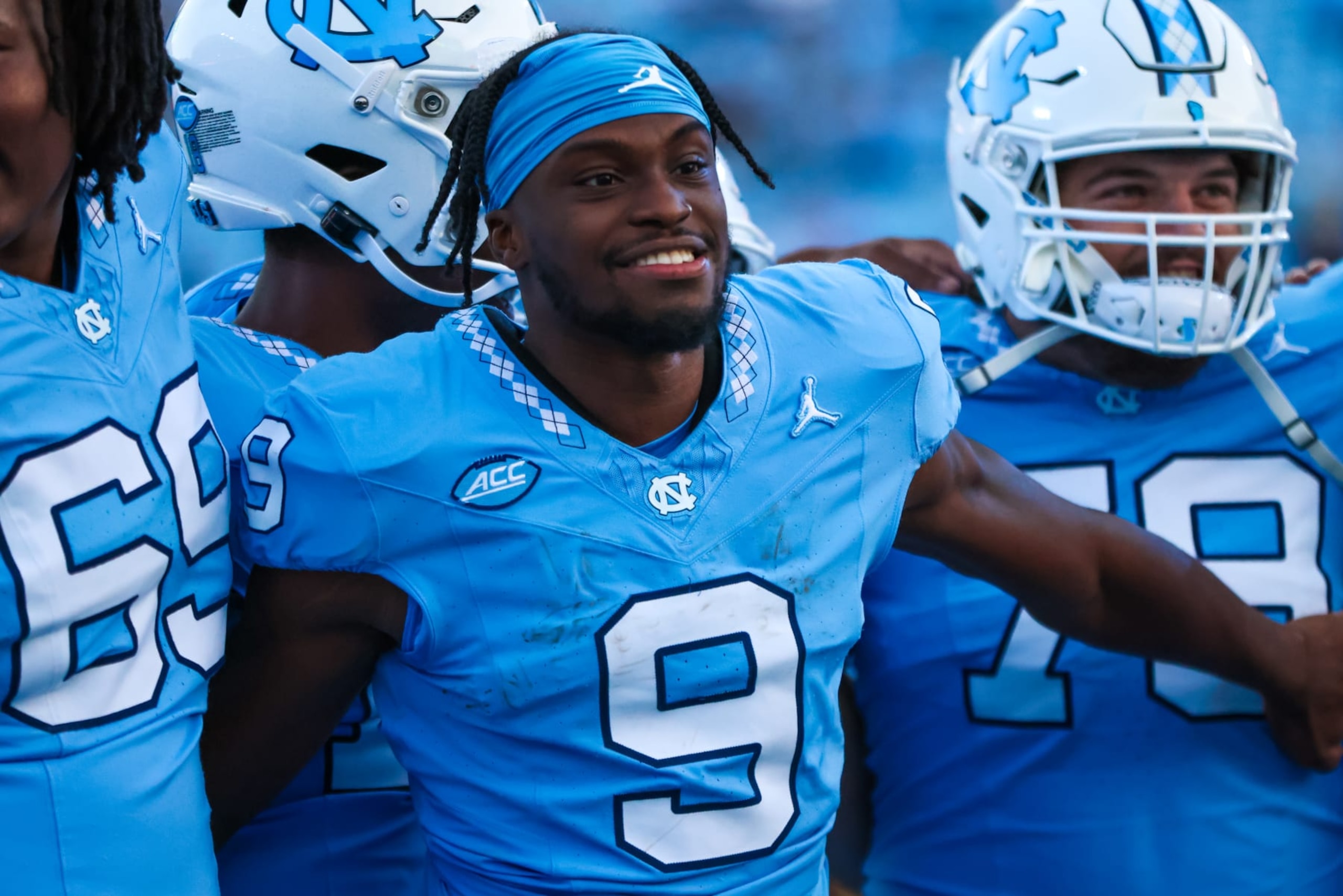
UNC wide receiver Devontez Walker was initially barred from suiting up for the Tar Heels after having also spent time with NC Central and Kent State. The NCAA ruled that Walker was ineligible and also denied his appeal before allowing him to return to the field in October after more information was provided on his case.
It's unclear if athletes initially barred from competing under the NCAA's two-time transfer rule will look to compete within the 14-day window.
_0.png?w=2560)



.jpg?w=2560 "Love's Body Already 'Tired'")


.jpg?w=2560 "Tyreek Deal May Come Soon")


.jpg?w=2560 "Ward Nearly Walks Out of Presser ▶️")